Why Roof Repairs Can Be the Bigger Cost After Possum Removal
Most homeowners budget for the removal. They ring around, hear that getting a possum out and sealing the entry points will cost somewhere in the hundreds, and plan for that.
Then the technician comes down and starts talking about fascia boards, insulation and a stained section of ceiling. Nobody budgets for that conversation, and where a possum has been resident for a season or more, the repairs routinely cost several times the removal.
The Two Bills, Side by Side
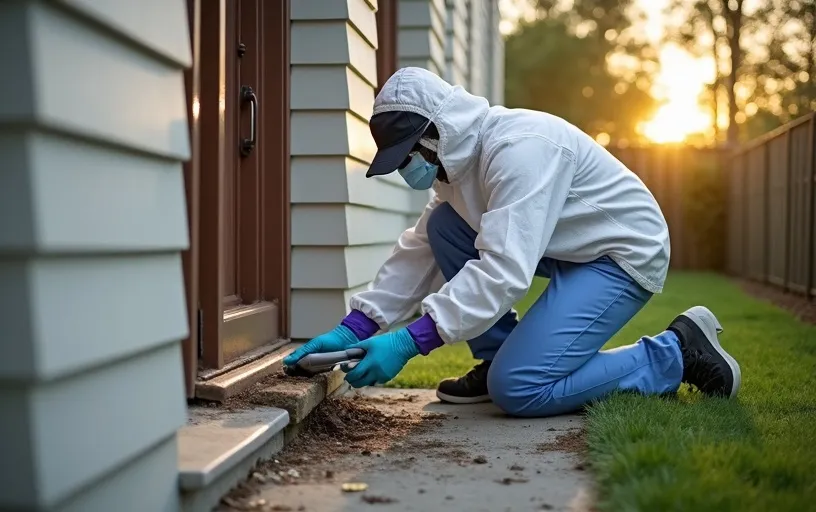
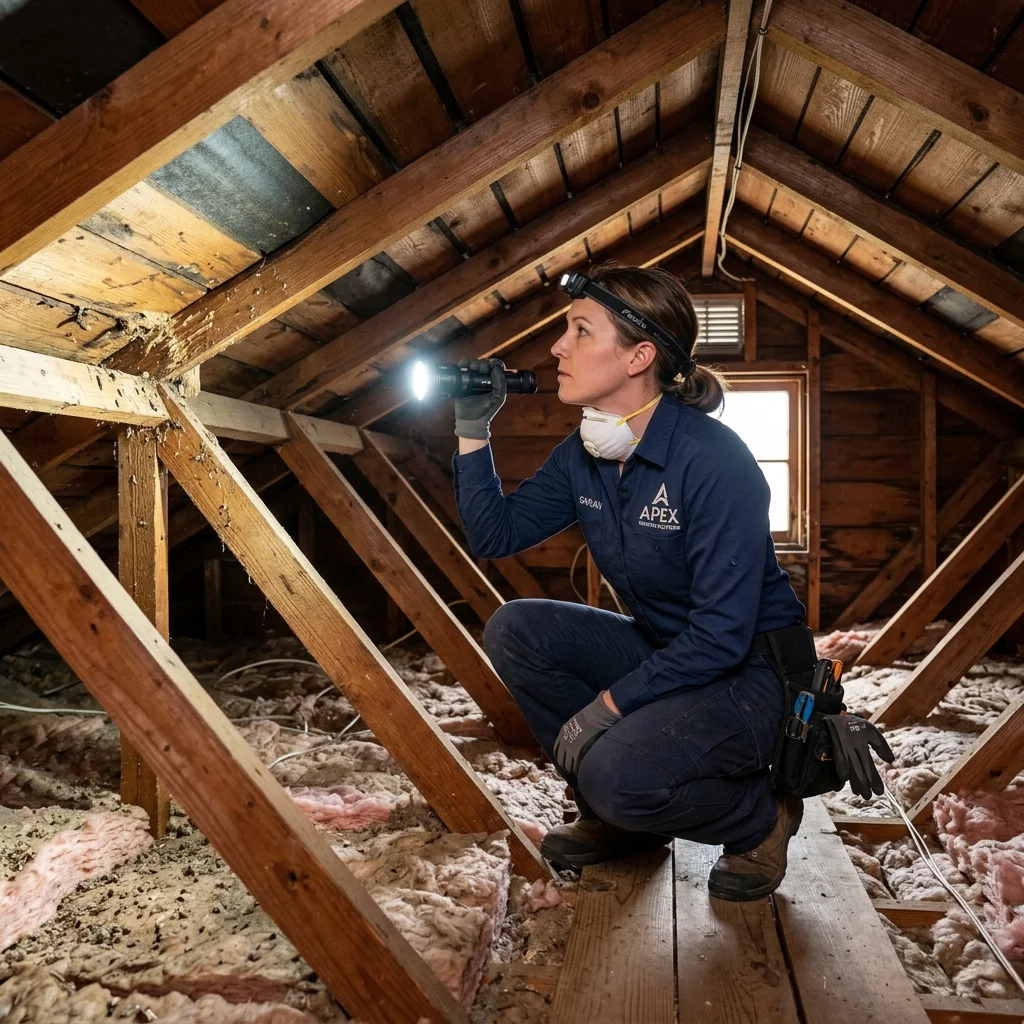
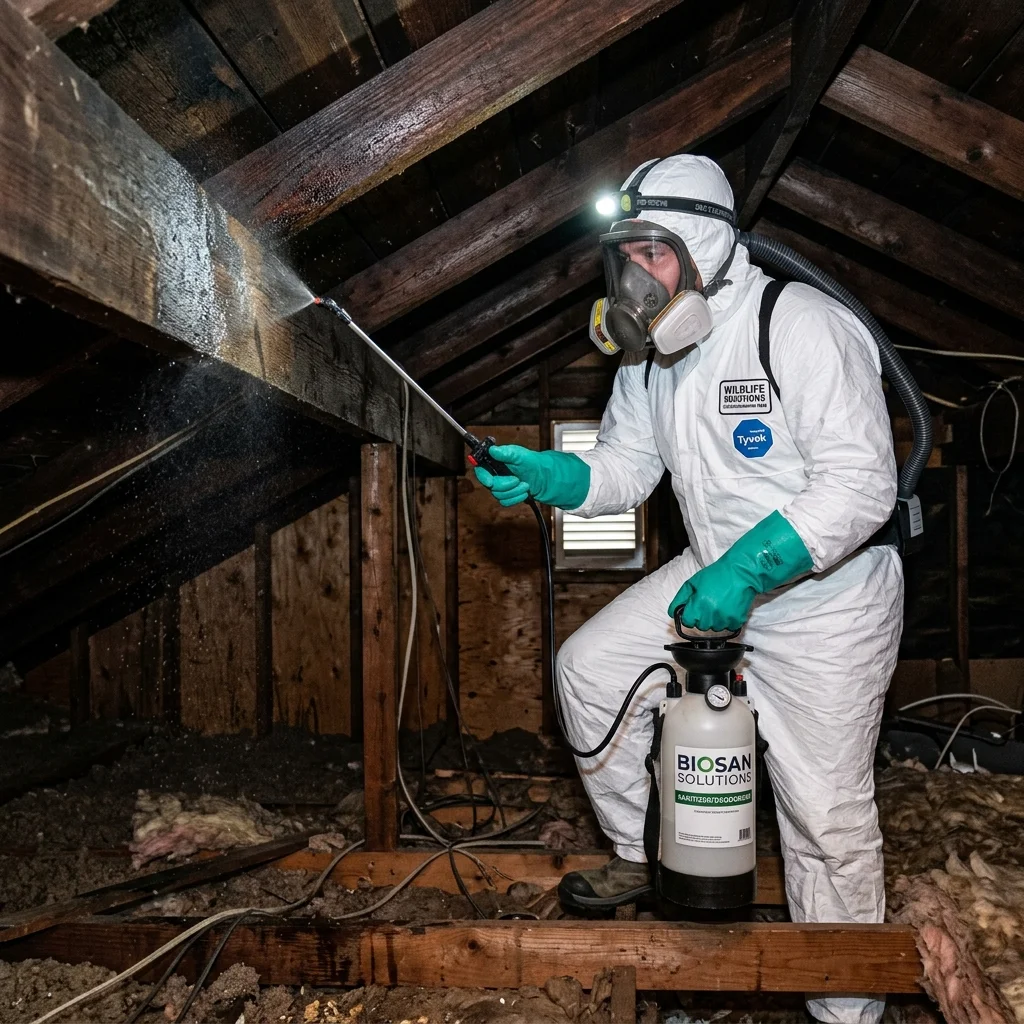
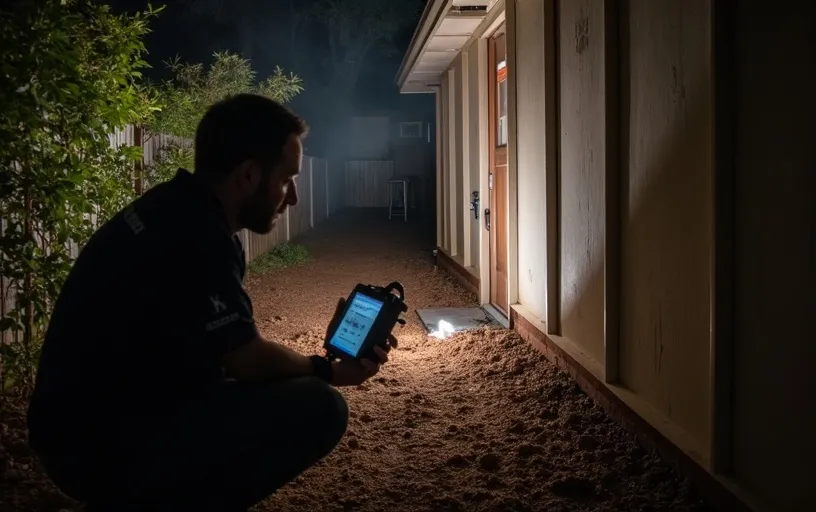
Removal and exclusion is a reasonably contained piece of work. An inspection to locate the nest and map the entry points generally runs $150 to $250. Exclusion on a home with one or two entry points, including one-way doors and sealing, typically costs $300 to $600. Decontaminating the nesting area starts around $200 and reaches $500 or more where insulation is involved.
So a straightforward job lands somewhere between about $650 and $1,350 all up. Now the repair side.
- Insulation removal and replacement in the affected area: $400 to $1,500, and $2,000 to $4,000 if the whole roof needs doing.
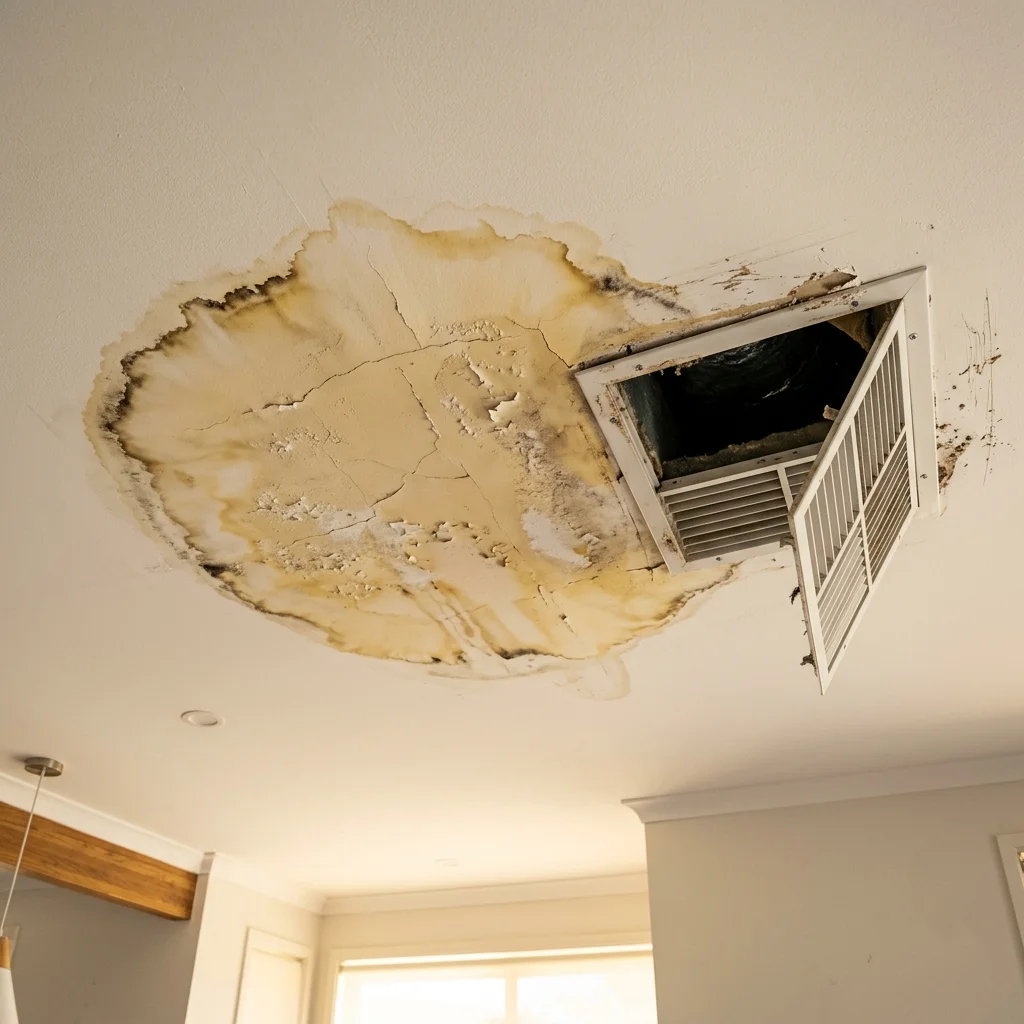
- Replacing a stained or sagging plasterboard ceiling section: $500 to $1,500, or $1,500 to $3,000 for a full room including set and paint.
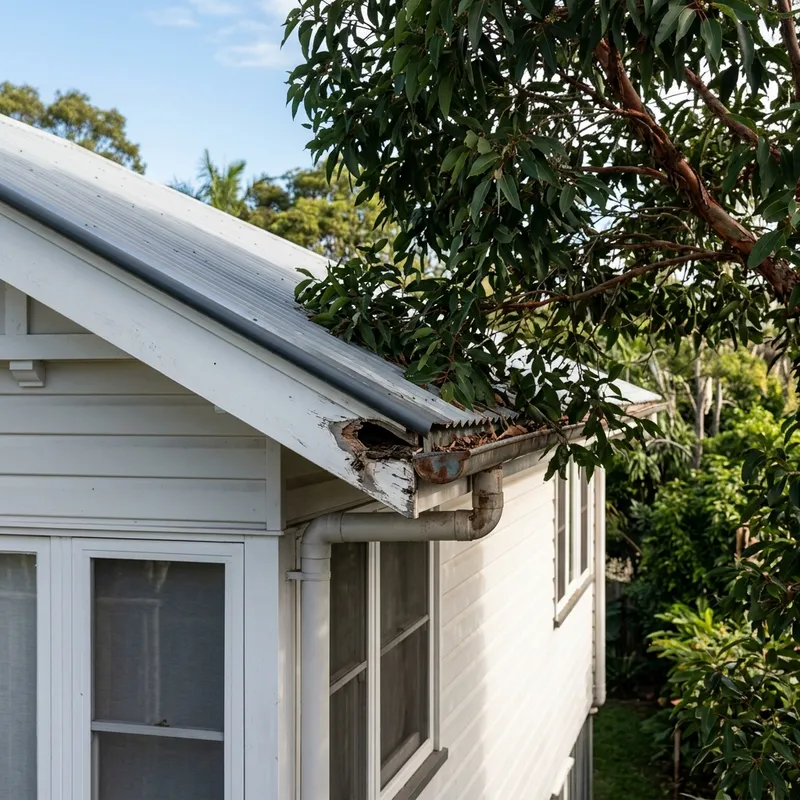
- Timber fascia, barge board or eaves repair: $300 to $900 per section.
- Roof tile re-bedding and repointing where tiles have been displaced along the ridge: $1,500 to $4,000.
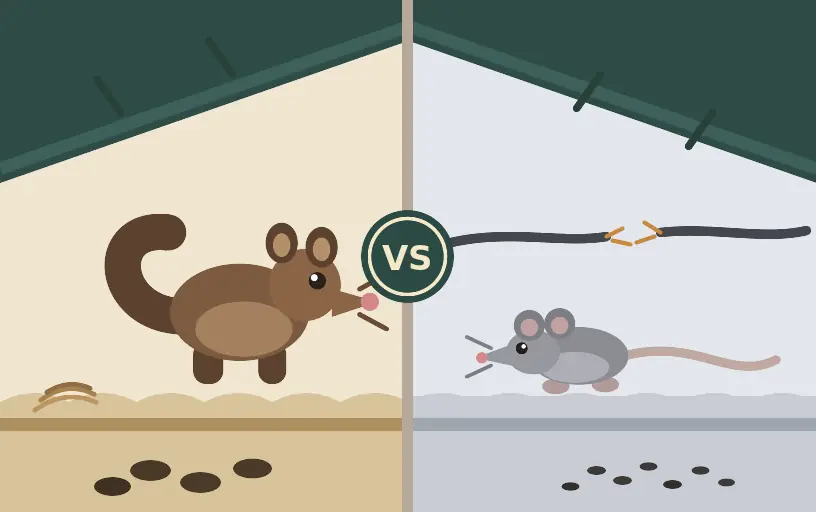
- Electrical work where cabling has been chewed: $300 to $1,000 or more, and it needs an electrician rather than a wildlife technician.
- Gutter and downpipe repair: $200 to $600.
A single one of those can exceed the entire removal. Two or three together is how a possum problem becomes a four-figure repair.
Why the Damage Is Usually Worse Than It Looks
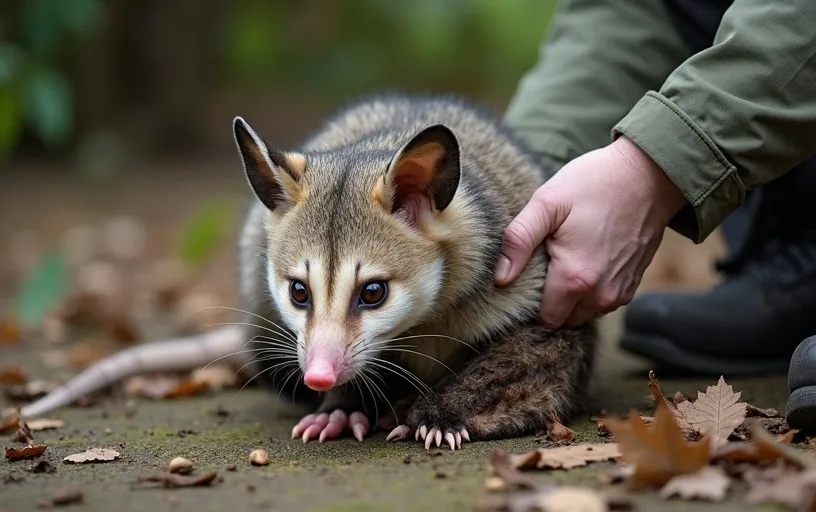
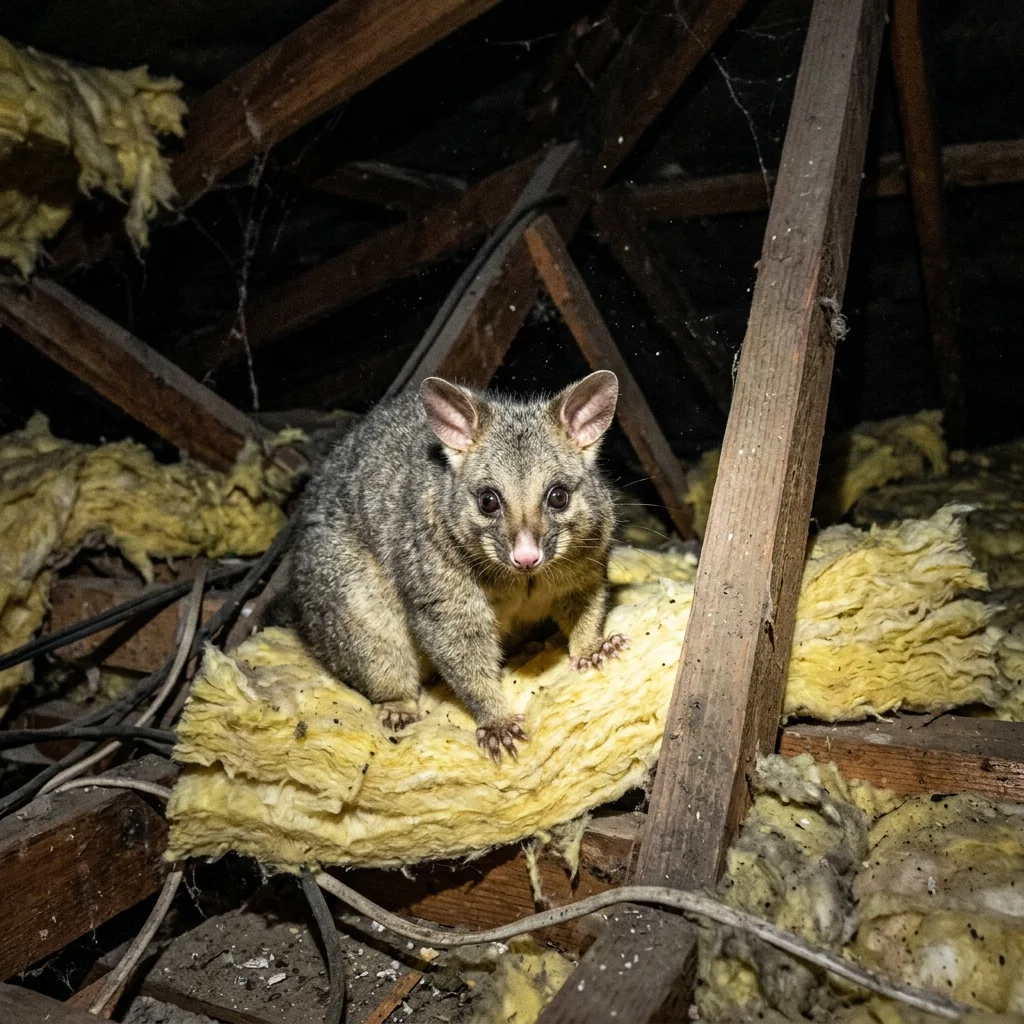
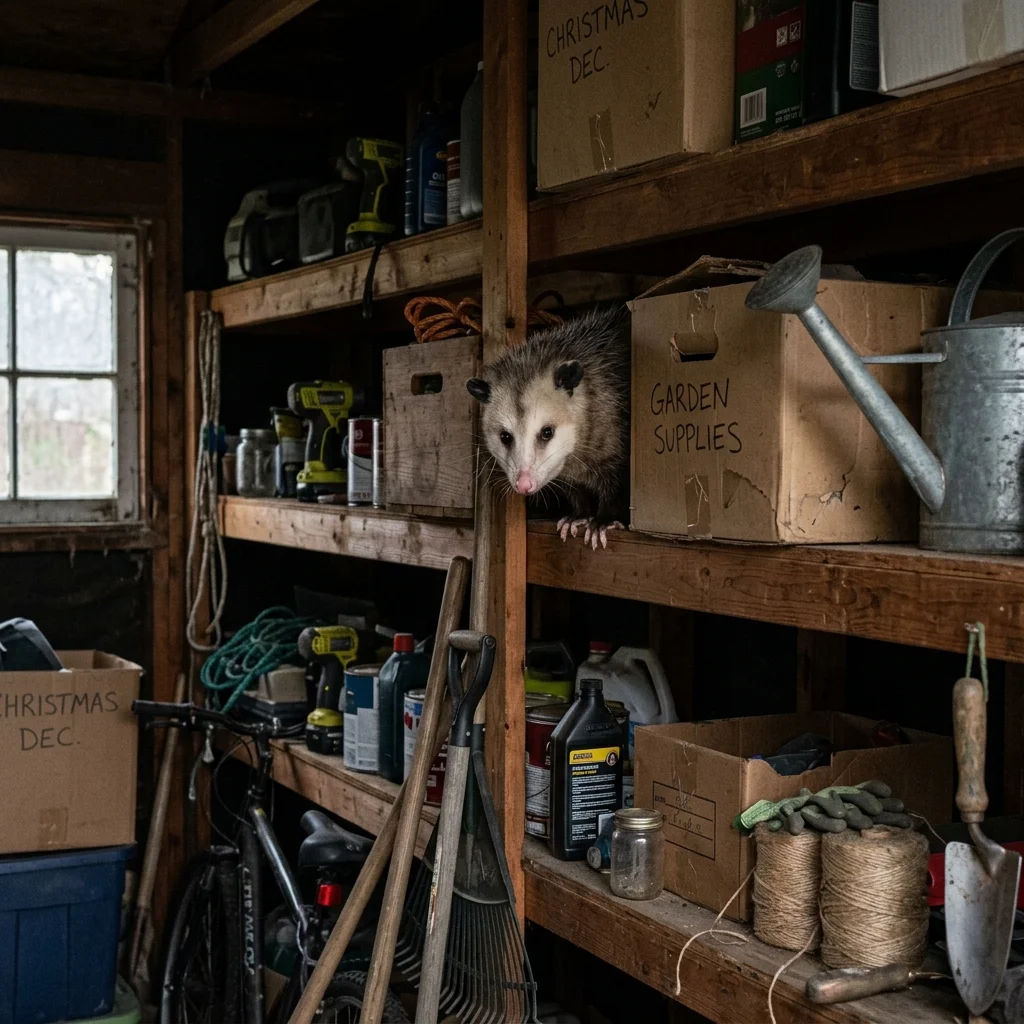
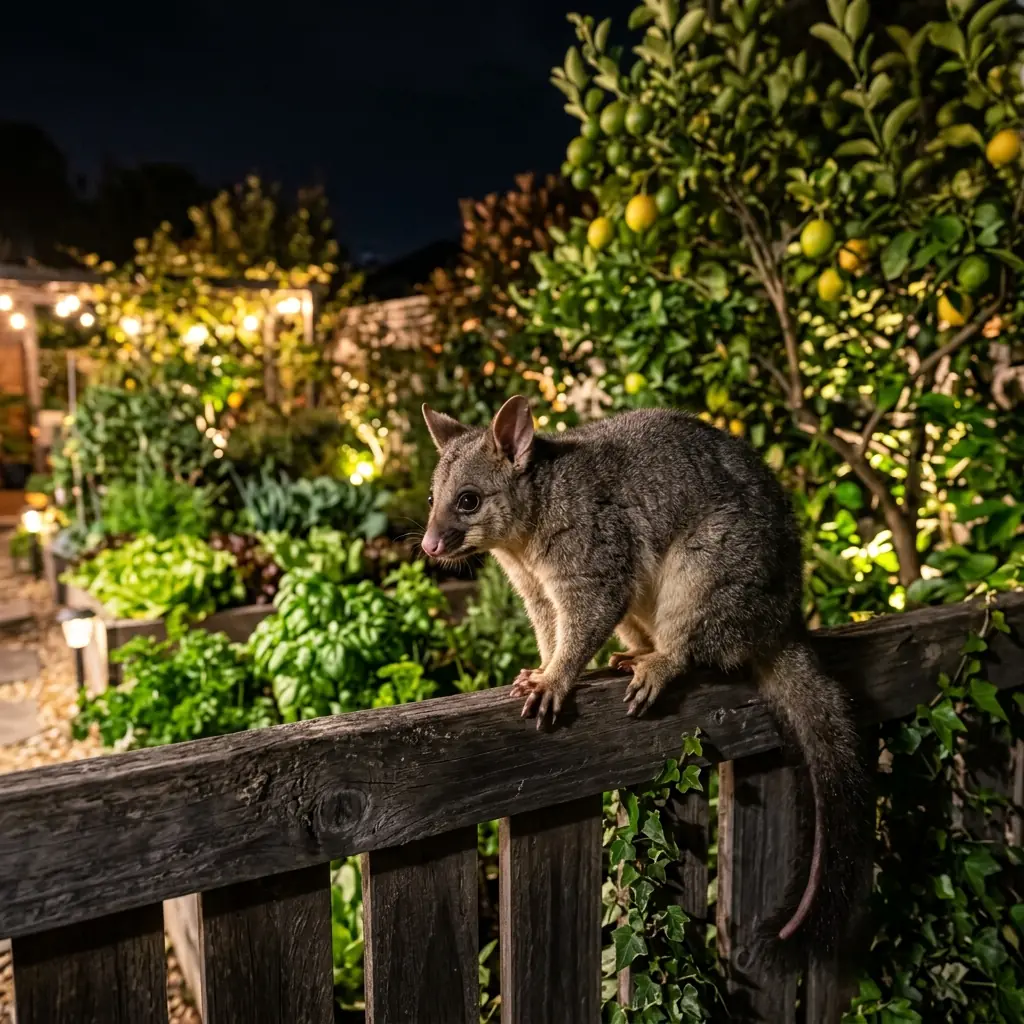
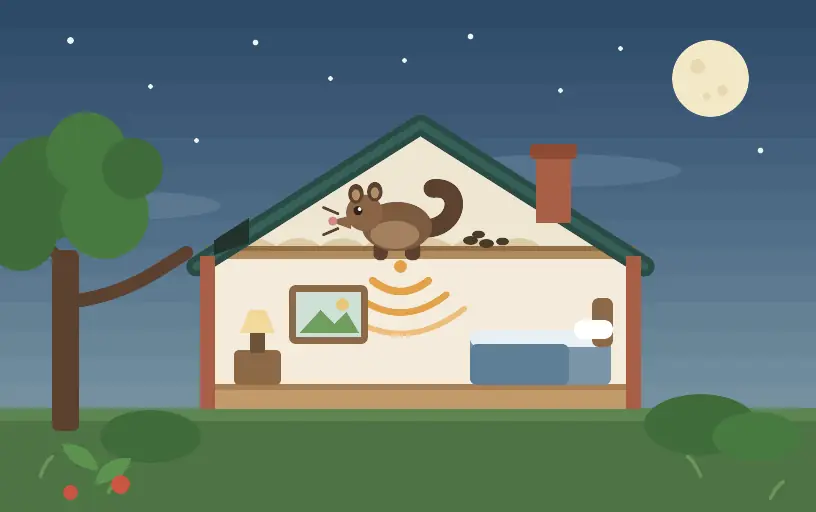
An adult brushtail weighs three to five kilograms, roughly the mass of a small cat moving around above your ceiling every night. Three things follow from that.
Weight on surfaces never designed for it. Ceiling plasterboard holds itself up and nothing else. A possum using the same run every night compresses insulation and can crack or deflect the sheet.
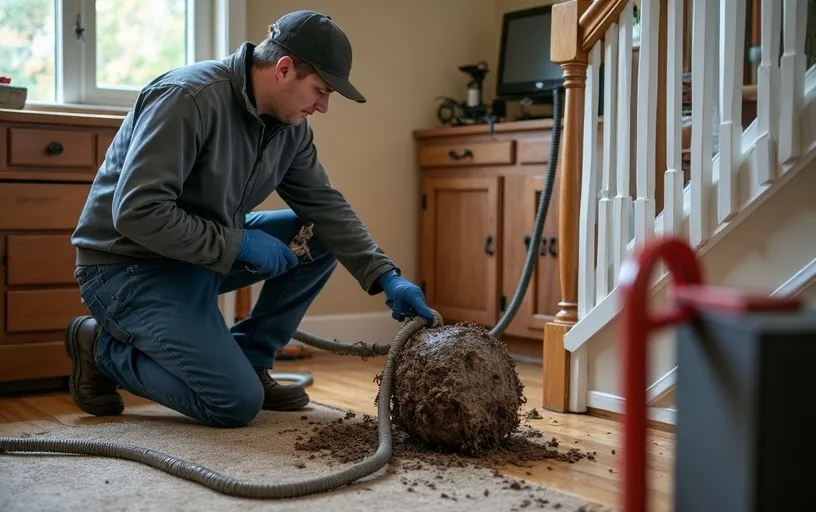
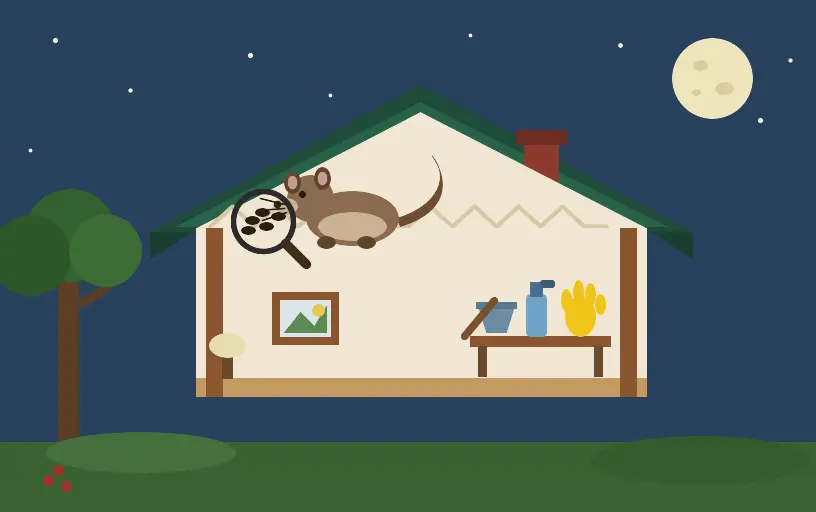
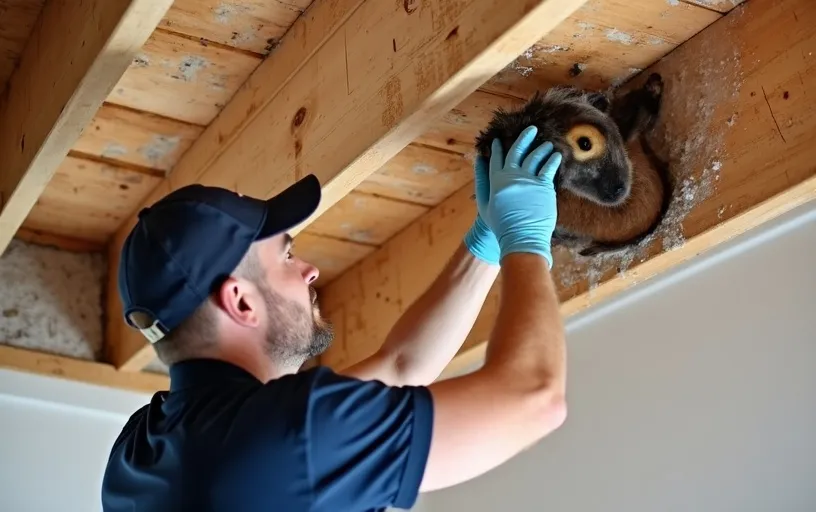
Urine concentrated in one place. Possums latrine in a preferred spot rather than spreading it around. Months of that saturates insulation, soaks into the plasterboard above and produces the brown staining that eventually shows on the ceiling below. Once you can see it, the material has to be replaced rather than cleaned.
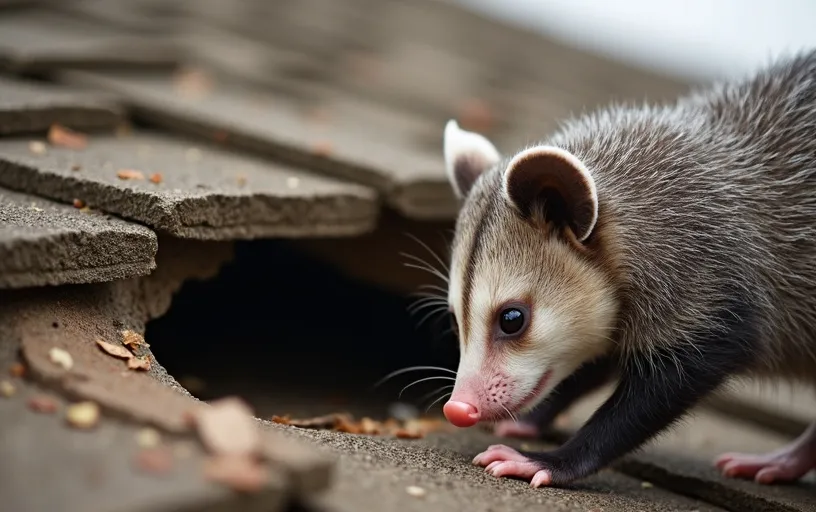
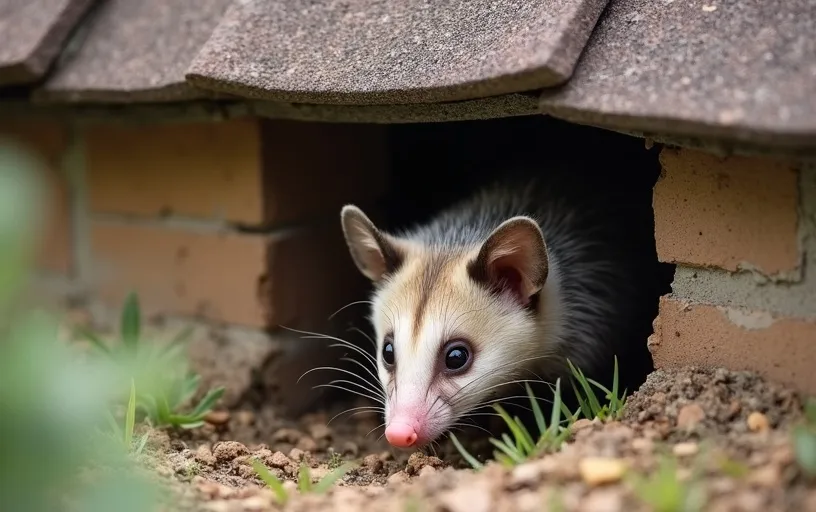
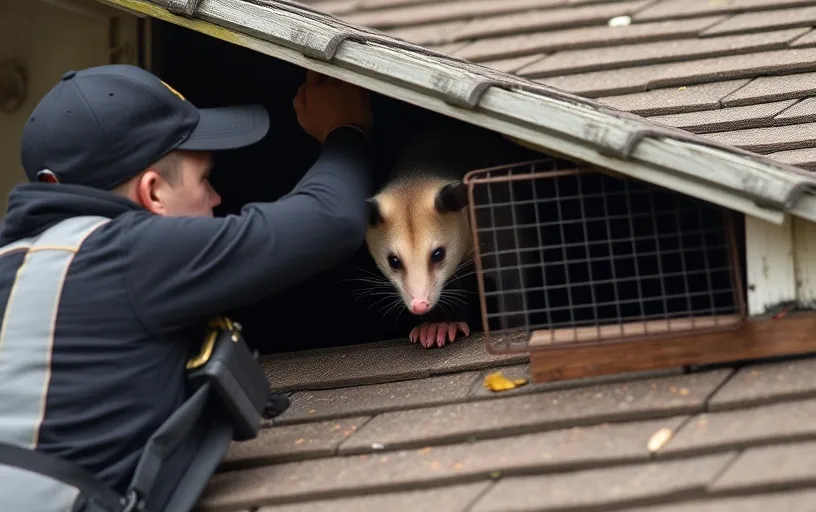
Entry points get enlarged. A possum rarely uses a gap as it finds it. It works at the opening until it fits, turning a small gap in the fascia into a damaged section of timber and a lifted tile into several.
The Repairs That Are Not Optional
Some of the repair list is cosmetic and can wait. Some cannot, and it is worth knowing which is which.
- Chewed electrical cabling is a fire risk and should be dealt with immediately, regardless of budget.
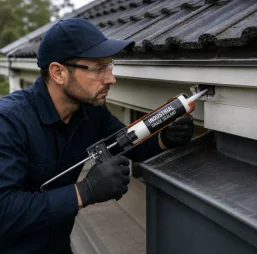
- Entry point repair is the whole point of the exercise. Evicting a possum and leaving the hole open means a new possum within weeks, because the scent trail is still there.
- Saturated insulation holds odour and bacterial residue indefinitely and reactivates every humid week. Leaving it is the most common reason a smell returns after a job that was otherwise done properly.
- A sagging ceiling sheet is a structural issue, not a decorating one.
Staining on an otherwise sound ceiling can reasonably wait for the next repaint, provided the material above it has been dealt with.
Why Waiting Is the Expensive Option
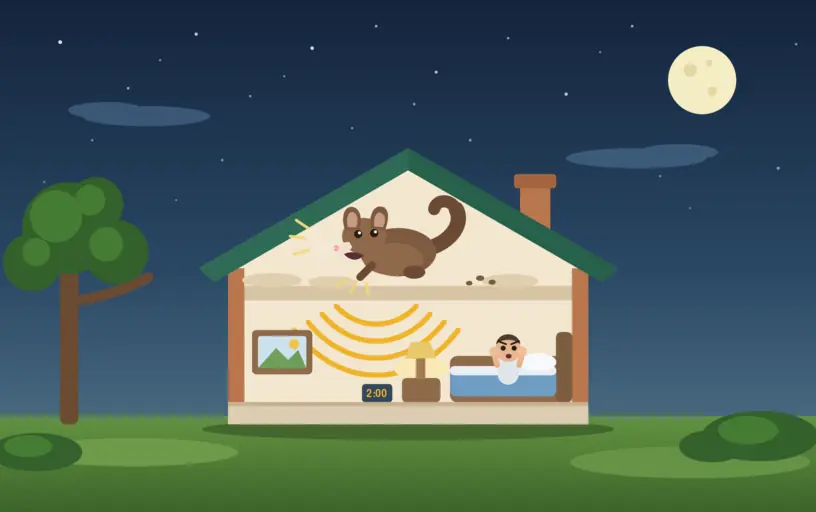
Almost every costly possum job in Brisbane has the same history. The homeowner heard thumping for a season, decided it was tolerable, and called when a stain appeared or the smell became impossible to ignore.
By then the repair bill is already set, because the stain is evidence the plasterboard is saturated. Dealt with when the noise started, the job would have been exclusion and proofing with no reinstatement at all. The difference is typically a thousand dollars or more, and the only variable is how long it was left.
If you are hearing movement overhead now, our guide on signs of a possum in your roof is the place to start.
Questions to Ask Before Work Starts
- Is the damage assessment included in the inspection, or quoted separately?
- Does your quote cover repairs, or only removal and exclusion?
- Which repairs do you handle in house, and which need another trade?
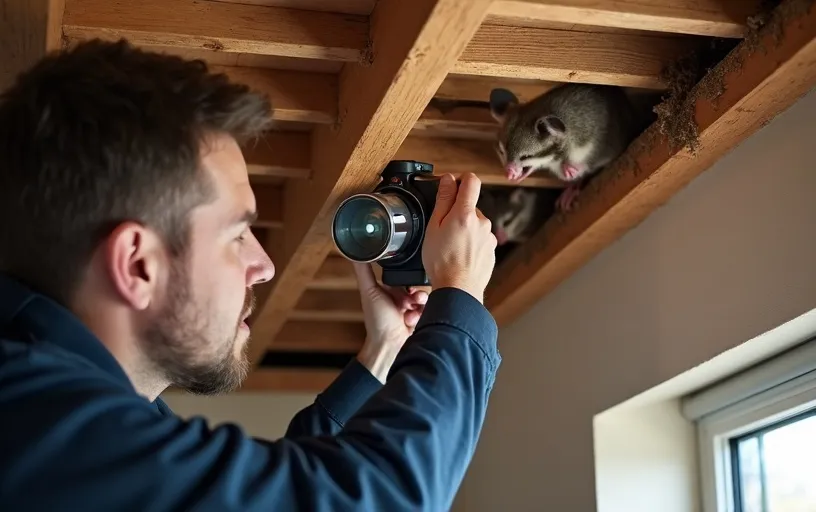
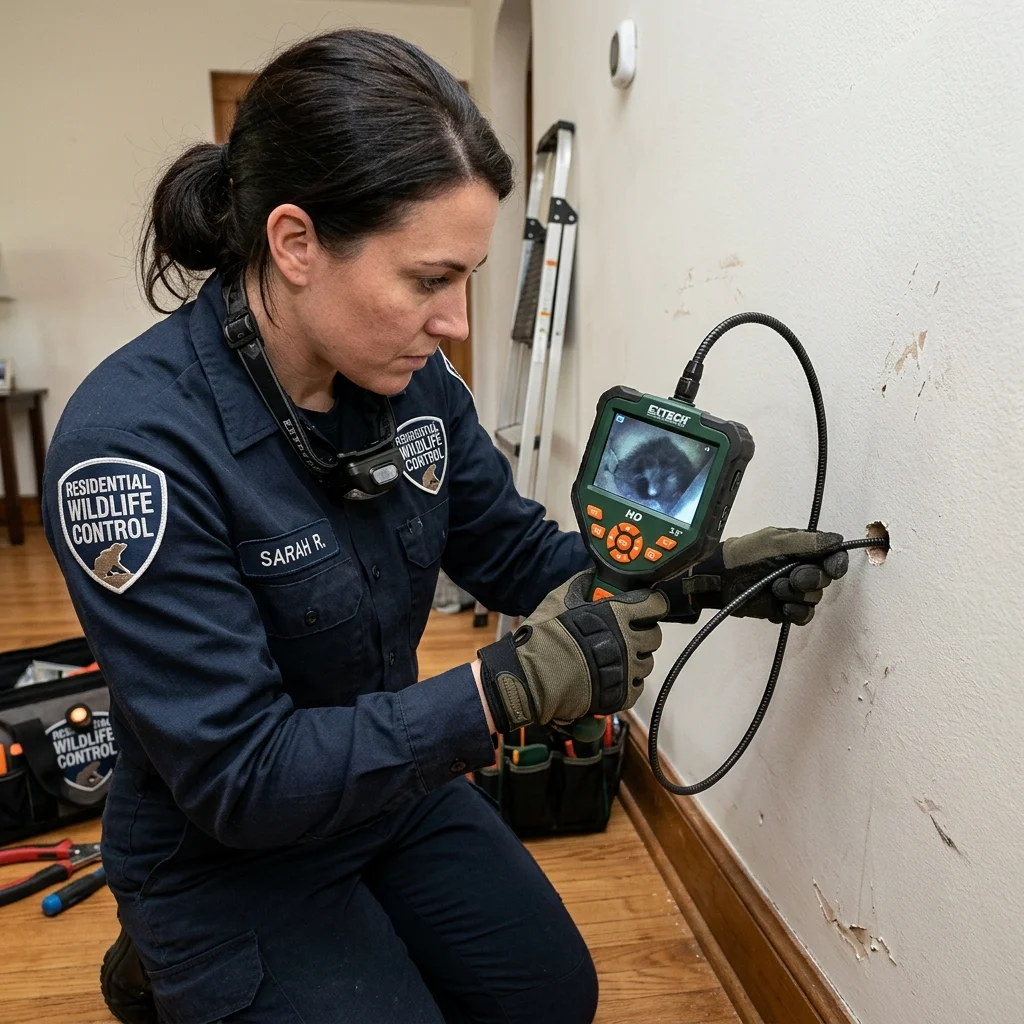
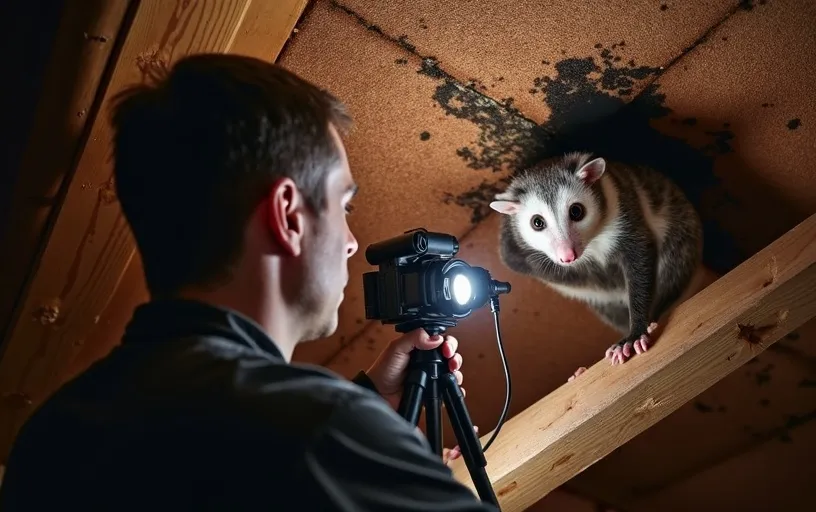
- Can I have photographs of the cavity, the insulation and any damage, with a written report?
That last one matters. Photographs taken before anything is removed, plus an itemised invoice separating removal, decontamination and reinstatement, are what an insurer asks for. Some policies treat sudden damage differently from gradual deterioration and a few exclude vermin damage altogether, so documentation gathered during the job beats reconstructing it afterwards.
Budget for Both Halves
Plan for two numbers rather than one: the removal and proofing, and the making good. Caught early, the second is often zero. Left for a season, it is usually the larger of the two.
Our possum damage repair service covers the reinstatement side, roof cavity removal covers the eviction, and the possum removal cost guide breaks down the removal pricing. To find out which half of the bill you are facing, book an inspection or get in touch and describe what you have been hearing and for how long.