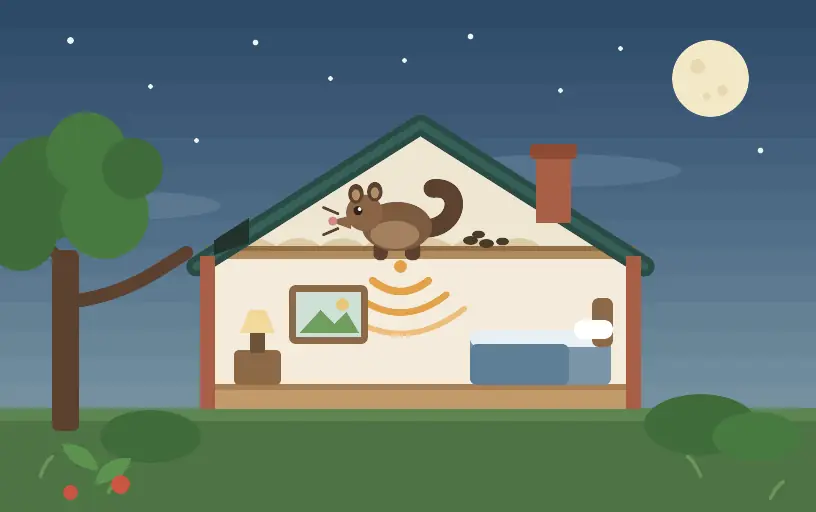
Signs You Have a Possum in Your Roof or Ceiling
That first unexplained thump from the ceiling above is enough to make any homeowner sit up and wonder exactly what's going on up there. Before jumping to conclusions, or ignoring it and hoping it goes away, it helps to know the specific, dependable signs that point to a possum rather than something else entirely, so you can respond with confidence rather than guesswork.
At Fresho Possum Removal Brisbane, confirming whether a possum is actually present is always our first step before any removal work begins. In this guide, we’ll walk through the clearest signs of possum activity in your roof or ceiling, so you can identify the problem with confidence.
Sign 1: Noises at Night, Not During the Day
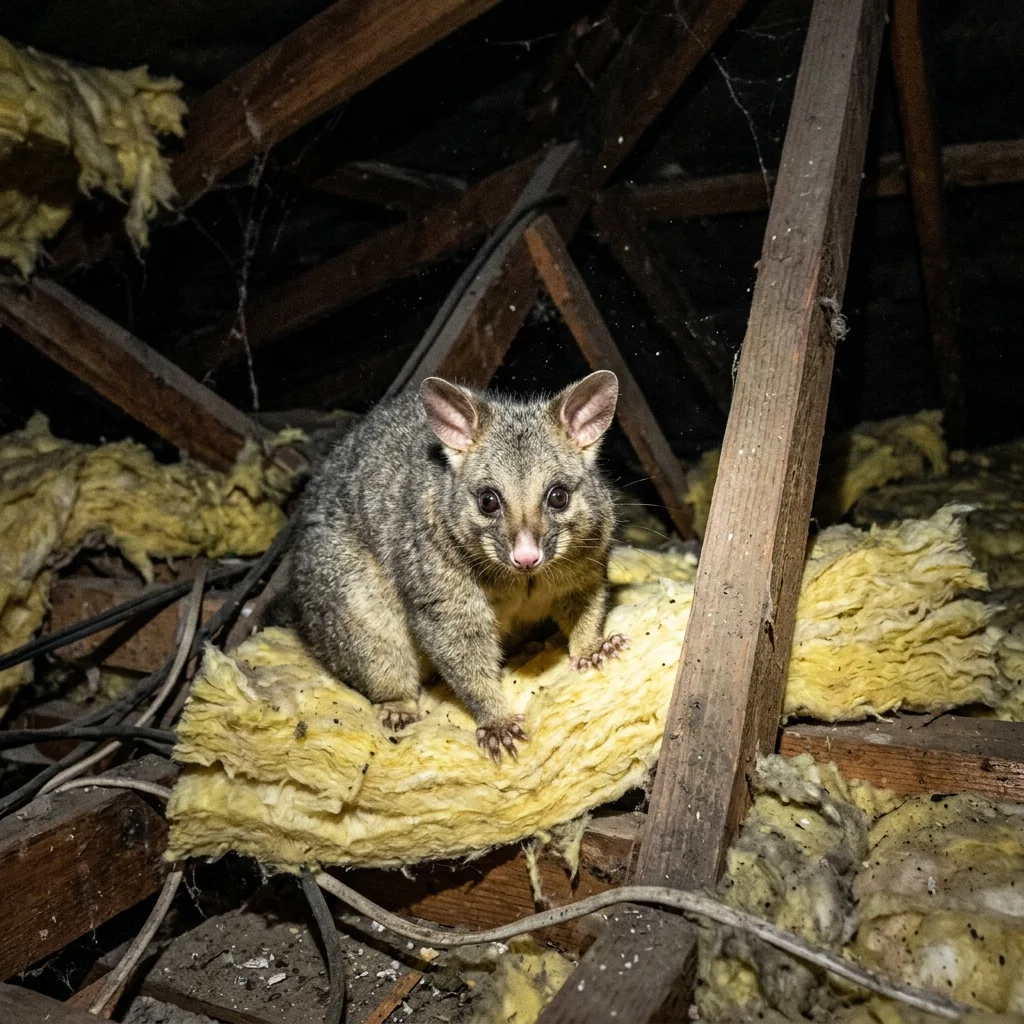
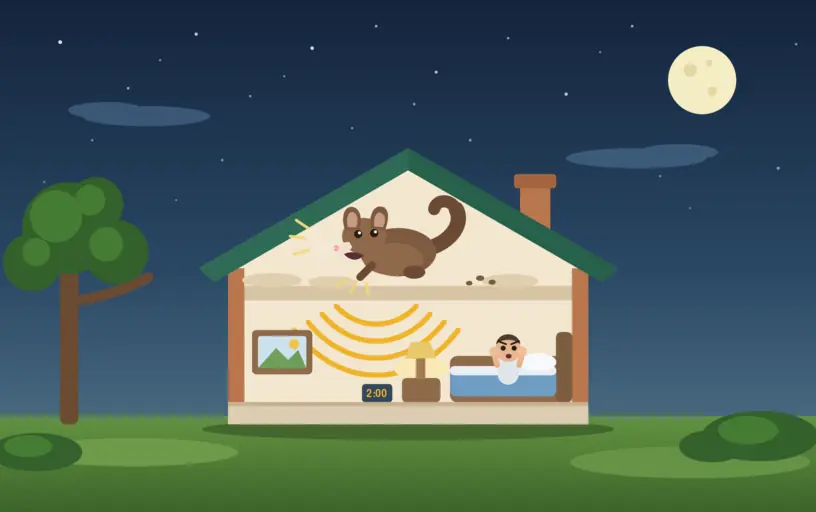
Possums are strictly nocturnal, meaning any activity you hear will almost always occur in the evening and overnight hours, typically starting shortly after dusk as the possum wakes and prepares to leave for the night, and again in the early hours as it returns before dawn. Consistent daytime silence combined with nighttime activity is a strong, dependable indicator of a possum rather than many other potential culprits.
Sign 2: Heavy, Deliberate Movement Sounds
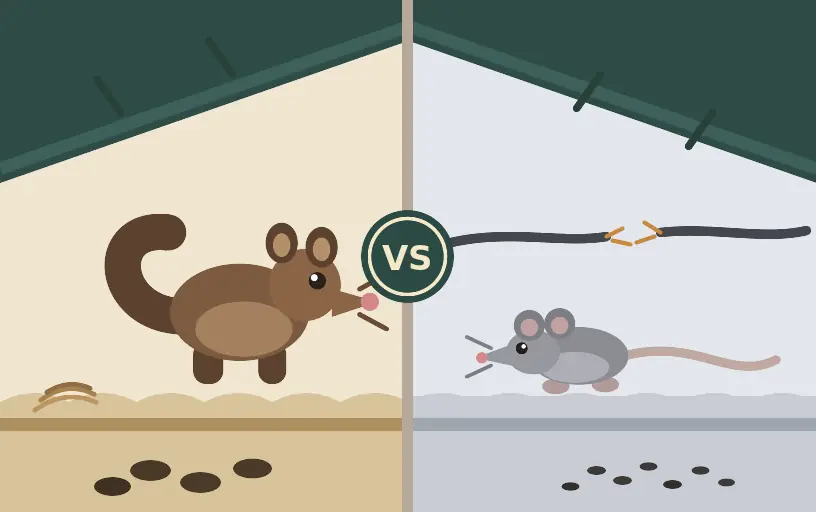
Possums are relatively large animals compared to most other roof-dwelling pests, and their movement tends to sound correspondingly heavier and more deliberate, often described as thumping, heavy footsteps, or a rolling, dragging sound, quite distinct from the quicker, lighter scurrying typically linked to rats or mice.
Sign 3: Scratching Sounds, Particularly Near the Roofline
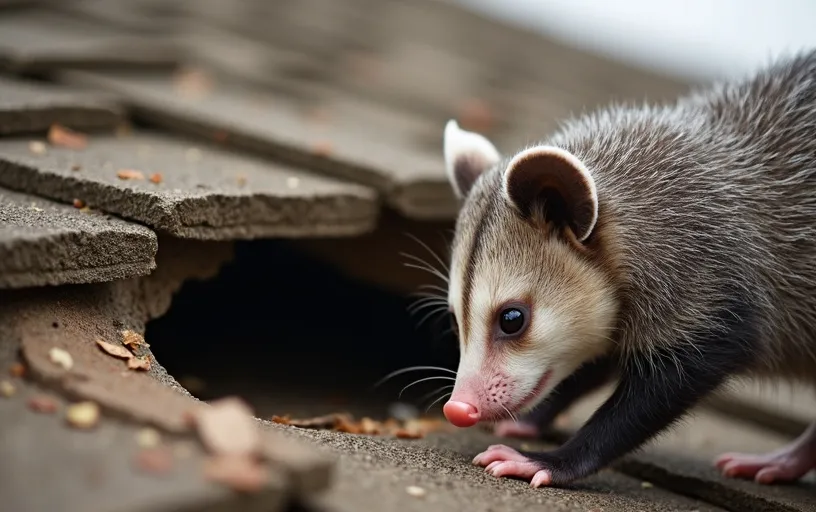
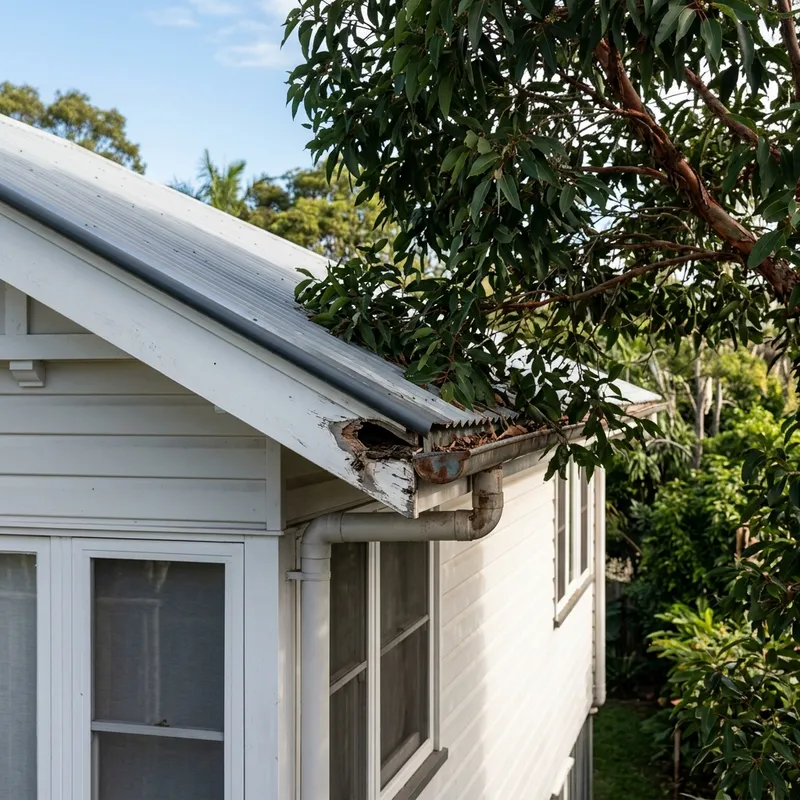
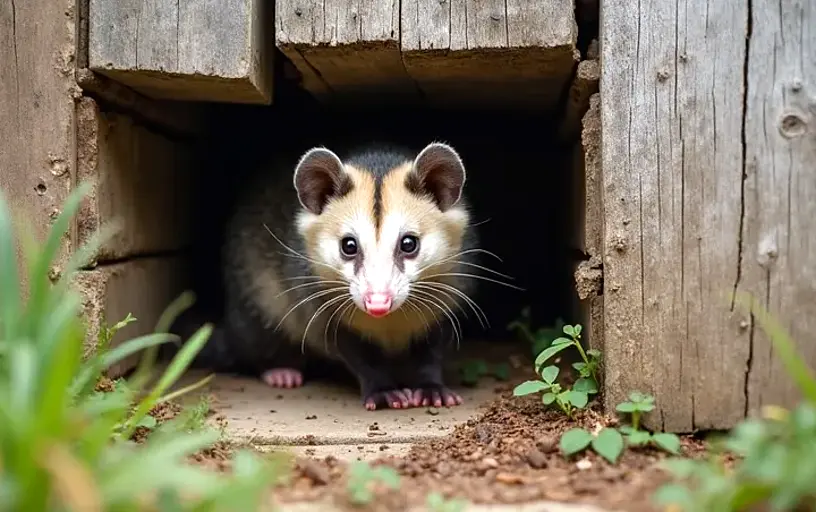
Scratching sounds, particularly concentrated near the edges of the roof or around specific entry points like eaves or vents, often indicate a possum attempting to enter or exit the roof cavity. This is different from generalised movement within the roof space and can help pinpoint likely access points for later exclusion work.
Sign 4: Distinctive Vocalisations
Possums are known for a surprisingly loud, varied range of vocalisations, including hisses, grunts, and sharp, rasping clicking or coughing sounds, particularly during territorial disputes or mating season. If you've heard an unusual, somewhat alarming noise that doesn't match typical rodent sounds, this vocal behaviour is often the clearest confirmation of a possum specifically.
Sign 5: A Strong, Musky Odour
Possums have a distinctive, musky scent that can develop in enclosed spaces they frequent regularly, particularly noticeable in a roof cavity that's been used as a consistent nesting site over time. This odour is different from a dead animal smell, being more of a persistent, animal-like musk rather than a rotten or decaying workmanship.
Sign 6: Visible Droppings
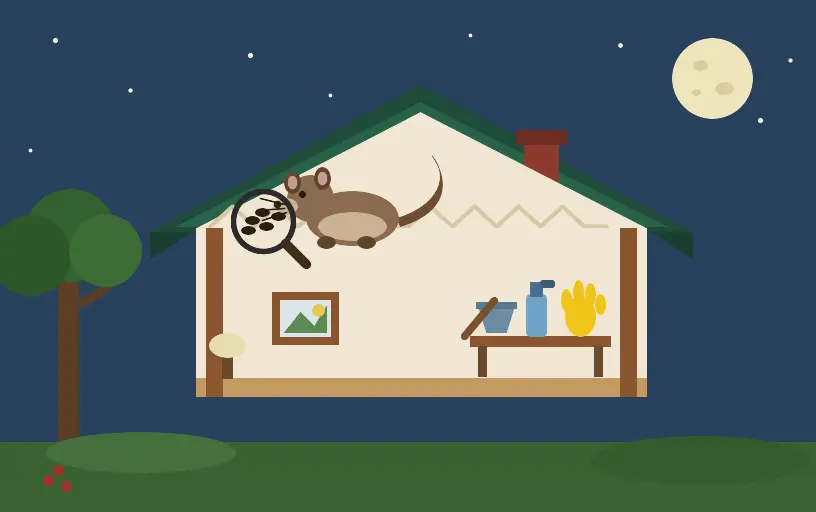
Possum droppings are roughly cylindrical, generally one to two centimetres long, and dark brown to black in colour, often found near entry points, favoured resting spots, or accumulated in one particular area of the roof cavity if accessible for inspection. This is one of the more definitive physical signs, provided you can safely access the area to check.
Sign 7: Staining or Marks Around Entry Points
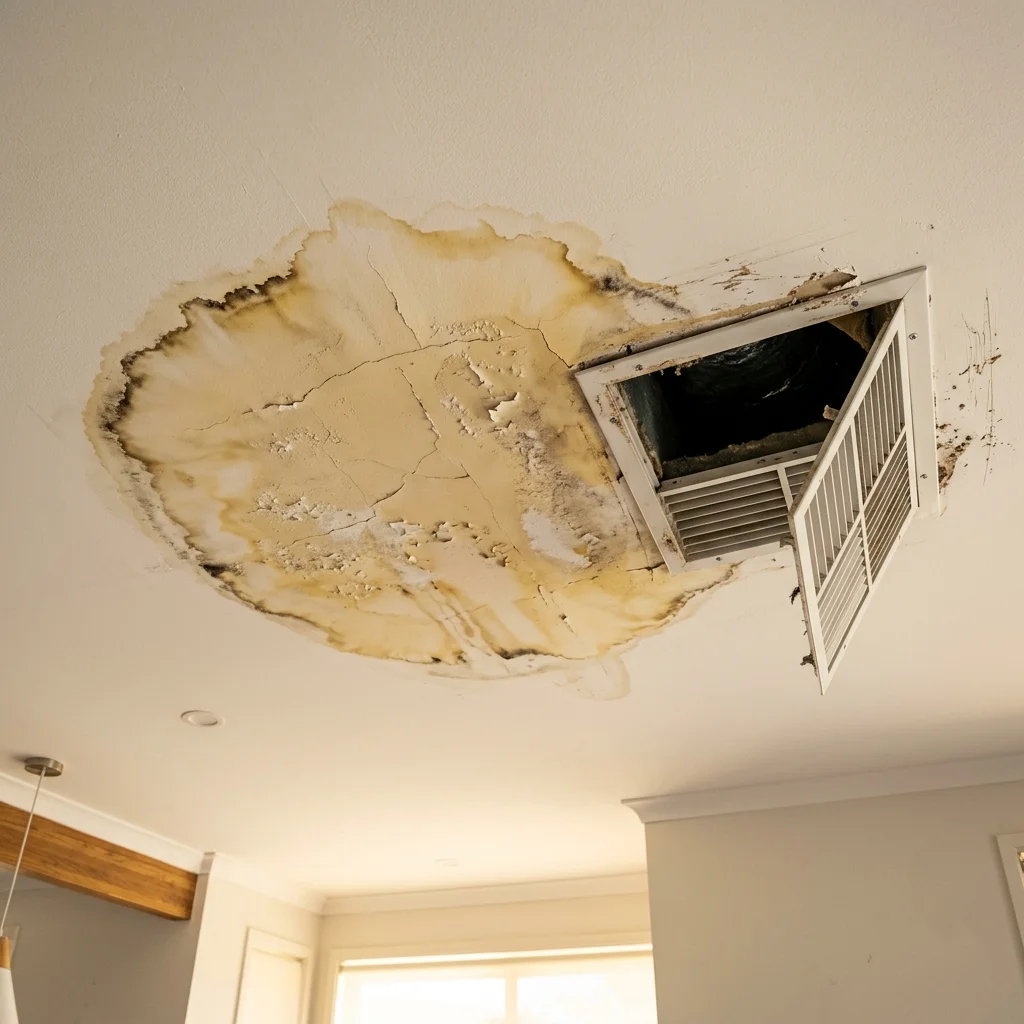
Repeated possum access through the same entry point can sometimes leave subtle staining or grime marks around that specific area, caused by natural oils in the animal's fur transferring onto surrounding surfaces with repeated contact over time.
Sign 8: Damage to Garden Plants Alongside Roof Noise
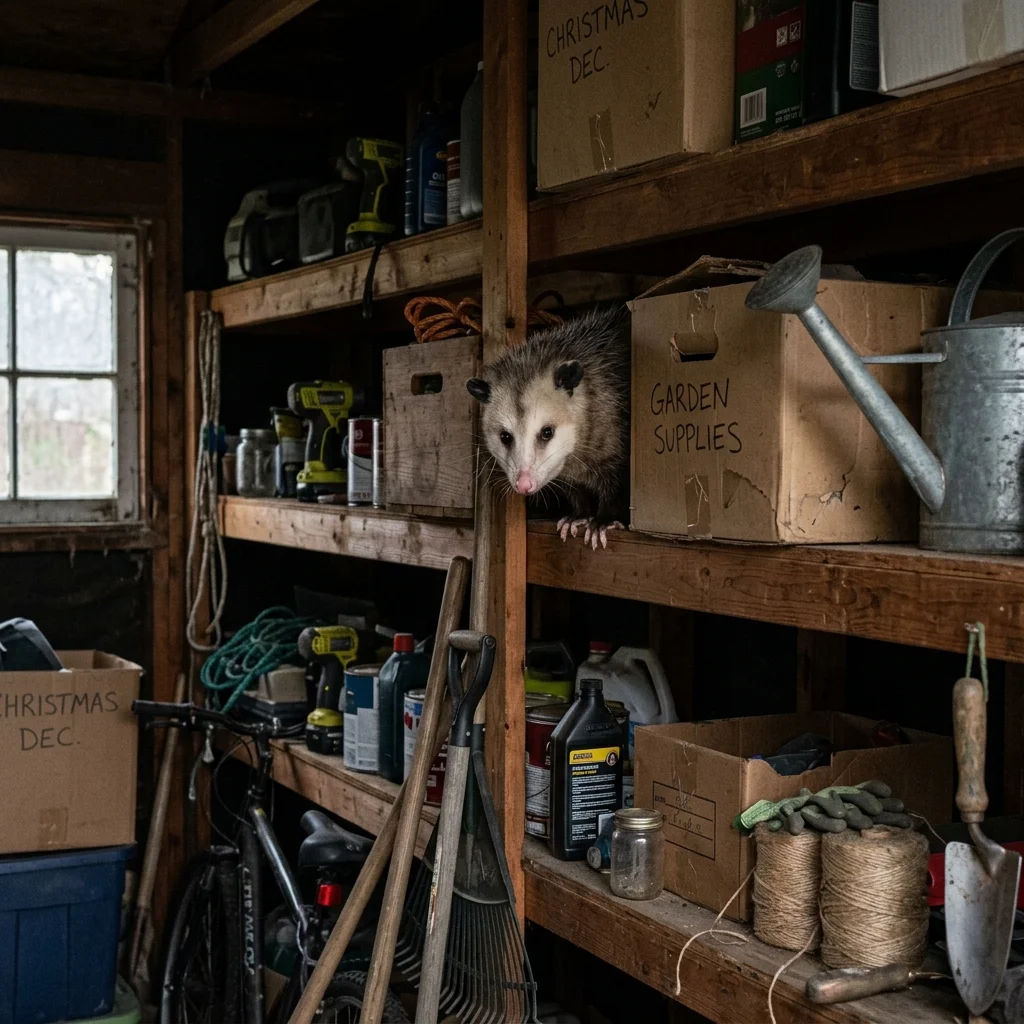
If you're noticing roof noise alongside damage to fruit trees, vegetable gardens, or flowering plants, this combination strongly points toward a possum rather than another type of pest, since possums are one of the few common roof-dwelling animals that also forage extensively in gardens.
What to Do If You Notice Signs But Never See the Animal
It's entirely possible, and quite common, to identify strong signs of possum activity without ever actually spotting the animal directly, given their nocturnal habits and tendency to stay hidden within the roof cavity during the day. In these cases, the combination of sounds, smell, and droppings is usually sufficient to proceed with a professional inspection, without needing an actual visual confirmation first.
Signs That Suggest It Might Not Be a Possum
- Very quick, light scurrying sounds, more typical of rats or mice
- Consistent daytime activity, since possums are strictly nocturnal
- Small, thin, pointed droppings rather than the larger, cylindrical shape typical of possums
- Chewing damage to wiring or timber without any accompanying heavy movement sounds
How Long These Signs Might Persist Before You Notice Them
Possum activity doesn't always announce itself immediately. Some homeowners notice occasional, faint noises for weeks before the signs become consistent and unmistakable, particularly if the possum is still establishing its nesting pattern in a newly discovered roof cavity. Paying attention to even occasional, minor signs early on can help you address the situation before it becomes a more long-standing, harder-to-resolve issue.
Why Multiple Signs Together Give the Clearest Picture
No single sign alone is always definitive, but the combination of several together, nighttime noise, heavy movement, musky odour, and visible droppings, provides a genuinely dependable basis for confirming possum activity, rather than relying on any one indicator in isolation, which could occasionally be explained by another cause.
Why It's Worth Acting on Even Subtle Early Signs
Catching possum activity early, even based on faint or occasional signs, generally makes the eventual resolution simpler and less disruptive than waiting until the situation is fully long-standing and obvious. A possum that's only just started exploring your roof is often easier to exclude than one that's been comfortably nesting there for months.
How Seasonal Timing Affects These Signs
Possum activity in Brisbane tends to increase during breeding seasons in autumn and spring, meaning you may notice these signs becoming more pronounced or frequent during these periods, even if a possum has been present in your roof space for some time beforehand with more minimal, easy-to-miss activity.
What to Do Once You've Confirmed the Signs
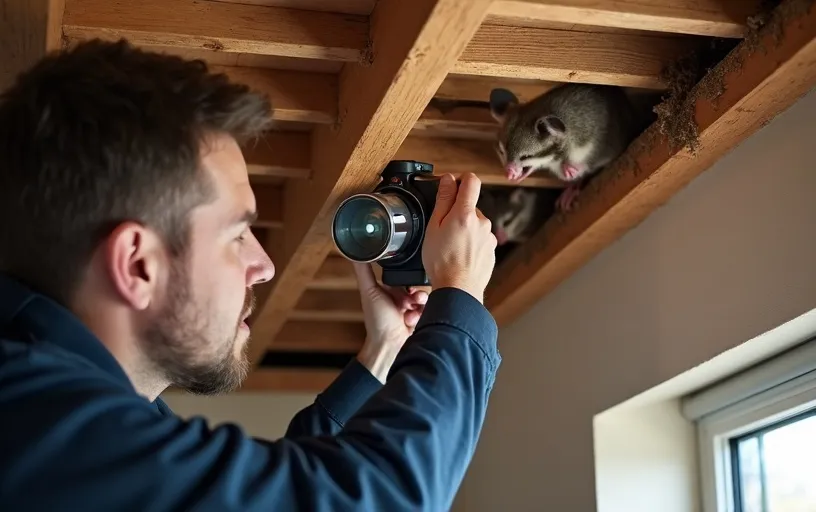
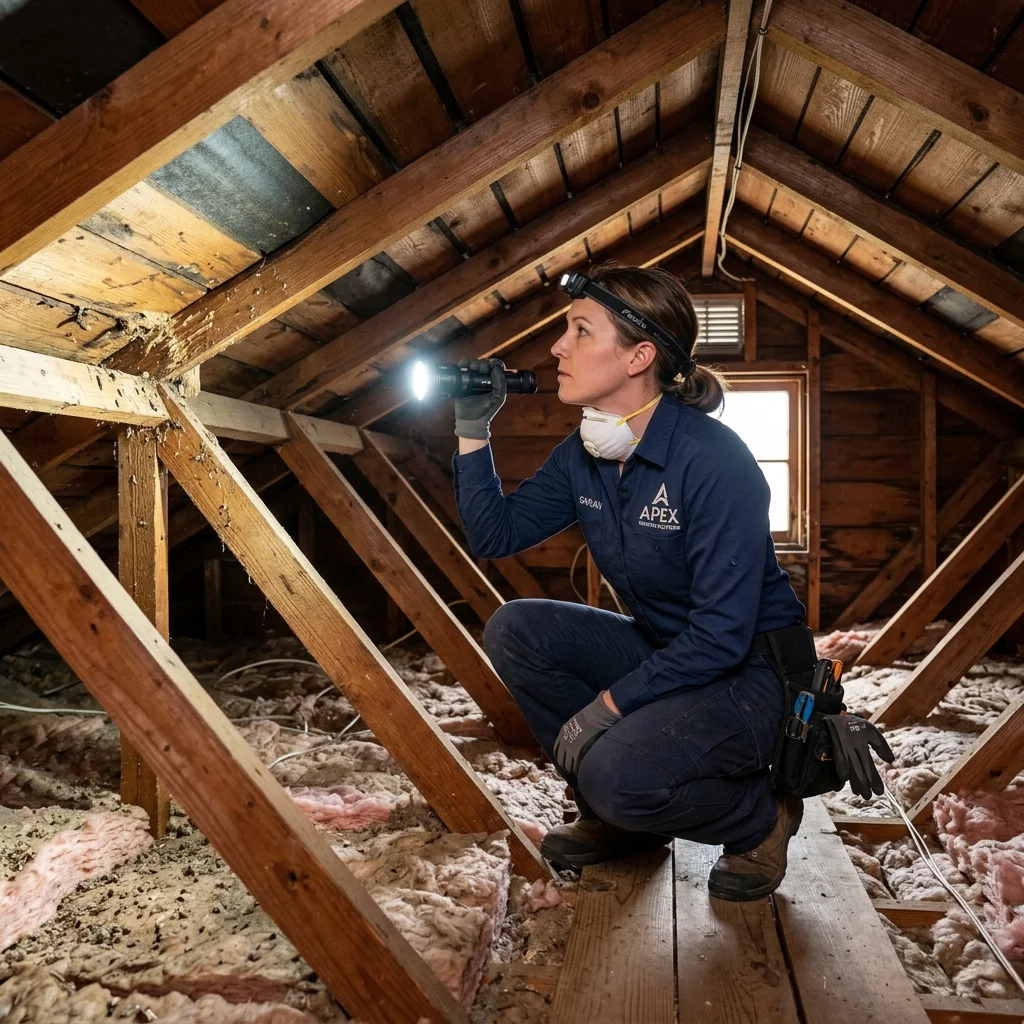
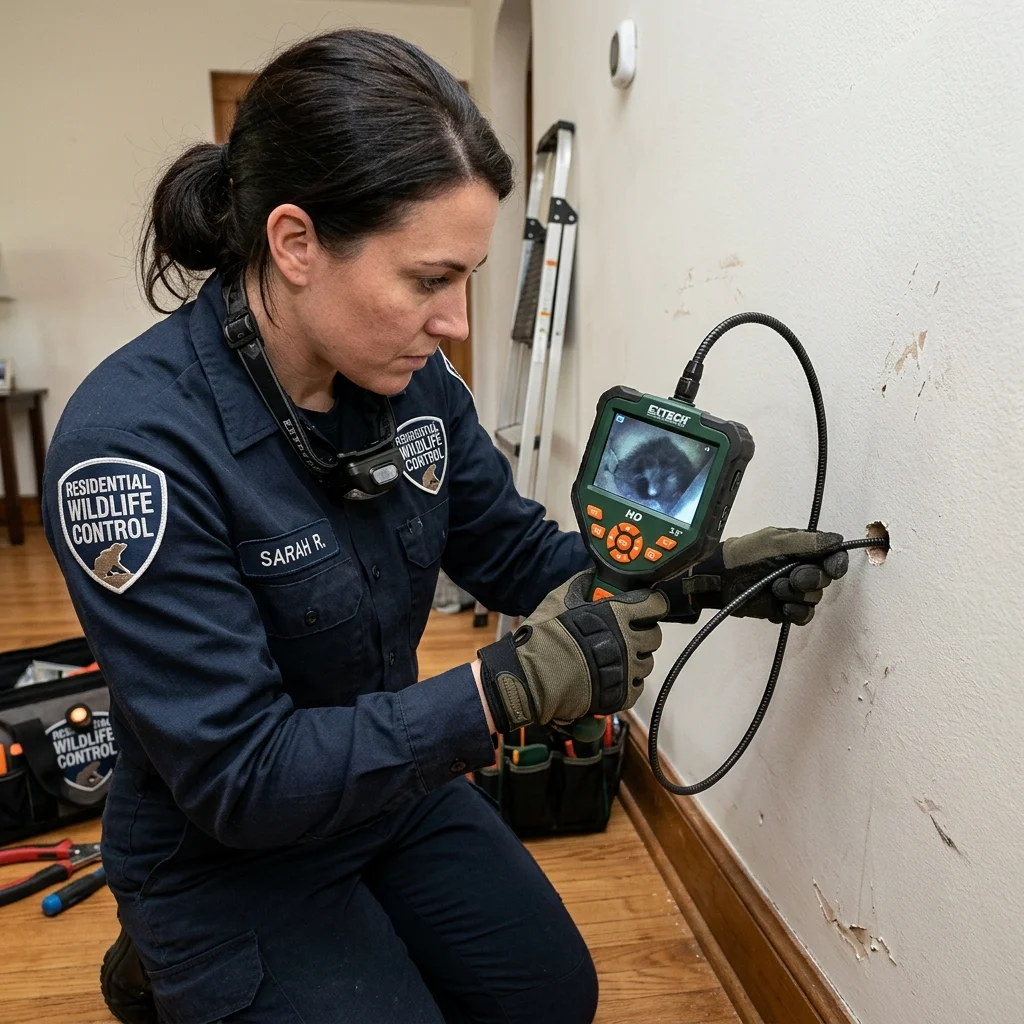
If you've identified several of these signs together, it's reasonable to proceed on the assumption that a possum is present and arrange a professional inspection to confirm the exact situation, locate entry points, and determine the appropriate next steps, whether that's exclusion work, humane removal, or both.
Confirming It's a Possum and Not a Rat
If you're still genuinely unsure whether you're dealing with a possum or a smaller rodent, a closer comparison of the specific signs can help clarify the situation. Our detailed guide on Possum vs Rat in the Roof: How to Tell the Difference breaks down the key differences in sound, droppings, and behaviour to help you identify exactly what's sharing your roof space.
Frequently Asked Questions
1. What time of day do possums make noise in the roof?
Possums are strictly nocturnal, so noise typically occurs shortly after dusk and again in the early hours before dawn, with silence during the day.
2. What do possum droppings look like?
Roughly cylindrical, one to two centimetres long, and dark brown to black in colour, generally found near entry points or favoured resting spots.
3. Why does my roof smell musky?
A persistent, musky odour developing in an enclosed roof space is a common sign of possum activity, particularly if the space has been used as a regular nesting site.
4. Can I tell it's a possum just from the sound?
Heavy, deliberate movement combined with distinctive hisses, grunts, or clicking sounds is a strong indicator of a possum, though a full assessment considering multiple signs together gives the most dependable confirmation.
5. Should I investigate the roof myself to confirm a possum?
It's generally safer to arrange a professional inspection, given the physical risks linked to roof cavity access, rather than attempting to confirm the situation yourself.
6. How quickly do these signs usually appear after a possum moves in?
This varies, but many homeowners notice at least occasional noise or odour within the first few days to weeks of a possum establishing a nest, with signs becoming more consistent as the possum settles in.
7. Can I hear the difference between one possum and multiple possums?
It can be difficult to tell precisely, though a mother with young may produce a somewhat different pattern of sound, including softer noises from the young alongside the mother's usual movement and vocalisations.
Final Thoughts
Nighttime noise, heavy movement, distinctive vocalisations, musky odour, and visible droppings are all dependable signs pointing toward a possum in your roof or ceiling. Recognising these signs together gives you the confidence to take appropriate next steps, whether that's arranging a professional inspection or beginning deterrent measures.
If you're noticing these signs in your Brisbane home, contact Fresho Possum Removal Brisbane today for a professional assessment and humane, workable solution.