Possum in Your Brisbane Roof at Night? How to Confirm It
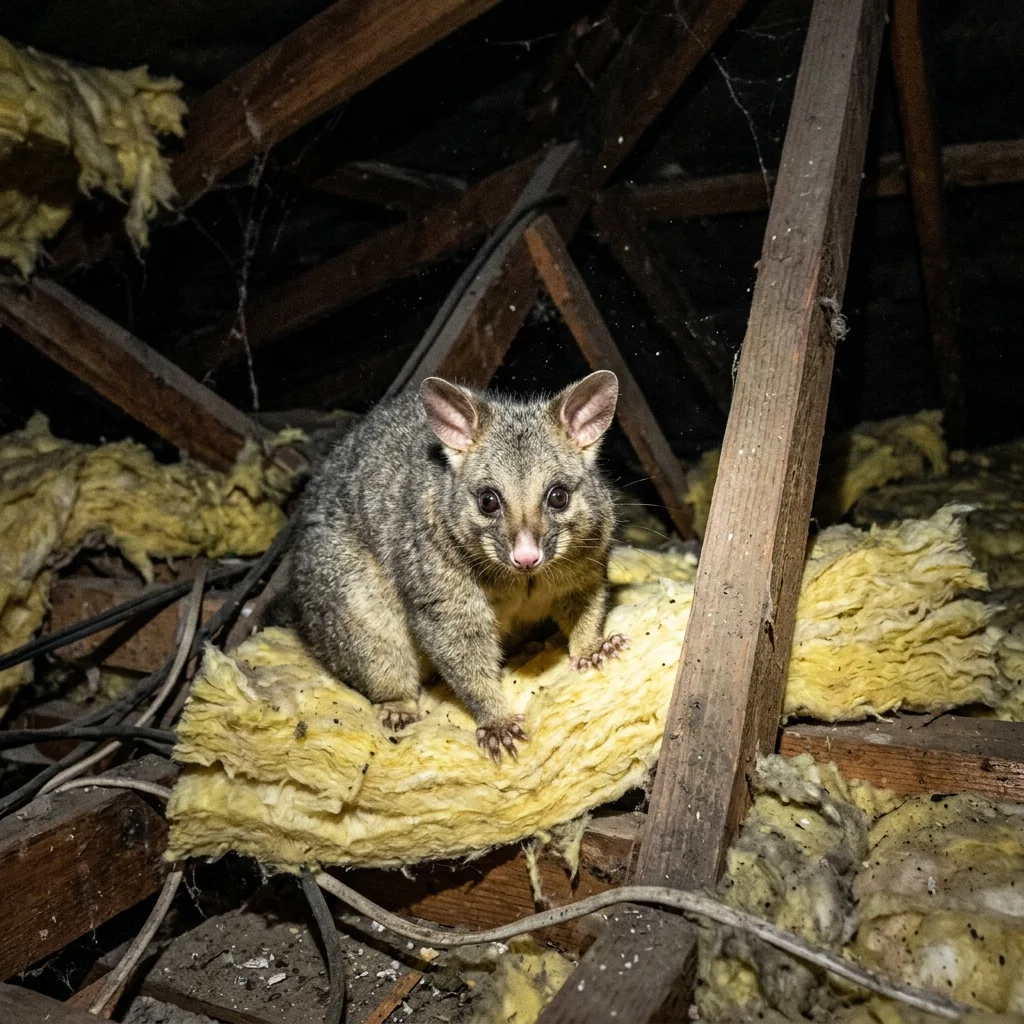
It usually starts around dusk. Something lands on the roof, moves across the ceiling with surprising weight, and settles. An hour later there is scratching, then a low guttural noise that does not sound like it belongs in a suburban roof at all.
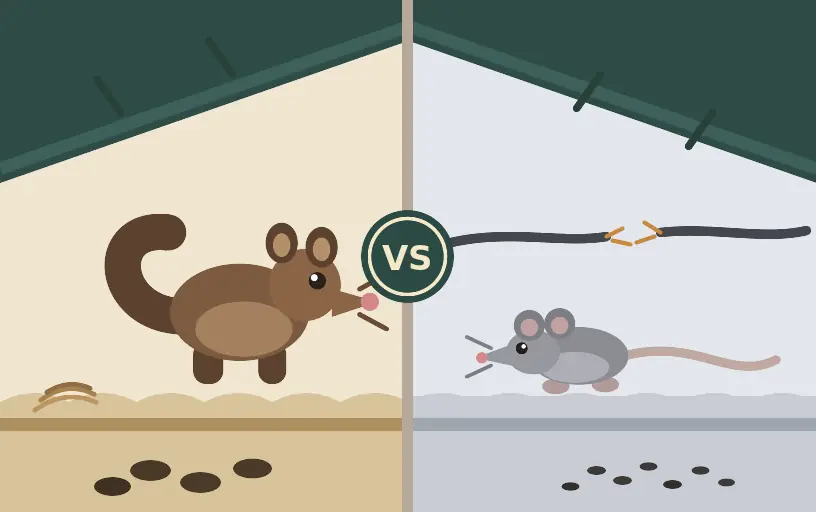
Most Brisbane homeowners suspect a possum straight away, and usually they are right. But rats, birds, microbats and the occasional carpet python use roof spaces too, and the response to each is different. Confirming what you have first is worth the effort, since possums are protected in Queensland and your options are narrower than for a rodent.
Check One: The Timing
This is the single most useful test, and it costs nothing.
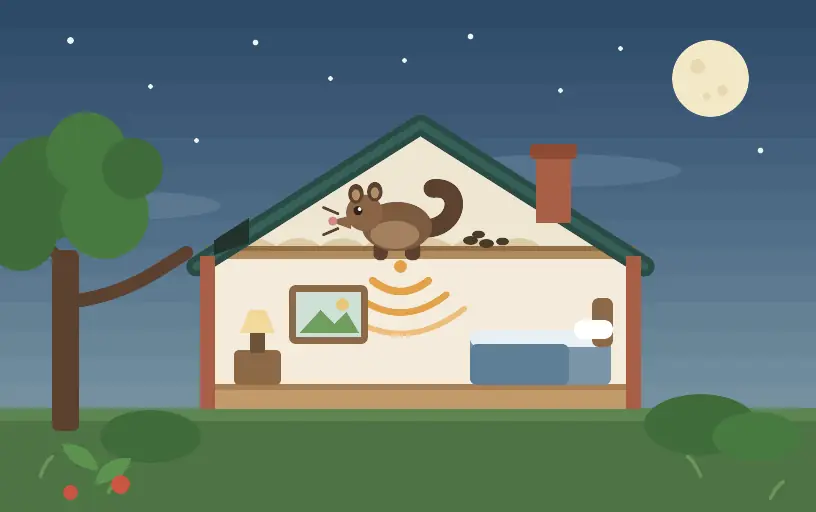
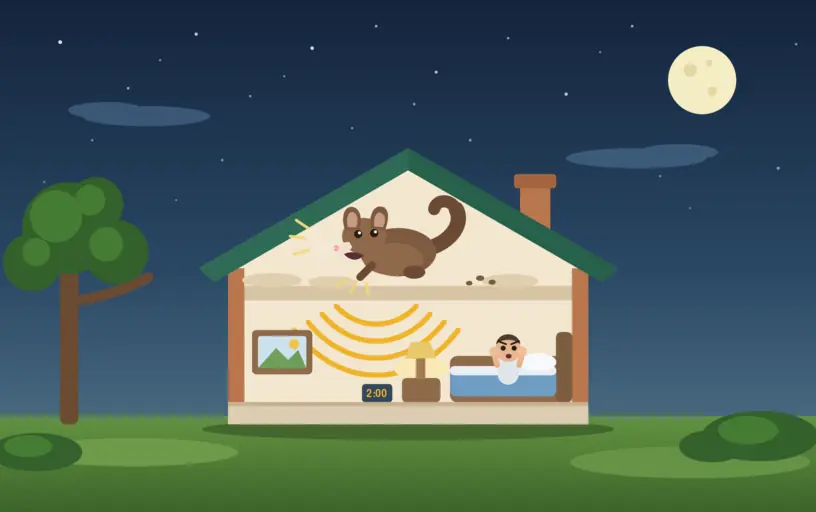
- Possums leave at dusk and return before dawn. Expect a burst of activity shortly after sunset as the animal leaves, quiet for several hours, then another burst between 3am and sunrise. The pattern is consistent night to night.
- Rats and mice are active in short bursts all night, with no clean departure and return. The noise is scattered and unpredictable.
- Birds are active at first light and through the day. Roof noise that stops at dusk is not a possum.
- Microbats emerge at dusk like possums but make almost no structural noise, producing fluttering and high chittering rather than thumps.
A defined exit around sunset and a return before dawn means you almost certainly have a possum.
Check Two: The Weight of the Sound
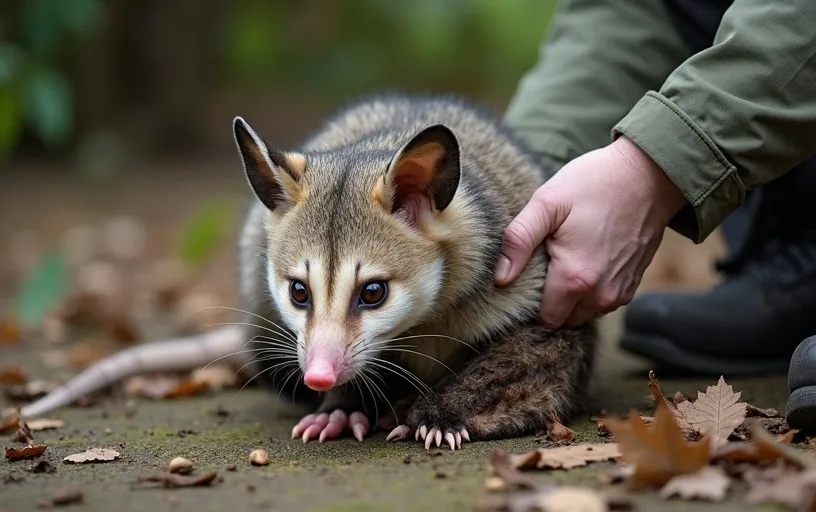
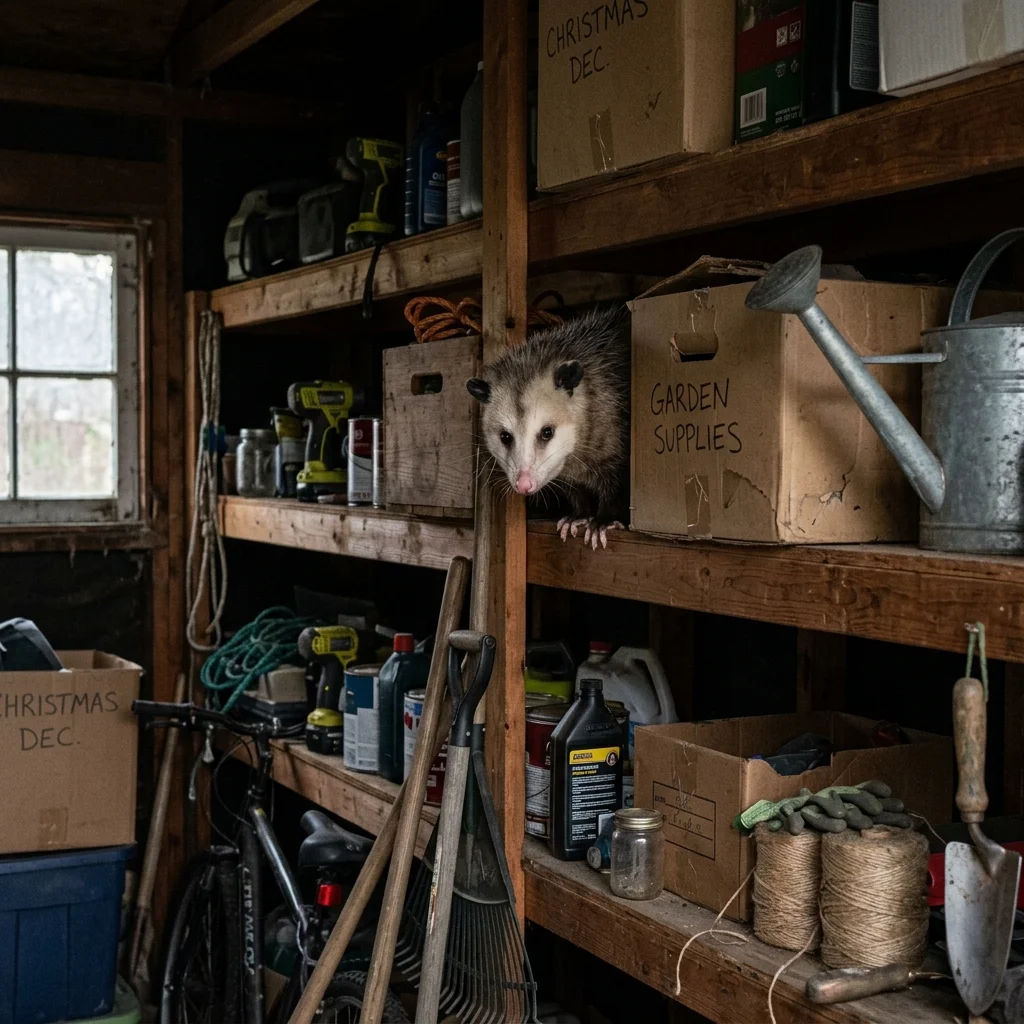
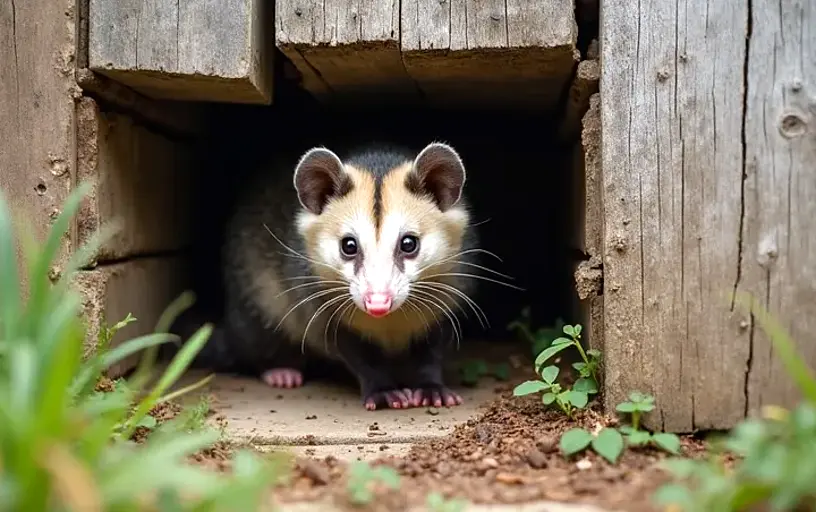
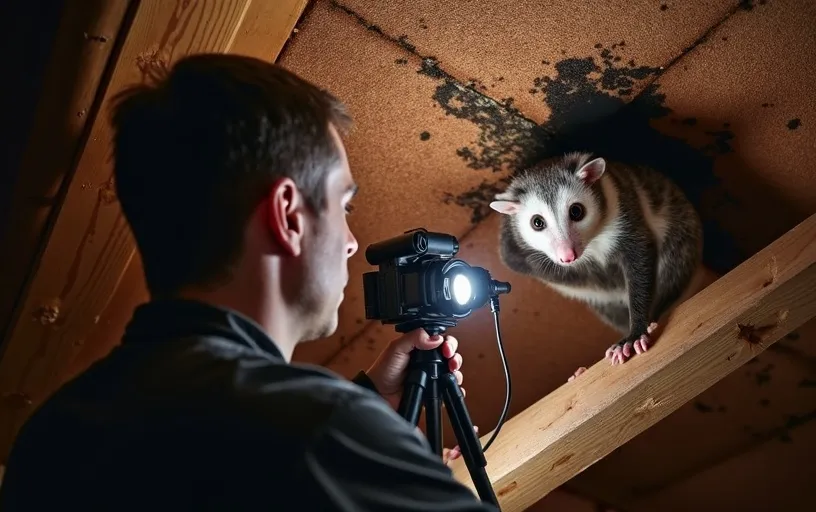
Possums are substantial animals. A brushtail commonly weighs two to four kilograms, and it sounds like it: thumping, heavy dragging, something walking deliberately across the ceiling, and a distinct thud as the animal lands on the roof from a branch or fence.
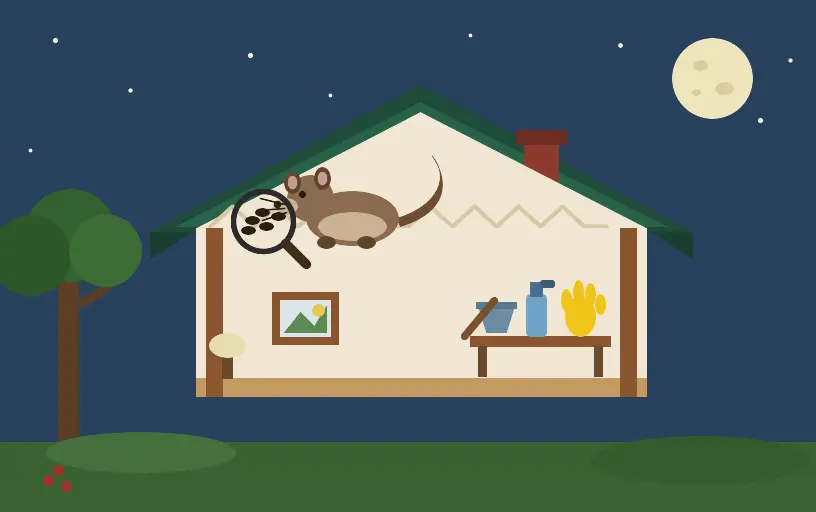
Rodents produce fast, light scurrying and persistent gnawing. If it sounds like a small child crawling around up there, that is a possum. If it sounds like scratching inside the wall, that points at rats. Our comparison of possums and rats in the roof covers the differences.
Check Three: The Vocalisations
Brushtail possums make a sound most people find startling the first time: a deep, throaty hissing growl, sometimes described as a cough or a clicking snarl. It carries well and sounds like nothing else in a Brisbane suburb. Ringtails are quieter, producing a high twittering chirp.
Vocalisation is most likely when two animals are competing over the space, which tends to happen during the autumn and spring breeding periods. Something that sounds like a fight overhead usually means more than one animal is using the roof.
Check Four: Find the Entry Point
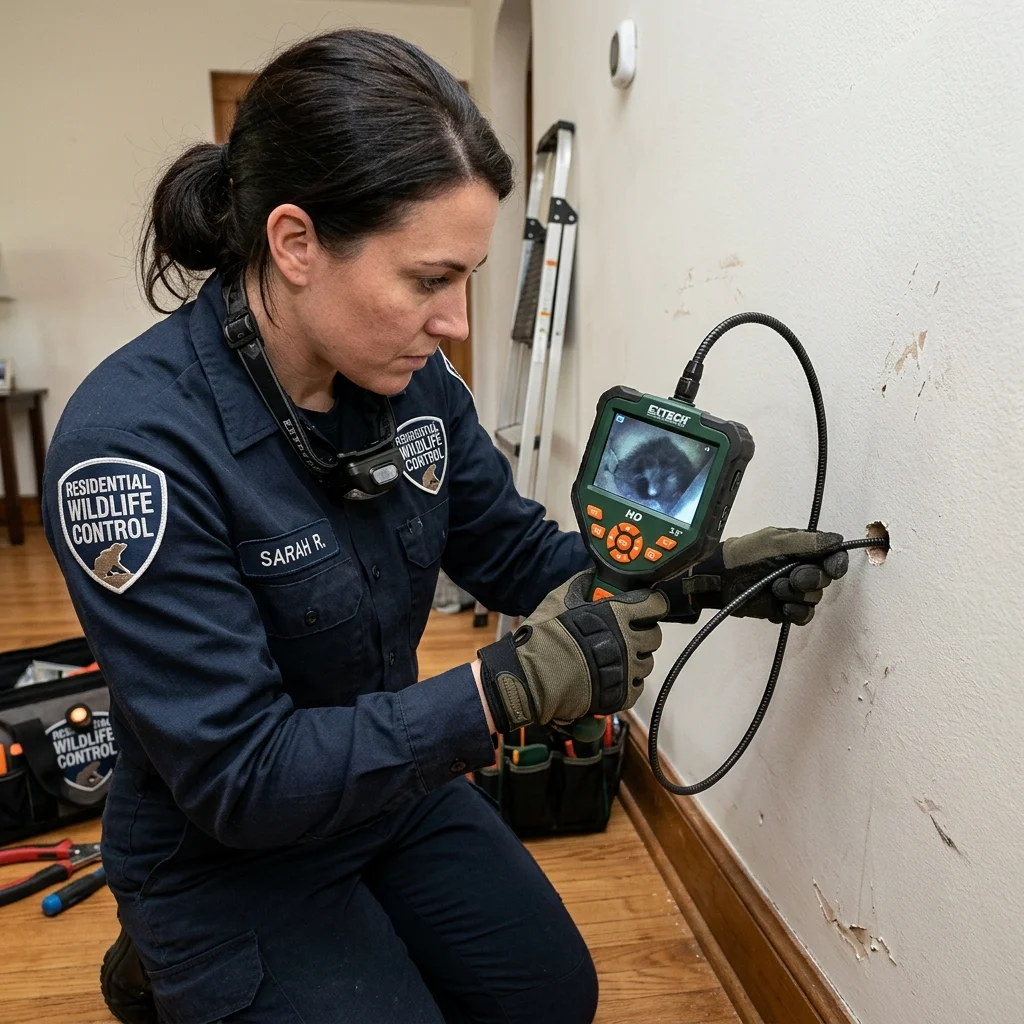
This is the check that converts suspicion into certainty, and it is best done from outside at dusk rather than from inside the roof.
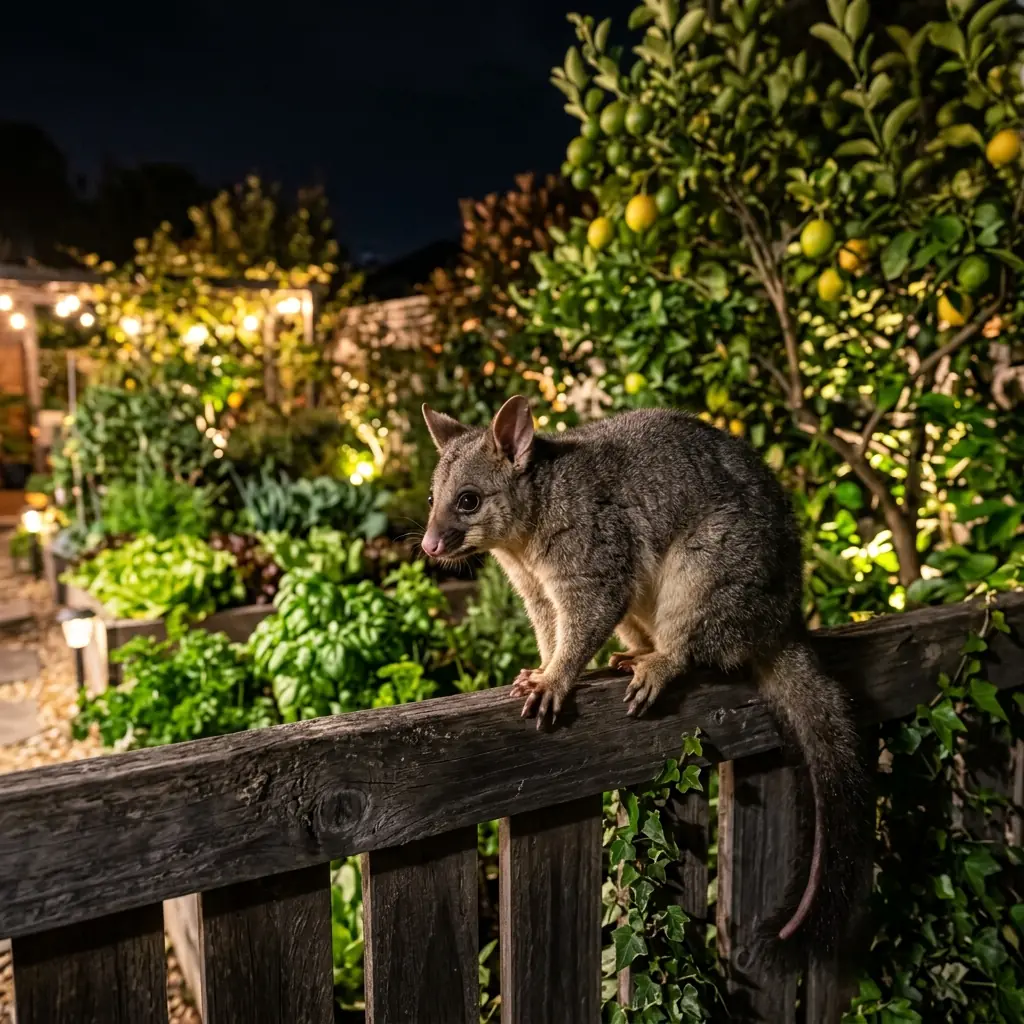
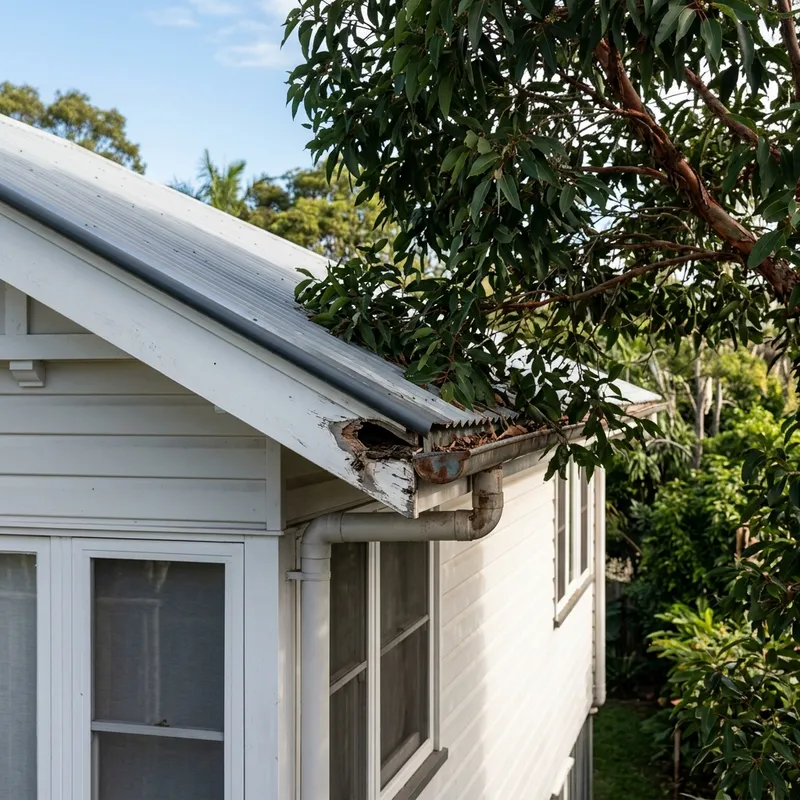
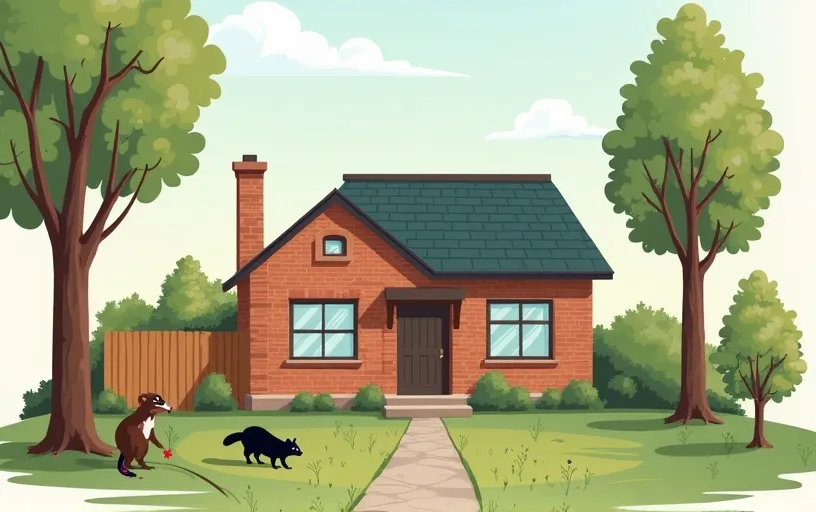
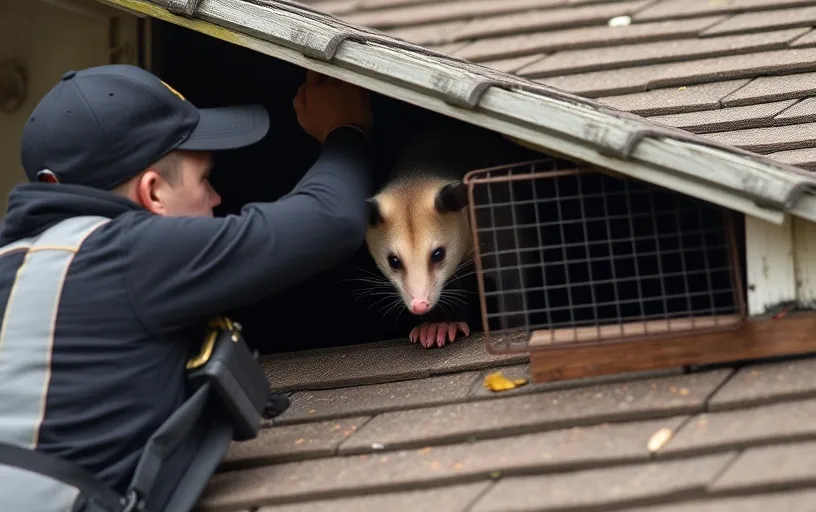
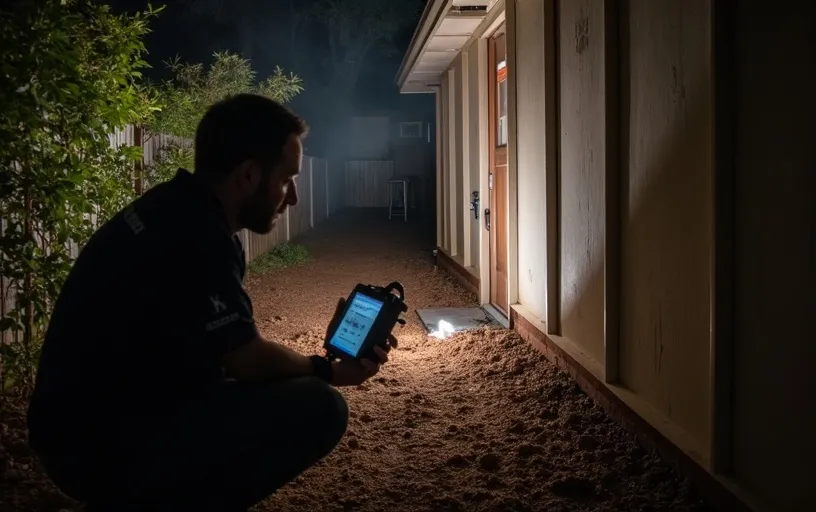
About twenty minutes before sunset, sit in the yard with a clear view of the roofline and wait. A possum leaving uses the same route every night, and watching it go is the most dependable confirmation available. Pay attention to where overhanging branches touch the roof, since that is almost always how it arrives.
During daylight, look for the physical evidence:
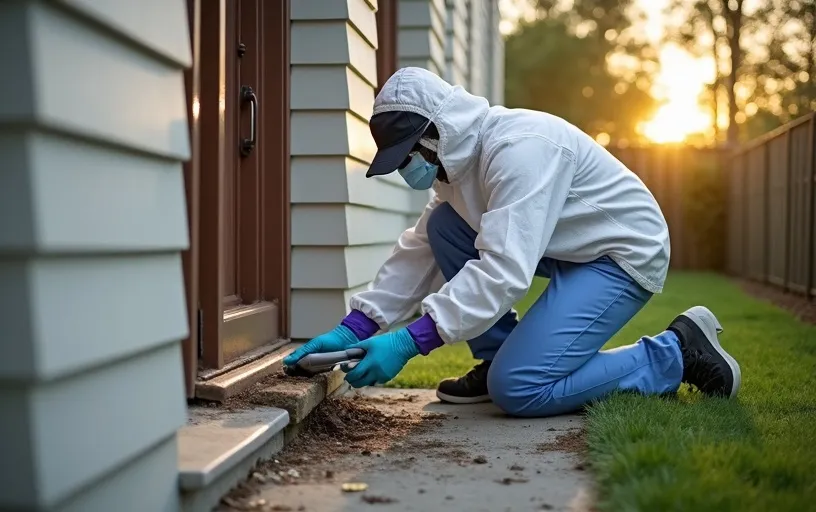
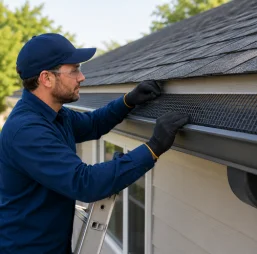
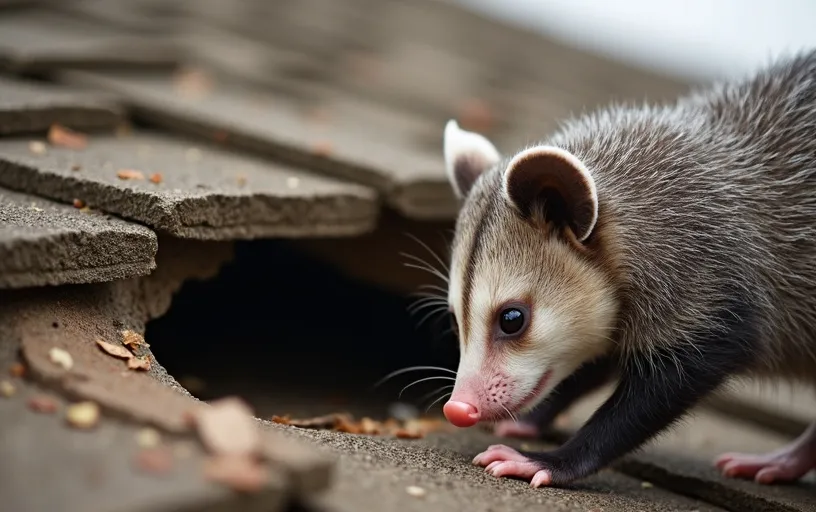
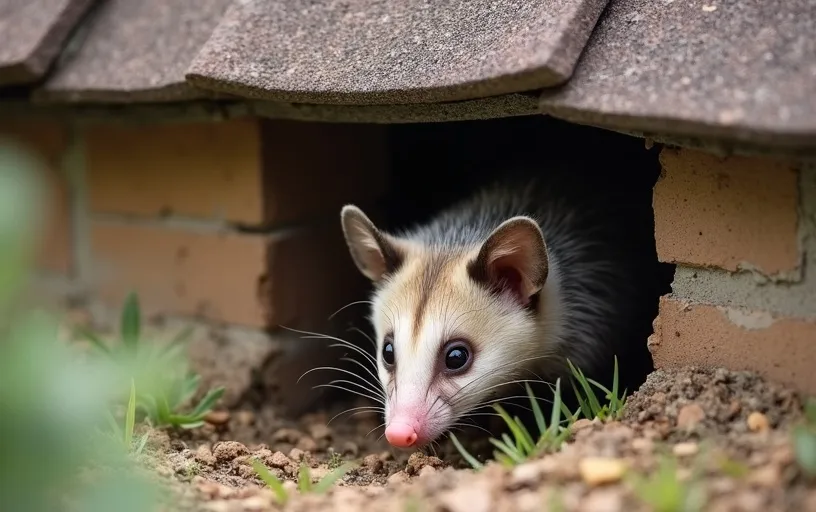
- Gaps at the eaves, lifted or broken roof tiles, displaced ridge capping or a damaged gable vent.
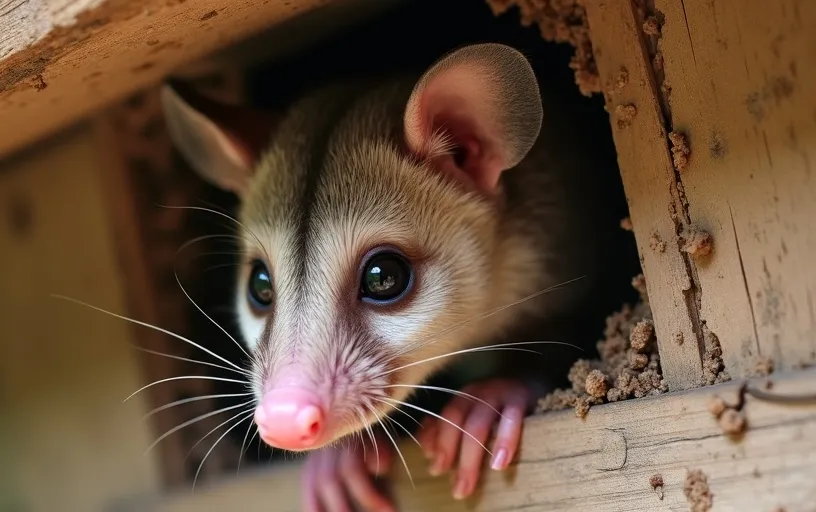
- A smooth, worn, greasy mark around the opening where fur has rubbed the surface repeatedly over weeks.
- Droppings on the ground beneath the entry, roughly the size and shape of a large olive pip, much larger than rat droppings.
- Scratch marks on downpipes, fence tops and painted timber near the access route.
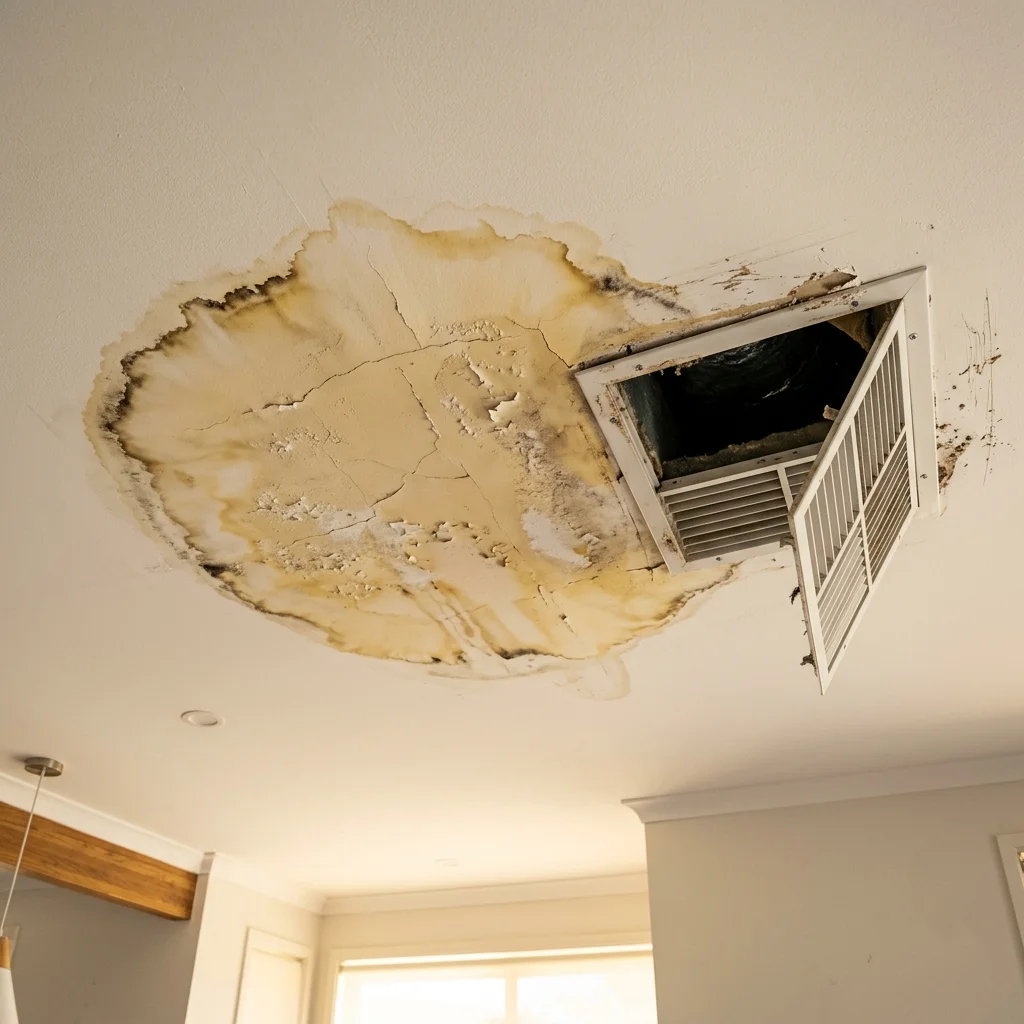
- A strong ammonia smell near the eaves, which comes from urine soaking into insulation and ceiling plaster.
Our guide to the signs of a possum in your roof or ceiling covers what to look for room by room.
Once You Have Confirmed It
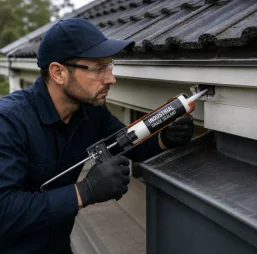
The important thing now is not to seal the roof. Closing the entry while a possum is inside traps a protected native animal in your ceiling, and it either causes significant damage trying to escape or dies in the cavity, which turns a manageable problem into a far worse one.
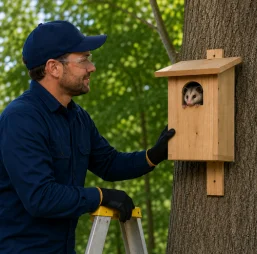
Possums are protected in Queensland, which limits what you may do. The workable approach is to let the animal leave at dusk of its own accord, close the entry behind it once you are confident the roof is empty, and give it somewhere else to go. A nest box in a nearby tree markedly improves the odds it settles elsewhere.
When to Bring Someone In
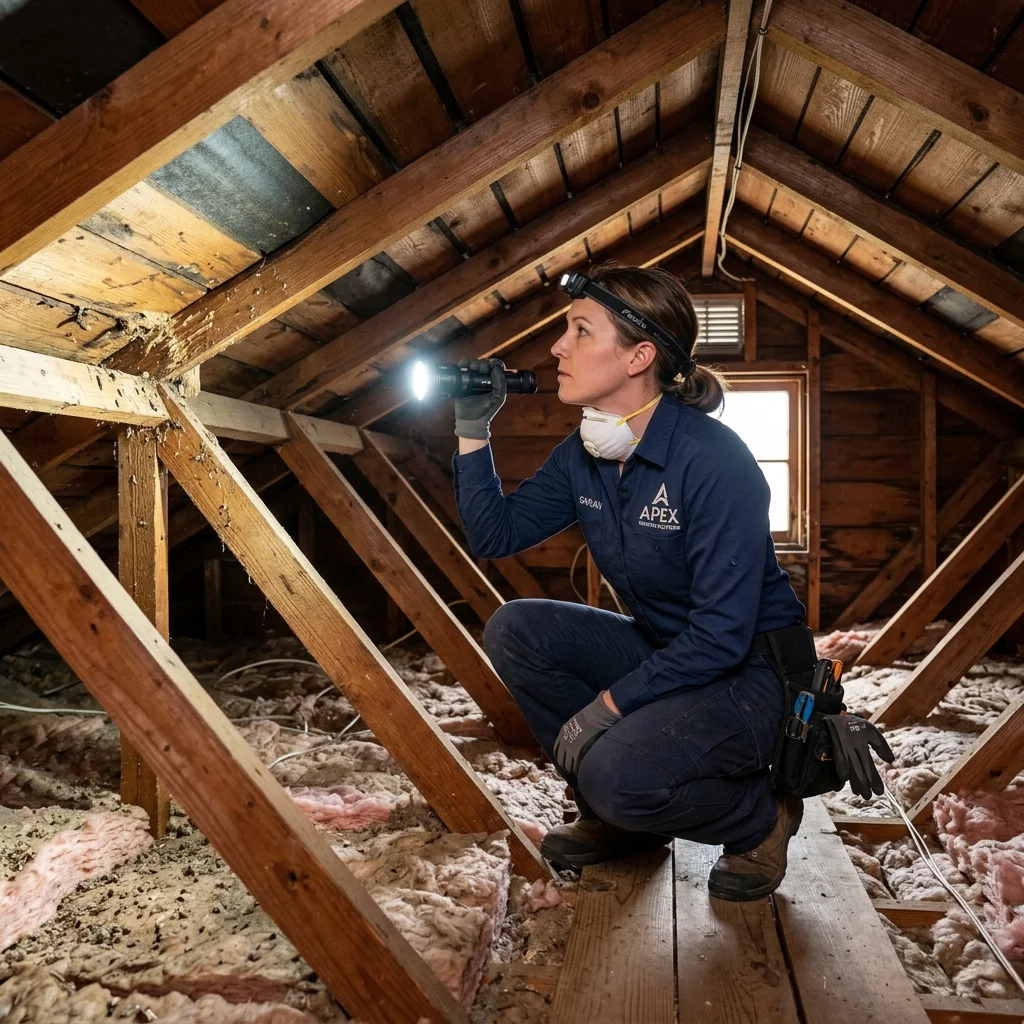
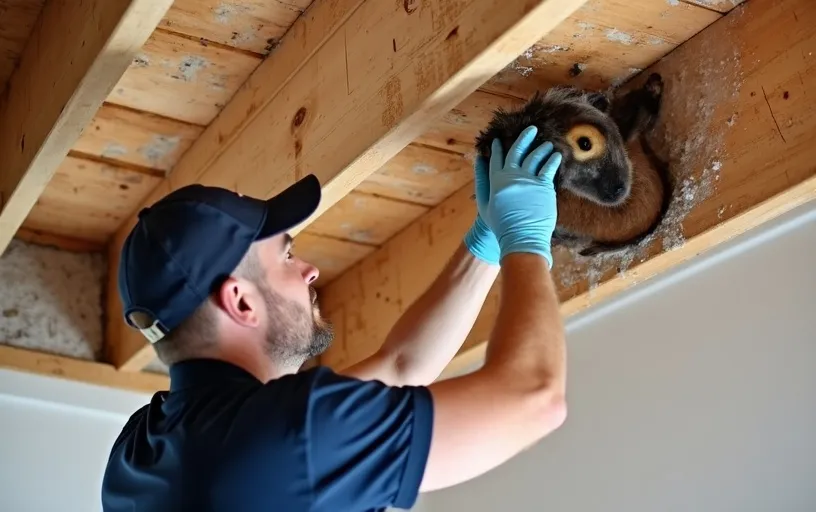
Confirming a possum is something most people manage over two or three evenings. Getting it out and keeping it out is harder, particularly on a two-storey home, a tiled roof with multiple access points, or where there may be dependent young.
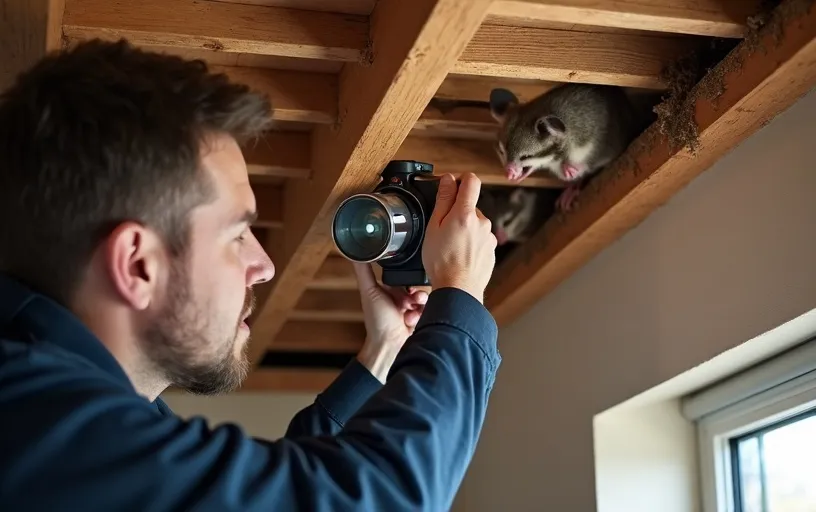
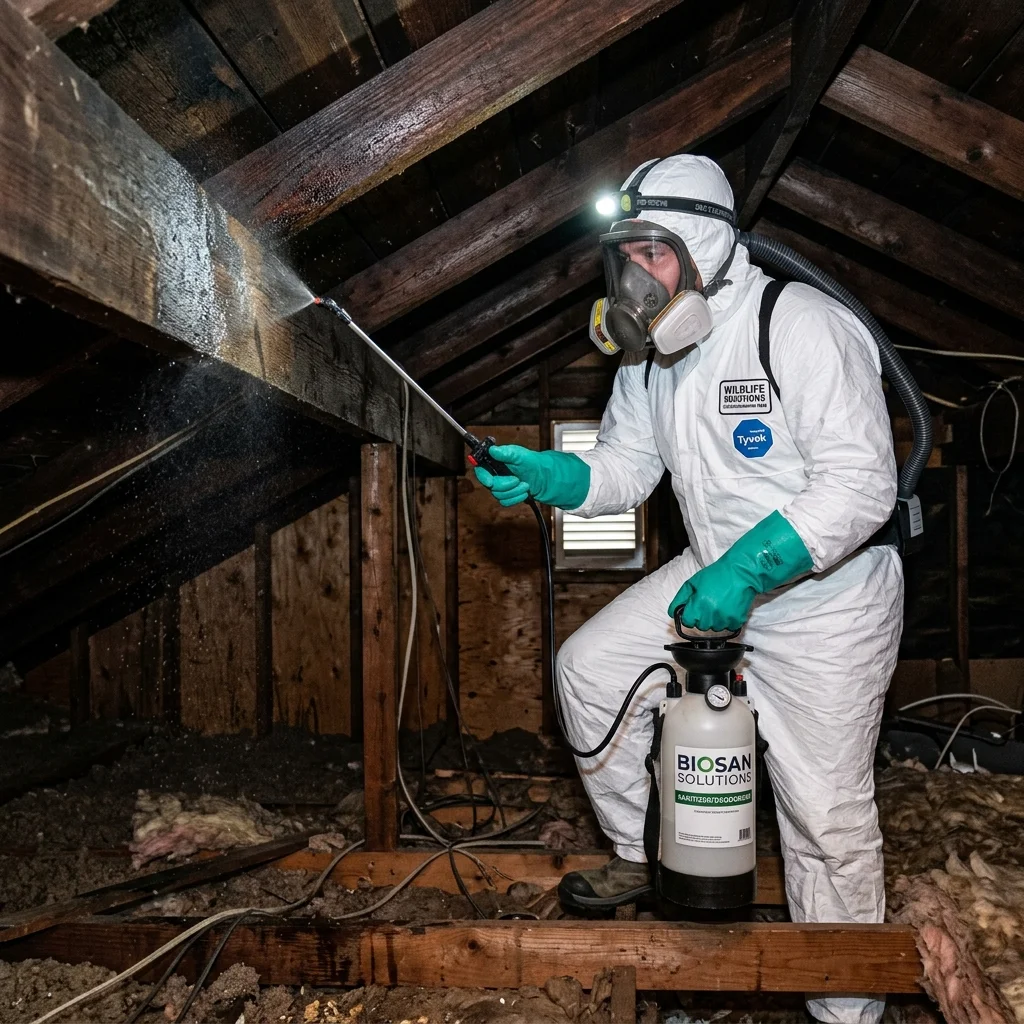
If the noise has gone on for weeks, if you can smell ammonia inside, or if you cannot find the entry point, a possum inspection will identify every access point rather than the obvious one. For animals already long-standing in the ceiling, roof cavity possum removal covers humane removal, clean-up of contaminated insulation and the proofing that stops it recurring.
If you want a second opinion on what you are hearing, get in touch and describe the timing and the sound. That alone usually identifies what is living in your roof.