Why Possums Keep Coming Back to Your Home and How to Stop It
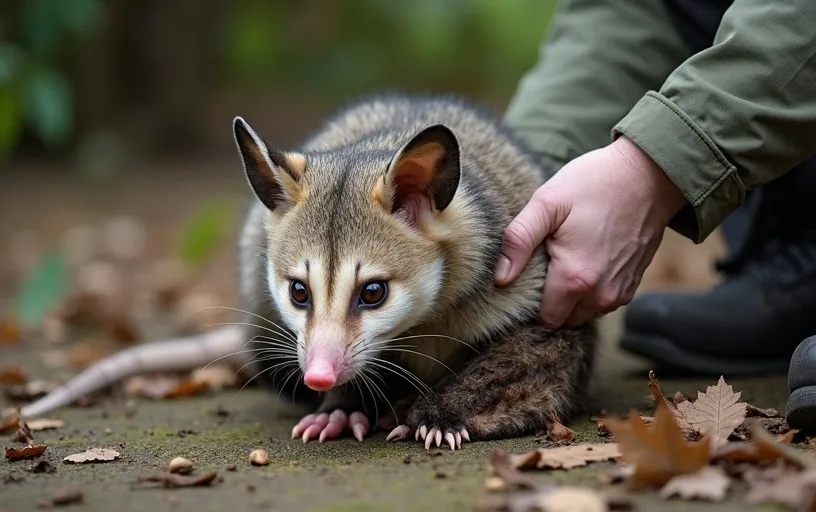
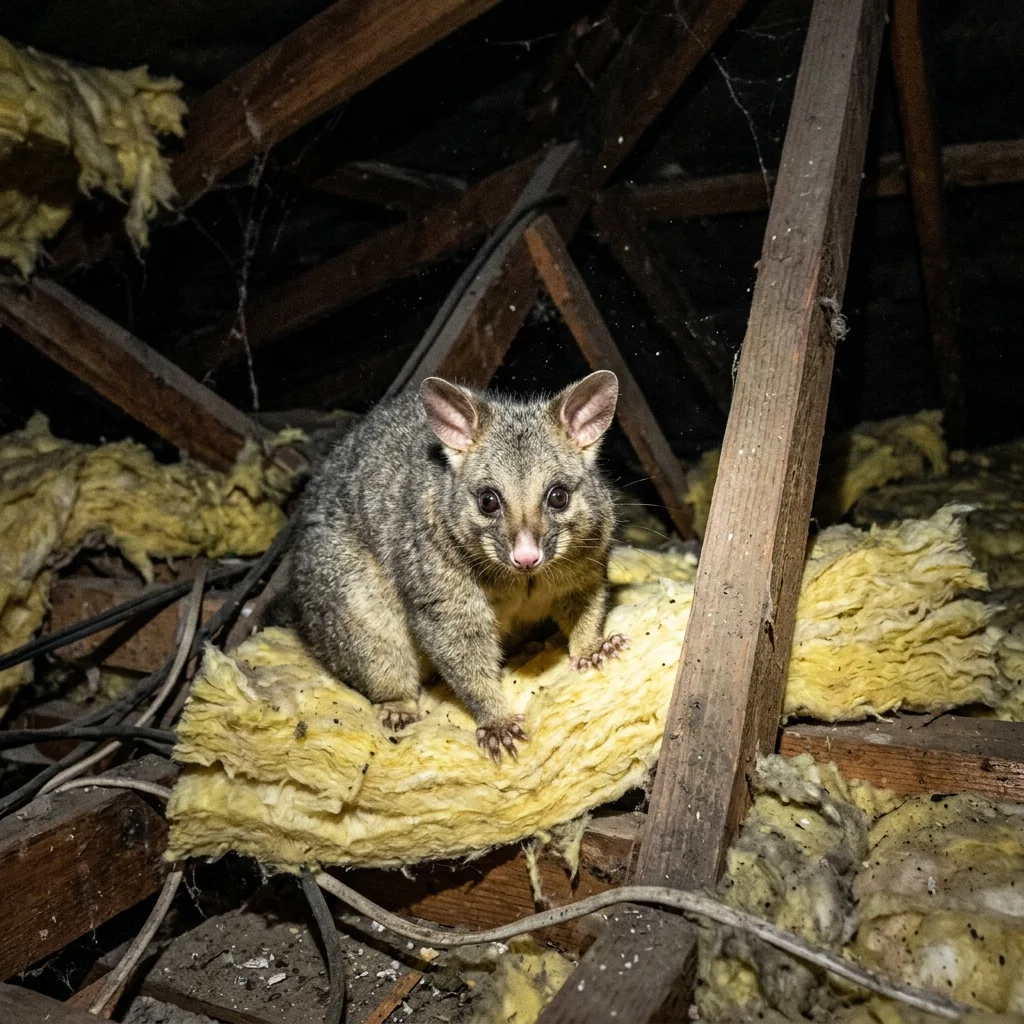
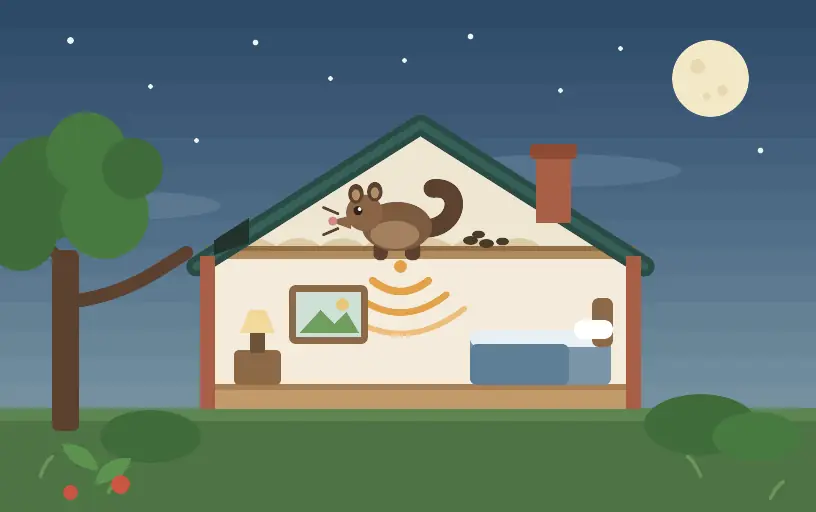
It's a genuinely frustrating pattern many Brisbane homeowners know all too well: a possum is removed from the roof, everything seems resolved, and then a few weeks or months later, the familiar scratching and thumping starts up again. If you've dealt with this cycle, you're far from alone, and understanding exactly why it keeps happening is the key to finally breaking it.
At Fresho Possum Removal Brisbane, we're often called back to properties where a previous, incomplete solution has led to a repeat problem. In this guide, we'll explain the real reasons possums keep returning and what actually needs to happen to stop the cycle for good.
Reason 1: The Entry Point Was Never Actually Sealed
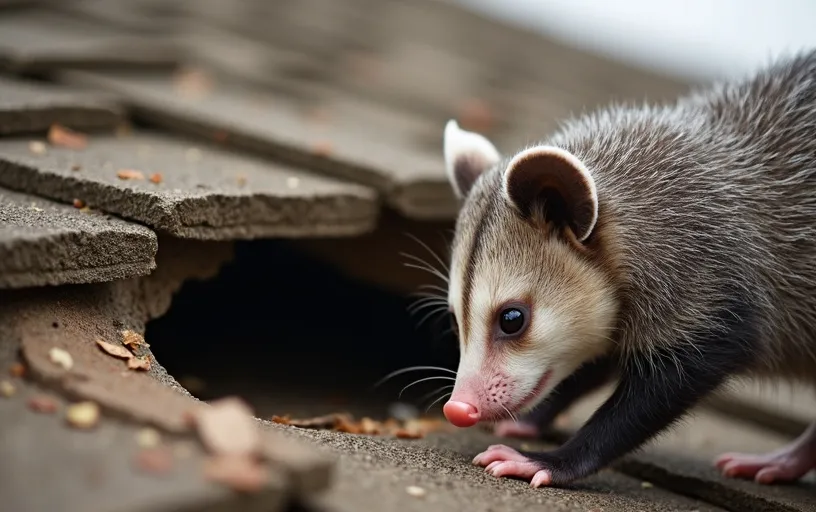
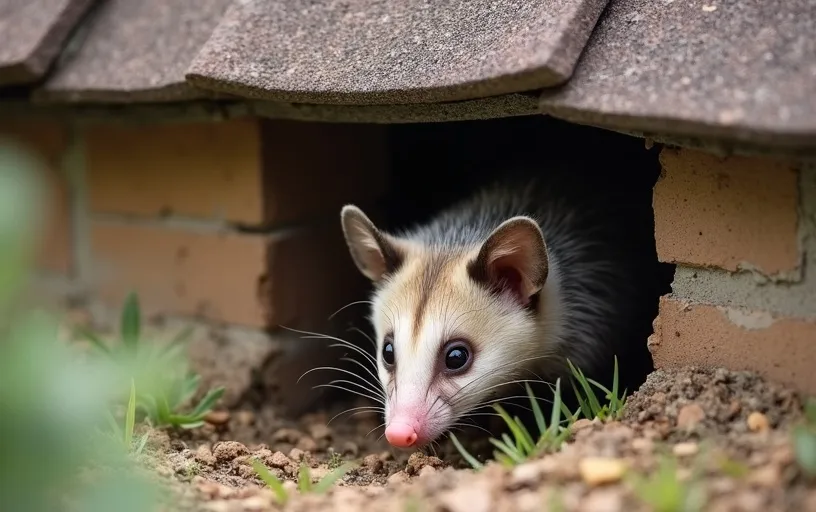
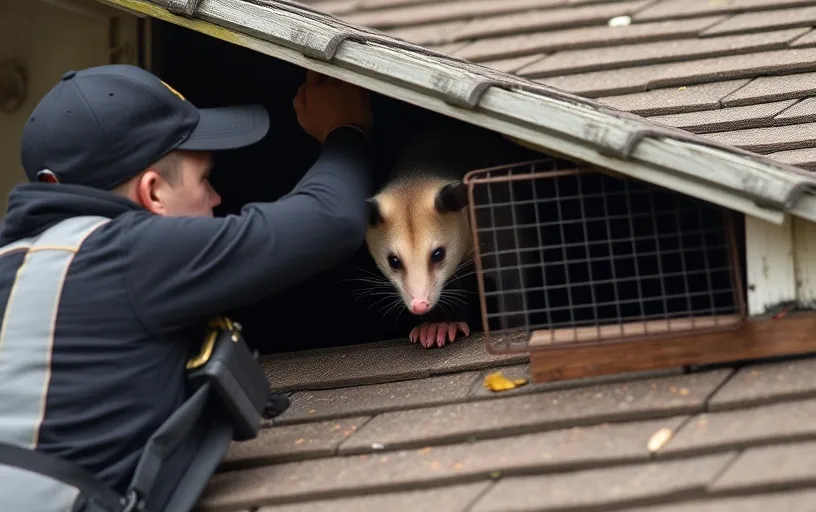
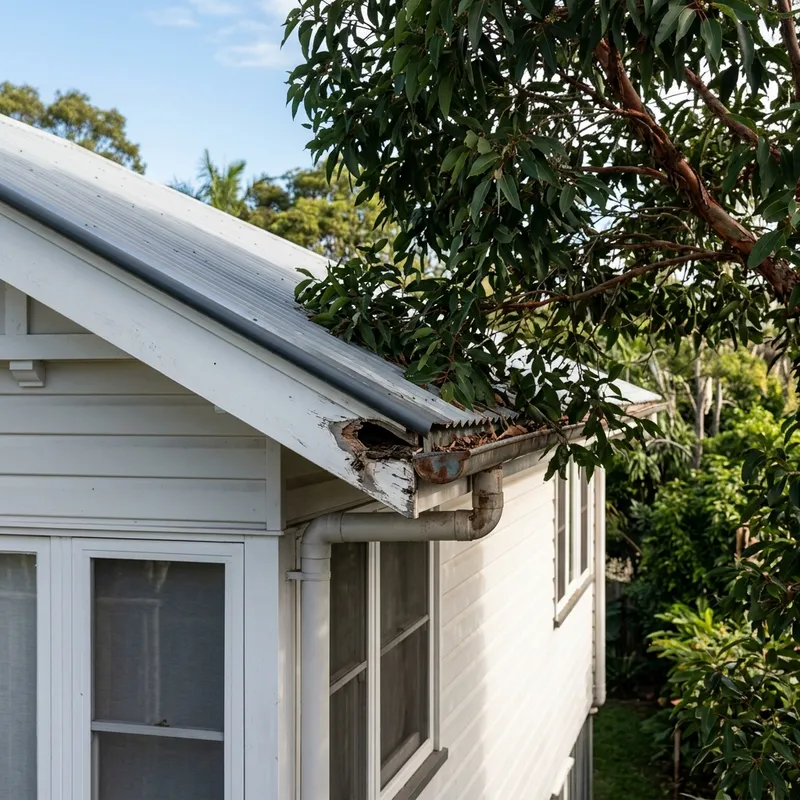
By far the most common reason possums return is straightforward: the original access point was never properly closed off. Removing a possum without addressing how it got in leaves the exact same opportunity available to the next possum looking for shelter, and roof cavities that have successfully housed one possum tend to attract others over time, since they clearly offer the warmth, dryness, and protection possums are naturally drawn to.
Reason 2: Only Part of the Roof Was Sealed
Even when some sealing work has been done, it's common for one or two entry points to be missed, particularly on larger or more complex roofs. Possums are surprisingly good at locating any remaining gap, and a roof that's ninety percent sealed can still function as an open invitation if even one accessible point remains.
Reason 3: A New Possum Has Simply Moved Into the Territory
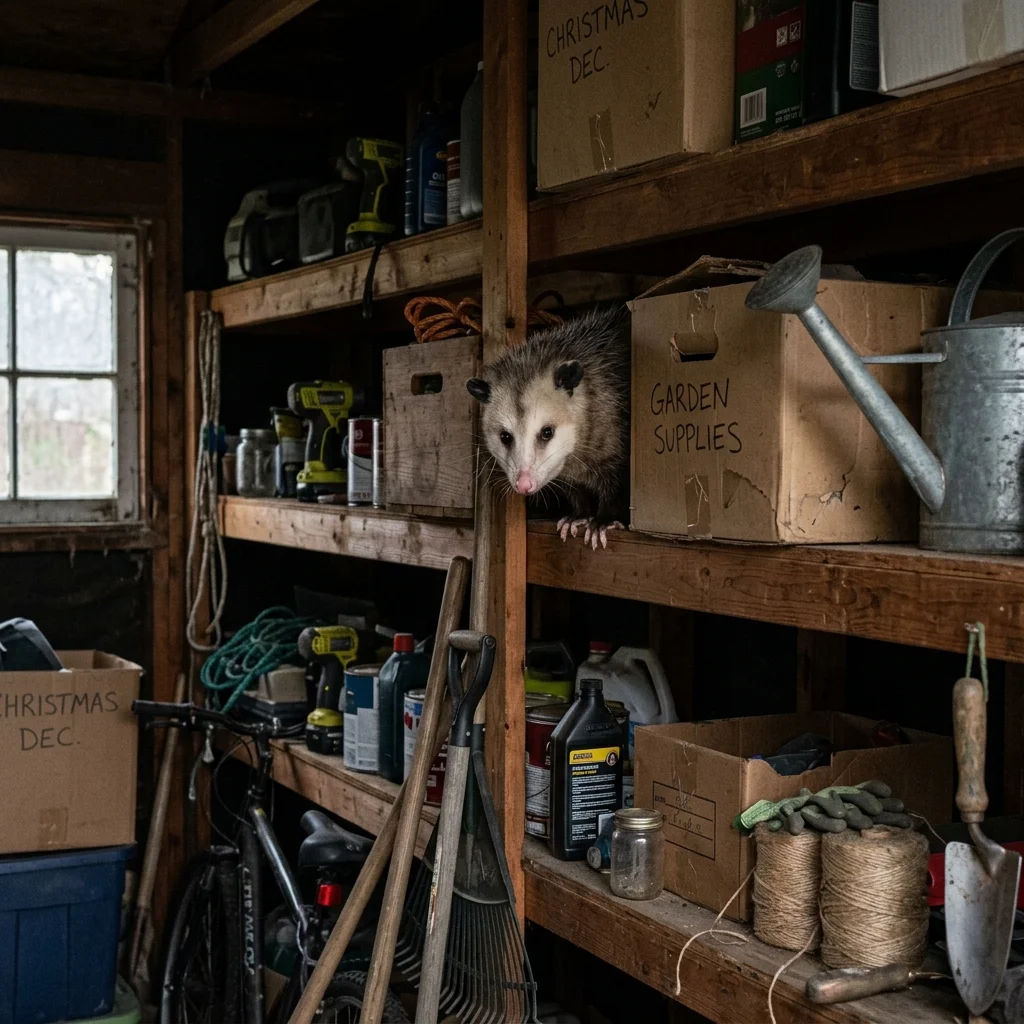
Possums are territorial animals, and when one is removed from an area, it can leave a territorial vacancy that another possum from the surrounding neighbourhood may move into, particularly if the property still offers appealing shelter and food sources. This is different from the original possum returning, but from a homeowner's perspective, the result looks the same: renewed activity in the roof.
Reason 4: Ongoing Food Sources Continue to Attract Possums
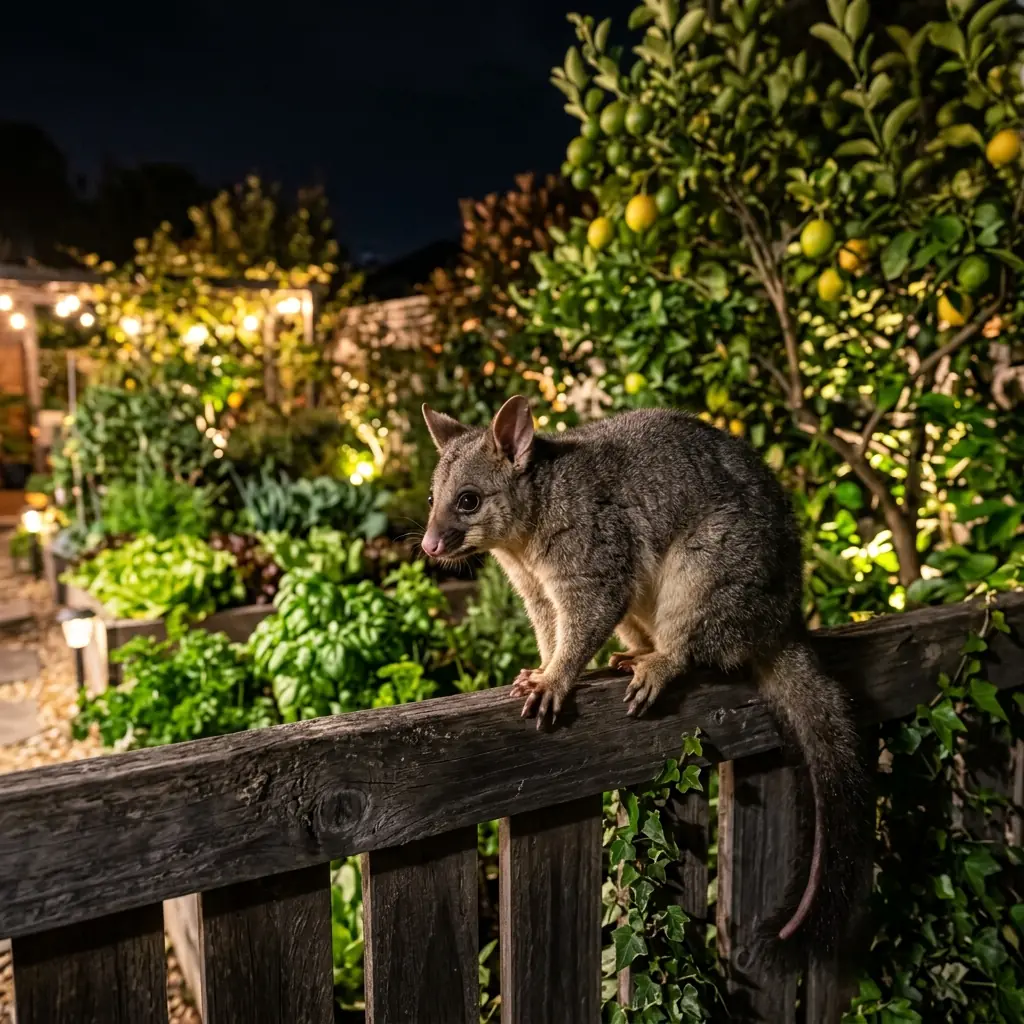
If a property continues to offer easy access to food, fruit trees, unsecured compost, pet food left outside, it remains an attractive destination for possums in the surrounding area, regardless of whether the roof itself has been sealed. Addressing shelter without addressing food sources often means possums simply continue visiting the garden, and if any access point remains, may still attempt to move back into the roof.
Reason 5: Nearby Trees Provide Easy Access
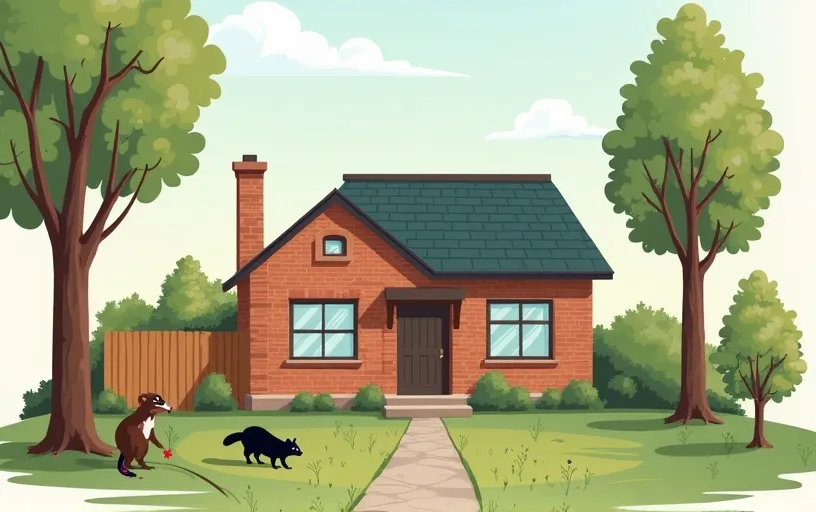
Overhanging or nearby trees that touch or come close to the roofline properly act as a bridge, giving possums easy access regardless of how well the rest of the property has been secured. If branches haven't been trimmed back as part of the original exclusion work, this remains an ongoing access route that undermines even a well-sealed roof.
Reason 6: The Timing of Sealing Trapped a Possum's Instinct to Return
Possums have a strong homing instinct and, if displaced without proper exclusion technique, may make repeated, determined attempts to return to a familiar, previously successful nesting site over a period of days or weeks. If sealing work is undone or weakened during this period, either through the possum's persistent efforts or from a poorly secured repair, it can create a renewed opening even after initial exclusion appeared successful.
How Quickly Do Possums Typically Return?
The timeline for renewed possum activity varies considerably depending on the underlying cause. If an entry point was never sealed at all, a new possum may move in within days or weeks of the original removal. If sealing was mostly successful but one small gap remains, it can sometimes take longer, occasionally months, before a possum locates and exploits that remaining weakness, which is why some homeowners notice a period of relative quiet before activity resumes.
The Difference Between Prevention and a Genuine Cure
It's worth distinguishing between measures that discourage possums temporarily and those that provide an actual, lasting barrier. Scent deterrents and noise devices can reduce the likelihood of a possum settling in the short term, but they don't create a physical barrier, meaning a persistent or new possum can still find a way in over time. Genuine, lasting prevention comes down to physical exclusion, correctly and comprehensively applied.
How to Actually Break the Cycle
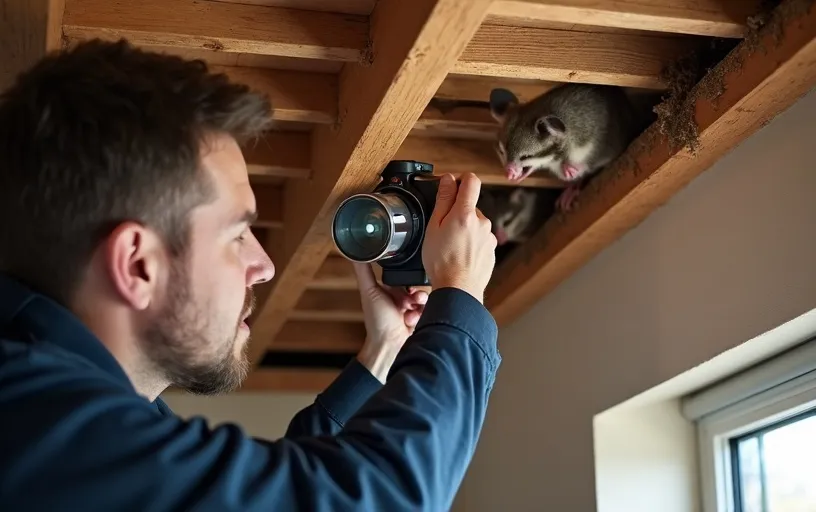
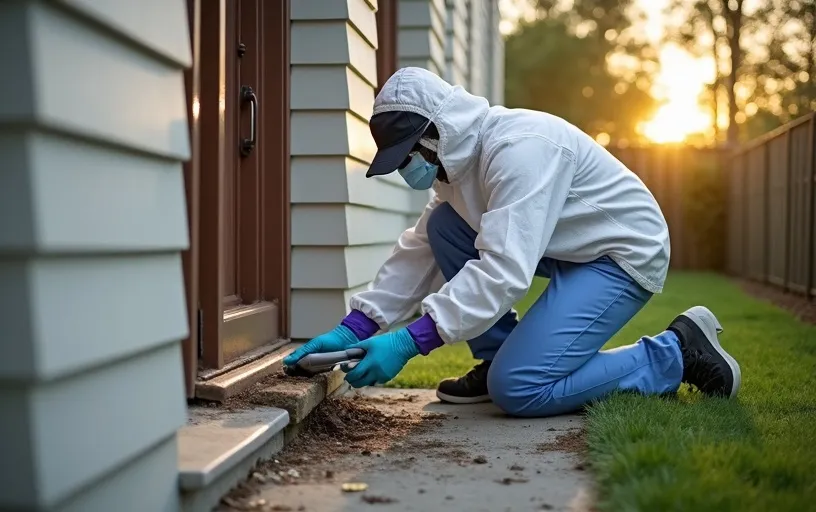
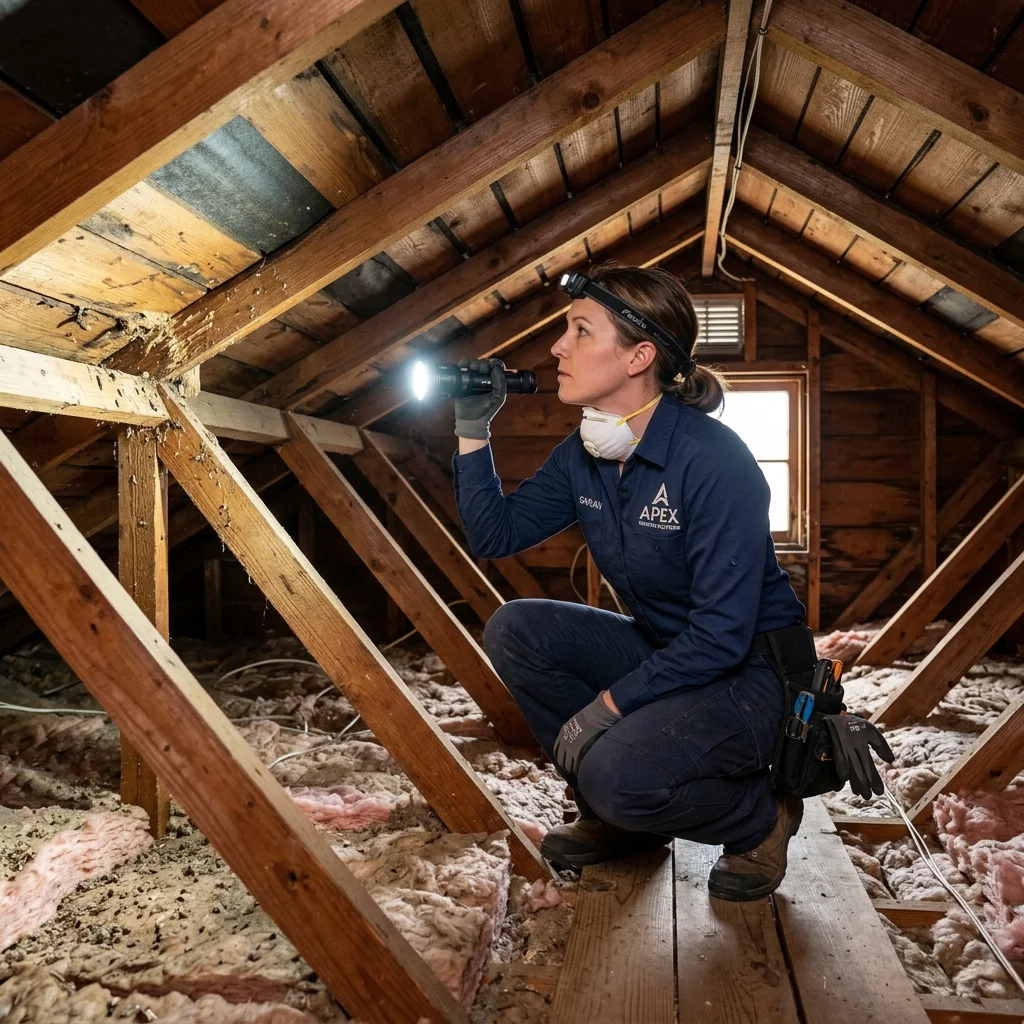
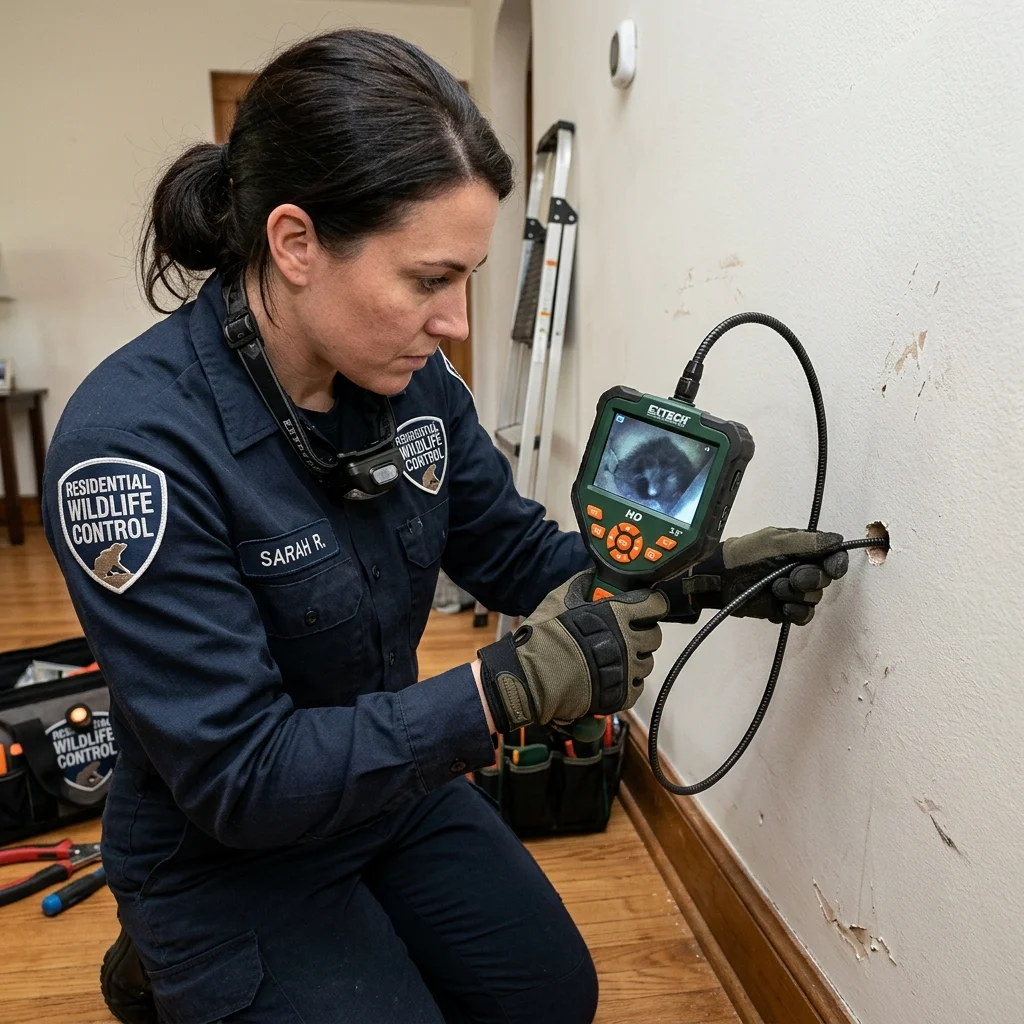
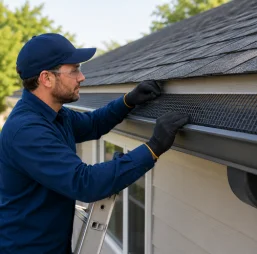
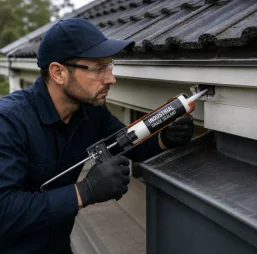
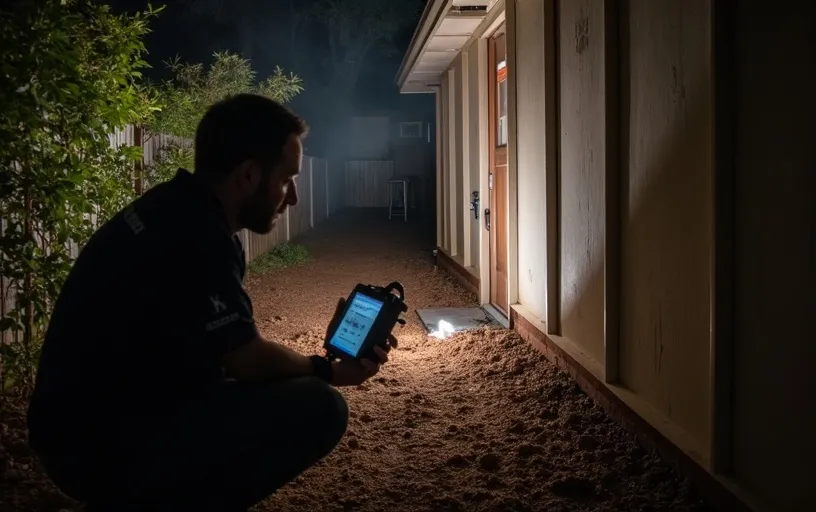
The good news is that each of these causes has a clear, practical solution. The foundation of a genuinely lasting fix is a full, professional roof inspection that identifies every access point, not just the obvious one, followed by durable, correctly timed sealing. Our detailed guide on How to Seal Roof Entry Points to Keep Possums Out walks through exactly what this process should involve, including how to confirm the roof is fully clear before sealing.
A Checklist for a Genuinely Lasting Solution
- A full roof inspection identifying every entry point, not just the primary one
- Confirmation that no possum remains inside before final sealing
- Use of durable, heavy-gauge materials that can withstand repeated pressure
- Trimming of any overhanging branches that provide alternative access
- Securing food sources around the property, including compost and pet food
- A follow-up check a few weeks after sealing to confirm no renewed activity
Why DIY Fixes Often Don't Stick
Well-intentioned DIY sealing attempts often address the most obvious gap while missing smaller, less visible entry points elsewhere on the roof. Without the systematic inspection approach a professional brings, it's easy to feel confident the job is done, only to discover weeks later that a possum has found an alternative route in. This is one of the most common reasons homeowners find themselves calling for a second, more thorough round of exclusion work.
Documenting Previous Work Helps Future Troubleshooting
If you've had exclusion work carried out previously, keeping a record of which entry points were identified and sealed can be genuinely useful if activity resumes later. This allows a technician to quickly determine whether renewed activity relates to a previously addressed area or represents an entirely new access point, speeding up diagnosis and avoiding unnecessary rework on sections that were already properly handled.
What to Do If Possums Have Already Returned
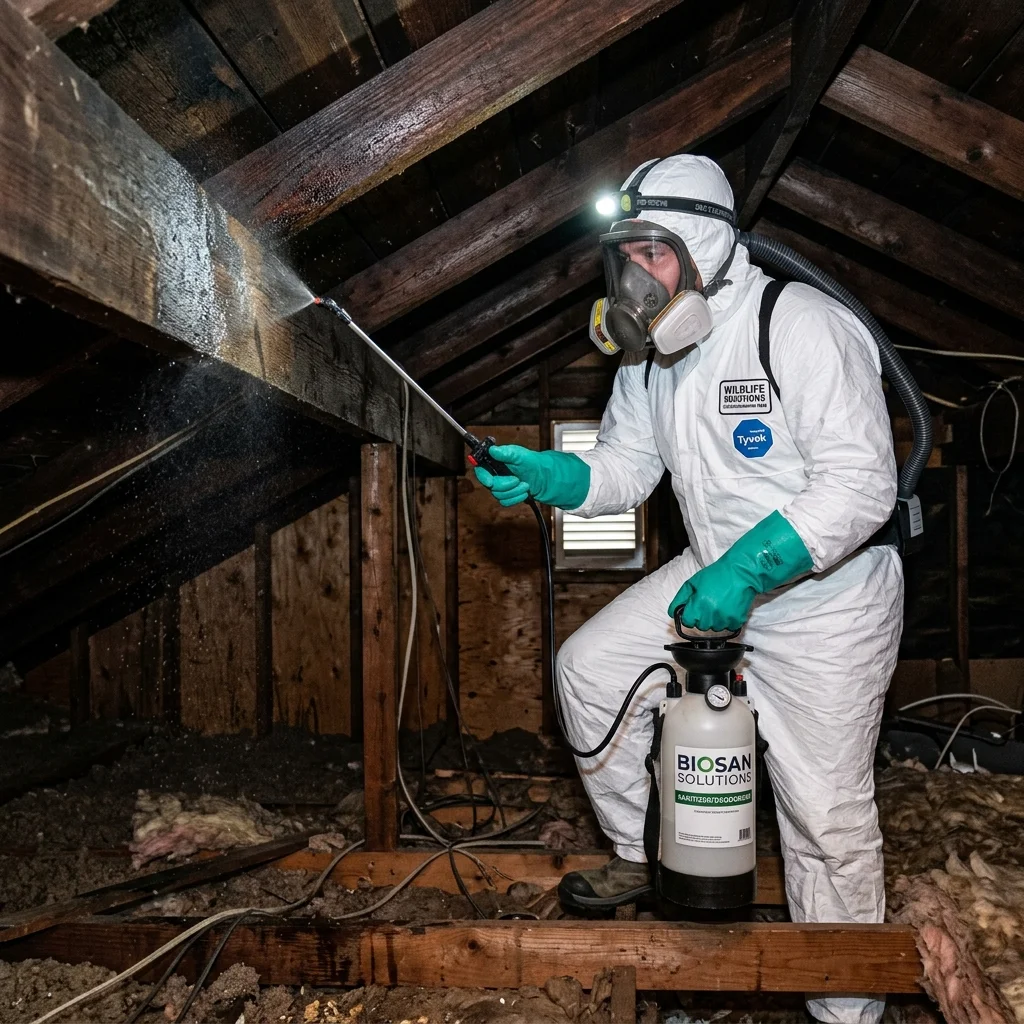
If you're dealing with renewed activity after previous removal or sealing work, the most proper approach is a fresh, comprehensive inspection rather than simply patching the most obvious new gap. This helps identify whether the original sealing was incomplete, whether a new access point has developed, or whether nearby trees or food sources are drawing possums back to the property despite an otherwise secure roof.
Setting Realistic Long-Term Expectations
Even with thorough, professional exclusion work, it's worth understanding that possums remain active in the broader Brisbane environment, and periodic garden visits or attempts to access the property are not unusual, particularly in leafy, mature suburbs. The goal of proper sealing isn't to eliminate all possum activity nearby, which isn't realistic or desirable given their protected status, but to ensure your specific roof cavity is no longer an accessible option.
Frequently Asked Questions
1. Why did the possum come back after I had it removed?
In most cases, the original entry point wasn't fully sealed, meaning either the same possum or a new one was able to access the roof again through the same or a nearby gap.
2. Can a different possum move into the same roof cavity?
Yes, possums are territorial, and once one is removed, another possum in the area may move into the vacated territory if the property still offers accessible shelter.
3. Is it enough to just seal the main entry point I can see?
Not always. Possums can be surprisingly good at finding alternative gaps, so a full inspection identifying all potential entry points is important for a lasting solution.
4. Do overhanging branches really make that much difference?
Yes, branches touching or close to the roofline successfully act as a bridge, giving possums access even when the roof itself has been otherwise well sealed.
5. How do I know if sealing work was actually done properly?
A thorough professional service should confirm every entry point identified, the materials used, and provide a follow-up check to verify no renewed activity has occurred.
6. How soon after removal should I get the roof sealed?
As soon as possible, ideally at the same time as removal, since any gap left open remains an active invitation for the next possum looking for shelter.
Final Thoughts
Possums returning to a property is rarely bad luck, it's almost always a sign that something in the original solution was incomplete, whether that's a missed entry point, ongoing food access, or an overhanging branch offering an easy route back in. A thorough, professional approach addressing all of these factors together is the most dependable way to finally break the cycle.
If possums keep finding their way back to your Brisbane home, contact Fresho Possum Removal Brisbane today for a comprehensive inspection and a genuinely lasting solution.