How to Identify Possums and Understand Their Behaviour: A Homeowner's Guide
Before you can successfully deal with a possum problem, it helps to actually understand what you're dealing with. Brisbane is home to two main possum species, and knowing the difference between them, along with understanding their natural behaviour patterns, can make a real difference in how you approach deterrence, exclusion, or removal.
At Fresho Possum Removal Brisbane, we're often asked basic identification questions by homeowners hearing noises in their roof for the first time. In this guide, we'll walk through how to identify the possums common to Brisbane properties and explain the behaviour patterns that drive most of the issues homeowners experience.
The Two Main Possum Species in Brisbane
Brisbane properties most commonly encounter two species: the common brushtail possum and the common ringtail possum. While both are native, protected marsupials, they differ noticeably in size, appearance, and behaviour, which affects how they interact with your property and what kind of intervention is appropriate.
Identifying the Brushtail Possum
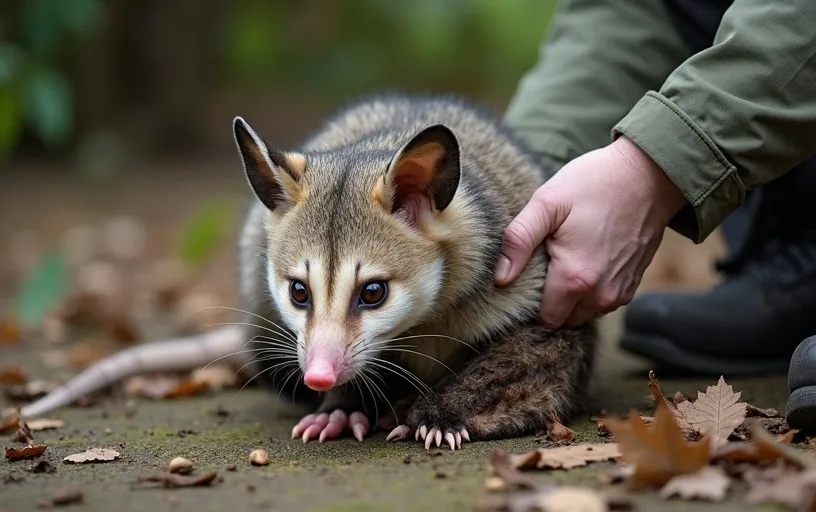
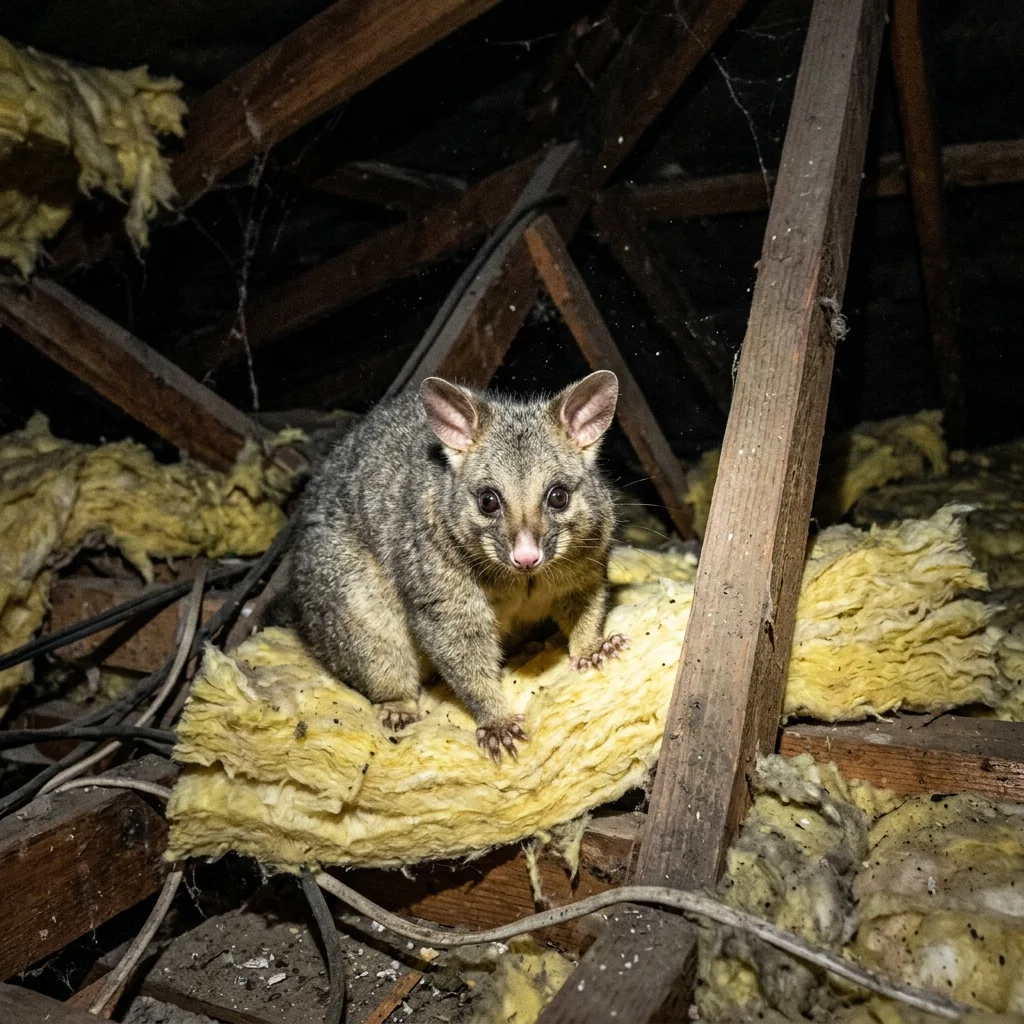
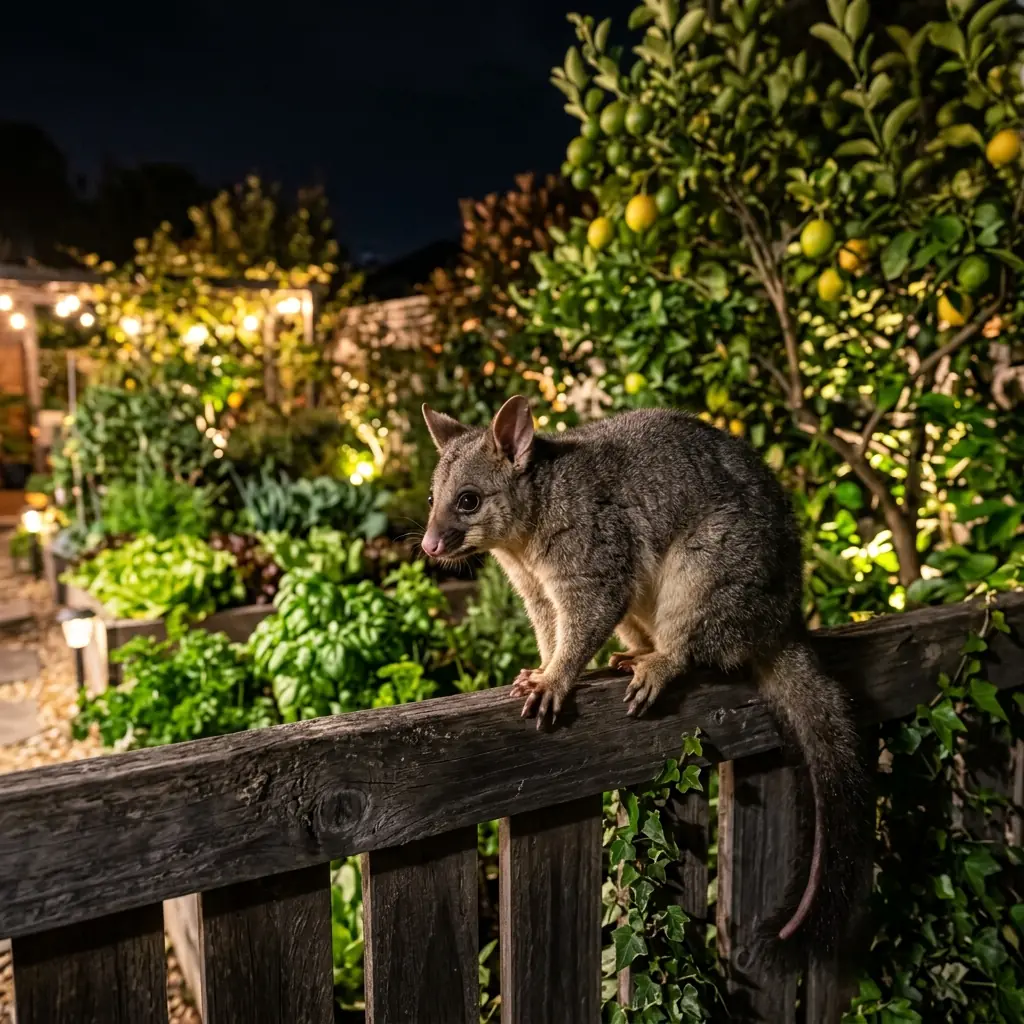
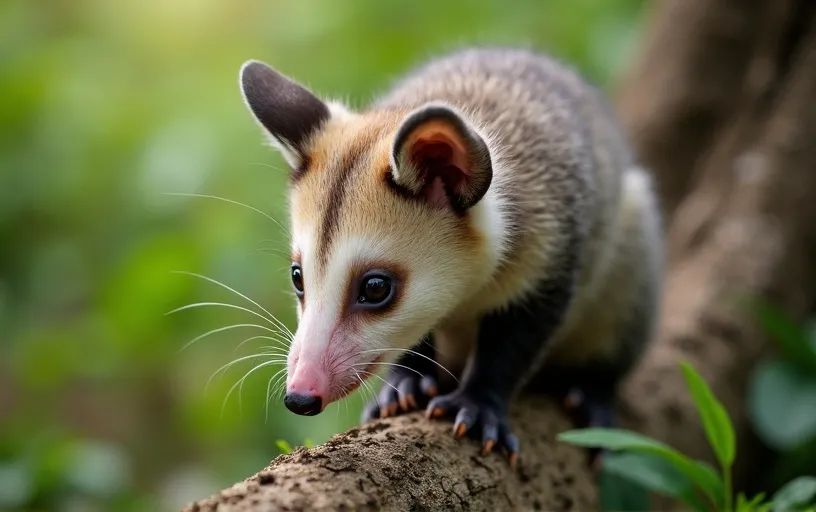
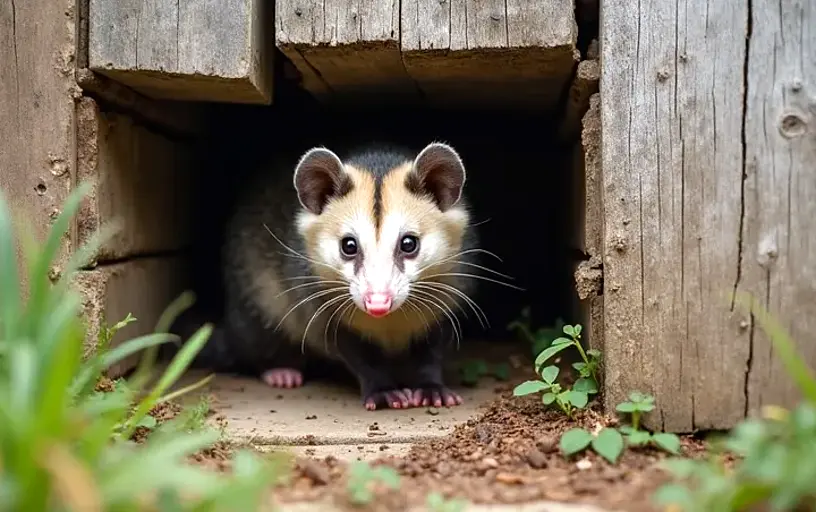
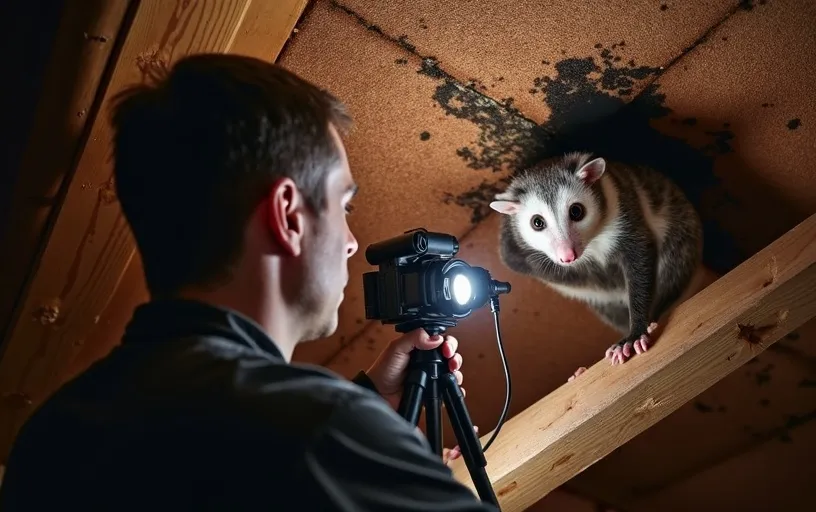
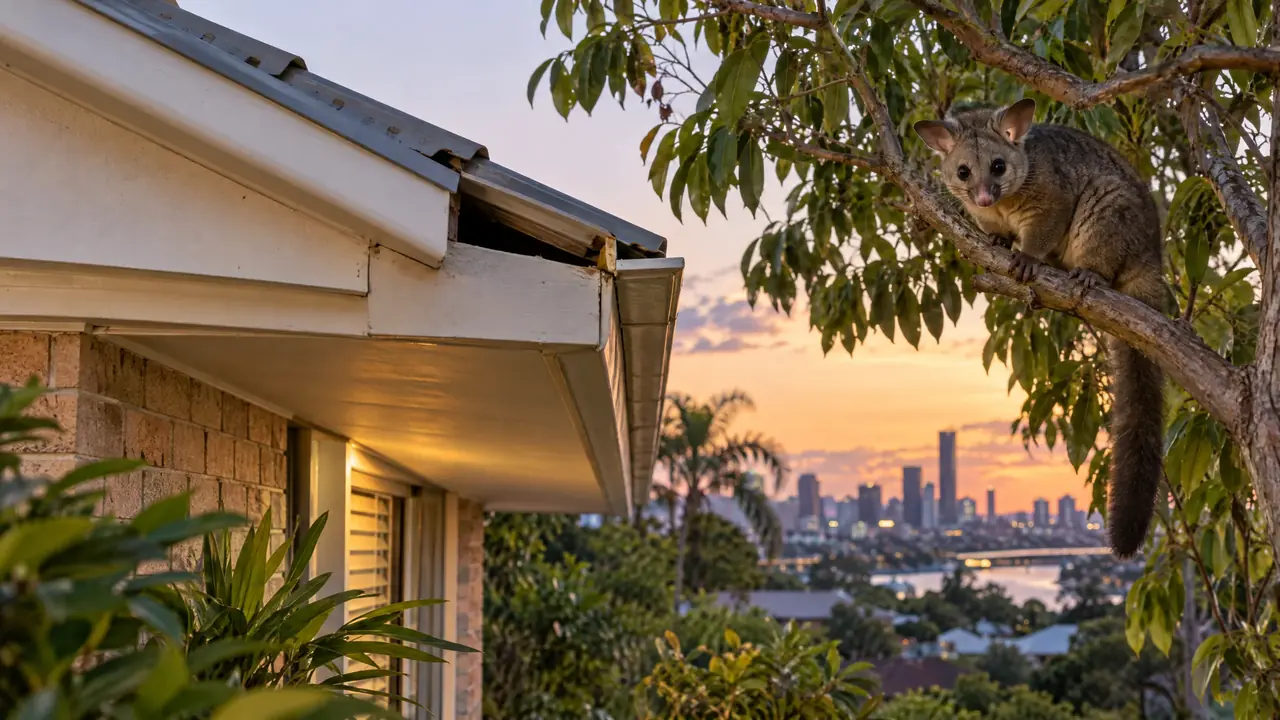
Brushtail possums are the larger of the two species, typically weighing between one-and-a-half and four-and-a-half kilograms, with a body length of around forty to fifty-five centimetres, not including the tail. They have a distinctive bushy, thick tail, pointed ears, and a pink nose, with fur ranging from grey to a coppery brown depending on the individual animal and region.
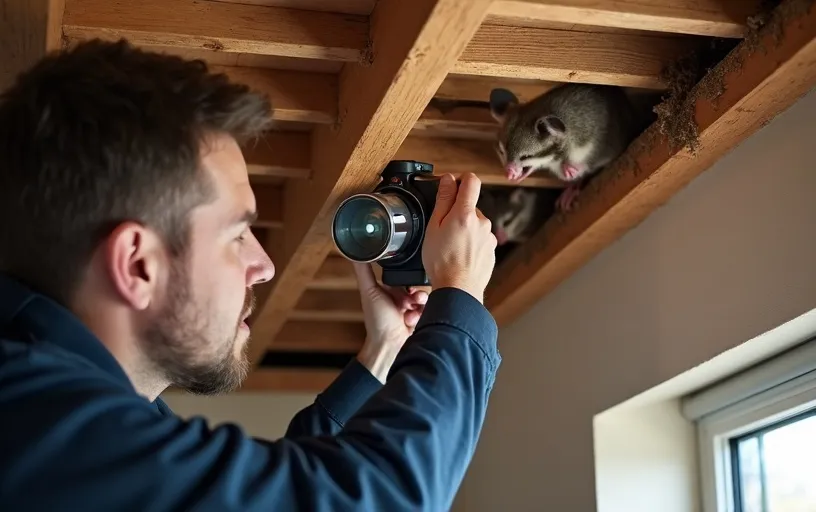
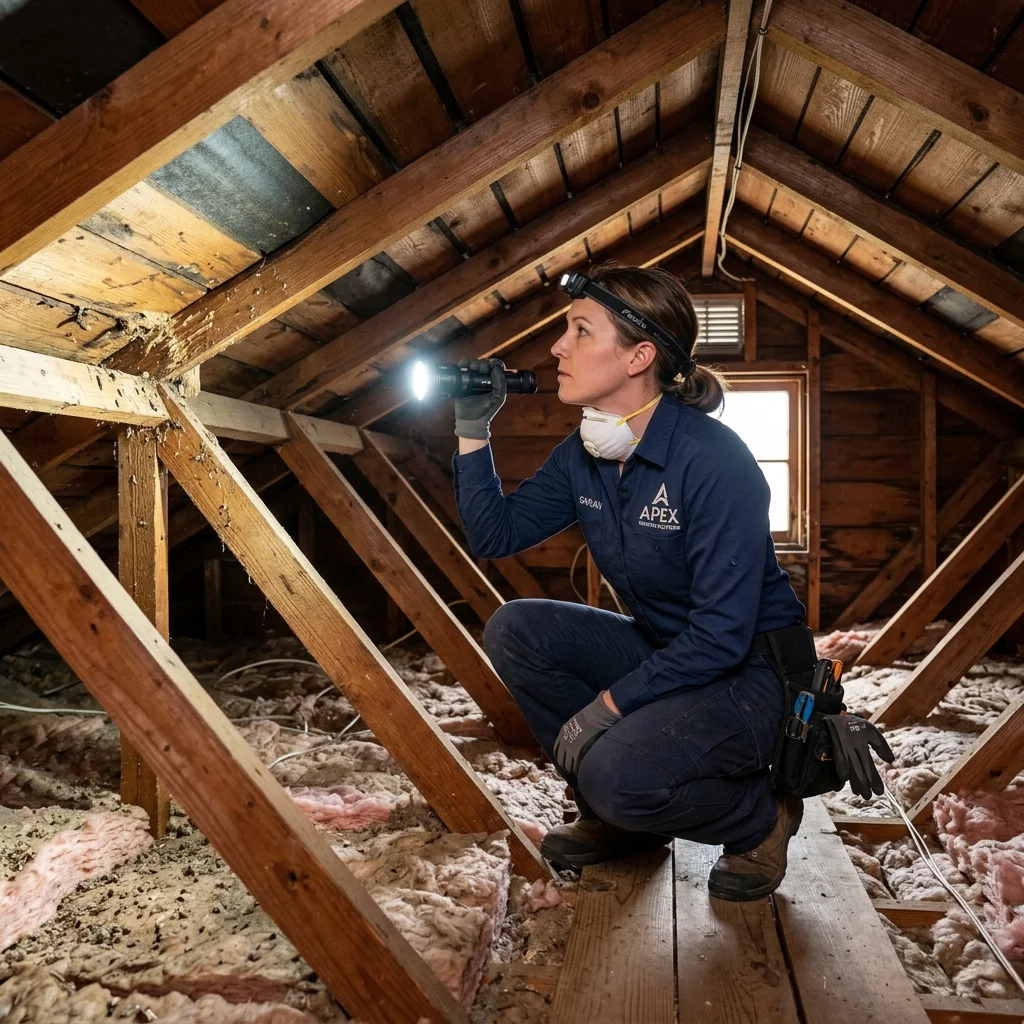
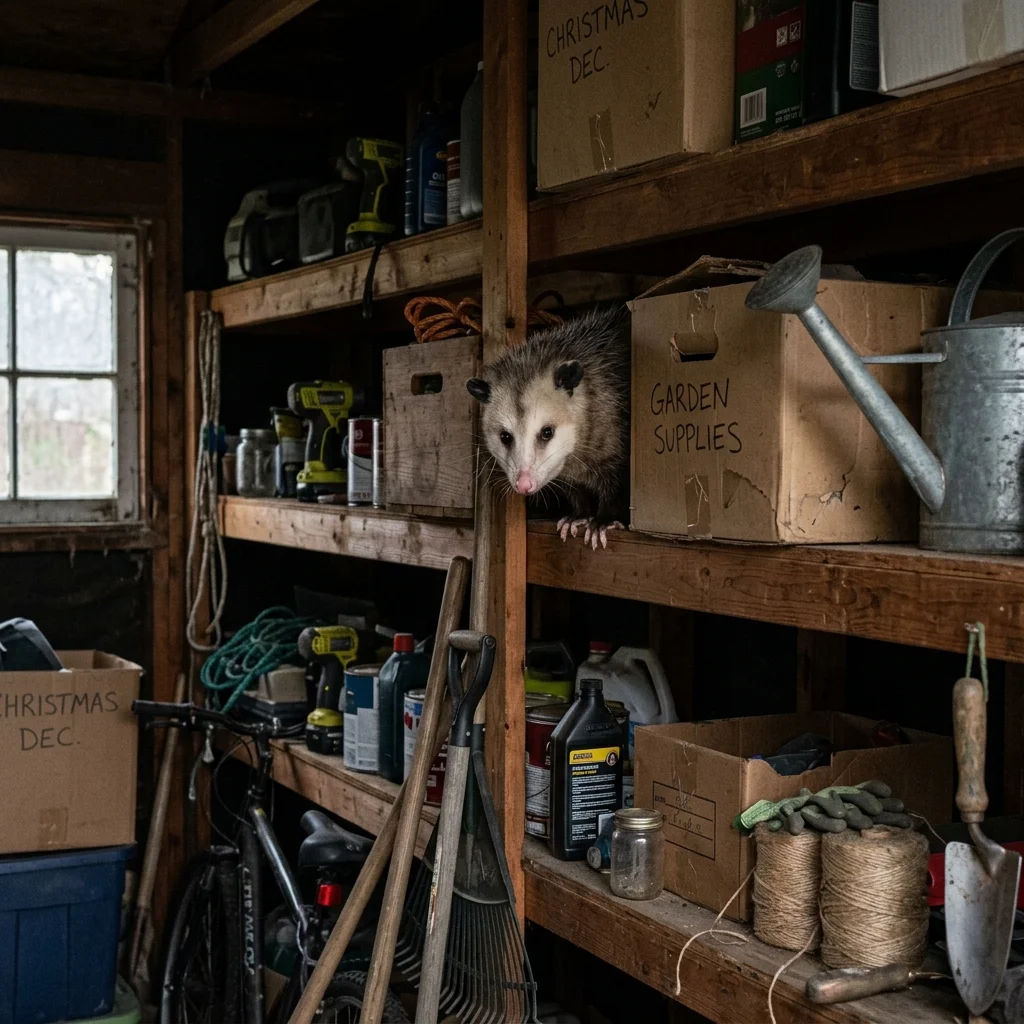
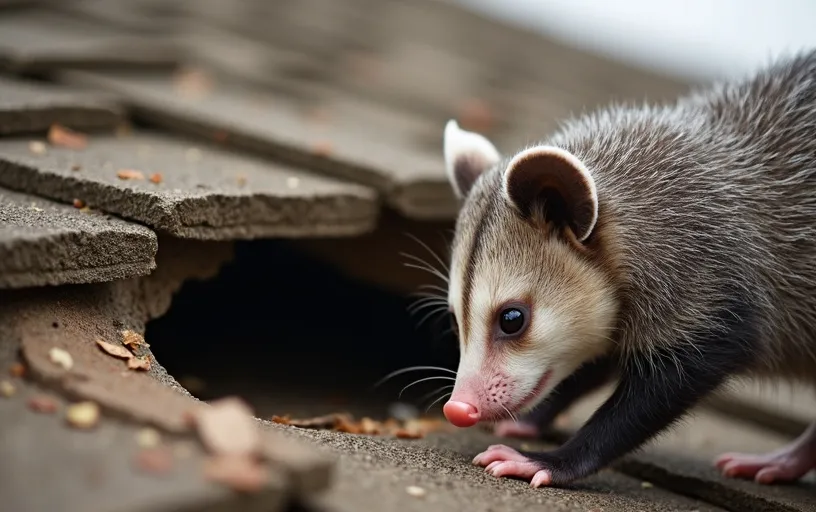
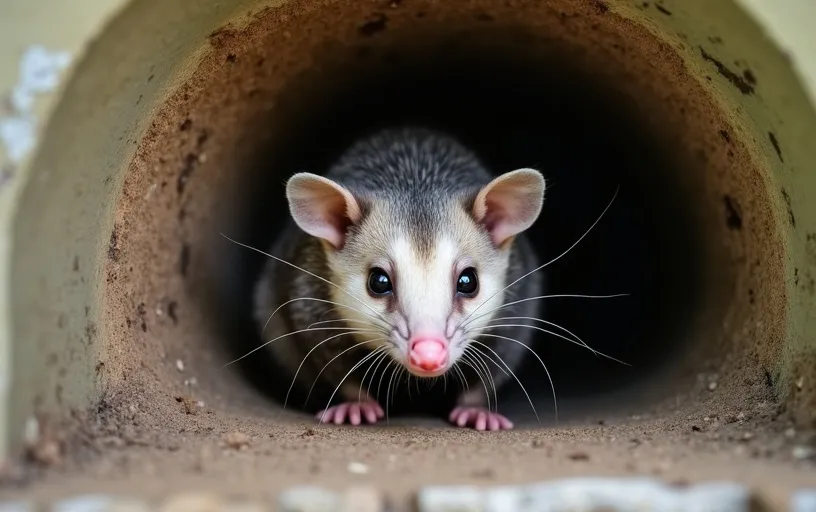
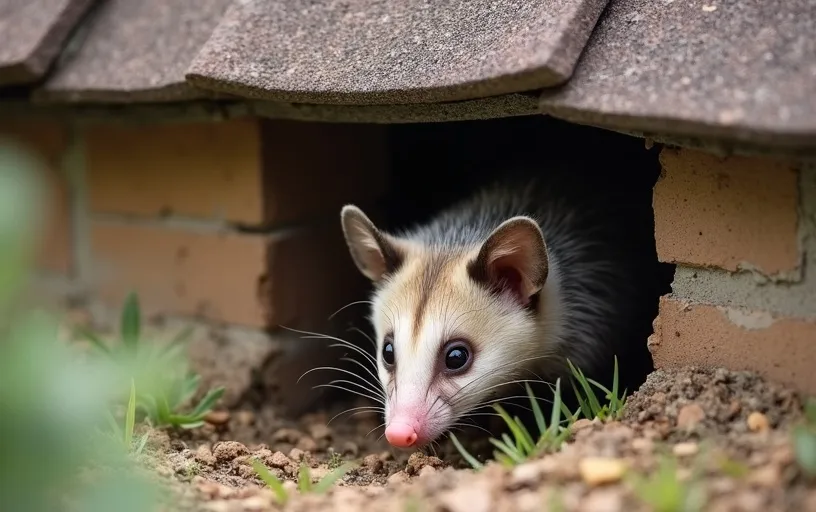
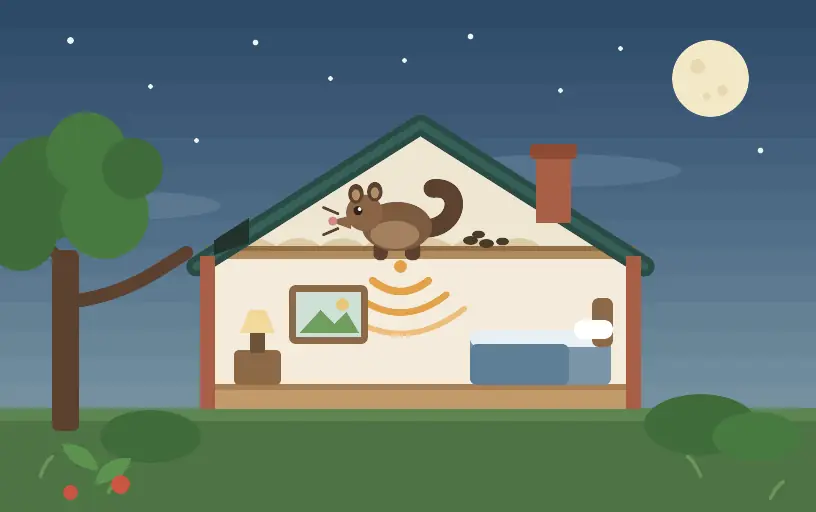
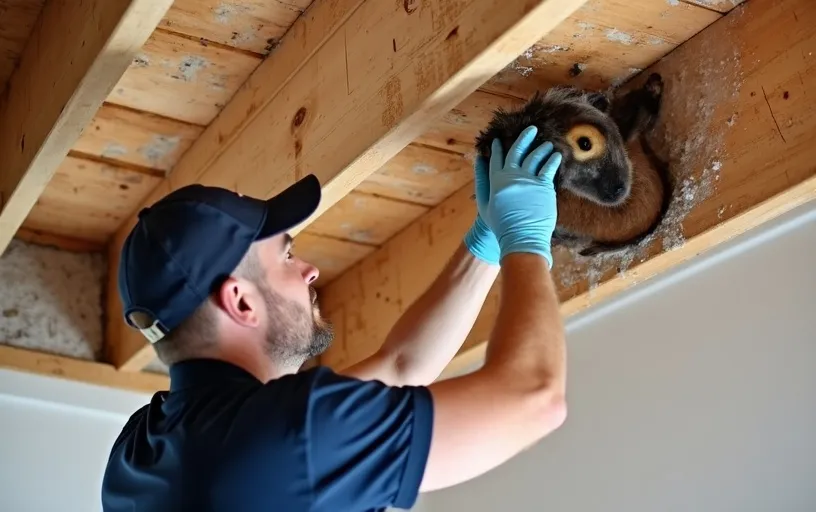
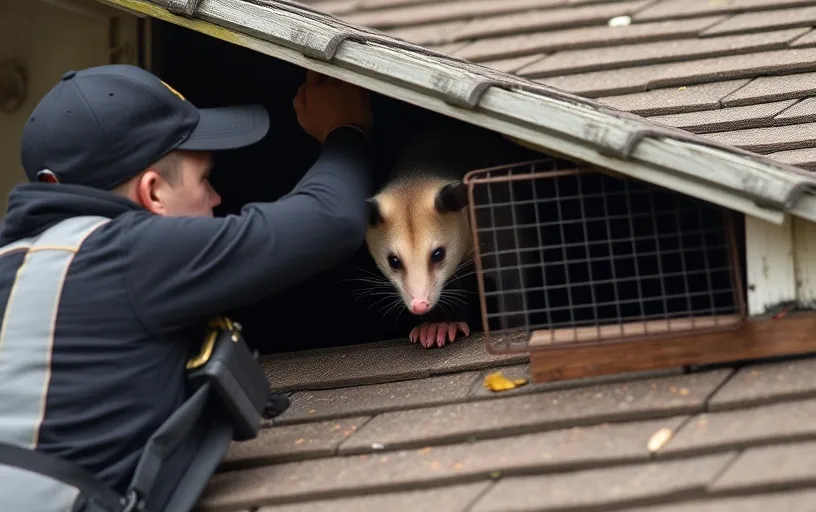
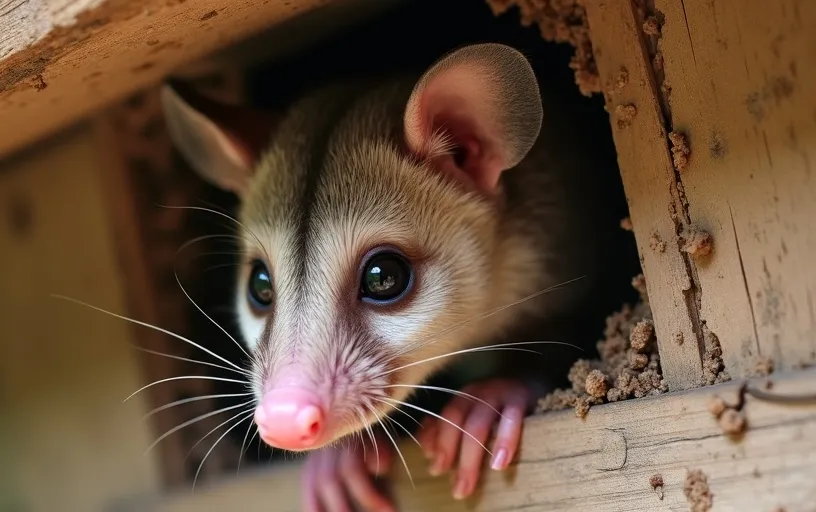
Brushtail possums are the species most commonly responsible for roof cavity invasions, since they naturally seek out enclosed, sheltered spaces similar to a hollow tree trunk, which a roof cavity closely mimics.
Identifying the Ringtail Possum
Ringtail possums are noticeably smaller, generally weighing between six hundred grams and one-and-a-half kilograms, with a more slender build. Their most distinctive feature is a long, thin, prehensile tail with a white tip, often curled into a distinctive ring shape, which gives the species its name. Their fur is typically greyish-brown, and they have smaller, more rounded ears than brushtails.
Unlike brushtails, ringtail possums rarely invade roof cavities, instead building spherical nests called dreys out of leaves and twigs in dense shrubs and trees, making them more commonly linked to garden damage than home invasion.
Distinguishing the Sounds They Make
Possums are famous for their surprisingly loud, distinctive vocalisations, which can range from a series of harsh hisses and grunts, to loud clicking sounds, to what's sometimes described as a rasping or coughing bark, particularly during territorial disputes or mating season. This can be alarming for homeowners unfamiliar with the sound, sometimes even leading to the assumption that a larger or more dangerous animal is present, when in fact it's simply a possum communicating in its natural way.
Understanding Their Nocturnal Behaviour
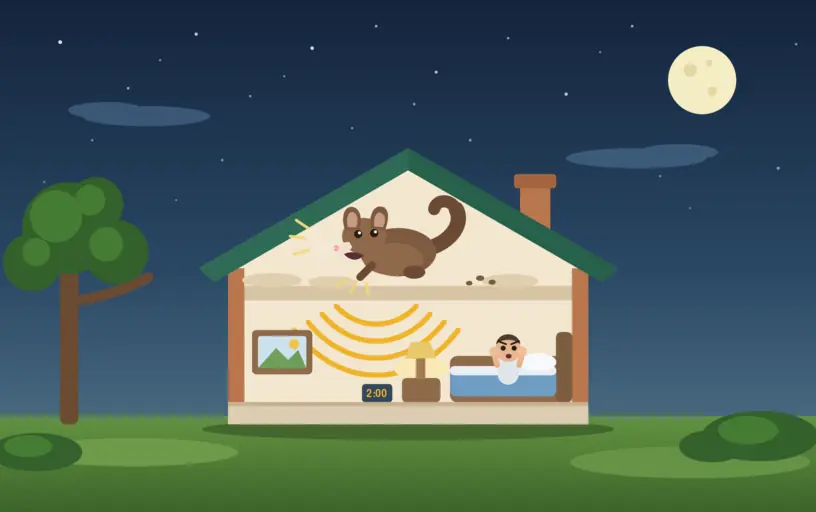
Both species are strictly nocturnal, meaning they're active at night and rest during the day, which is why most possum-related noise and disturbance occurs in the evening and overnight hours. During the day, they retreat to whatever shelter they've long-standing, whether that's a natural tree hollow, a garden shrub, or, problematically, a roof cavity, wall void, or shed.
Territorial Behaviour and Why It Matters
Possums are solitary, territorial animals, with each individual maintaining its own territory that it will actively defend against other possums. This territorial nature explains why removing one possum from a property can sometimes lead to another moving in shortly after, if the vacated territory still offers appealing shelter and food, since a new possum from the surrounding area may simply move in to claim the newly available space.
Breeding Season and Why Timing Matters
Brushtail possums typically breed during autumn and again in spring in South East Queensland, with a gestation period of around seventeen to eighteen days, after which the tiny, underdeveloped young continue developing in the mother's pouch for several months. This is an important consideration for any removal or exclusion work, since accepted wildlife handling practice require extra attention to avoid separating a mother from dependent young, which is one of several reasons professional assessment is recommended over DIY intervention during these periods.
How Diet Influences Possum Behaviour Around Homes
Both possum species are primarily herbivorous, feeding on leaves, flowers, fruit, and native vegetation, though brushtails in particular are opportunistic and will readily take advantage of garden fruit trees, vegetable patches, and even household scraps if accessible. This adaptability is part of why possums thrive so successfully in suburban environments, since a typical Brisbane garden often provides a more dependable, varied food source than the surrounding bushland alone.
Possum Movement Patterns Within a Territory
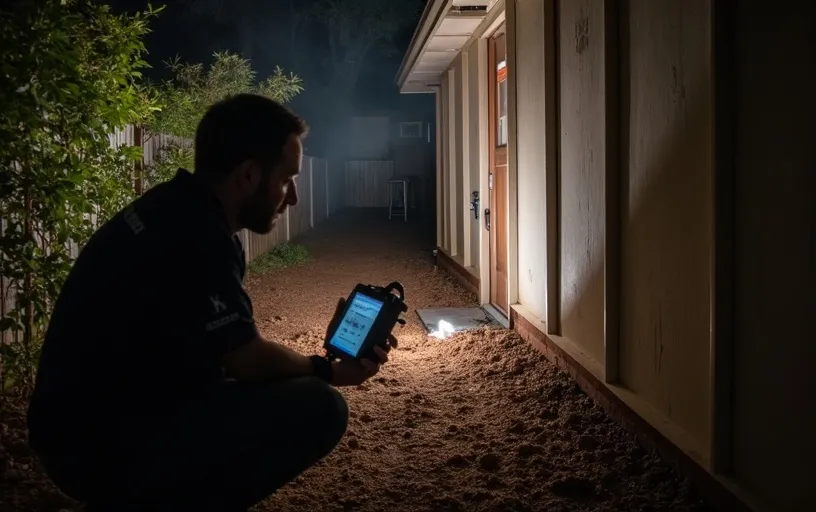
Within their settled territory, possums typically follow fairly consistent nightly routes between their shelter and dependable food sources, often using the same paths, tree branches, and fence lines repeatedly. This consistency is actually useful information for homeowners, since identifying a possum's regular route can help pinpoint exactly where deterrents or exclusion measures will have the greatest impact.
What Attracts Possums to a Property
- Warm, enclosed spaces resembling a natural tree hollow, such as roof cavities
- Fruit trees, vegetable gardens, and flowering plants offering an easy food source
- Dense shrubs or trees providing natural shelter close to the home
- Unsecured compost bins or pet food left outside overnight
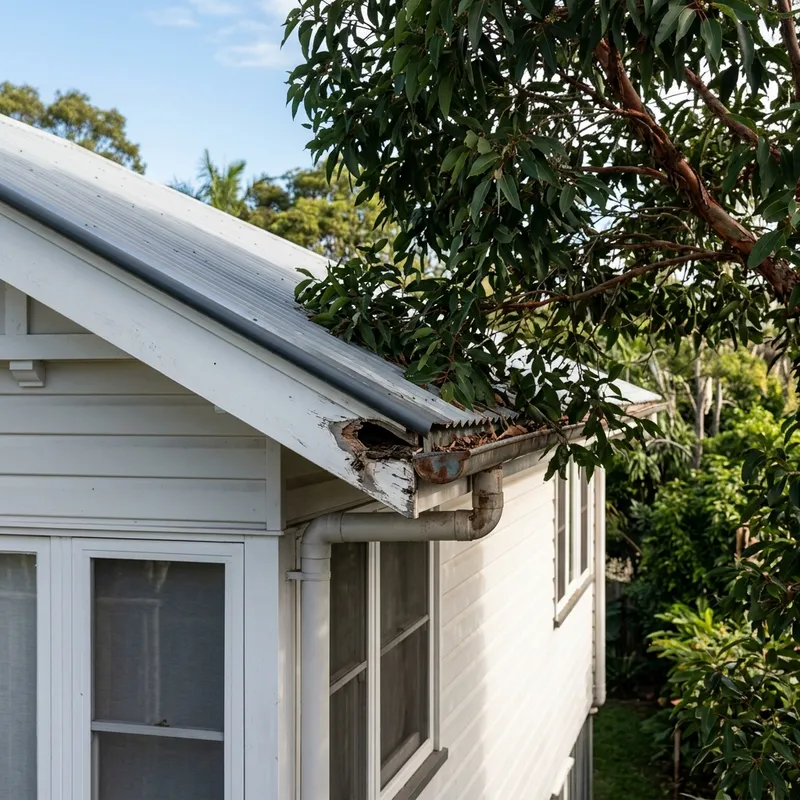
- Overhanging branches offering easy access to the roofline
Common Signs of Possum Activity
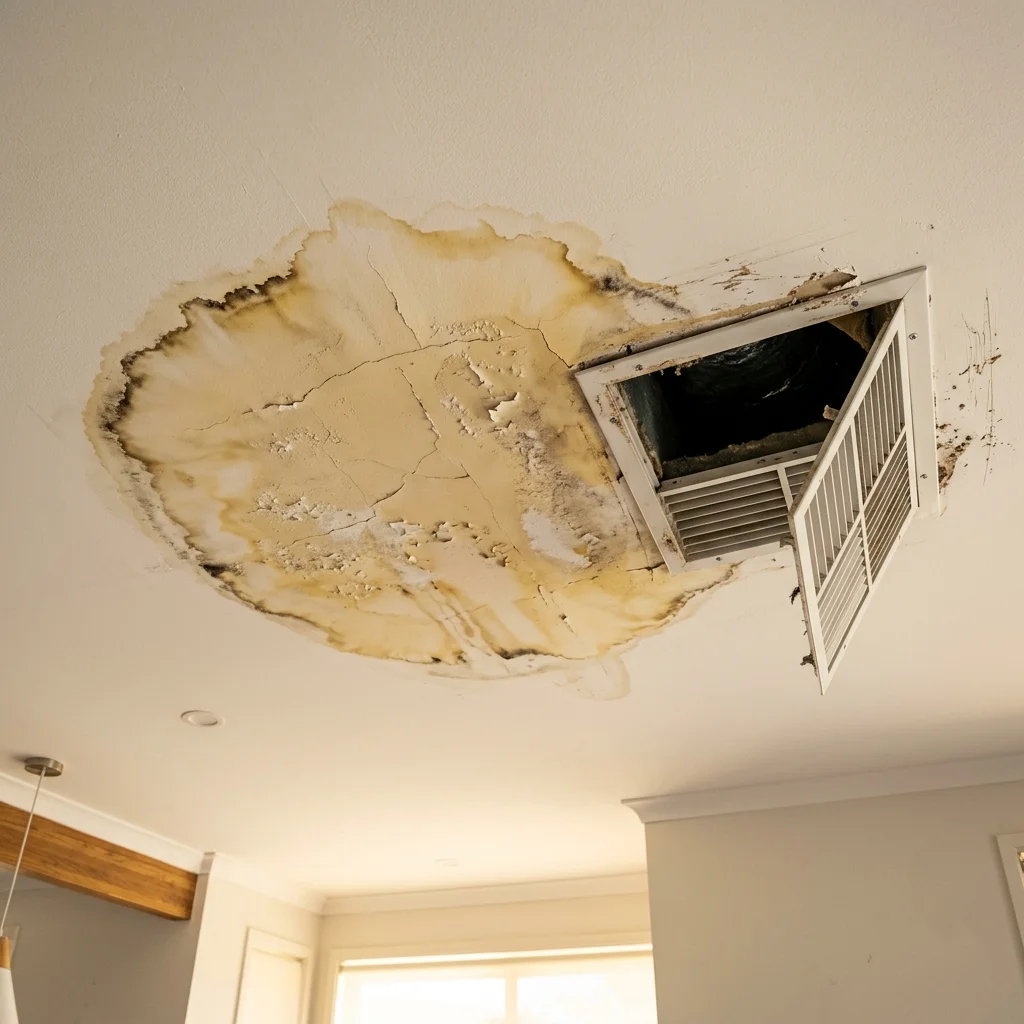
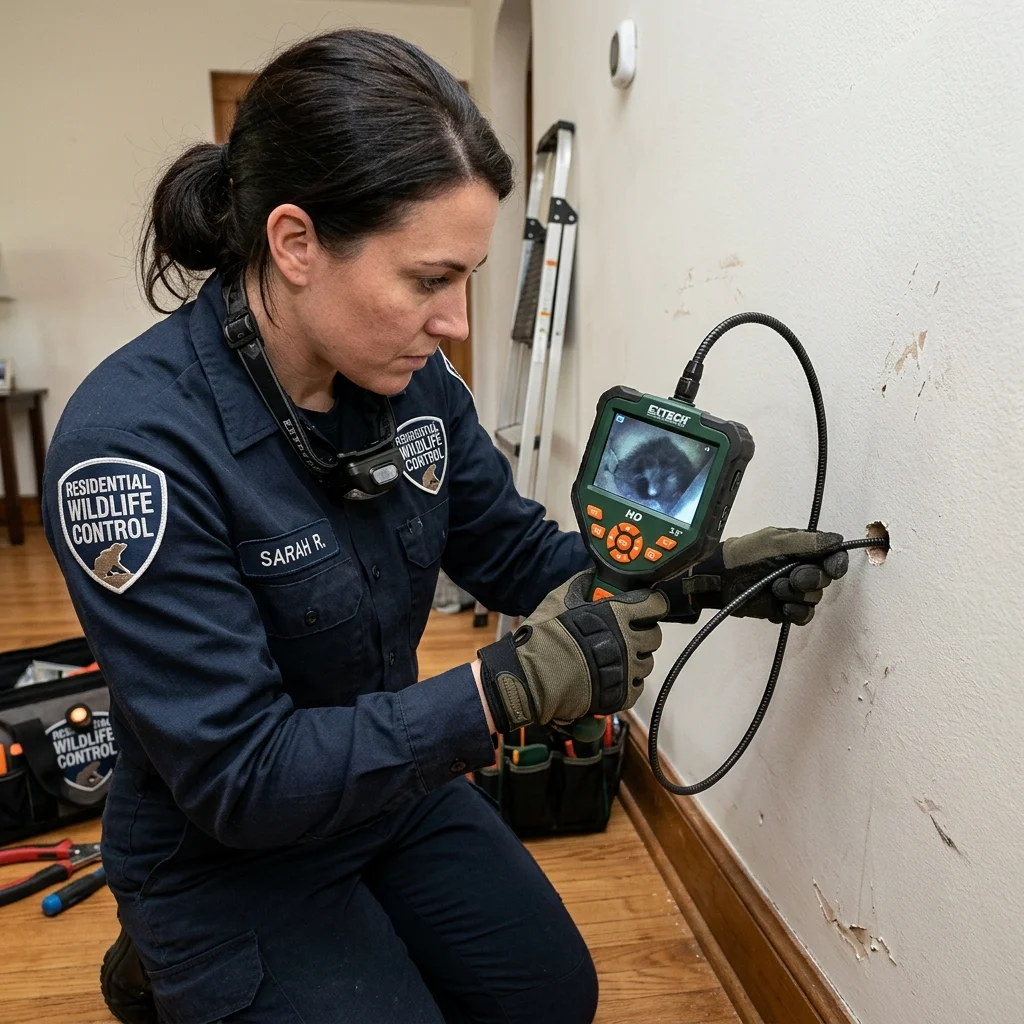
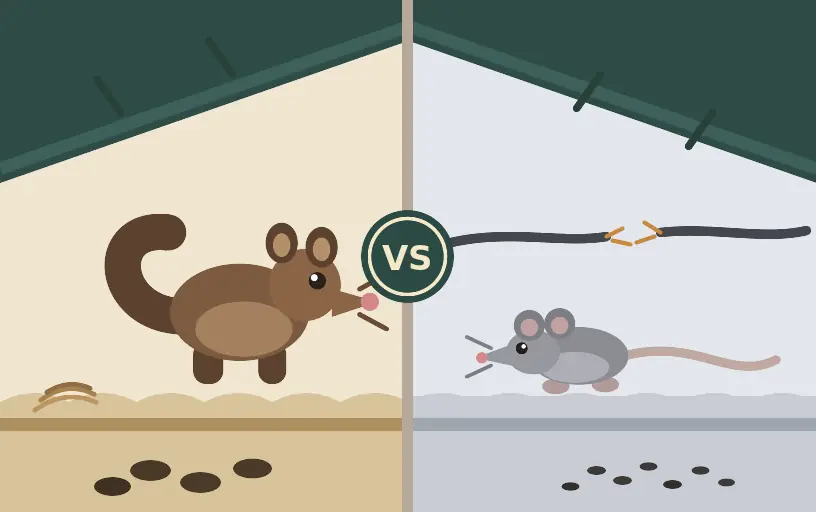
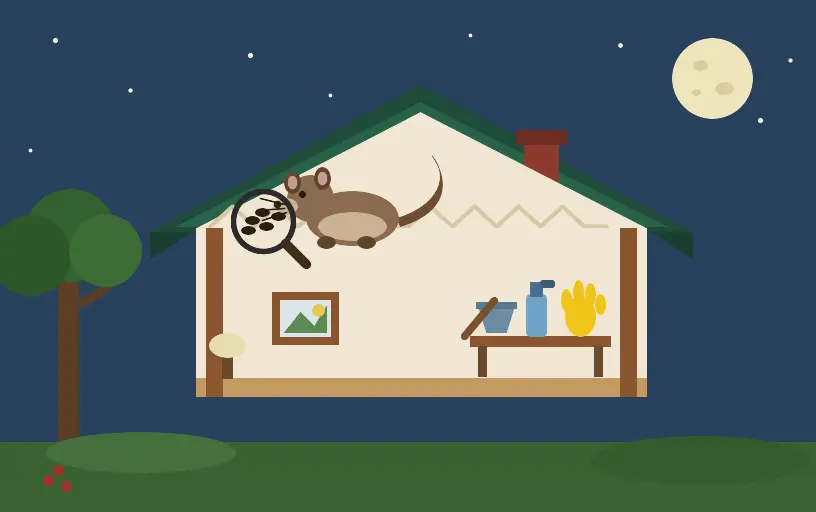
Scratching, thumping, or heavy footstep-like sounds coming from the roof cavity at night are among the most common signs of possum presence, along with a distinctive, musky odour that can develop in enclosed spaces they frequent. Visible droppings, roughly cylindrical and around one to two centimetres long, are another clear indicator, often found near entry points or favoured resting spots.
How Long Do Possums Typically Live?
In the wild, brushtail possums typically live around five to seven years, though some individuals can live considerably longer in favourable conditions with dependable shelter and food access, which is part of why a comfortable roof cavity can become a long-term, repeatedly used nesting site if not properly excluded.
Why Understanding Behaviour Helps With Workable Deterrence
Knowing that possums are nocturnal, territorial, and drawn to enclosed shelter helps explain why certain deterrent strategies work better than others. Since scent and sound-based repellents rely on ongoing disruption rather than physical barriers, they tend to lose performance against a possum that's already long-standing a strong territorial attachment to a comfortable nesting site. Our detailed breakdown in Natural Possum Repellents: What Works and What Doesn't explores this in more depth, including which methods hold up against real possum behaviour and which don't.
Are Possums Dangerous to Humans or Pets?
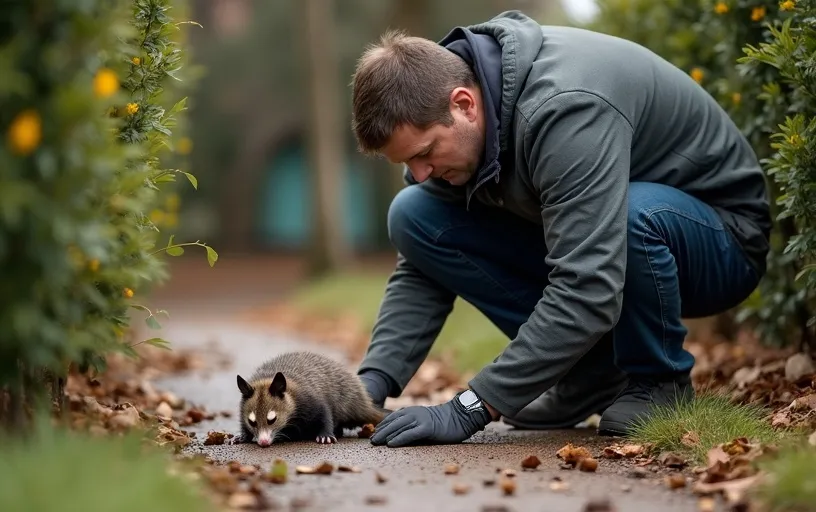
Possums are generally not aggressive toward humans and will typically avoid confrontation, preferring to flee or freeze rather than attack. That said, like any wild animal, a possum that feels cornered or threatened may scratch or bite in self-defence, so it's best to avoid direct handling. Interactions with pets, particularly dogs, can occasionally result in minor injuries to either animal if a possum is cornered in a garden, which is another reason humane deterrence and exclusion are preferable to direct confrontation.
Frequently Asked Questions
1. How do I tell a brushtail possum from a ringtail possum?
Brushtails are larger with a bushy tail and pointed ears, while ringtails are smaller with a long, thin, white-tipped tail often curled into a ring shape.
2. Which possum species is more likely to be in my roof?
Brushtail possums are far more likely to invade roof cavities, since they naturally seek out enclosed spaces resembling a tree hollow, unlike ringtails which typically nest in trees and shrubs.
3. Why do possums make such loud noises at night?
Possums communicate through a range of hisses, grunts, and clicking sounds, particularly during territorial disputes or mating season, which can sound alarming but is entirely natural behaviour.
4. Are possums aggressive toward humans?
Generally no, possums prefer to avoid confrontation and will typically flee rather than attack, though a cornered or threatened possum may scratch or bite in self-defence.
5. Why does a new possum sometimes move in after one is removed?
Possums are territorial, and a vacated territory that still offers appealing shelter and food can attract a new possum from the surrounding area if the entry point isn't properly sealed.
Putting This Experience Into Practice
Understanding which species you're dealing with, along with their natural behaviour patterns, helps set realistic expectations for any deterrence or exclusion strategy. A brushtail possum comfortably settled in a roof cavity requires a different approach than a ringtail possum raiding a vegetable garden, and recognising this distinction from the outset can save considerable time and frustration.
Final Thoughts
Identifying which possum species you're dealing with, and understanding their nocturnal, territorial nature, provides a genuinely useful foundation for tackling any possum-related issue thoroughly and humanely. This experience helps explain both why certain problems occur and why certain solutions work better than others.
If you're dealing with possum activity on your Brisbane property and would like expert help identifying the issue and the right solution, contact Fresho Possum Removal Brisbane today for a humane, professional assessment.