Dead Possum Removal: What Homeowners Need to Know
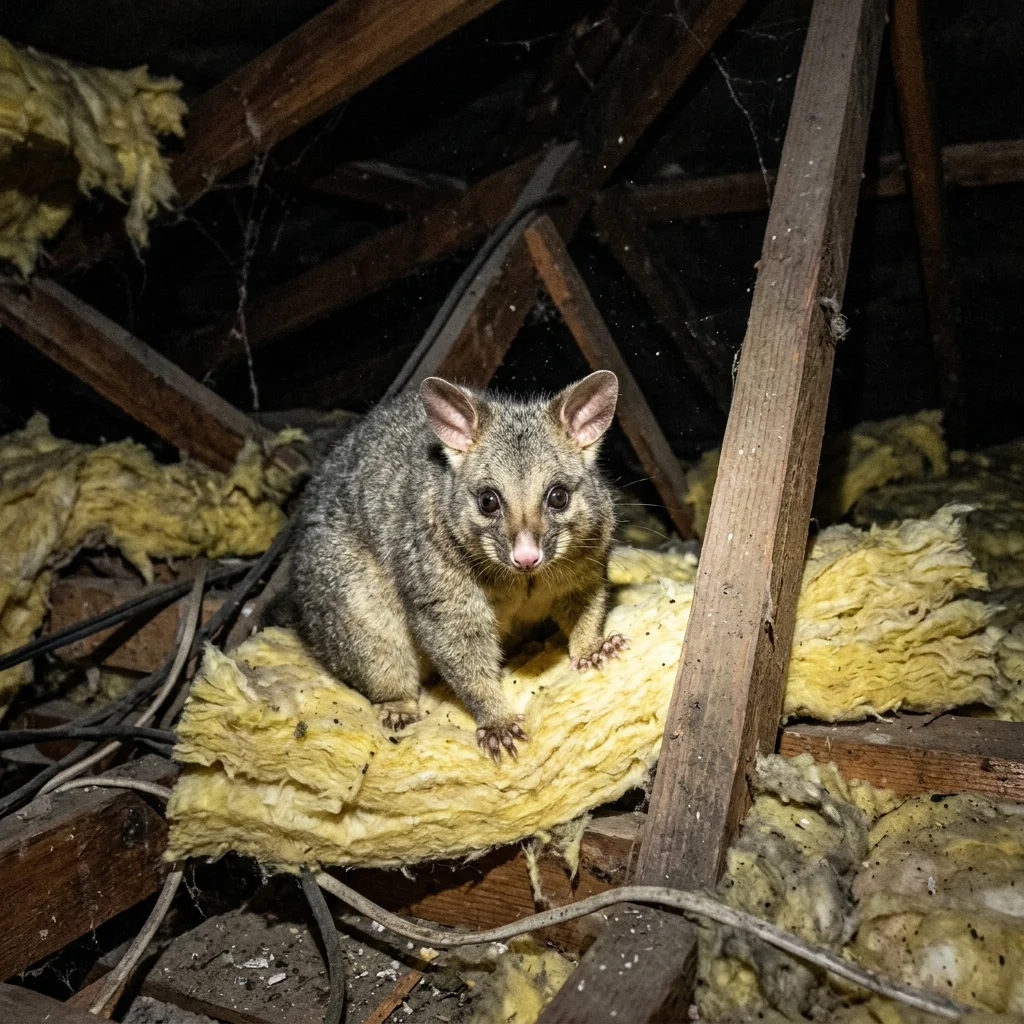
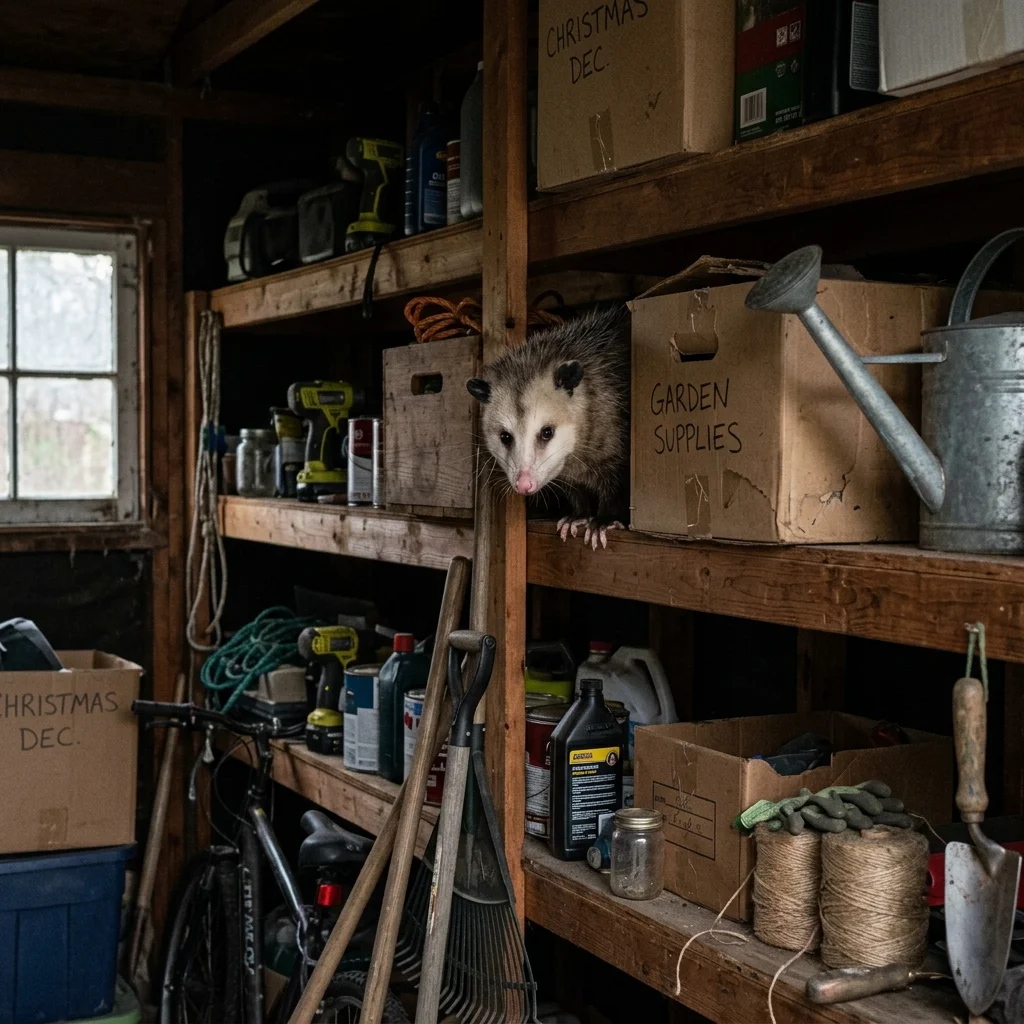
Discovering that an animal has died in your home is a stressful experience. The first sign is usually a faint, sweetish odor of decay that quickly intensifies into a putrid, nauseating stench. In Australia, particularly during the warm summer months, a dead possum in a roof cavity, ceiling, or wall can quickly make your home uninhabitable.
A dead carcass is not just an unpleasant nuisance; it is a serious biohazard that requires prompt, careful handling. The decomposition process releases bacteria, attracts secondary pests, and can cause permanent structural damage to your ceiling plasterboard. Here is what you need to know about locating, removing, and sanitizing a dead possum space safely.
The Hazards of a Decaying Carcass
When a possum passes away inside your roof or wall cavity, the biological breakdown of the body begins immediately. This process poses several serious risks to your household's health and safety:
Bacterial Growth: Decaying tissue is a breeding ground for harmful pathogens, including Salmonella and E. coli. If the carcass is located near air conditioning ducts or ventilation points, airborne bacteria can be circulated throughout your home.
Parasite Migration: Living possums carry external parasites such as fleas, ticks, and mites. When the host animal dies and the body cools, these parasites will instinctively leave the carcass in search of a new, warm-blooded host. They often travel down through light fixtures, vents, and wall cracks into bedrooms, causing sudden bites and infestations.
Secondary Pests: The smell of decay attracts blowflies, flesh flies, and beetles. Within days, the carcass will be infested with maggots, leading to a sudden swarm of large flies inside your living areas. Predators like snakes may also be attracted to the site.
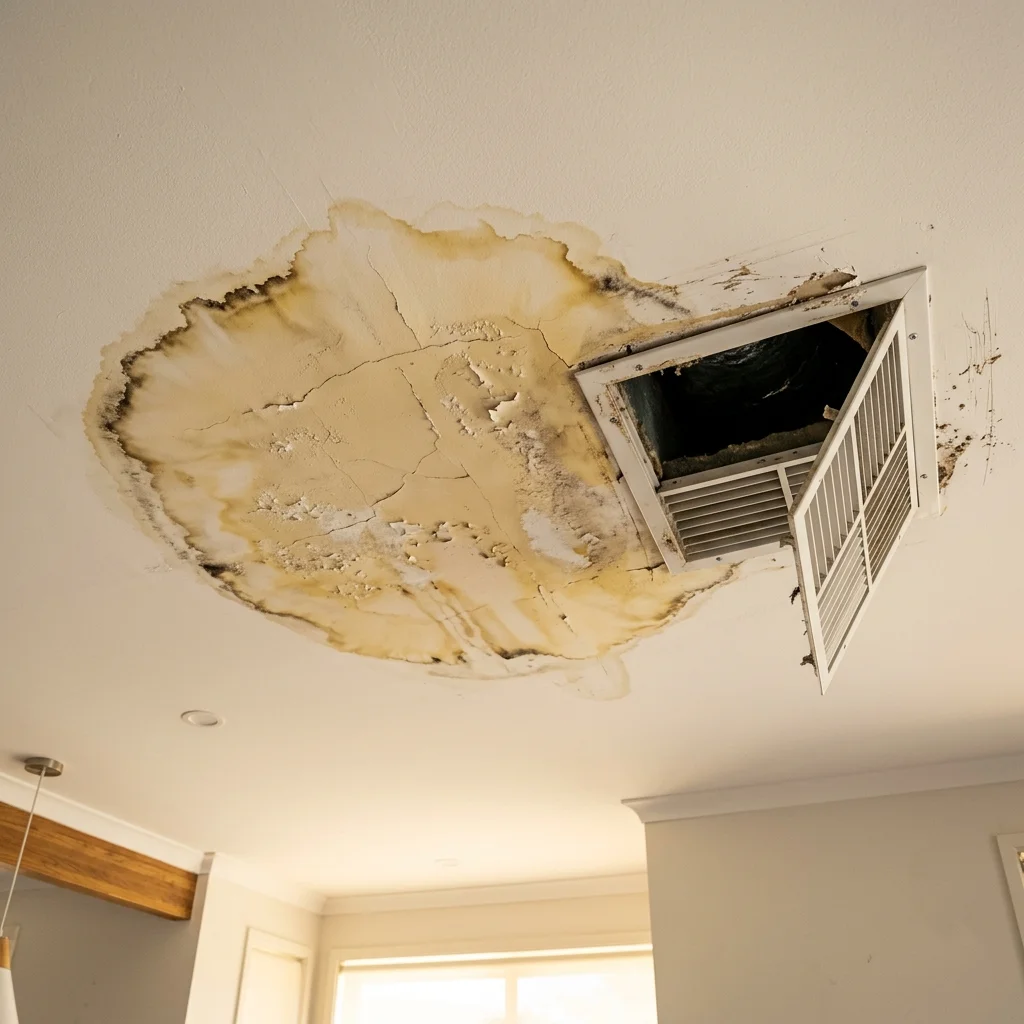
Ceiling Staining: As the body decomposes, fluids are released. If the animal is on plasterboard, these fluids will soak into the material, leaving permanent yellow-brown stains and weakening the ceiling structure, which can cause plaster collapse.
Step 1: Locate the Source of the Smell
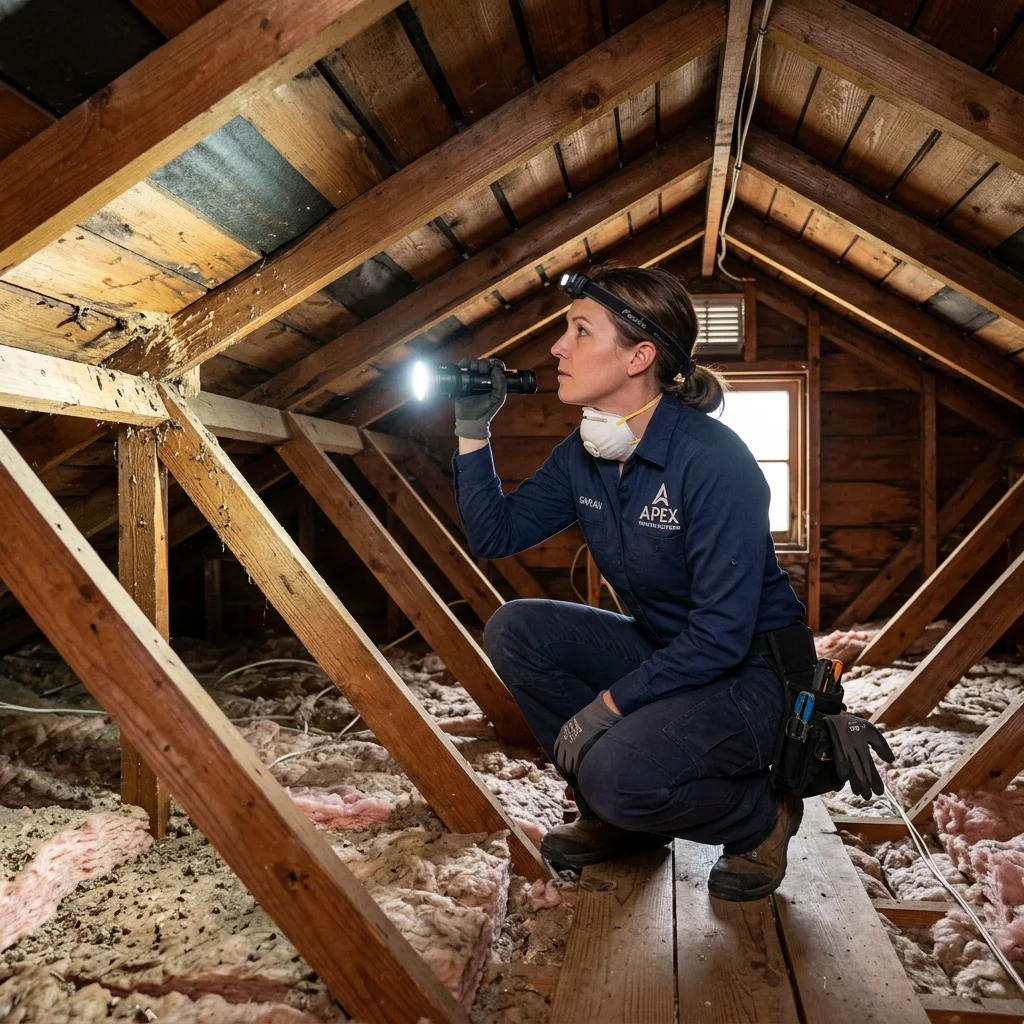
Locating a dead possum can be difficult, as the smell often drifts with the airflow in your home. To find the exact location, follow these steps:
Close all windows and doors in the house for an hour to let the air settle. Walk slowly from room to room to identify where the odor is strongest. If the smell is concentrated near a light fitting or a ceiling vent, the carcass is likely directly above it. If you see a dark stain appearing on your plasterboard ceiling or wall, this is a clear indication that the carcass is directly behind or on top of that spot. You can also watch for fly activity, as blowflies will hover around the ceiling joints closest to the animal. Using your nose to map the intensity remains one of the most effective local strategies.
Step 2: Prepare the Right Protective Gear
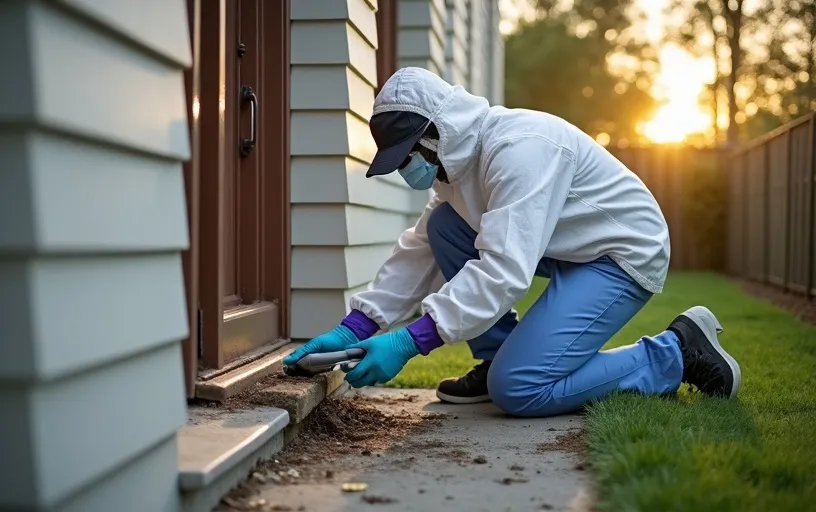
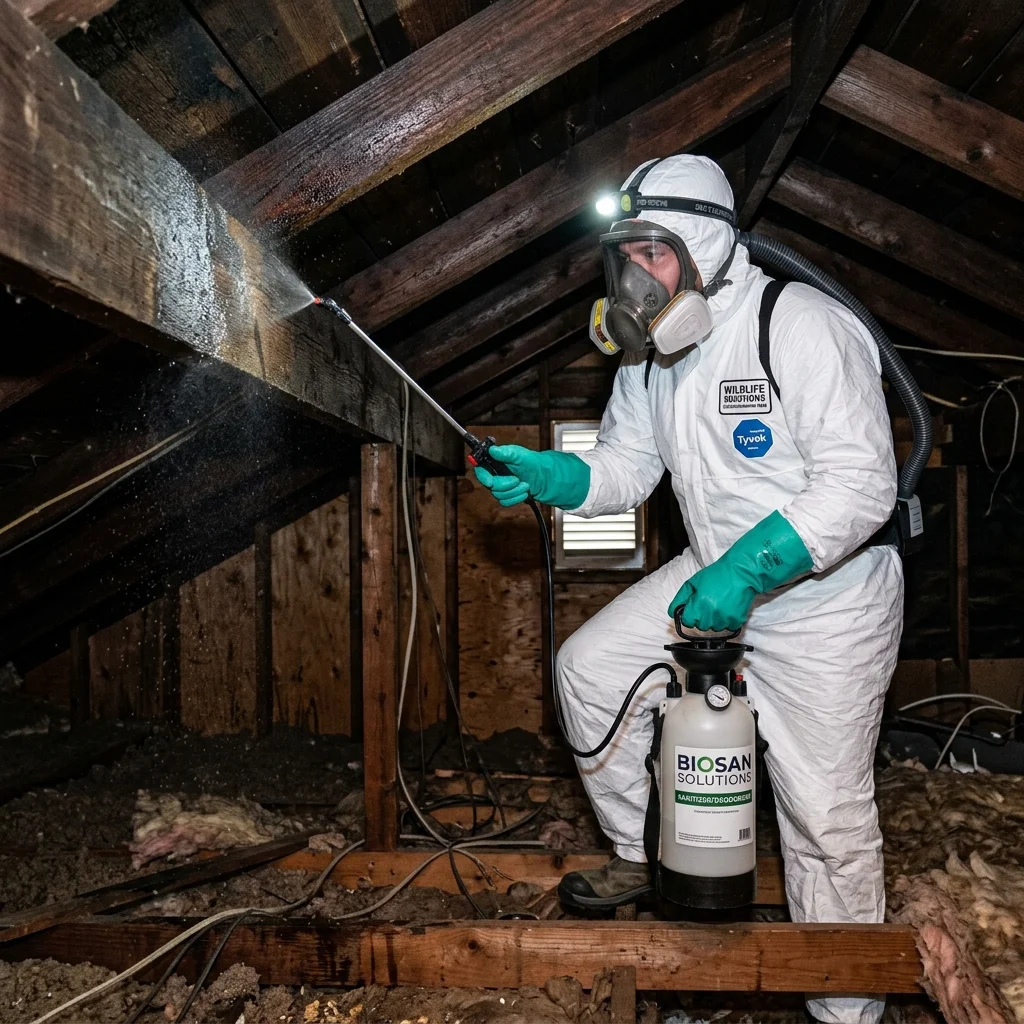
Never attempt to handle a dead possum without proper safety equipment. You must protect yourself from inhaling airborne bacteria, spores, and dust, as well as preventing direct skin contact with fluids and parasites. Gather the following gear:
- Respirator Mask: A high-quality N95 or P2 respirator mask to filter out harmful dust, spores, and strong odors.
- Thick Gloves: Heavy-duty rubber or nitrile gloves to prevent direct contact with the carcass.
- Disposable Coveralls: Lightweight coveralls to protect your clothing from dirt, insulation fibers, and fluids.
- Heavy-Duty Bags: Thick plastic bin liners to seal the carcass and contaminated insulation.
Step 3: Retrieve and Double-Bag the Carcass
Access the roof space or cavity carefully. Once you have located the carcass, use a shovel or gloved hands to pick up the animal gently. Be careful not to rupture the body, as this will release more fluid and cause a sudden spike in odor. Place the possum directly into a heavy-duty plastic bag. Remove any insulation, timber dust, or nesting material that has been stained or contaminated by decomposition fluids and place it in the bag as well. Tie the bag securely, then place it inside a second bag (double-bagging) to prevent leakage and contain the smell. Dispose of the bag in your external rubbish bin immediately.
Step 4: Clean, Sanitize, and Deodorize the Area
Removing the carcass is only the first step. You must decontaminate the area to kill remaining bacteria and eliminate the odor. Spray the target timber and plasterboard surfaces with a hospital-grade disinfectant. Avoid using simple household air fresheners, which only mask the smell temporarily.
Use a professional odor neutralizer that breaks down the organic molecules responsible for the smell. If the decomposition fluids have deeply saturated the plasterboard, you may need to cut out and replace that section of the ceiling to completely remove the source of the odor and restore the safety of your home.
The Science of Decomposition and Odor
Understanding the decomposition process can help you manage expectations regarding the smell. When an animal dies, enzymes begin to break down cells, releasing gases such as hydrogen sulfide, methane, and ammonia, alongside chemical compounds like cadaverine and putrescine. These compounds produce a heavy, sticky odor that binds to fabrics, insulation, and timber joists.
The intensity of the odor is directly related to ambient temperature and humidity. In warm climates, the bacterial activity is highly accelerated, leading to a sudden, overpowering smell that peaks quickly. In cooler conditions, the breakdown is slower, resulting in a less intense but much longer-lasting odor. Removing the body as early as possible prevents these gases from fully saturating your home's structural components.
Decontamination Protocol and Sanitizer Choice
To thoroughly sanitize the area where the carcass lay, follow this cleaning protocol once the animal is removed:
- Saturate the Spot: Spray the exact spot where the carcass rested with a mixture of water and hospital-grade disinfectant. Let it sit for 10 minutes to kill surface bacteria.
- Scrape Residue: Scrape away any dried organic matter or fluids from the timber joists using a plastic scraper. Place all scrapings into a disposal bag.
- Apply Odor Neutralizer: Apply an enzyme-based neutralizer designed to digest organic proteins. Spray it heavily on the joists and the top of the plasterboard.
- Keep it dry: If possible, leave the manhole cover open slightly and run a fan pointing out of the nearest window to draw fresh air through the roof space.
Make sure the disinfectant you choose is rated for zoonotic pathogens. Avoid using chlorine bleach on raw wood as it can weaken the timber fibers and does not penetrate porous surfaces effectively. Instead, opt for quaternary ammonium compounds or pine-oil based sanitizers which are highly effective on porous building materials.
When to Call a Professional
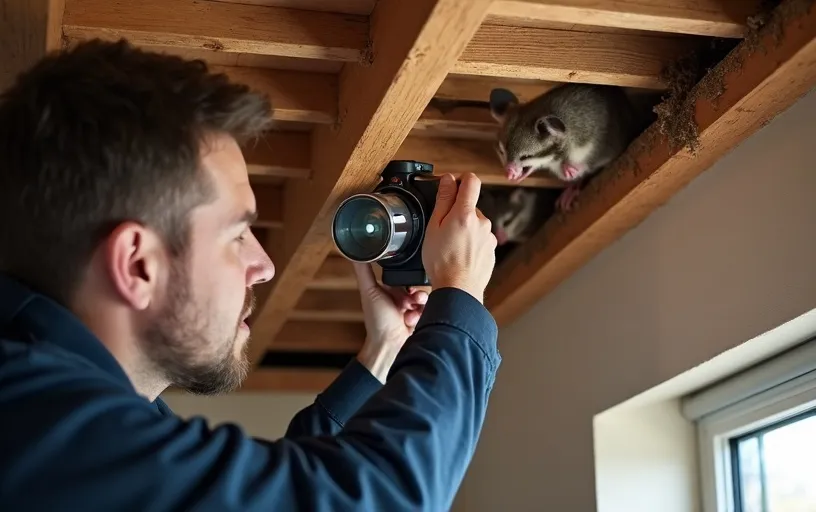
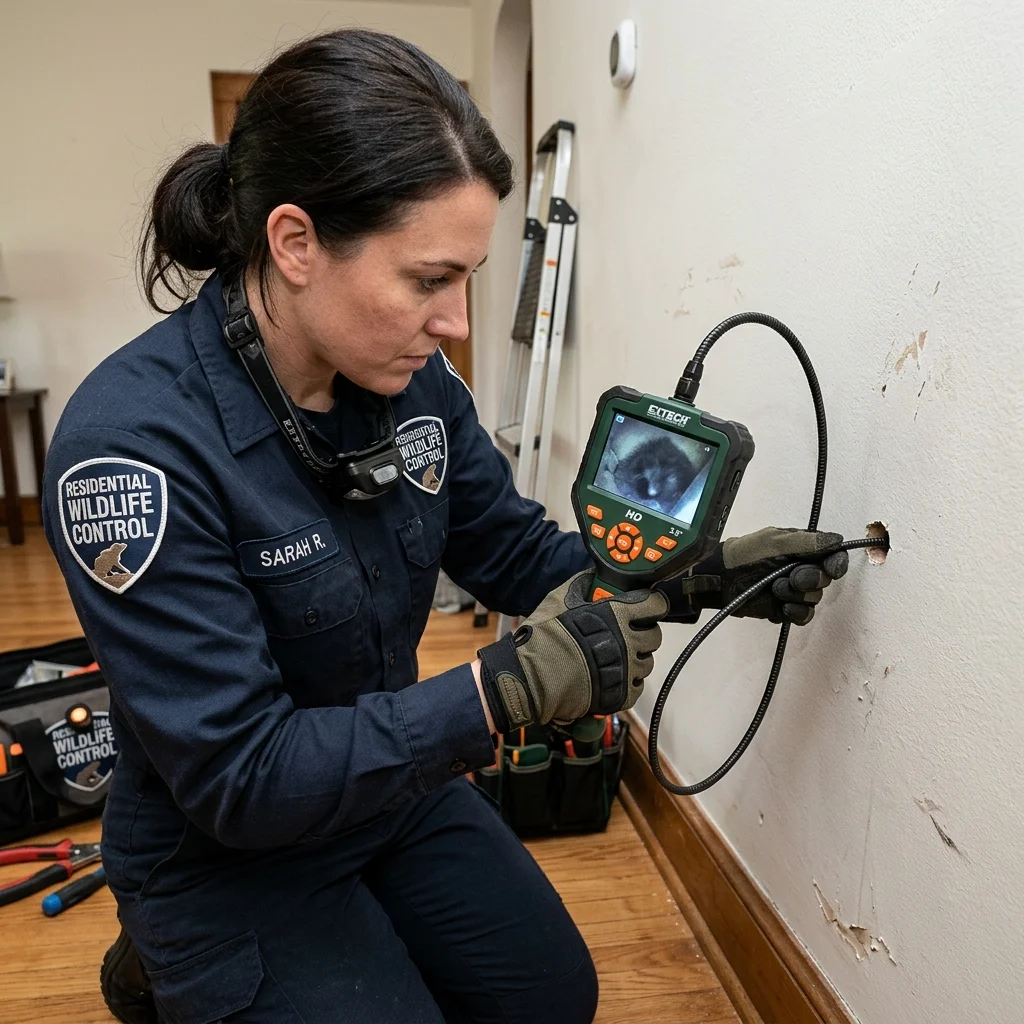
If the dead possum is located in a narrow wall cavity, under a low-clearance floor, or if the decomposition is advanced, retrieving it can be extremely difficult. Professional wildlife control service providers have specialized cameras, extraction hooks, and industrial-strength deodorizers to handle these hazardous situations safely and quickly, protecting your family from unnecessary exposure.