
Is It Lawful to Remove Possums Yourself? What Homeowners Must Know
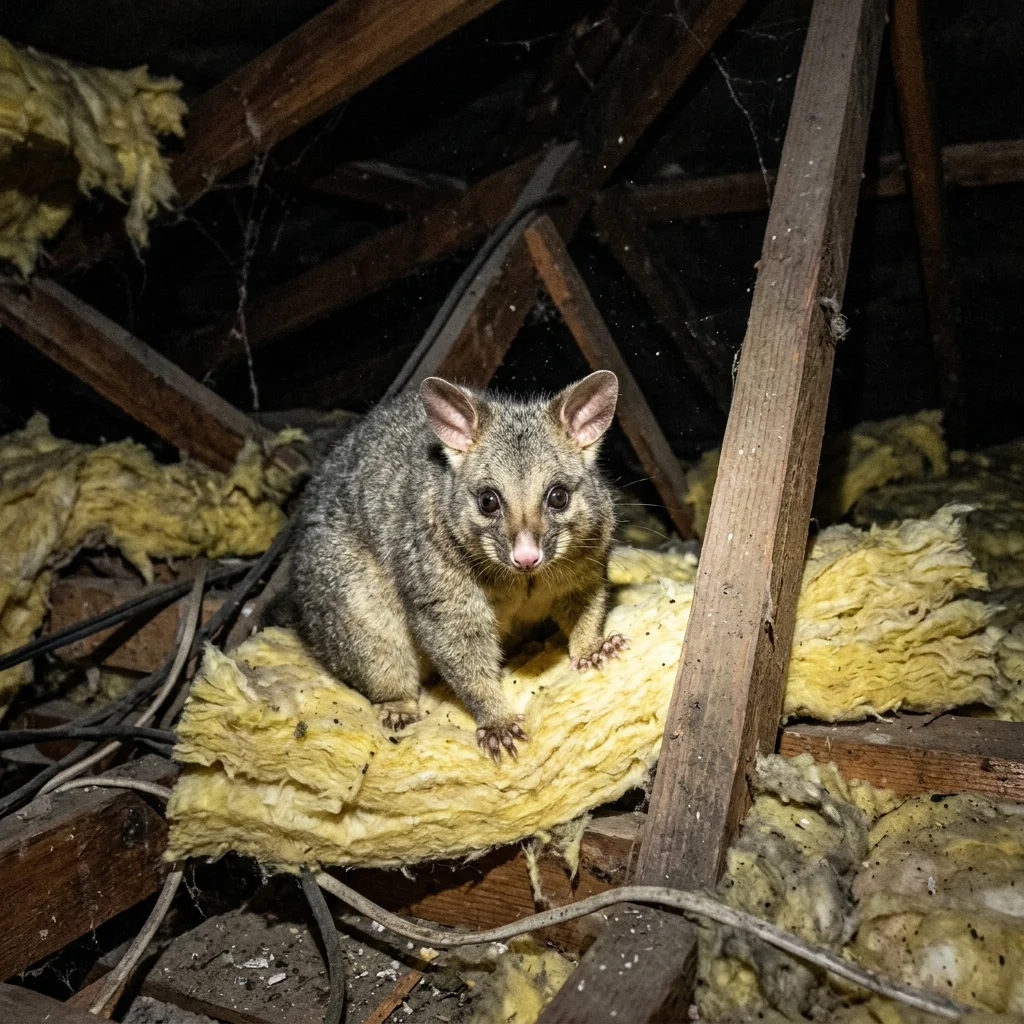
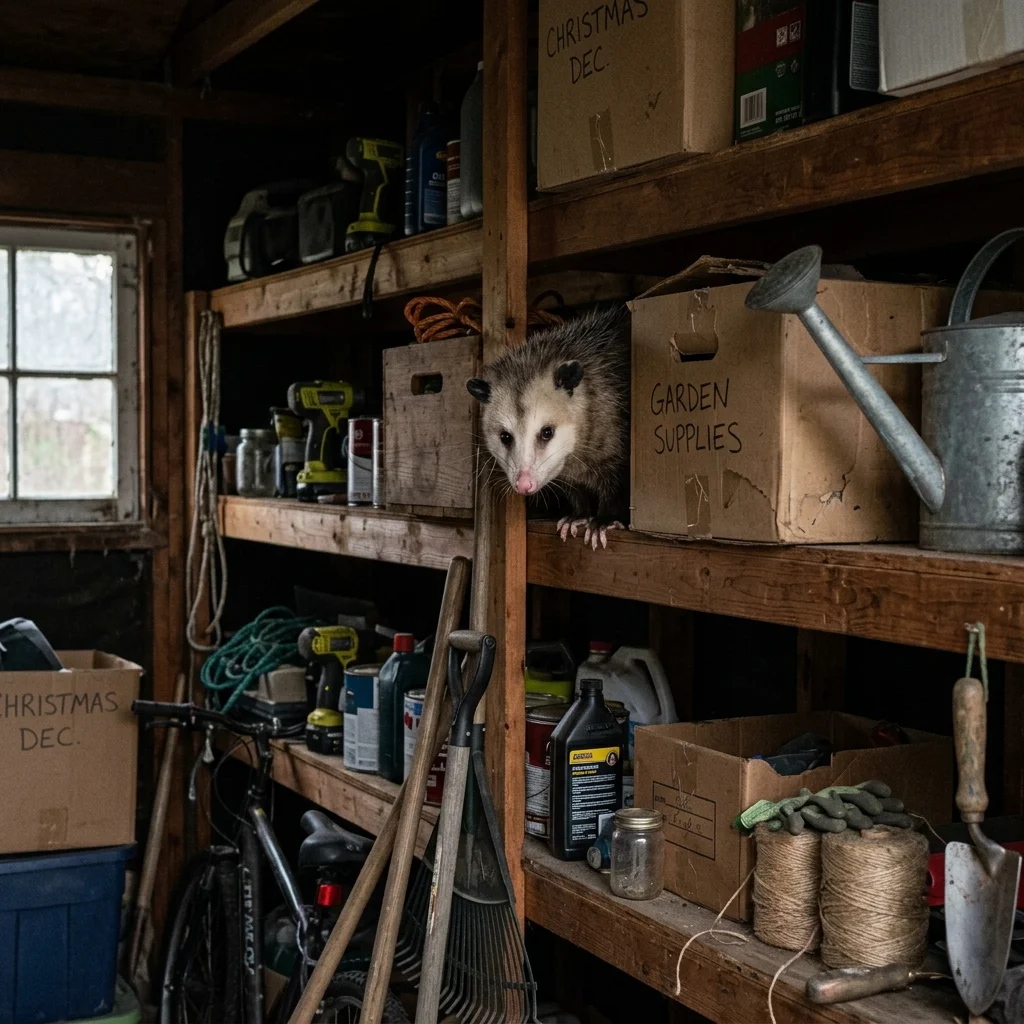
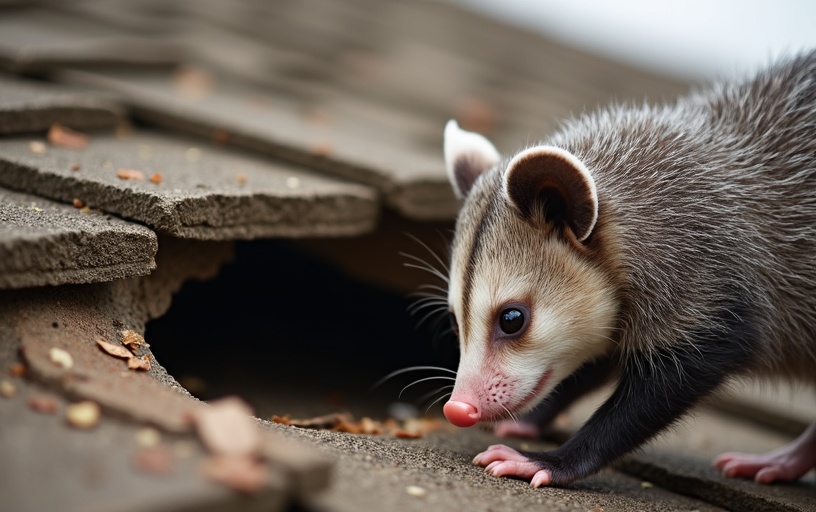
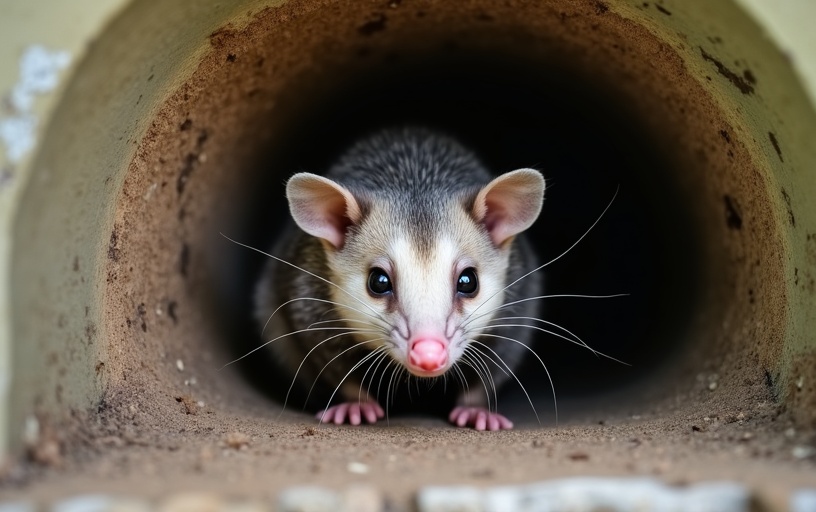
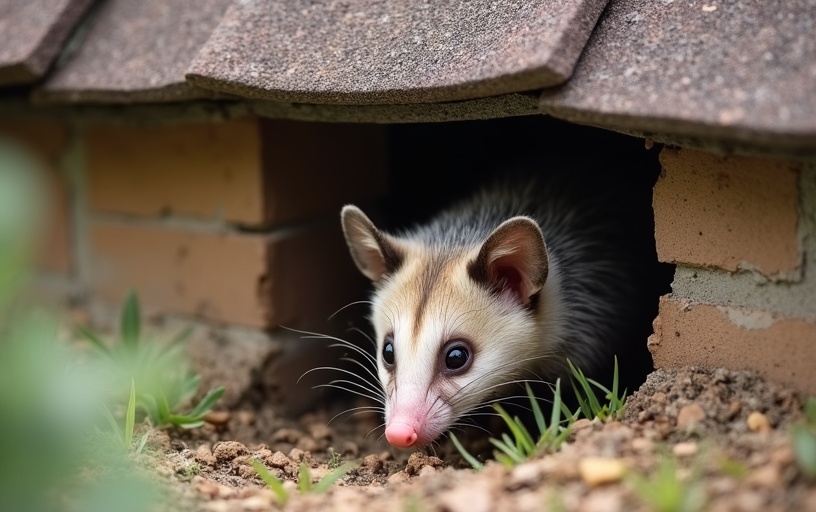
Dealing with a noisy, destructive possum in your home can push any homeowner to their limit. It is natural to want to take immediate action - whether by setting a trap, blocking their entry points, or attempting to relocate the animal to a nearby forest. However, before you take matters into your own hands, it is essential to understand the wildlife protection rules that govern these animals in Australia.
Possums are protected under environmental conservation acts across all Australian states. In Queensland, the Nature Conservation Act outlines strict rules about what homeowners can and cannot do when managing possums. Violating these rules is an offence and can result in significant financial penalties. Here is what you must know about the rules of possum removal before taking action.
The Status of Possums: Protected Native Wildlife
In Australia, all native birds, reptiles, and mammals - including possums - are protected by law. This means it is prohibited to kill, injure, trap, or relocate them without the appropriate permits or authorization. The Common Brushtail Possum and the Common Ringtail Possum are both protected under these regulations.
The reason for this high level of protection is that possums are native marsupials that play a crucial role in our ecosystem, particularly in seed dispersal and native vegetation management. While they have adapted to urban environments, their numbers are threatened by habitat loss, dog and cat attacks, and road traffic. Consequently, the government regulates human interaction with them to ensure their survival.
What Are You Allowed to Do? (Permitted Actions)
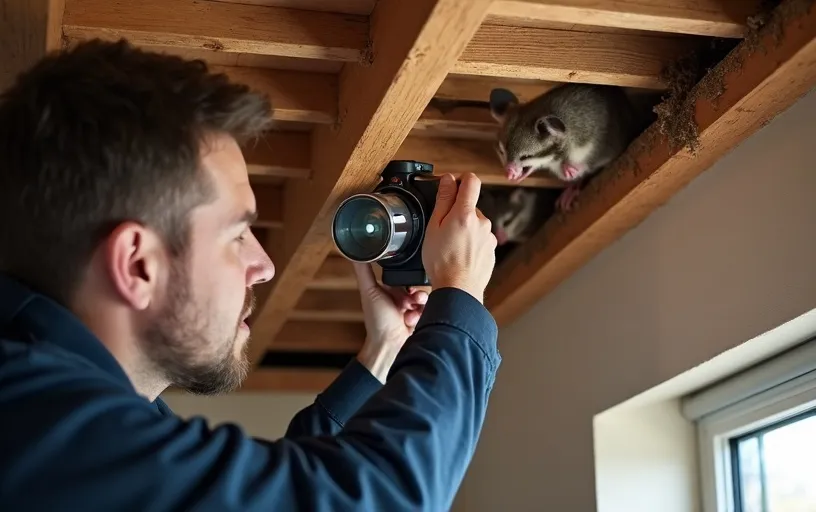
Homeowners are not completely powerless when a possum enters their roof. You are allowed to take steps to protect your property, provided those steps are humane and do not harm the animal. Permitted actions include:
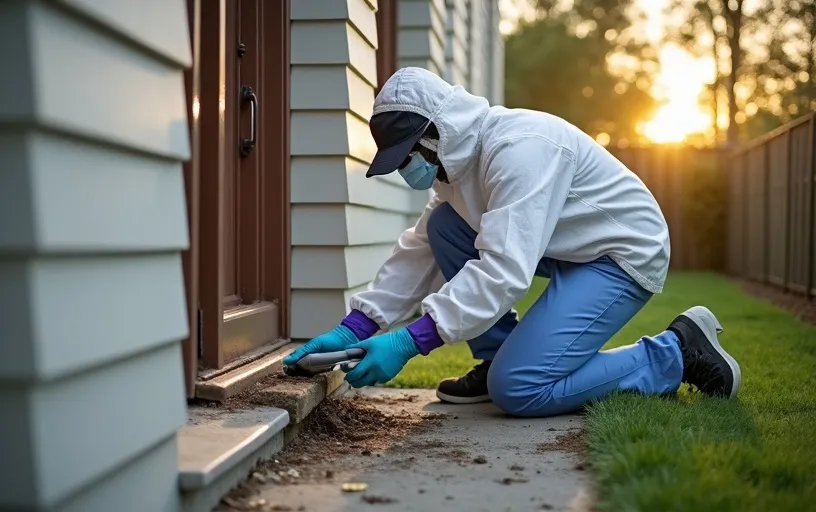
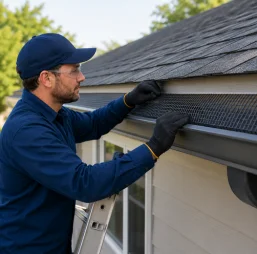
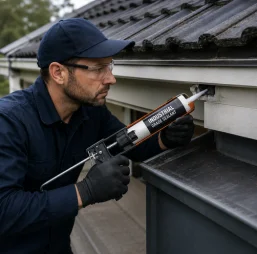
Building Repairs and Proofing: You are allowed to seal holes, repair fascia boards, and secure roof tiles to prevent possums from entering your home. However, you must perform these repairs during the middle of the day when the possum is sleeping, or at night when it has left, ensuring that no animals are trapped inside.
One-Way Doors: You can install a temporary one-way exit door over the active entry hole. This allows the possum to leave the roof cavity safely but blocks its return, providing a non-invasive way to clear your ceiling space.
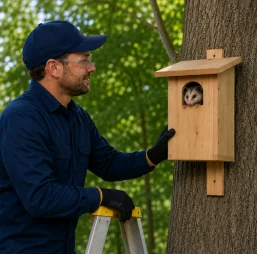
Nesting Boxes: You are encouraged to install a possum box in your garden. This offers the evicted animal a safe alternative home, reducing the likelihood that it will try to chew its way back into your ceiling cavity.
What Is Prohibited? (Prohibited Actions)
There are several actions that homeowners might assume are acceptable but are actually strict violations of the regulations. Prohibited actions include:
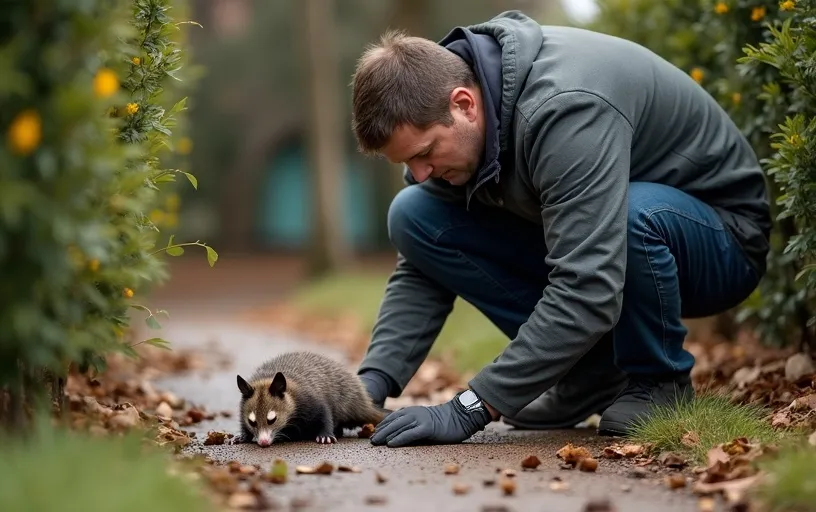
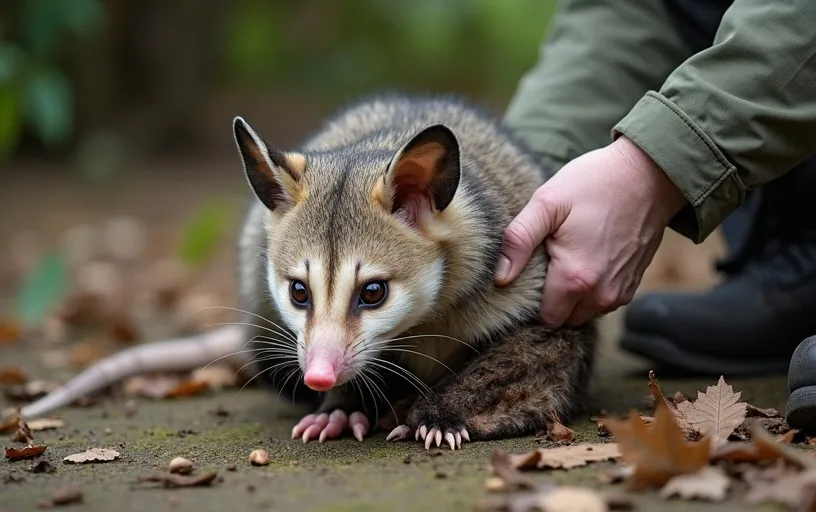
- Relocating Possums to a New Area: You cannot capture a possum and release it in a distant park, bushland reserve, or forest. By law, captured possums must be released on the same property, within 150 meters of the capture point. Relocating them further is prohibited because it is often a death sentence for the animal, which will face territorial battles, lack of shelter, and starvation in a new environment.
- Harm or Injury: You must not use any poison, chemicals, or weapons against a possum. Any action that causes stress, injury, or death to the animal is subject to prosecution.
- Unchecked Traps: If you use a trap, you must not leave it unchecked. Traps must be checked daily, kept in a shaded area to prevent exposure, and the animal must be released at dusk on the day of capture.
Understanding Penalties and Wildlife Authorities
The enforcement of wildlife protection acts in Queensland is managed by the Department of Environment and Science. Wildlife officers have the authority to inspect properties and investigate reports of animal harm. Penalties for harming native wildlife or relocating them against regulations can involve heavy fines, sometimes exceeding thousands of dollars for severe cases of animal cruelty. Homeowners should always prioritize non-lethal, compliant exclusion techniques to avoid these regulatory pitfalls. Knowing the local bylaws helps keep your home repairs within the limits of the law.
The Role of Damage Mitigation Permits
In situations where possums are causing significant, ongoing damage to a property or posing a threat to human safety, a Damage Mitigation Permit can be issued by state wildlife authorities. These permits allow authorized operators to take specific actions that would otherwise be restricted, such as trapping and relocating an animal under strict guidelines. These permits are not issued to general homeowners for standard situations, which is why hiring an authorized specialist is necessary for complex cases. These permit holders are registered with the government and must report their activities annually.
Landowner Rights vs. Wildlife Conservation
Homeowners often feel that their property rights should allow them to manage pests on their land without government interference. However, native wildlife laws place the preservation of indigenous species above convenience. The law views possums not as pests, but as protected natural heritage. This means you must manage them within the rules, focusing on co-existence and excluding them from the dwelling itself, rather than removing them from the property bounds entirely. Understanding this balance is key to avoiding issues with wildlife protection authorities.
The Risks of Amateur Trapping
While homeowners can buy or hire possum traps, amateur trapping carries significant risks. If a trap is set incorrectly, the possum can injure itself trying to escape, rubbing its nose raw against the wire mesh or breaking claws. If left in the sun, a trapped possum can quickly die from heat stroke and dehydration.
Furthermore, catching the possum is only a temporary fix if you have not repaired the entry holes. The moment you release the animal within its 150-meter territory, it will simply return to your house and find its way back inside, rendering your efforts useless.
When to Hire an Authorized Professional
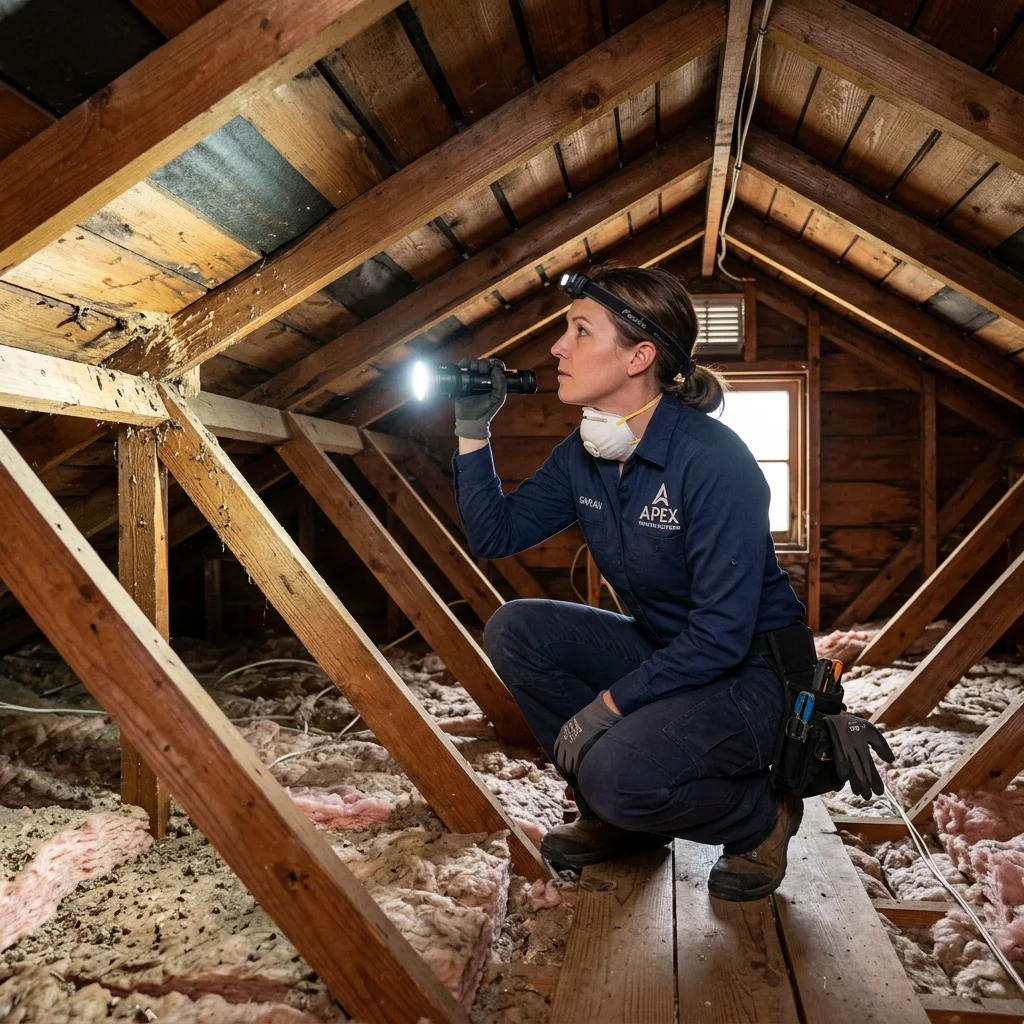
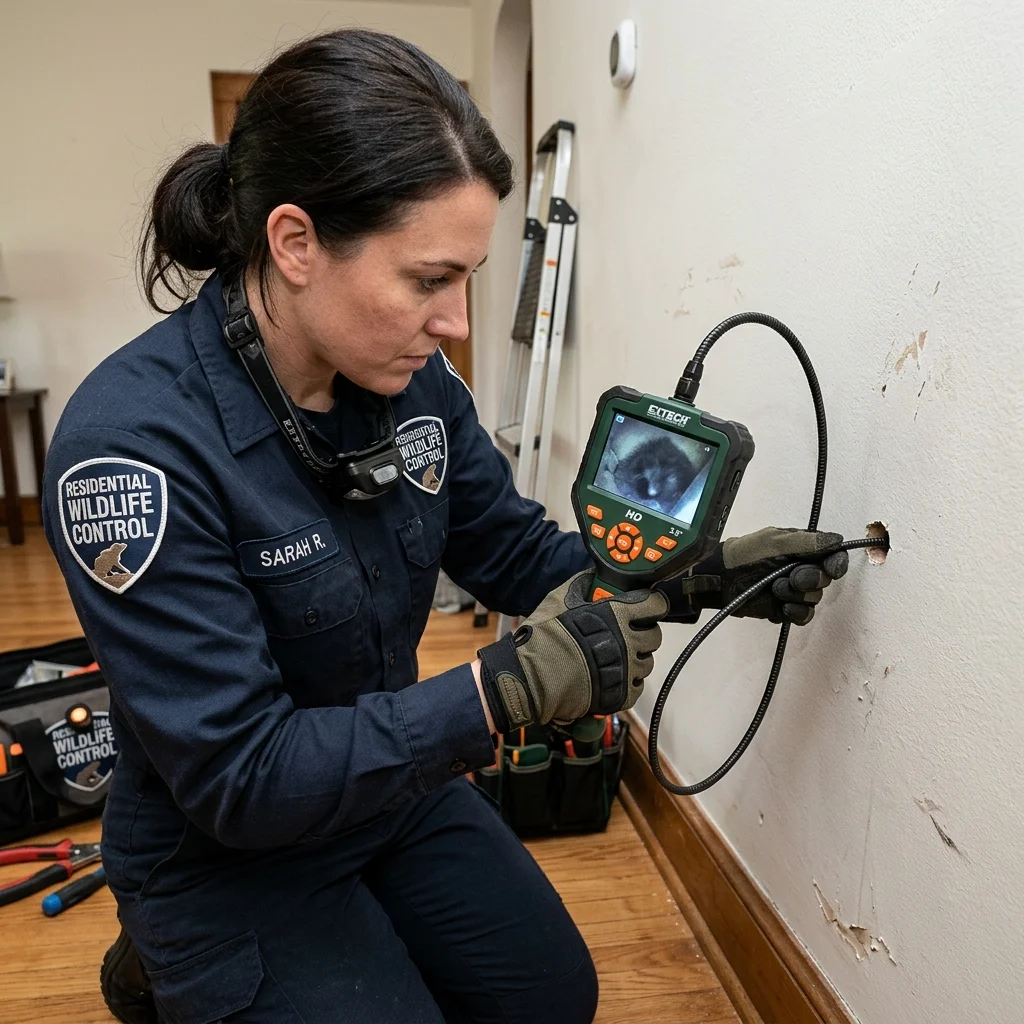
Because of the complexities of wildlife regulations and the physical risks involved in roof repairs, most homeowners find it best to hire an authorized professional. A qualified handler holds the necessary damage mitigation permits, has specialized training in humane handling, and understands how to exclude the animal safely and permanently.
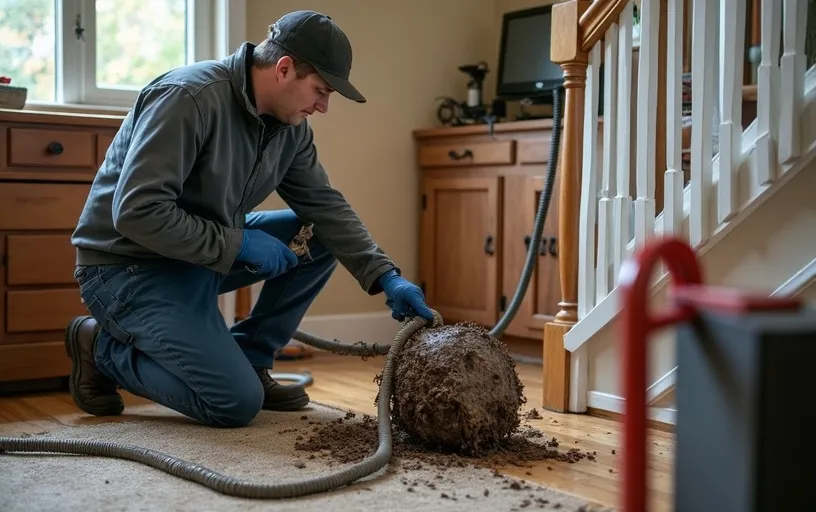
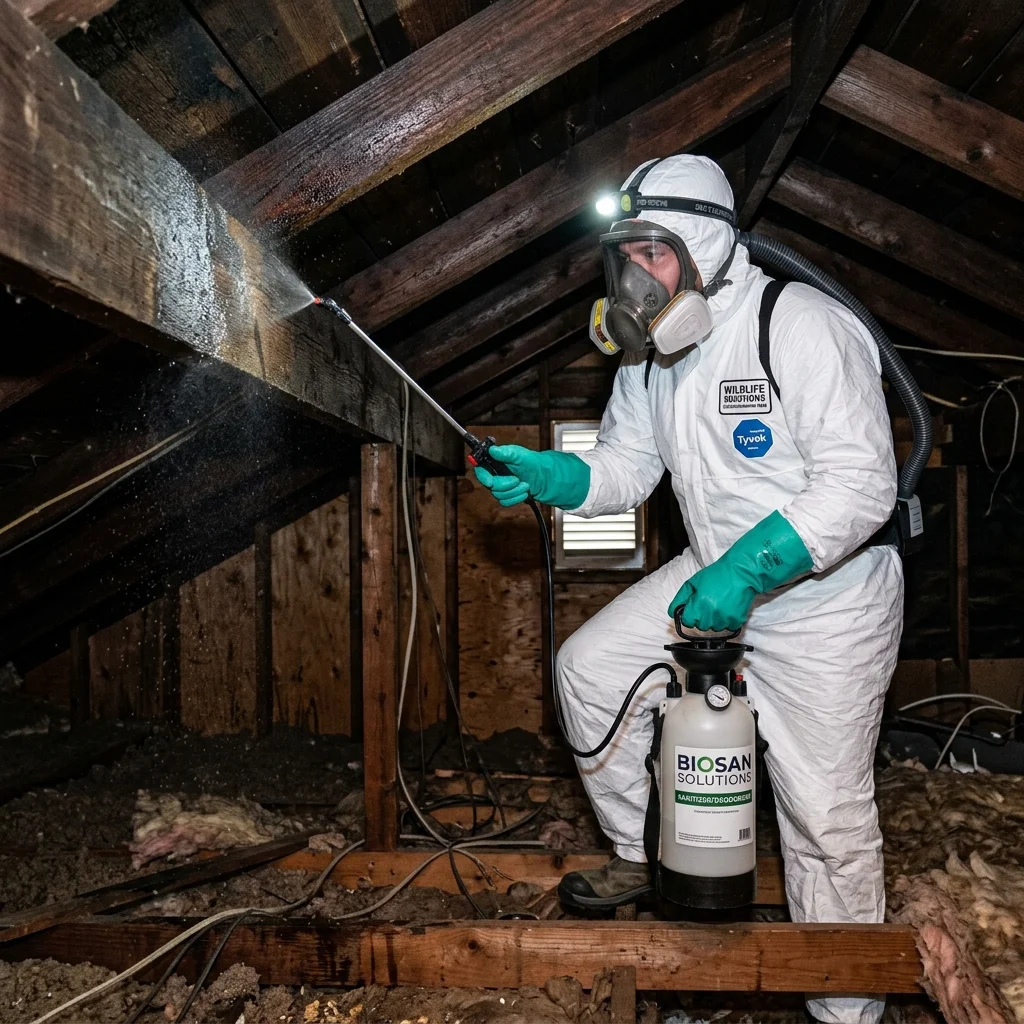
A professional will not only remove the possum in full compliance with the law, but they will also identify and repair all entry points, sanitize the roof cavity, and ensure that the animal is transitioned to a suitable alternative nest box on your property, providing a long-term solution.
Compliance Summary for Homeowners
Always remember that the goal of possum management is exclusion, not eradication. Safe, compliant methods focus on blocking access points and providing alternative nesting sites, rather than harming the animal. If you are unsure of the rules in your local area, consult with an authorized wildlife controller before taking any action.