How to Catch a Possum Safely Using a Trap
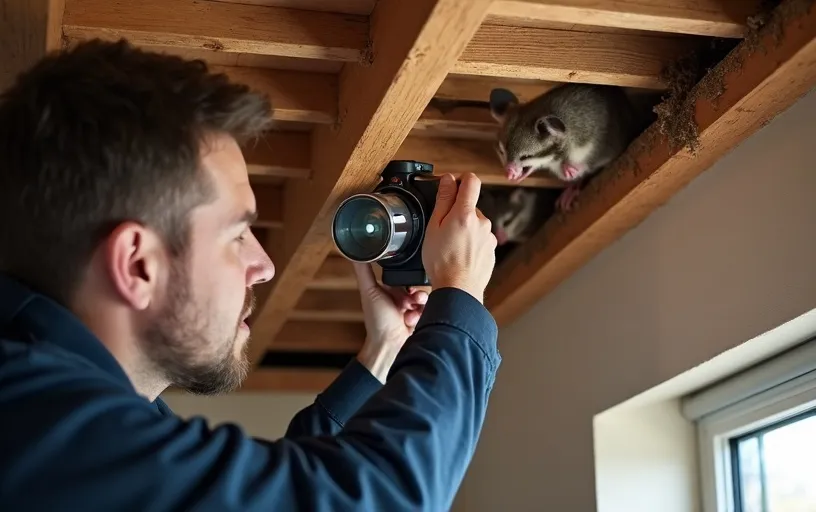
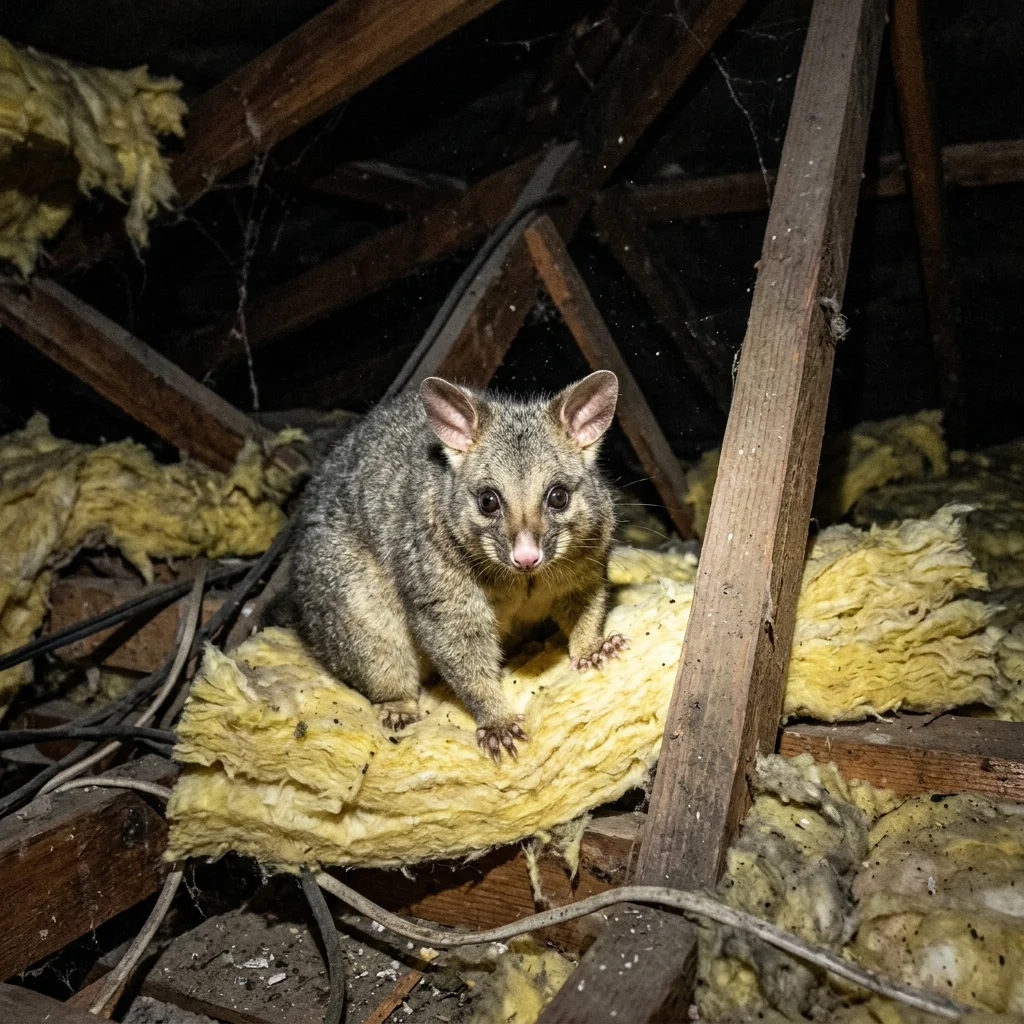
When a possum refuses to leave your roof cavity or ceiling space through a one-way exit door, trapping may be necessary to resolve the issue. However, trapping a wild animal is a serious task that must be handled with care, patience, and a strict focus on the animal's welfare. In Australia, trapping possums is governed by strict regulations to ensure they are not harmed or stressed during the process.
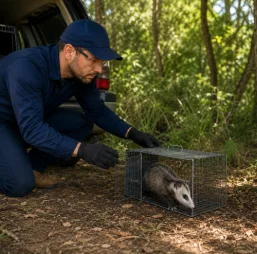
If you choose to use a trap to catch a possum, you must use the correct equipment, choose the right bait, position the trap safely, and release the animal in a compliant manner. Here is a guide on how to catch a possum safely and humanely using a live-catch cage trap.
Step 1: Choose the Right Type of Trap
Never use leg-hold, snare, or kill traps for possums. These devices are prohibited for native wildlife and cause severe pain, injury, and death. The only permitted device is a live-catch wire mesh cage trap. When selecting a cage trap, ensure it is designed specifically for possums or medium-sized animals (approximately 60cm x 30cm x 30cm).
The wire mesh must be fine enough to prevent the possum from sticking its nose or paws through the gaps, which can cause injuries if it panics. The trigger mechanism should be sensitive enough to close the door when the animal steps on the plate, but not so sensitive that it closes due to wind or vibration. A sturdy carry handle with a protective metal plate beneath it is also important to shield your hands from bites or scratches when lifting the cage.
Step 2: Select the Right Bait
Possums are herbivores and are attracted to sweet, fragrant foods. Using the right bait is essential to entice the animal into the cage. Some of the most effective baits include:
- Apples and Bananas: Fresh, ripe fruit has a strong scent that possums can detect from a distance. Cut the fruit into small pieces.
- Peanut Butter: Smearing a spoonful of peanut butter on a piece of bread is an excellent option, as they love the smell and taste of nuts.
- Jam or Honey: A small cracker spread with sweet jam or honey is highly attractive.
Place the bait at the very back of the cage, past the trigger plate. This forces the possum to walk fully inside the trap and step on the plate to reach the food, ensuring the door closes securely behind it. Avoid using meat or pet foods containing fish, as these can attract non-target animals like domestic cats.
Step 3: Position the Trap Safely
Where you place the trap is critical to the animal's safety. A trapped possum is highly vulnerable to weather and predators. Follow these guidelines for trap placement:
Shade and Shelter: Always place the trap in a fully shaded area. A possum trapped in direct sunlight can quickly suffer from heat stroke and dehydrate within hours, which is fatal. If no shade is available, cover the top of the cage with a heavy canvas cloth or bag to provide shelter.
Stable Surface: Position the trap on a flat, stable surface. If the cage wobbles when the possum steps inside, it may become startled and back out before triggering the door. Secure it with a weight on top if placing it on a sloping roof.
Protection from Pests: Keep the trap away from areas where domestic pets (cats and dogs) can access it, as they can terrify the trapped possum.
Step 4: Implement a Checking Schedule
You must check the trap regularly. It is unacceptable to set a trap and leave it unchecked for days. Ideally, set the trap at dusk when possums become active, and check it early the following morning. Checking the trap at first light is crucial, as a possum caught early in the night will have been in the cage for several hours and will need prompt release to avoid severe stress.
If you have caught a possum, address it immediately. If the trap is empty during the day, close it to prevent non-target animals (like birds or domestic cats) from being caught, and reset it the following evening. This prevents accidental captures during daylight hours.
Dealing with Non-Target Captures
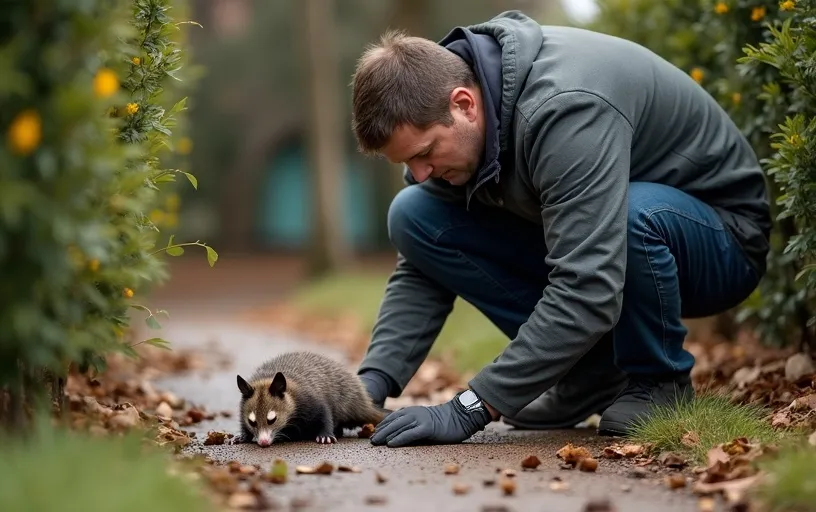
Occasionally, your trap may capture an animal other than the target possum, such as a neighbor's cat, a brush turkey, or a blue-tongued lizard. If this happens, approach the cage slowly and calmly. Cover the cage with a dark cloth to calm the animal. Wear thick leather gloves, stand behind the cage door, lift the release mechanism, and allow the animal to walk out on its own. Never attempt to grab a wild animal or a frightened cat directly, as they will bite or scratch in self-defense. Release them calmly near ground cover.
How to Clean the Trap After Capture
Once a possum has been released, the cage trap must be thoroughly cleaned and sanitized before it is used again or stored. Possums release urine and pheromones when stressed, leaving strong odors on the wire mesh. If you set a dirty trap, other animals will smell the stress pheromones and avoid the cage entirely. Hose the trap down with hot water and scrub it with a pet-safe disinfectant. Avoid using strong chemical bleach, as the residual scent can deter future pests.
Preventing Trap Damage and Rust
To ensure your live-catch cage trap remains functional for future use, it must be stored in a dry place. Exposure to rain and humidity can rust the springs and hinge joints, reducing the trap's responsiveness. Lubricate the trigger plate hinge and the door springs periodically with a small drop of mineral oil. Inspect the wire frame for any distorted sections that could allow a captured animal to squeeze through or scrape itself on sharp wire ends. Regular maintenance ensures the trap remains safe and humane.
Step 5: Release the Possum Compliantly
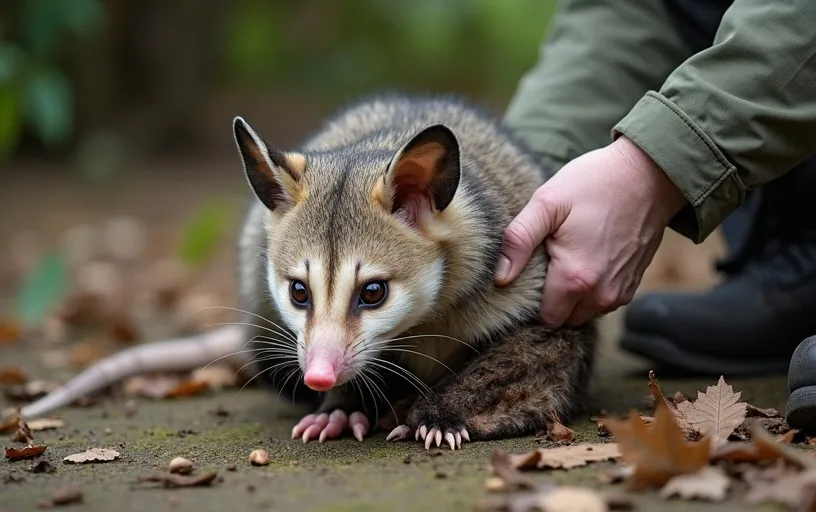
When handling the cage containing the possum, cover it with a dark sheet. This keeps the animal in the dark, which calms it down and reduces its stress level. Keep your fingers away from the mesh, as a frightened possum may scratch or bite.
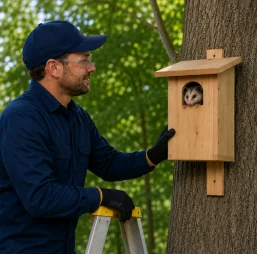
By law, you must release the possum on your property, within 150 meters of the capture point. The release must take place at dusk on the day of capture. Releasing a possum during the day exposes it to predators like crows and dogs, and prevents it from finding shelter. Open the cage door gently at the base of a mature tree or near a pre-installed possum box, and allow the animal to climb to safety at its own pace.
A Vital Reminder
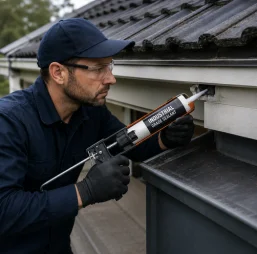
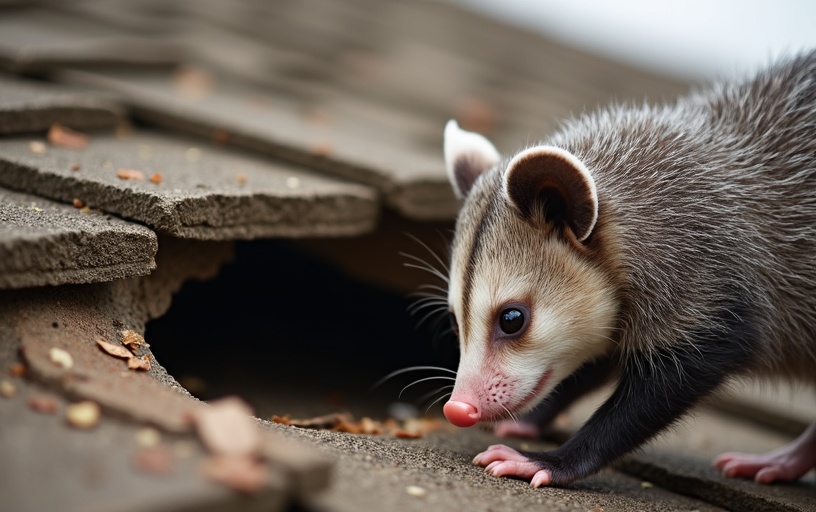
Trapping a possum is only a temporary solution if you have not sealed the entry holes in your roof or ceiling. If you release the possum and leave the gaps open, the animal will return to its nest within minutes. Always perform the necessary repairs to your roofline while the possum is outside the home to ensure a permanent resolution.