What Happens After a Possum Is Removed from Your Home?
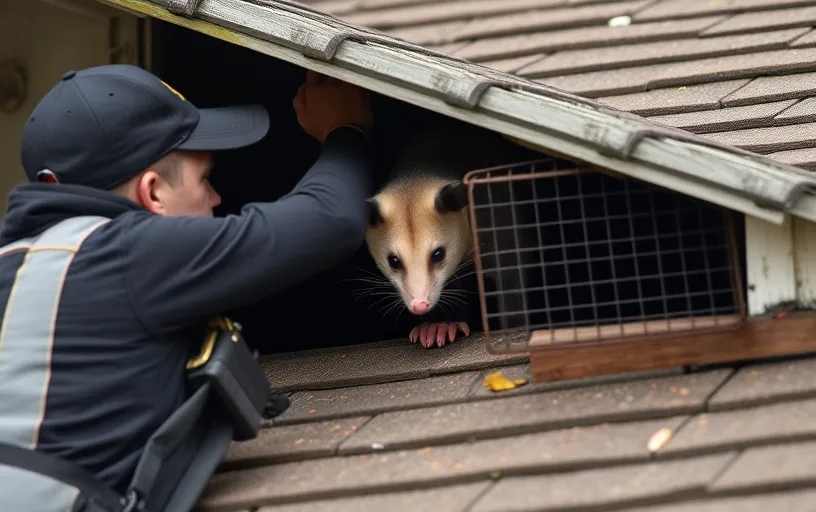
Successfully removing a possum from your roof or ceiling space is a major milestone. The thumping and scratching sounds that disrupted your sleep are gone, and you can enjoy a quiet home once again. However, many homeowners make the mistake of thinking the job is entirely finished once the animal is excluded. In reality, what happens after the removal is just as important as the eviction itself.
A possum leaves behind a significant biological footprint inside your roof cavity. To restore your home's hygiene, prevent secondary pest infestations, and ensure that no other possums attempt to move into the same space, you must carry out a series of post-removal steps. Here is a guide to the necessary cleanup, treatment, and maintenance tasks you should perform after a possum has been removed.
Step 1: Thorough Nest Removal and Decontamination
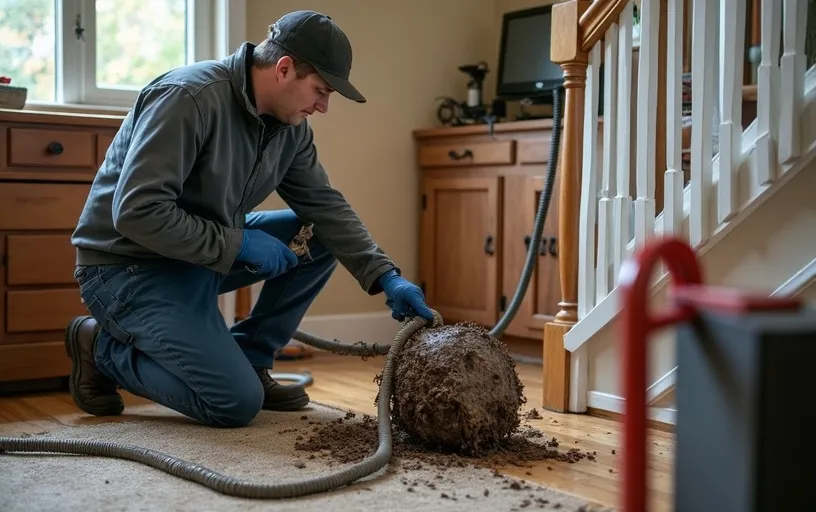
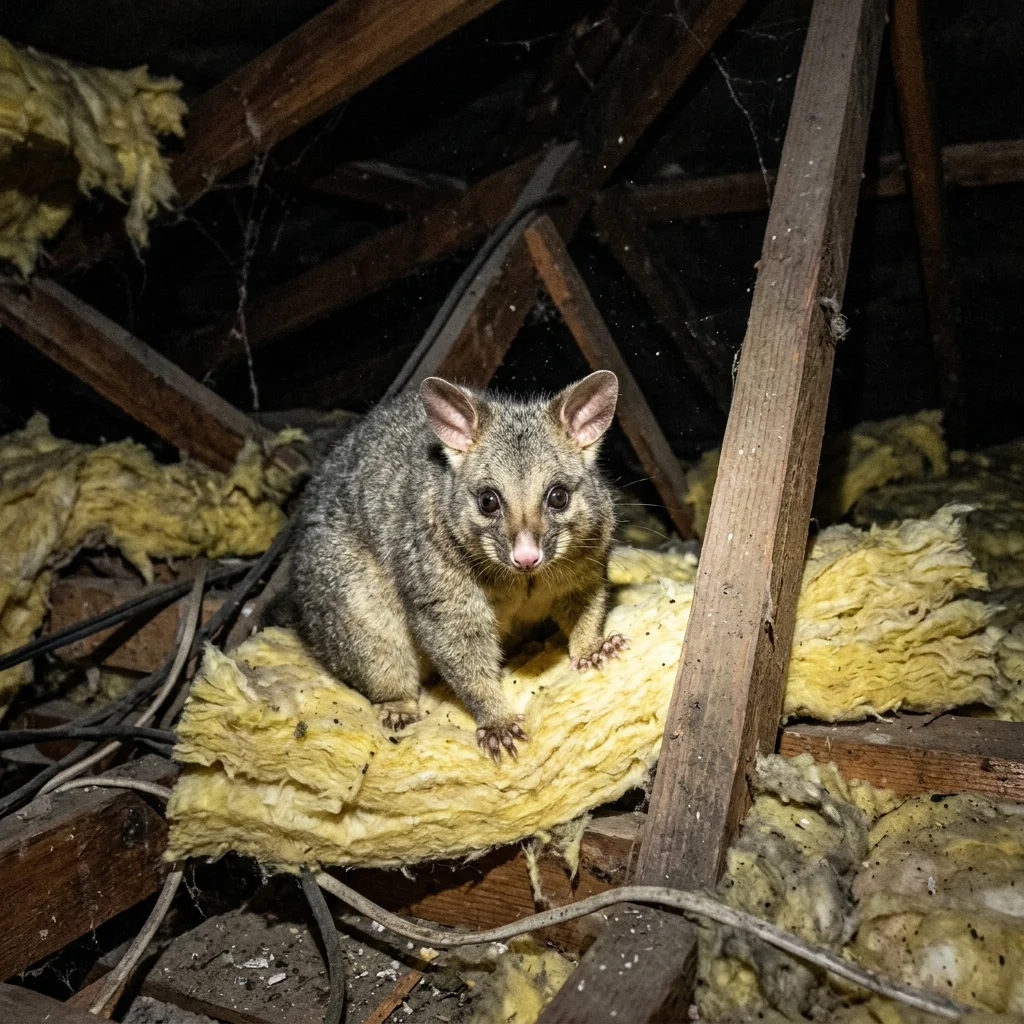
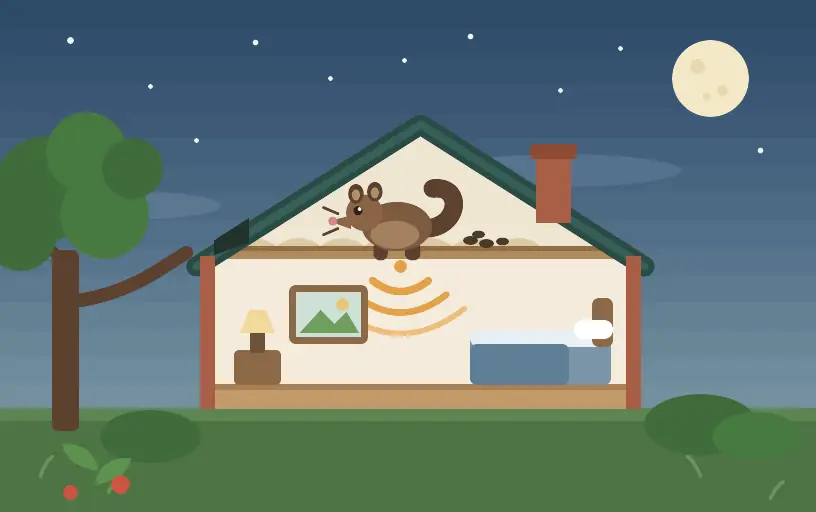
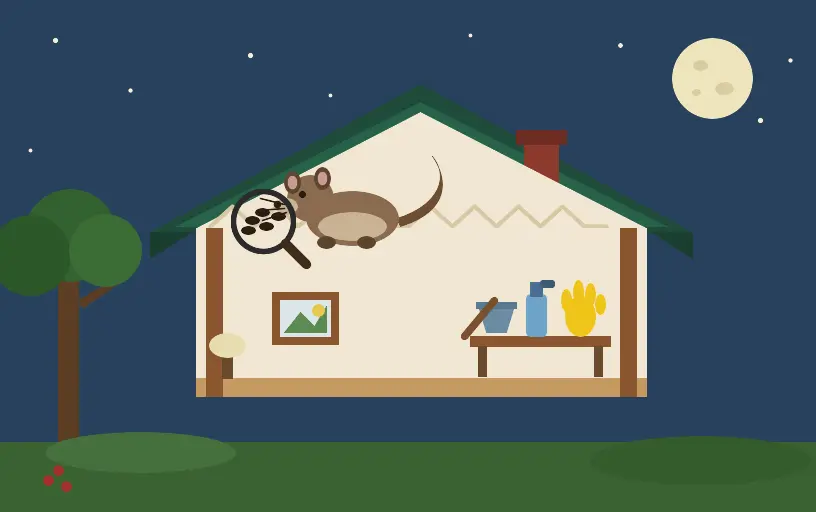
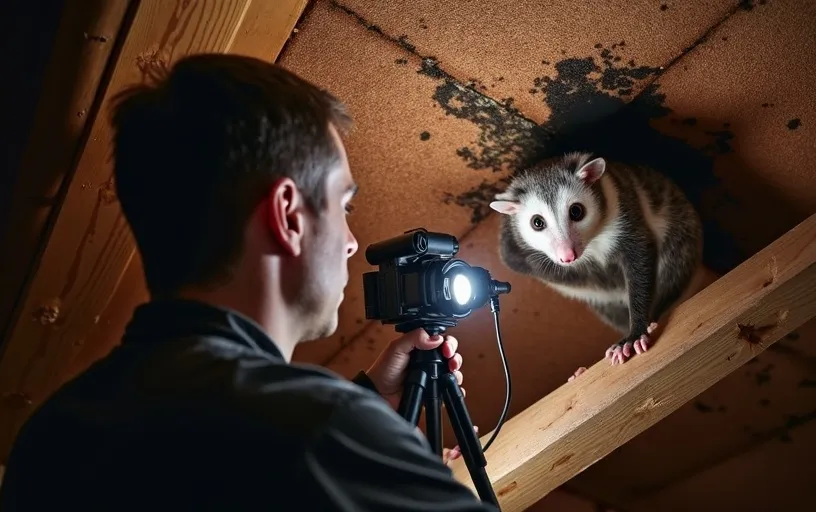
Possums build nests using dry leaves, bark, paper, and insulation. Over time, these nesting sites accumulate a large volume of droppings and urine. Even after the possum is gone, this decaying organic matter remains in your ceiling cavity, posing health risks and structural issues.
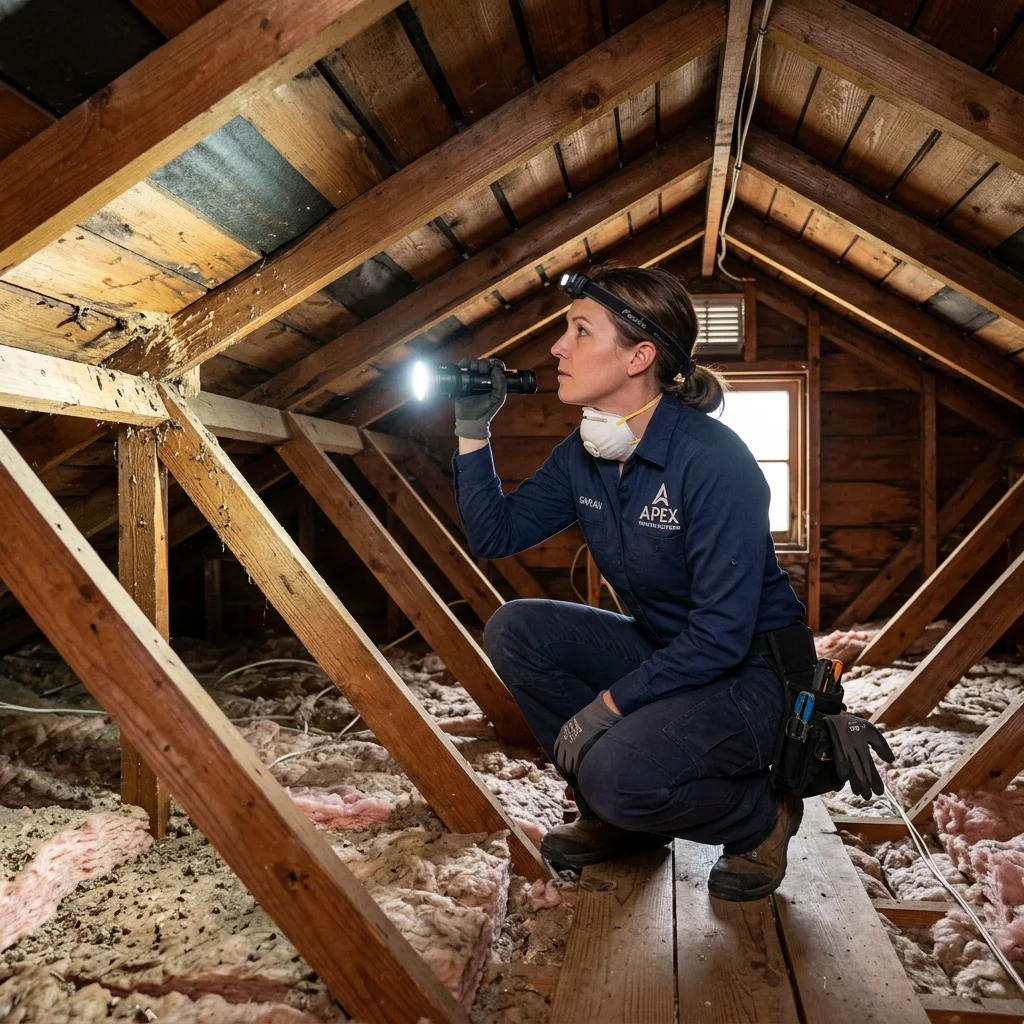
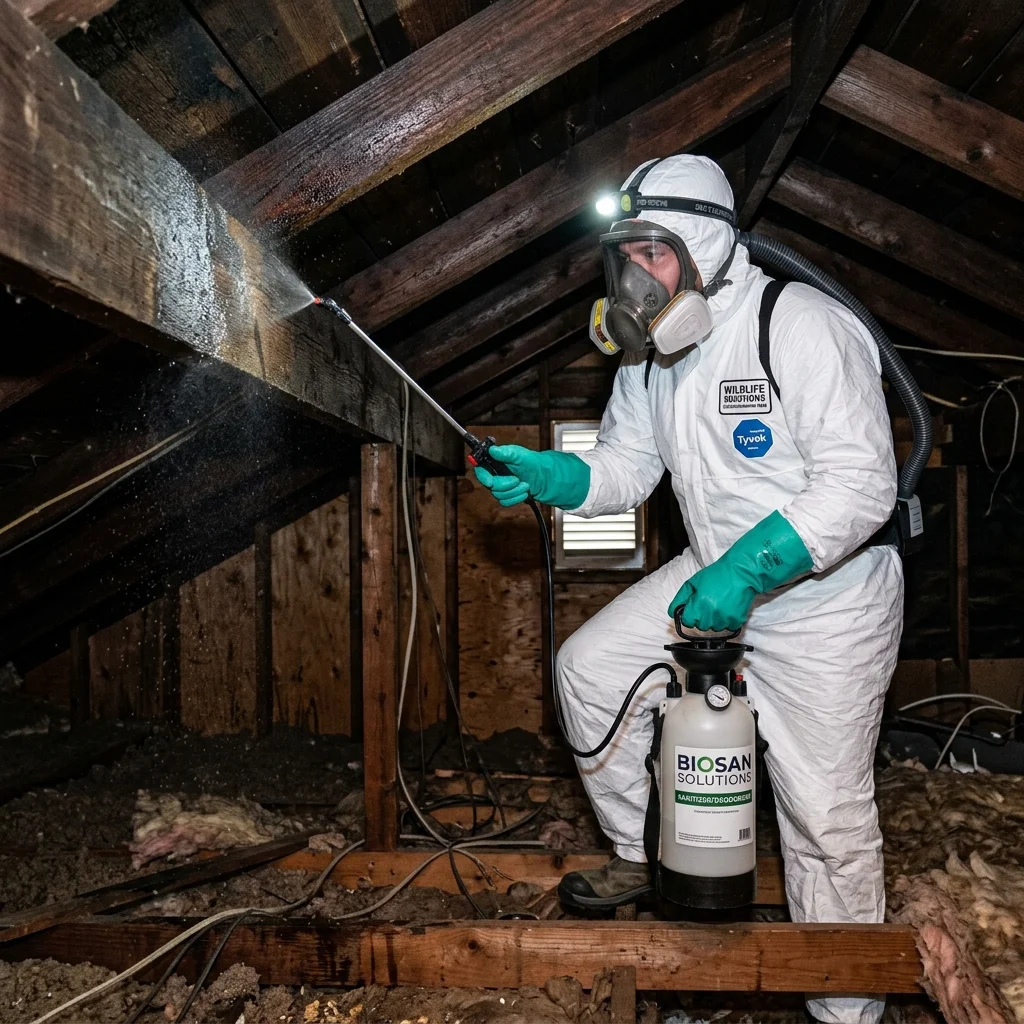
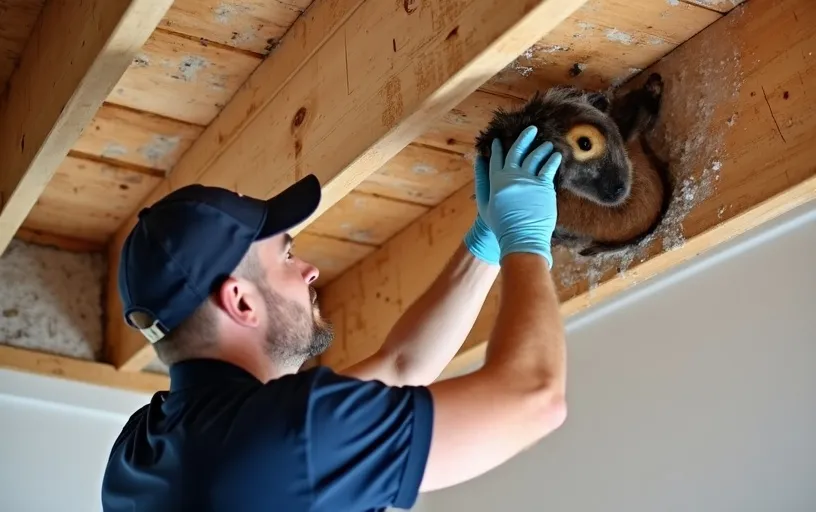
Access the roof space safely, wearing protective clothing, gloves, and a dust mask. Bag and remove all nesting material and loose droppings. If the possum urine has soaked into the fiberglass insulation, that section of insulation must be replaced, as it will continue to smell and can ruin the plasterboard ceiling below. Spray the entire nesting zone with a professional-grade disinfectant to kill bacteria. Apply an organic odor neutralizer to break down the pheromones and scent markers left by the possum. This is critical because other possums in the neighborhood can detect these scent markers from a distance and may attempt to chew through your repairs to access the set up nest site. Full cleaning prevents future target attempts.
Step 2: Treat for Secondary Pests
Possums carry a range of external parasites, including bird mites, fleas, ticks, and lice. When the host animal is excluded from the roof space, these parasites are left without a food source. In response, they will migrate away from the empty nest, searching for a new host.
Homeowners often report a sudden flea infestation or unexplained insect bites in their bedrooms shortly after a possum has been removed. To prevent this, apply a residual insecticidal treatment to the roof cavity immediately after the possum is evicted. This treatment kills migrating mites and fleas before they can find a way down through light fittings or ceiling joins into your living areas. Ensuring this barrier is in place is vital for household comfort.
Step 3: Conduct a Structural and Electrical Check
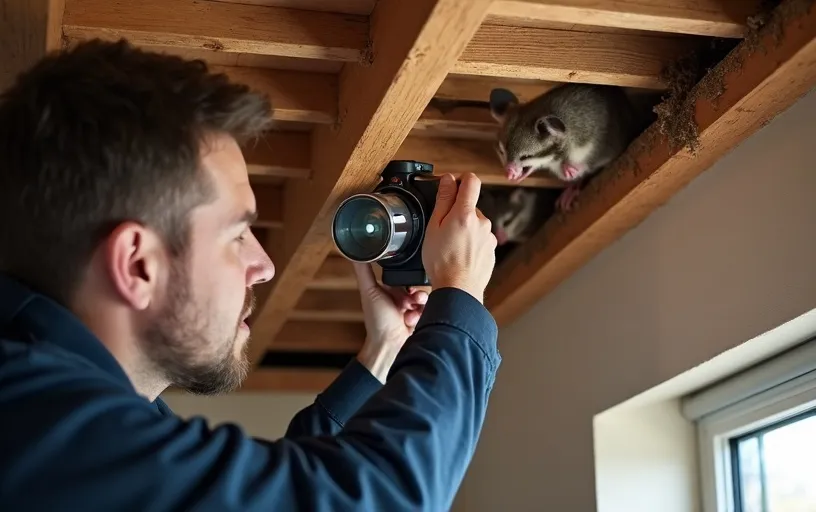
Possums are strong and persistent chewers. While living in your roof, they may have damaged the structural or utility components of your home. Before closing the manhole cover, perform these checks:
- Electrical Wiring: Inspect the visible wiring in the ceiling cavity. Look for any signs of gnawed PVC insulation or exposed copper wires. If you find any damage, contact a registered electrician immediately to repair the wiring and prevent fire hazards.
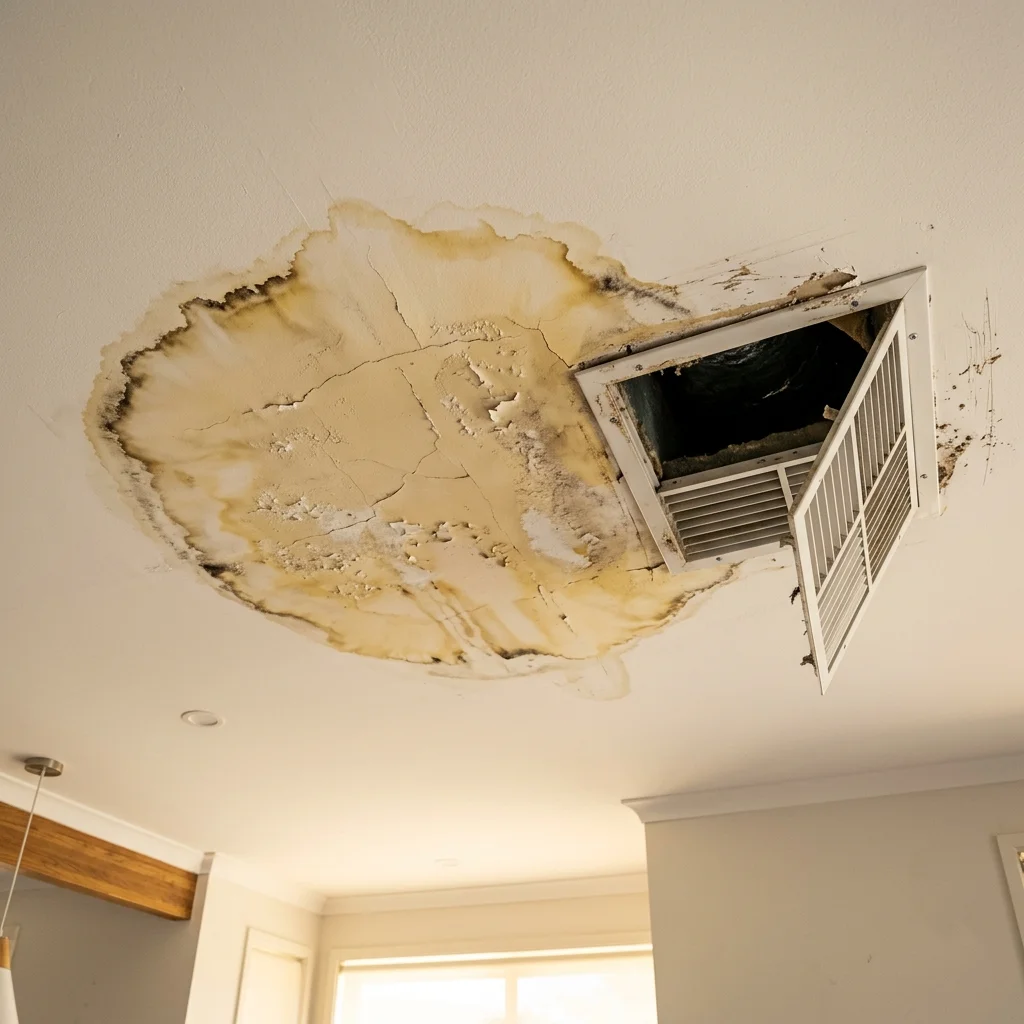
- Ductwork: Check your air conditioning and heating ducts for tears or holes. Possums will sometimes claw at flexible ducting to access warm air, which reduces your system's efficiency.
- Timber Framing: Check for signs of chewing on timber rafters and ceiling joists, which can weaken the roof structure if left unaddressed.
Step 4: Set Up Alternative Habitats
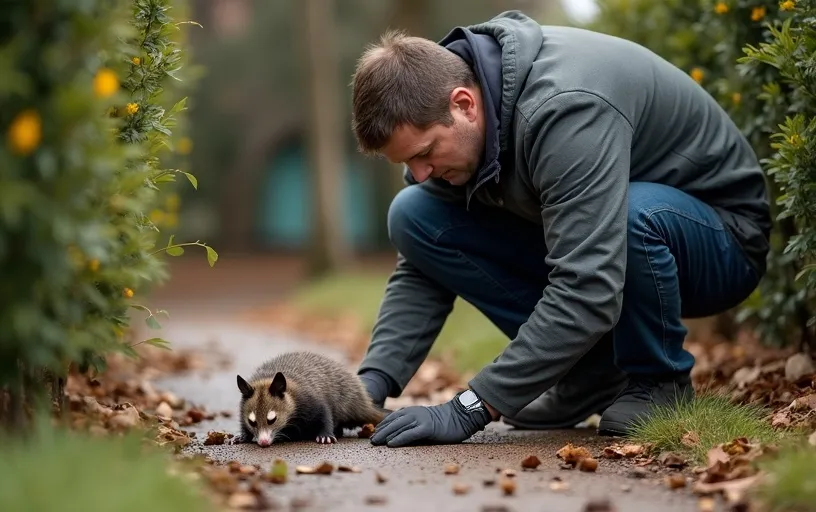
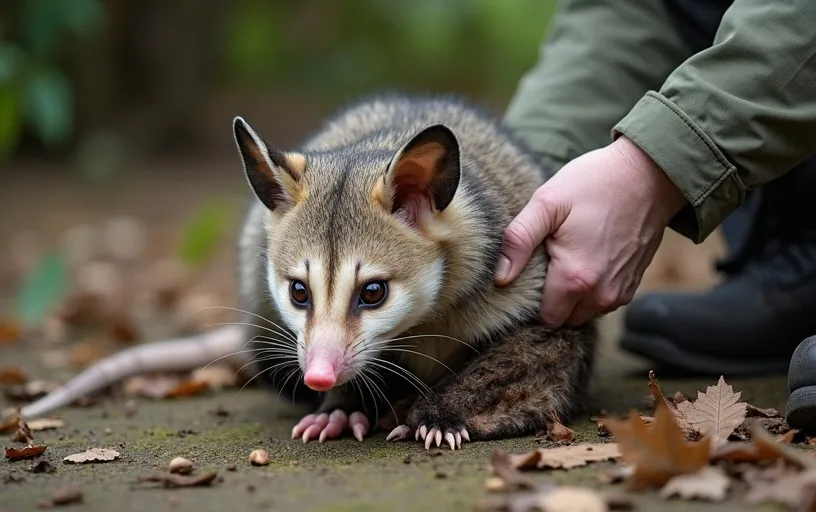
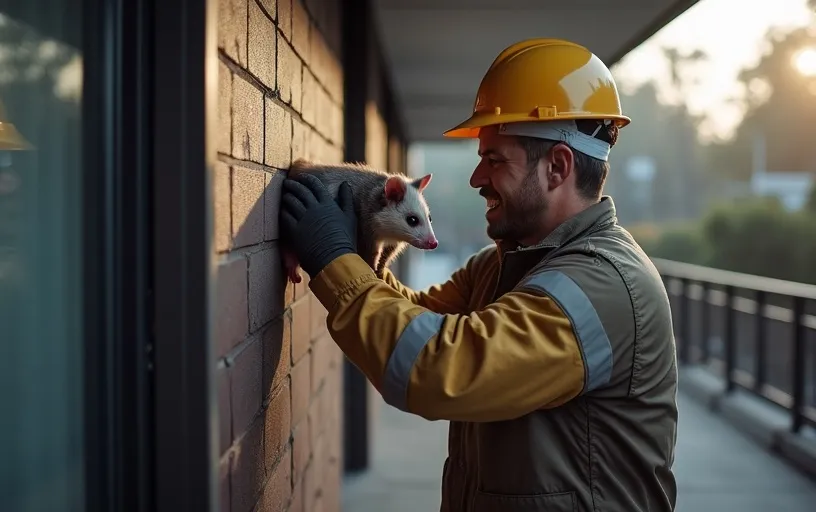
Evicting a possum does not mean it leaves your garden. Possums are highly territorial and will remain in their set up range. To ensure the animal stays healthy and does not try to chew its way back into your home, you should provide an alternative shelter.
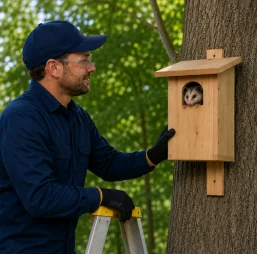
Install a sturdy, wooden possum nesting box in a mature tree in your backyard. Place it at least four meters off the ground in a sheltered position, facing away from the hot afternoon sun. This provides the possum with a safe, natural home while keeping it out of your roof cavity. This step supports native animal conservation while maintaining a clear boundary between animals and your living spaces. Choose a tree with a trunk diameter of at least 30cm to ensure stability.
The Ecological Role of Possums in Urban Areas
While possums inside roofs are highly disruptive, they are valuable people of urban ecosystems. They feed on insects, garden pests, and Eucalyptus leaves, helping to manage vegetation growth and local biodiversity. By providing a nesting box, you are supporting native animal without compromising your home's hygiene. Possums also act as territorial guardians - having a healthy, happy possum living in a nesting box on your property will prevent other new possums from attempting to colonize your garden and roof space. This natural territorial barrier is dependable.
Preventing Domestic Pet Encounters with Animals
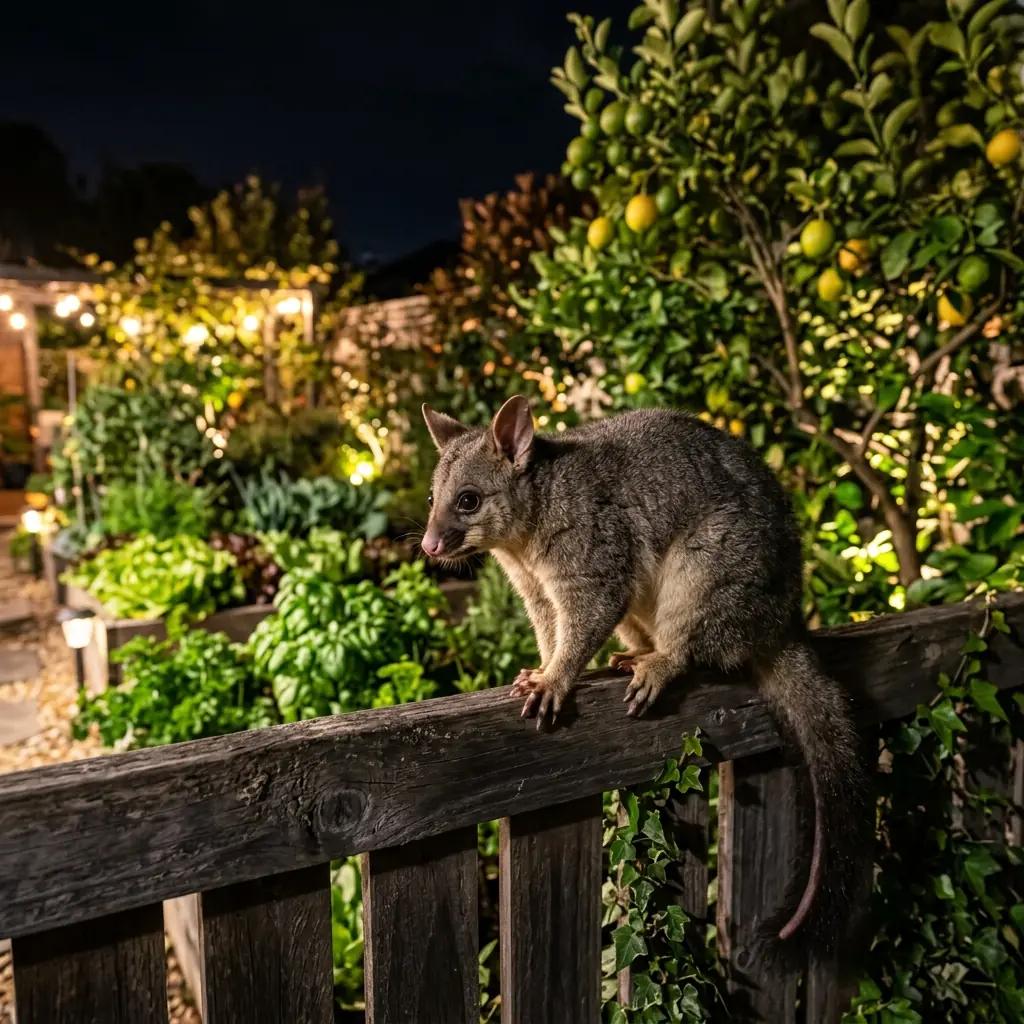
Once possums are excluded from your ceiling space and nesting in backyard boxes, they will travel across your yard and fences at night. This can lead to encounters with domestic dogs and cats. Dog attacks are a leading cause of mortality for native marsupials, and cat scratches can transmit fatal infections to possums. To minimize these risks, keep your domestic pets indoors overnight. If you have dogs that must sleep outdoors, build a barrier around the nesting box tree trunk to prevent dogs from reaching the base, allowing the possum to climb up and down safely.
Property Inspection Calendar
To ensure your home remains protected from future animal entry, set up a semi-annual inspection schedule:
- Autumn Check (Pre-Winter): Check the roof tiles and valleys for damage before winter, when possums seek warm shelters.
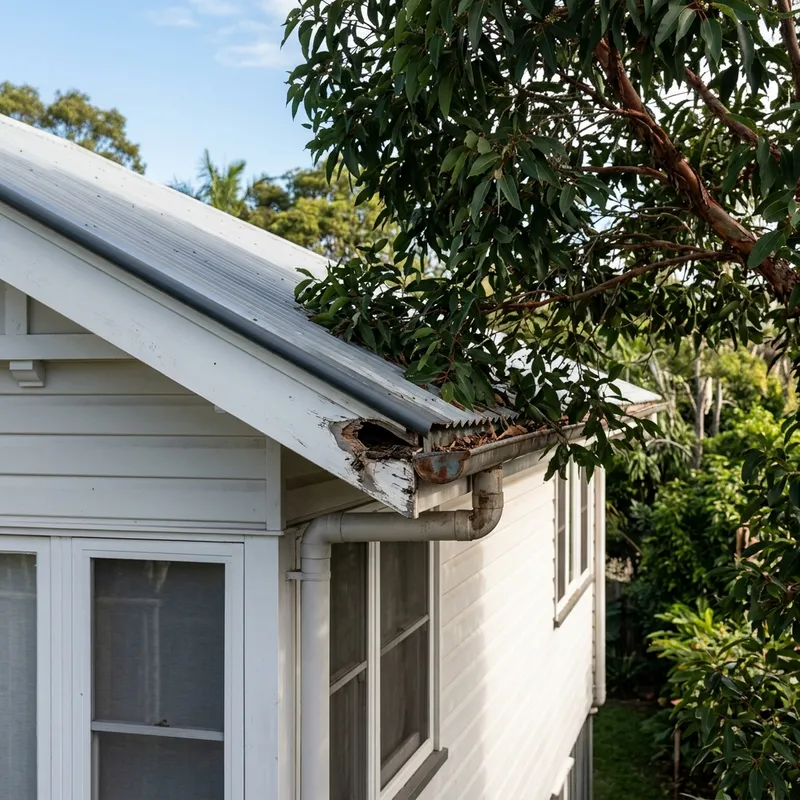
- Spring Check (Post-Winter): Inspect fascias and gutters for weathering or gaps created during winter storms. Prune overhanging branches.
- Storm Check: After severe weather, do a quick visual check of the roofline to ensure no tiles have shifted or panels have come loose.
Step 5: Ongoing Property Maintenance
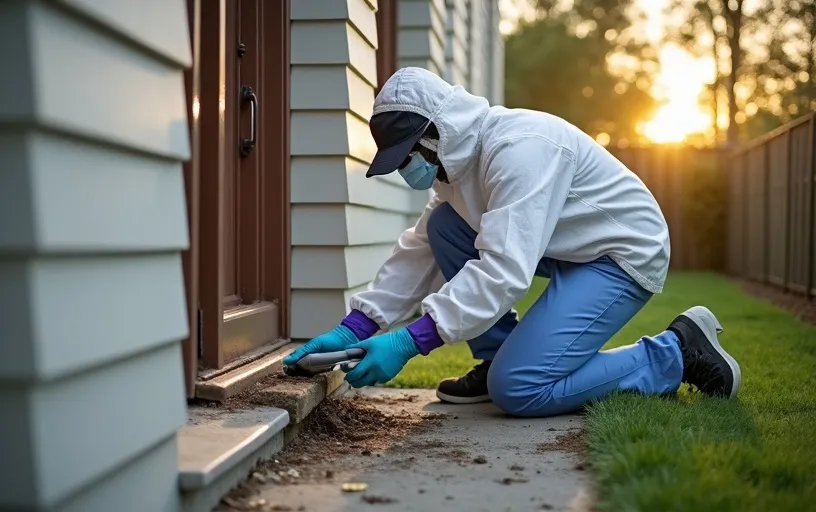
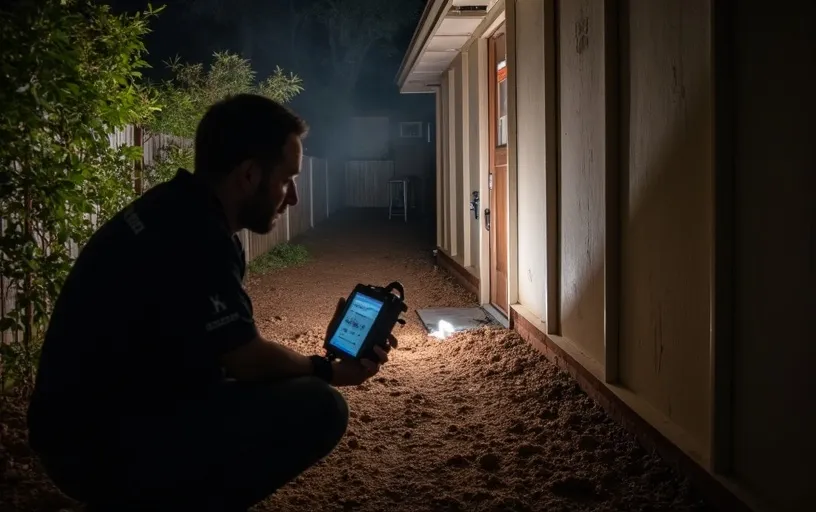
To ensure your home remains possum-clear, perform regular property checks. Inspect the roofline every six months for shifted tiles, loose flashing, or new gaps created by weathering. Prune tree branches that grow close to your gutters to remove the natural climbing paths that possums use. By maintaining your property's defenses, you can enjoy an ongoing, peaceful resolution.
Post-Removal Checklist
- Remove all nesting material, leaves, and droppings from the roof cavity.
- Remove urine-soaked insulation bats and replace them with fresh material.
- Disinfect the area and apply an organic odor neutralizer to remove scent markers.
- Treat the ceiling space for mites, fleas, and other parasites.
- Inspect electrical wiring and AC ducts for claw or bite damage.
- Mount a nesting box in a garden tree to provide an alternative habitat.
- Prune overhanging branches to eliminate easy roof access paths.