DIY Possum Removal vs Hiring a Professional: Which Is Better?
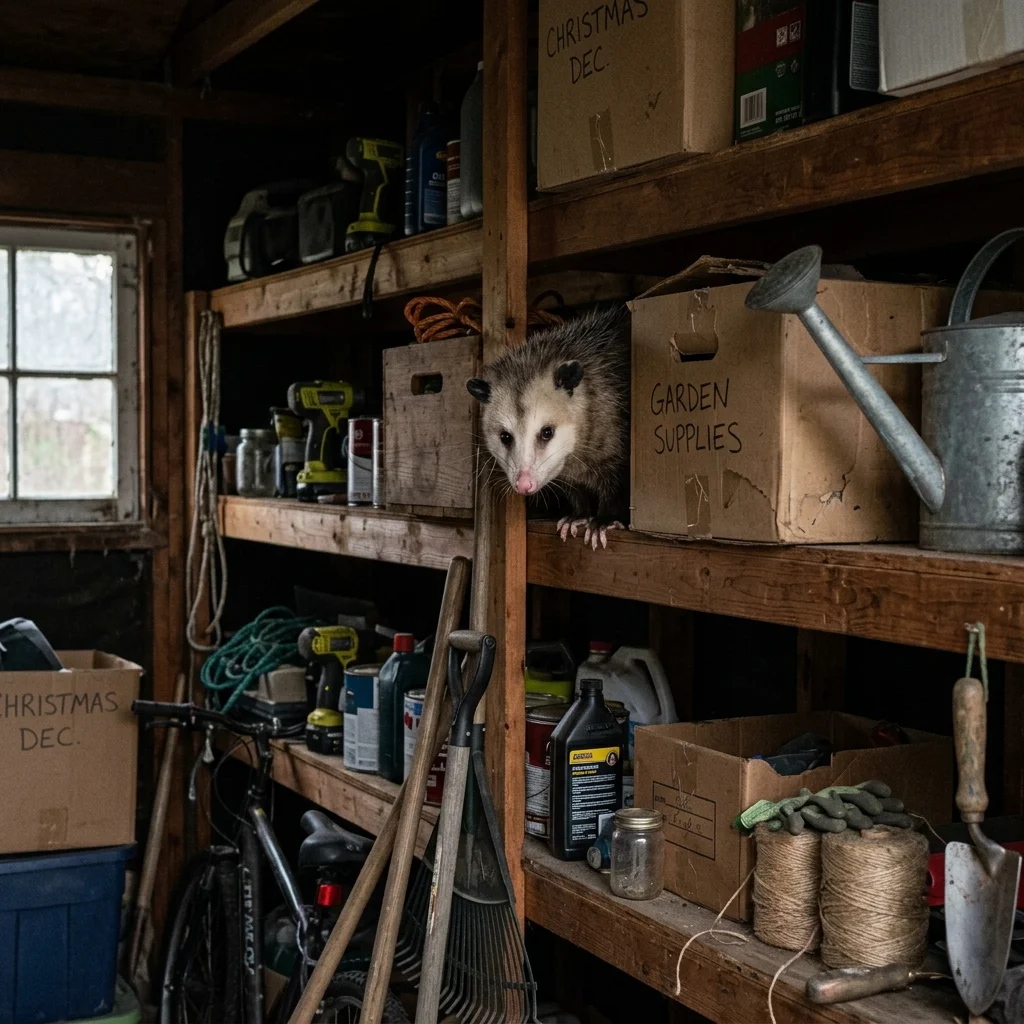
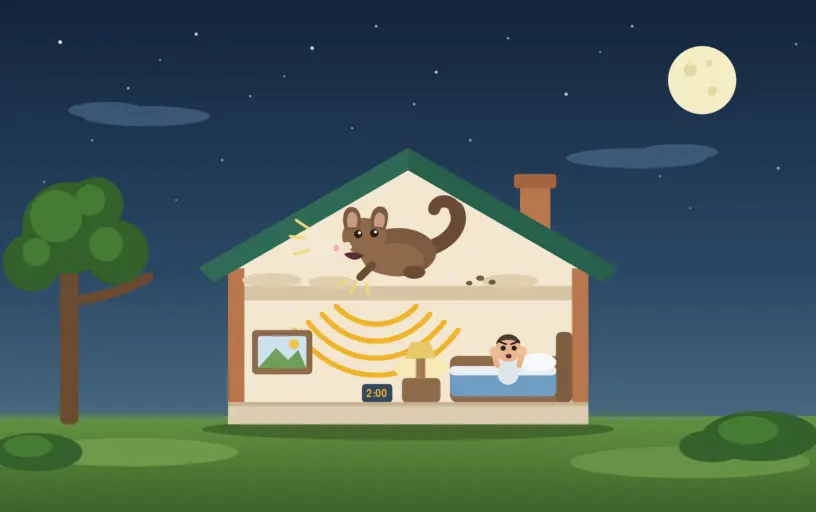
When you hear scratching in your ceiling or spot a possum running across your gutters, your first instinct might be to tackle the problem yourself. With home improvement stores selling live-catch traps, mesh sheets, and animal deterrents, DIY possum removal can seem like a straightforward weekend project. However, animal management is rarely as simple as it looks, and amateur attempts often lead to property damage, personal injury, or reporting issues.
To help you make an informed decision, this article compares DIY possum removal with hiring a professional animal handler. We will examine the risks of handling native animals, the complexity of proofing a home, and the value that a professional service provides.
The Appeal and Risks of DIY Removal
The main driver for DIY possum removal is cost savings. Homeowners hope to avoid service fees by purchasing a trap or patching holes themselves. However, the physical and reporting risks of DIY are significant:
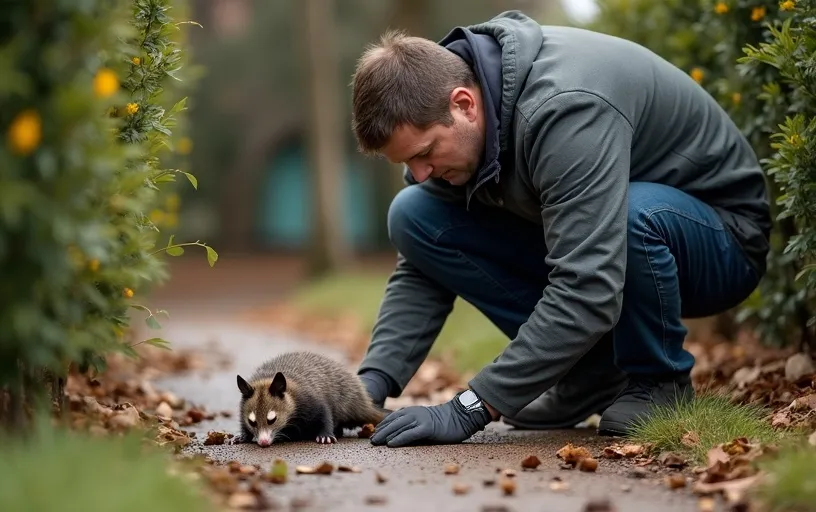
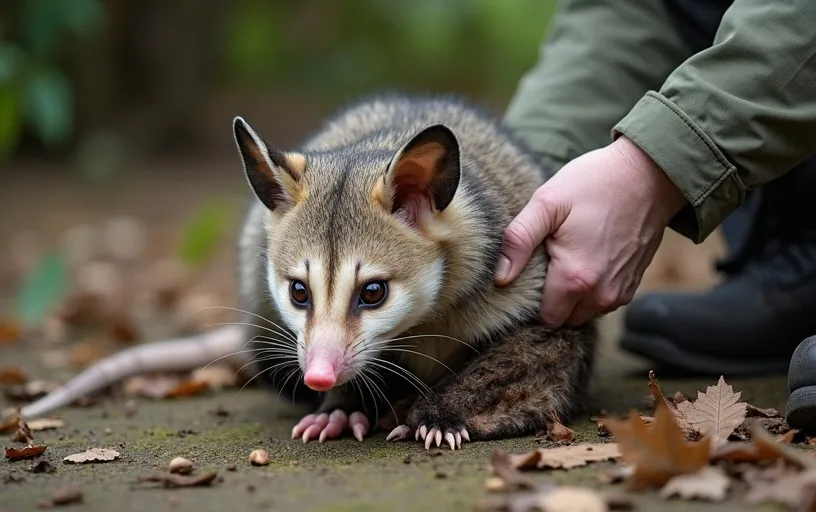
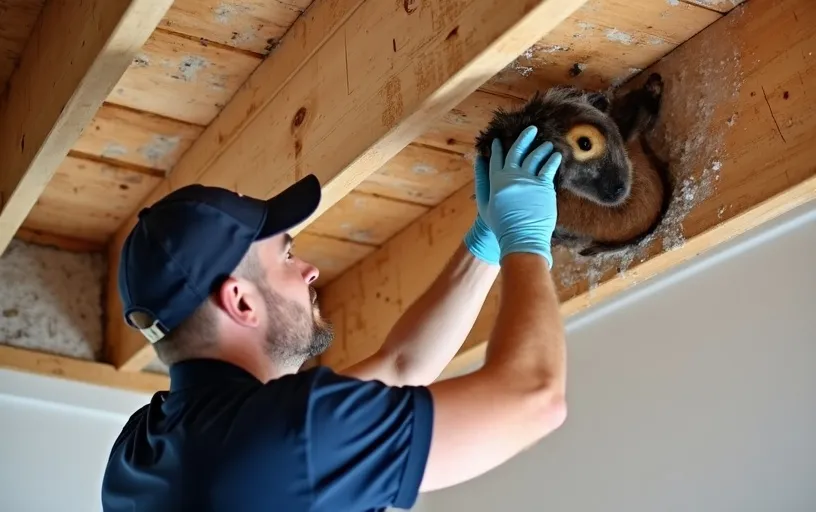
Handling and Safety Hazards: Possums are wild animals. When cornered or trapped, they can become highly aggressive. They possess sharp claws and strong teeth that can easily inflict deep cuts and bites. These injuries carry a risk of infection and disease transmission, such as Ringworm or flesh-eating Buruli ulcers linked to wild animal contact. Attempting to handle a cornered possum without heavy-duty protective gloves and handling hands-on work is not recommended.
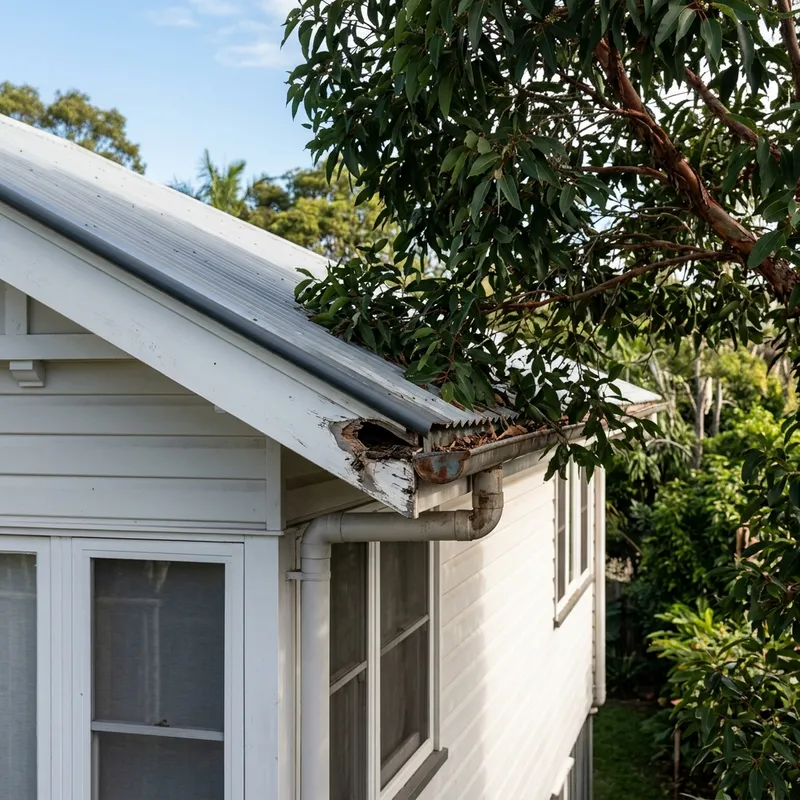
Working at Heights: Locating entry points requires climbing ladders, walking on roof tiles, and inspecting eaves. Falls from ladders and roofs are a leading cause of domestic injuries in Australia. Without proper safety harnesses and height hands-on practice, working on a roof is dangerous. The slope and dust of the roof tiles make it easy to slip, leading to high-risk situations.
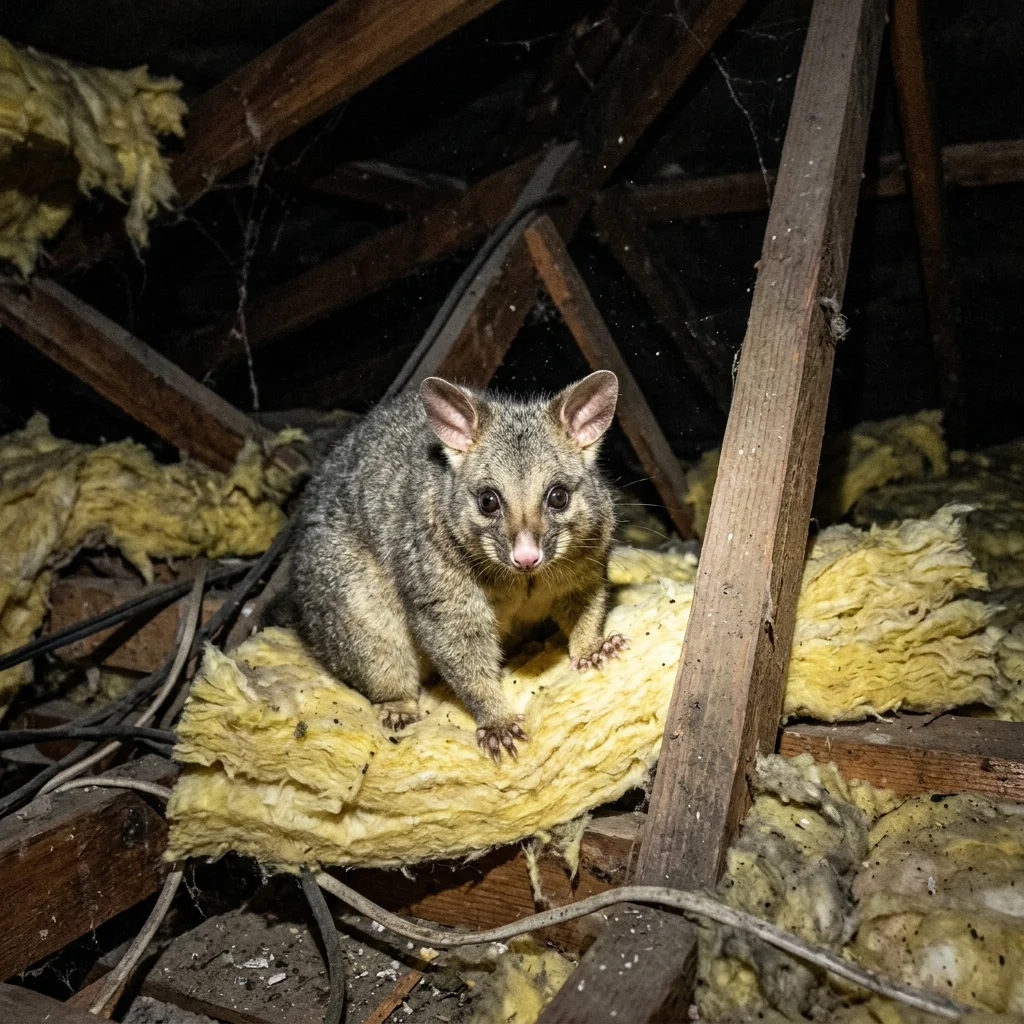
Electrical Hazards: Roof spaces are dark and filled with insulation that covers electrical wiring. Crawling around in these tight spaces carries a risk of accidental contact with live wires, especially in older homes with deteriorated cable insulation. A single misplaced step can break a wire or tear an insulation jacket, creating fire hazards.
Detailed DIY Risk Review: Height Safety and Infections
Climbing ladders onto double-story roofs without proper fall-arrest systems is a major hazard. Statistics show that ladder-related accidents are among the most common causes of serious domestic fractures and head injuries. Additionally, clean-up work inside attics exposes you to dry dust, rodent droppings, and animal dander. Inhaling these particles without a professional respirator can trigger severe allergic reactions or respiratory infections. Animal handlers use specialized harness kits and safety recommendations to eliminate these risks entirely, keeping homeowners safe on the ground.
The Hard Part About Trapping
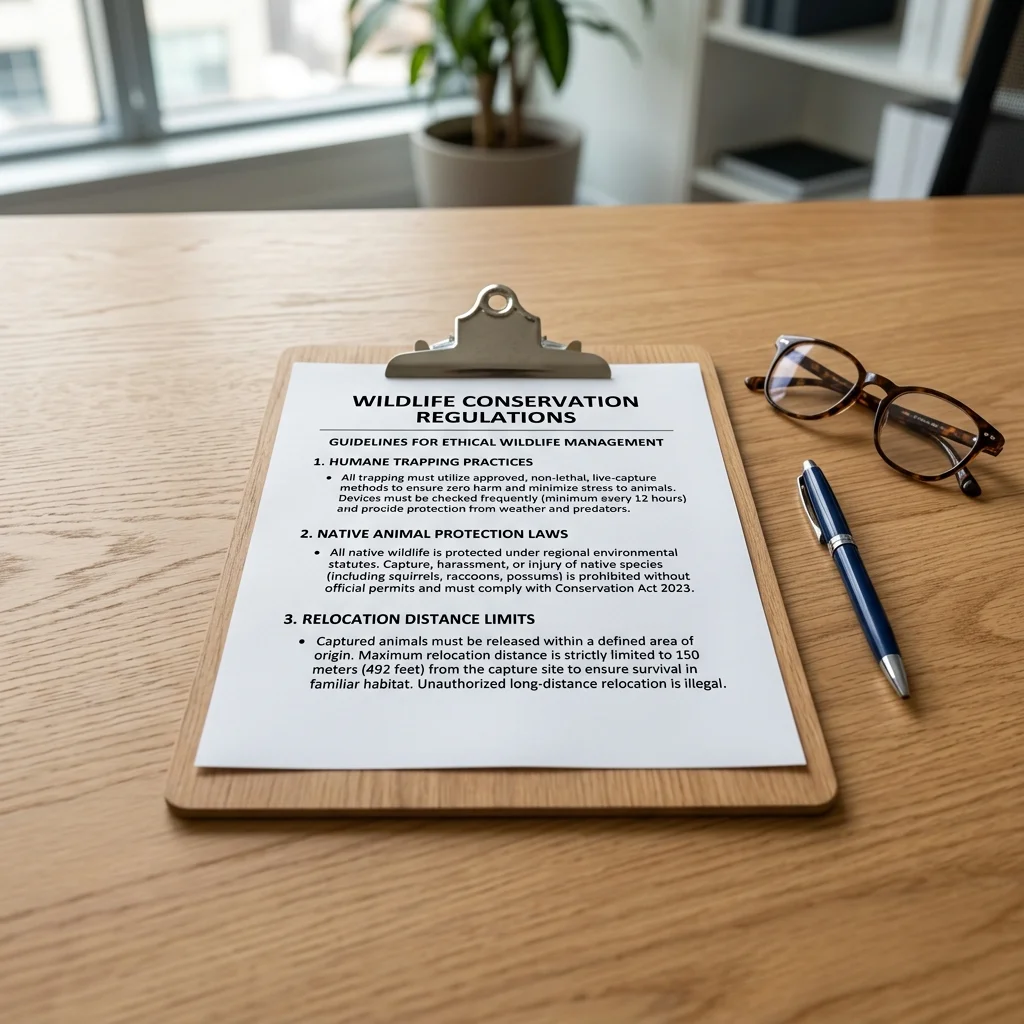
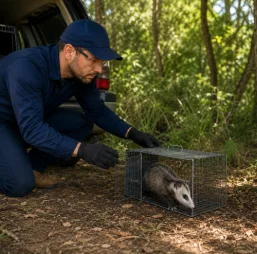
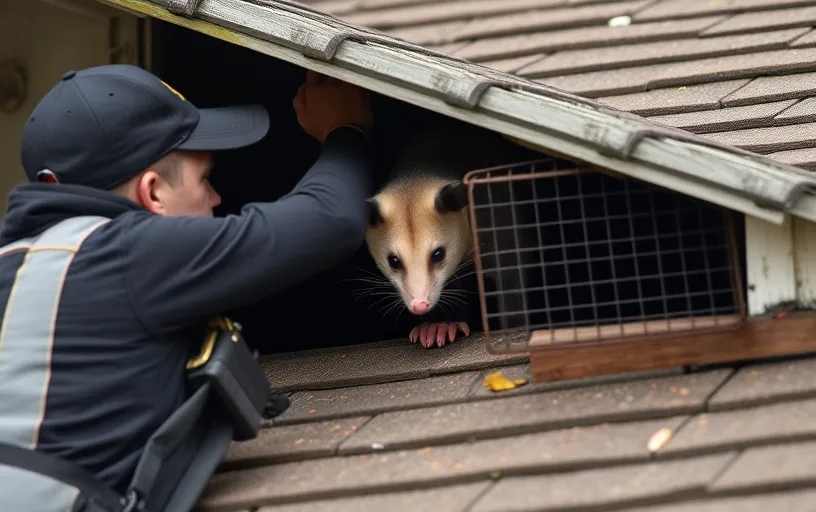
Another major obstacle for DIYers is the strict environmental protection recommendations. In Queensland, possums are protected, and any trapping must keep to native wildlife rules. For instance, you must release a trapped possum within 150 meters of its capture point on the same day at dusk. This means you cannot simply drive the possum to a distant forest and release it. If you release the animal in your garden, it will immediately return to your house. Unless you have successfully found and sealed every single entry point on your roof, your trapping efforts will have accomplished nothing, as the possum will be back inside before morning.
Physical Safety Risks of Roof Cavities
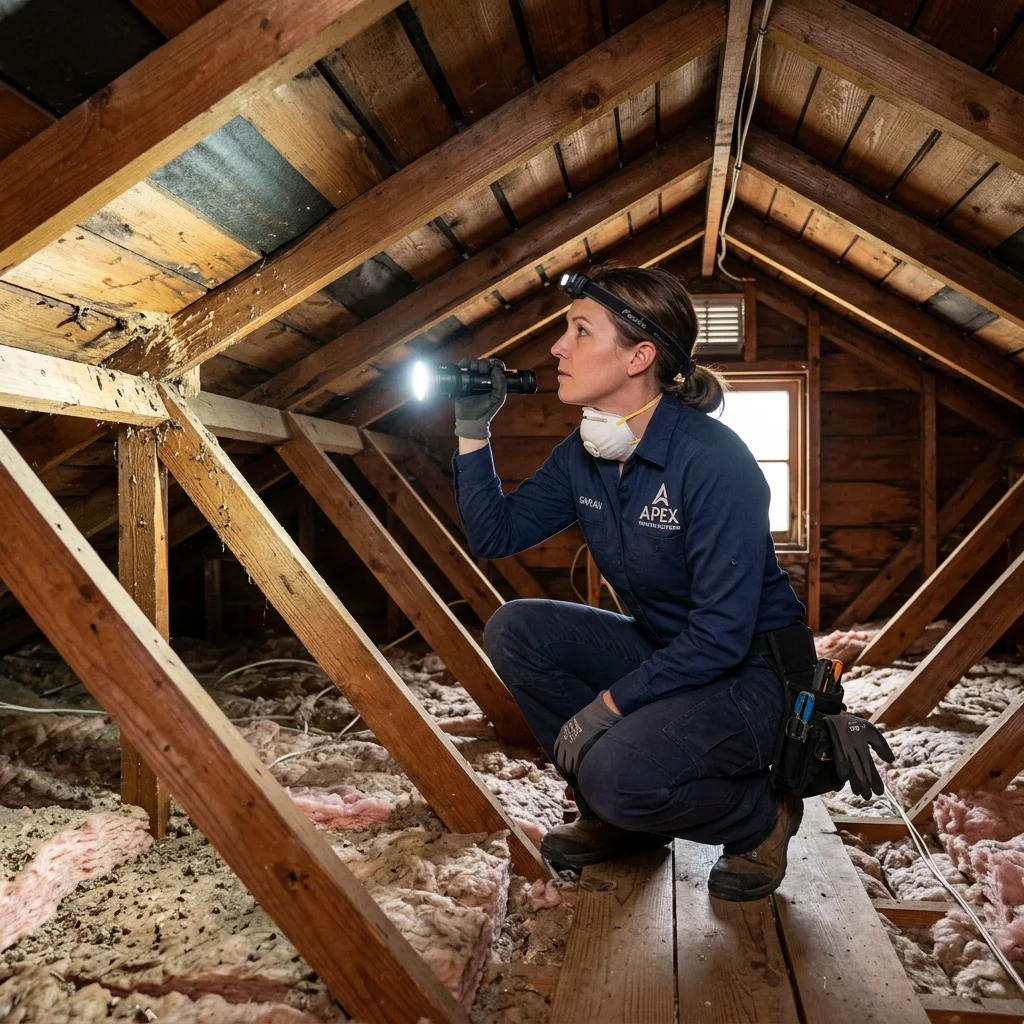
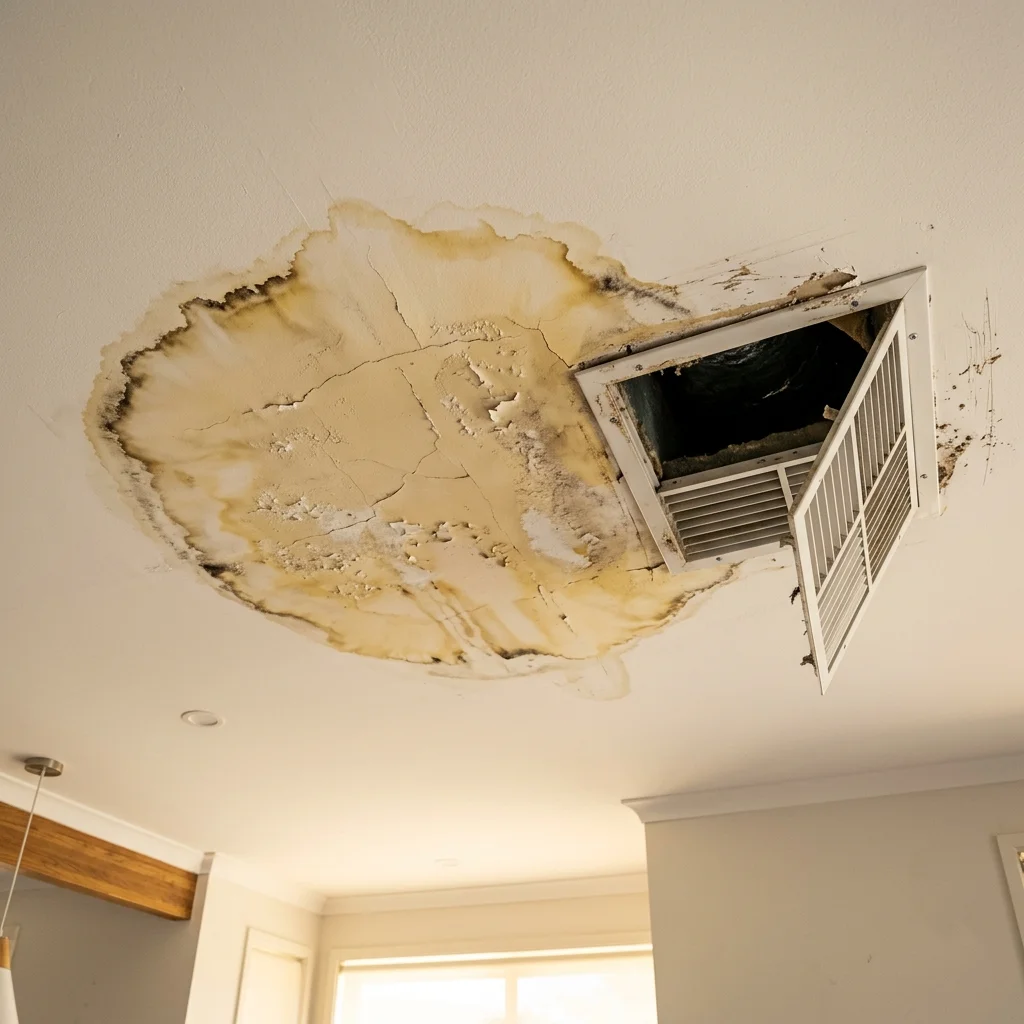
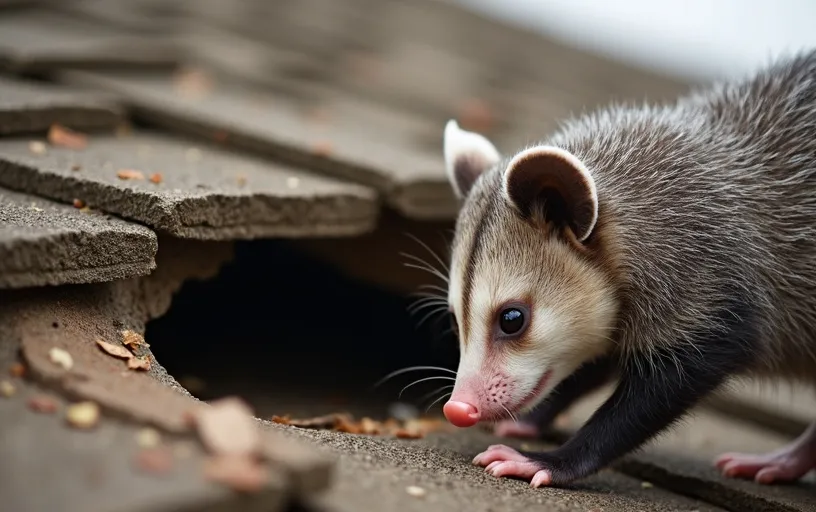
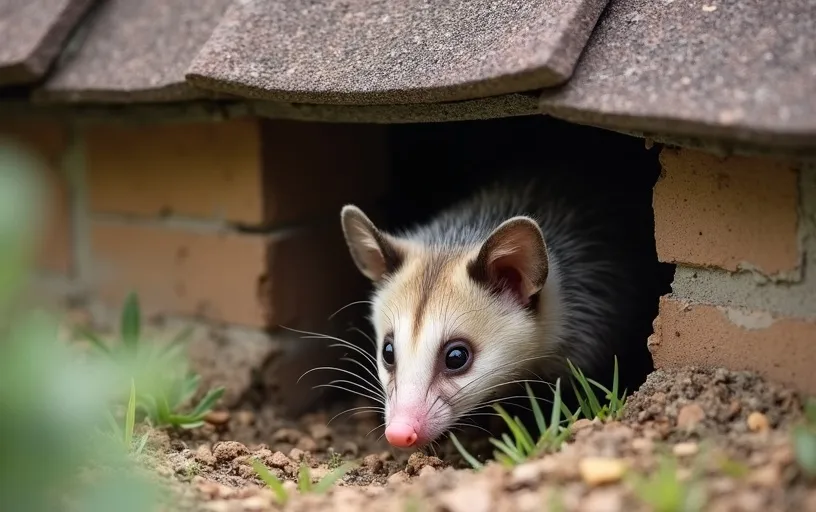
Crawling into a roof cavity is a challenging environment. The temperature in an Australian roof space during summer can exceed 50 degrees Celsius, leading to rapid heat exhaustion. The space is dusty, filled with itchy insulation fibers, and often contains asbestos materials in older homes. Furthermore, stepping off the ceiling joists onto the plasterboard drywall will cause you to fall through the ceiling, resulting in serious personal injury and costly ceiling damage. Professionals are well versed to navigate these environments safely and use appropriate protective clothing and respirators.
The Risk of Trapping Baby Possums
One of the most common mistakes in DIY possum removal is falling short to recognize the presence of young animals. Possum mothers carry their babies in pouches or on their backs. If you trap and relocate a mother during the breeding season, or seal a roof cavity while a young, dependent possum is sleeping inside, you will separate them. The baby will die inside the roof cavity, creating a biohazard and severe odor. Professionals understand the breeding cycles and carry out visual checks to ensure families are not separated during eviction.
The Importance of Post-Removal Use Up
DIY evictions often fall short because homeowners celebrate too early. They seal a hole, hear silence for two days, and assume the problem is solved. However, possums are highly persistent and territorial. If they smell their old nest, they will return and scratch at the patched area. If the patch was not done professionally, they will quickly tear it open. A professional service includes post-removal monitoring to ensure that the exclusion barriers remain intact and that the target animal has settled into a new habitat box, ensuring an ongoing resolution. This thorough verification stage is missing in typical DIY attempts.
The Professional Approach to Possum Management
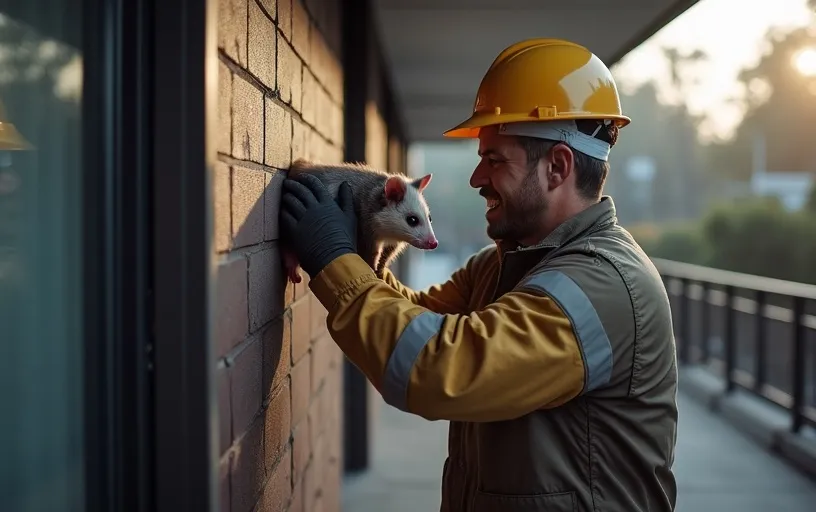
Hiring a professional animal controller provides a comprehensive, ongoing solution that addresses the root cause of the infestation. Professional controllers bring several key advantages:
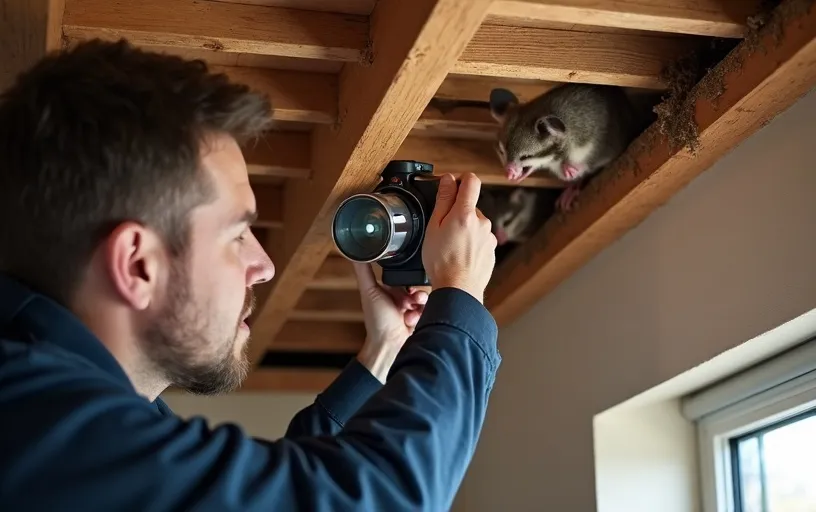
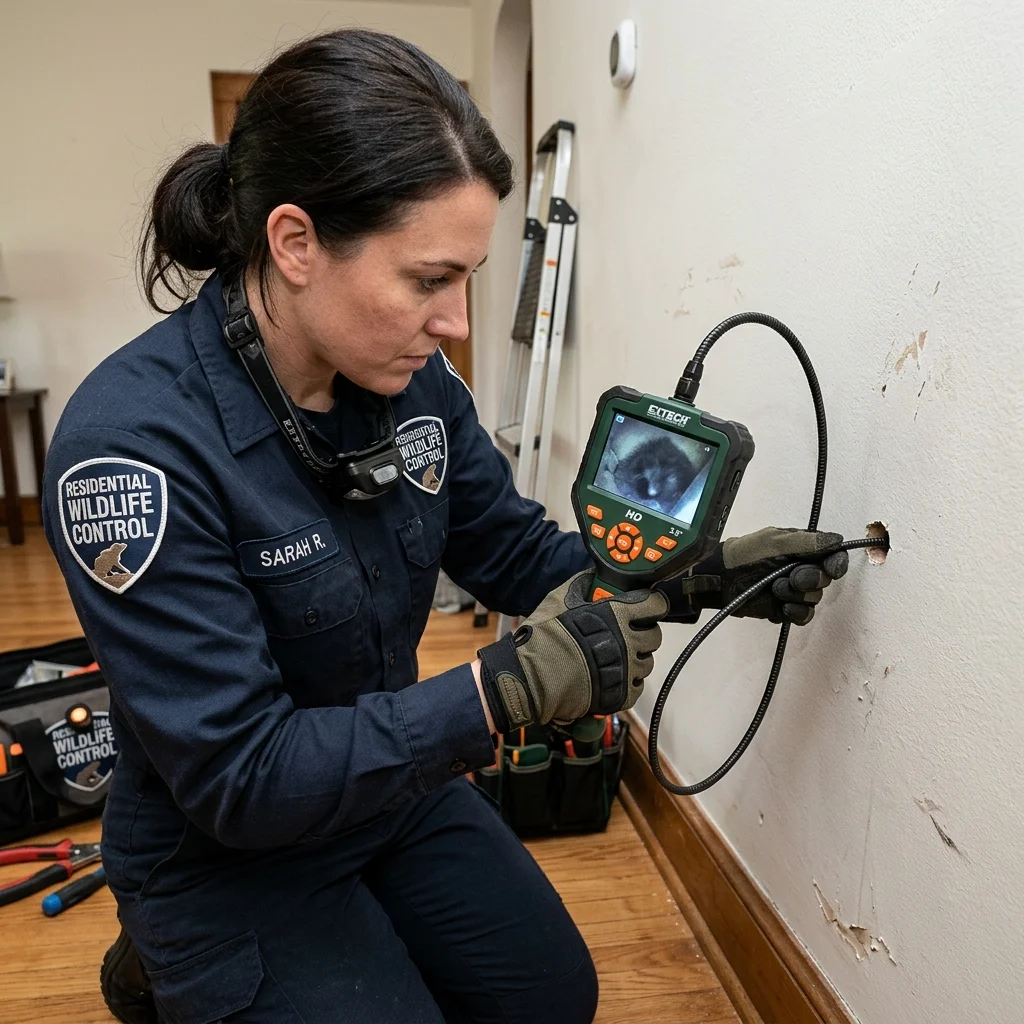
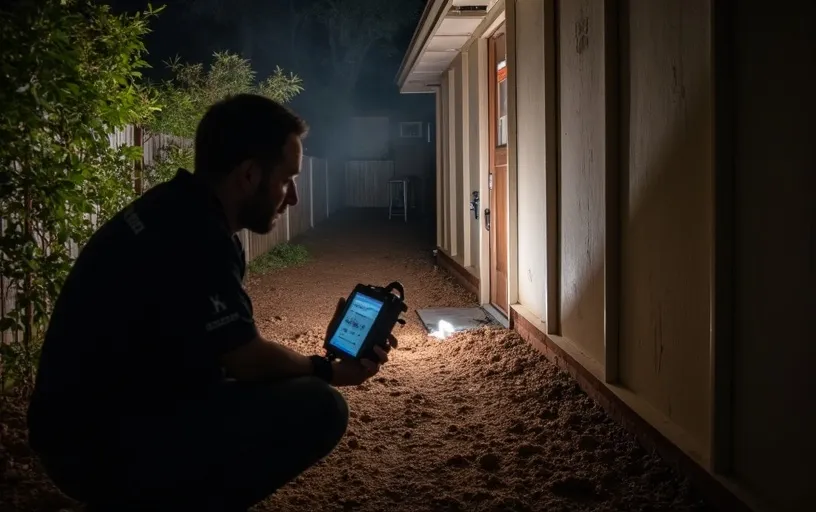
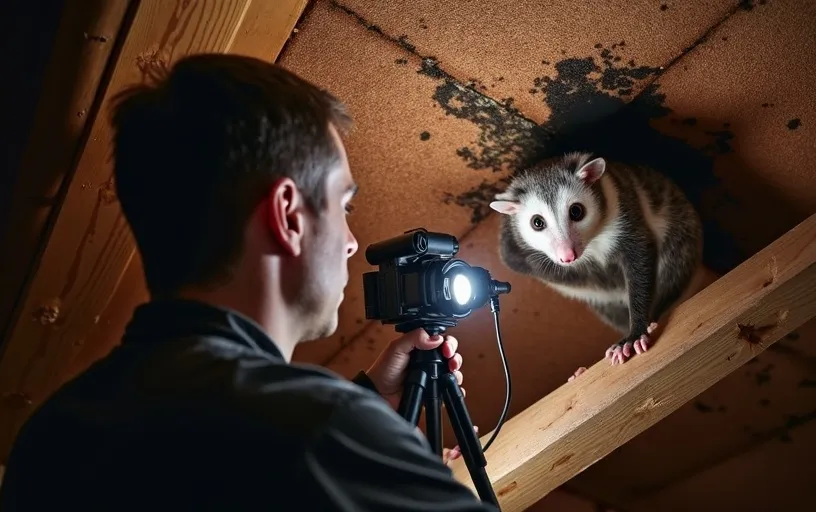
- Advanced Diagnostic Tools: Professionals do not guess where the animal is nesting. They use thermal imaging cameras to locate possums inside wall voids and ceilings, and flexible borescope probes to inspect tight spaces without damage.
- One-Way Exit Doors: Specialists use custom-designed one-way doors that allow the possum to leave the roof space to forage and prevent them from returning. This eliminates the need for trapping in most cases, reducing stress on the animal.
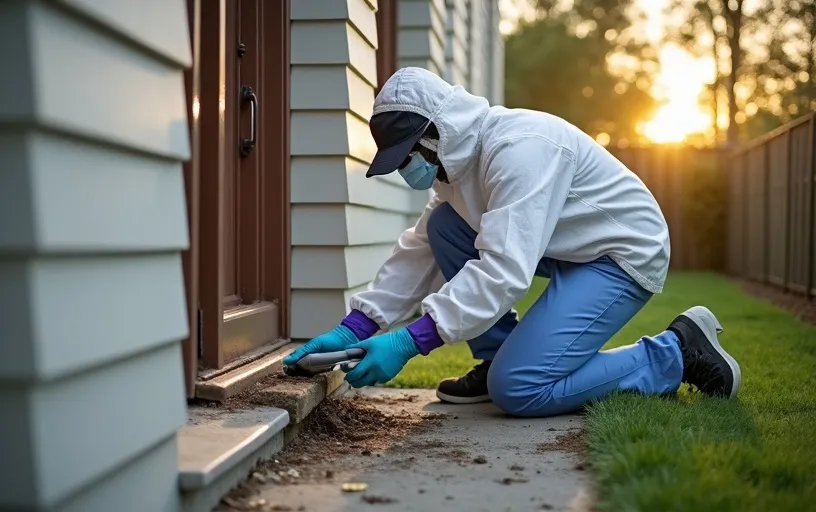
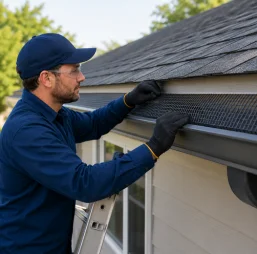
- Durable Repairs: Professionals use heavy-duty, weather-resistant materials to seal entry points, such as heavy-duty steel mesh, custom timber patching, and concrete mortar, ensuring that the repairs withstand the elements and animal clawing.
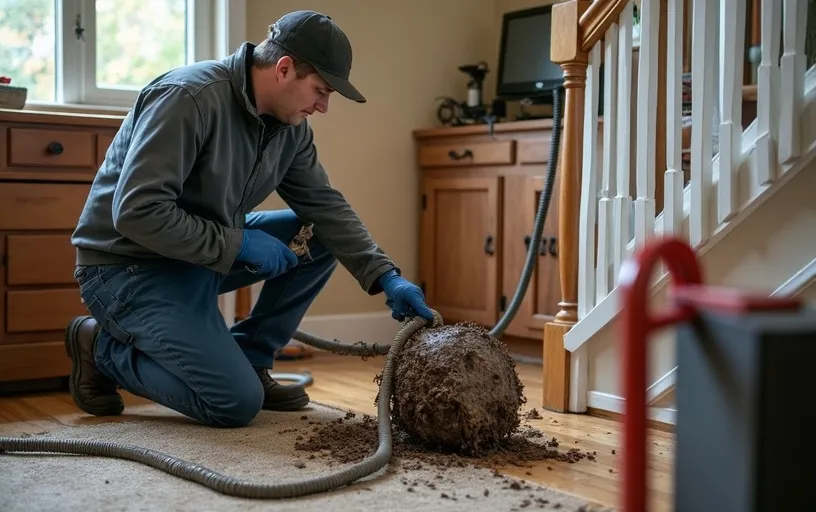
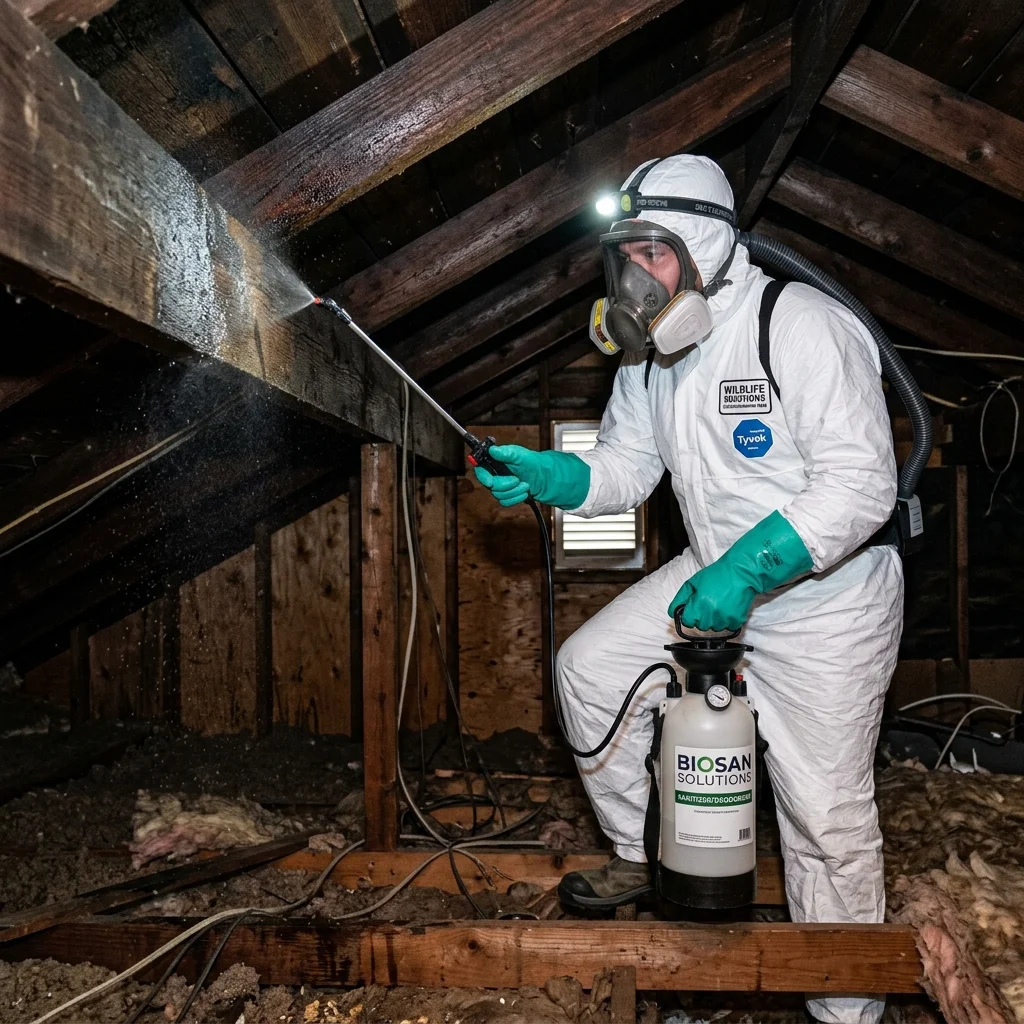
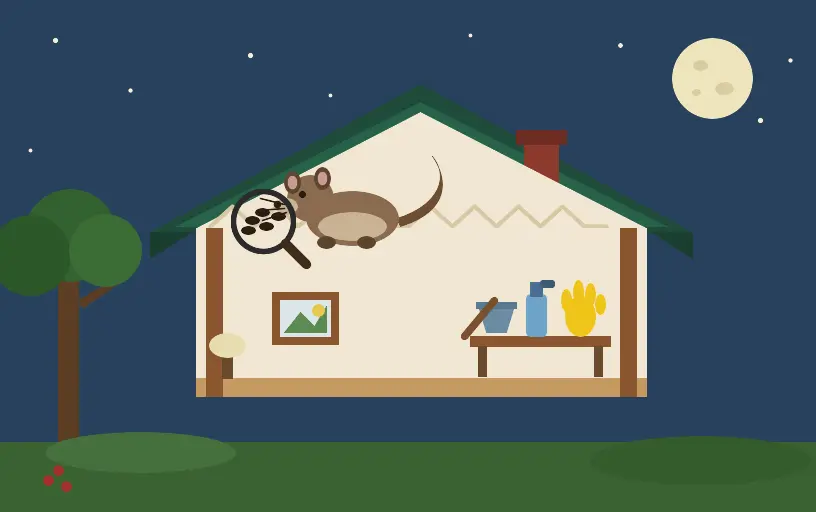
- Sanitization and Decontamination: A key part of professional service is cleaning the roof cavity. Technicians remove droppings, urine-soaked insulation, and apply neutralizers to eliminate scent markers, preventing future pest issues.
Comparing the Outcomes: DIY vs. Pro
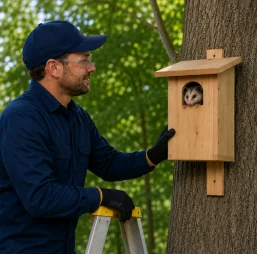
Consider the typical outcomes of both approaches. A DIY attempt often results in a cycle of temporary fixes: trapping the animal, releasing it, having it return, and trying to patch holes block-by-block. This can go on for months, leading to ongoing sleep disruption and growing property damage. In contrast, a professional service resolves the issue in a few days. The technician identifies all entry points, installs the exclusion doors, repairs the roofline, sanitizes the space, and installs an alternative nesting box in your garden. This stops the noise immediately, protects your home's structure, and respects the animal's welfare under the state you are in.
Comparison Table
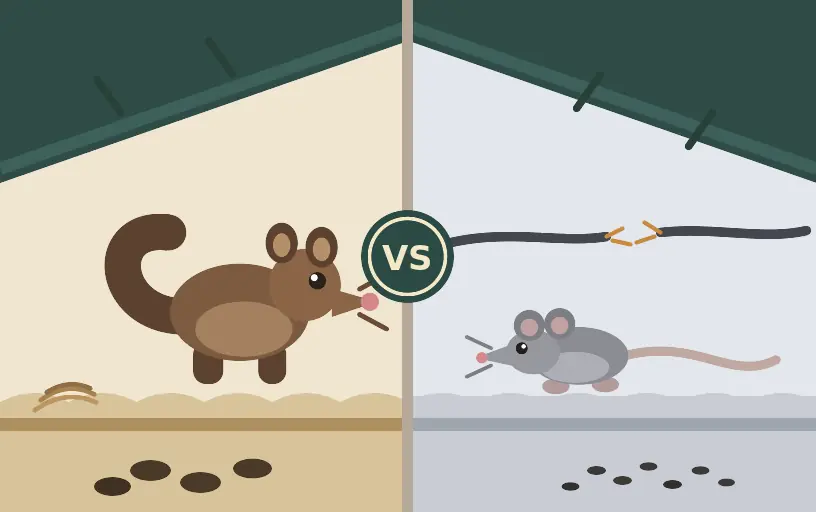
| Feature | DIY Method | Professional Service |
|---|---|---|
| Safety Risks | High (falls, bites, electrical) | None for the homeowner |
| Exclusion Workmanship | Variable (temporary patches) | High (durable steel mesh & timber) |
| Documentation Check | Easy to violate state rules | Fully methodical animal handling |
| Decontamination | Rarely done (lacks sanitizers) | Comprehensive sanitization & scent removal |