How to Remove a Possum from Your Garage or Shed
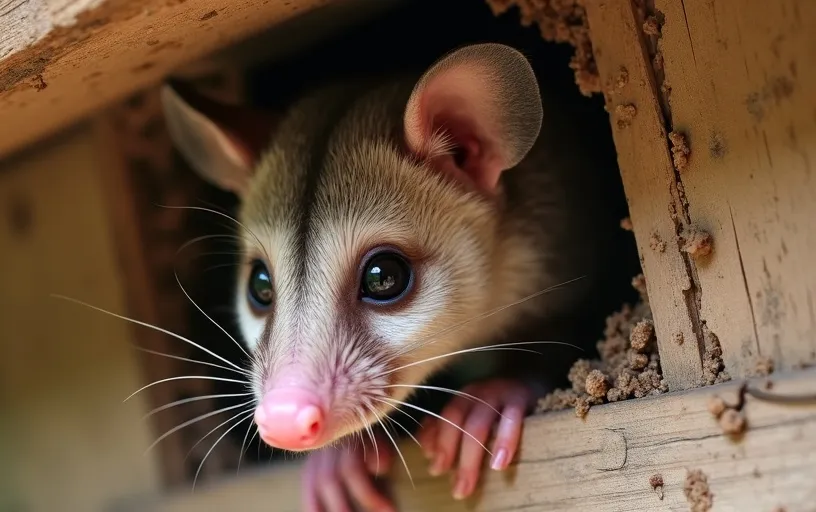
Garages and sheds are highly appealing to local animals. These outbuildings are often less busy than the main house, contain plenty of hidden corners, and are frequently filled with stored items that make excellent nesting material. If a possum finds a gap in the cladding, a broken window, or a door left open overnight, it can quickly set up a nest among your tools, boxes, and rafters.
While a possum in a shed or garage may seem less urgent than one inside your home's roof, they can still cause considerable damage. They will urinate on stored furniture, chew through boxes, tear up garden bags, and scratch vehicle paintwork. Removing a possum from these spaces requires a combination of cleaning, exclusion, and deterrents. Here is a guide to clearing your storage spaces and keeping them pest-clear.
Step 1: Identify What is Attracting the Possum
Possums do not choose nesting sites at random; they seek spaces that offer warmth, safety, and easy access to food. To make your garage or shed less appealing, you must remove these primary attractants. This is a crucial step because a clean garage is the best defense against animals. Spend a weekend sorting through clutter and moving organic food sources out of reach.
Stored Pet Food: Many homeowners store bags of dog food, cat food, or chicken feed in their sheds. The strong scent of grain and meat is a major attractant. Store all animal feed in heavy-duty plastic or metal bins with secure, clip-on lids. Never leave pet bowls filled with food in the garage overnight.
Nesting Materials: Open boxes of old clothes, paper documents, and cushions are ideal nesting supplies for possums. Store these items in sealed plastic tubs rather than cardboard boxes, and keep them elevated off the floor. Piles of newspapers, old rags, and garden cushions should be sorted and stored securely.
Rubbish and Compost: If your bins are kept in or near the garage, ensure the lids fit tightly. Keep compost bins sealed, and avoid leaving food waste in open bags. The odor of decaying organic food is a powerful attractant for nocturnal marsupials.
Step 2: Locate the Possum's Nesting Spot
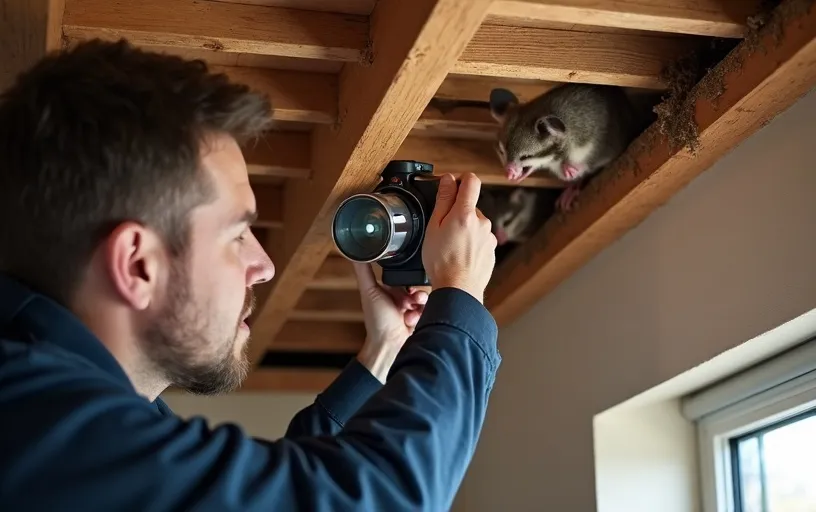
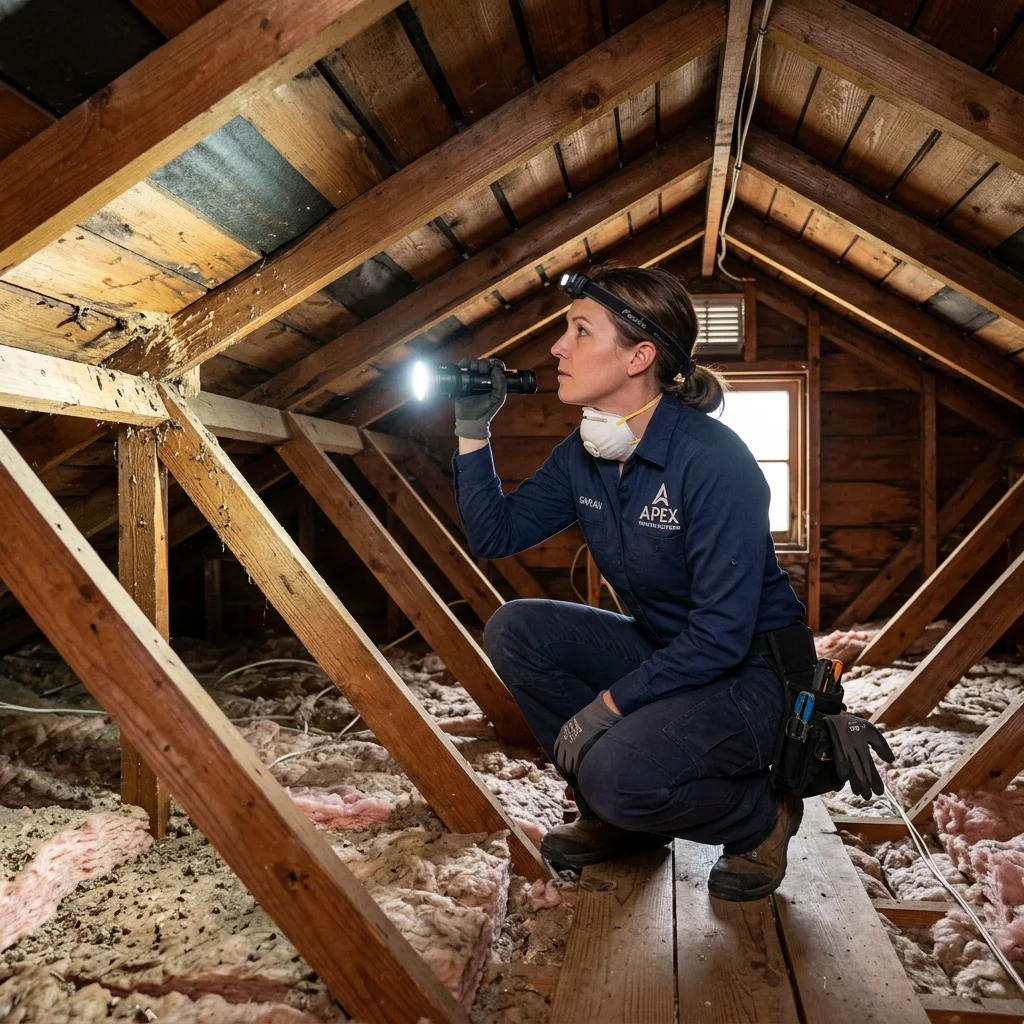
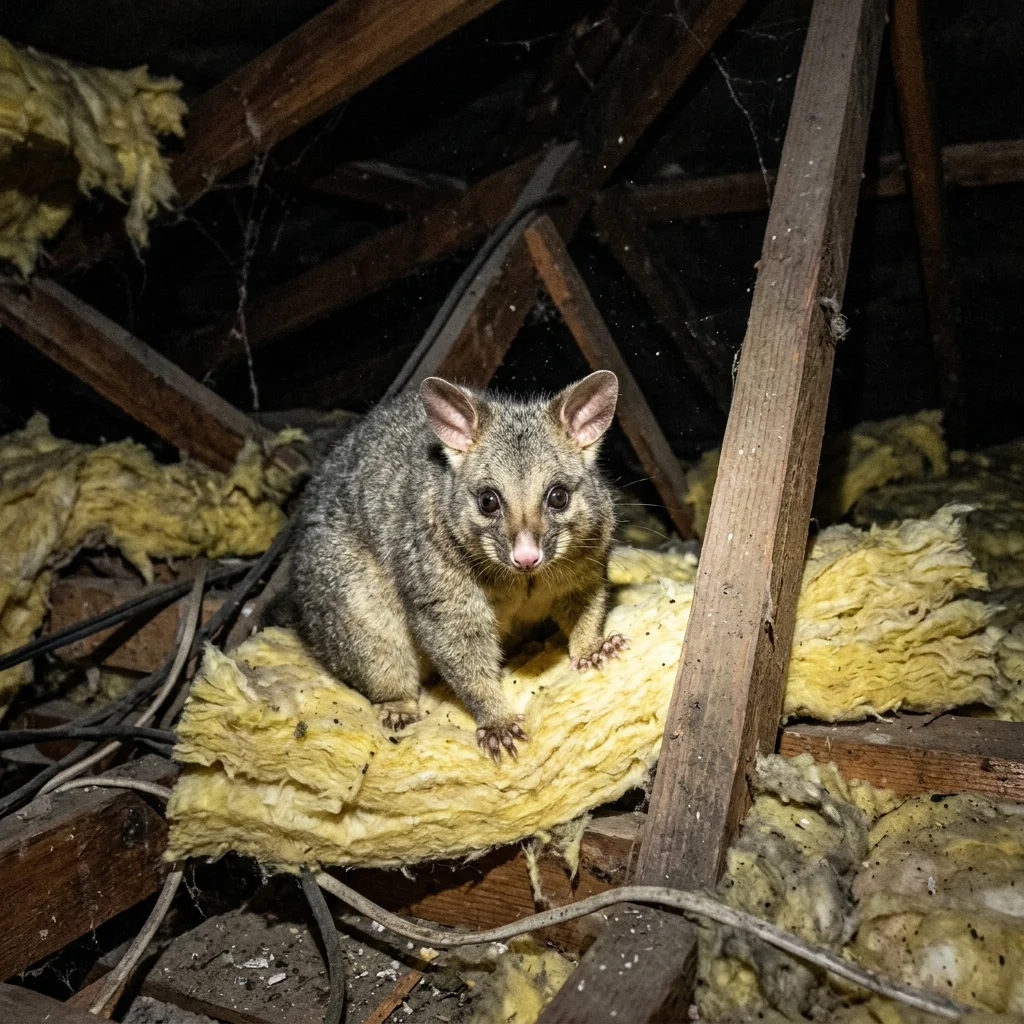
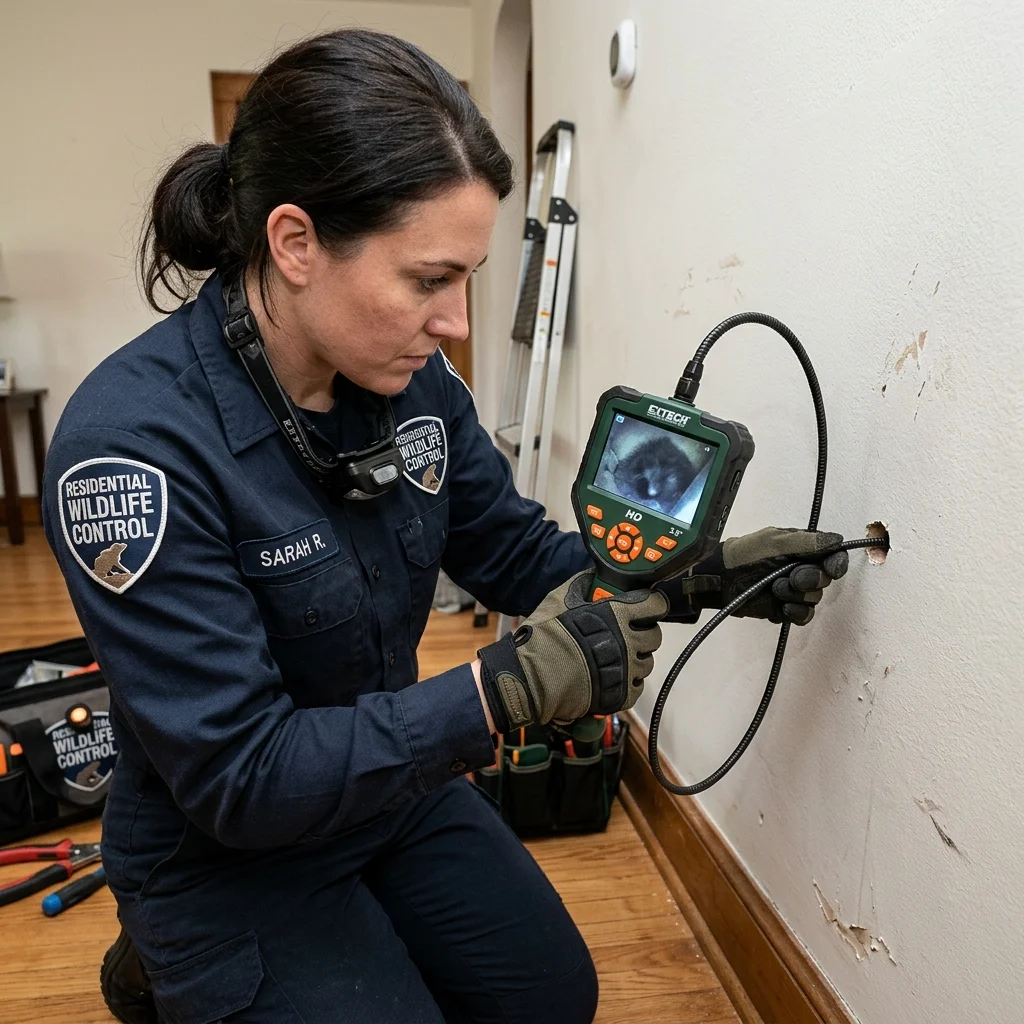
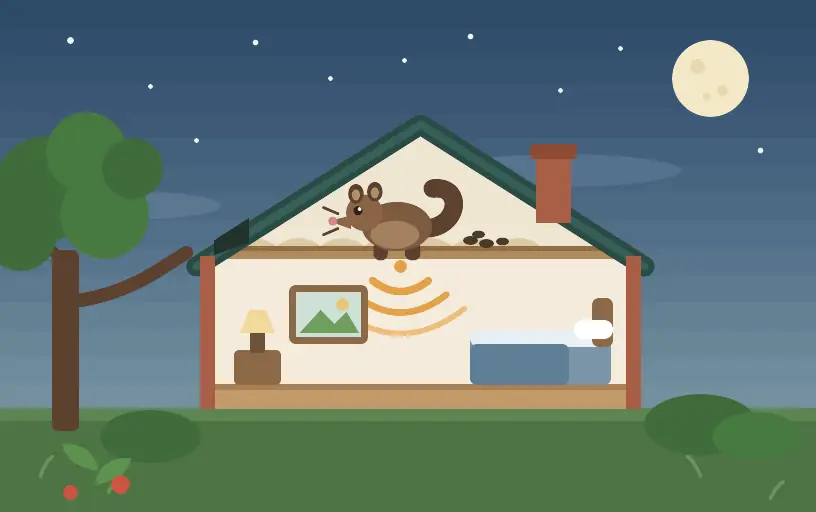
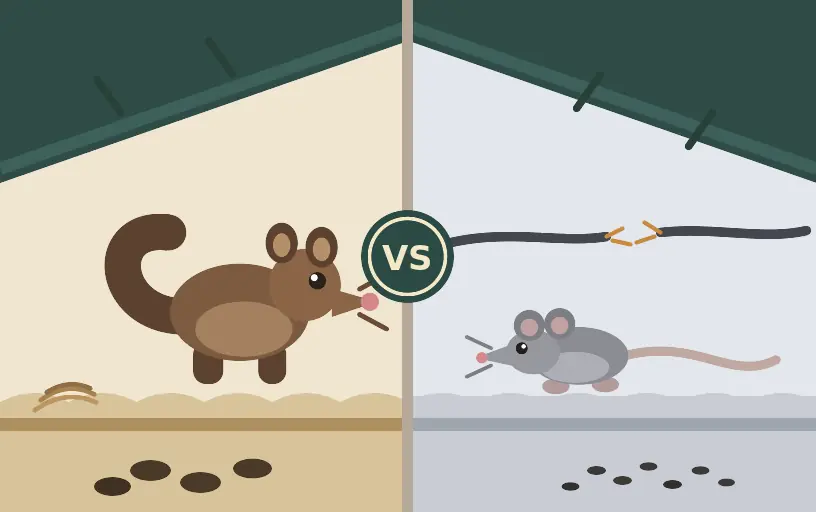
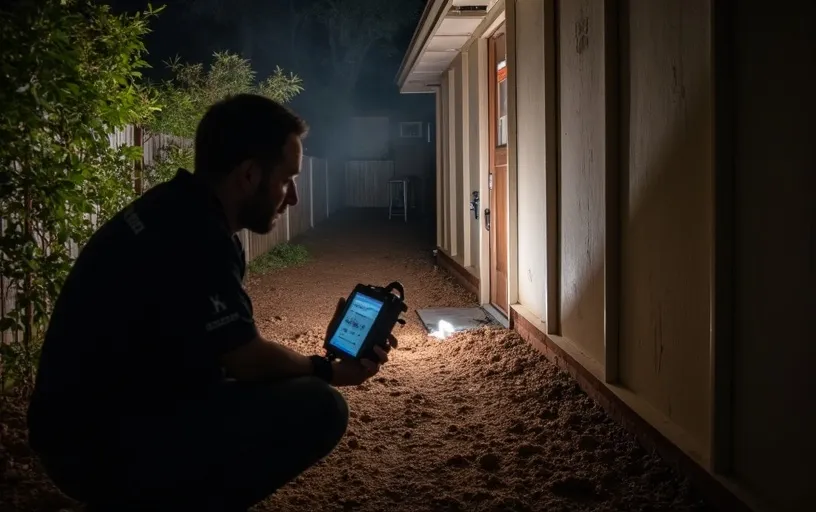
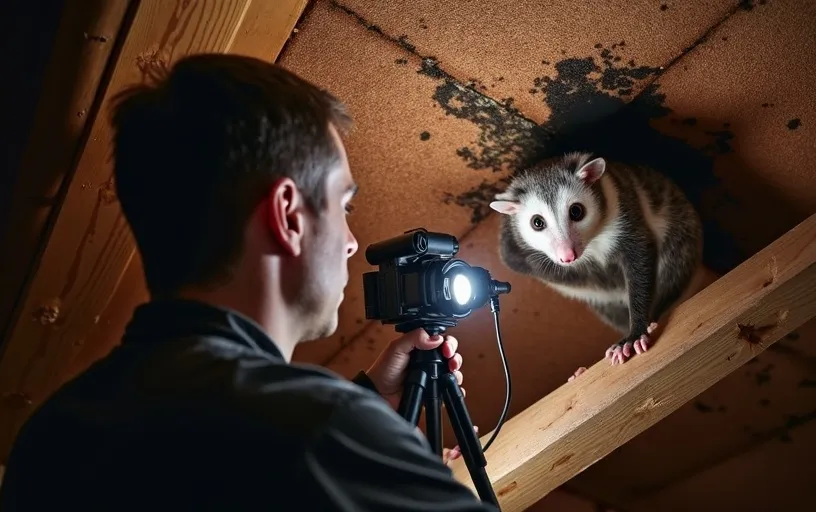
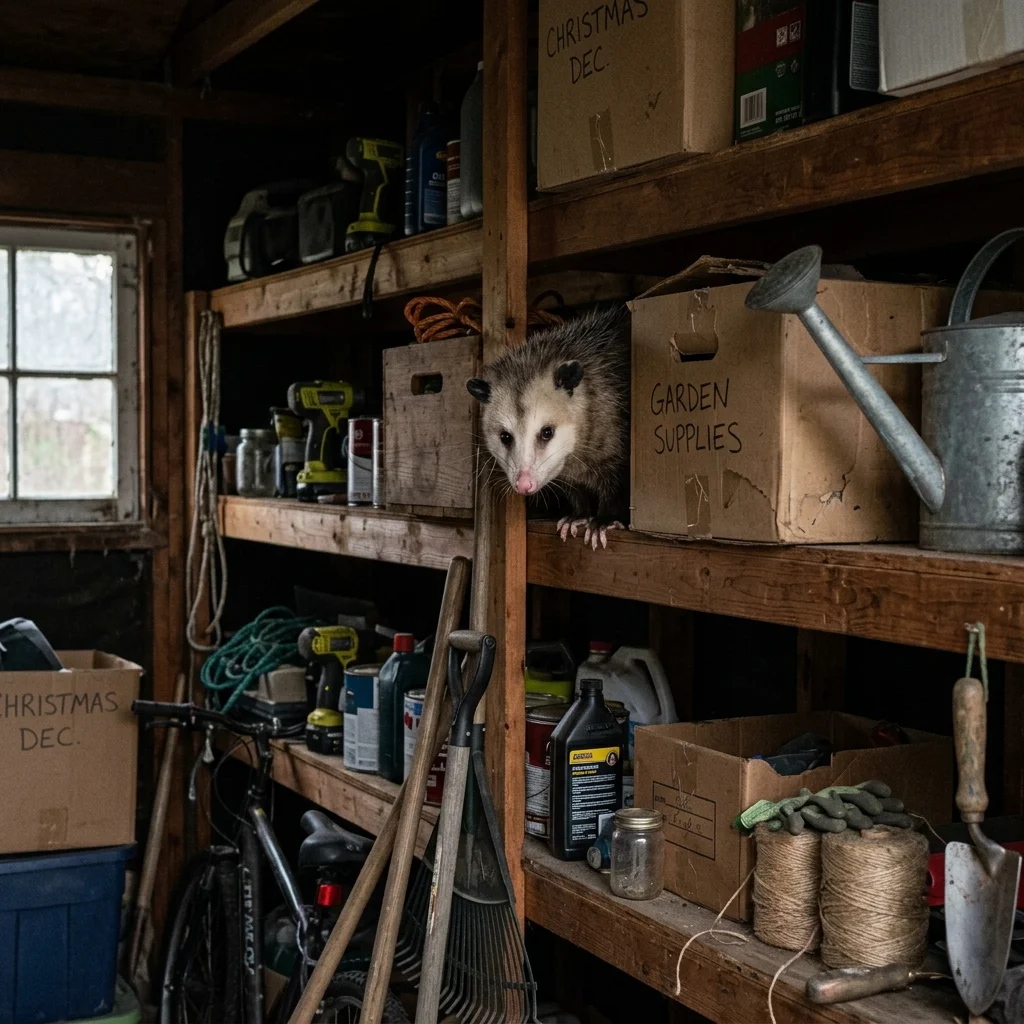
To remove the possum, you need to find where it is sleeping during the day. Inspect the high spaces of your garage or shed. Possums prefer elevated spots away from ground-level disturbances. Check the tops of tall cupboards, storage shelves, and the joists of exposed rafters. Look for telltale signs such as shredded cardboard, piles of leaves, and groups of dark, cylinder-shaped droppings.
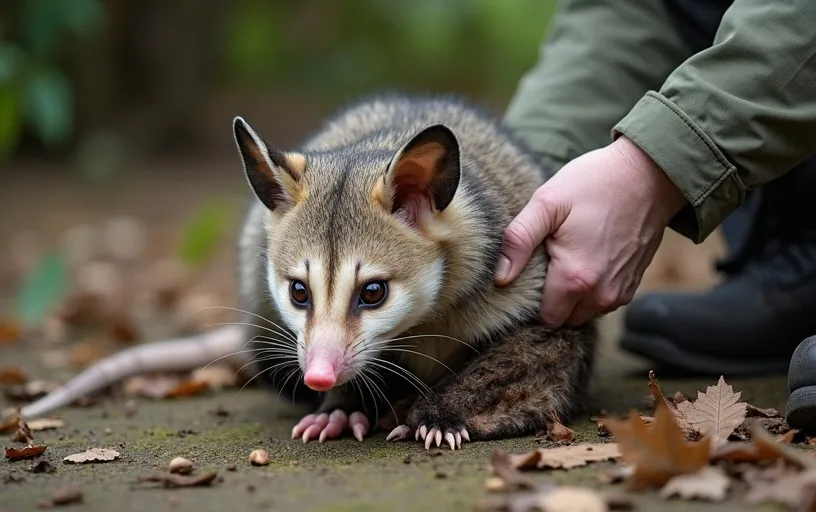
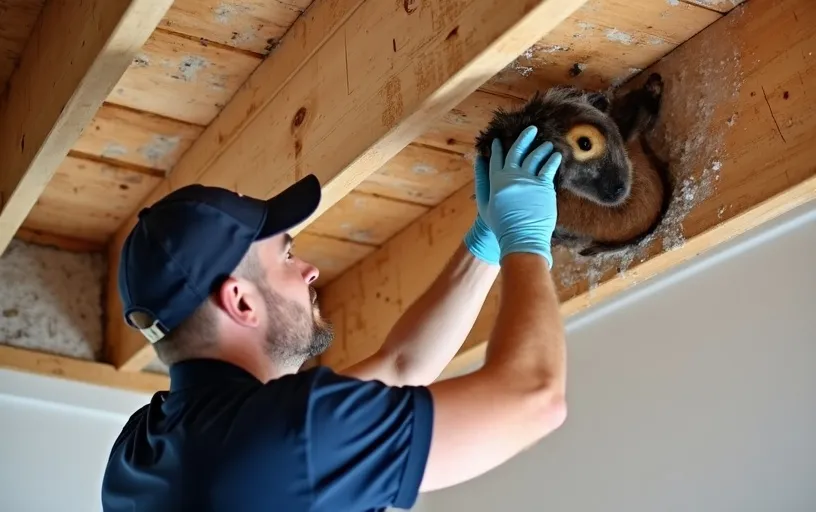
Once you find the nesting area, you can plan your exclusion strategy. Make sure there are no baby possums in the nest, as separating a mother from her offspring can lead to distressed behavior and is not methodical with wildlife protection rules. If a mother and baby are present, you must wait until the baby is old enough to forage before executing exclusion works.
Step 3: Create a Hostile Environment
Unlike a sealed roof space, you may not always be able to install a one-way door on a garage, especially if the structure has open walls or roller doors that are frequently used. In these cases, using harmless deterrents is the best way to encourage the possum to leave on its own.
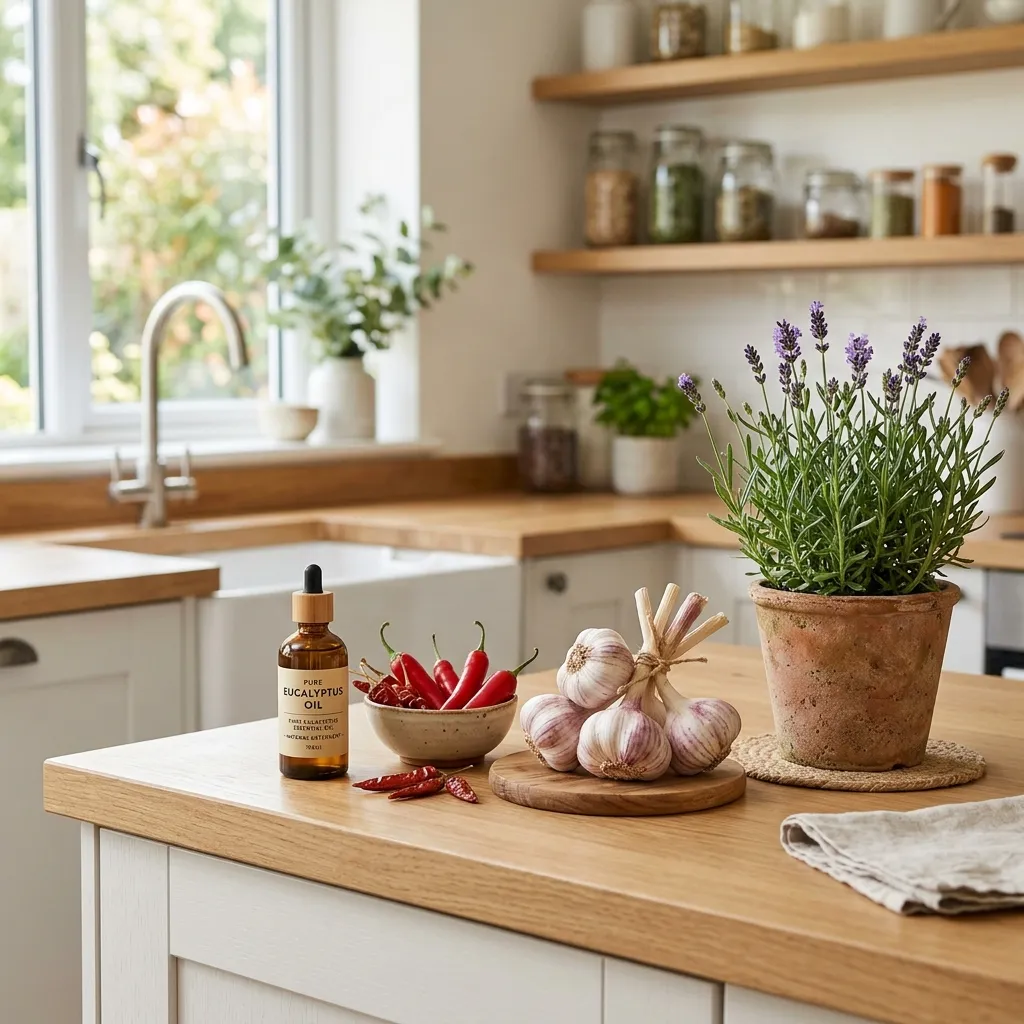
Set up a bright light, such as a portable floodlight, directed at the nesting area and leave it on during the day. Possums are nocturnal and need darkness to sleep. The bright light will disrupt their rest, forcing them to find a quieter, darker shelter elsewhere. You can also place a radio nearby playing talks or spray the area with natural scent deterrents like quassia chip solution or garlic spray, which possums find highly unpleasant. Consistent disturbance over three to four days will usually convince the possum to find a new home.
Step 4: Seal all Entry Points
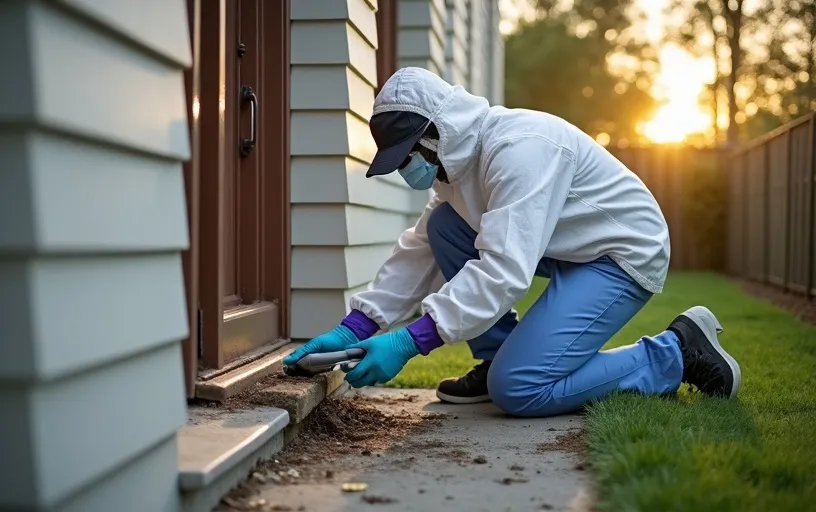
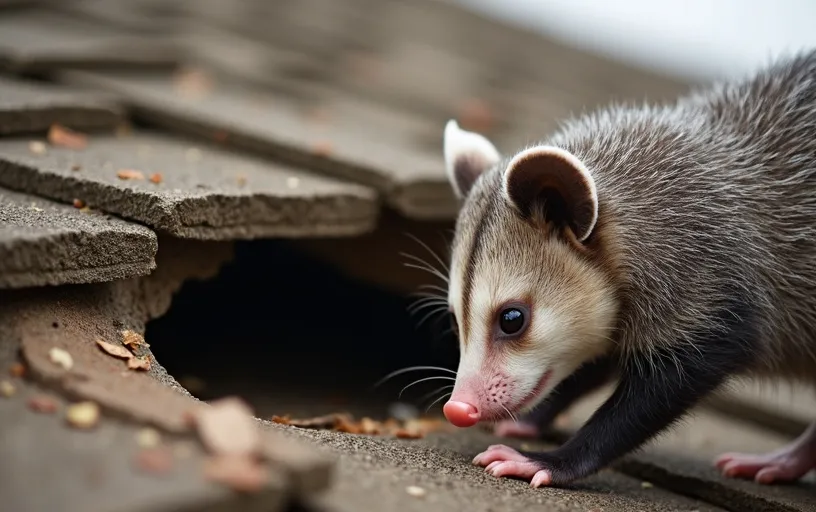
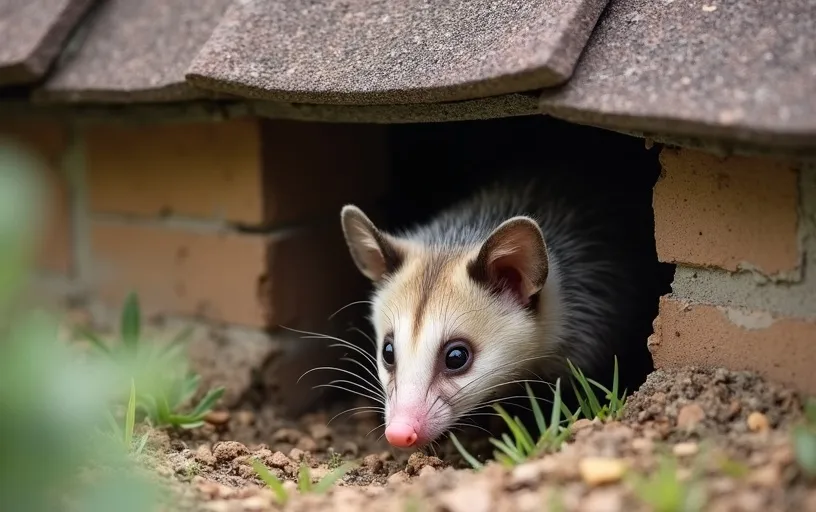
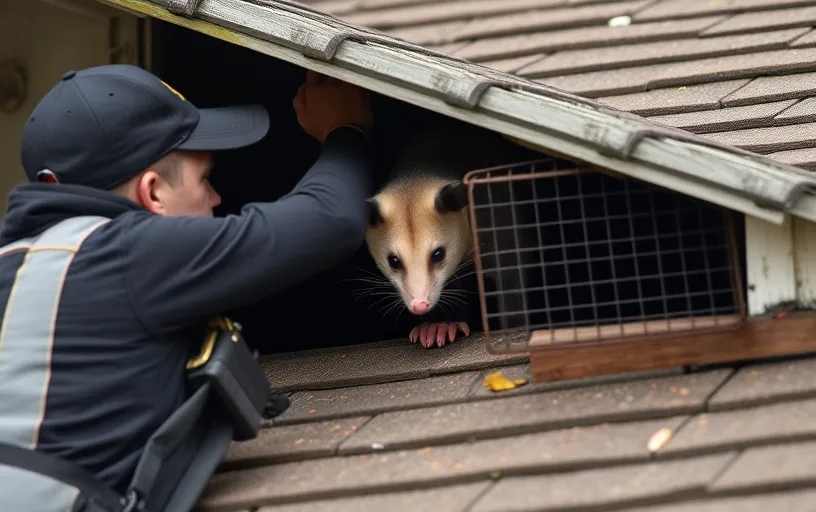
Once the possum has moved out of the nesting spot, you must seal the building to prevent its return. Inspect the shed or garage perimeter during the day for gaps. Common entry points in sheds and garages include:
- Gaps under Roller Doors: Install heavy-duty rubber weather stripping or draft excluders along the bottom of roller doors to close the gap between the door and the concrete floor.
- Damaged Wall Cladding: Replace any rotted timber weatherboards or patch gaps in metal sheeting.
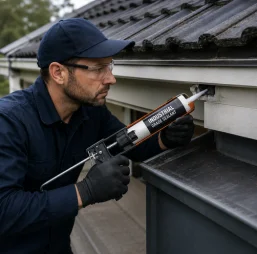
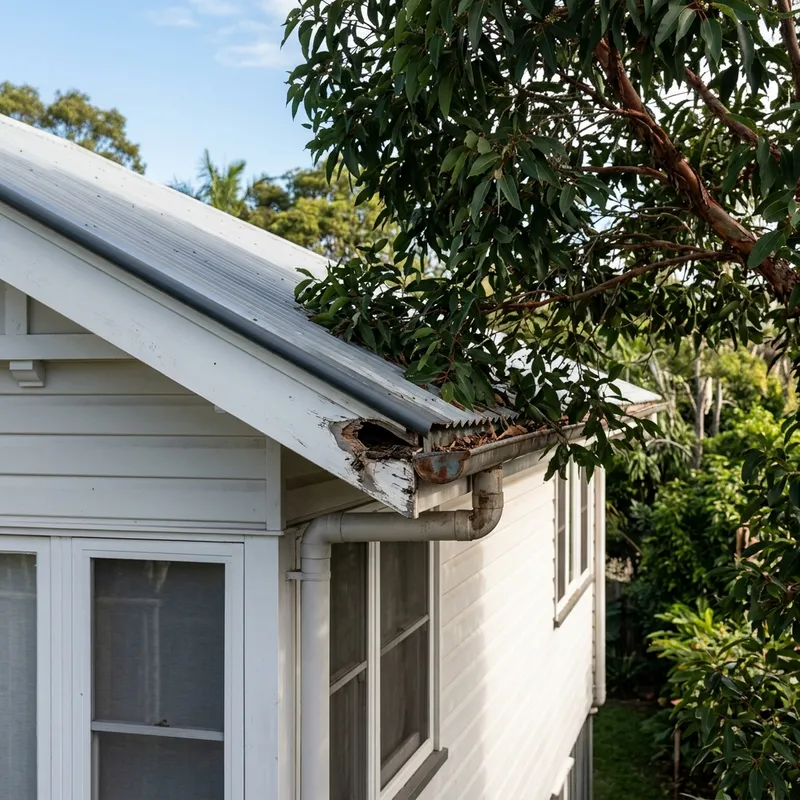
- Eave Openings: Seal the gaps between the wall plate and the roof sheeting with timber blocks or wire mesh.
Metal Garages vs. Wooden Sheds
The type of structure you have affects how easily possums can enter. Wooden sheds are prone to rotting and weathering, which creates soft spots that possums can claw through. Metal garages are tougher, but they often have large gaps under the corrugations of the metal roof panels or around roller door tracks. Inspecting these metal gaps and sealing them with customized foam strips or steel mesh profiles is necessary to keep animal out.
Common Mistakes When Storing Valuables in Garages
Homeowners often store expensive camping gear, car accessories, or soft furniture in their garages without realizing how easily pests can ruin them. Possums will use soft fabrics for bedding and scratch metal or plastic surfaces. To protect your valuables, wrap them in heavy-duty plastic sheets or store them in metal cabinets. Avoid leaving cushions, sleeping bags, or tents in loose canvas bags on open shelves, as these are highly vulnerable to clawing.
Managing Garden Fruit Trees and Outbuildings
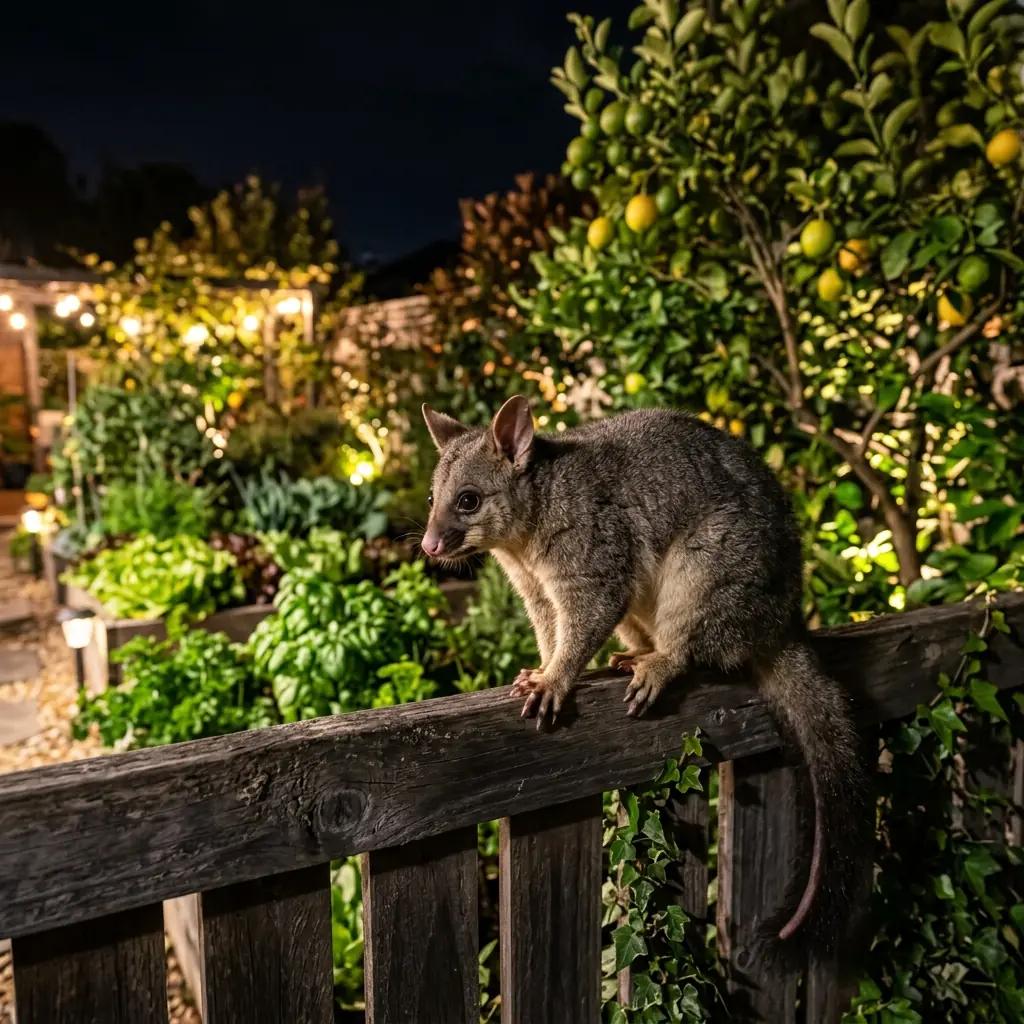
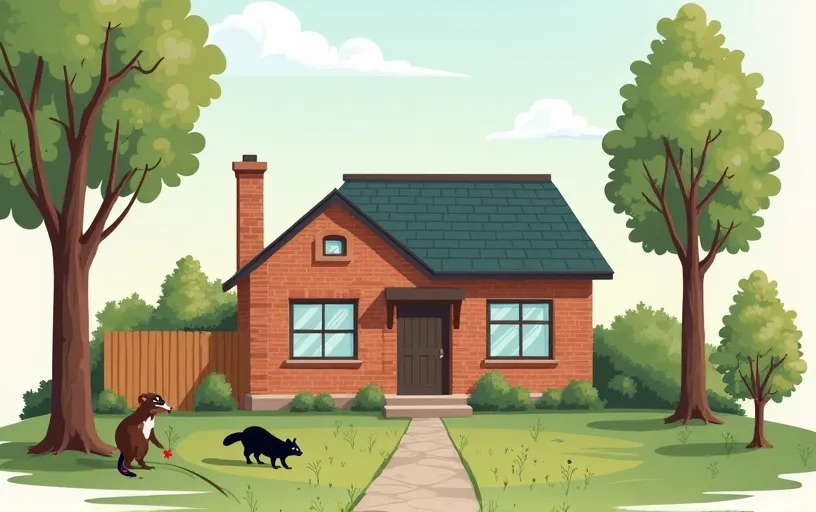
If you have fruit trees growing close to your garage or shed, you are providing possums with an easy path to the roof. Fruit trees are also a primary food source. Prune your lemon, peach, or fig trees so that their branches are at least two meters away from any shed walls or roofs. You can also wrap a smooth plastic or metal band around the trunk of the trees to prevent possums from climbing them and accessing your buildings. Keeping grass trimmed and fallen fruit cleared from the ground also reduces attraction.
Step 5: Install an Alternative Nesting Box
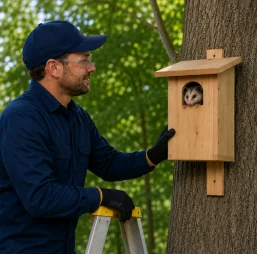
If you exclude a possum from your garage, it will look for a nearby alternative. To prevent it from targeting your home's roof or your neighbor's property, install a possum nesting box in a mature tree in your garden. This provides the animal with a safe, natural home while keeping it out of your storage spaces. Make sure the tree box is placed high enough to be safe from domestic cats and dogs.
Garage Maintenance Checklist
- Store pet food and seeds in metal bins with secure lids.
- Keep the garage roller door closed at night to block entry.
- Elevate stored items off the floor and use sealed plastic containers.
- Prune trees that grow close to the shed roof or windows.