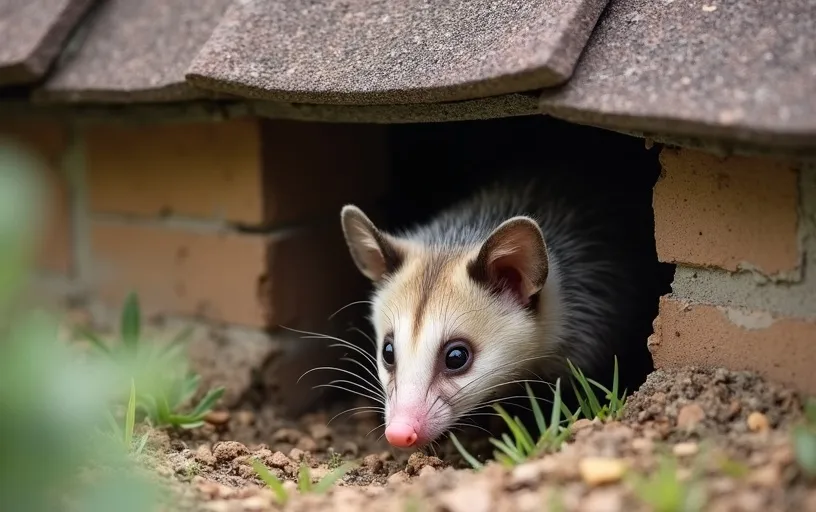
How to Seal Roof Entry Points to Keep Possums Out
If possums keep finding their way into your roof cavity no matter what deterrents you try, the real long-term solution usually comes down to one thing: properly sealing the entry points they're using to get in. Scent deterrents, lights, and noise can discourage possums temporarily, but as long as there's a way in, a determined possum, or a new one entirely, will likely find it again.
Sealing a roof isn't always as simple as caulking a gap, though. Done incorrectly, it can trap a possum inside, leading to distress, damage, and a host of new problems. At Fresh Possum Removal Brisbane, we walk homeowners through this process regularly, and in this guide, we'll explain how to identify entry points and seal them correctly and humanely.
Documenting the Job for Peace of Mind
When you have a professional carry out roof sealing, it's reasonable to ask for a summary of the entry points identified and the materials used to seal each one. This gives you a clear record for future reference, useful if you ever notice renewed activity and want to check whether it relates to a previously sealed area or a new access point altogether.
Step 1: Confirm No Possum Is Currently Inside
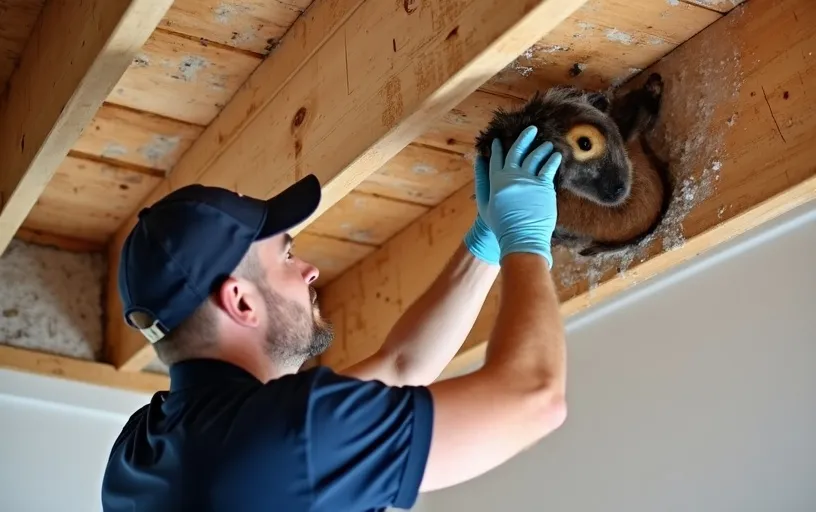
Before sealing anything, it's essential to confirm the roof cavity is actually empty. Sealing an active entry point with a possum still inside can trap the animal, leading to significant distress, potential injury as it tries to escape, and an unpleasant smell if it can't get out and later dies inside the roof.
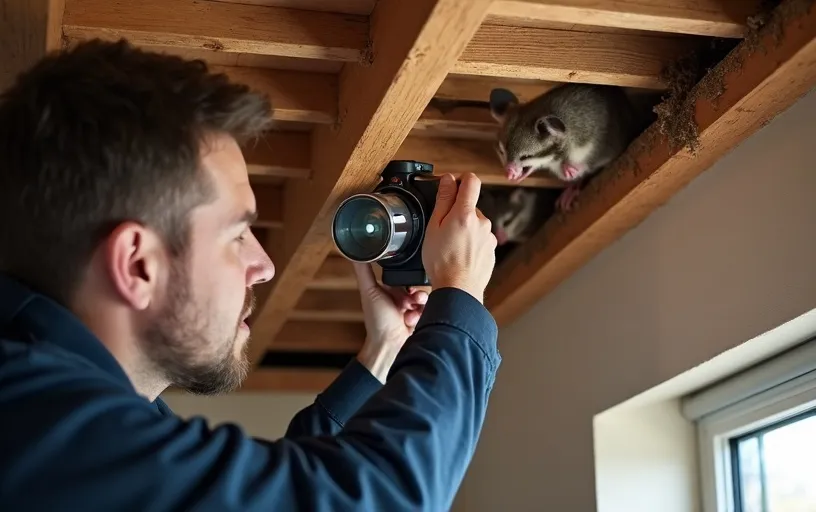
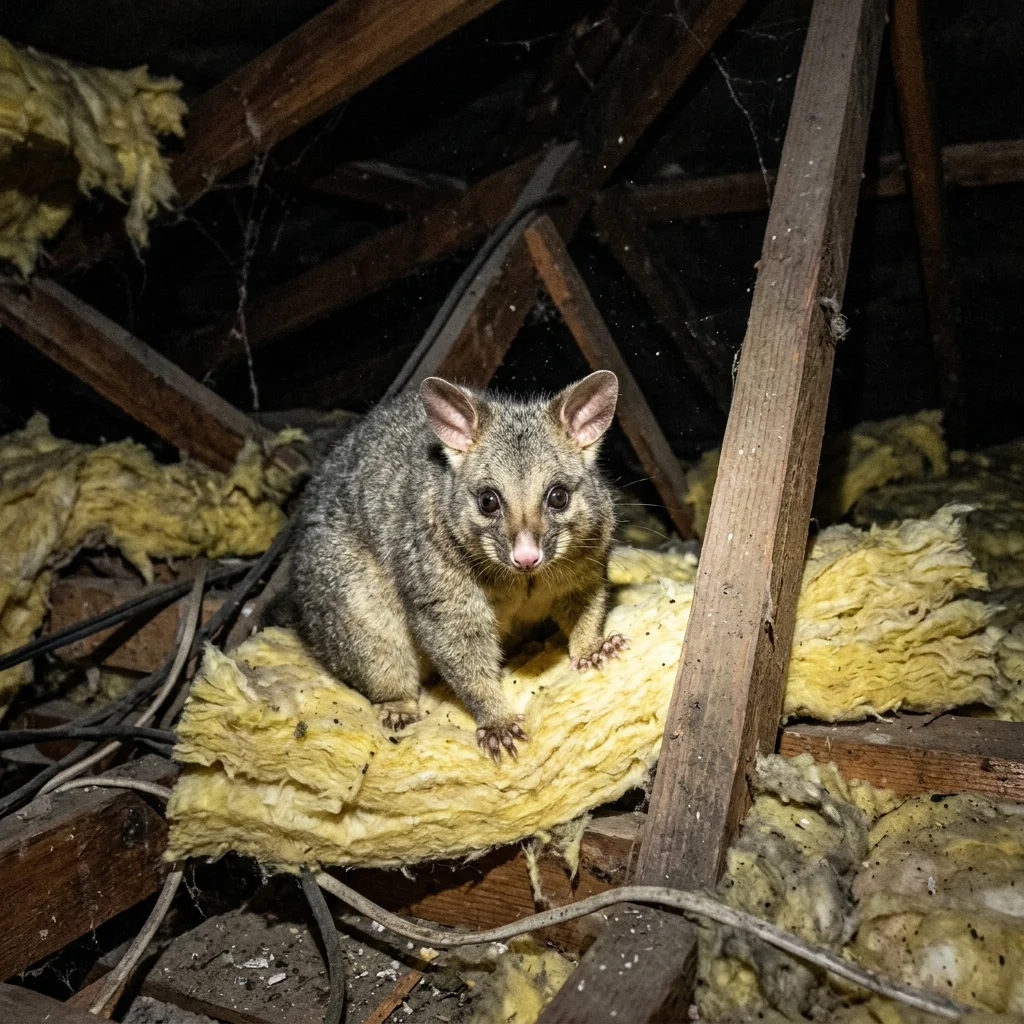
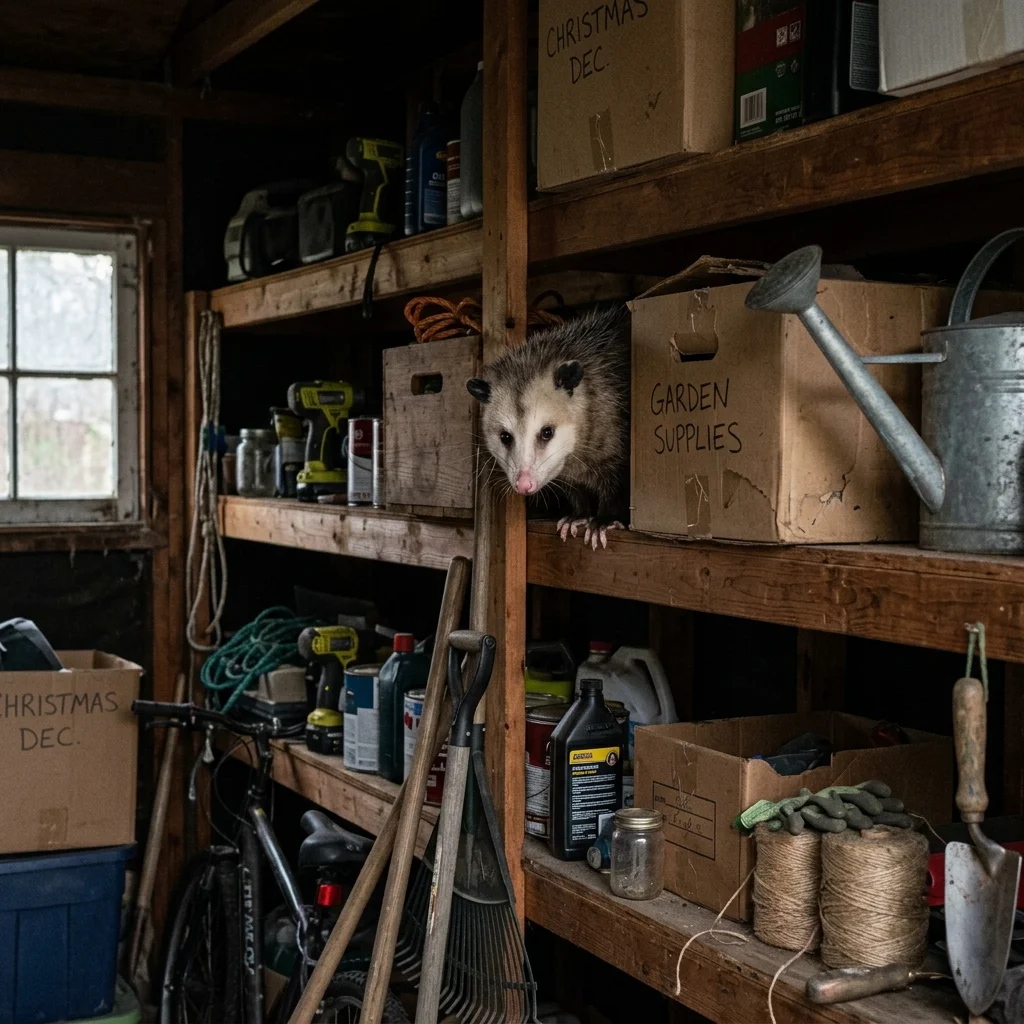
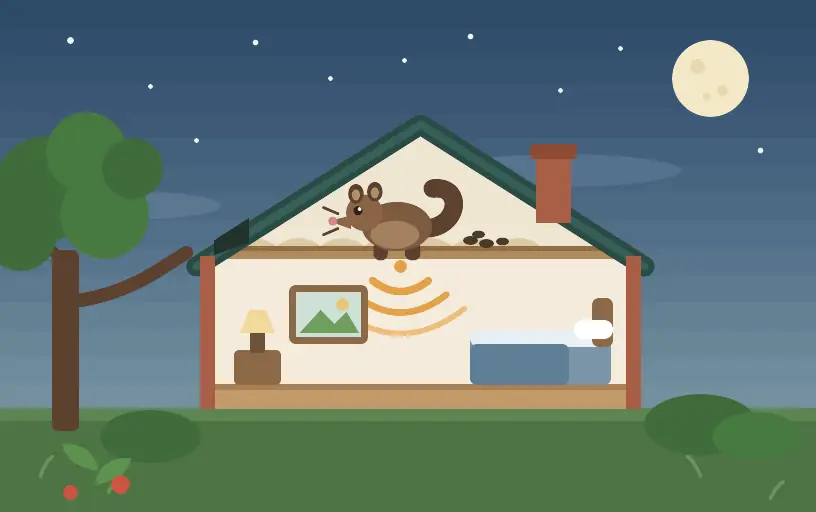
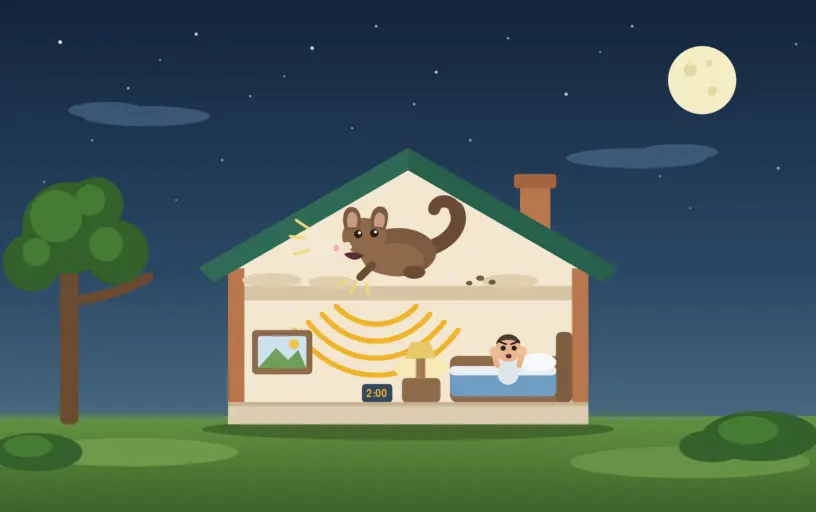
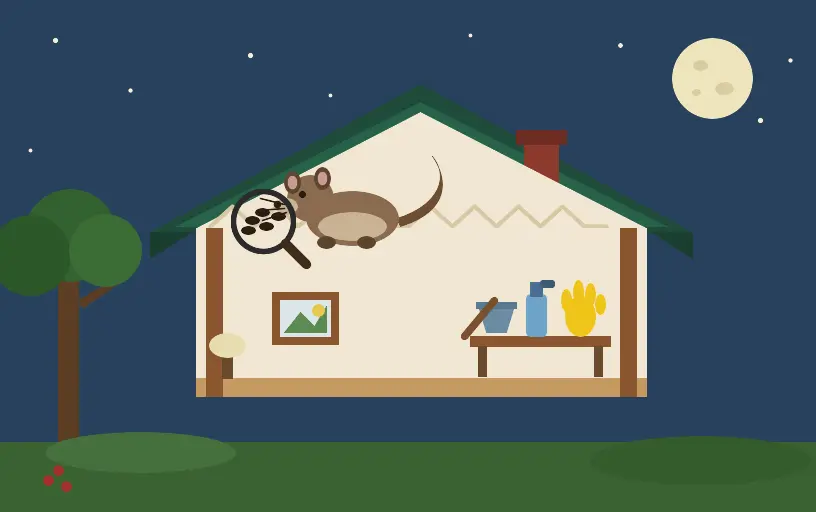
Signs that a possum may currently be present include scratching or thumping noises at night, a strong musky odour, and visible droppings around potential entry points. If you're unsure, it's best to have a professional confirm the roof cavity is clear before proceeding, particularly during breeding season when a mother possum may be compassionate for young inside.
Step 2: Identify All Possible Entry Points
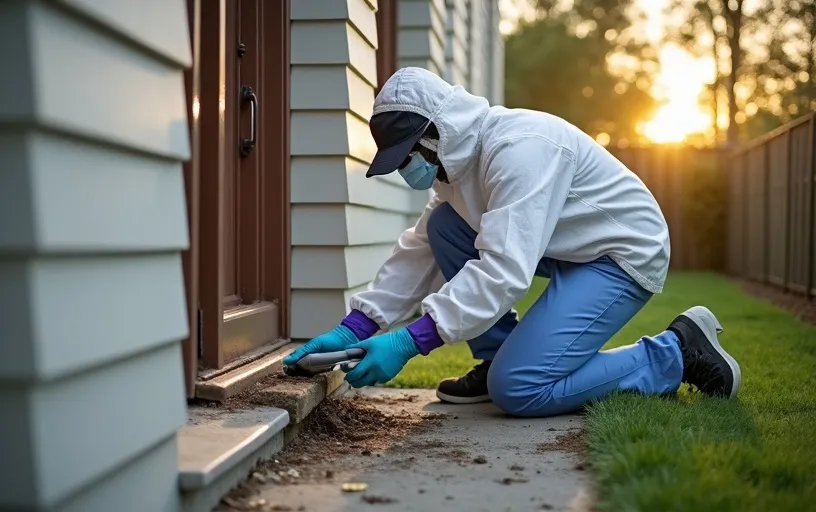
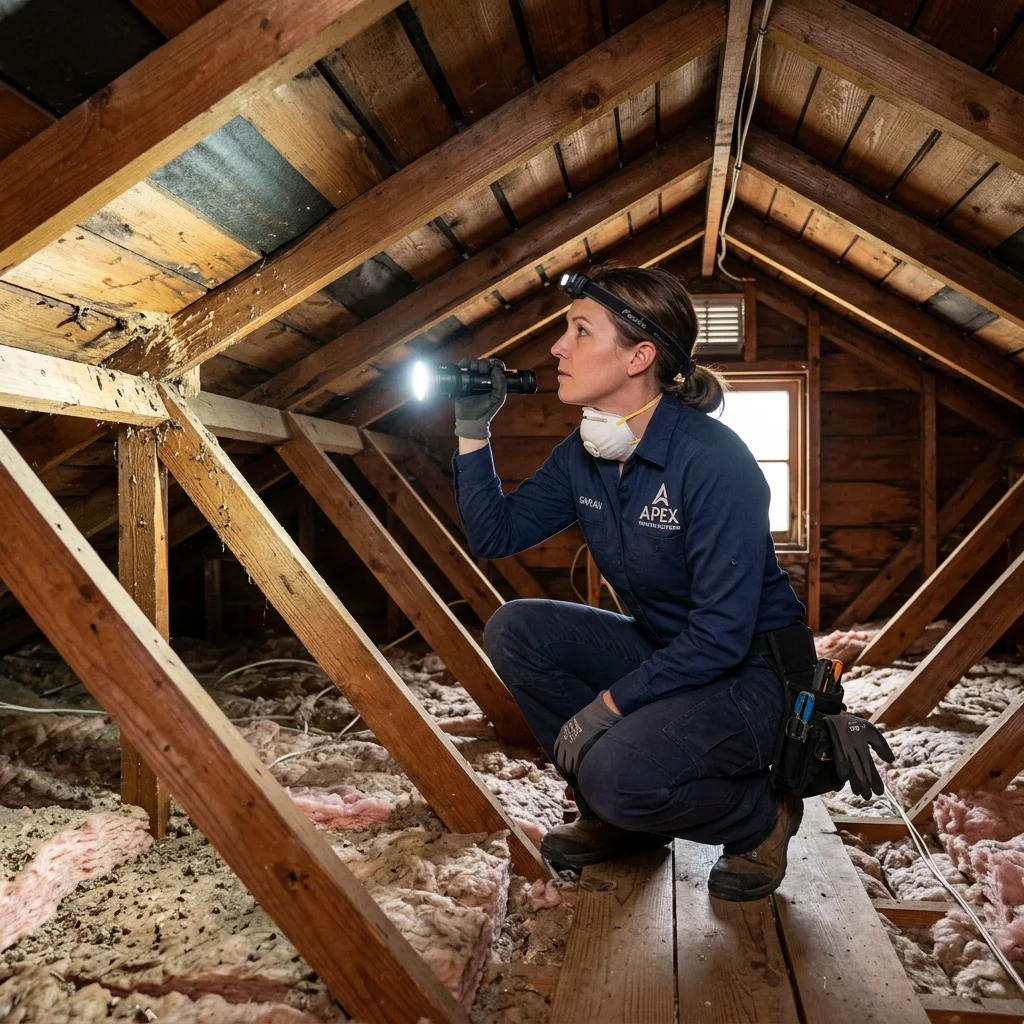
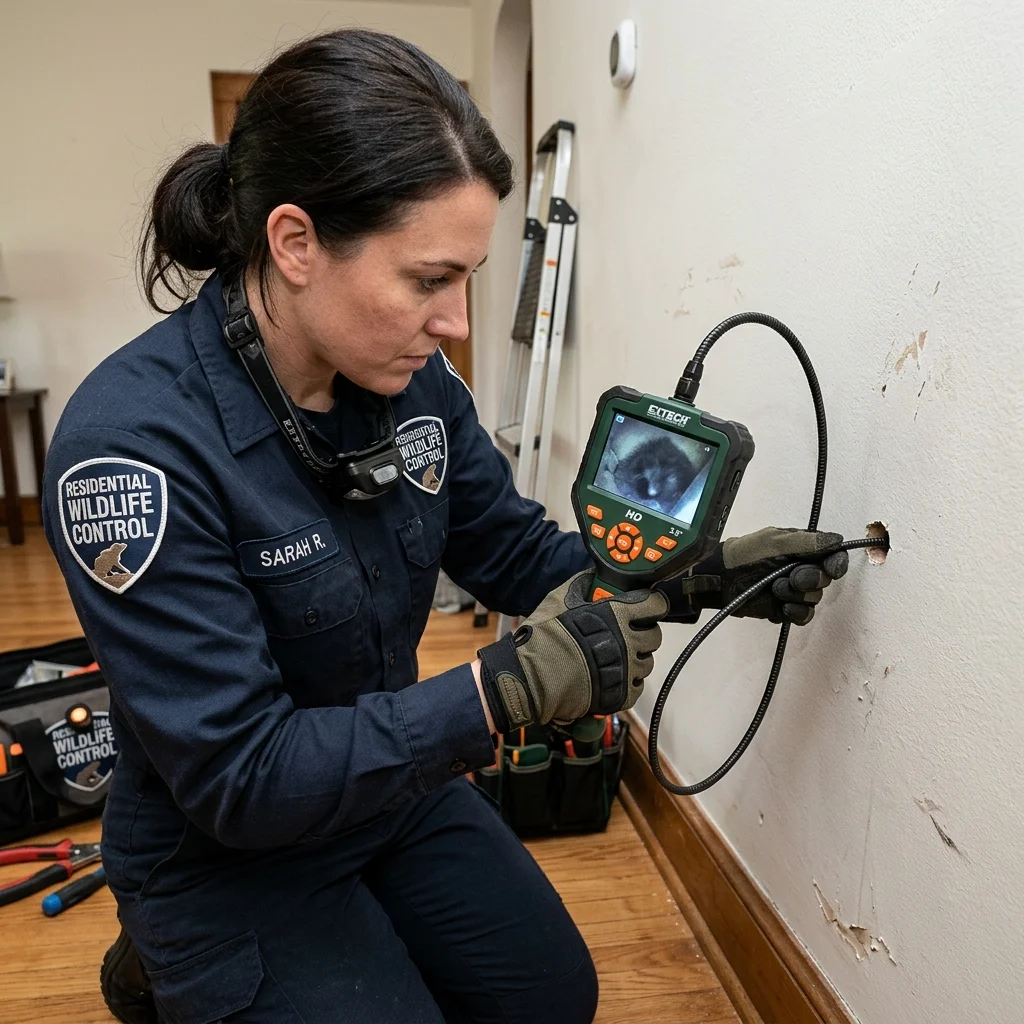
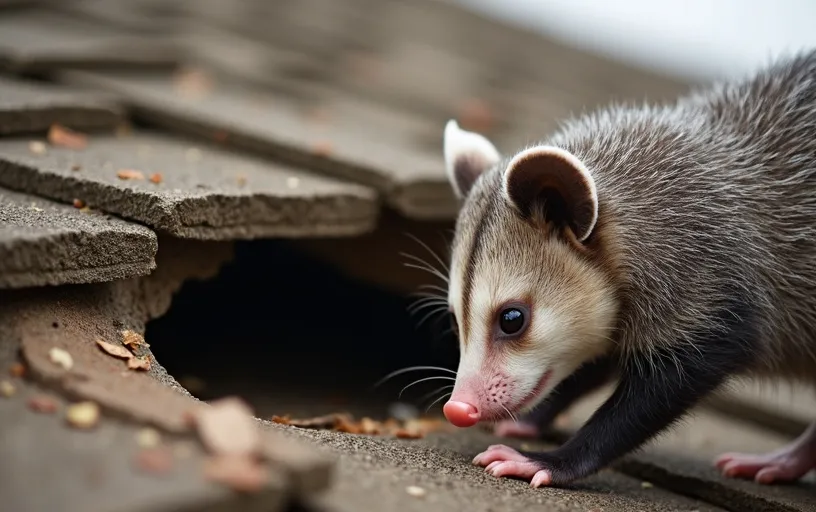
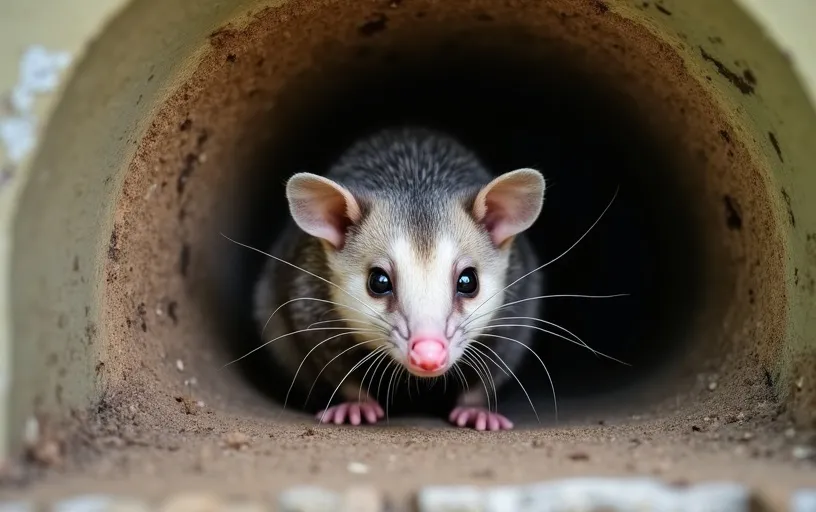
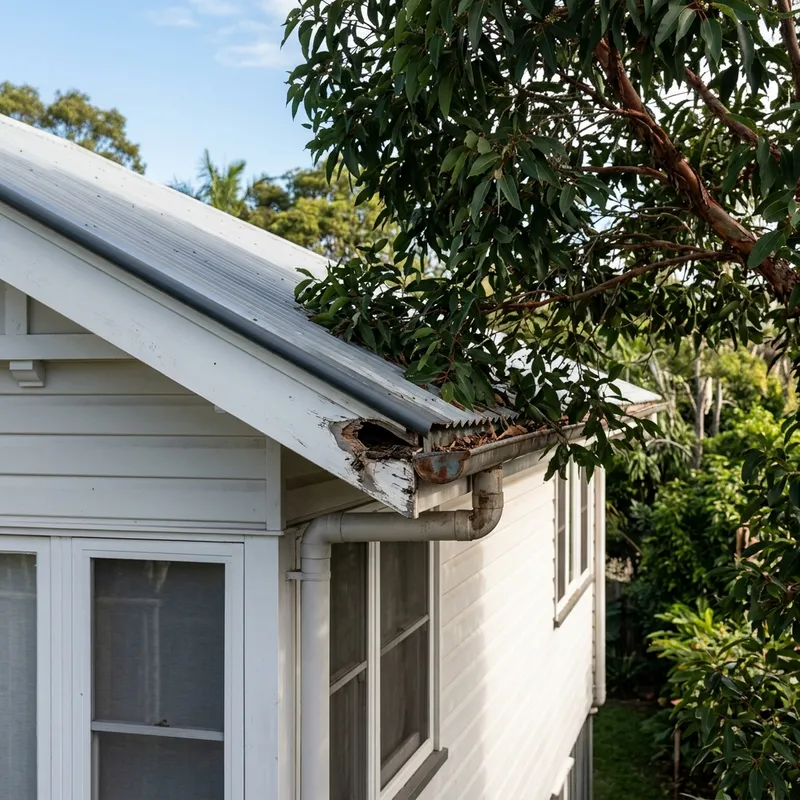
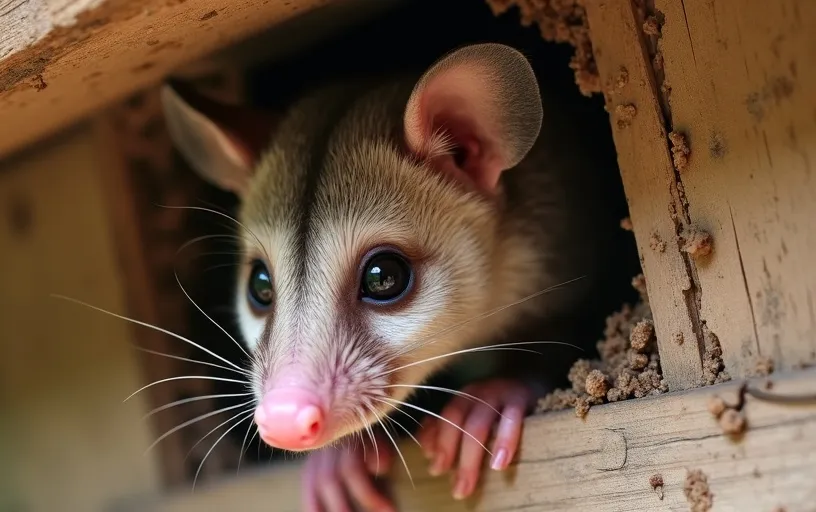
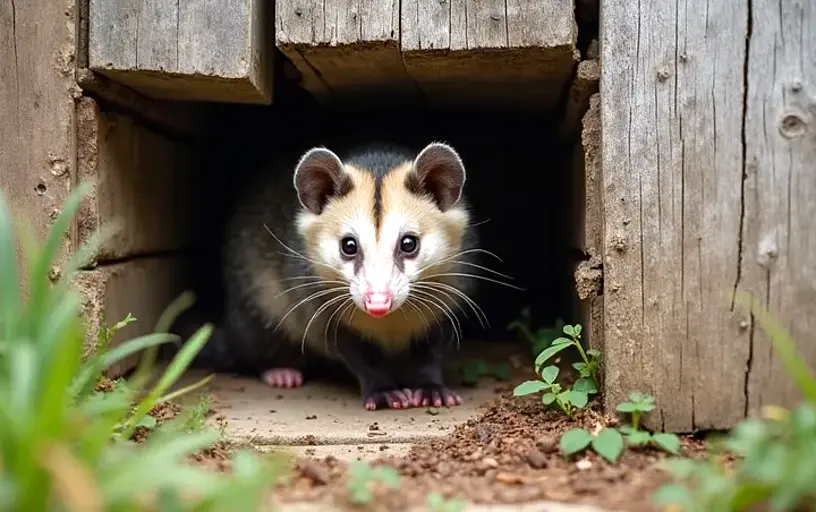
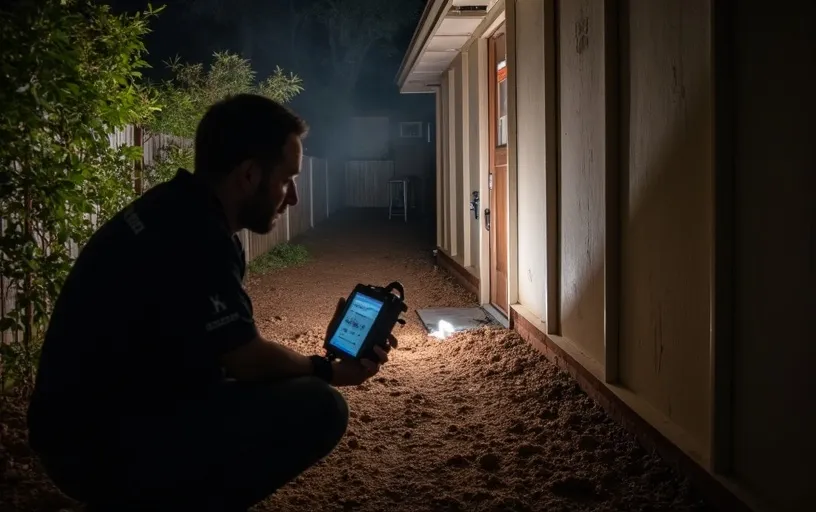
Possums are surprisingly flexible and can squeeze through gaps as small as a few centimetres wide. A thorough inspection of the roofline is essential, checking for gaps around eaves, damaged or missing roof tiles, broken or torn flashing, gaps around vents and pipes, and any deteriorated sections of fascia or barge boards.
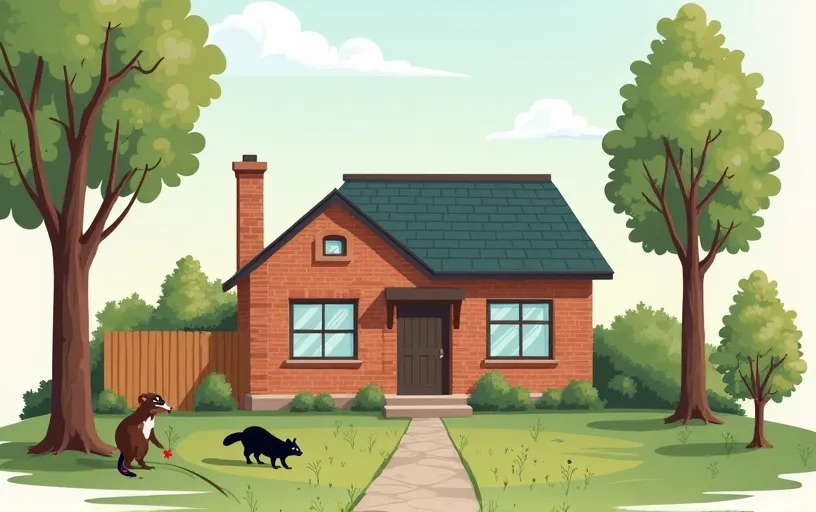
It's also worth checking for gaps where different roof sections meet, as well as any areas where tree branches make direct contact with the roofline, since these often correspond to well-used possum access points.
Step 3: Time the Sealing Correctly
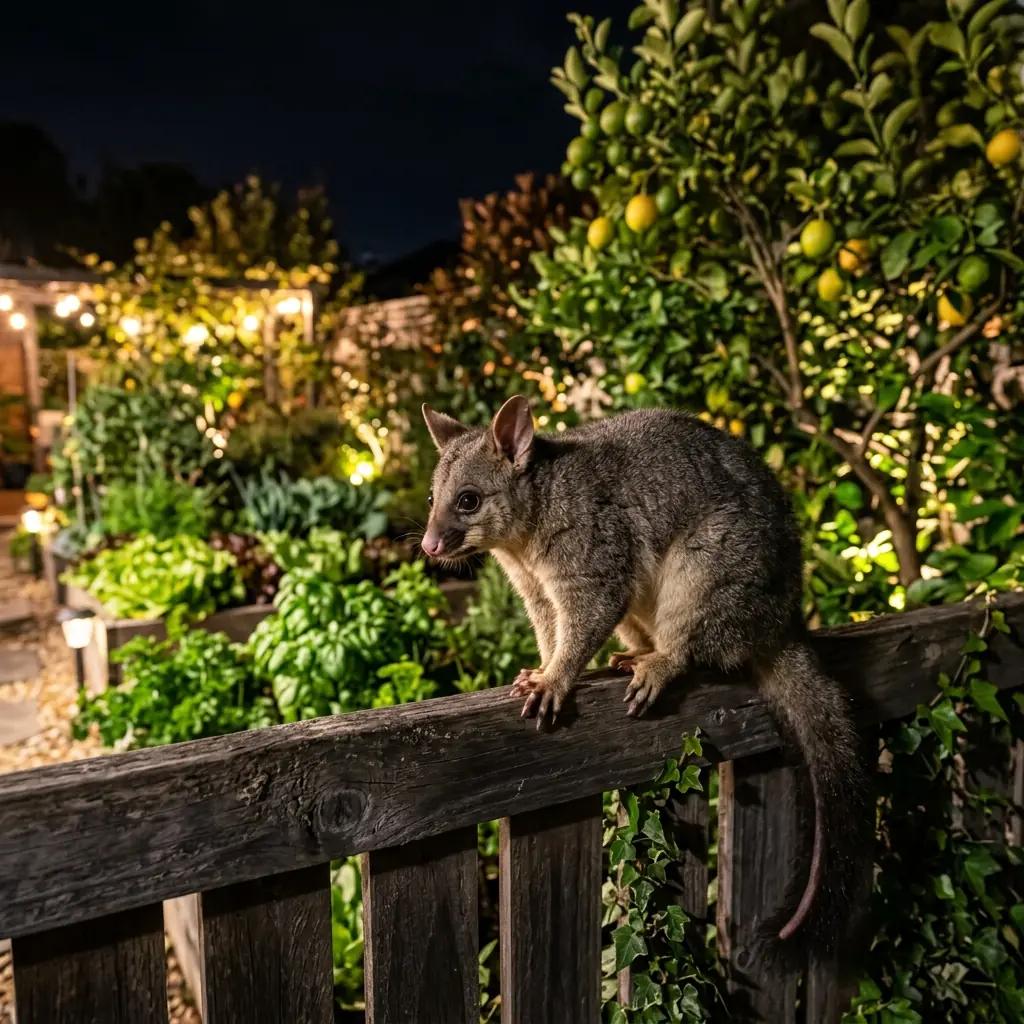
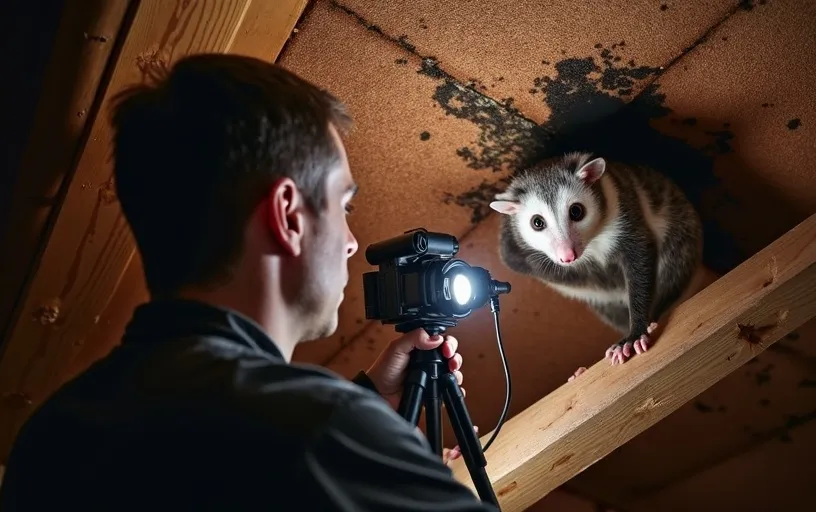
Possums are most active at night, typically leaving the roof cavity in the early evening to forage and returning before dawn. If you're planning to seal entry points yourself, it's best to do so during the day, after confirming through inspection that no possum is currently present, and ideally after monitoring the property for a few days to set up the possum's movement pattern.
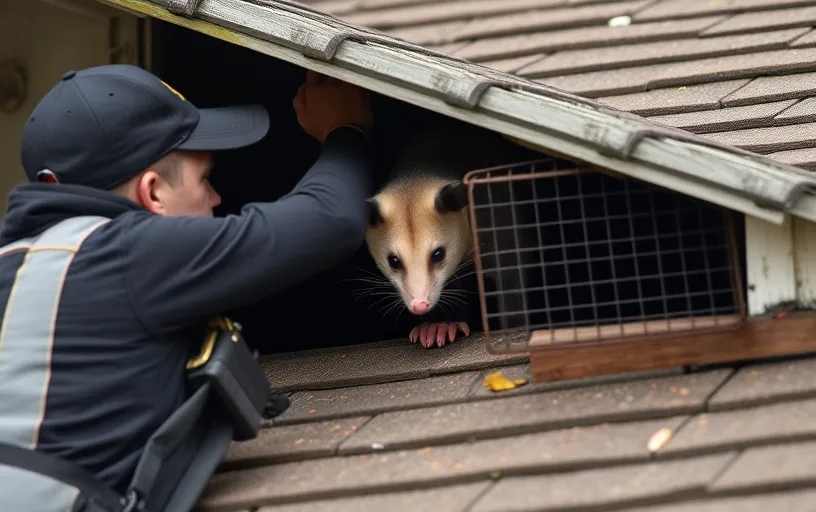
A one-way exclusion device, such as a flap or funnel that allows a possum to exit but not re-enter, can be a useful interim step. This is installed over the main entry point for several nights, allowing any possum inside to leave naturally before the opening is for good sealed.
Step 4: Choose the Right Sealing Materials
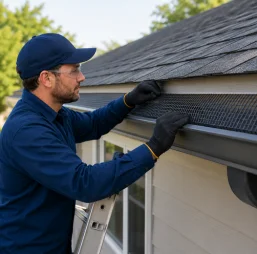
- Galvanised steel mesh: Ideal for larger gaps, secured firmly to prevent possums from prying it loose.
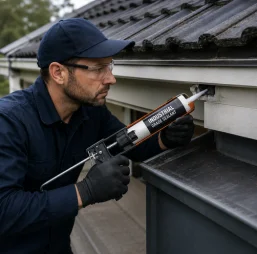
- Weatherproof sealant: Suitable for smaller cracks and gaps around vents or pipes.
- Timber or metal flashing repair: Recommended for damaged sections of the roofline.
- Vent guards: Specifically designed to allow airflow while blocking animal access.
- Roof tile repair or replacement: Essential for cracked or displaced tiles.
Step 5: Reinforce Weak Points
Possums are strong for their size and can sometimes force their way through materials that aren't properly secured, such as loosely fitted mesh or lightweight sealant applied to larger gaps. Ensure any mesh used is heavy-gauge and firmly fixed at multiple points, and avoid relying solely on sealant for gaps wider than a few centimetres, as it may not hold up to repeated pressure from a determined animal.
Step 6: Trim Nearby Branches
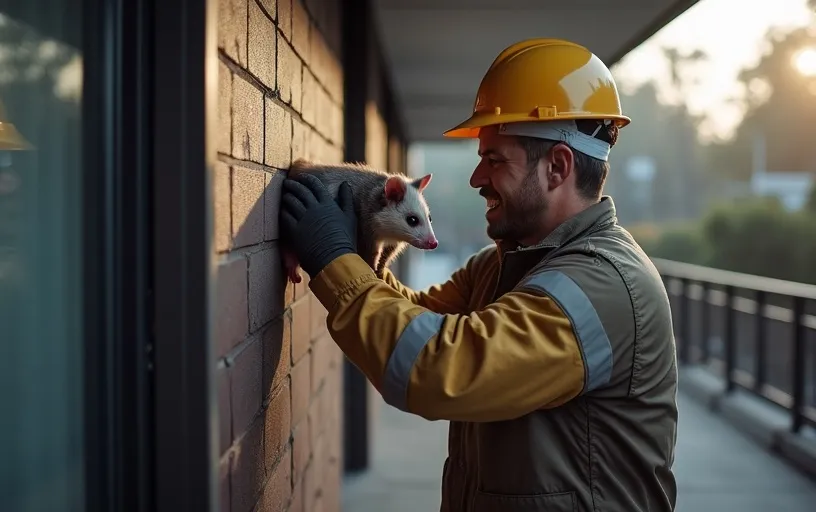
Sealing entry points is far more dependable when combined with removing easy access routes. Trim back any tree branches that overhang or touch the roofline, as these properly act as a bridge for possums to reach the roof without needing to climb the exterior walls directly.
Combining Sealing With a Possum Box
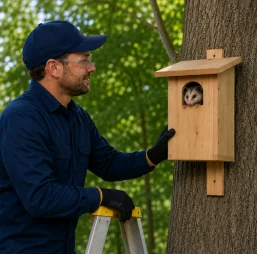
For homeowners who feel uneasy about fully excluding a possum that's been part of the local landscape for some time, installing a possum nesting box in a nearby tree before or shortly after sealing the roof offers a humane middle ground. This gives the displaced possum a comparable, warm, enclosed alternative, rewarding its need for shelter without it needing to return to the roof cavity.
Step 7: Monitor After Sealing
After sealing entry points, keep an eye out for any signs of renewed activity, such as scratching at previously sealed areas, fresh droppings nearby, or attempts to access other parts of the roofline. Possums are persistent, and if one access point is fully blocked, they may attempt to find or create another nearby, particularly if the roof previously served as a dependable, comfortable nesting site.
Frequently Asked Questions
Is it permitted to seal a possum out of my roof?
Yes, provided no possum is trapped inside at the time of sealing. Trapping an animal inside without a means of escape can breach accepted animal handling practice and cause unnecessary animal distress.
How long should a one-way exclusion device be left in place?
Typically several nights, to give any possum inside sufficient opportunity to exit naturally before the final ongoing seal is applied.
Can I seal the roof myself if I'm confident in DIY work?
Motivated, methodical homeowners can seal minor, easily identified gaps themselves, but a full roof inspection and comprehensive sealing job is generally best left to a professional, given the risk of missed entry points and the accepted animal handling practice involved.
Working With Your Neighbours
Possums don't recognise property boundaries, and a possum excluded from your roof may simply relocate to a neighbouring property if it offers similarly easy access. Where practical, it can be worth having a friendly conversation with neighbours about possum activity in the area, particularly in older, tree-lined streets where roof access points tend to be a shared, ongoing challenge across multiple properties.
How Long Does Professional Sealing Last?
When carried out correctly with durable, heavy-gauge materials, professional roof sealing can last many years without needing significant maintenance. However, roofs naturally take wear over time, including weathering of sealant, loosening of fixings, and general ageing of flashing and tiles, so periodic inspection every couple of years is a sensible precaution, particularly after severe storms which can dislodge tiles or damage flashing.
The Cost of Sealing vs the Cost of Repeated Possum Problems
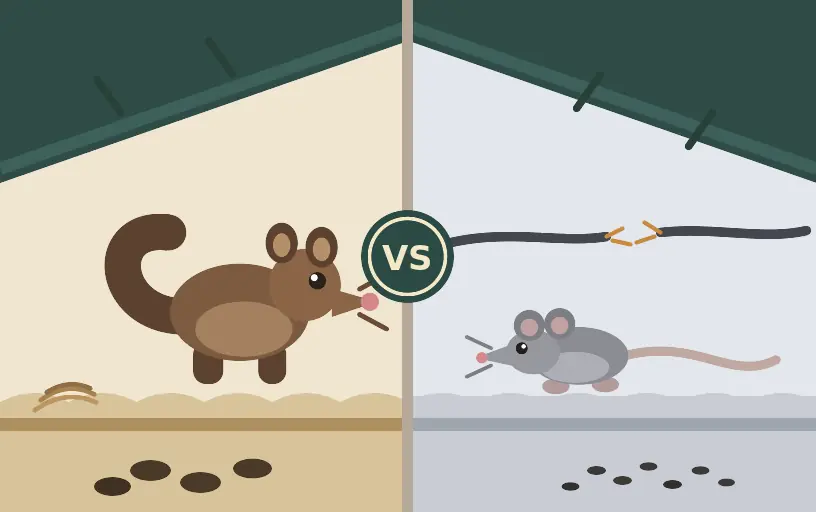
While professional roof sealing involves an upfront cost, it's worth weighing this against the ongoing expense and disruption of repeated possum encounters, including repeated removal call-outs, potential damage to wiring and insulation from possums chewing or nesting, and the general disturbance of nighttime noise. For most homeowners, a thorough, one-time sealing job proves more good value in the long run than an ongoing cycle of temporary deterrents and repeat removals.
Why DIY Sealing Can Go Wrong
While motivated homeowners can successfully seal minor gaps themselves, larger or more complex roofs often have entry points that aren't immediately obvious from a ground-level inspection. Missing even one active entry point can undermine the entire effort, and incorrectly timed sealing risks trapping a possum inside, which can lead to far more serious problems than the original issue.
There's also a reporting dimension to consider. Possums are a protected species in Australia, and attention must be taken to avoid harming or trapping them unlawfully during the exclusion process.
How Fresh Possum Removal Brisbane Can Help
Our team specialises in thorough roof inspections that identify every possible possum entry point, not just the obvious ones. We confirm the roof cavity is clear, install one-way exclusion devices where appropriate, and carry out professional-grade sealing using durable, possum-resistant materials designed to withstand repeated attempts at re-entry.
We also assess broader risk factors around your property, such as overhanging branches or nearby food sources, to give you a Final Check, long-term solution rather than a temporary fix.
Final Thoughts
Sealing roof entry points properly is one of the most dependable long-term strategies for keeping possums out of your home, but it needs to be done thoroughly, humanely, and with methodical attention to timing. A single missed gap can undo an otherwise thorough exclusion effort, and incorrect timing risks trapping an animal inside. If you'd like a professional assessment of your roof's vulnerable points, contact Fresh Possum Removal Brisbane today for a thorough inspection and durable possum exclusion solution.