Possum Droppings: How to Identify and Safely Clean Them
Discovering unfamiliar droppings in your roof cavity, garage, or garden is rarely a pleasant moment, and figuring out exactly what animal left them behind is often the first genuine step toward addressing the underlying issue. Possum droppings are one of the more common finds for Brisbane homeowners, and knowing how to correctly identify and safely clean them matters both for confirming what you're dealing with and for protecting your own health during cleanup and disposal.
At Fresho Possum Removal Brisbane, questions about droppings, what they look like and how to deal with them safely, come up regularly. In this guide, we’ll walk through exactly how to identify possum droppings and the correct, safe way to clean them up.
What Possum Droppings Look Like
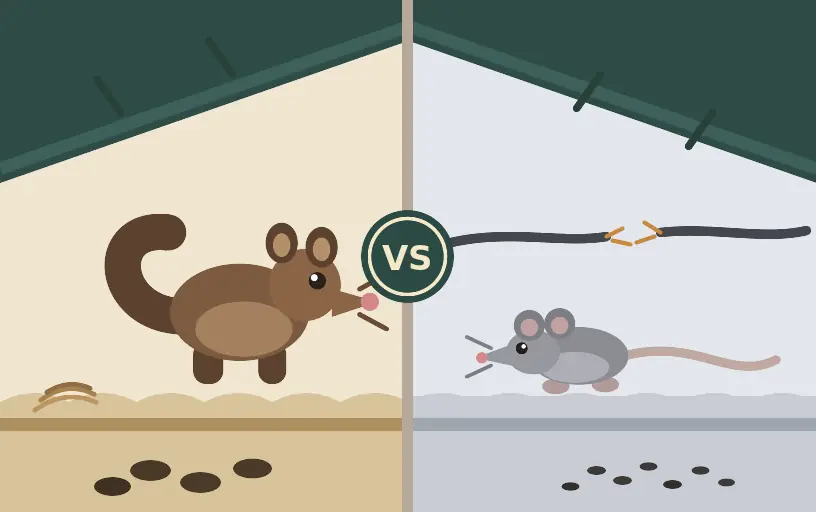
Possum droppings are generally cylindrical in shape, roughly one to two centimetres in length, and dark brown to black in colour, sometimes appearing slightly glossy when fresh. They're noticeably larger and chunkier than rodent droppings, closer in size to a large grape or small olive pit, and tend to have rounded rather than pointed ends.
How Possum Droppings Differ From Rat Droppings
Rat droppings are considerably smaller and more pointed at the ends, resembling a small, dark grain of rice, while possum droppings are chunkier and more uniformly rounded. If you're finding a large volume of small, rice-like droppings, this points more strongly toward a rat infestation than a possum, which is an important distinction given how differently the two situations need to be addressed.
How Possum Droppings Differ From Bird Droppings
Bird droppings are typically more liquid or paste-like, often with a distinctive white or chalky component from uric acid, quite different from the solid, more uniformly dark appearance of possum droppings. Bird droppings also tend to be found in more open, exposed areas like roof edges or gutters, rather than concentrated within an enclosed roof cavity.
Where You're Most Likely to Find Possum Droppings
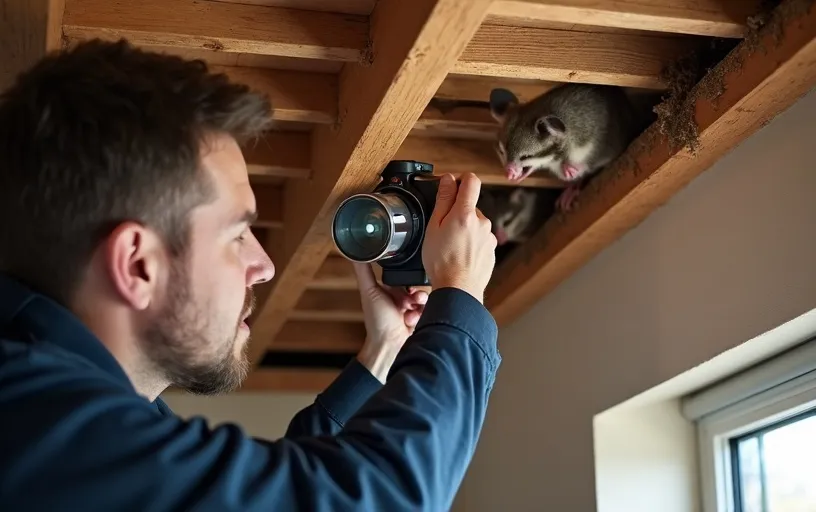
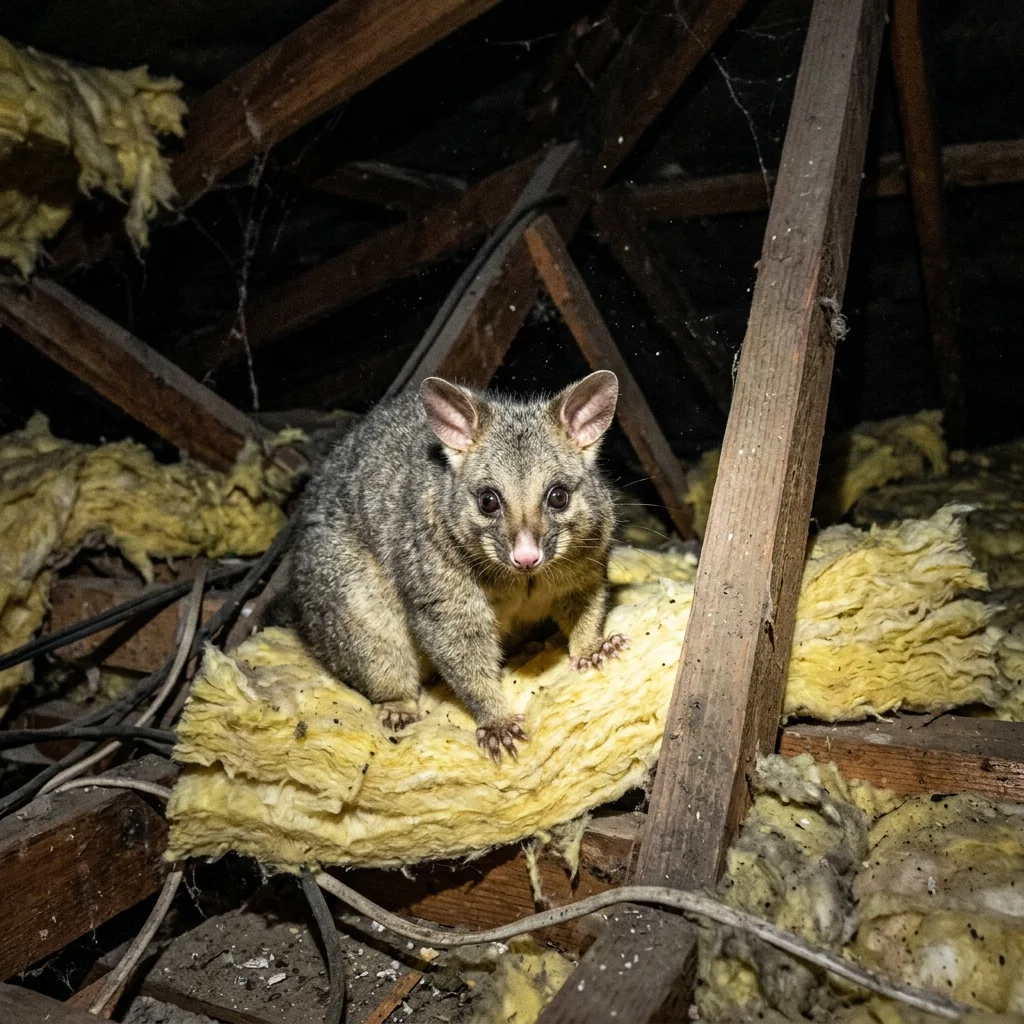
- Roof cavities, particularly near a possum's regular resting or nesting spot
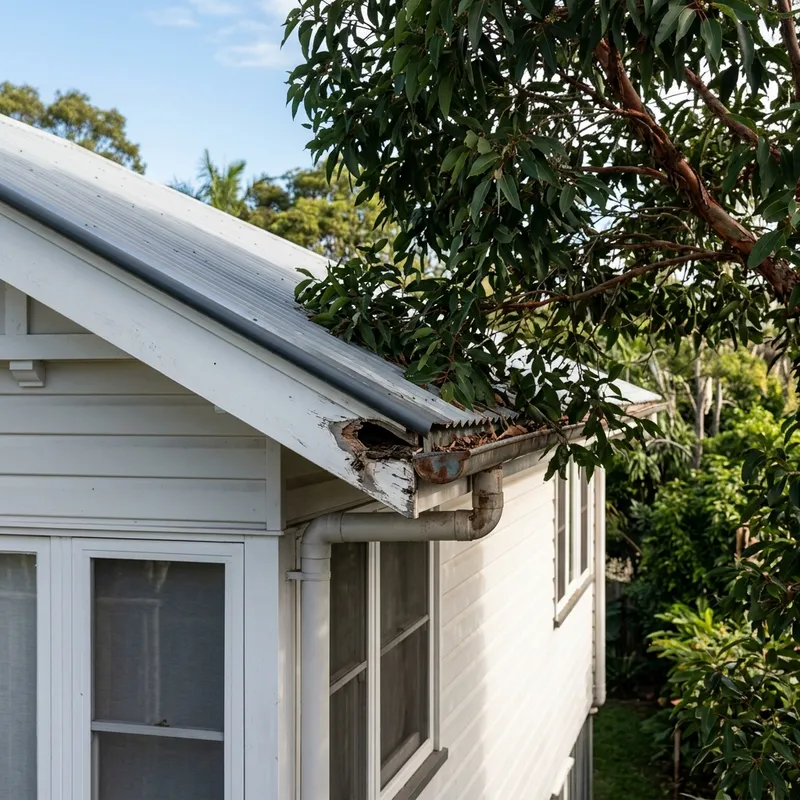
- Near identified or suspected roof entry points
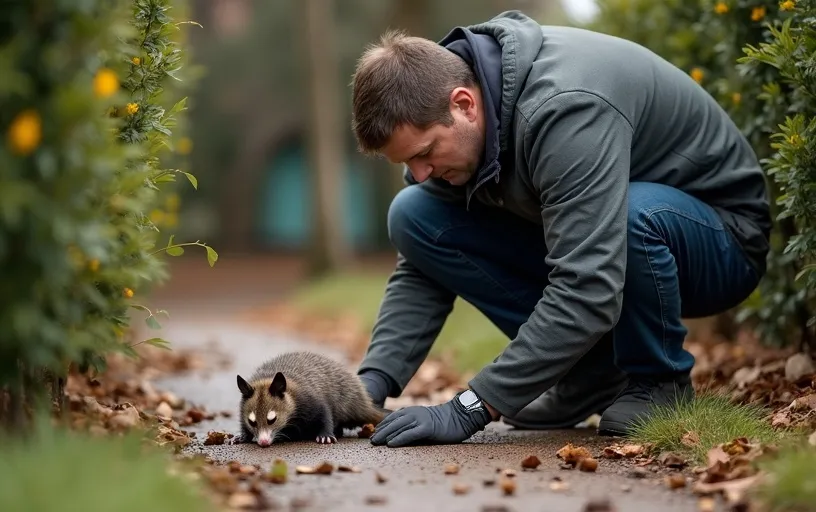
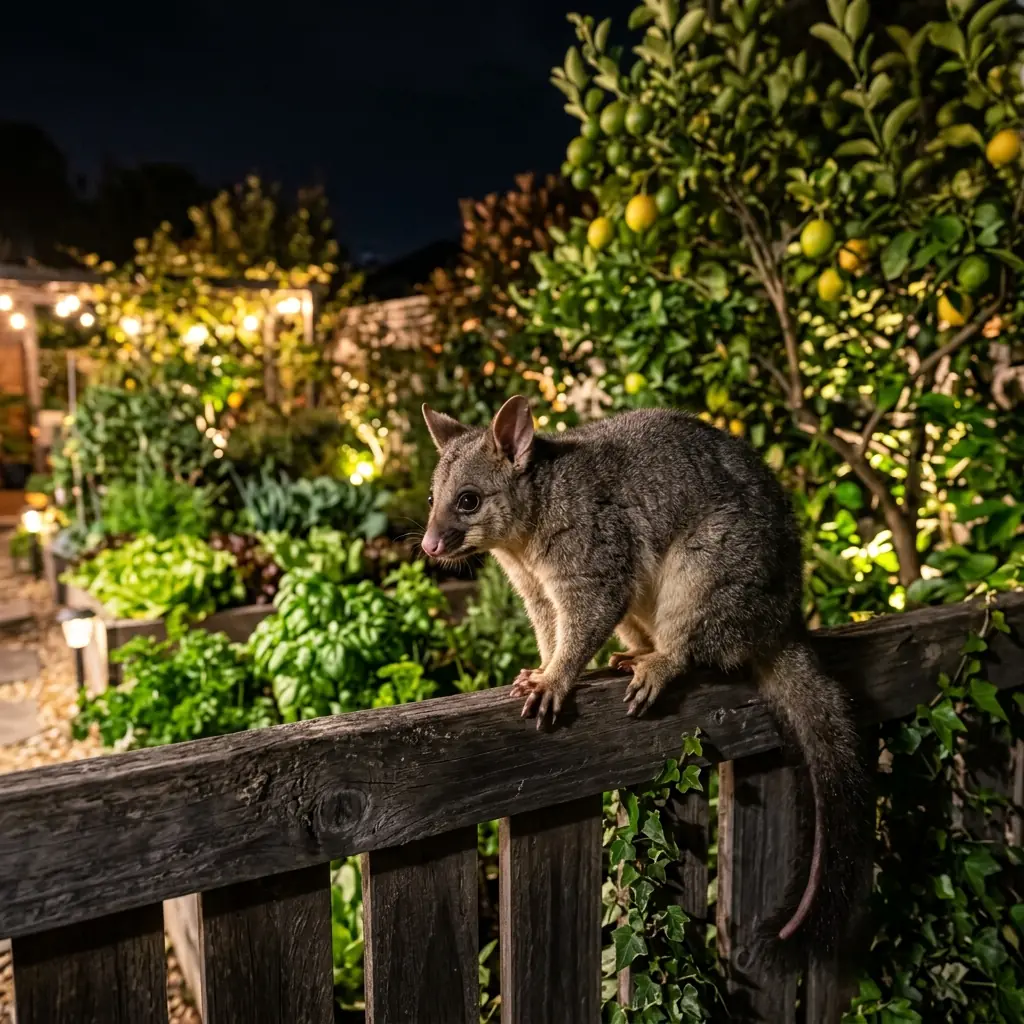
- Garden areas, particularly beneath trees with fruit or dense foliage
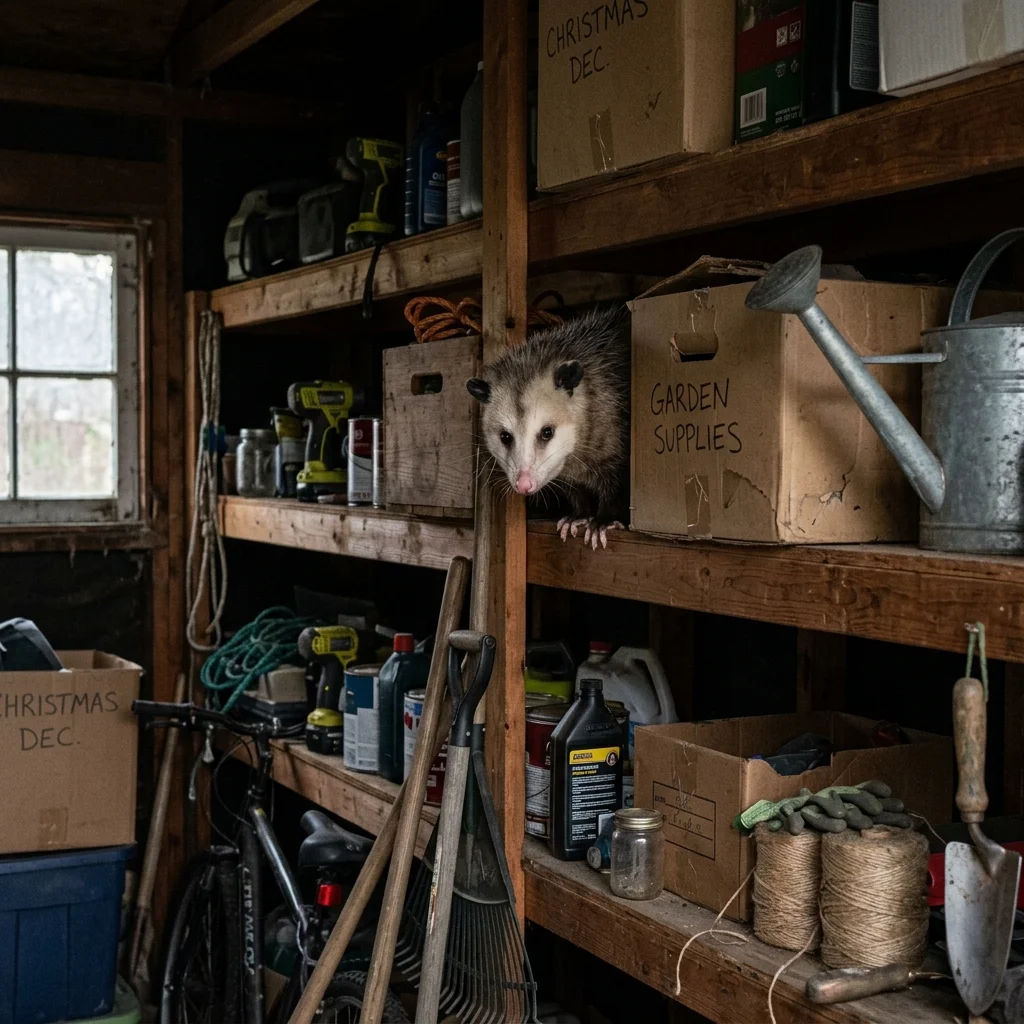
- Garages, sheds, or other outbuildings possums may have accessed
- Along fence lines or other regular pathways a possum uses to move around a property
Why Droppings Matter Beyond Just Identification
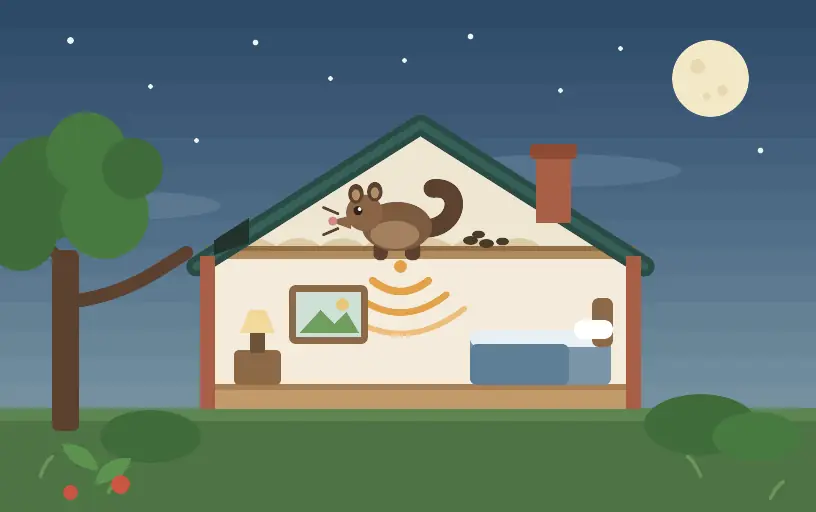
Beyond simply confirming a possum is present, the volume and distribution of droppings can offer useful additional clues, a large accumulation concentrated in one specific spot often indicates a favoured, regularly used nesting or resting area, which is valuable information when planning exclusion work and roof sealing.
Health Considerations Before Cleaning
While possum droppings don't carry the same level of disease risk as some other wildlife waste, they can still harbour bacteria and, in some cases, parasites, so basic hygiene precautions are genuinely worthwhile rather than optional. This is particularly relevant for larger accumulations that have built up over an extended period without any previous cleanup attempt.
Do Possum Droppings Have a Distinct Smell?
Fresh possum droppings often carry a mild, somewhat musky odour consistent with the possum's own natural scent, though this is generally far less pungent than a genuine dead animal smell. Large accumulations in enclosed spaces can contribute to a more noticeable overall musky odour in the affected area over time.
How Many Droppings Indicate a Genuine Problem
A handful of droppings found once might simply indicate a possum passing through or briefly resting in the area. A consistent, growing accumulation in the same specific spot over repeated inspections is a much stronger indicator of a possum actively using that location as a regular nesting or resting site, warranting more serious attention.
Safe Cleanup: Step-by-Step
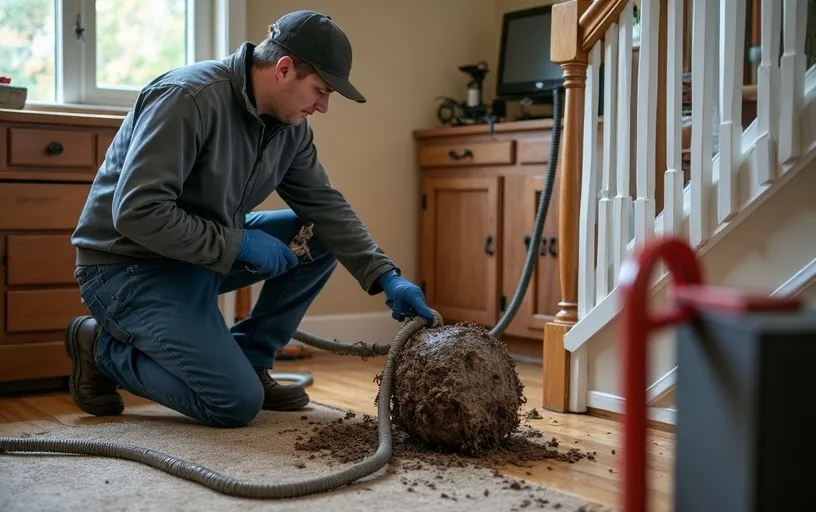
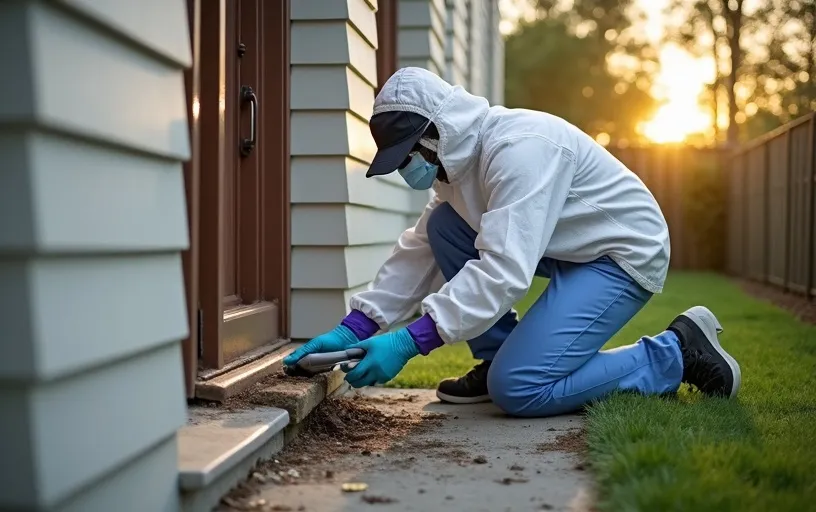
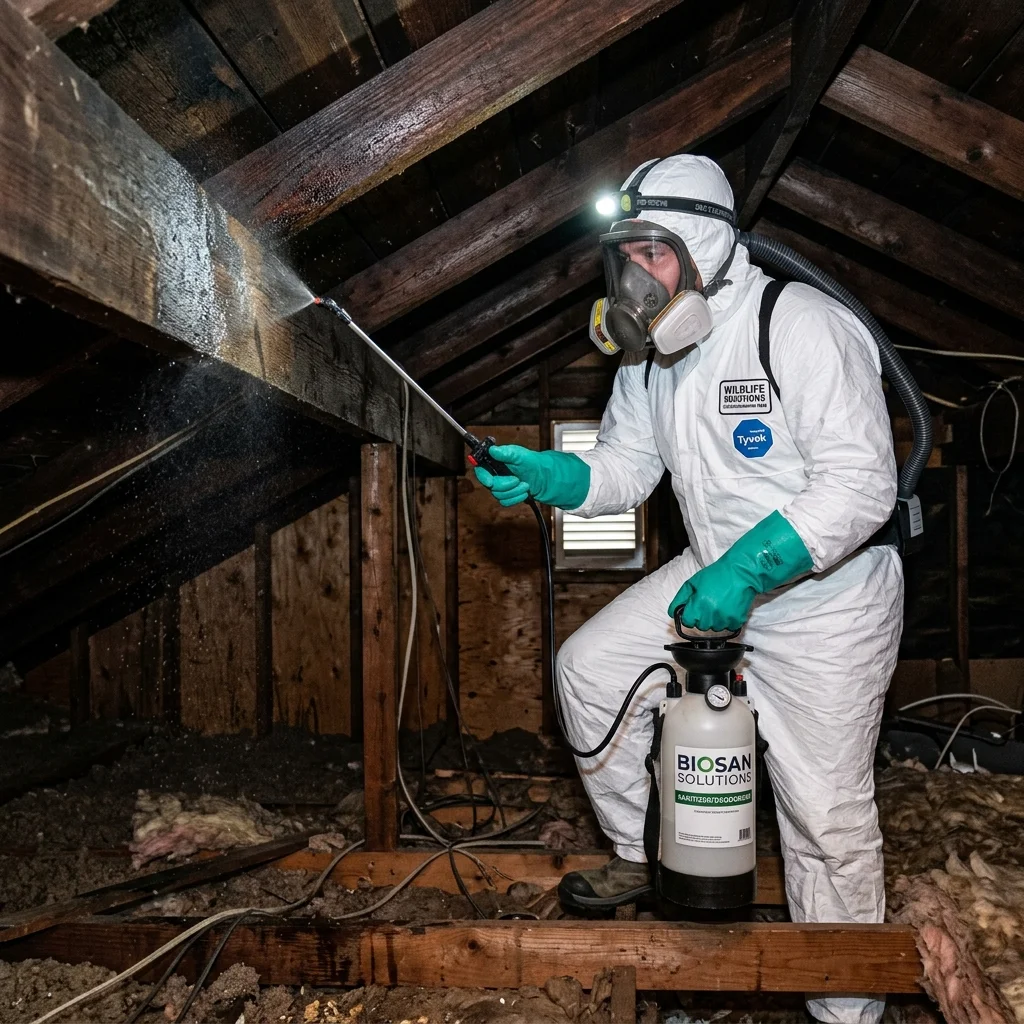
Wear disposable gloves and, ideally, a mask, particularly for larger accumulations or enclosed spaces like roof cavities with limited airflow. Avoid dry sweeping or vacuuming droppings directly, since this can disperse fine particles into the air; instead, lightly dampen the area first with a diluted disinfectant solution before methodically collecting the droppings with a dustpan or disposable scoop.
Disposing of Droppings Correctly
Place collected droppings in a sealed plastic bag before disposing of them in general household waste. Avoid composting possum droppings, given the potential for bacterial contamination, and always wash your hands thoroughly with soap and water after handling, even when gloves have been worn throughout the process.
Disinfecting the Affected Area
Once droppings have been removed, wipe down the affected surface with a household disinfectant appropriate for the specific material, whether that's timber, concrete, or another surface commonly found in roof cavities or garages. This helps address any residual bacteria left behind after the visible droppings have been cleared.
Cleaning Droppings in Hard-to-Reach Roof Spaces
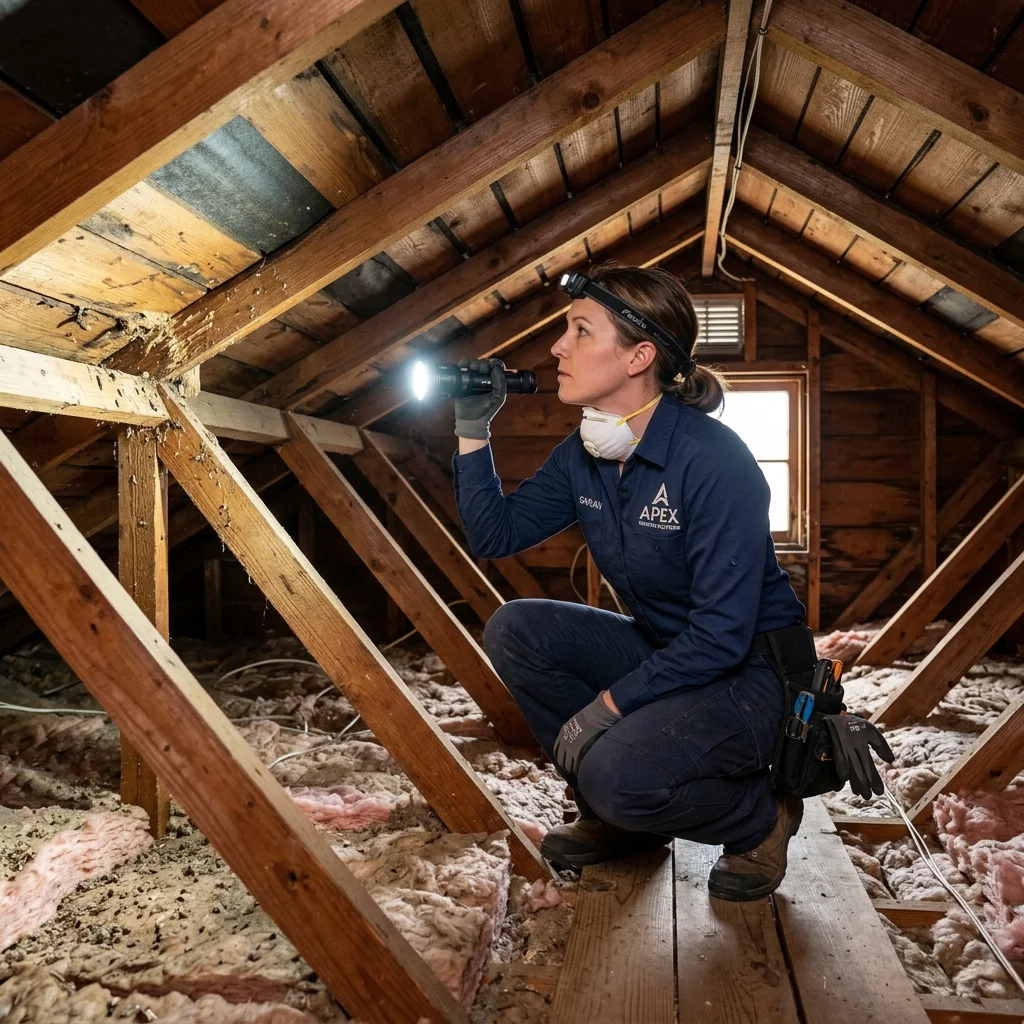
Roof cavity cleanup presents additional challenges beyond a straightforward garage or garden cleanup, given limited access, poor lighting, and the physical hazards of navigating a roof space safely. For significant accumulations in difficult-to-reach roof areas, professional cleanup is often the safer, more practical choice rather than attempting a thorough DIY clean in a genuinely hazardous space.
What Fresh vs Old Droppings Can Tell You
Fresh droppings tend to appear darker and slightly moist or glossy, while older droppings become drier, lighter in colour, and more brittle over time. Finding predominantly fresh droppings suggests ongoing, recent activity, while a mix of fresh and older droppings can indicate a possum has been using the same spot consistently over an extended period.
Using Droppings as Part of a Broader Assessment
Droppings are one of several useful indicators worth considering together when confirming and locating possum activity on your property. Our detailed guide on Signs You Have a Possum in Your Roof or Ceiling covers the full range of signs, including noise and odour, that together build a Final Check, confident picture of possum presence.
Preventing Future Dropping Accumulation
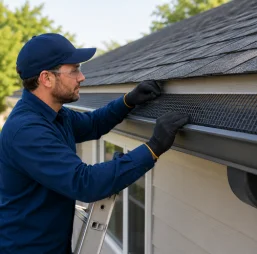
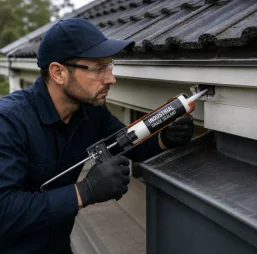
The most thorough way to prevent ongoing dropping accumulation is addressing the underlying possum access issue itself, whether that's sealing roof entry points or deterring possums from favoured garden resting spots. Cleaning up droppings without addressing access simply means the same cleanup task will likely need repeating in the near future.
Frequently Asked Questions
1. What do possum droppings look like?
Cylindrical, roughly one to two centimetres long, dark brown to black in colour, with rounded rather than pointed ends, noticeably larger and chunkier than rat droppings.
2. Are possum droppings dangerous to touch?
They can harbour bacteria, so basic precautions like gloves and thorough hand washing afterward are recommended, particularly for larger accumulations.
3. Can I vacuum up possum droppings directly?
It's better to avoid dry vacuuming or sweeping, since this can disperse fine particles into the air. Lightly dampening the area first before collection is the safer approach.
4. How do I tell possum droppings apart from rat droppings?
Rat droppings are smaller and more pointed, resembling a grain of rice, while possum droppings are larger, chunkier, and more uniformly rounded.
5. Should I clean up droppings myself or call a professional?
Small amounts in accessible areas like a garage can usually be cleaned safely yourself with proper precautions, while significant accumulations in hard-to-reach roof spaces are often safer left to a professional.
6. Does finding a lot of droppings in one spot mean anything specific?
Yes, a consistent, growing accumulation in the same location generally indicates a possum actively using that spot as a regular nesting or resting area, rather than just passing through occasionally.
7. Do possum droppings smell strongly?
Fresh droppings carry a mild, musky odour consistent with the possum's natural scent, generally far less pungent than a genuine dead animal smell, though large accumulations can contribute to a noticeable overall odour.
Final Thoughts
Correctly identifying and safely cleaning possum droppings is a genuinely useful expertise for any Brisbane homeowner dealing with possum activity, both for confirming what you're up against and for protecting your own health during cleanup. Remember that cleanup alone doesn't resolve the underlying issue, addressing possum access is the key to preventing the problem from recurring.
If you've found droppings and would like help confirming the situation or addressing possum access to your property, contact Fresho Possum Removal Brisbane today for expert, humane assistance.