Possum-Proof Fencing: Does It Work and How to Install It
For homeowners who've tried every scent spray, motion sensor, and repellent product on the market without enduring success, possum-proof fencing often comes up as the next logical step, particularly for protecting vegetable gardens, chicken coops, or specific high-value garden beds. But does it actually work, and is it worth the effort and cost of installation?
At Fresho Possum Removal Brisbane, we regularly advise homeowners on physical barrier options as part of a broader possum management strategy. In this article, we'll explain how possum-proof fencing works, when it's genuinely worthwhile, and how to install it correctly for the best chance of success.
How Possum-Proof Fencing Works
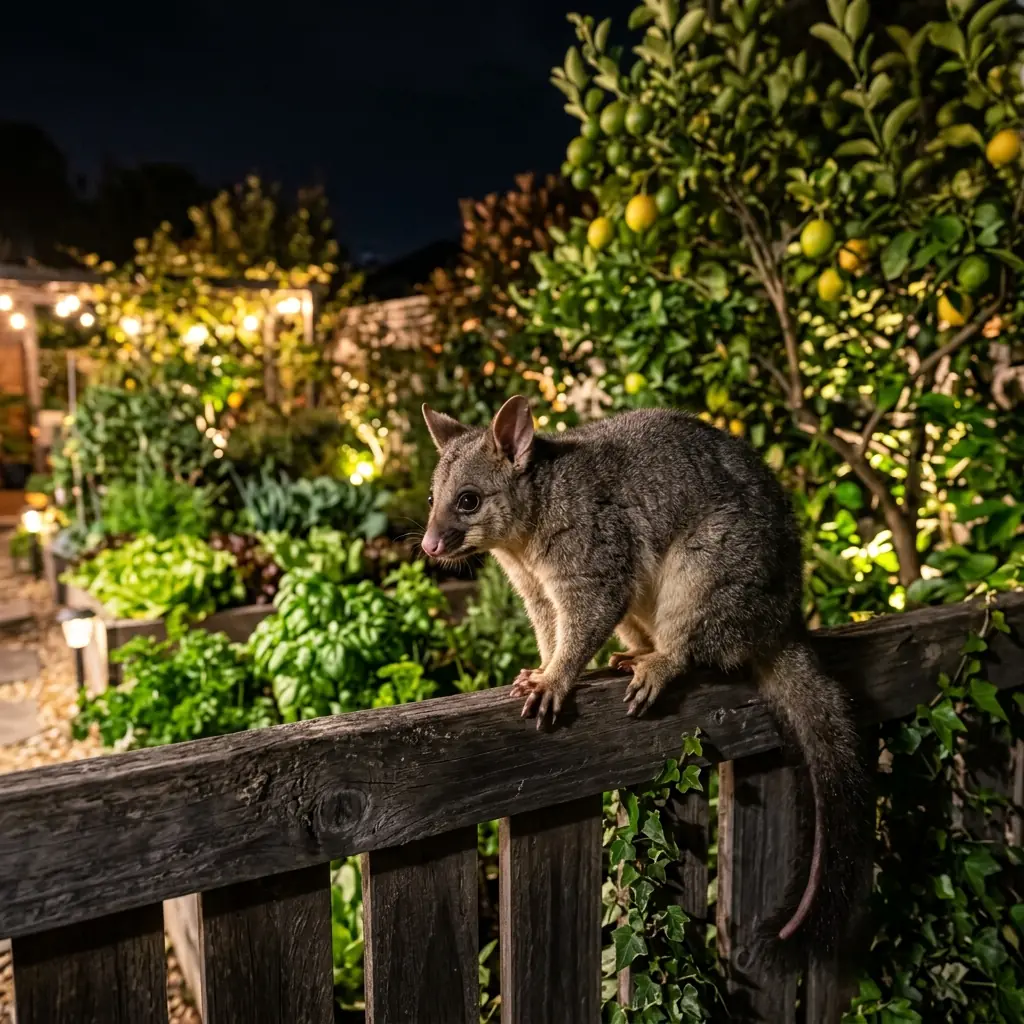
Unlike typical garden fencing, possum-proof fencing is specifically designed to prevent climbing, which is the main way possums access most enclosed spaces. Ordinary fences, even fairly tall ones, are rarely dependable on their own, since possums are agile climbers capable of scaling timber, brick, and even some metal surfaces with relative ease.
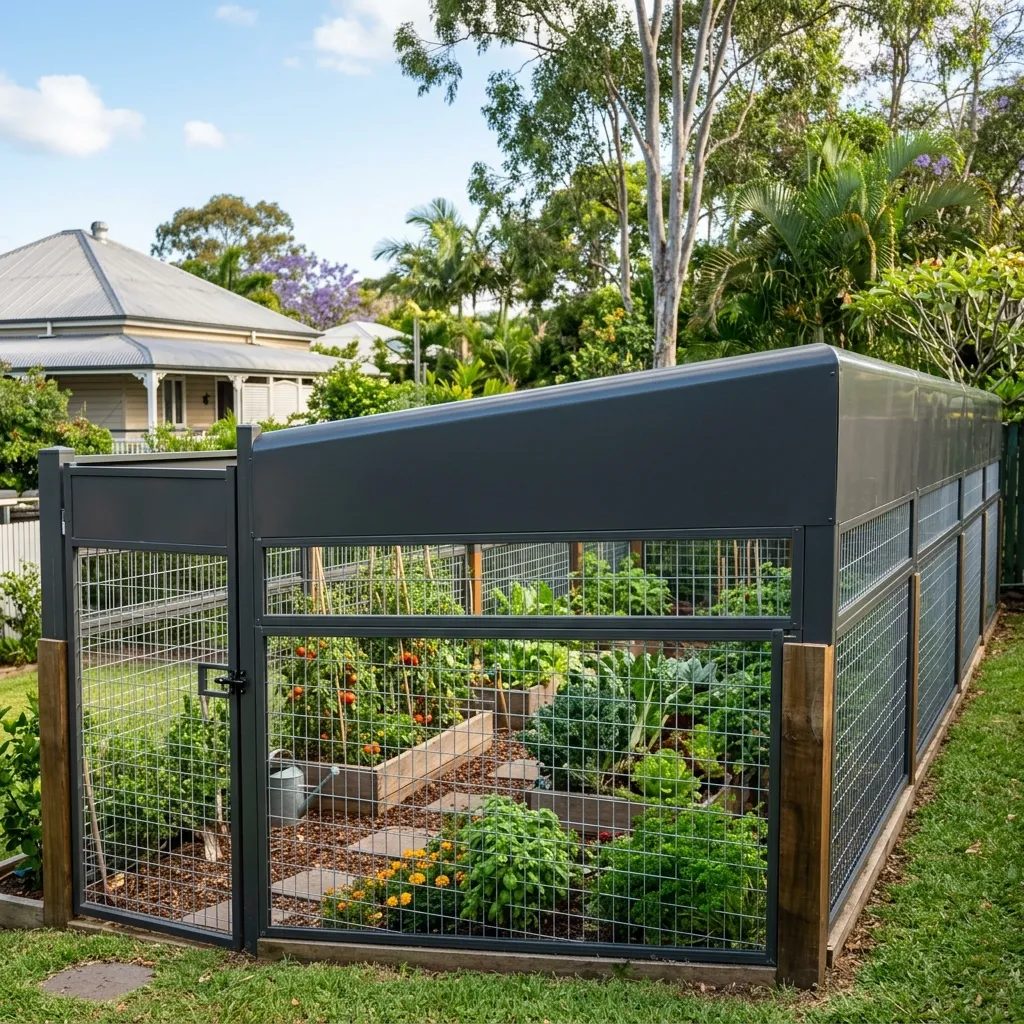
Dependable possum-proof fencing typically combines height with a smooth or angled barrier section near the top, designed to prevent possums from gaining the grip they need to climb over. Some designs also incorporate an electrified wire component, similar to systems used for orchard protection, though this requires methodical installation and consideration of safety around children and pets.
Does It Actually Work?
When installed correctly, possum-proof fencing can be genuinely worthwhile, particularly for protecting a defined, enclosed area like a vegetable garden or chicken coop, rather than trying to fence an entire property boundary. The key word here is 'correctly', since a fence with even a small gap, an overhanging branch nearby, or a climbable surface at the top will significantly reduce its results.
It's worth setting realistic expectations. Possum-proof fencing works well as a targeted barrier for a specific, vulnerable area, but it's not a practical solution for protecting an entire garden or yard, both due to cost and the physical limitations of fencing a large, open space properly against a determined climber.
Key Design Features for Dependable Possum Fencing
- A minimum height of around 1.8 metres, since possums can leap surprisingly well from a standing start
- A smooth, non-climbable top section, such as slick metal sheeting or an angled overhang
- No gaps larger than a few centimetres at ground level or along seams
- No overhanging branches or nearby structures that could allow possums to bypass the fence entirely
- A secure, well-fitted gate that closes entirely, without gaps at the base or sides
Choosing the Right Materials
Smooth metal sheeting, such as galvanised steel, is one of the more dependable materials for the upper section of a possum-proof fence, since it offers little to no grip for climbing. Timber and rough brick, by comparison, provide plenty of texture for a possum's claws to grip, making them far less dependable as standalone barriers unless paired with a smooth top section.
For the lower portion of the fence, sturdy welded wire mesh with small gaps is commonly used, as it's difficult for a possum to squeeze through while still allowing airflow and visibility into the enclosed garden area.
Step-by-Step Installation Overview
Start by measuring and marking the perimeter of the area you want to protect, ensuring the fence line doesn't run beneath any overhanging branches or close to structures a possum could use to bypass the barrier. Install sturdy posts at regular intervals, generally every one to two metres, to provide adequate support for the fencing material.
Attach the lower mesh section first, ensuring it's firmly secured at ground level with no gaps a possum could squeeze under, then install the smooth upper barrier section, angled outward if possible, to further discourage climbing attempts. Finish by checking the entire perimeter for any gaps, weak points, or nearby climbing aids that could undermine the fence's results.
Fencing for Chicken Coops and Aviaries
Beyond vegetable gardens, possum-proof fencing is also commonly used to protect chicken coops and aviaries, where possums can pose a risk to eggs, feed, and in some cases the birds themselves. The same design principles apply - adequate height, a smooth non-climbable section, and no gaps or nearby climbing aids - though coop fencing often benefits from an added roof or top netting section, since possums are equally capable of accessing an open-topped enclosure from above.
Combining Fencing With Other Deterrents
Possum-proof fencing works best as part of a broader strategy rather than a standalone solution. Pairing a well-installed fence with scent deterrents around the perimeter, secured food sources elsewhere in the garden, and trimmed overhanging branches creates a much more comprehensive barrier than fencing alone.
For possums that have already formed a habit of visiting a particular garden area, it may take a week or two of consistent exclusion before they stop attempting to access the space, so patience is worth factoring into your expectations after installation.
When Fencing Isn't the Right Solution
Possum-proof fencing is a targeted solution for protecting specific garden areas, but it won't help if the underlying issue is a possum living inside your roof cavity. In these cases, exclusion work focused on the roof itself is the more relevant solution, which we cover in detail in our guide on How to Seal Roof Entry Points to Keep Possums Out.
Choosing a Professional Installer
While motivated homeowners can install possum-proof fencing themselves, working with a professional installer helps ensure the design accounts for site-specific factors, such as ground slope, existing structures, and nearby trees, that could otherwise undermine the fence's results. A professional assessment before installation can save significant time and cost compared to correcting an ineffective DIY fence after the fact.
Maintaining Your Fence Over Time
Like any garden structure, possum-proof fencing benefits from periodic inspection to ensure it remains fully intact. Check regularly for any gaps that may have developed from ground movement or weathering, rust or corrosion on metal sections, and new growth from nearby trees or shrubs that could eventually provide a climbing bridge over the barrier. A few minutes of maintenance every couple of months goes a long way toward preserving the fence's long-term results.
Real-World Results From Brisbane Gardens
Based on our observations across Brisbane properties, well-installed possum-proof fencing around vegetable gardens and chicken coops delivers noticeably better results than scent or sound deterrents alone, largely because it removes the possibility of access entirely rather than relying on ongoing discouragement. The households that see the best long-term outcomes are typically those who pair the fence with good general garden hygiene, such as promptly removing fallen fruit and securing other food sources elsewhere on the property.
Costs to Consider
The cost of possum-proof fencing varies depending on the size of the area being enclosed, the materials chosen, and whether installation is done yourself or by a professional. Smooth metal sheeting and workmanship mesh tend to cost more upfront than typical timber fencing, but this additional cost is generally justified by the significantly improved results against a determined, climbing animal.
For smaller, defined areas like a vegetable garden or chicken coop, the investment is often well worth it, particularly for homeowners who've struggled with repeated possum damage despite trying other deterrent methods first.
Frequently Asked Questions
1. How tall does possum-proof fencing need to be?
A minimum height of around 1.8 metres is generally recommended, since possums are capable of impressive vertical leaps from a standing position.
2. Can possums climb over metal fencing?
Smooth metal sheeting is one of the more dependable barriers against climbing, offering little grip, though rougher or textured metal surfaces can still be climbable.
3. Is electrified possum fencing safe for pets?
Electrified fencing requires methodical installation and clear signage, and isn't generally recommended for households with small pets or children without professional advice on safe placement.
4. Does possum-proof fencing work for an entire yard?
It's generally more practical and good value for a defined, smaller area like a vegetable garden or coop, rather than attempting to fence an entire yard against climbing.
5. How much does possum-proof fencing cost to install?
Costs vary based on area size and materials, with smooth metal and workmanship mesh costing more upfront than typical fencing, though this is generally offset by significantly better results.
6. Does possum-proof fencing need a top cover for coops?
Yes, open-topped enclosures like chicken coops generally benefit from an additional roof or netting section, since possums can access the space from above just as easily as by climbing over the sides.
Final Thoughts
Possum-proof fencing can be a genuinely worthwhile solution when installed correctly, particularly for protecting a specific, high-value garden area from repeated possum damage. Height, smooth materials, and attention to gaps and nearby climbing aids are all essential to making it work.
If you're considering possum-proof fencing for your Brisbane property, or you're dealing with a broader possum problem that fencing alone won't solve, contact Fresho Possum Removal Brisbane today for helpful advice and a humane, dependable solution tailored to your situation.