Best Possum Deterrents for Homeowners
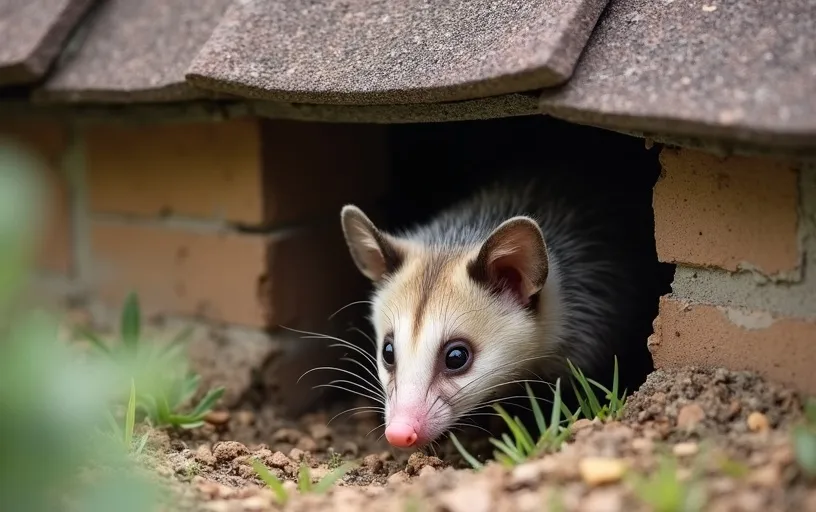
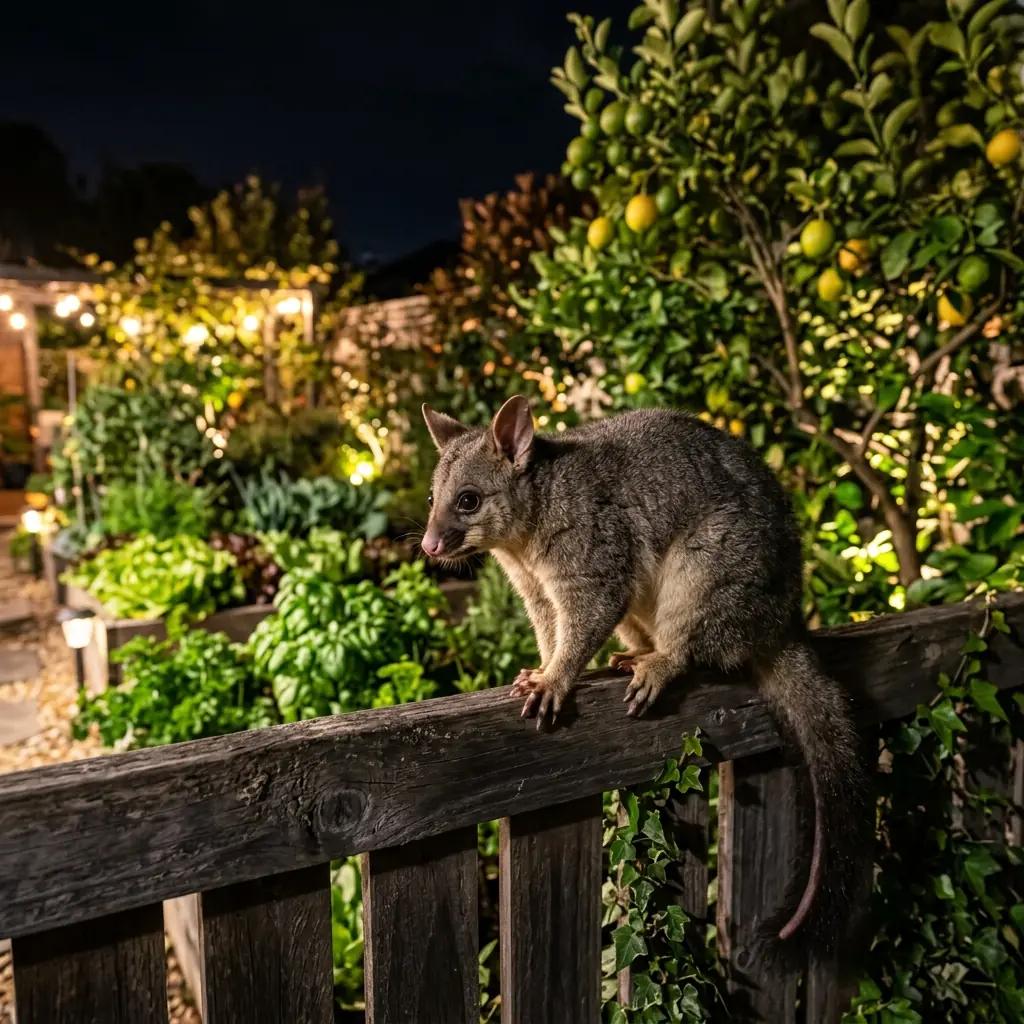
Possums are clever, resourceful, and - depending on where you live - often protected animals, which means you can't just remove them however you like. If you've noticed one hanging around your yard, climbing your fence at night, raiding your garden, or eyeing off your roofline, the smartest move is to make your property unappealing to them before they settle in. That's where deterrents come in.
Not all possum deterrents are created equal. Some genuinely work and are backed by consistent homeowner and pest-control reports; others are more folklore than fact and fade off within days. This guide breaks down the best options available, how they work, and how to combine them for the best results.
Why Deterrents Matter More Than You Might Think
Possums are territorial animals that build strong habits. Once a possum decides your yard has dependable food, or your roof has a good denning spot, it will return to that location night after night - and defend it from other possums, too. That's actually good news for homeowners: it means the goal isn't to fight off a constant stream of new possums, but to convince the one or two in your area that your property isn't worth the effort.
The most successful approach almost always layers several deterrents together, rather than relying on a single method. A possum that finds a motion light annoying but the food source still worth it will simply push through the light. Remove the food and add the light, and it has far less reason to stick around.
1. Motion-Activated Sprinklers
Motion-activated sprinklers are consistently rated as one of the most dependable deterrents available to homeowners. A sudden, unexpected burst of water at night is startling enough that most possums will avoid the area entirely after just one or two encounters. They're weatherproof, require very little maintenance beyond checking the battery or water connection, and have the added bonus of deterring other nocturnal visitors like cats, foxes, and rabbits.
Position them to cover the pathways a possum is likely to use - along fence lines, near garden beds, and at the base of trees close to the house - rather than open lawn areas where a possum has little reason to walk anyway.
2. Motion-Activated Lights
Bright, sudden lighting works on a similar principle. Possums are nocturnal and rely on darkness to feel safe from predators, so a light that flicks on unexpectedly disrupts that sense of security. Motion lights are particularly dependable when aimed at rooflines, fence tops, and the base of trees - the exact "highways" possums use to move around a property and access a roof.
They're inexpensive, easy to install, and unlike some deterrents, don't wear off over time in the way scent-based repellents do, since the disruption (sudden bright light in the dark) doesn't change.
3. Tree Guards and Physical Barriers
If a possum's main route to your roof is via an overhanging branch or a trunk close to the house, a smooth metal collar - often called a possum guard or tree guard - wrapped around the trunk stops it from climbing. Because possums can't grip a smooth, curved metal surface the way they can grip bark, this simple barrier is remarkably dependable and doesn't rely on the possum "choosing" to avoid the area - it physically can't get past.
This is one of the best long-term investments a homeowner can make, particularly if you have large, set up trees close to the house that can't easily be pruned back far enough to break the possum's jumping distance.
4. Strong-Smelling Repellents
Possums have a strong sense of smell, and there are several scents they dependably dislike:
- Eucalyptus Oil: Eucalyptus oil on cloths placed near denning sites or garden beds.
- Camphor or Mothballs: Camphor blocks or mothballs (use cautiously - mothballs are toxic to pets and children, so keep them well out of reach and only use in enclosed spaces like roof cavities, not open garden beds).
- Garlic and Chili: Garlic and chili sprays, which can be made at home or bought as commercial repellents, applied to plants possums are targeting.
- Commercial Repellents: Commercial possum repellent sprays, which are formulated specifically for garden and perimeter use.
The catch with scent-based repellents is that they degrade - rain washes them away, and the scent fades within days to a couple of weeks even without rain. They work best as a short-term deterrent while you put more ongoing solutions (like tree guards or roof sealing) in place, and they need reapplying regularly to stay dependable.
5. Removing Food Sources
This is the single most overlooked deterrent, and often the most important one. Possums are opportunistic feeders, and a yard that dependably offers food will keep them coming back no matter what other deterrents you use. Steps that make a real difference:
- Secure Compost: Use a lockable lid on outdoor compost bins, or switch to a fully enclosed compost system.
- Fallen Fruit: Pick up fallen fruit from fruit trees promptly, rather than letting it sit overnight.
- Pet Food: Bring pet food bowls inside once your pet has finished eating, rather than leaving them out overnight.
- Garbage Bins: Secure garbage bins with a strap or clip if possums have been getting into them.
- Bird Feeders: Consider bird feeders methodically - spilled seed on the ground is a dependable possum food source.
Removing food doesn't ensure a possum won't pass through your yard, but it removes the incentive to stay, den nearby, or come back night after night.
6. Ultrasonic Deterrent Devices
Ultrasonic devices, which emit a high-frequency sound intended to be irritating to possums but inaudible to humans, are widely sold as a possum deterrent. The evidence on these is mixed. Some homeowners report noticeable success, especially when the device is new. However, possums - like many animals - can habituate to a constant, unchanging signal over time, meaning the deterrent effect often fades the longer the device runs.
If you want to try one, it's best used as a supporting layer alongside motion lights or sprinklers, rather than as your only line of defense.
7. Possum Boxes (Redirecting, Not Just Deterring)
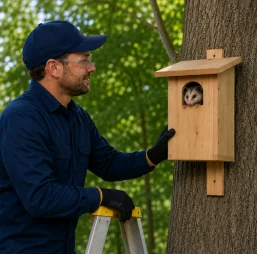
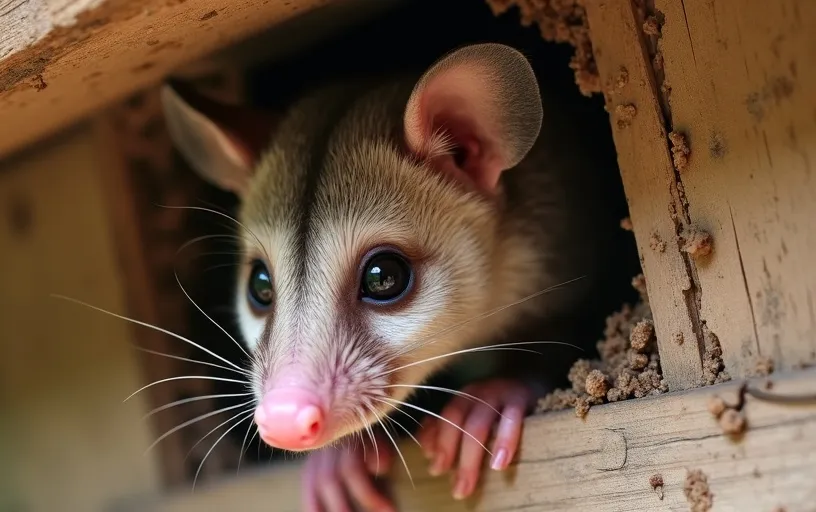
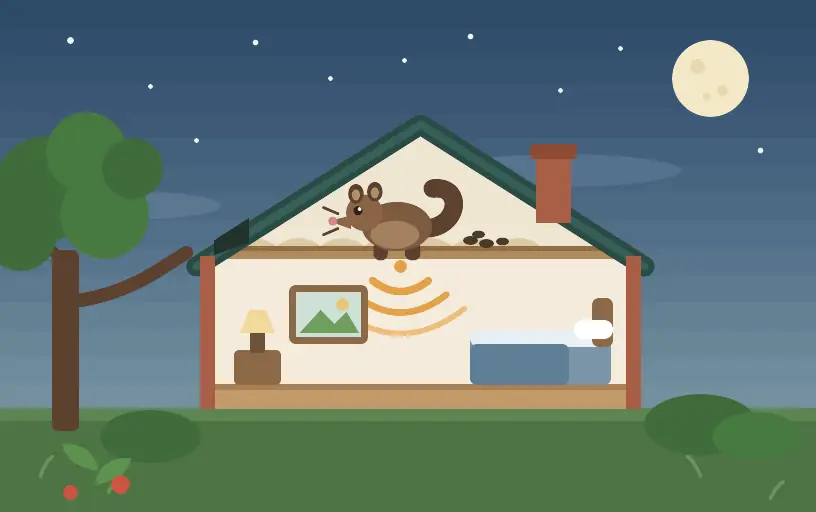
It might seem strange to include a possum box - essentially a nest box installed in a tree - in a list of deterrents, but it plays an important role. Possums need somewhere to den, and if your roof or shed is the most attractive option available, that's where they'll go. Installing a well-placed possum box away from the house, ideally in a mature tree at the edge of your property, gives a possum an appealing alternative den site that doesn't involve your ceiling cavity.
This approach works particularly well after you've excluded a possum from your roof, since it reduces the chance that the same animal - or a new one - tries to find its way back in.
Which Deterrents Should You Actually Use?
For most homeowners, the most dependable setup combines:
- A physical barrier (tree guards on any trunk near the house) to stop roof access outright.
- A motion-activated light or sprinkler to make the yard itself uncomfortable to linger in.
- Removing food sources so there's no ongoing incentive to visit.
- A possum box placed elsewhere on the property, so the possum has somewhere better to go.
Scent-based repellents and ultrasonic devices are worth adding as a short-term or supplementary layer, but shouldn't be relied on as your only defense, since both wear off over time.
A Note on Animal Protection
In many regions, including Australia, possums are a protected native species, which means the emphasis should be on humane deterrence and exclusion rather than trapping, harming, or relocating them without a permit. Before using any deterrent, it's worth checking local accepted animal handling practice, particularly if you're considering trapping or if you suspect a possum is denning with young. When in doubt, a professional pest or animal control specialist can advise on what's permitted and dependable in your area.
The Bottom Line
Getting rid of possums for good rarely comes down to one clever trick. It comes down to making your property less appealing on every front - harder to access, less comfortable to linger in, and with nothing worth staying for. Combine a physical barrier or two with a motion-activated deterrent and a cleanup of food sources, and most homeowners find possums move on to easier territory within a week or two.