The Complete Possum Removal Guide for Homeowners: Safe, Compliant & Effective Methods
If you have ever been woken up in the middle of the night by loud, heavy thumping sounds directly above your bed, you know the frustration of sharing your home with a possum. In Australia, particularly in urban areas like Brisbane, possums have adapted remarkably well to human environments. While these native marsupials play an important role in our ecosystem, they can cause significant disruption, noise, and structural issues when they choose to move into our roof spaces, ceilings, and walls.
This comprehensive guide is designed to provide homeowners with safe, compliant, and highly effective methods to manage and evict possums from their homes. We will cover how to identify your unwanted guest, understand the strict conservation regulations that govern them, and implement step-by-step exclusion methods that keep them out for good.
Understanding Your Unwanted Guest: Brushtail vs. Ringtail
Before taking any action, it is essential to understand which type of possum has entered your home. The two most common species found in residential areas are the Common Brushtail Possum and the Common Ringtail Possum. Identifying the species is crucial because their nesting habits and sizes differ significantly.
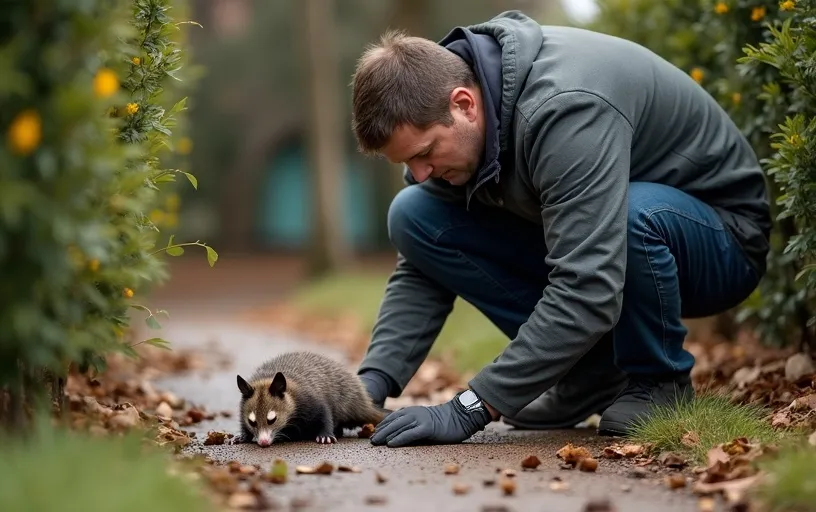
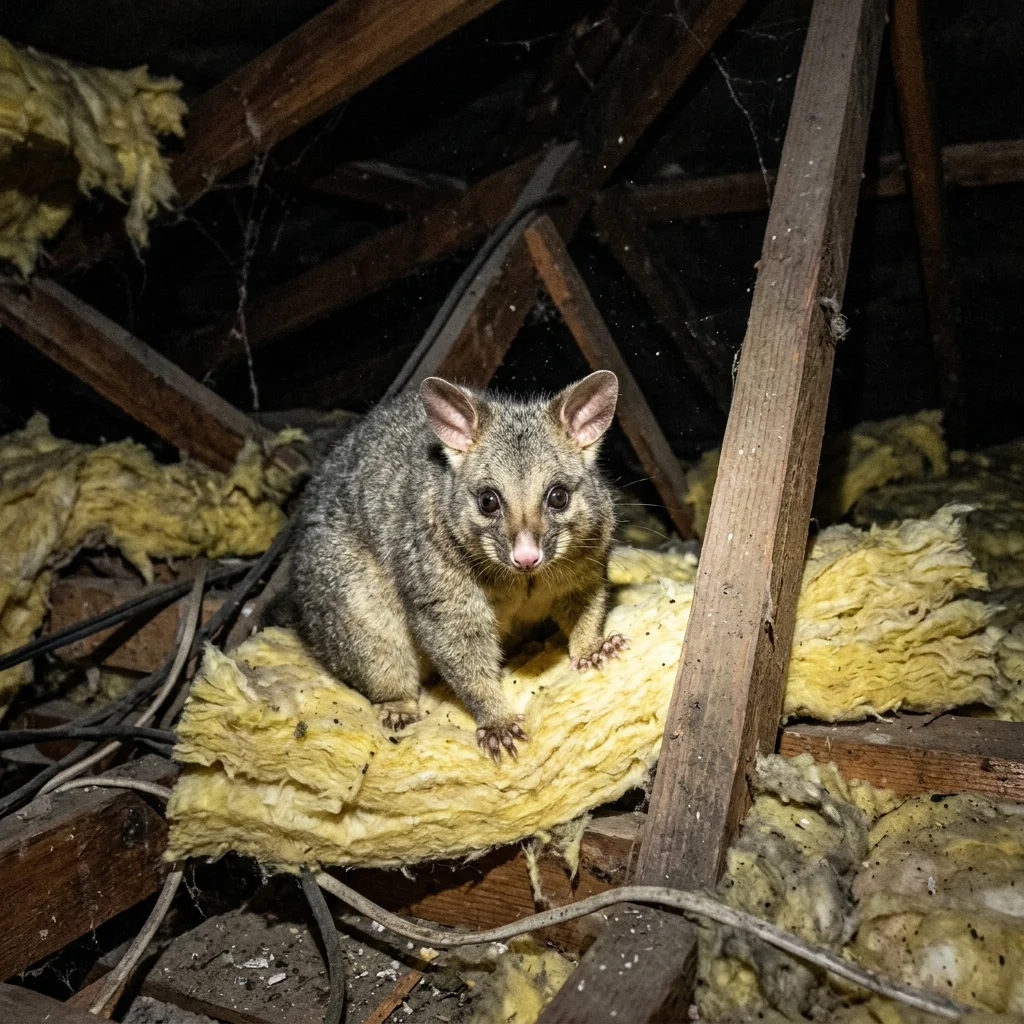
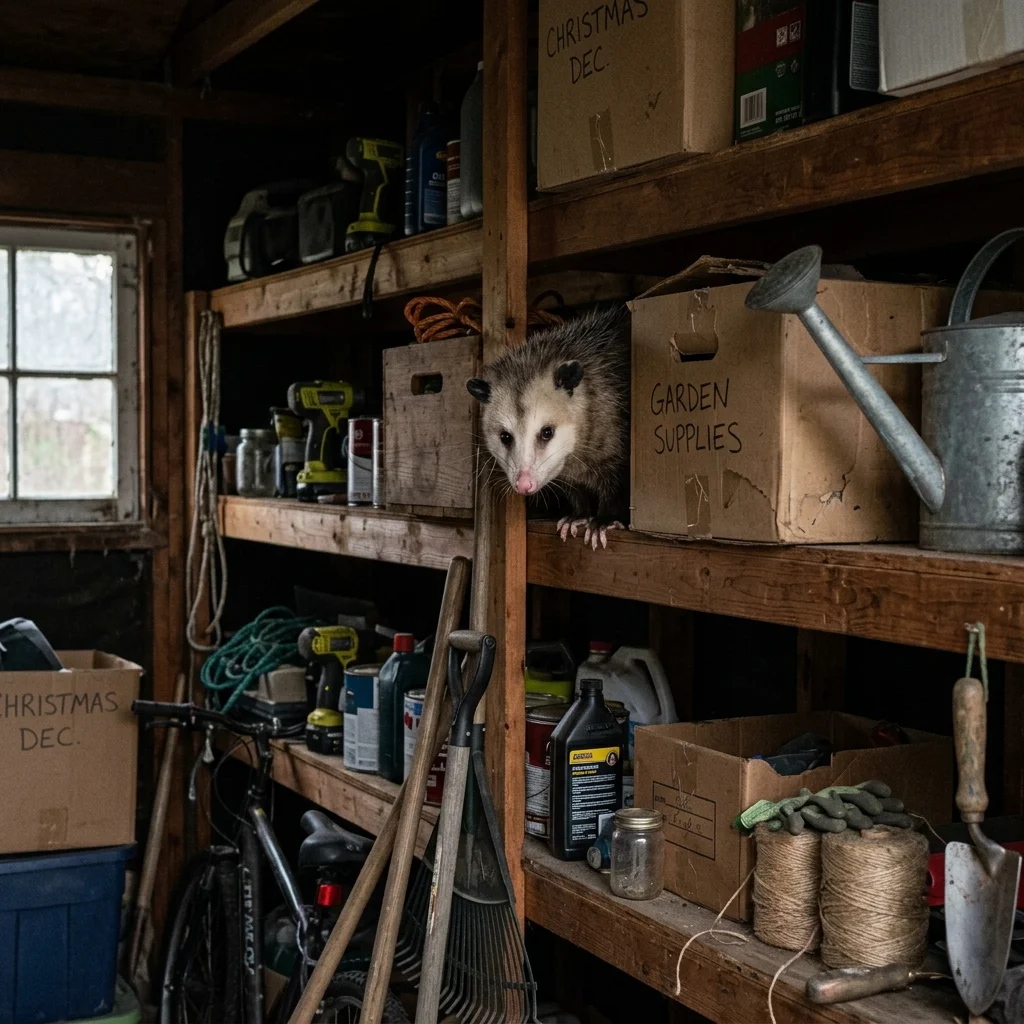
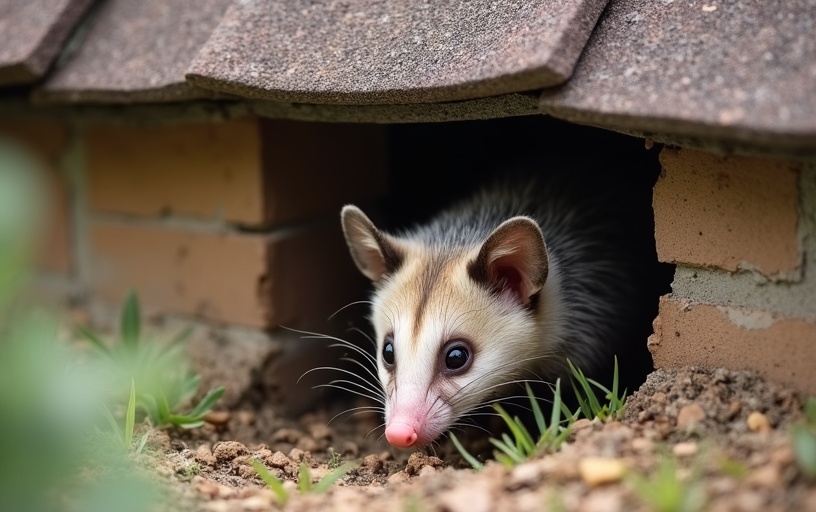
The Common Brushtail Possum: This species is about the size of a cat, with silver-grey fur, a pale belly, and a thick, bushy black tail. Brushtails are highly territorial and are the primary culprits when it comes to nesting inside roof cavities and chimneys. They prefer large, hollow spaces where they can build a secure nest away from predators. They are loud, active, and can be quite aggressive if cornered, making them the most disruptive of the two.
The Common Ringtail Possum: Significantly smaller than the Brushtail, the Ringtail possum has grey-brown fur, a white belly, and a long, prehensile tail with a distinctive white tip. Unlike Brushtails, Ringtails prefer to build ball-like nests called "dreys" in trees and thick foliage. However, they will occasionally enter subfloors or roof cavities if their natural habitat is sparse. They are generally quieter and live in small family groups, but their presence can still lead to hygiene issues in confined spaces.
The Importance of Compliance: Native Wildlife Regulations
In Queensland, possums are protected under the Nature Conservation Act. This protection means that it is an offence to harm, injure, or kill a possum. There are strict guidelines regarding how they can be captured, handled, and relocated. Failing to follow these regulations can result in severe penalties.
Key regulatory points that every homeowner must follow include:
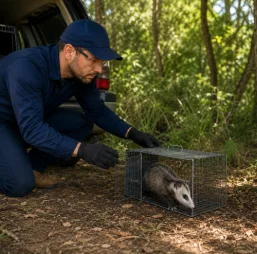
- Relocation Limits: If a possum is captured, it must be released within 150 meters of the capture point, on the same property, and at dusk. Relocating a possum to a distant park or bushland is not permitted and is often fatal to the animal, as they are highly territorial and will be attacked by resident possums or succumb to stress and exposure.
- Humane Treatment: Any traps used must be humane live-catch wire cages. They must not have sharp edges that could injure the animal, and they must be checked regularly to prevent dehydration and stress.
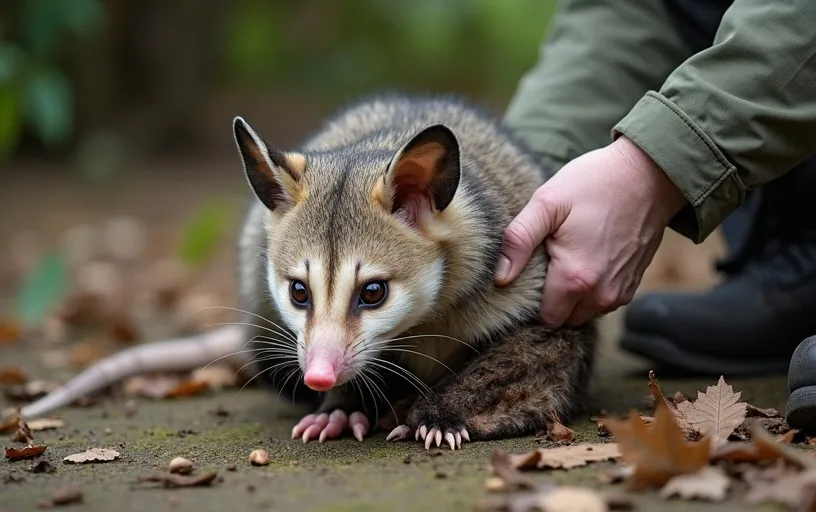
- Professional Eviction: Homeowners are permitted to carry out basic exclusion works, but any trapping or handling should ideally be managed by registered, permitted wildlife handlers who understand how to minimize stress to the animal.
Step 1: Inspecting Your Property and Locating Entry Points
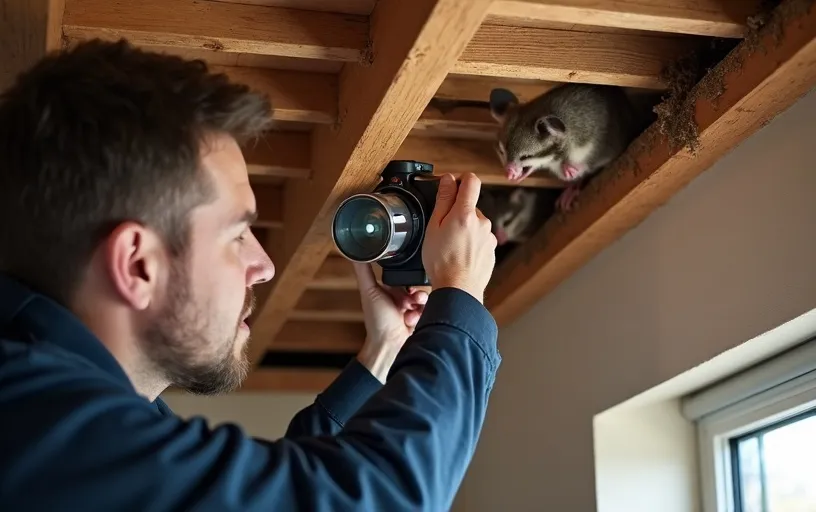
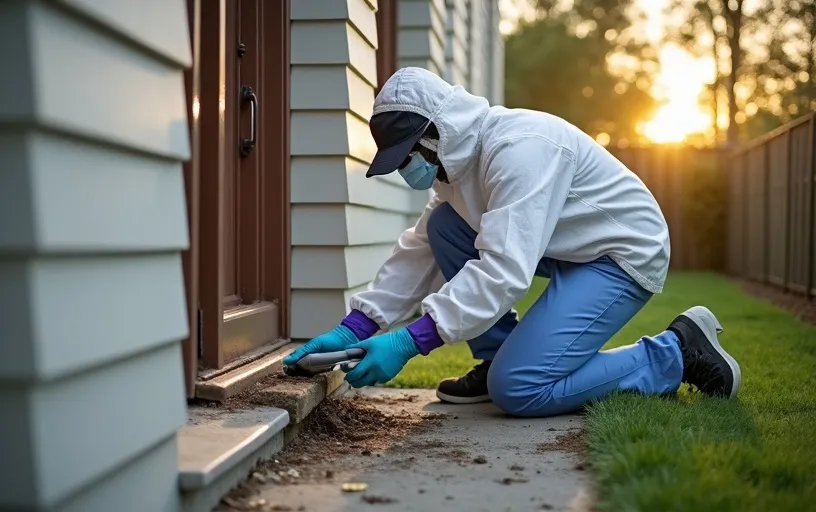
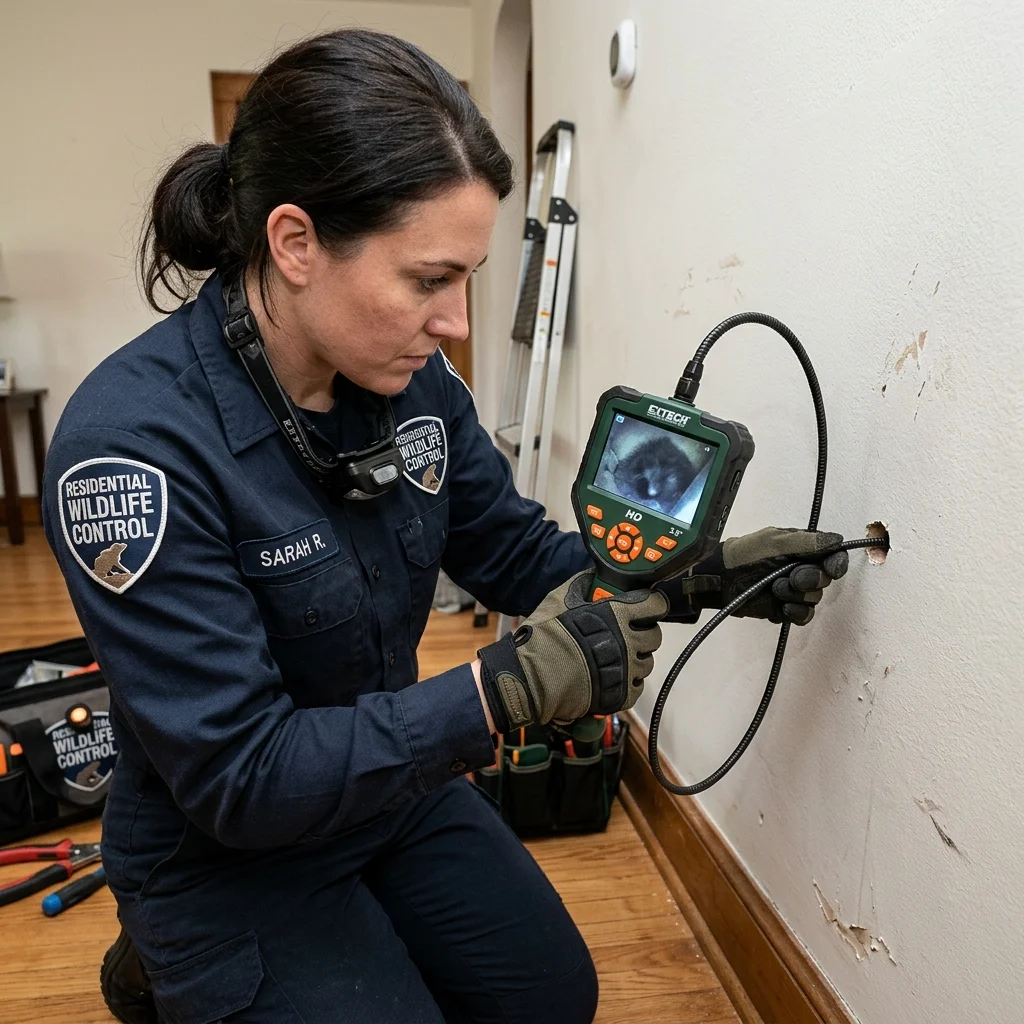
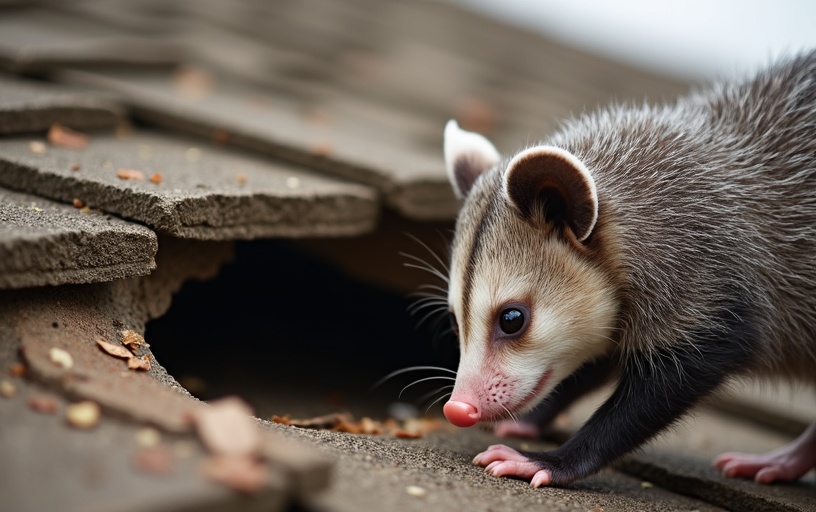
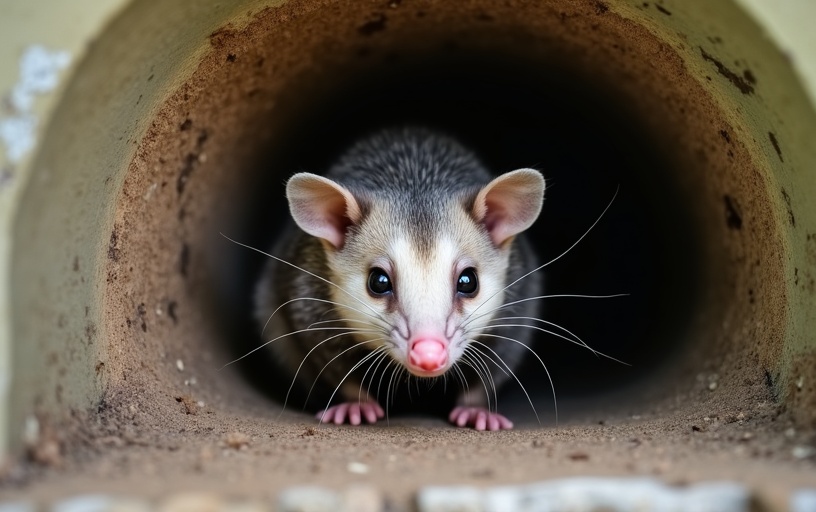
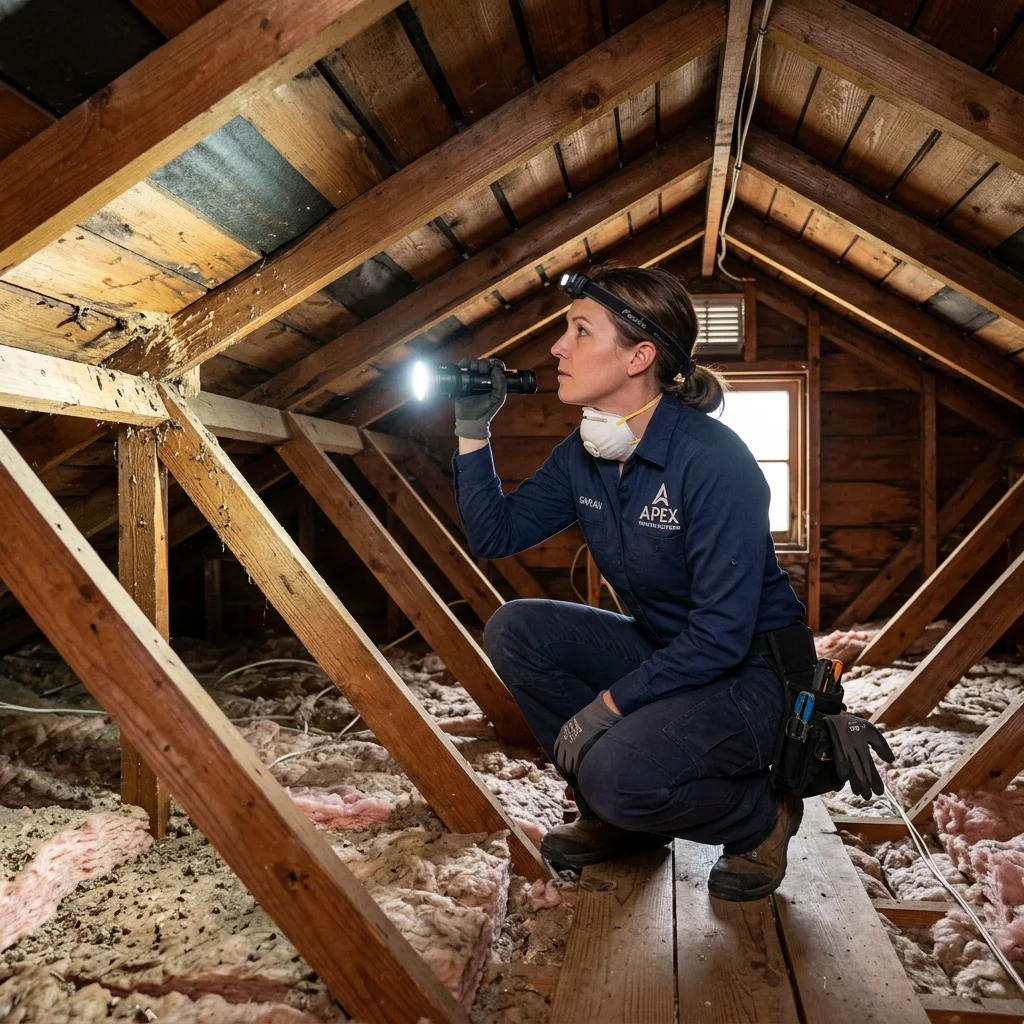
The first step in any successful exclusion program is a thorough inspection of the property. Possums do not need a large opening to enter your home. A gap as small as a tennis ball is often enough for a determined Brushtail to squeeze through. To find where they are entering, inspect your home during daylight hours, looking for the following clues:
Walk around the exterior of your home and look closely at the roofline, fascia boards, ridge capping, and eaves. Look for loose or broken roof tiles, gaps under metal roof sheeting, warped timber panels, and missing mortar. You should also check for rub marks - possums have scent glands on their chests and feet that leave oily, dark stains around frequently used entry holes. Additionally, search for droppings, scratch marks on tree trunks or downpipes, and build-ups of leaves near roof entry points.
Step 2: Implementing Safe Exclusion Techniques
Once you have located the active entry point, the next step is to evict the possum. The most humane and effective way to do this is by installing a one-way exit door. This device allows the possum to leave the roof cavity to forage at night but prevents them from re-entering.
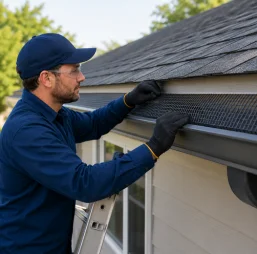
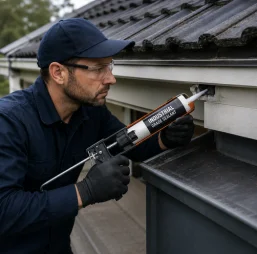
First, seal all secondary gaps and holes that you identified during your inspection. If you only block the main entry, the possum will simply find or create another way in. Use heavy-duty materials such as galvanized steel mesh, timber boards, or metal flashing. Avoid using simple expanding foam, as possums can easily chew through it.
Next, install the one-way door over the main entry point. Leave it in place for several days. This ensures that the possum has left the roof space to find food and water and is now locked out. Listen closely at dawn and dusk to verify that there is no more thumping or scurrying inside the ceiling.
Step 3: Providing a New Home with a Nesting Box
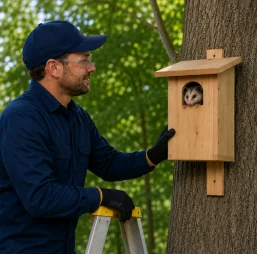
Because possums are highly territorial, the evicted animal will remain in your garden and attempt to find another entry point into your home. To prevent them from trying to break back in, you should provide an alternative nest. Installing a sturdy, weatherproof nesting box in a nearby tree is the best way to resolve this conflict.
Mount the box high in a mature tree, at least four meters off the ground, facing away from prevailing winds and direct afternoon sun. To make the new box more attractive, you can place a handful of dry leaves or a small piece of fruit near the entrance. If possible, transfer some nesting material from the roof cavity to the box so it carries the possum's familiar scent.
Step 4: Cleaning, Sanitizing, and Restoring the Space
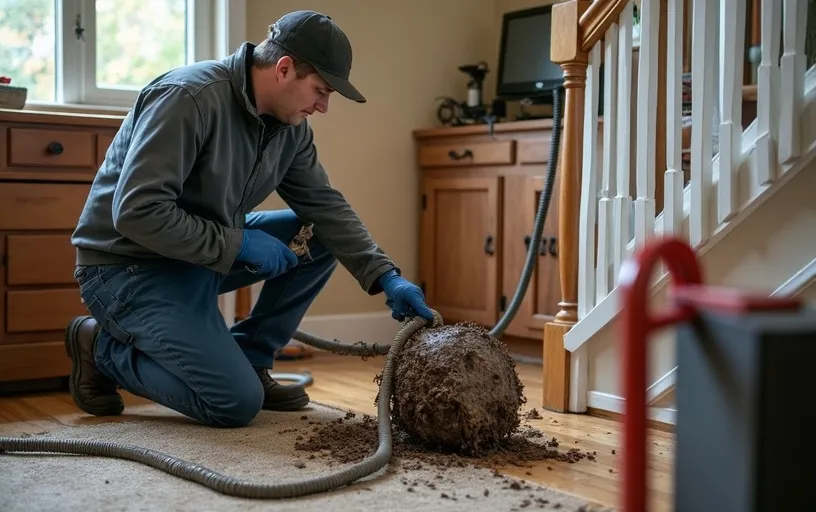
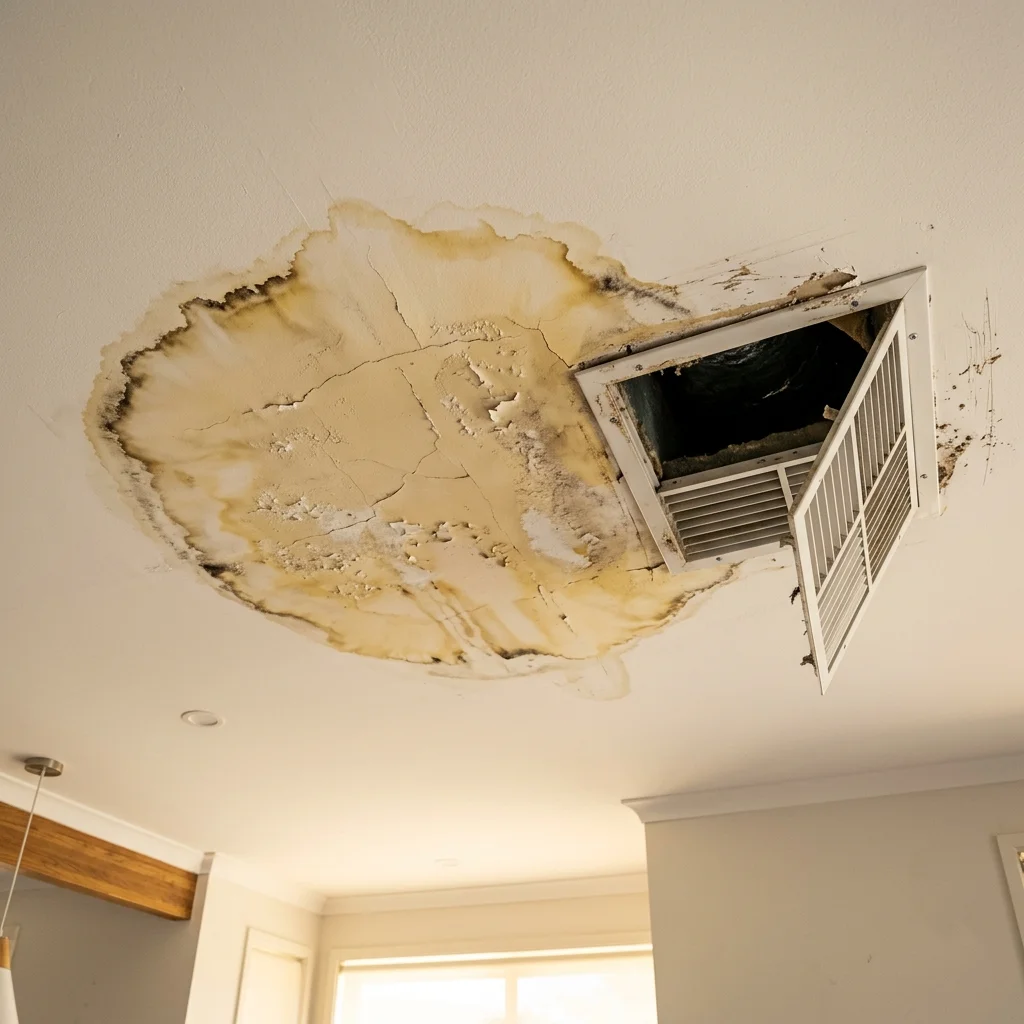
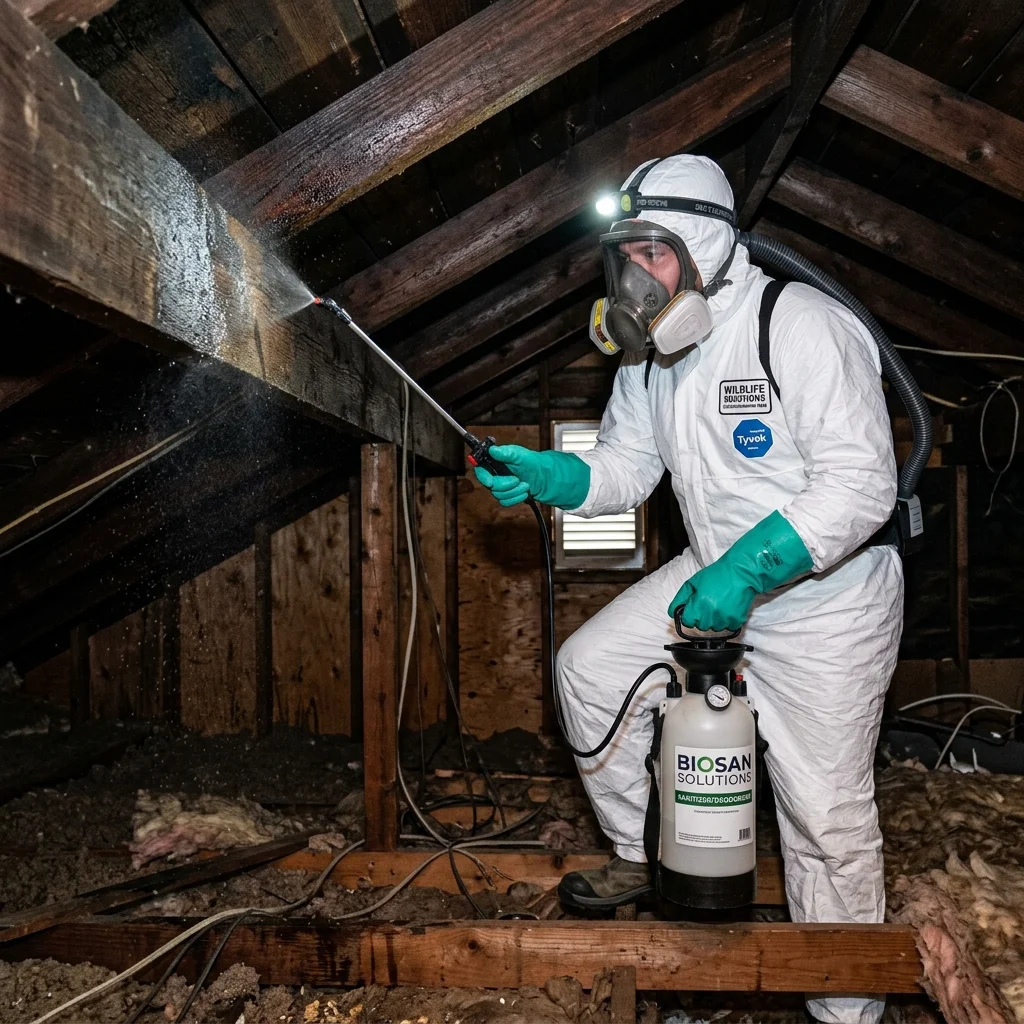
Once you are certain the possum has relocated, the final step is to clean and sanitize the nesting area. Possums leave behind urine, droppings, and nesting material that can carry bacteria and attract secondary pests like fleas, mites, and blowflies. The strong odor can also seep into plasterboard ceilings, leaving yellow stains and an unpleasant smell that lingers for a long time.
Wear protective gear, including a mask and gloves, before entering the roof space. Carefully remove all contaminated insulation and droppings. Spray the area with a high-grade disinfectant and odor neutralizer. This not only sanitizes the space but also breaks down the scent markers that could attract other possums to the area in the future.
Exclusion Summary Checklist
- Conduct a daytime inspection to identify all entry points and rub marks.
- Seal all secondary openings using heavy-duty metal mesh or flashing.
- Install a one-way exit door on the primary entry point to let the possum out safely.
- Provide an alternative nesting box in a nearby tree to offer a compliant habitat.
- Sanitize the ceiling space to remove bacteria, droppings, and scent markers.