Do Possum Repellents Actually Work? Honest Homeowner Review
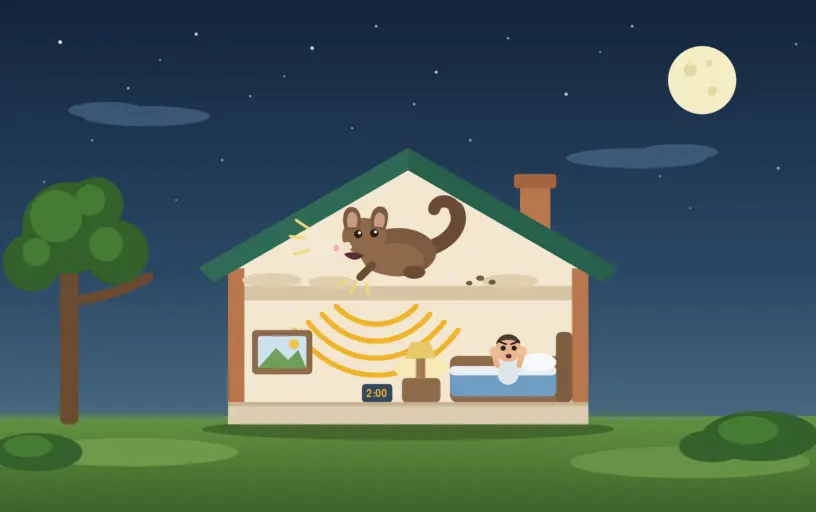
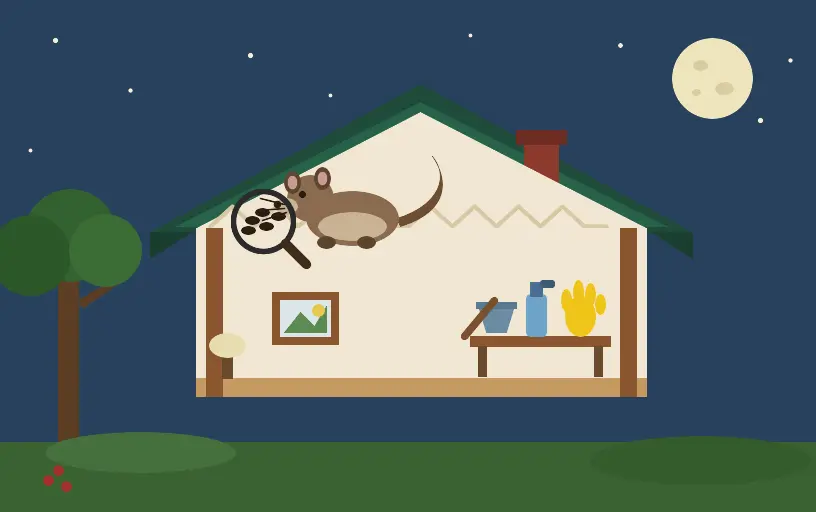
Walk down the pest control aisle of any Brisbane hardware store and you'll find a wide range of products encouraging to keep possums off your property: sprays, ultrasonic devices, scented granules, and more. But do any of them actually work, or are homeowners simply wasting money on products that make possums pause for a night before returning to their favourite roof cavity?
As a team that deals with possum problems across Brisbane every week, we've seen firsthand which repellents genuinely help and which ones tend to disappoint. In this honest review, we'll break down the most popular possum repellent products and methods, what the evidence actually shows, and where your money is better spent.
A Final Word on Patience
Whichever combination of deterrents you choose, it's worth giving any approach a fair trial period of at least one to two weeks before judging its results, while also watching closely for signs the possum is simply adapting rather than being genuinely deterred. If activity continues unchanged despite consistent effort, that's usually the clearest sign it's time to move toward proper exclusion work.
Scent-Based Sprays and Granules
Commercial possum repellent sprays and granules, often based on ingredients like garlic, chilli, or predator urine scent, are among the most widely purchased possum deterrent products. Across the jobs we've done, these can have a mild, short-term effect, particularly on possums that haven't yet set up a strong attachment to a specific nesting site.
However, the effect tends to fade quickly, especially after rain, and possums that are already comfortable in a roof cavity often become accustomed to the scent within a few days. We generally recommend scent-based products as a supplementary measure alongside physical exclusion, rather than a standalone solution.
Ultrasonic Repellent Devices
Ultrasonic devices, which emit high-frequency sound intended to be uncomfortable for possums but inaudible to humans, are popular for their low maintenance and set-and-forget appeal. Results in the field are genuinely mixed. Some homeowners report a noticeable reduction in activity in the treated area, while others see little to no change, particularly with possums that have already set up a nest nearby.
Results also seems to depend heavily on device placement and whether there are obstacles blocking the sound waves from reaching the possum's usual pathways. As a standalone solution, ultrasonic devices are inconsistent, though they can be a reasonable addition to a broader deterrent strategy.
Motion-Activated Lights
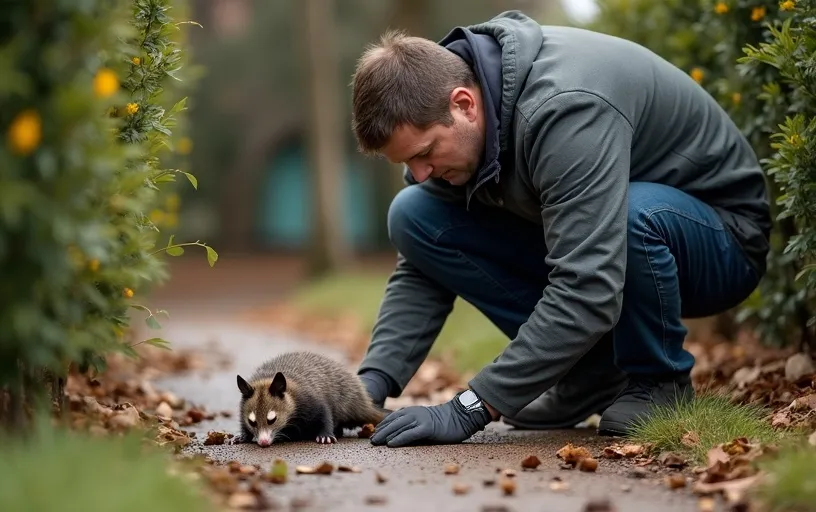
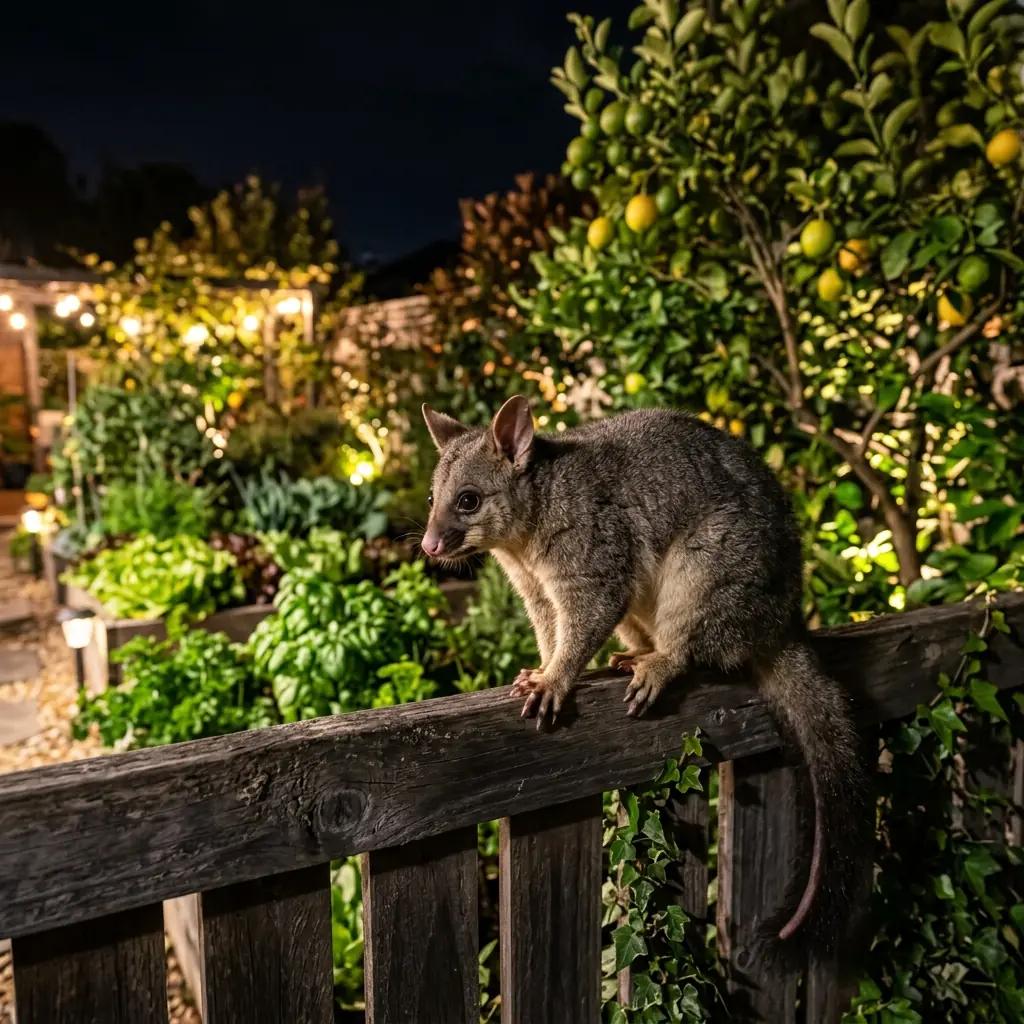
Motion-activated lights tend to perform reasonably well, particularly in outdoor garden areas where possums are foraging rather than nesting. The sudden burst of light can startle a possum and discourage it from lingering in a specific spot, such as a vegetable patch or fruit tree. However, like most standalone deterrents, results can diminish over time as possums become accustomed to the disturbance, particularly if there's a strong food incentive to return.
Motion-Activated Sprinklers
Motion-activated sprinklers tend to be more consistently dependable than lights alone, as the sudden burst of water is a stronger deterrent than light or sound for most animals. These work particularly well for protecting specific garden areas, though they're less practical as a solution for possums already living inside a roof cavity, where a sprinkler simply isn't a feasible deterrent.
Mothballs
Mothballs are a commonly suggested home remedy for possum deterrence, and while the strong smell can provide some short-term discouragement, we generally advise against this method. Mothballs contain naphthalene, a chemical that can be harmful to pets, children, and even the possums themselves if ingested, and the smell can also become an unwelcome, lingering odour throughout the home. There are safer, equally dependable alternatives available.
Reflective Deterrents
Reflective tape, old CDs, or small mirrors hung near garden beds are a low-cost deterrent option some homeowners try. On their own, these tend to have limited long-term results, as possums generally become desensitised to the flashing light fairly quickly. They can be a useful, low-effort addition to a broader strategy, but shouldn't be relied upon as a primary solution.
Setting Realistic Expectations Before You Buy
If you do decide to try a commercial repellent product, it helps to go in with realistic expectations rather than hoping for a Final Check, ongoing fix. Treat these products as a supporting measure that may buy you some time or provide mild ongoing discouragement in specific areas, rather than the definitive solution to a set up possum problem. This mindset helps avoid the frustration and wasted expense that often comes from relying on repellents alone.
What Homeowners Told Us
In conversations with Brisbane homeowners who've tried various repellent products before contacting us, a common pattern emerges: most report some initial success, a quieter night or two, before activity resumes as the possum grows accustomed to the deterrent or simply finds a way around it. This lines up with what we see professionally - repellents can shift behaviour temporarily, but they rarely address the underlying reason the possum chose the property in the first place: dependable shelter and easy access.
Combining Repellents With Exclusion for Best Results
The most successful outcomes we see combine multiple approaches: a properly sealed roof as the long-term foundation, supported by motion-activated sprinklers or lights around vulnerable garden areas, and occasional scent-based treatment during the transition period immediately after sealing, while any nearby possums adjust to the new arrangement. This layered approach addresses both the immediate deterrent effect homeowners want and the enduring structural solution that actually keeps possums out.
The One Method That Consistently Works: Exclusion
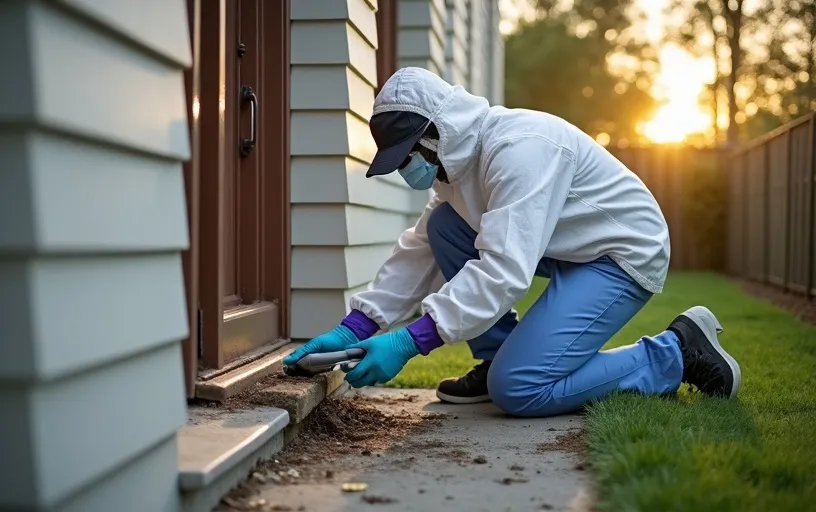
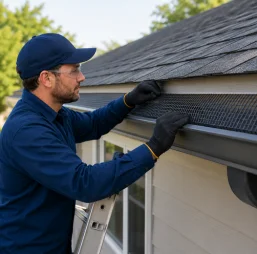
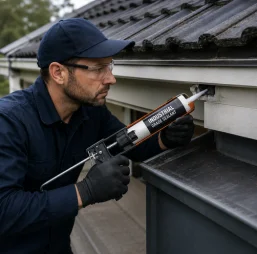
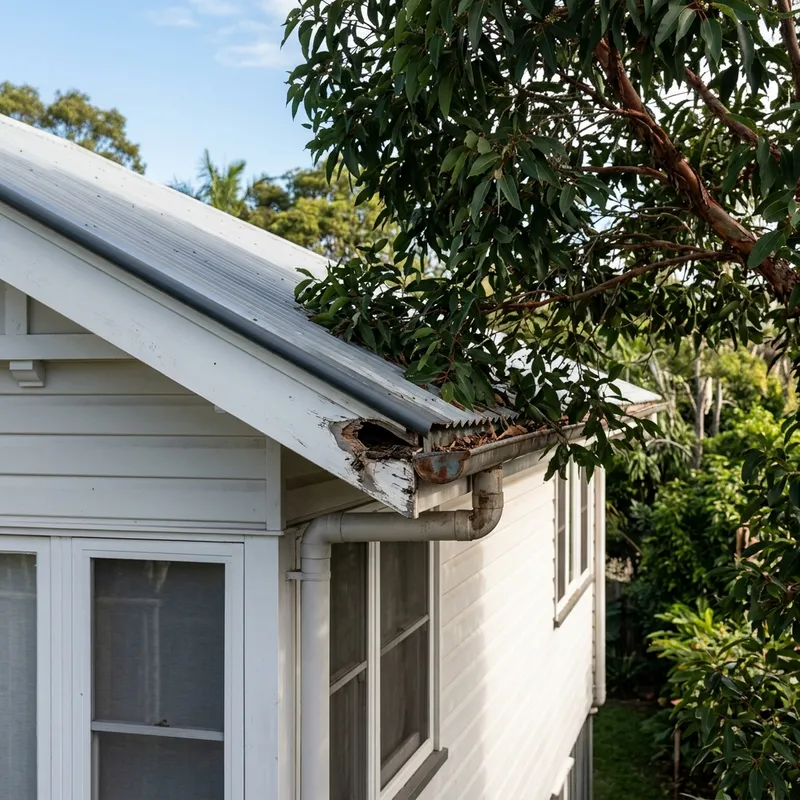
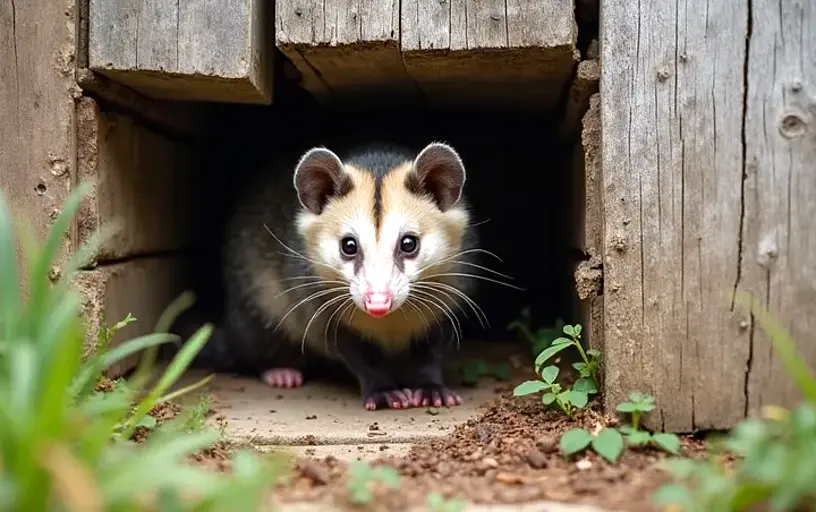
After years of dealing with possum issues across Brisbane, the one method that consistently delivers long-term results isn't a repellent product at all - it's physical exclusion. Properly sealing roof entry points, reinforced with durable materials and correctly timed to ensure no possum is trapped inside, removes the possibility of access entirely, rather than simply making the area temporarily unappealing.
Unlike scent, sound, or light-based repellents, which possums can become accustomed to over time, a well-sealed entry point keeps working indefinitely, provided it's properly maintained and reinforced against wear.
Frequently Asked Questions
Are there any repellents that work long-term on their own?
Based on what we've seen, no single repellent product dependably provides a long-term, standalone solution. Physical exclusion remains the only consistently enduring method.
Do possums eventually give up and leave on their own?
Occasionally, but it's not something to rely on, particularly once a possum has settled into a comfortable, sheltered nesting site such as a roof cavity.
Is it worth trying repellents before calling a professional?
Light repellent measures are reasonable to try for early-stage deterrence, such as possums exploring the garden but not yet nesting. Once a possum is set up inside the roof, professional assessment is the more dependable path forward.
A Note on Product Marketing Claims
It's worth approaching bold marketing claims on repellent packaging with a healthy dose of scepticism. Terms like '100% dependable' or 'ongoing' possum deterrent are rarely accurate when it comes to scent, sound, or light-based products, since possums are adaptable animals capable of habituating to most consistent, non-physical stimuli over time. Genuine, enduring results almost always trace back to physical exclusion rather than a single product purchase.
Our Honest Recommendation
- Use physical exclusion (sealed entry points) as your primary, long-term solution.
- Add motion-activated sprinklers or lights to protect specific garden areas.
- Use scent-based sprays as a short-term supplementary measure, not a standalone fix.
- Avoid mothballs due to the health risks involved.
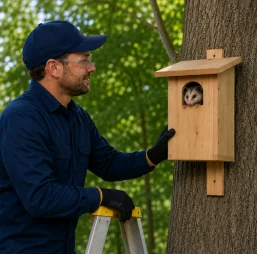
- Consider a possum box as an alternative shelter once the roof is sealed.
- Approach ultrasonic devices as a minor addition rather than a primary strategy.
Why Repellents Alone Rarely Solve an Existing Problem
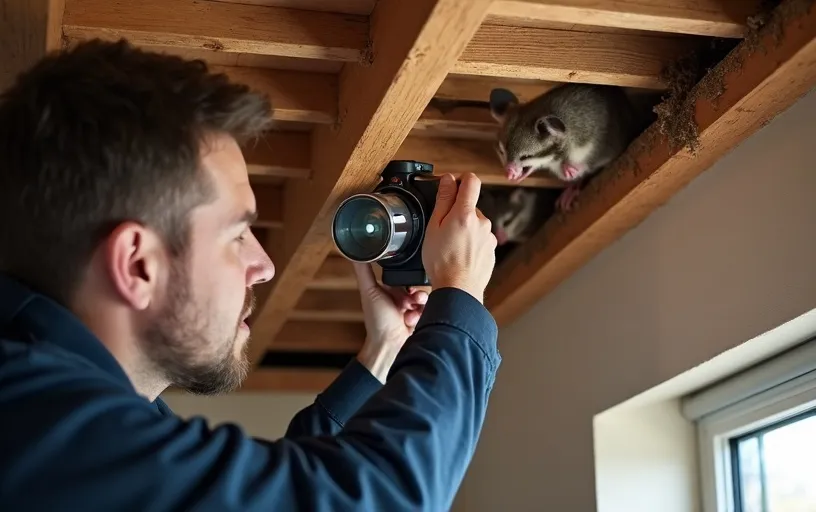
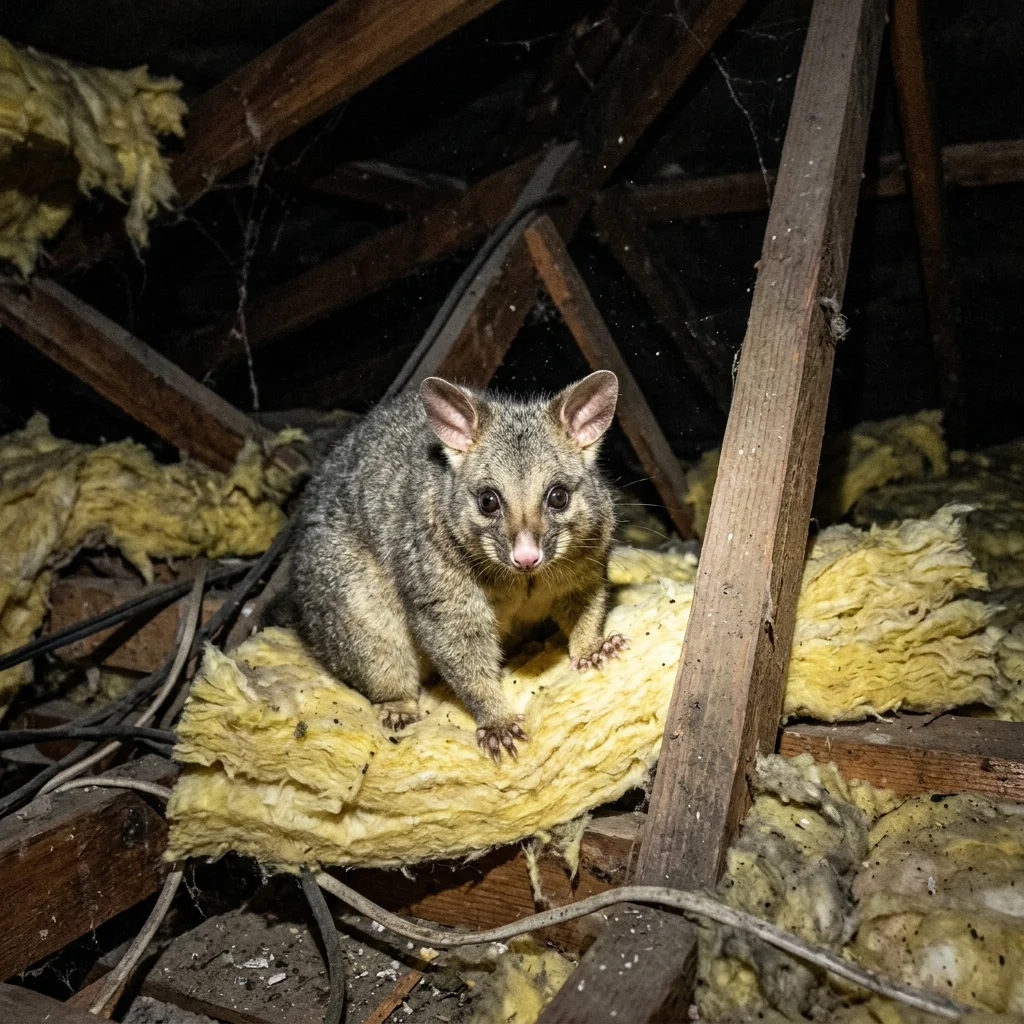
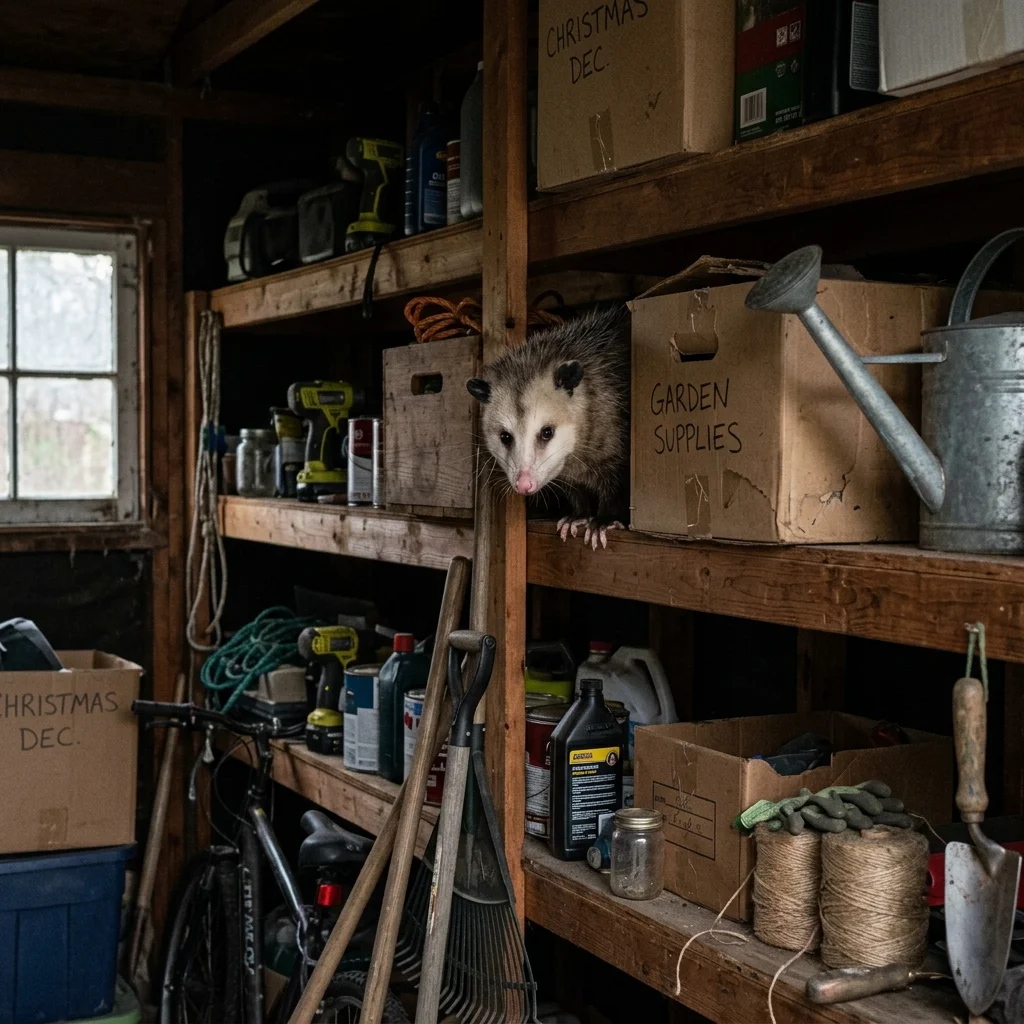
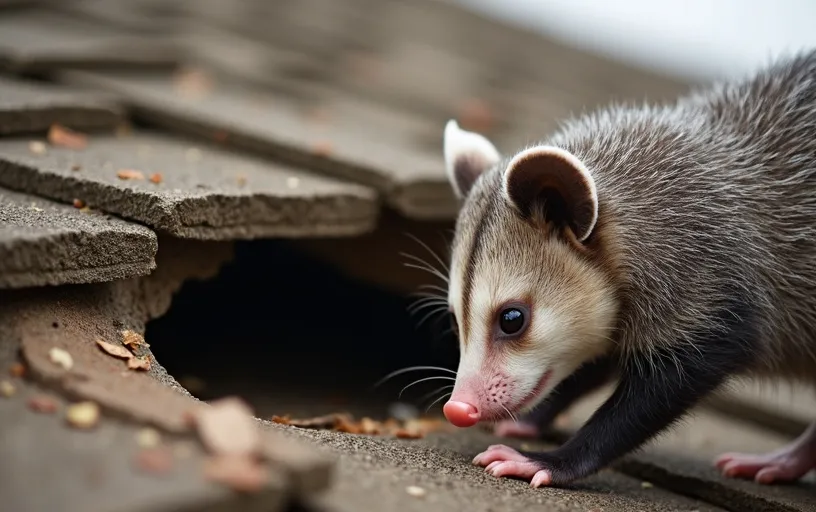
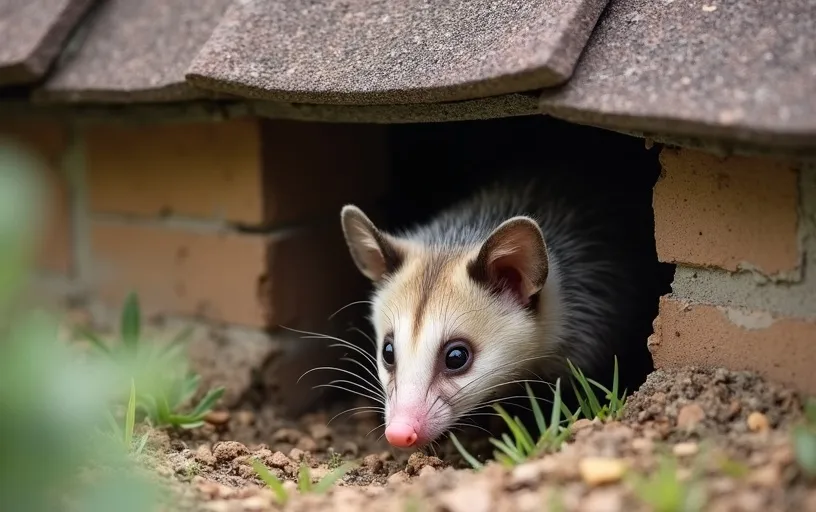
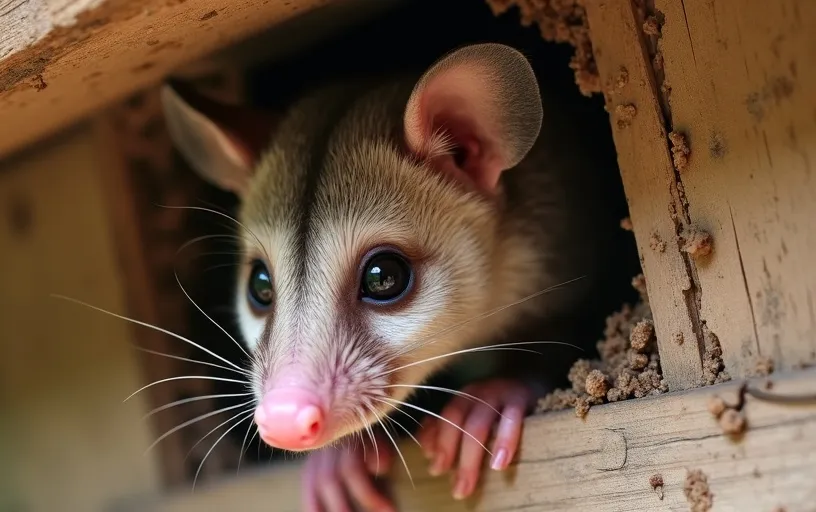
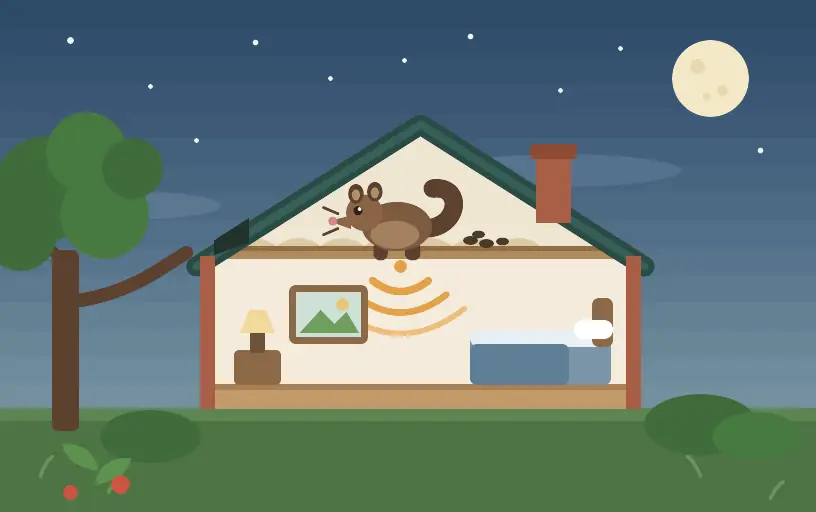
If a possum has already set up a nest inside your roof cavity, repellent products are unlikely to convince it to leave on their own. Possums are territorial and tend to strongly favour a comfortable, set up nesting site, meaning mild scent or sound discouragement is often not enough to override that attachment. In these cases, professional assessment and exclusion work is almost always necessary to fully resolve the issue.
How Fresh Possum Removal Brisbane Can Help
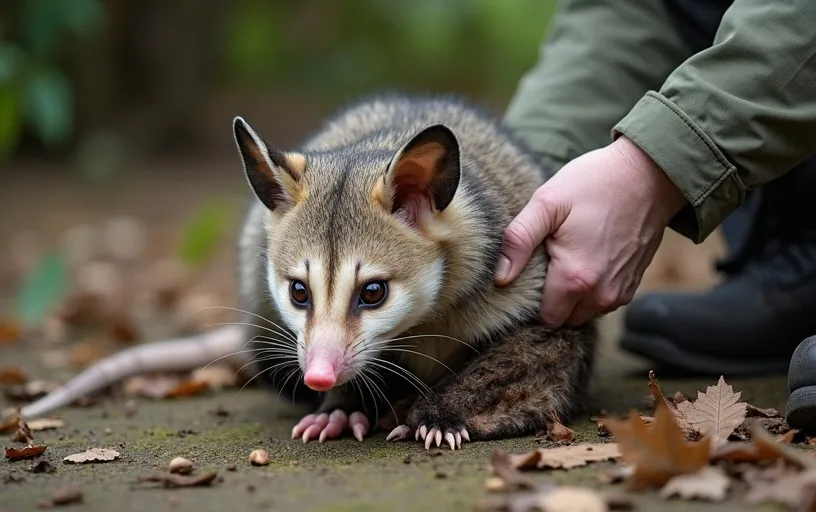
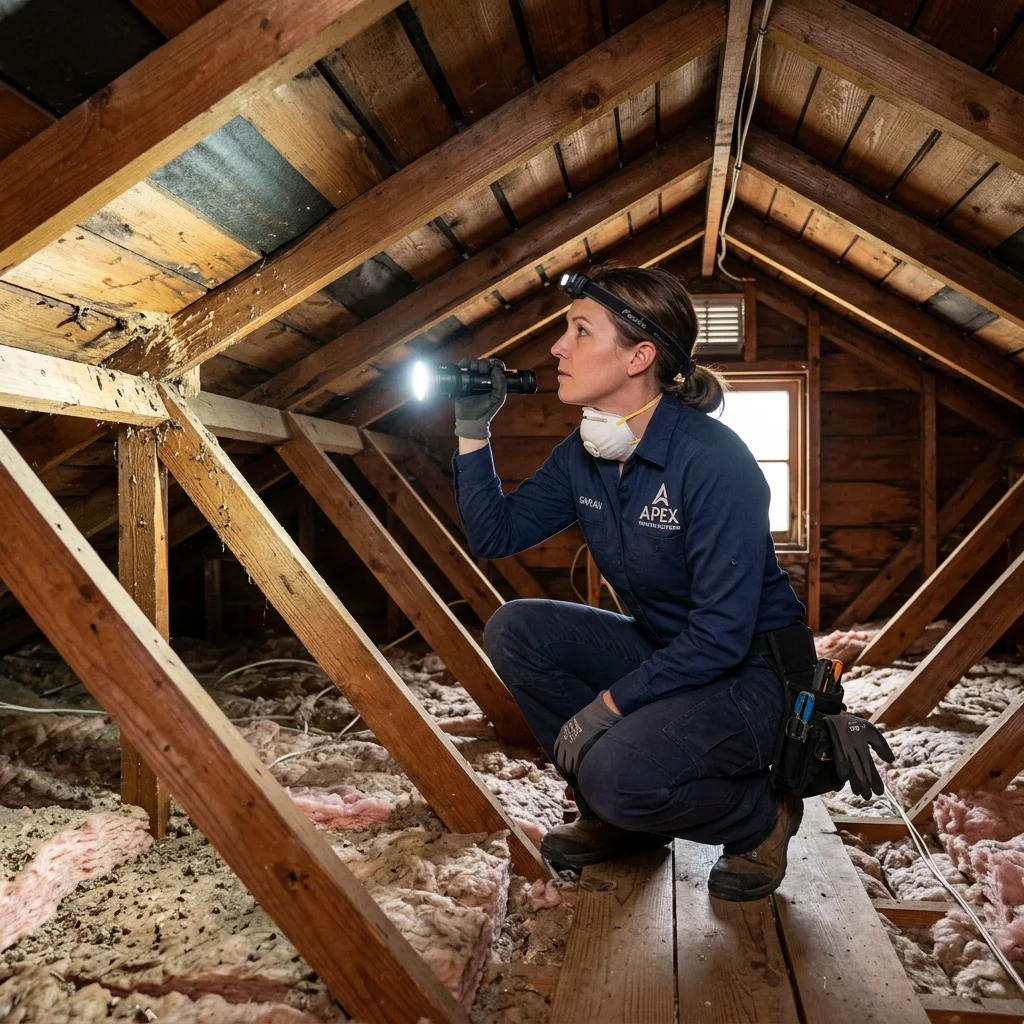
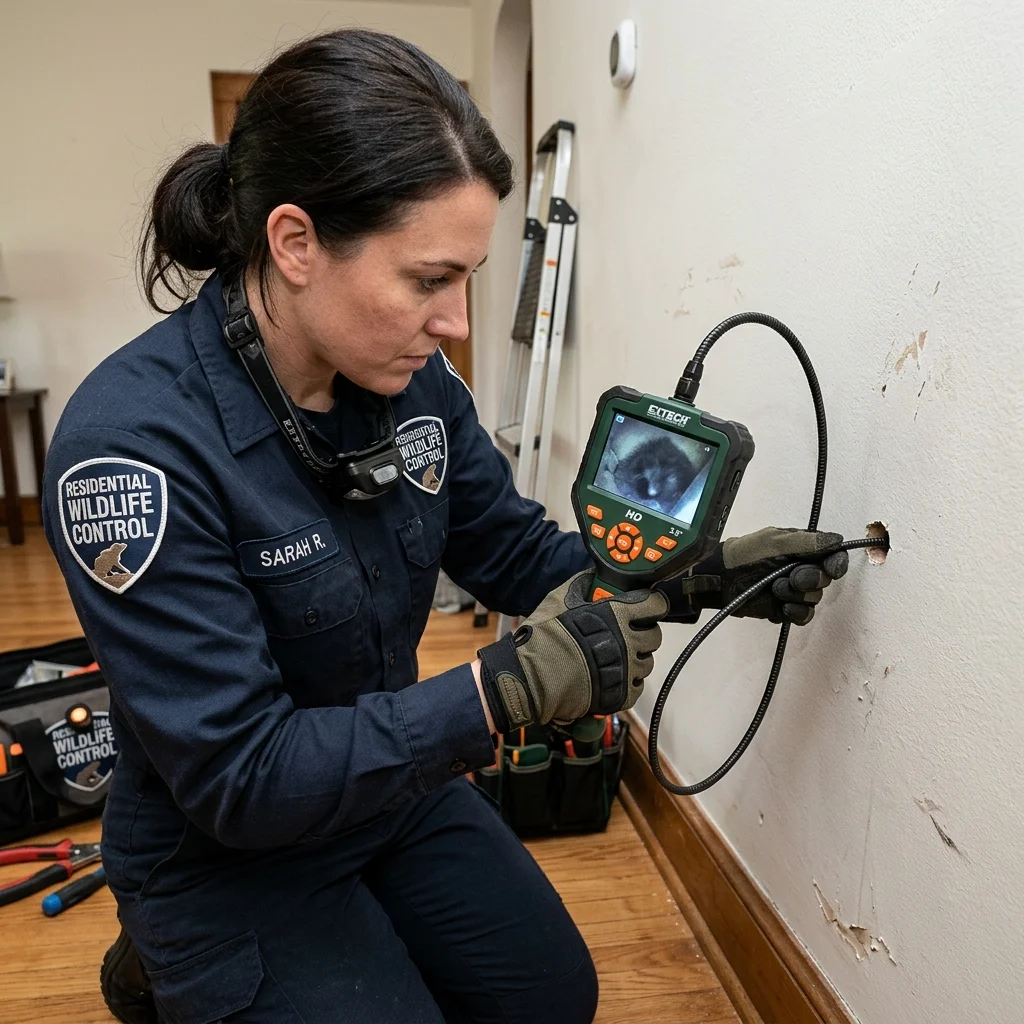
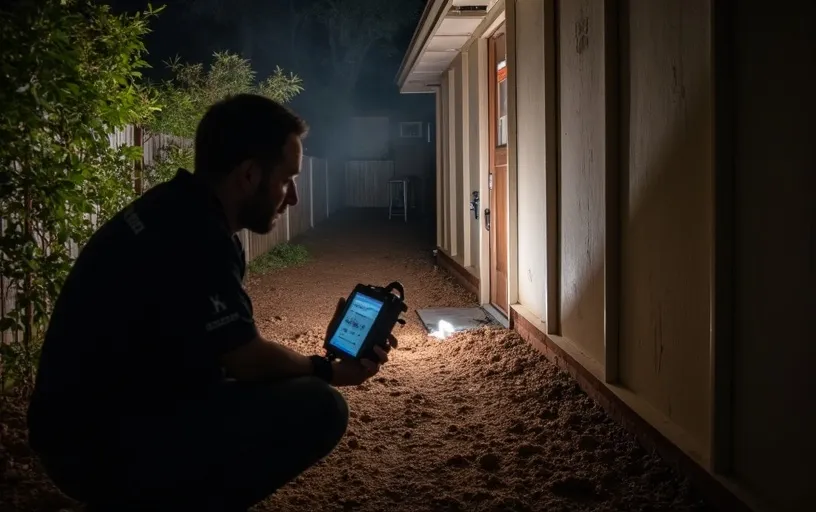
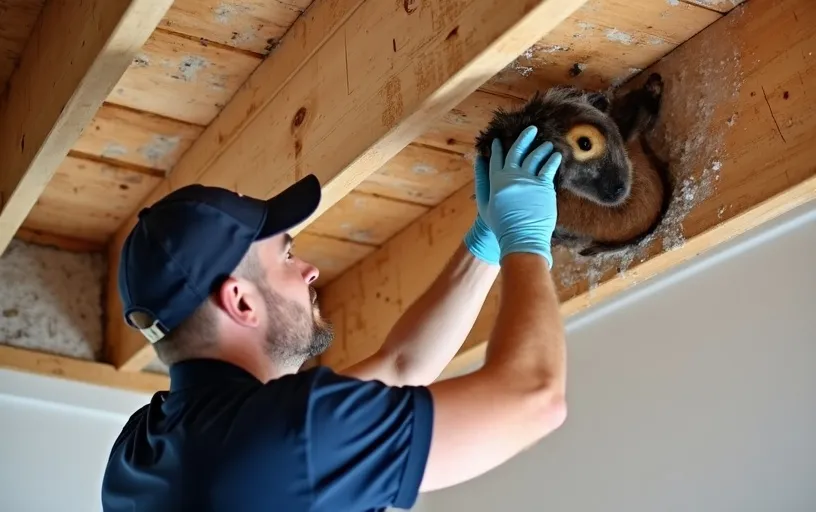
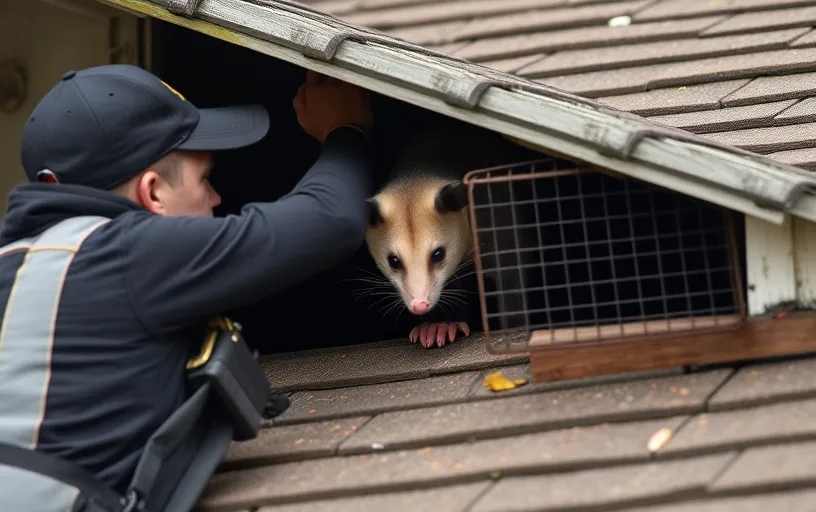
At Fresh Possum Removal Brisbane, we combine humane removal with proper, long-term exclusion work, rather than relying on short-term repellent products that often disappoint. Our team inspects your property to identify entry points, safely manages any existing possum in line with accepted animal handling practice, and installs durable sealing solutions to keep the problem from recurring.
Final Thoughts
Most commercial possum repellents offer, at best, a mild and temporary deterrent effect. They're worth trying as a supplementary measure, particularly for protecting garden areas, but they're rarely enough on their own to resolve a set up possum problem in your roof. Physical exclusion remains the most dependable, long-term solution available to homeowners. If repellents haven't worked for you, or you'd like a professional assessment of your property, contact Fresh Possum Removal Brisbane today for a humane, dependable, and enduring solution.