Why Roof Repairs Can Be the Bigger Cost After Possum Removal
If you are researching roof repairs after possum removal, you are probably not looking for a vague answer. You want to know what makes one job straightforward and another more involved, what should be included, and how to avoid agreeing to a service that does not match the real problem. That is exactly what this guide explains.
The short answer is that roof repair and proofing after possum removal should be quoted around the actual scope, not a generic number. The condition, access and treatment requirements can change from one property to the next. So rather than publishing a figure that may not apply to your situation, this guide shows you what affects the quote and what to ask before booking.
Quick Answer: Why the Quote Can Vary
There is no useful one-size-fits-all figure for roof repair and proofing after possum removal. The final quote depends on the job that is actually in front of the technician. Two properties can ask for the same service and still need very different amounts of time, preparation, equipment and follow-up. The most reliable way to understand the cost is to look at the scope: number of entry points, damaged tiles, fascia or eaves, roof height and access, affected insulation or ceiling material, and whether another qualified trade is required. A clear provider should explain those variables before you approve the work, rather than relying on a headline number that may not match your property.
What Usually Changes the Quote?
Start with the physical scope. For this type of job, the biggest variables are number of entry points, damaged tiles, fascia or eaves and roof height and access. Then there are practical details such as affected insulation or ceiling material and whether another qualified trade is required. None of those automatically means the job will be difficult, but they explain why a quote based only on a service name can be misleading. Photos, an accurate description and honest information about the condition usually help the provider understand the likely scope before arrival.
Example: Why Two Similar Enquiries Can Need Different Work
Imagine a straightforward removal followed by discovery of cracked tiles, a fascia gap and affected insulation. On paper, both customers may describe the enquiry with the same short phrase: 'roof repair and proofing after possum removal'. In practice, the technician is assessing two different jobs. One may be straightforward and accessible; the other may need extra testing, preparation, treatment or follow-up. That is why the better question is not simply 'what does it cost?' but 'what exactly is included for my situation?'
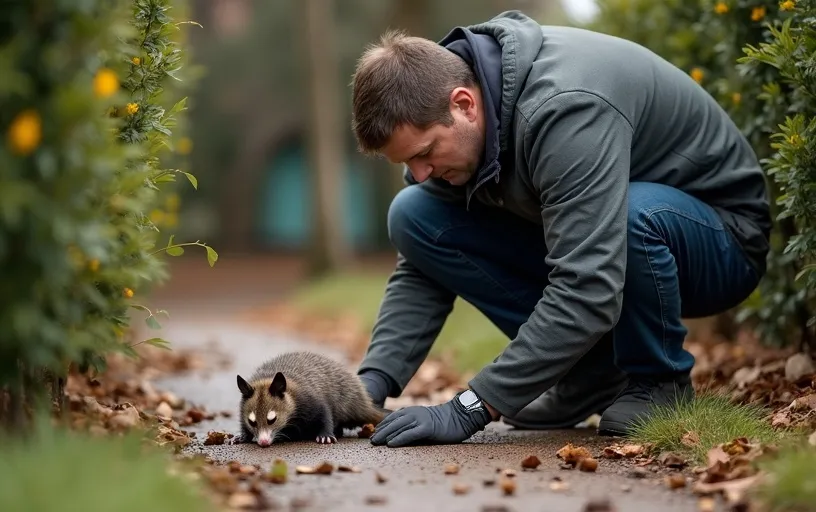
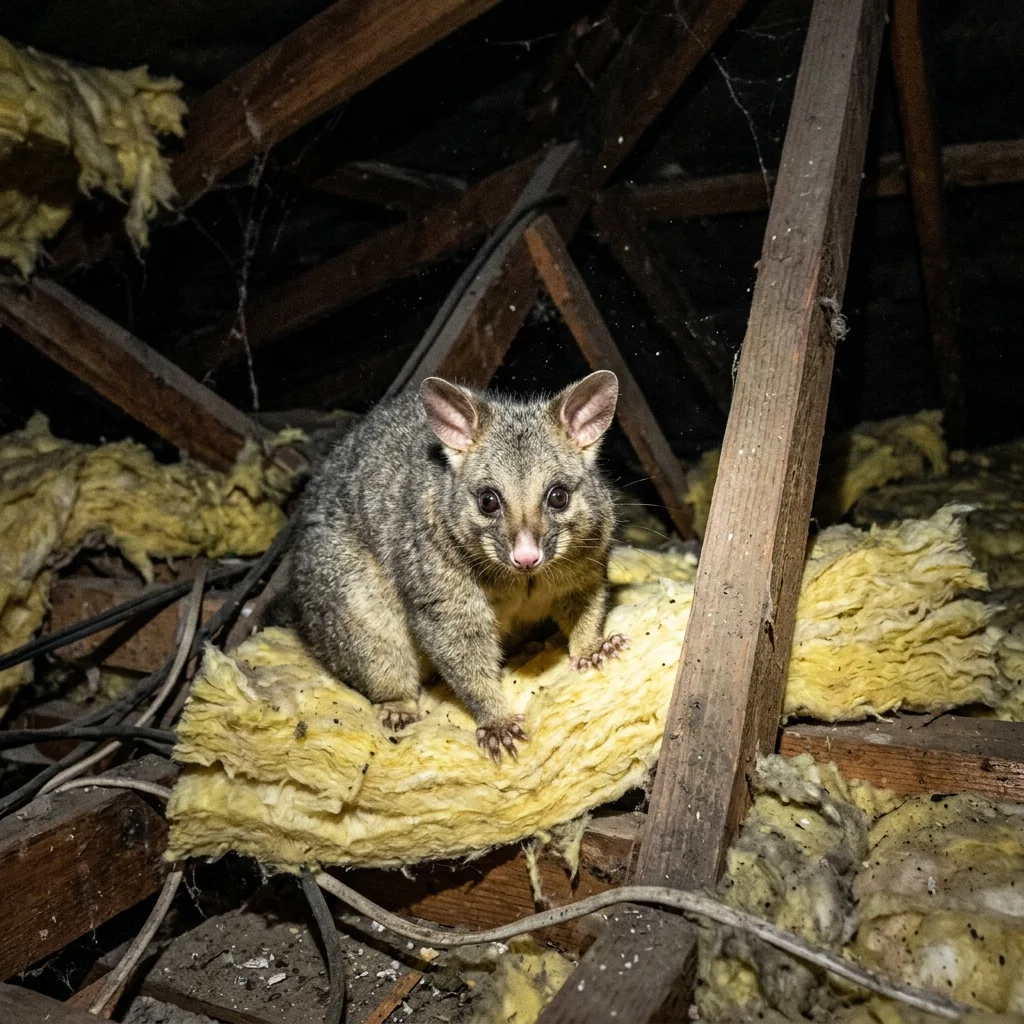
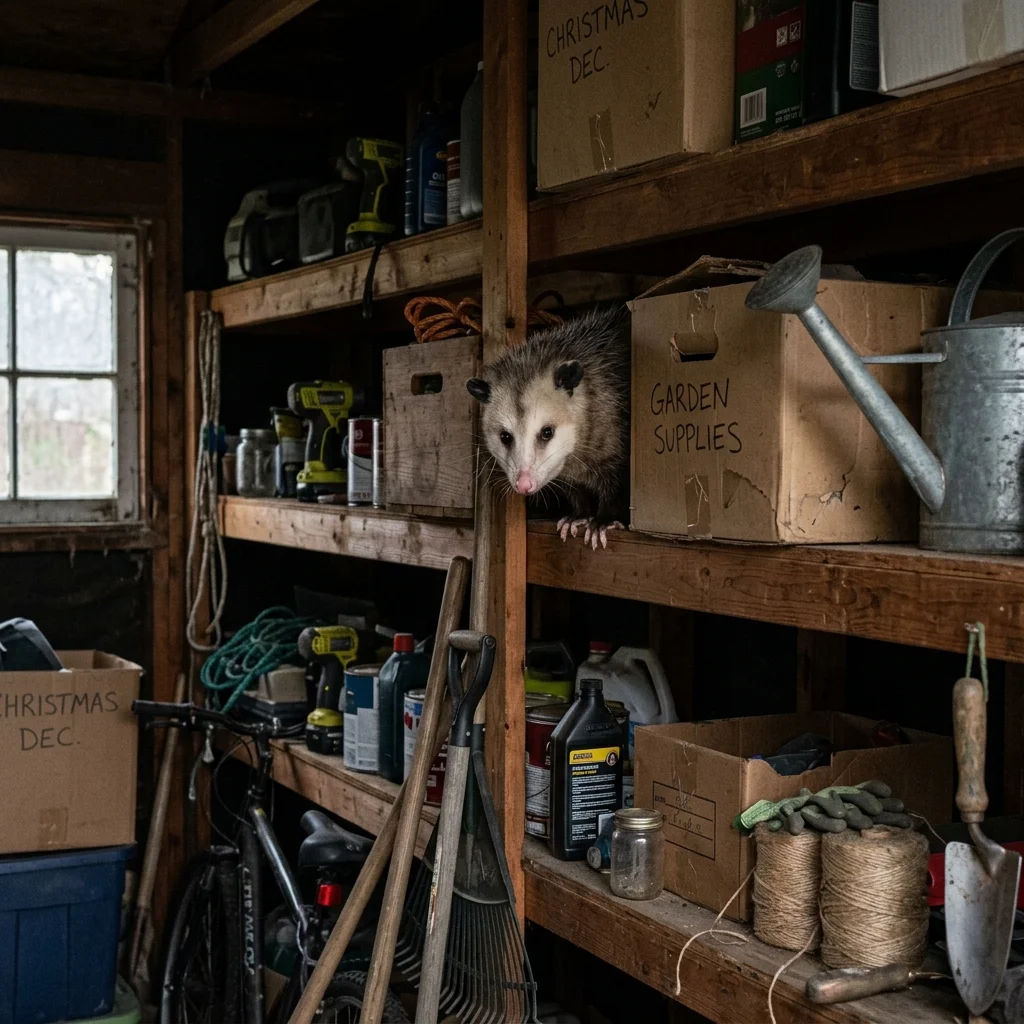
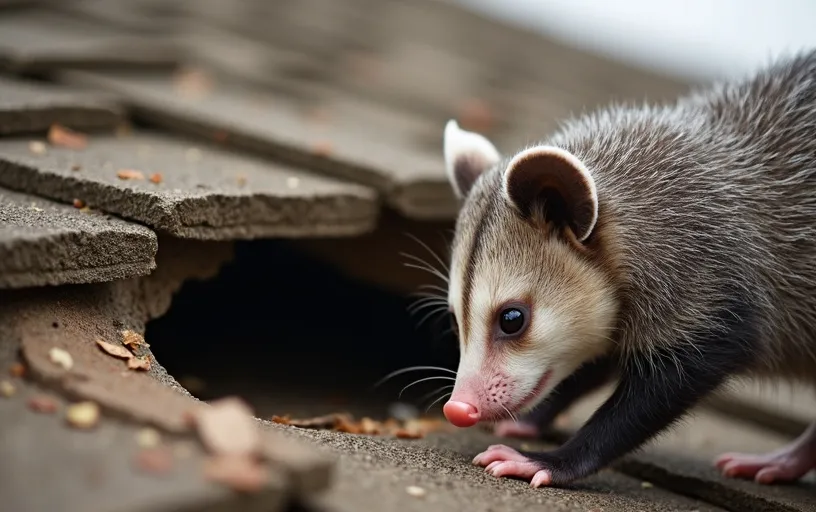
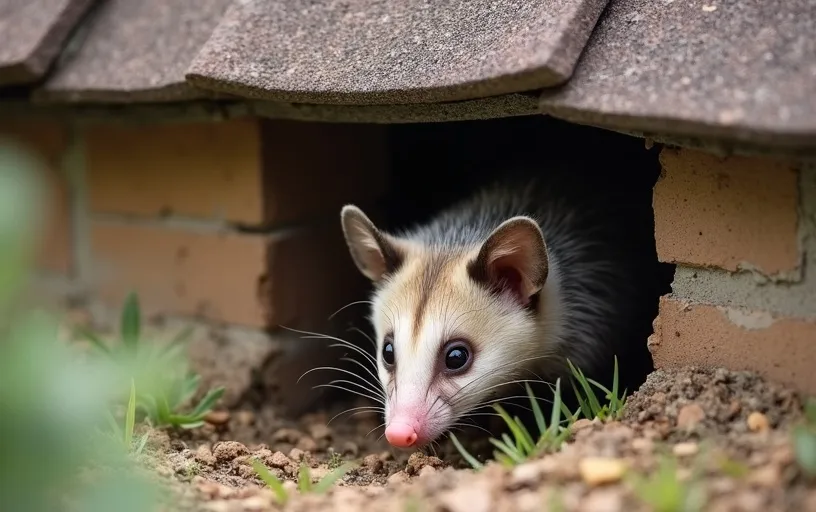
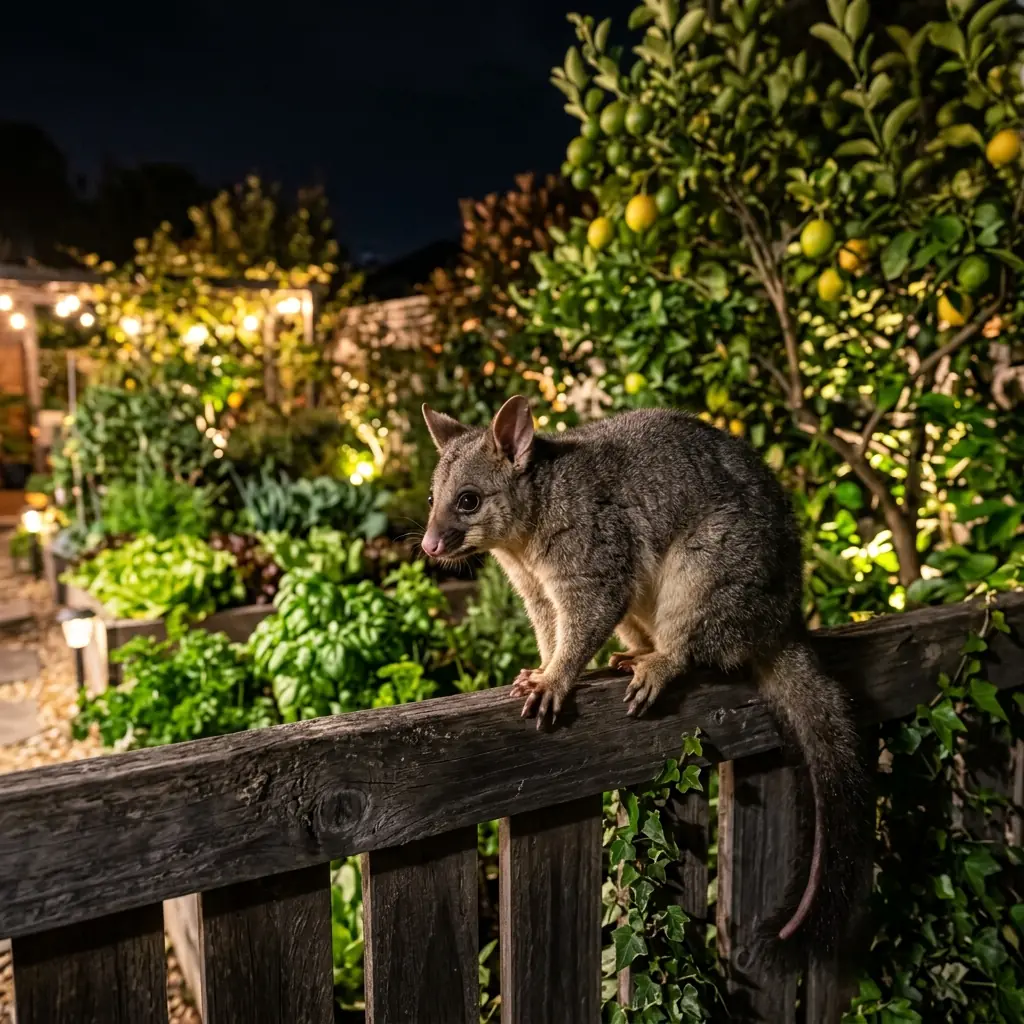
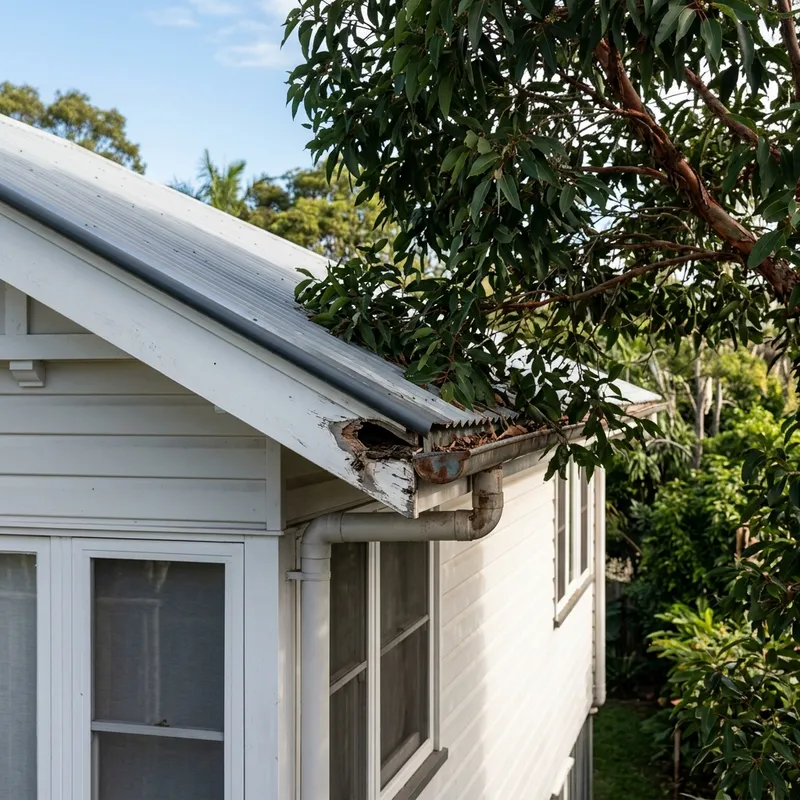
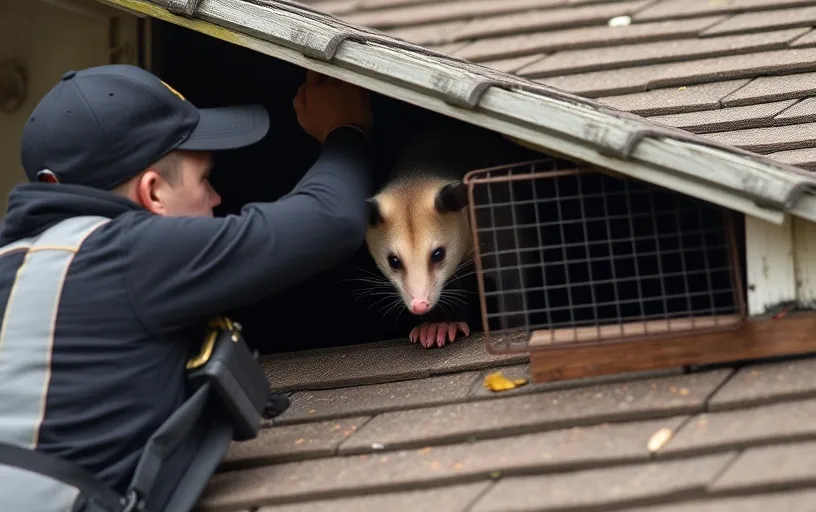
The possum is gone, the scratching has stopped, and then someone points out three broken tiles, a damaged eave and a section of soiled insulation. Suddenly the removal was the smaller part of the job.
That is not unusual in principle. Removing an animal and repairing a building are different scopes. Fresho's own guidance on keeping possums out focuses on finding and sealing entry points, while damaged roofing, electrical work or substantial building repair may need separate attention. For related guidance, see how to remove a possum from your roof.
What can make the repair bill bigger?
These figures are planning guides, not a fixed quote. Final quoting depends on the actual scope, access, condition and treatment required.
Removal versus repair: two different jobs
Possum removal deals with the animal. Proofing deals with how it got in. Repair deals with the building damage. They can overlap, but a quote should make the boundaries clear.
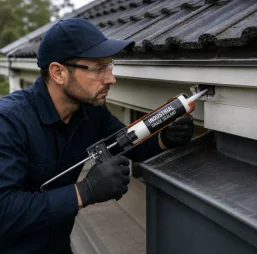
Fresho's roof-entry guide recommends durable materials such as suitable mesh and repairs to damaged fascia or tiles rather than weak temporary patches.
The damage you may discover after removal
- Broken or displaced roof tiles
- Gaps at fascia, eaves or vents
- Damaged insulation or nesting material
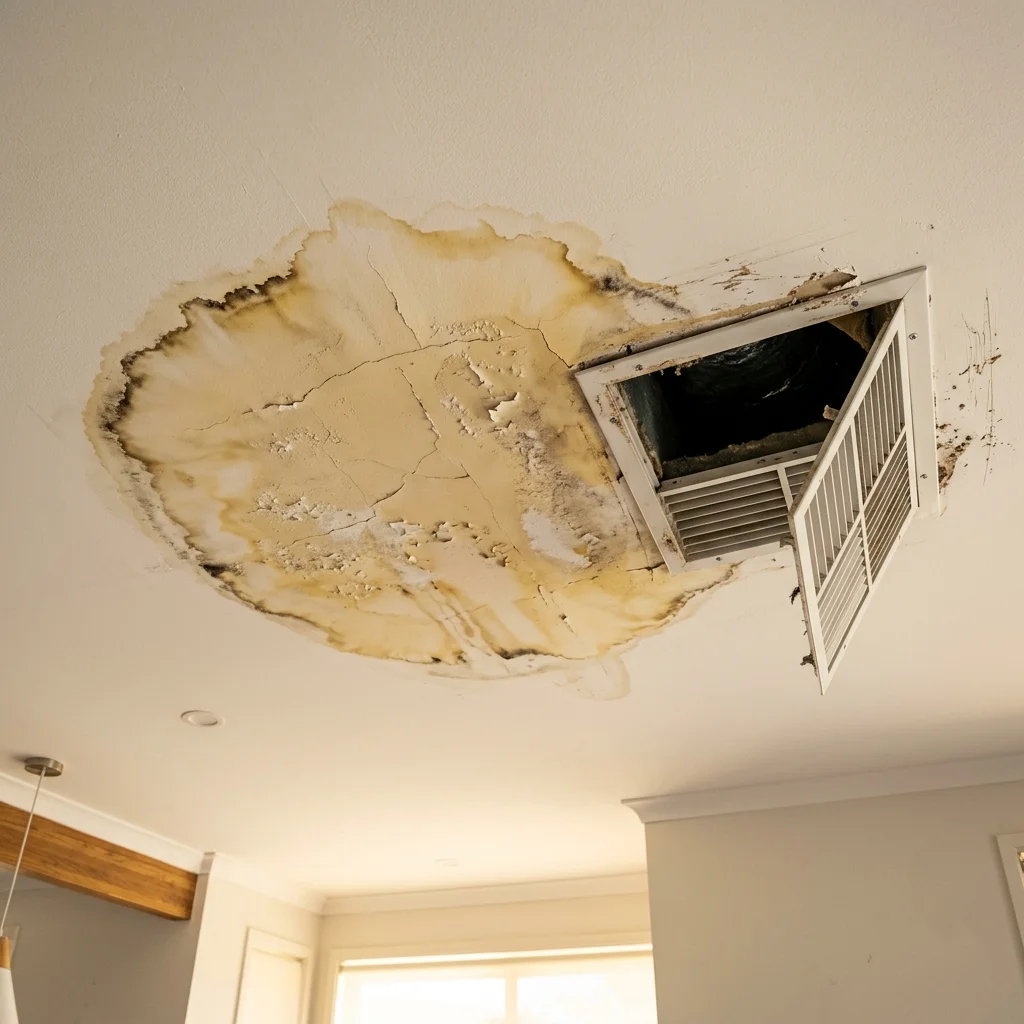
- Urine staining or ceiling damage
- Chewed or disturbed services that need inspection
Not every possum causes all of these problems. The point is to inspect before assuming that removal alone has restored the roof.
Imagine the animal can be removed without difficulty, but the roof inspection finds a long fascia gap and several cracked tiles. The wildlife work may be straightforward while the roof repair requires more labour, materials and possibly a different trade. The combined invoice can therefore be driven by the building, not the possum.
How to keep the scope under control
Ask for photos of entry points and damage. Separate urgent exclusion work from optional maintenance. Confirm which repairs the possum-removal provider is qualified and prepared to perform, and obtain an appropriate trade quote for anything outside that scope.
Removal, exclusion and repair are three different cost buckets
It helps to separate the project into three parts. Removal or lawful exclusion deals with the animal that is currently using the property. Proofing deals with the route it used to get in. Building repair deals with damaged tiles, fascia, ceiling, insulation, wiring or other components. A single provider may handle more than one part, but the quote should still make the scope understandable. This separation is especially useful when comparing quotes because a cheap 'removal' quote may not include proofing, while a higher quote may include inspection and sealing. Ask which part of the problem each line item is solving.
Why the roof inspection can be the most valuable step
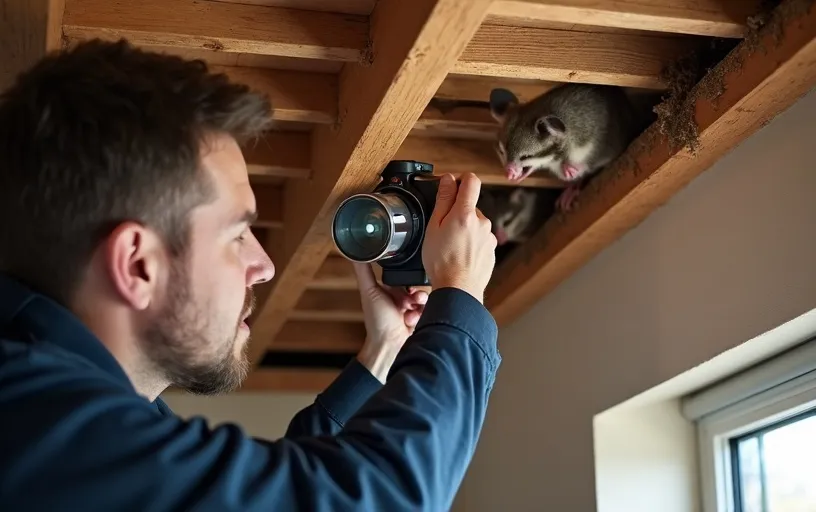
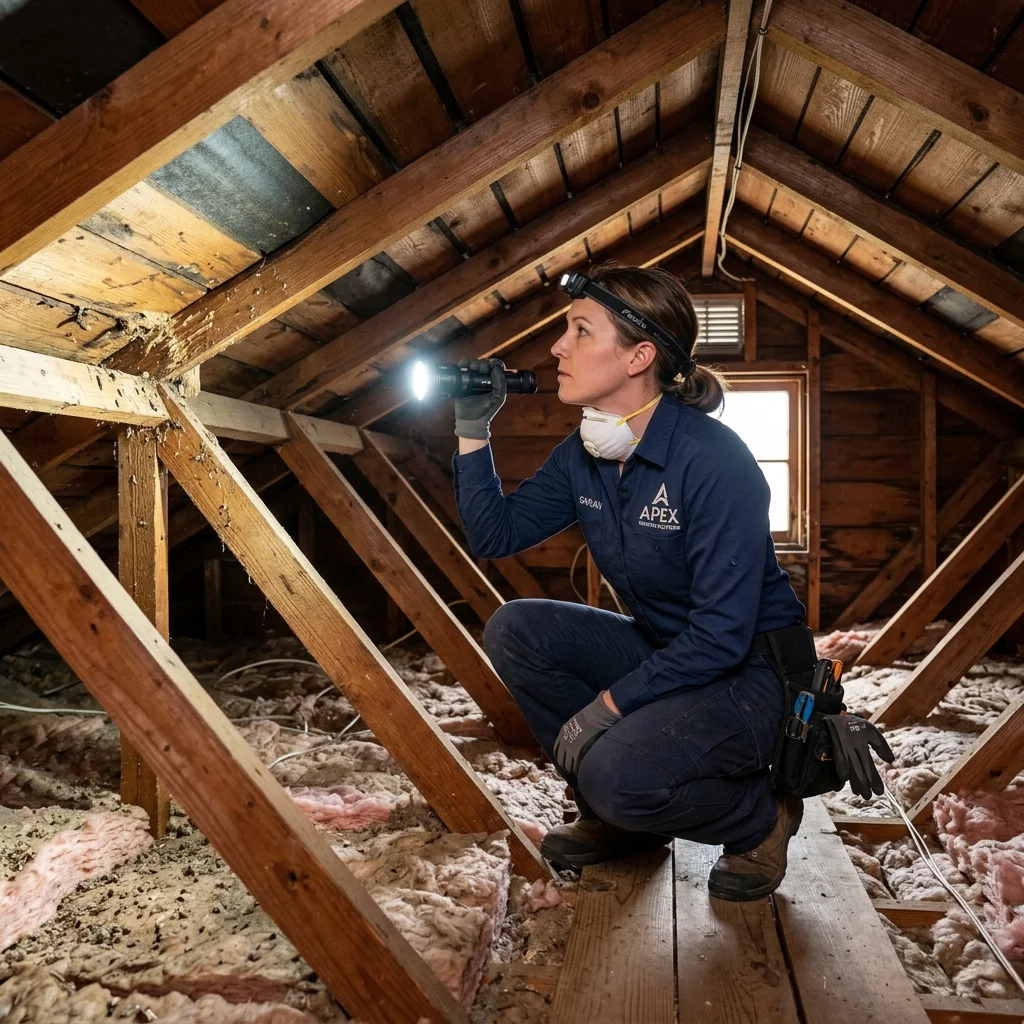
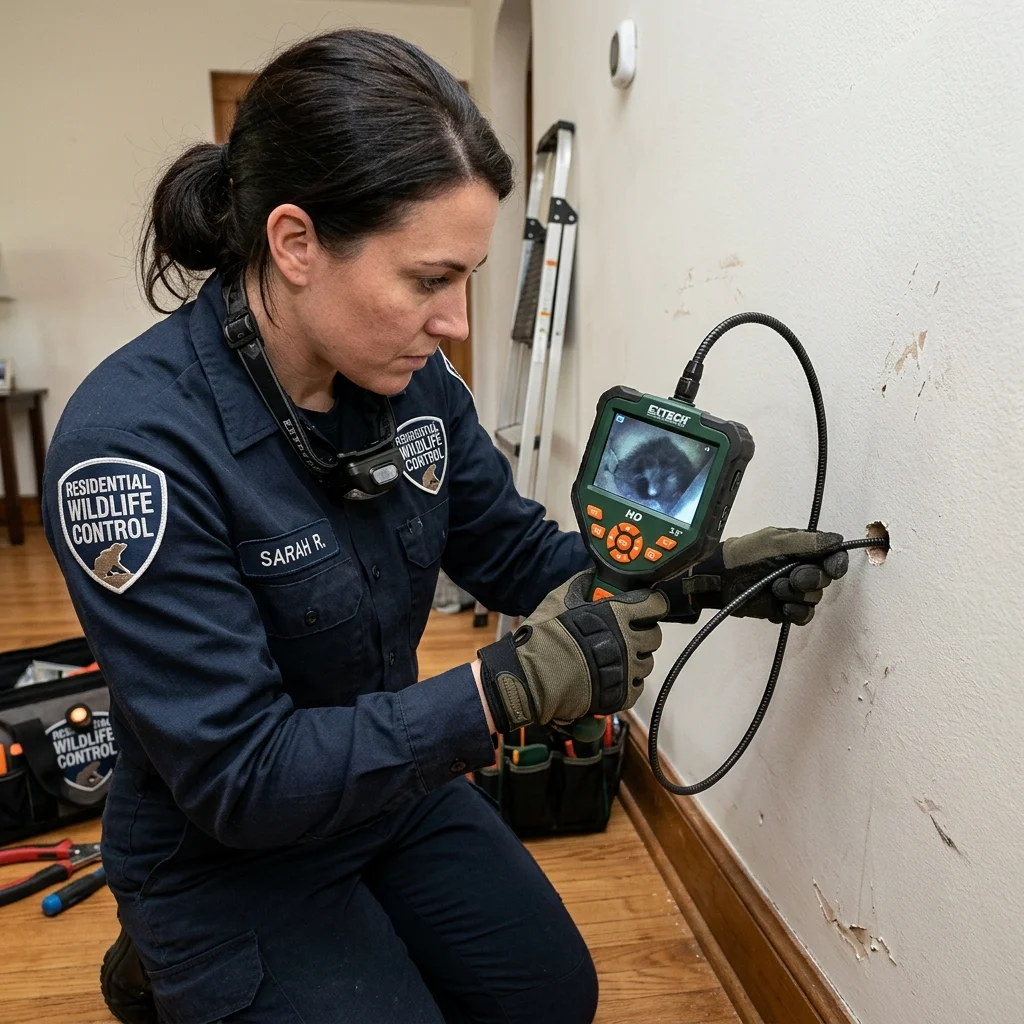
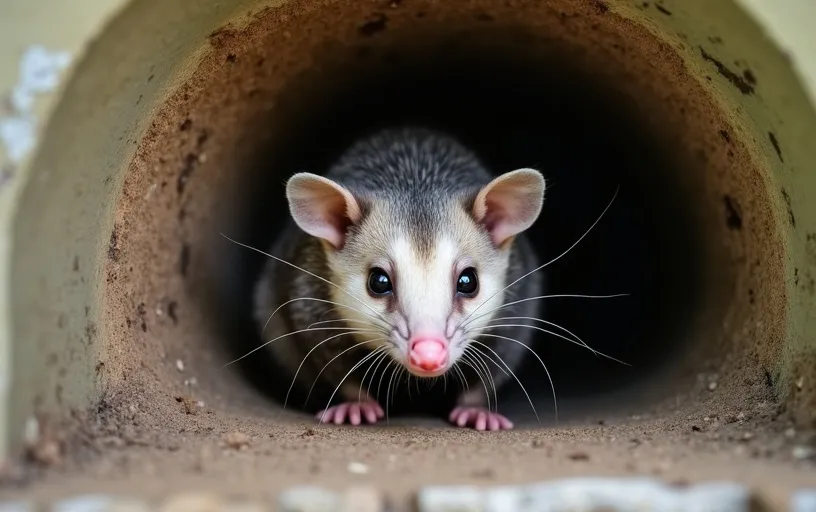
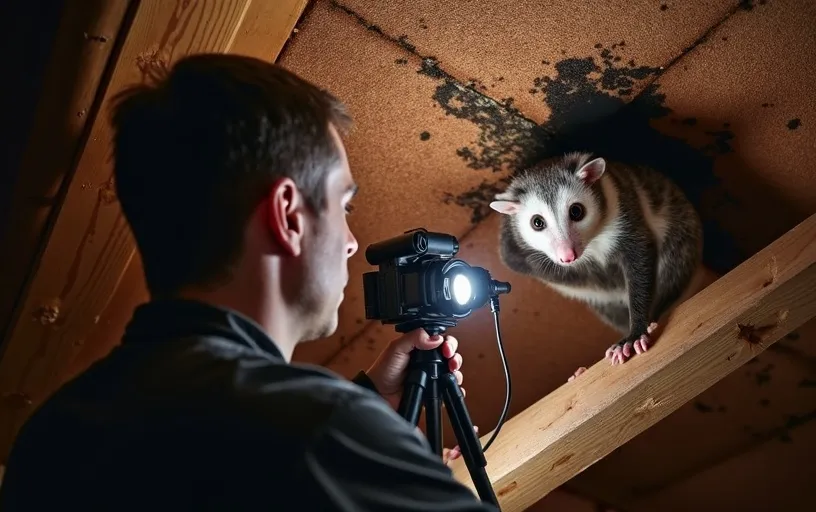
A possum may use one obvious opening, but roofs often contain several potential weak points. A careful inspection looks for loose tiles, gaps at eaves, vents, damaged fascia and routes created by building services. The aim is not to seal everything blindly; it is to identify actual and potential access while making sure no animal is trapped inside. Photos are useful because they let the homeowner see what is being quoted. If proofing is recommended, ask for the entry points to be documented and for the proposed material or repair method to be described.
Materials affect the durability of proofing
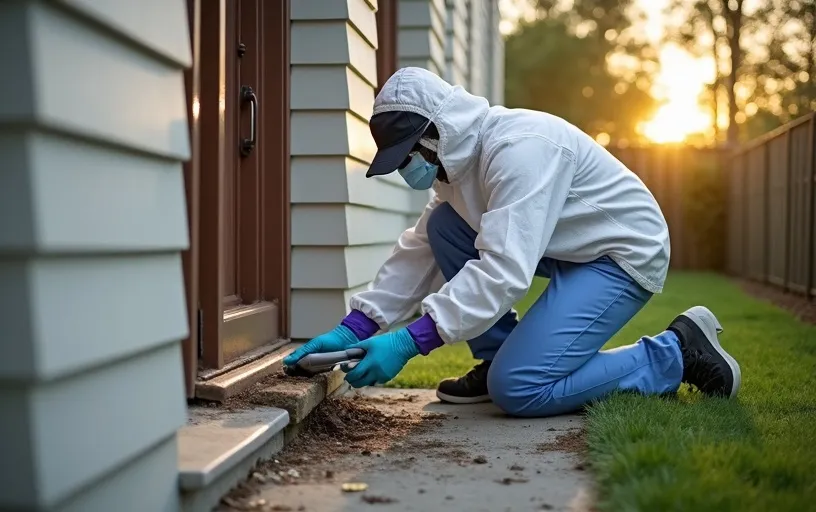
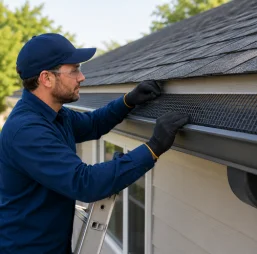
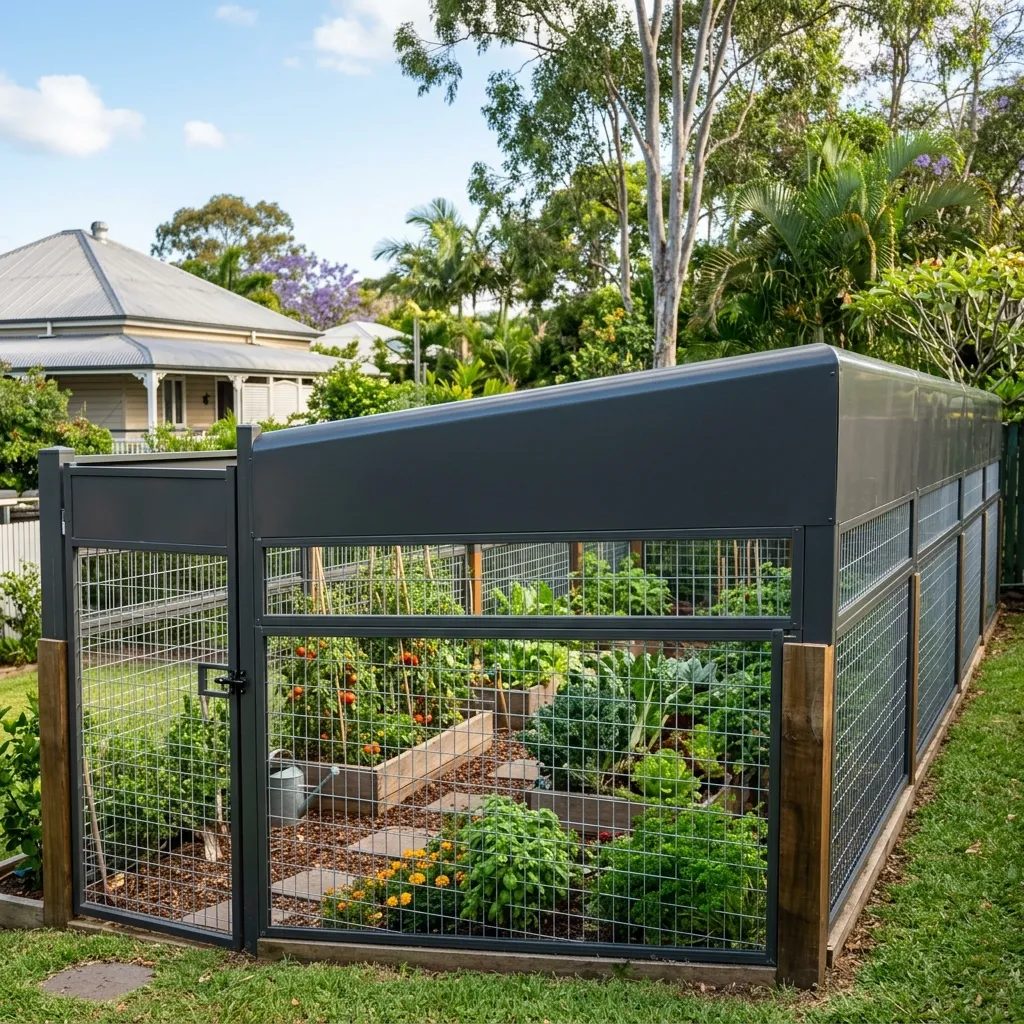
Temporary patches can be cheap and still be poor value. Exclusion materials need to suit the opening, weather exposure and roof construction. Depending on the location, this may involve durable mesh, replacement tiles, timber or metal repair rather than light plastic or a bead of sealant. The material cost itself may be modest; safe access and labour are often the larger components. Ask what is being installed and whether the proposed fix is intended as a temporary measure or a durable repair. That makes it easier to understand why two proofing quotes can differ. For related guidance, see how to stop possums getting into your roof.
Height and roof design can dominate labour cost
A single-storey tiled roof with easy ladder access is a very different workplace from a steep two-storey roof, complex multi-level design or restricted townhouse. Safe access can require more time, additional equipment or another trade. Roof cavities also vary: some have clear manhole access, while raked ceilings and tight eaves can make internal inspection difficult. When requesting a quote, describe storeys, roof type and access, and send exterior photos if requested. A provider who knows the access conditions before arriving can scope the work more accurately.
Contamination can turn proofing into a cleanup project
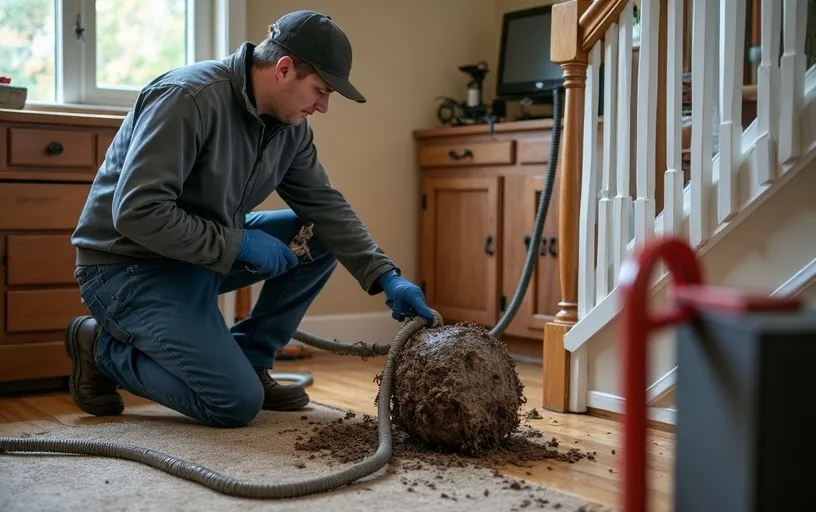
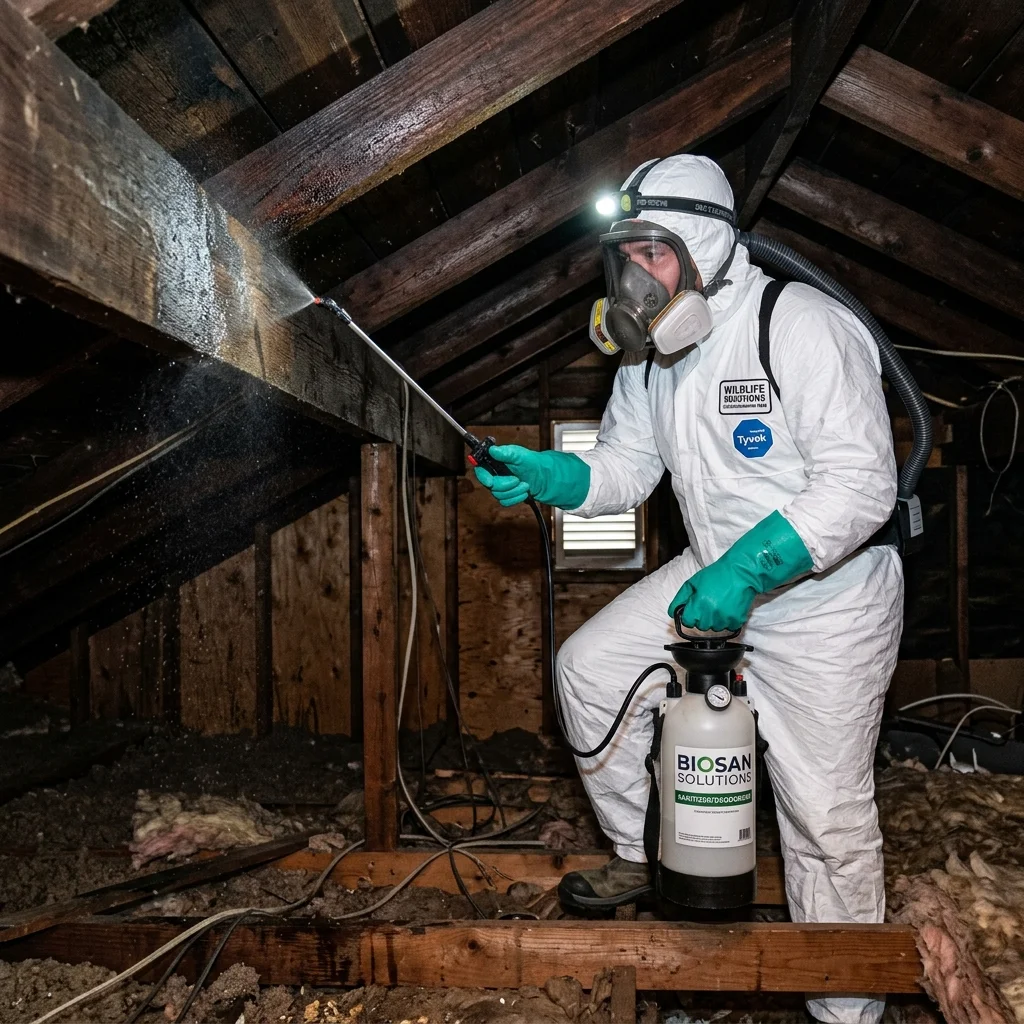
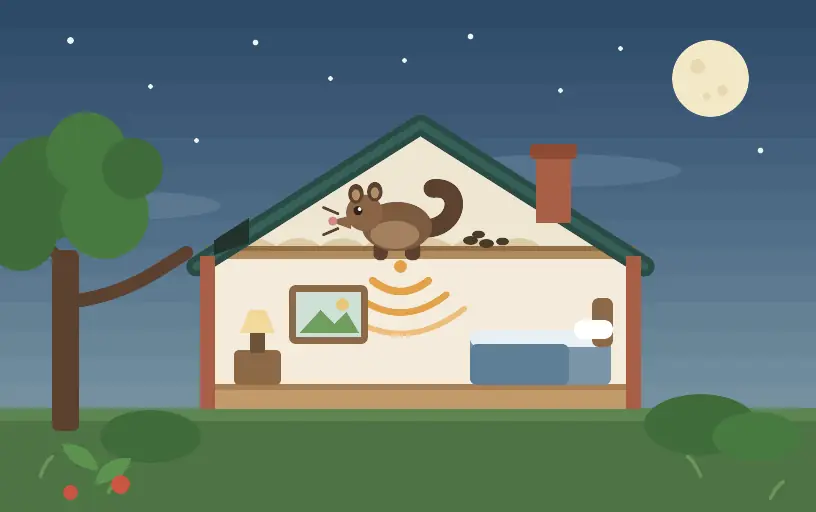
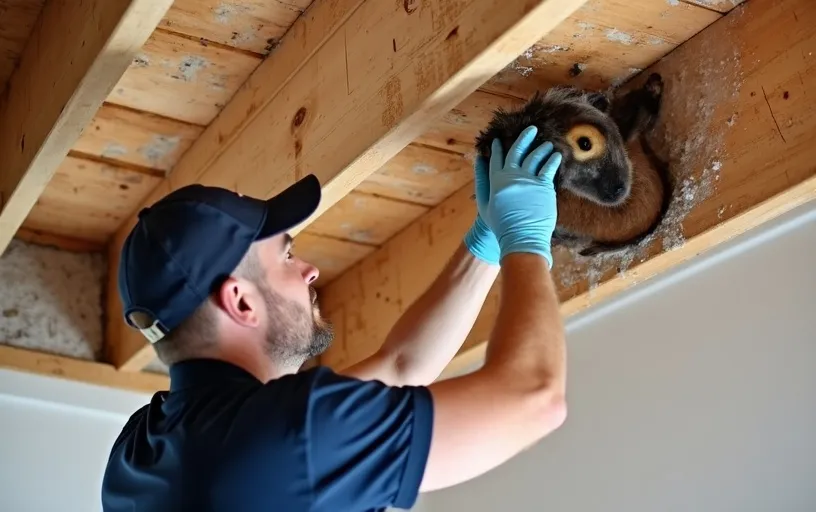
Possums can leave droppings, urine, nesting material and damaged insulation behind. Not every roof needs major remediation, but contamination can add labour and disposal costs when it is concentrated or has affected absorbent materials. Ask the provider to separate animal exclusion from cleanup so you can see what is necessary and what is optional. If ceiling staining, widespread insulation damage or electrical concerns are present, another qualified trade may need to assess those components. A clear division of responsibilities avoids the assumption that a wildlife service automatically includes full building restoration.
Wildlife compliance is part of doing the job properly
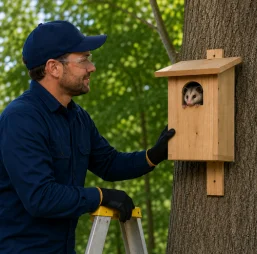
Possums are protected native wildlife in Australia, and the applicable rules depend on the state and circumstances. The key planning point is that a lawful, humane process may involve more than simply trapping an animal and taking it away. Exclusion timing, release requirements and handling restrictions can affect how the work is planned. Homeowners should avoid sealing an occupied roof or attempting relocation without checking the relevant rules. A professional service should be able to explain the compliant approach for the location and distinguish wildlife management from ordinary pest extermination.
Example: why a small entry point can still be an expensive job
Imagine a possum is using one gap near the rear eave. The opening itself may need only a small amount of mesh or repair material. But if the gap is above a two-storey section with difficult ladder access, the labour and safety setup can outweigh the material cost. Now compare that with an accessible single-storey gap that needs more material but is easy to reach. The second repair can actually be cheaper. This is why measuring proofing cost only by the size of the hole is misleading.
How to Compare Two Quotes Without Looking Only at the Total
Ask each provider to identify the animal-management step, the openings to be addressed, materials proposed, cleanup included, access assumptions and any repairs excluded. Request approval before additional work is undertaken if hidden damage is discovered. If roofing, electrical or structural repair is recommended, ask whether that work is performed by the same business or should be quoted by an appropriately qualified trade. Comparing this scope line by line is much more useful than comparing one total with no explanation.
What good prevention looks like after the job
Once the roof is secure, prevention shifts to maintenance. Keep an eye on tiles, vents, fascia and eaves after storms or building work, and manage obvious access routes such as overhanging branches where appropriate. If noises return, investigate early rather than waiting for months of nesting and contamination. Proofing is not a promise that a building will never develop another gap; roofs age and move. It is a practical effort to close known access points and reduce the chance of repeat entry.
Before paying the final invoice
Ask what entry points were addressed, whether any openings remain under observation and what maintenance is recommended. If photos were taken, keep them with the invoice so future roofers or wildlife technicians can see what was done. Clarify whether there is any follow-up visit and what circumstances it covers. If separate roof, ceiling or electrical repairs were recommended, obtain those quotes rather than assuming the exclusion work has fixed building damage. A good close-out leaves you knowing what was completed, what remains and what signs would justify another inspection.
What Should a Clear Quote Explain?
A useful quote should identify the areas or items included, the proposed service method, preparation requirements, likely limitations and any circumstances that could change the scope. If follow-up, specialist treatment, access work or another trade could be needed, that should be discussed before the work expands. This makes it much easier to compare providers fairly. A short quote is not necessarily a bad quote, but it should still be specific enough that you know what problem the service is intended to solve.
How to Compare Two Quotes Without Looking Only at the Total
Put the inclusions side by side. Check whether both providers are treating the same areas, allowing for the same preparation and addressing the same underlying issue. One quote can look lower simply because it excludes a step that another provider considers necessary. Ask what is included, what is excluded, what could trigger additional work and what you should expect after the appointment. Comparing scope first prevents a cheaper-looking quote from becoming the less useful option. For related guidance, see what happens after a possum is removed.
When Is It Worth Getting the Job Assessed First?
An assessment becomes especially useful when the condition is uncertain, access is difficult or the problem may extend beyond what you can see. With roof repair and proofing after possum removal, visible signs do not always tell you the full scope. An assessment gives the technician a chance to confirm the condition, explain realistic outcomes and recommend the appropriate service rather than guessing. It also gives you a better basis for deciding whether to proceed now, stage the work or address another contributing issue first.
How to Make the Booking Smoother
Give the provider accurate information from the beginning. Mention access restrictions, the affected areas, how long the issue has been present and anything you have already tried. Send clear photos where practical. Ask what needs to be moved or prepared before arrival and what drying, ventilation, exclusion or follow-up instructions apply afterward. A few minutes of preparation can prevent misunderstandings and help the technician arrive ready for the actual job.
Frequently Asked Questions
Can I get an exact quote without an inspection?
Sometimes a provider can give guidance from photos and a detailed description, but an exact scope may require seeing the condition and access. The more variables involved, the more useful an on-site assessment becomes.
Why can two quotes for the same service be different?
Because the inclusions may be different. One provider may allow for more preparation, specialist treatment, follow-up or access work. Compare the written scope rather than assuming both quotes describe the same job.
What information should I send when asking for a quote?
Send photos where practical, describe the affected area, mention access and explain the condition honestly. For roof repair and proofing after possum removal, those details help the provider understand what equipment, preparation and treatment may be required. For related guidance, see complete possum removal guide.
Should I choose the cheapest option?
Choose the service that appropriately addresses the problem and clearly explains its scope. A lower quote can be good value when it covers the work you need; it is less useful when important steps are excluded or unclear.
Can the scope change after work starts?
It can if hidden damage, contamination, access problems or a different condition is discovered. A professional provider should explain what was found and seek approval before carrying out additional work outside the agreed scope.
Ready to Get a Clear Roof Repair And Proofing After Possum Removal Quote?
If you are dealing with roof repair and proofing after possum removal and want to know what the job actually involves, start with the scope rather than guessing. Send Fresho Possum Removal Brisbane the details of the property, the affected area and any access or condition concerns. The goal is a quote based on your real situation, with the inclusions explained before work begins.
A clear assessment now can save you from booking the wrong service, overlooking an important part of the job or discovering avoidable surprises later.
Get started: visit the website