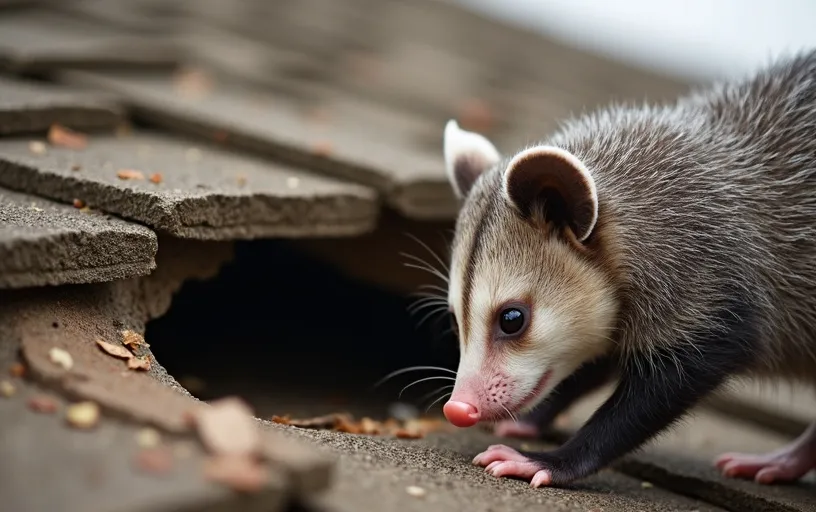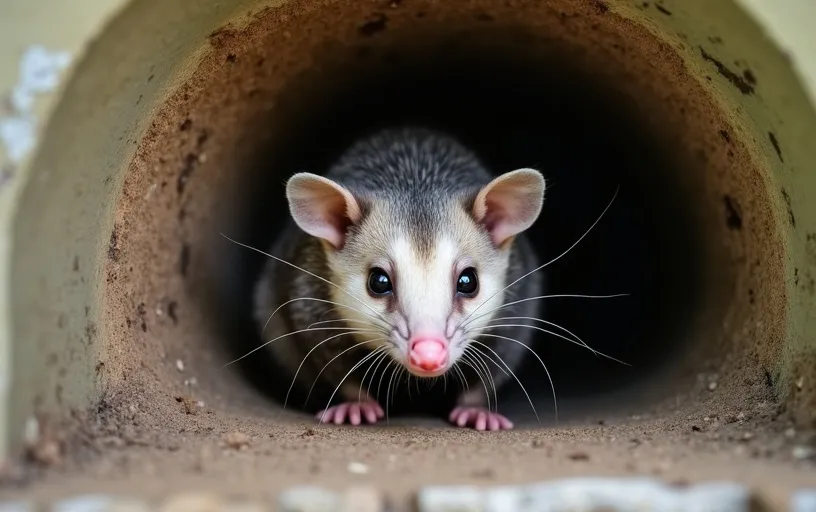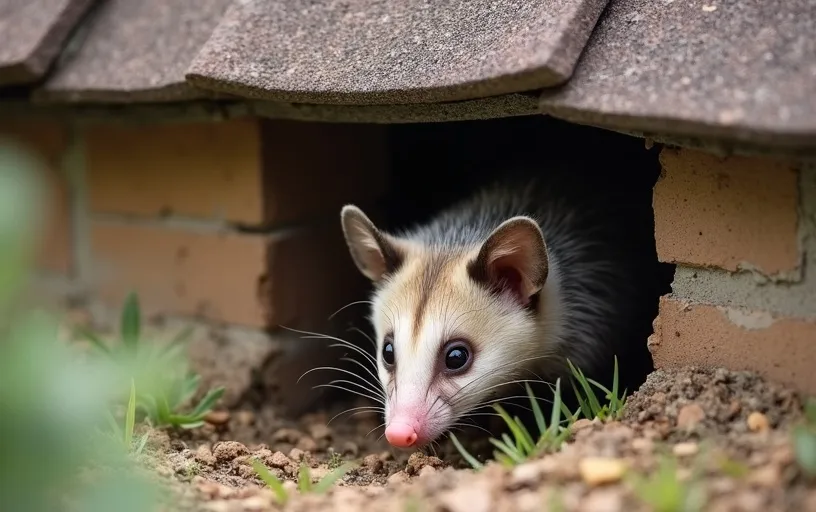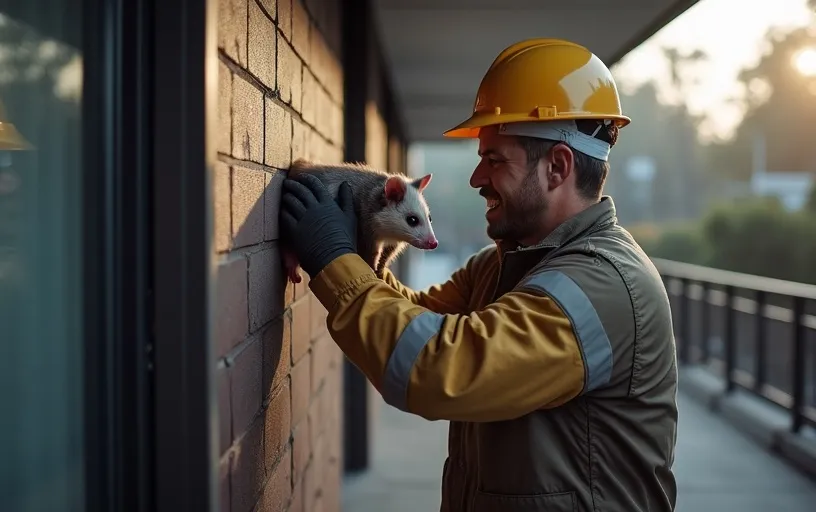

What Does a Possum Look Like? Common Species Homeowners Encounter
Hearing something scuttling around in the roof at night is one thing, but actually catching a glimpse of the culprit is another, and for many Brisbane homeowners, that brief, half-lit sighting isn't always enough to confidently say what they're dealing with. Is it a possum? A rat? Something else entirely? Knowing what a possum actually looks like can save a lot of confusion and unnecessary worry, especially in the middle of the night.
At Fresho Possum Removal Brisbane, we get plenty of calls describing exactly this kind of uncertain sighting. In this quick visual guide, we'll break down exactly what the possums common to Brisbane properties look like, so you can identify what's sharing your roof with confidence.
The Two Species You're Most Likely to See
Brisbane properties are almost always dealing with one of two possum species: the common brushtail possum or the common ringtail possum. Both are native, protected marsupials, but they look quite different from one another once you know what to look for, and telling them apart takes only a few seconds once you're familiar with the key features.
What a Brushtail Possum Looks Like
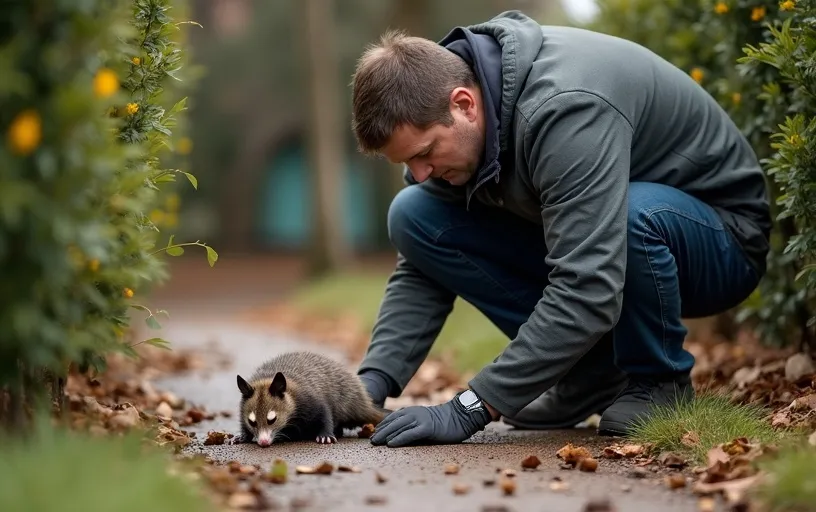
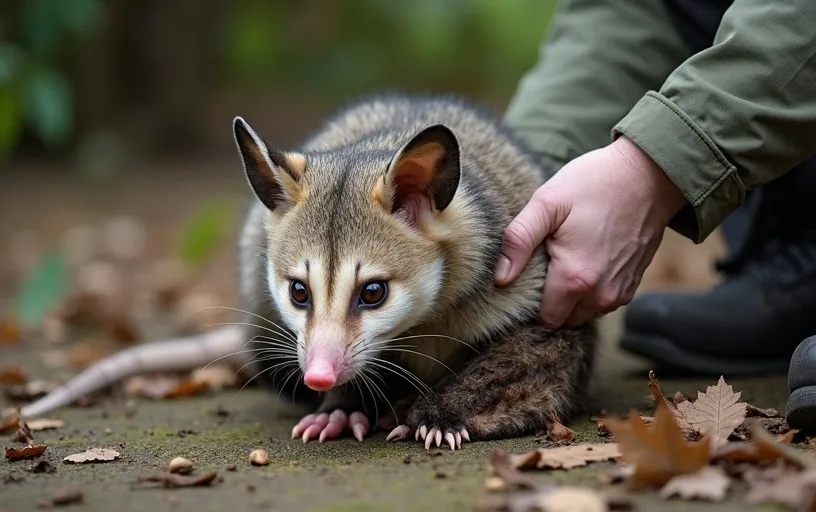
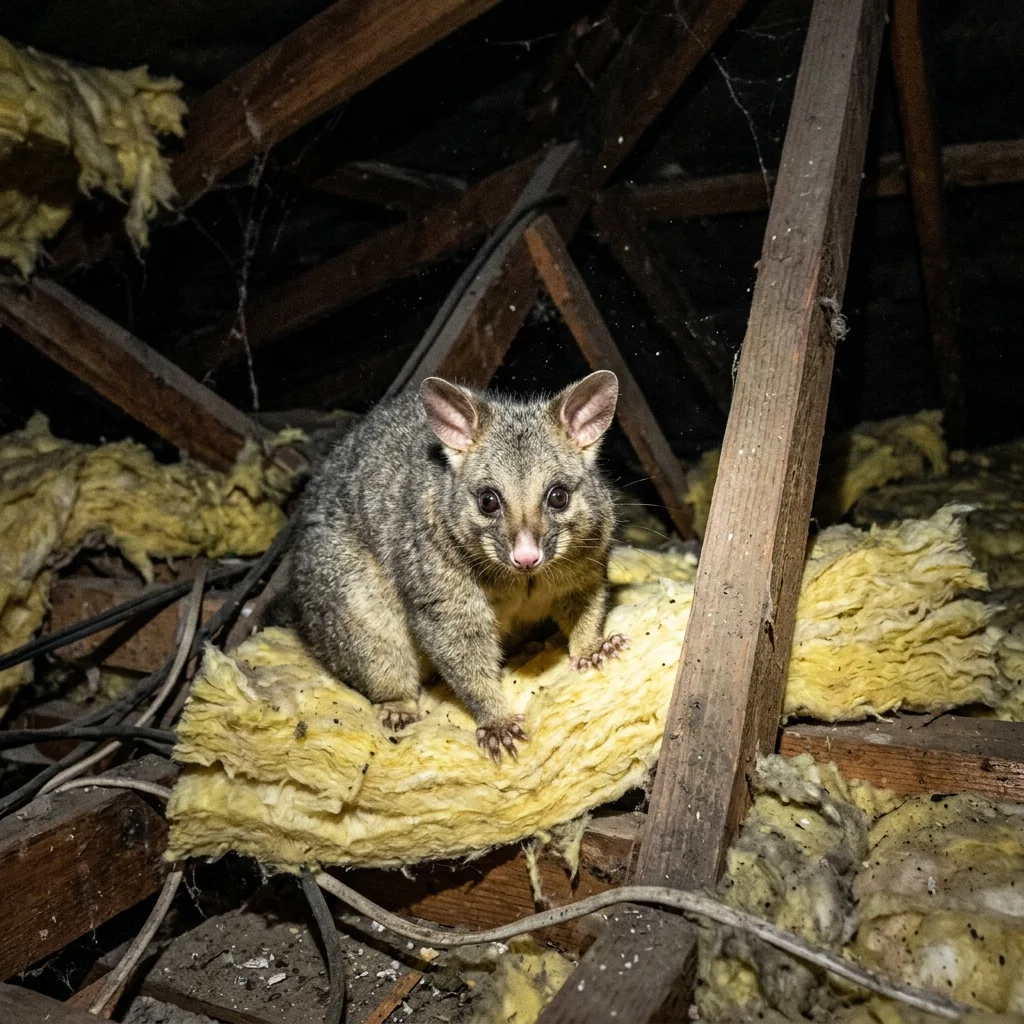
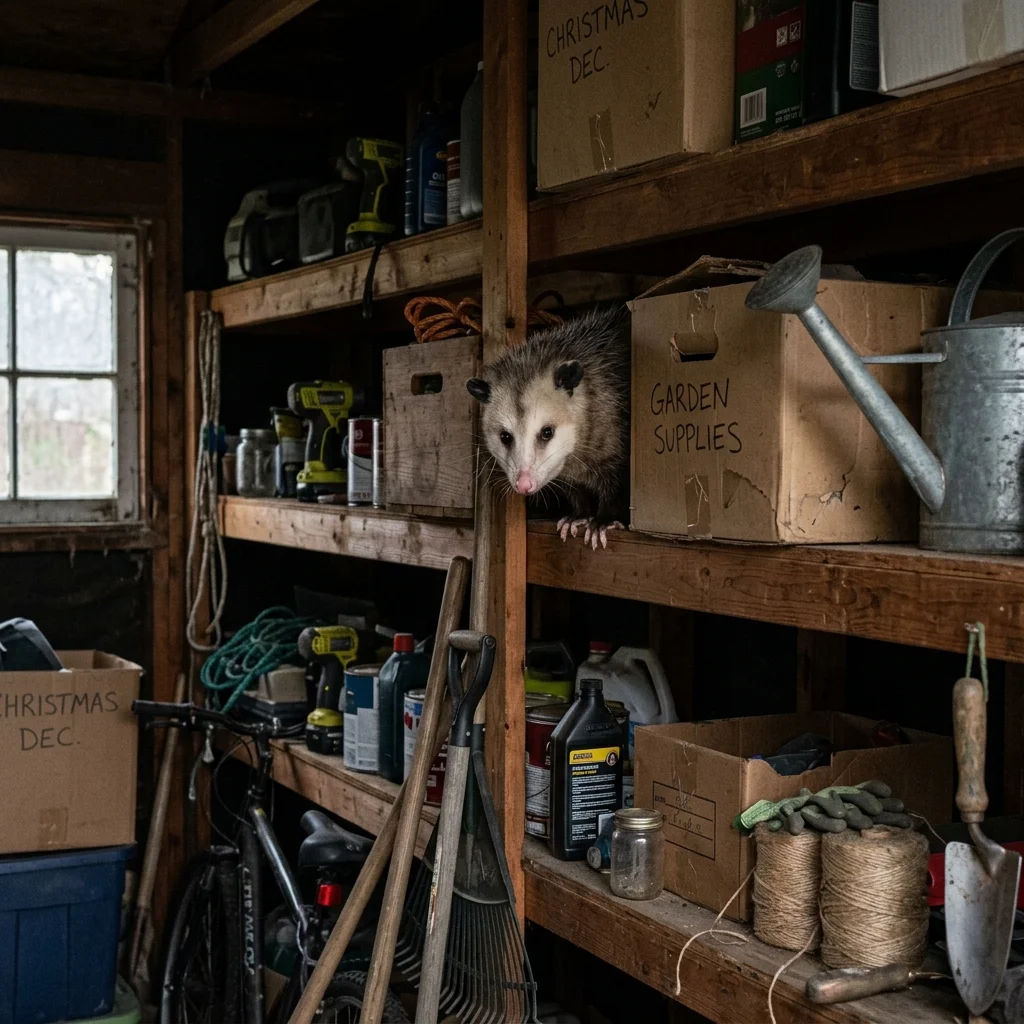
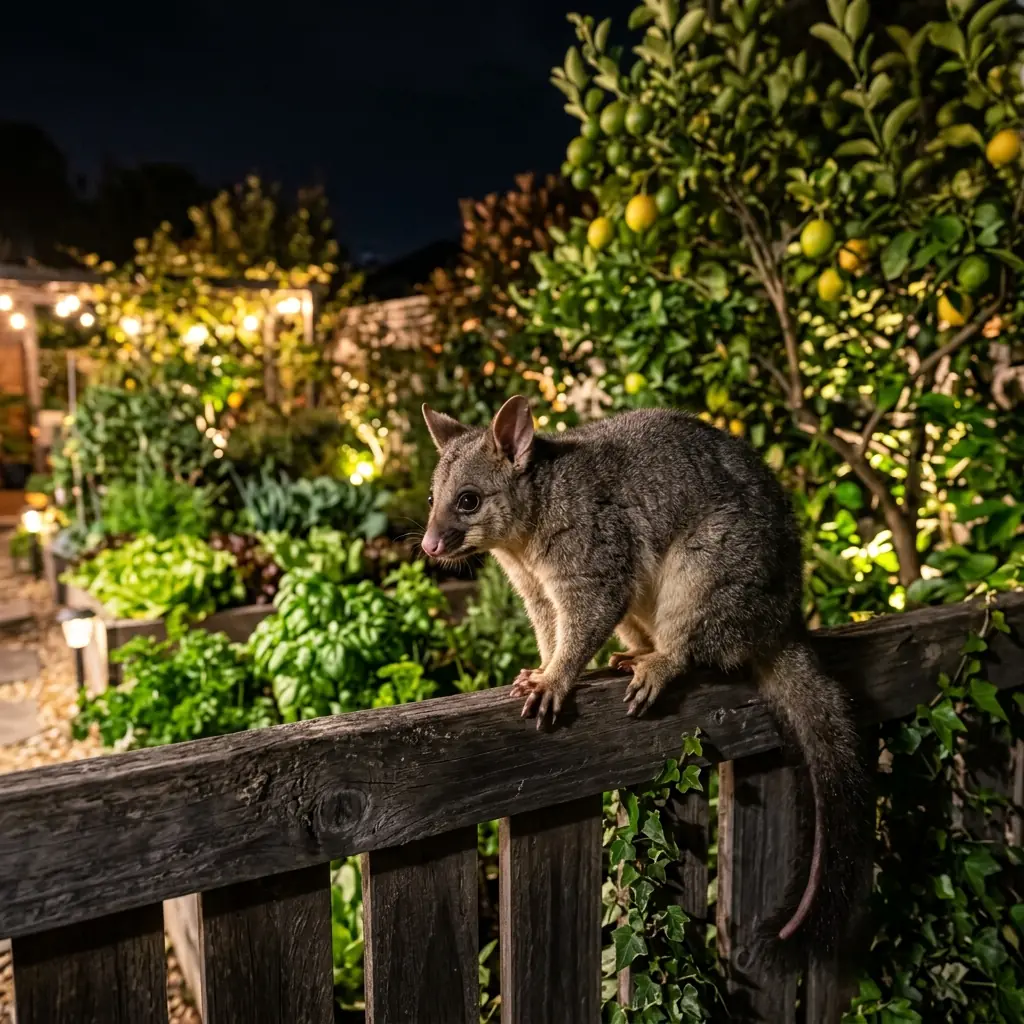
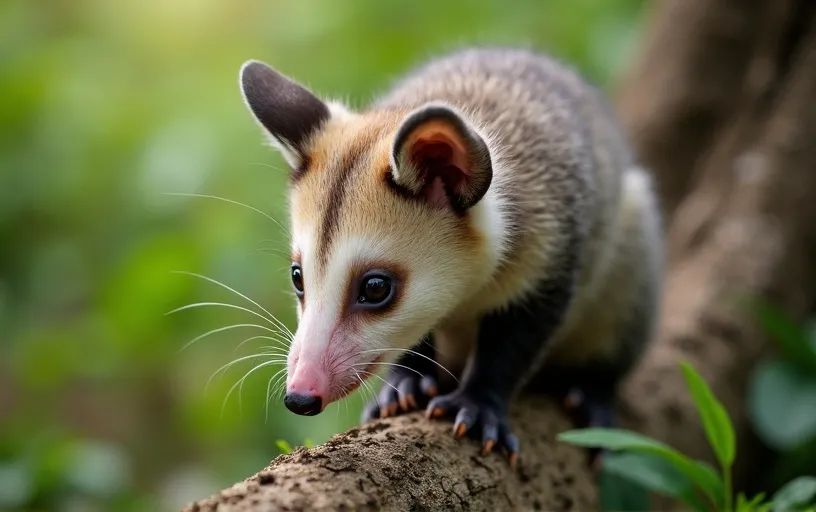
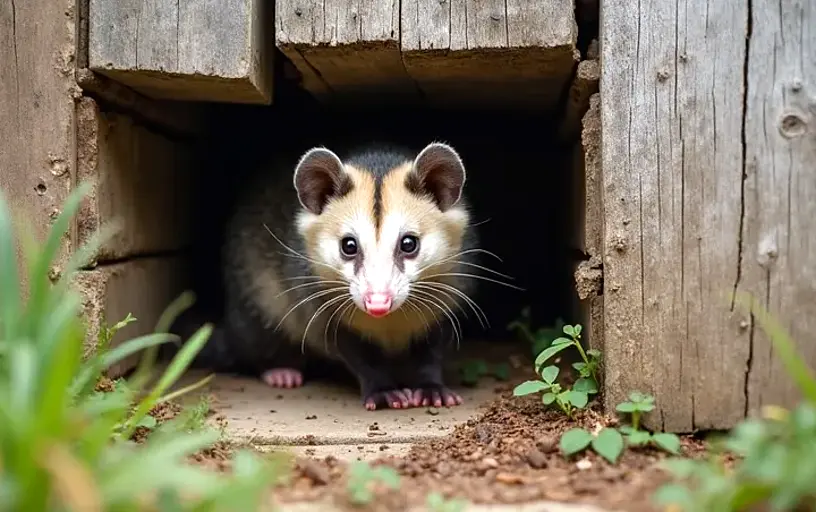
The brushtail possum is the larger, chunkier of the two species. Adults typically measure forty to fifty-five centimetres in body length, not including the tail, and weigh between one-and-a-half and four-and-a-half kilograms, roughly the size of a small to medium domestic cat. Their fur ranges from silvery grey to a coppery, reddish-brown, and their most distinctive feature is exactly what gives them their name, a thick, bushy tail that looks almost like a fox's brush.
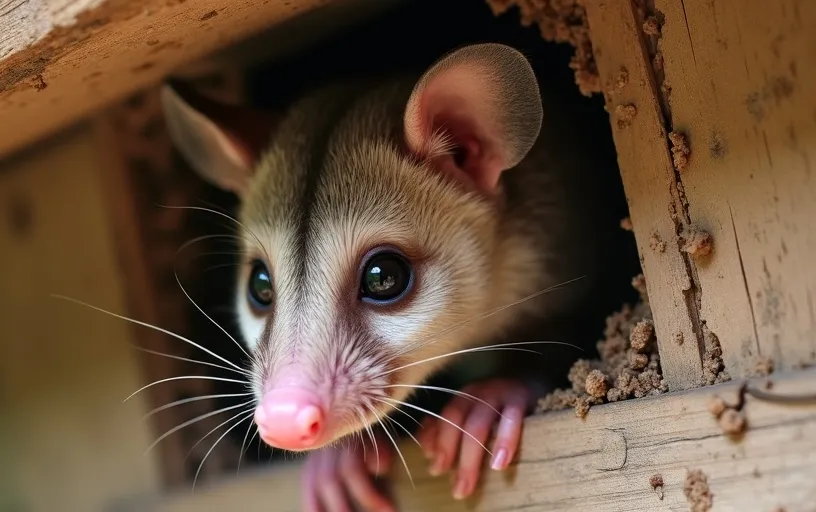
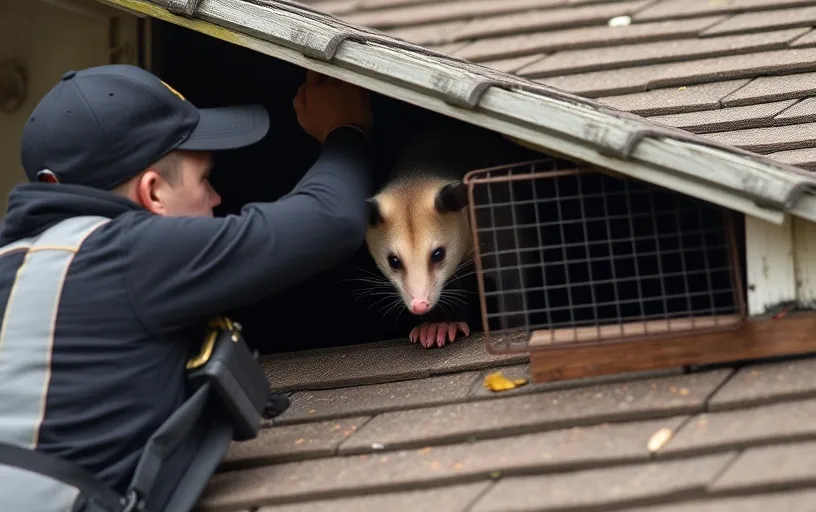
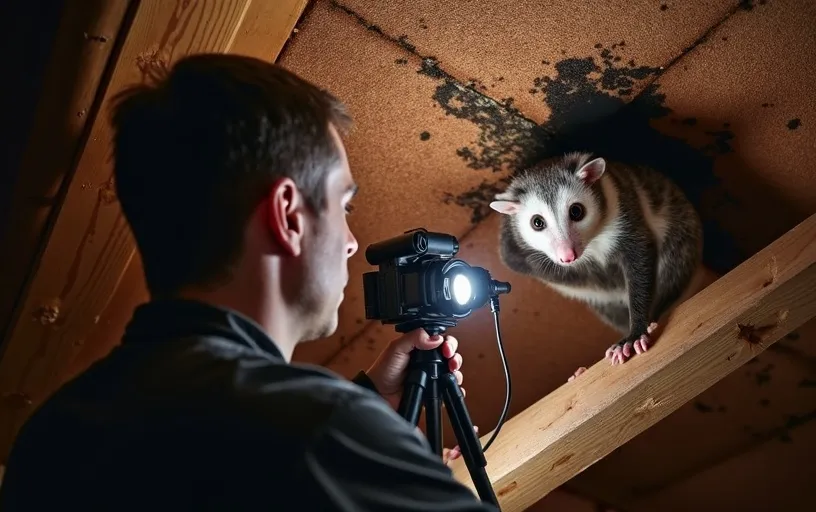
Brushtails have a pointed, fox-like face, large, rounded ears that stand upright, and a distinctly pink nose. Their eyes reflect brightly under torchlight at night, often appearing as a strong orange-red glow, which is frequently how homeowners first spot one in the dark.
What a Ringtail Possum Looks Like
The ringtail possum is noticeably smaller and more delicate looking, weighing between six hundred grams and one-and-a-half kilograms, roughly the size of a large rat, though with a very different overall shape. Their fur is typically a soft greyish-brown, sometimes with rust-coloured patches, and considerably shorter and less bushy than a brushtail's.
The clearest identifying feature is the tail: long, thin, and prehensile, meaning it can grip and curl, almost always with a distinctive white tip, and often seen curled into a loose ring shape, which is exactly where the species gets its name. Their ears are smaller and more rounded than a brushtail's, and their face has a slightly more rounded, less pointed appearance overall.
Quick Side-by-Side Comparison
- Brushtail: larger, cat-sized, bushy tail, pointed face, pink nose, upright ears
- Ringtail: smaller, rat-sized but stockier, thin white-tipped tail often curled in a ring, rounder face, smaller ears
- Brushtail eyes glow orange-red under torchlight; ringtail eyes also reflect, though the animal itself appears noticeably smaller
- Brushtails are the species most commonly found in roof cavities; ringtails are more often seen in garden trees and shrubs
Regional Colour Variation
It's worth noting that possum colouring can vary somewhat depending on region and individual genetics, even within the same species. Brushtail possums in and around Brisbane tend to lean toward the greyer end of the spectrum, though coppery and even occasional darker individuals aren't unusual. This natural variation is part of why relying on multiple features together, size, tail shape, ear shape, and behaviour, gives a far more dependable identification than colour alone.
Movement and Posture as Identification Clues
Beyond appearance alone, the way an animal moves can offer a useful clue. Possums typically move with a slow, deliberate, somewhat waddling gait when on the ground, quite different from a rat's quick, low scurrying or a cat's smoother, more fluid movement. On power lines, fences, or tree branches, possums move cautiously and steadily, using their tail for balance, which is particularly noticeable with ringtail possums given their prehensile tail's gripping ability.
What About Baby Possums?
Young possums, sometimes still riding on their mother's back or in her pouch, are considerably smaller than the descriptions above and can be trickier to identify by size alone. If you spot what looks like a very small possum, particularly during breeding season in autumn or spring, there's a reasonable chance a mother is nearby, which is an important consideration for timing any exclusion or removal work appropriately.
Why Photos Can Help With Identification
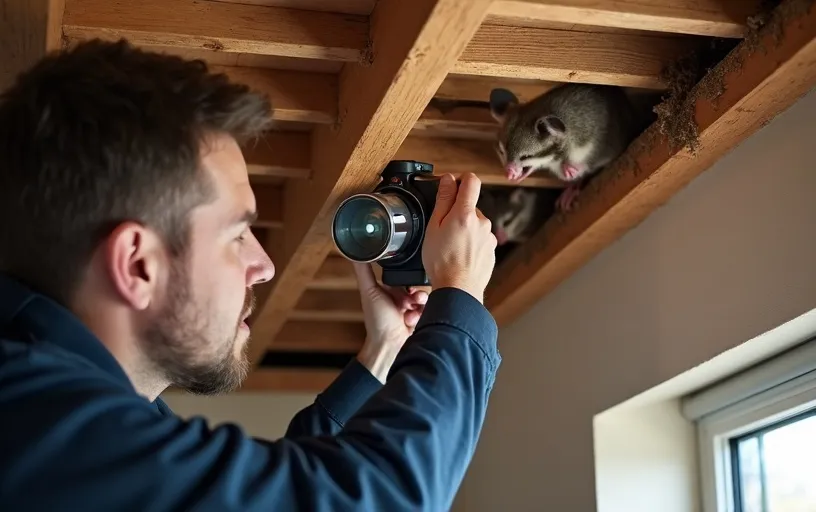
If you manage to safely capture a photo of the animal, even a blurry, low-light shot, this can be genuinely useful when contacting a professional for advice. Details like general size relative to familiar objects, tail shape, and overall colouring can often be worked out from even an imperfect photo, helping a technician arrive better prepared for the specific situation.
Could It Be Something Else Entirely?
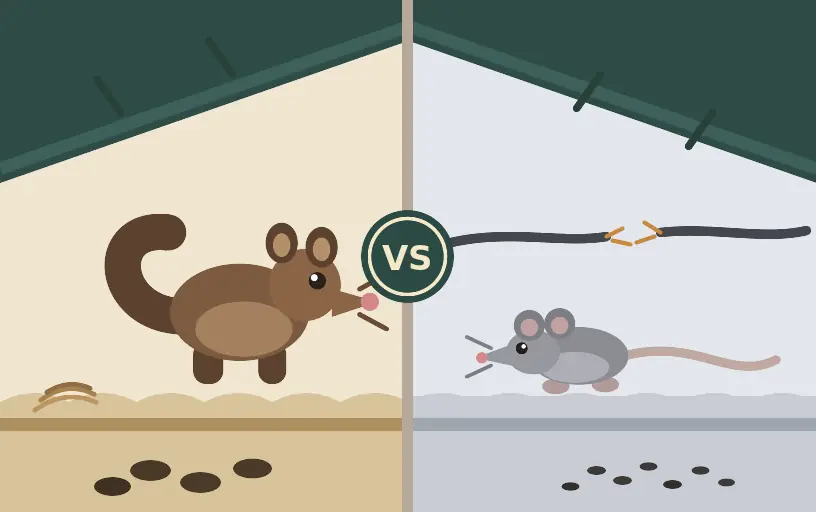
It's not uncommon for homeowners to mistake other animals for possums, particularly in the dark or from a brief glimpse. Rats are considerably smaller, with a thin, hairless tail rather than a bushy or white-tipped one. Cats, if seen on a roof or fence line, move and are shaped quite differently, without the same slow, deliberate possum gait. Flying foxes, occasionally seen in Brisbane gardens, have a very different silhouette in flight and don't share a possum's ground-based, climbing movement pattern.
Signs You're Dealing With a Possum Even Without Seeing It
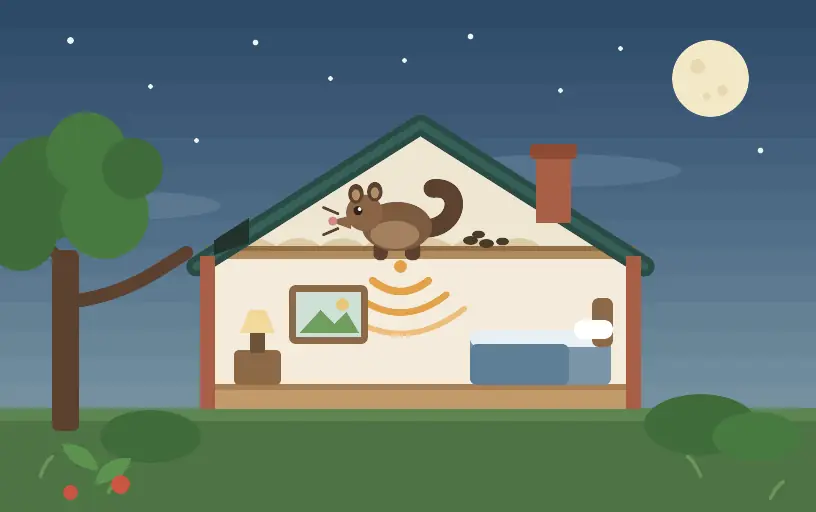
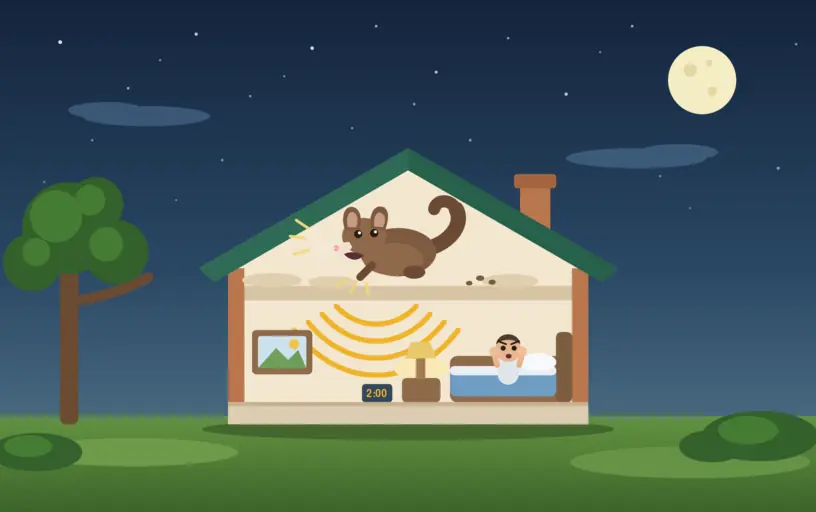
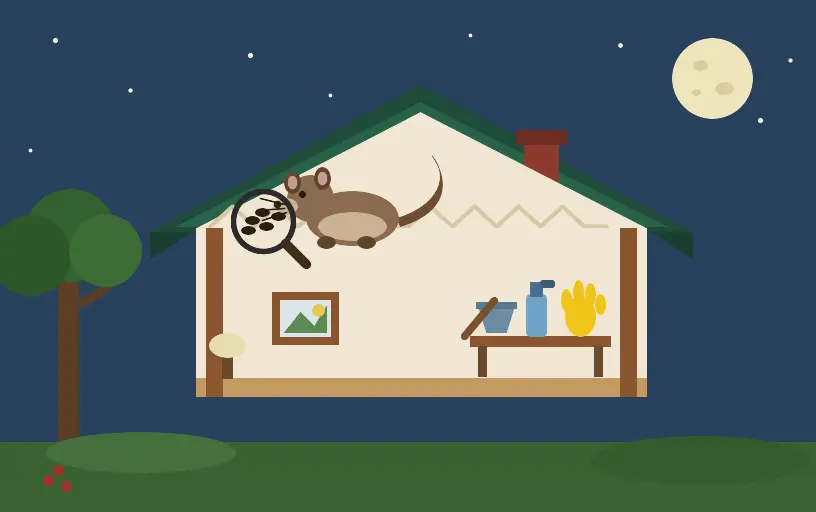
If you haven't actually spotted the animal but suspect a possum, certain signs are fairly dependable indicators. Heavy, deliberate thumping or scratching sounds at night, rather than quick scurrying, are more typical of a possum than a smaller rodent. A strong, musky odour developing in an enclosed space, along with cylindrical droppings roughly one to two centimetres long, are also strong possum indicators rather than signs of a smaller pest.
Why Correct Identification Matters
Knowing exactly which species you're dealing with helps determine the right approach, since brushtails and ringtails behave quite differently and often require different strategies suited to their specific habits and preferences. Our detailed guide on How to Identify Possums and Understand Their Behaviour: A Homeowner's Guide goes further into the behavioural differences between the two species and what that means for thorough deterrence.
What to Do Once You've Identified a Possum
Once you're reasonably confident a possum is involved, whether spotted directly or identified through the signs above, the next step depends on where it's located. A possum visiting the garden generally calls for deterrent strategies, covered in our guide on How to Keep Possums Out of Your Garden, while one that's taken up residence in the roof cavity requires a more involved approach, confirming the space is clear before any sealing work begins, as explained in How to Seal Roof Entry Points to Keep Possums Out.
Frequently Asked Questions
1. How can I tell a possum from a rat in my roof?
Possums are considerably larger, with a bushy or white-tipped tail rather than a thin, hairless one, and their movement tends to sound heavier and more deliberate than a rat's quicker scurrying.
2. What colour are possums usually?
Brushtail possums range from silvery grey to coppery brown, while ringtail possums are typically greyish-brown, sometimes with rust-coloured patches.
3. Why do possum eyes glow at night?
Like many nocturnal animals, possums have a reflective layer behind their eyes called the tapetum lucidum, which reflects torchlight or headlights back as a bright orange-red glow.
4. Which possum species is bigger, brushtail or ringtail?
Brushtail possums are significantly larger, roughly cat-sized, compared to ringtail possums, which are closer to a large rat in size, though with a distinctly different shape and tail.
5. How do I know if it's a baby possum I'm seeing?
Baby possums are much smaller than adult descriptions suggest and are often seen riding on or near their mother, particularly during breeding season in autumn or spring.
6. Do possums look different in different parts of Brisbane?
Slight colour variation exists between individuals and regions, but core features like size, tail shape, and ear shape remain dependable identifiers regardless of location within Brisbane.
Final Thoughts
Whether it's the larger, bushy-tailed brushtail or the smaller, white-tipped-tail ringtail, knowing what you're actually looking at makes it far easier to choose the right response, whether that's garden deterrence or full roof exclusion. A brief, confident glance is often all it takes once you know exactly what to look for.
If you've spotted a possum on your Brisbane property, or you're hearing signs of one without a clear sighting, contact Fresho Possum Removal Brisbane today for expert identification and a humane, proper solution.