How Much Does Humane Possum Removal Cost in Brisbane?
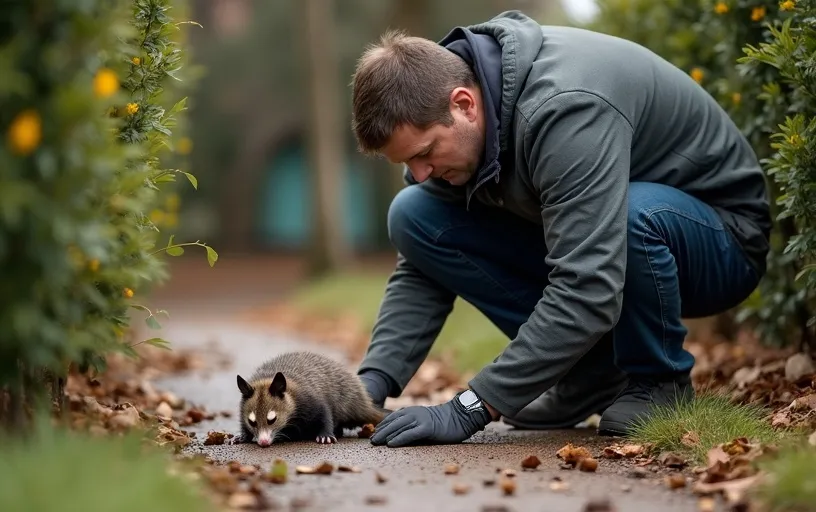
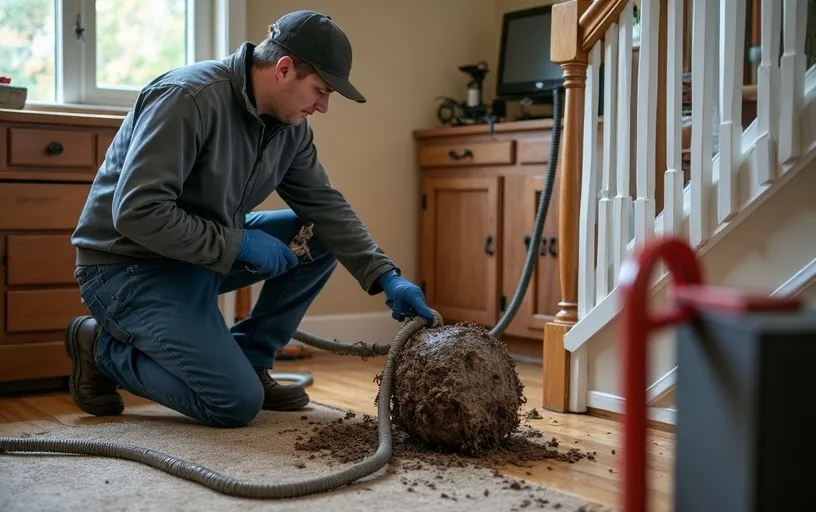
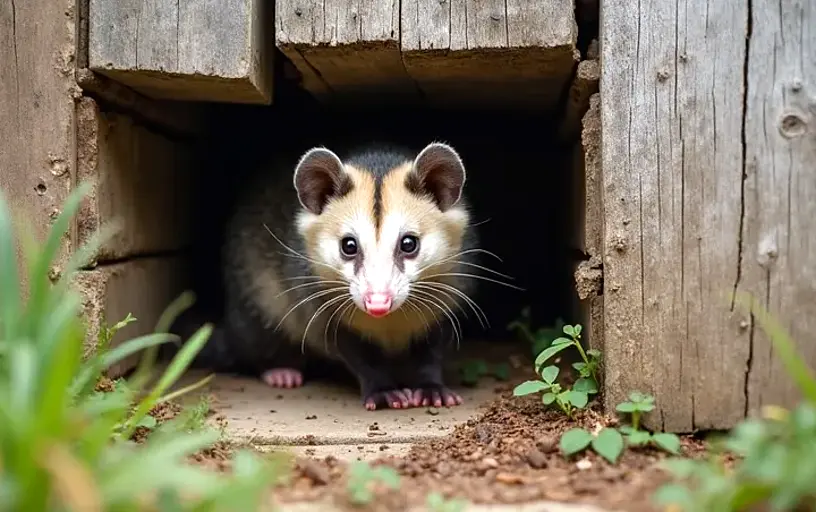
Possums are protected native wildlife in Queensland. Roof noises, damaged insulation and droppings may indicate an animal using the roof as shelter, but humane and lawful management starts with confirming the species and locating access points.
If you are researching humane possum removal costs in Brisbane, it helps to understand the scope of work and what a technician needs to assess rather than relying on a generic figure. This guide explains the process, preparation, safety considerations and questions to ask for properties in Brisbane.
What influences the scope of humane possum removal in Brisbane?
Property layout, access, material condition, severity of the issue and the need for follow-up all change the work involved. A clear description of the problem allows the team to recommend a suitable inspection and approach. Any proposed treatment should be explained in writing before it begins.
For service-specific information, see Humane Possum Removal. Confirm which areas are included and which conditions may require a different method.
Confirming what is in the roof
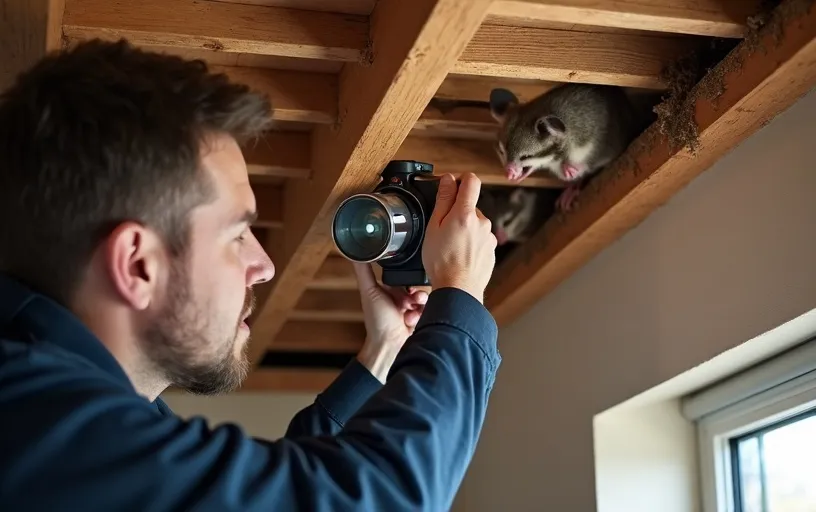
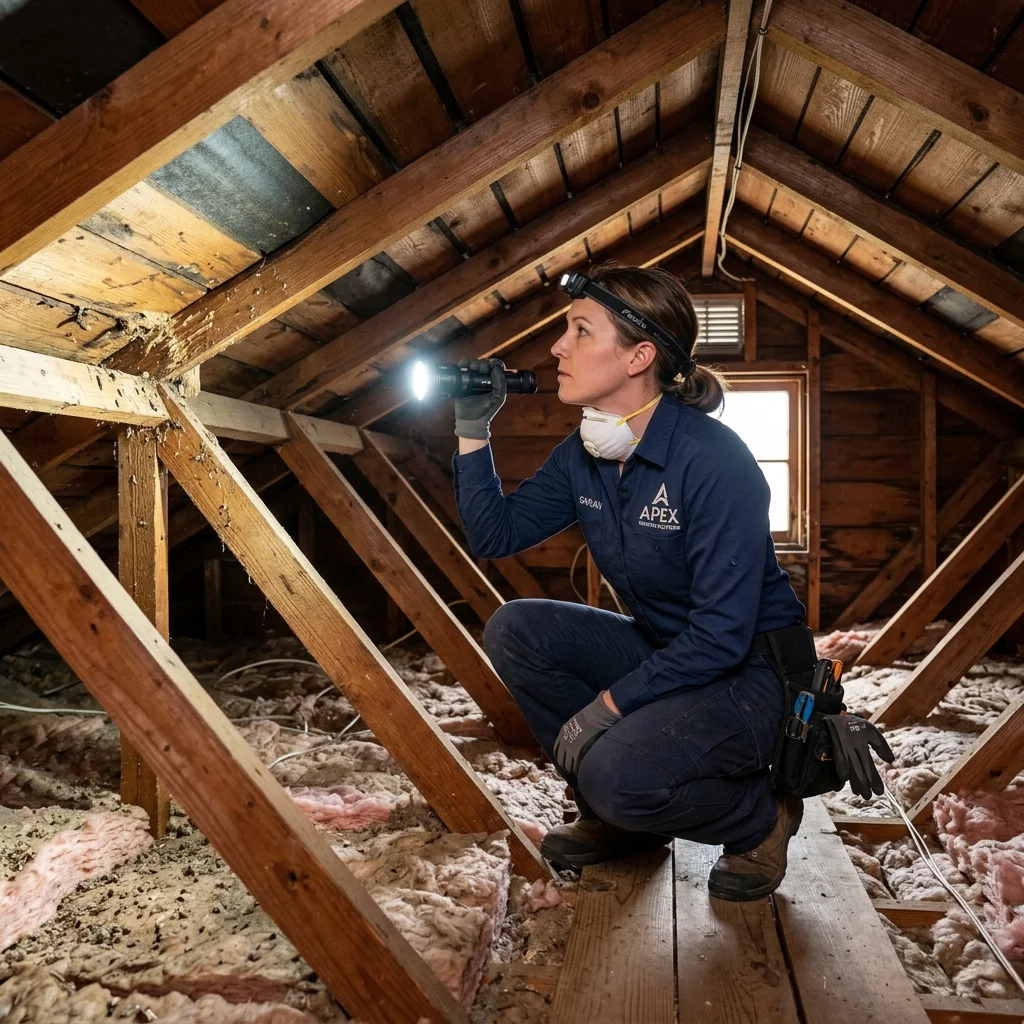
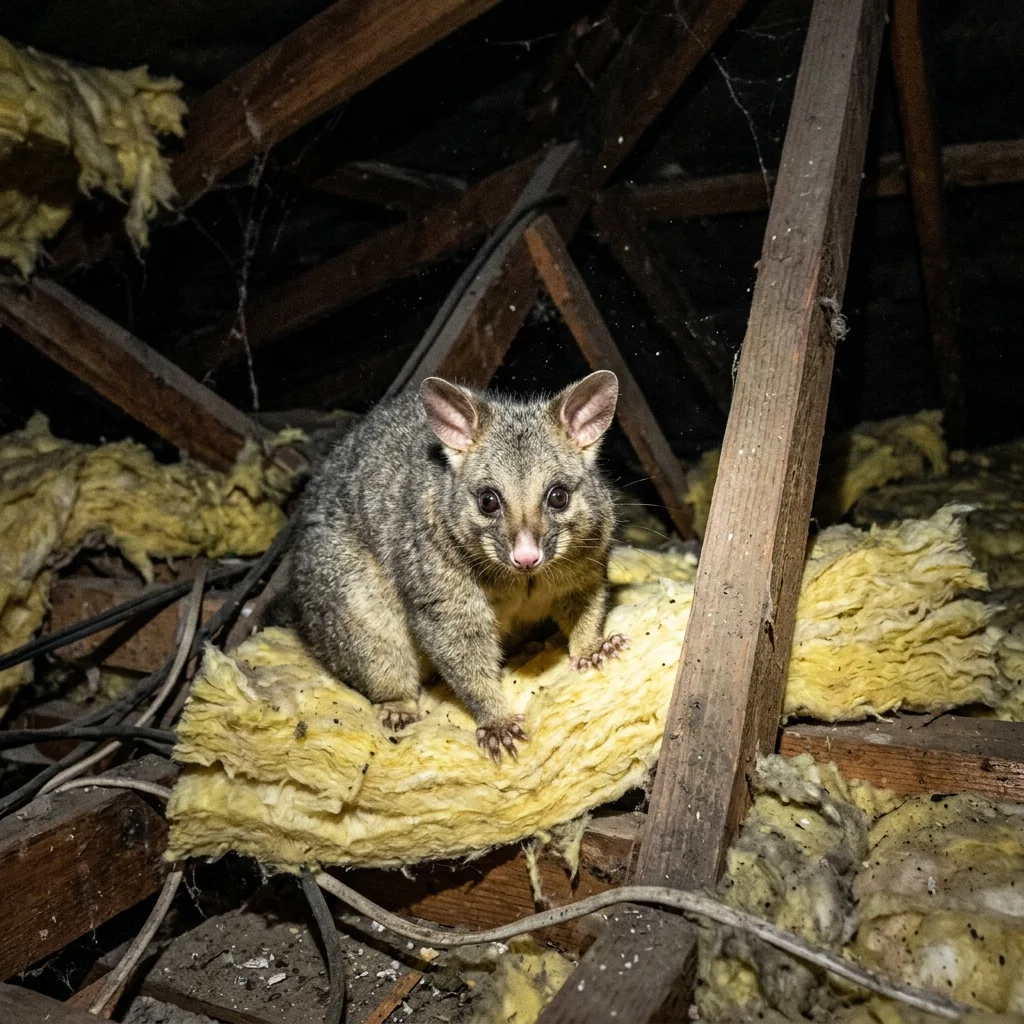
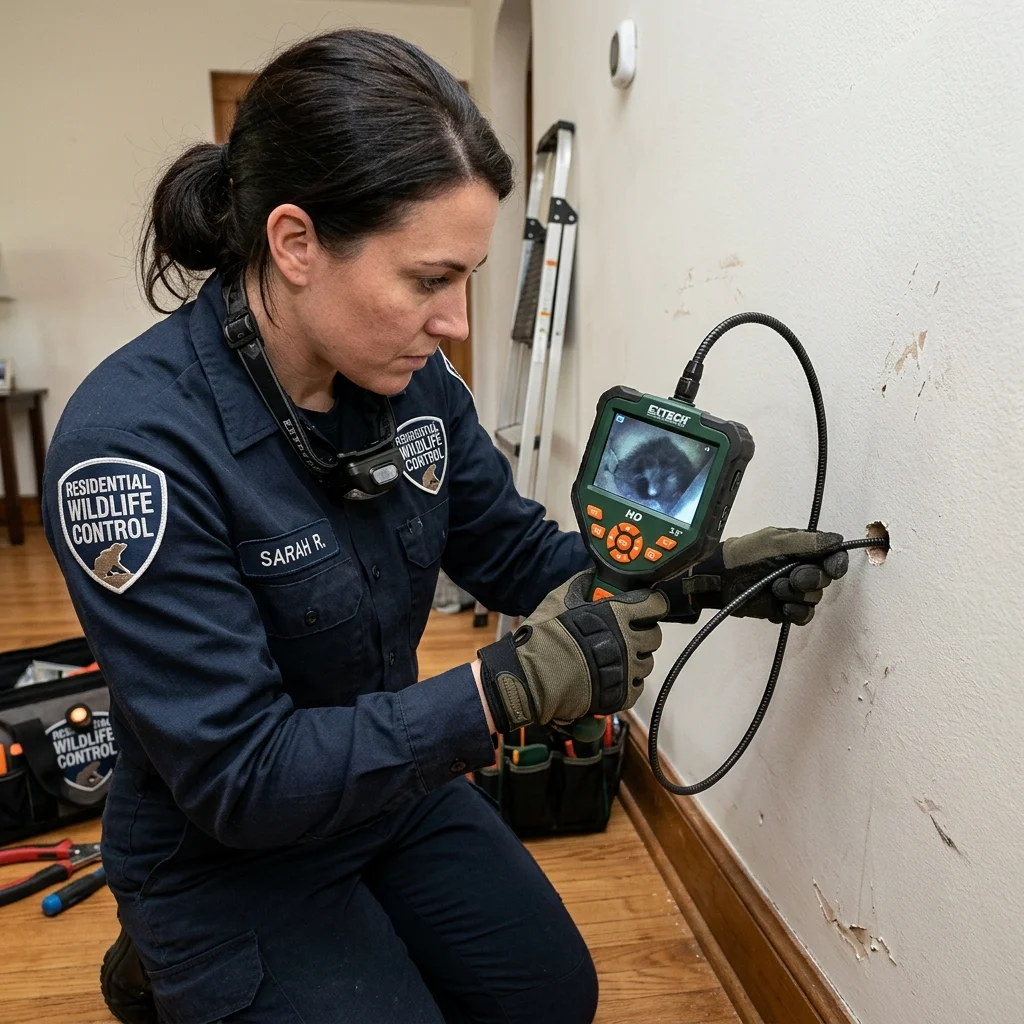
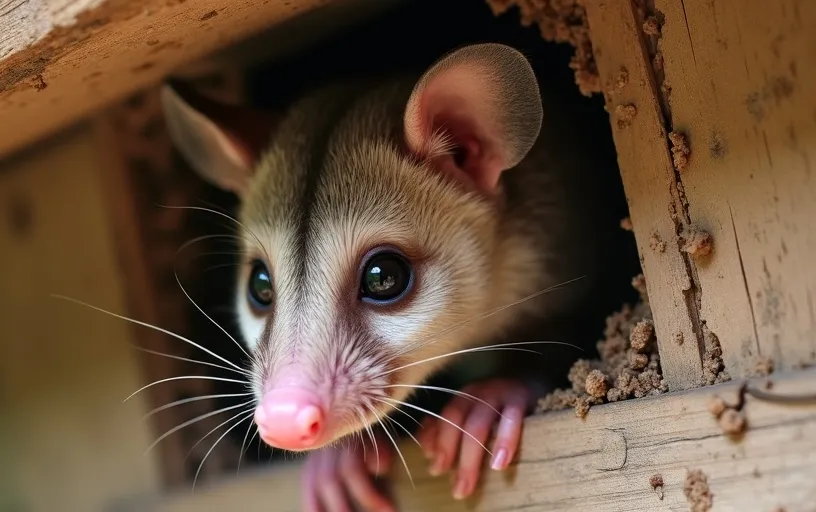
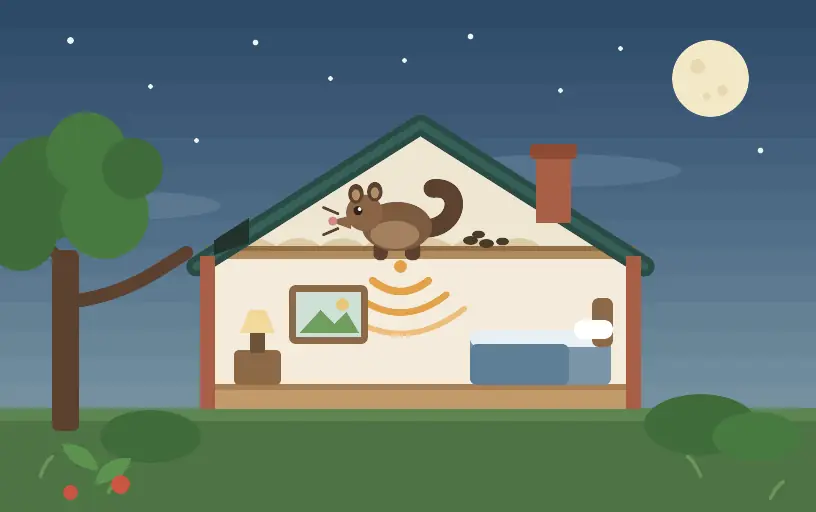
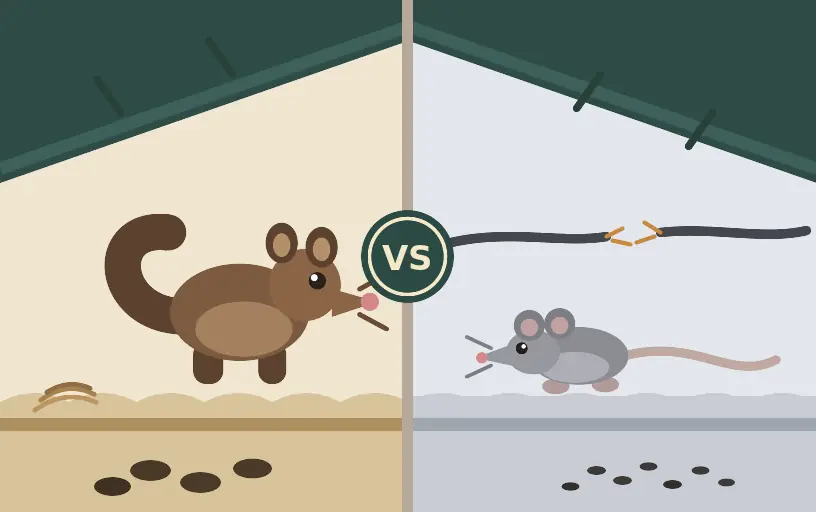
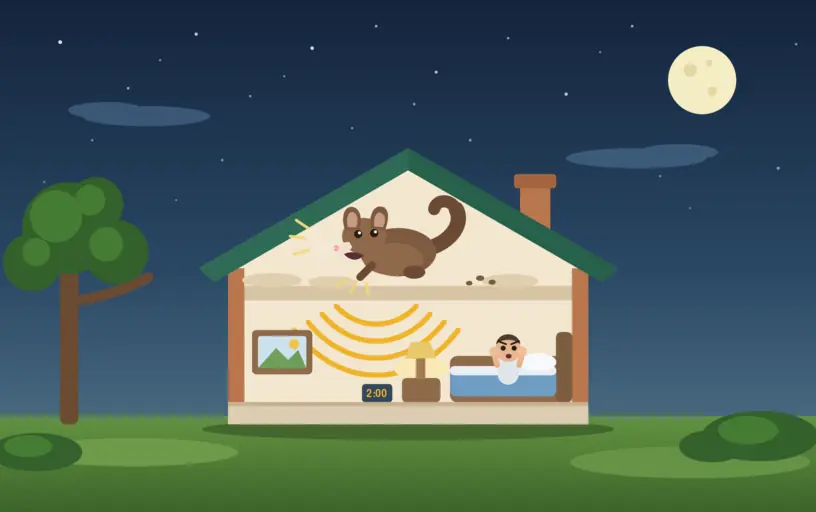
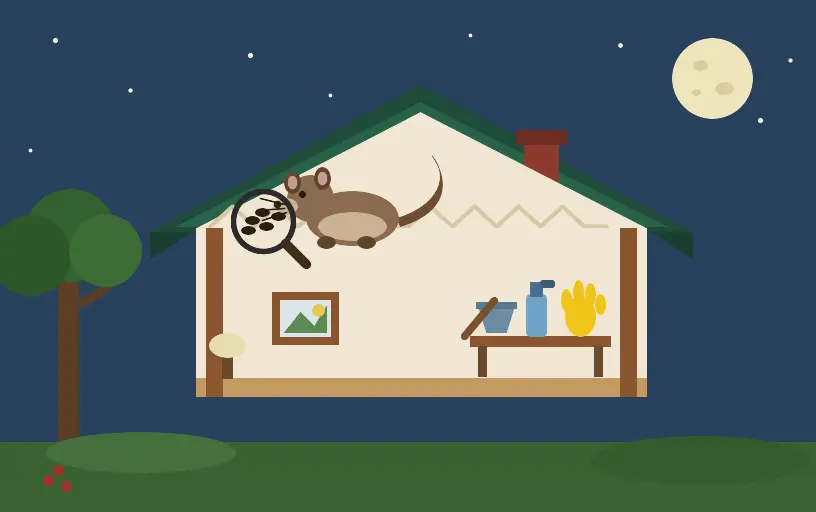
Scratching after dusk, heavy movements and visible access gaps can offer clues. Rats, birds and other animals may sound similar. A proper inspection should look for evidence and avoid trapping or sealing animals inside.
Humane removal and legal requirements
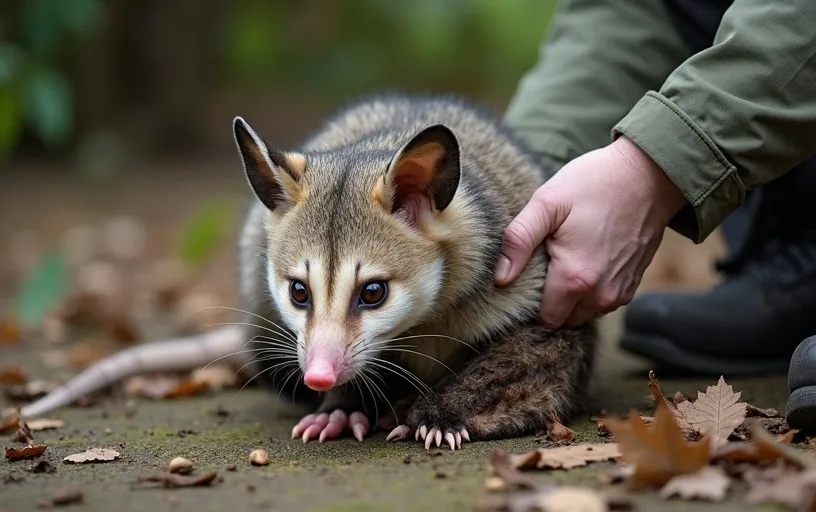
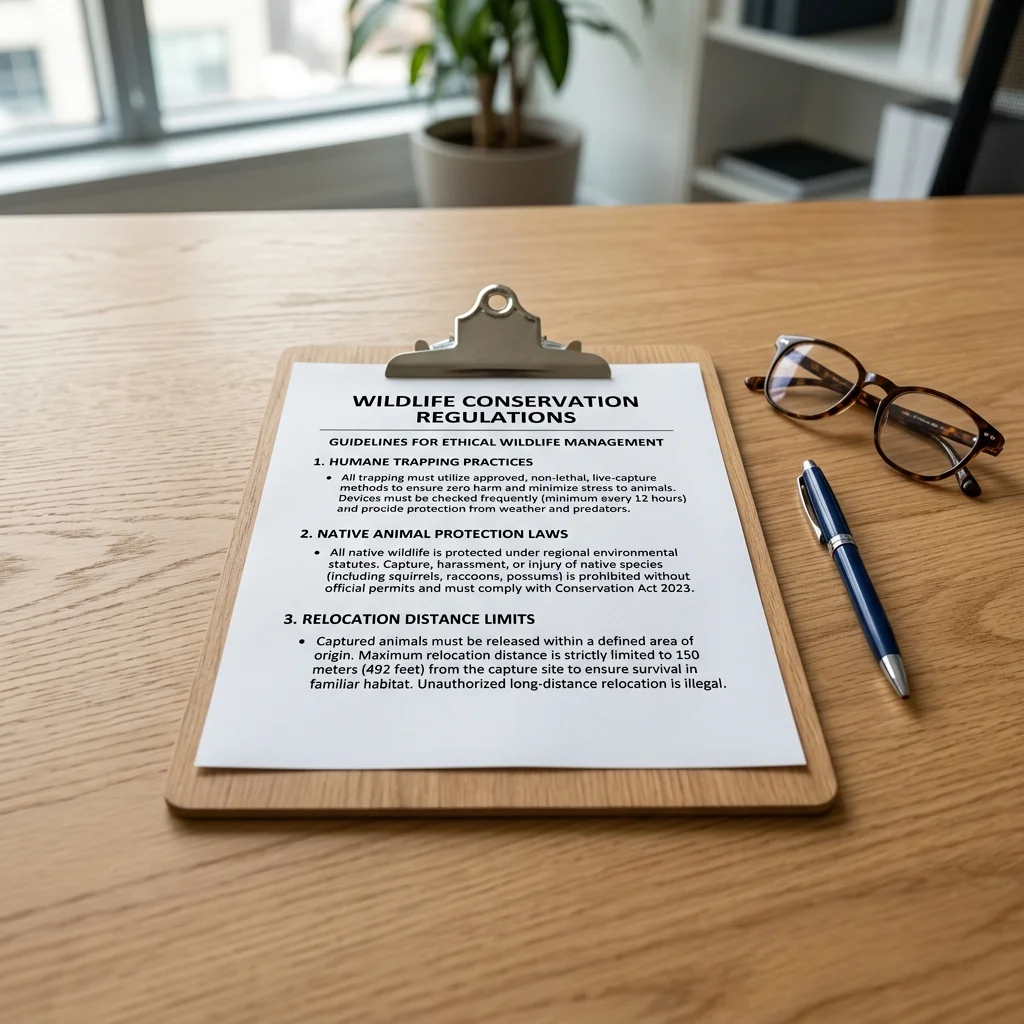
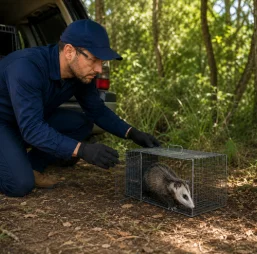
Queensland Government guidance states that possum removal must be carried out by commercial possum relocators holding the appropriate permit.[1] A good plan considers any dependent young, the correct timing and local release requirements; long-distance relocation is not an appropriate shortcut.
Exclusion and roof repairs
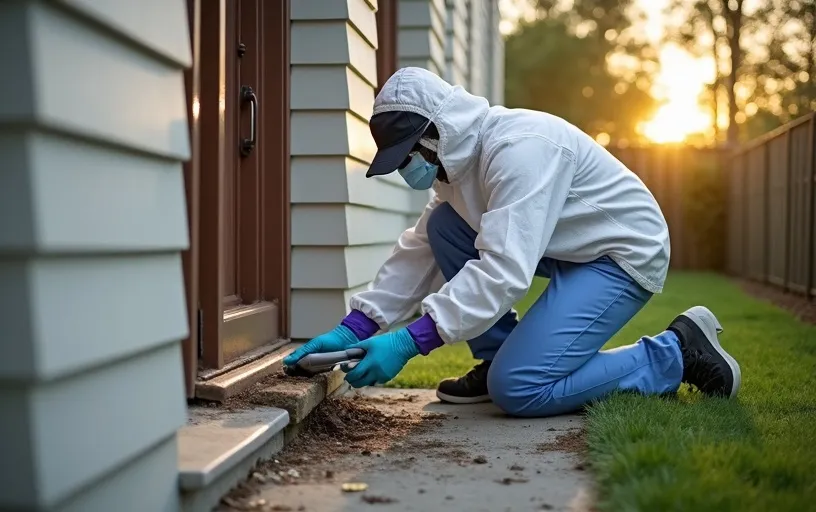
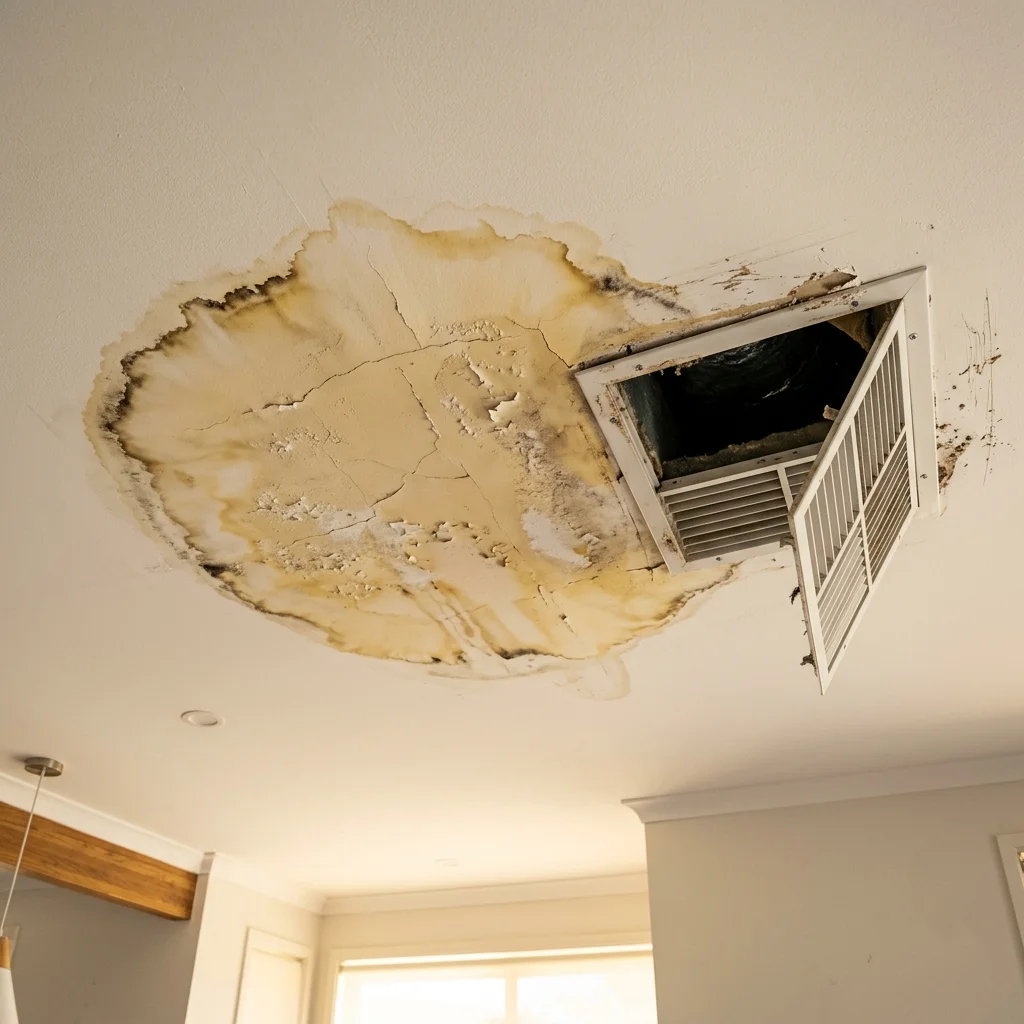
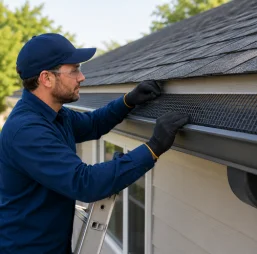
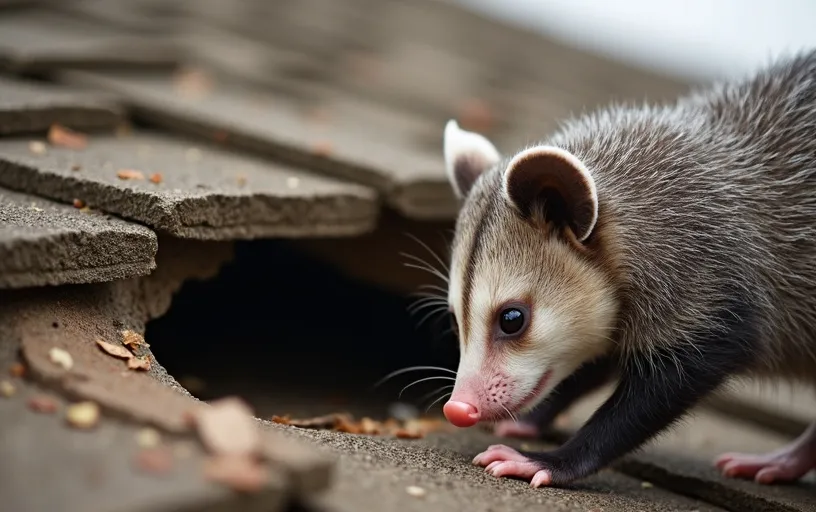
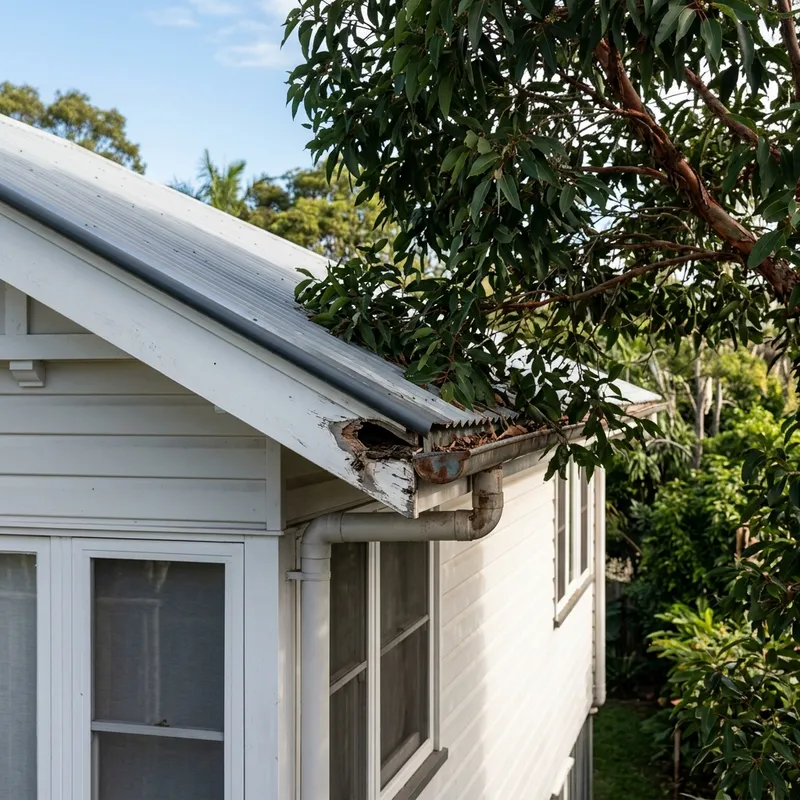
Simply removing an animal without addressing the entry route can lead to the site being reused. Inspect broken tiles, roof junctions, vents and branches that give roof access. Repairs should only follow confirmation that animals are no longer trapped inside.
Living alongside local wildlife
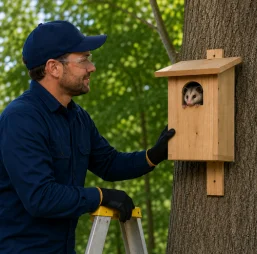
Where suitable, habitat adjustments and a nest box may offer an alternative shelter. Avoid poisons or improvised trapping. Property managers should document observations and discuss lawful prevention measures with an experienced possum specialist.
Questions to ask before arranging a visit
- What inspection is needed before the method is confirmed?
- What preparation should occupants complete?
- Are there material, access or safety limitations to consider?
- How will you confirm completion and recommend follow-up?
Why local conditions in Brisbane matter
Buildings with roof voids, service penetrations and sheltered storage spaces can conceal activity. Weather, neighbouring properties and access restrictions all affect how inspections are planned. Avoid unsafe access to roof cavities or confined spaces.
Related services to consider
Depending on the assessment, related needs may include possum prevention, possum damage repair or possum box installation. These are optional complementary services, not automatically part of the requested appointment. Discuss them during the enquiry rather than assuming they are required.
Signs that justify an inspection
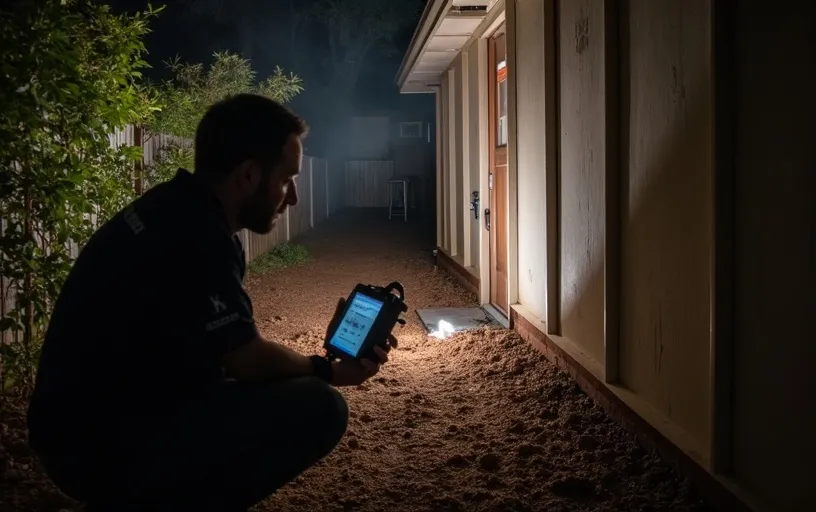
Heavy movement at dusk, repeated roof access and disturbed insulation may indicate possums, but sounds alone are unreliable. Record the time and location of activity and look for entry openings from ground level. Never reach into a cavity where an animal may be sheltering. The assessor should establish the species, whether young are present and how access is being gained before recommending an exclusion plan.
Why humane practice is essential
Possums are protected under state wildlife law and should not be treated like ordinary household pests. In Queensland, trapping and relocation services require appropriate authority and must follow applicable release conditions. Improvised trapping, poisoning or blocking a shelter without inspection can injure animals and create further property problems. Ask the provider what permits and procedures apply and how dependent young will be protected. Requirements differ across states, so confirm what applies to the property.
Repairing access without trapping wildlife
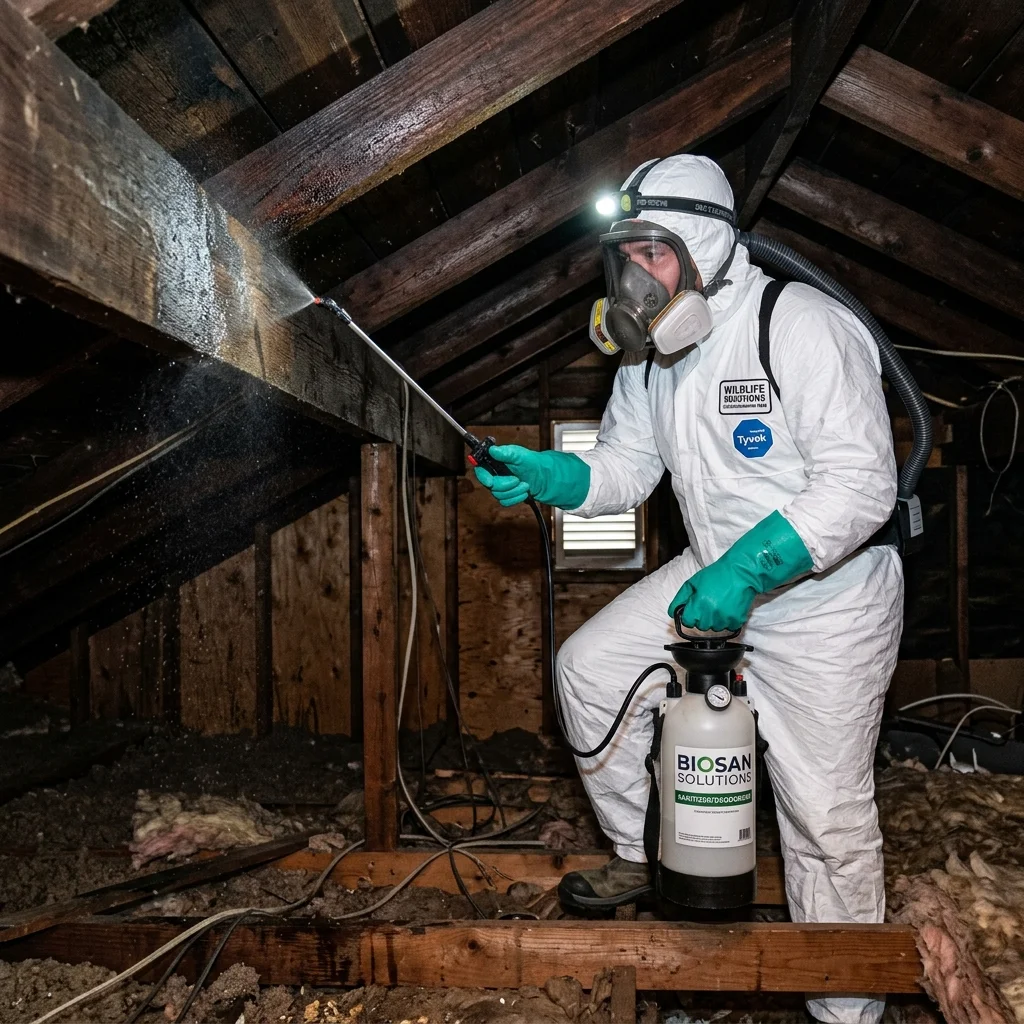
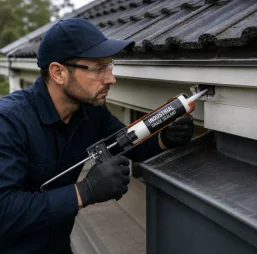
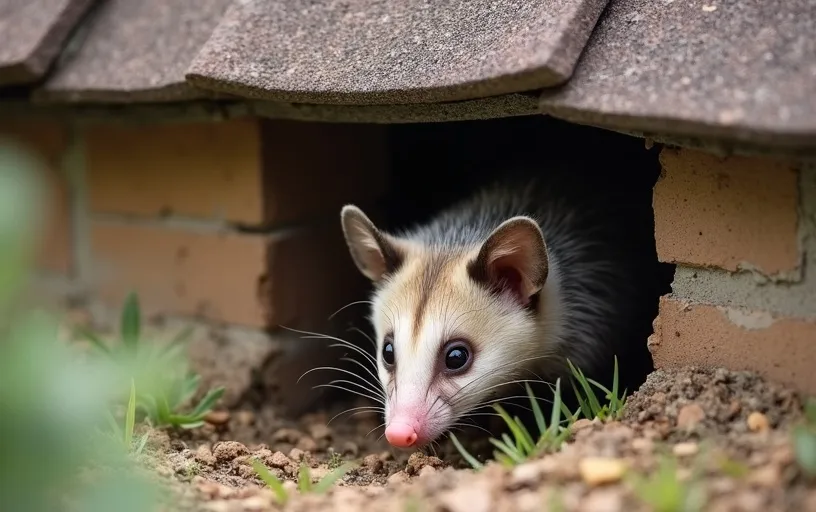
Roof gaps can occur around damaged tiles, fascia joints, vents and service entries. Sealing those points is useful only after confirming that animals have safely left and cannot be trapped inside. Roof work may involve fall and electrical hazards and should be undertaken by appropriately skilled people. Discuss any repairs separately from animal handling, including who will confirm that the entry is clear and how future access will be monitored.
Long-term coexistence and prevention
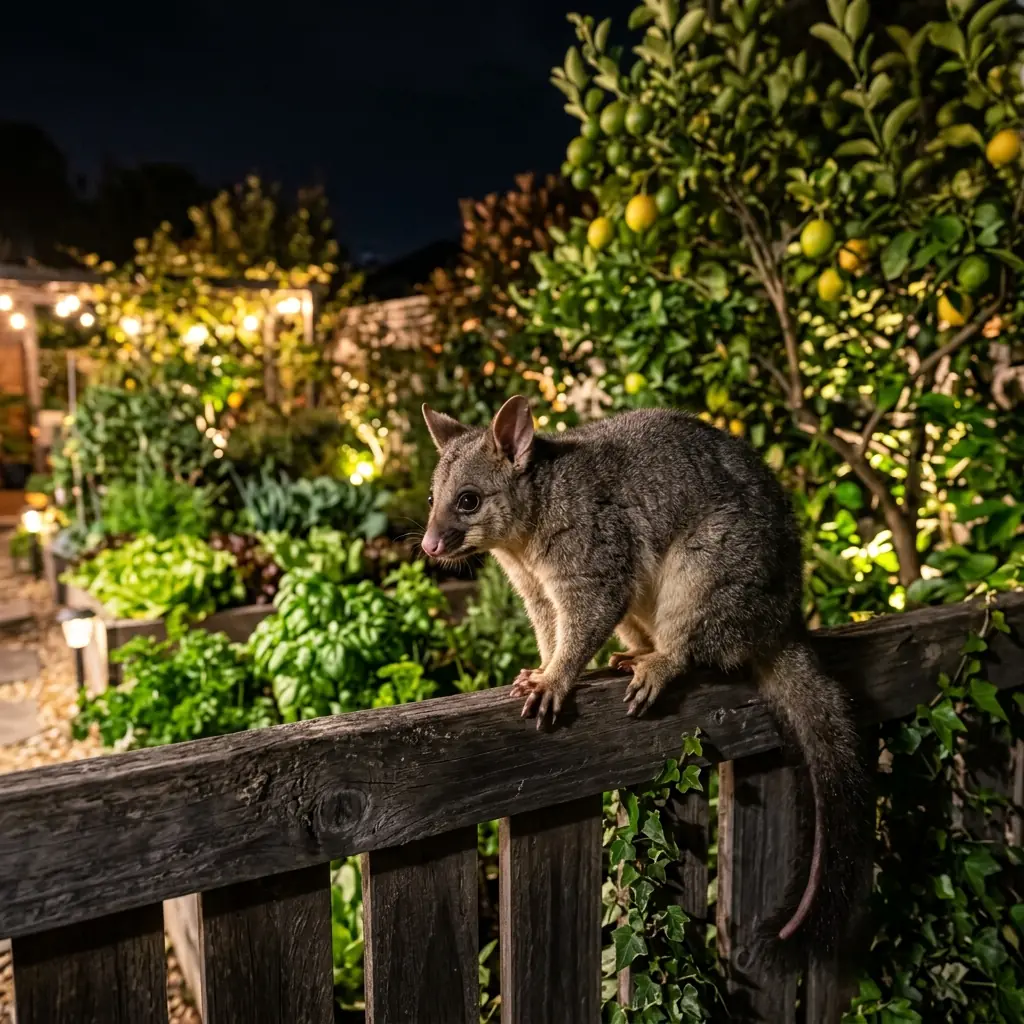
Reduce easy roof access where it can be done without harming established habitat, and keep tree maintenance proportionate to the actual problem. A suitable nest box may offer an alternative refuge in some settings, subject to local guidance. Keep a record of sightings, inspection findings and repairs so recurring issues are easier to identify. Encourage neighbours or property managers to take a consistent humane approach rather than moving an animal from one roof to another.
Confirm the animal before taking action
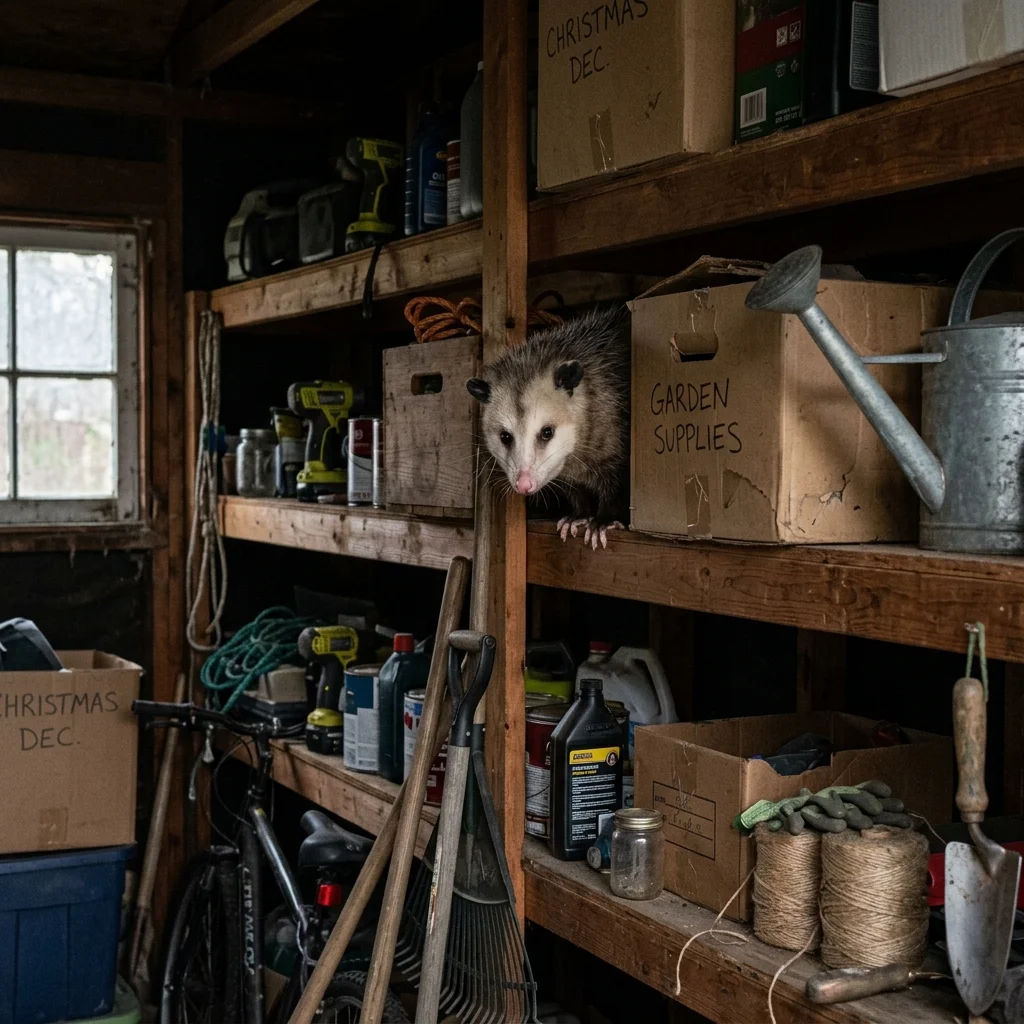
Roof noises at dusk or overnight can have several causes. Possums, rodents and birds differ in movement patterns, and the correct response depends on identifying the occupant. Look for evidence from a safe location instead of entering unstable roof spaces. Observe when sounds begin and whether the same entry point is used repeatedly. A qualified wildlife professional can assess activity and check for dependent young before recommending any exclusion or relocation steps.
Follow wildlife requirements in the relevant state
Possums are protected native wildlife in Australia. Handling, trapping and release are regulated, and applicable requirements vary by state and circumstance. Property owners should not assume they can seal a hole while an animal remains inside. Ask the provider what authorisations are required and how welfare considerations will be addressed. Humane exclusion must account for animals returning to shelter and for the risk of separating dependent young from adults.
Repair the roof without creating new hazards
Once the area is confirmed clear under an appropriate wildlife management plan, repairs may involve gaps near roof tiles, eaves, vents or junctions around pipes. The right repair depends on the building fabric and ventilation requirements; blocking every opening can cause other problems. Arrange any work at height with qualified tradespeople, particularly when electrical cables or damaged roofing are involved. Keep branches trimmed where appropriate while preserving safe access for maintenance.
Prevent conflict after the immediate visit
Secure rubbish and avoid deliberately feeding native wildlife around the building. Monitor previously used roof edges from ground level for renewed scratching, displaced materials or fresh entry marks. If the animal returns, contact a qualified wildlife handler rather than attempting improvised traps or one-way doors. Responsible management aims to protect the property while minimising harm to local wildlife, not simply to move the disturbance to a neighbouring roof.
Frequently Asked Questions
Can the service be arranged without an on-site assessment?
You can normally submit an enquiry first, but photographs and a short description may not reveal hidden damage, material restrictions or inaccessible areas. Ask whether inspection is required.
What should I tell the team before booking?
Provide your suburb, preferred visit window, access details, the affected rooms or areas, any previous work and relevant safety concerns. For humane possum removal, photographs can help explain the situation.
How should I prepare the property?
Keep the work area accessible, secure pets and children, and follow any specialist instructions. Avoid unapproved chemical mixtures or disturbing contaminated areas.
Will one appointment always resolve the issue?
Not necessarily. Hidden entry points, dependent young or an animal returning to its shelter may call for further inspection, exclusion work or monitoring.
Book humane possum removal in Brisbane
To request a visit, submit one enquiry for Humane Possum Removal. Add your Brisbane suburb, preferred date, property type, affected areas, photos if available and any relevant safety or care-label information. Ask the team to confirm availability, scope and preparation requirements before you book.
Request an assessment from Fresho or call 07 3778 7184 to discuss the relevant service and arrange the next steps.