How to Get Rid of Possums in Your Ceiling
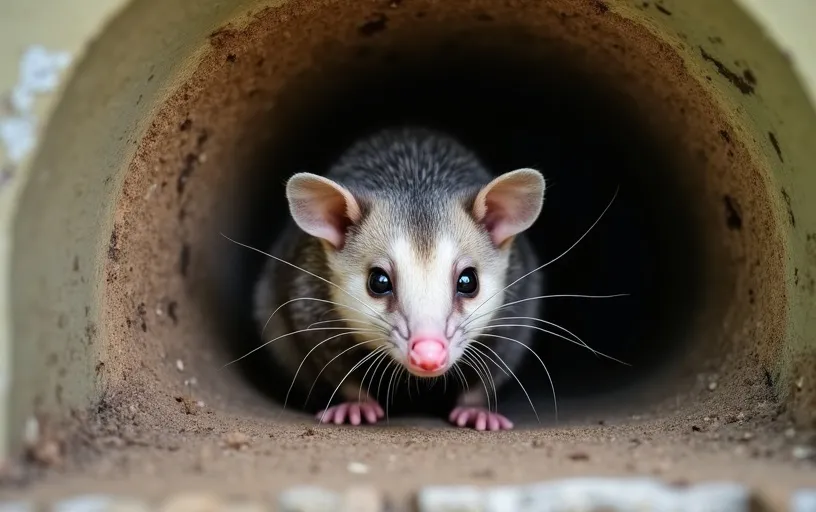
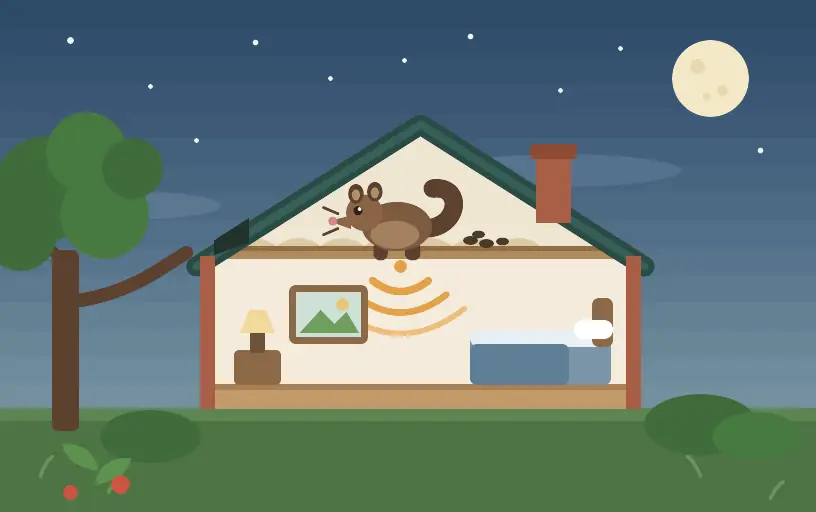
When a possum enters your home, it does not just stay on the roof; it often moves down into the ceiling cavity directly above your living areas. The space between your ceiling plasterboard and the roof structure provides a warm, dry, and insulated environment that is highly attractive to these animals. However, having a possum in your ceiling can lead to ruined insulation, foul odors, stains on your plasterboard, and chewed electrical wires.
Getting rid of possums in your ceiling requires a humane, systematic approach that addresses both the eviction of the animal and the cleanup of the space. Because possums are protected native species, you must use strict conservation rules while resolving the issue. Here is how you can successfully manage a possum problem in your ceiling space.
Understanding the Risks of Ceiling Invasions
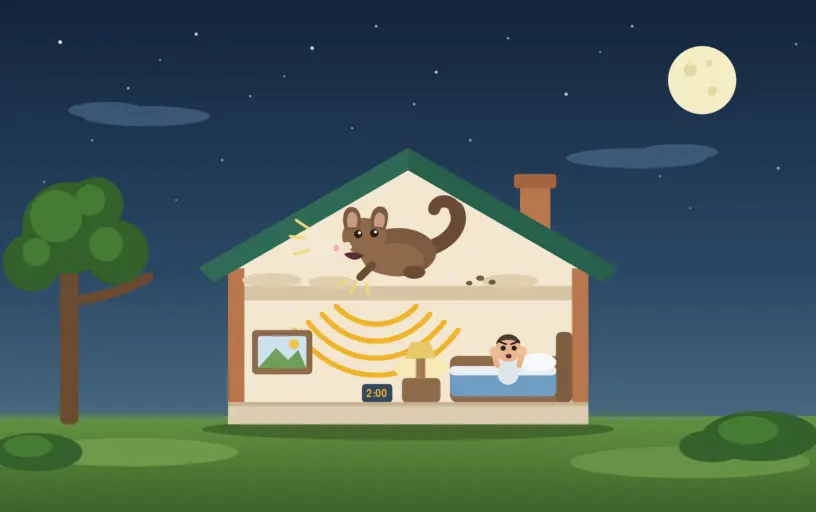
It is tempting to ignore a faint scratching sound in the ceiling, hoping the animal will eventually leave on its own. However, delay can lead to expensive property repairs. Possums cause several types of damage when nesting in ceilings:
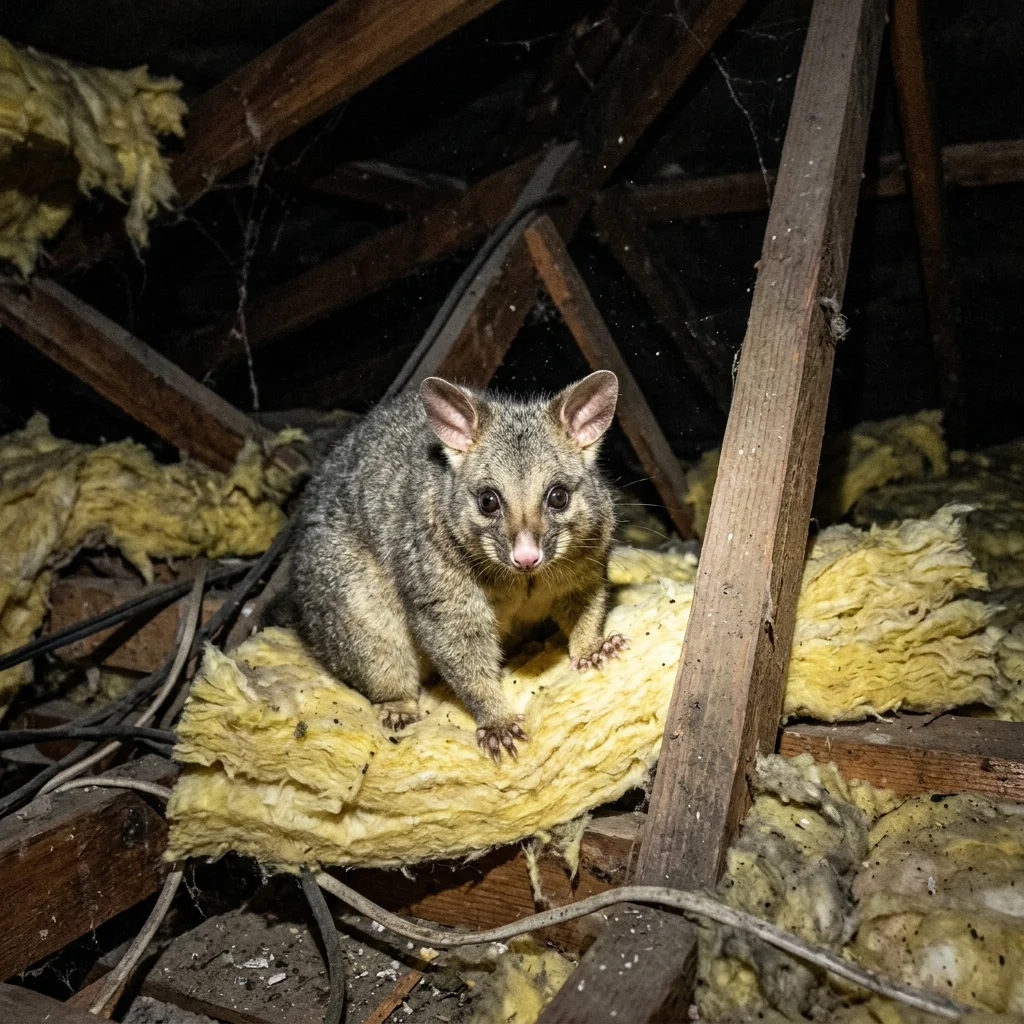
Insulation Damage: Possums trample and tear fiberglass or cellulose insulation, compressing it and reducing your home's thermal efficiency. They also pull insulation apart to create soft nesting spots, leaving areas of your ceiling unprotected.
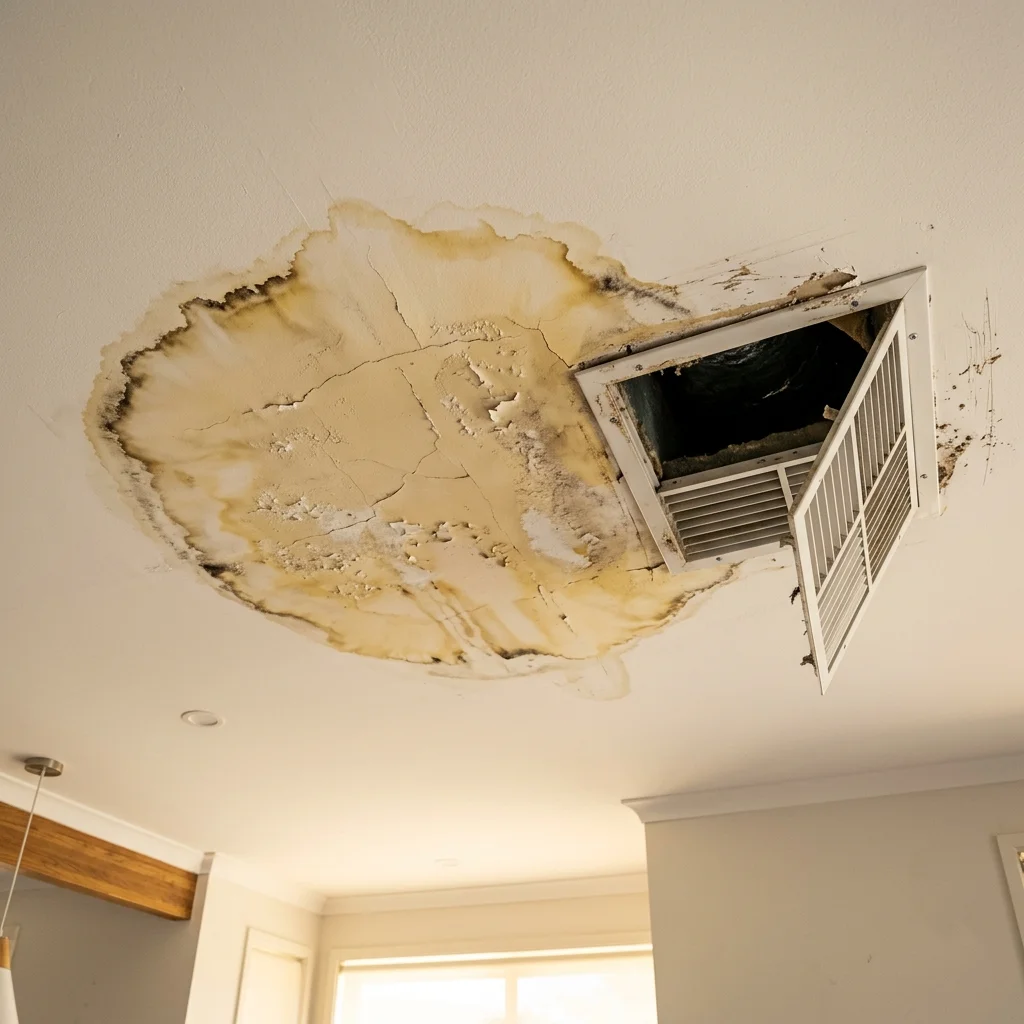
Hygiene and Odor: A single possum produces a significant amount of droppings and urine. Over time, these waste products build up in the insulation and seep into the plasterboard below, creating yellow stains on your ceiling and a heavy, musky odor that is difficult to eliminate.
Fire Hazards: Like rodents, possums have strong teeth and will chew on building materials, including timber framing and PVC-coated electrical wiring. Chewed wires in a ceiling cavity are a major house fire hazard.
Step 1: Locate the Nesting Area and Entry Points
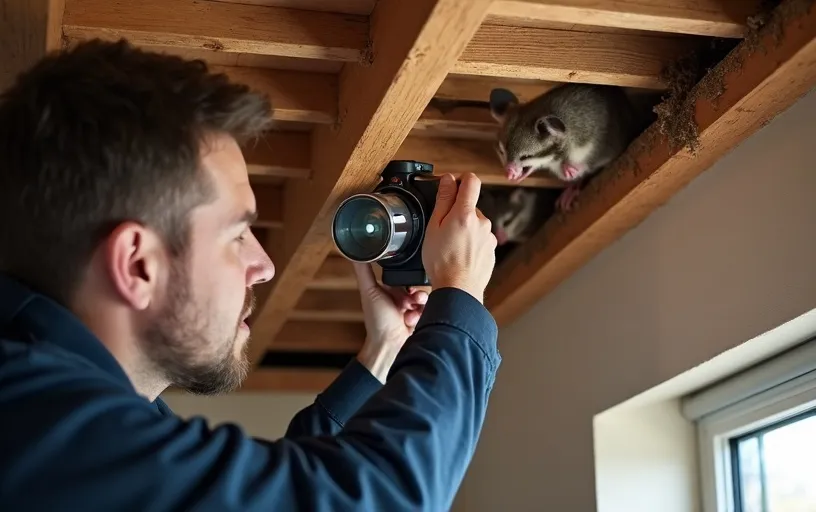
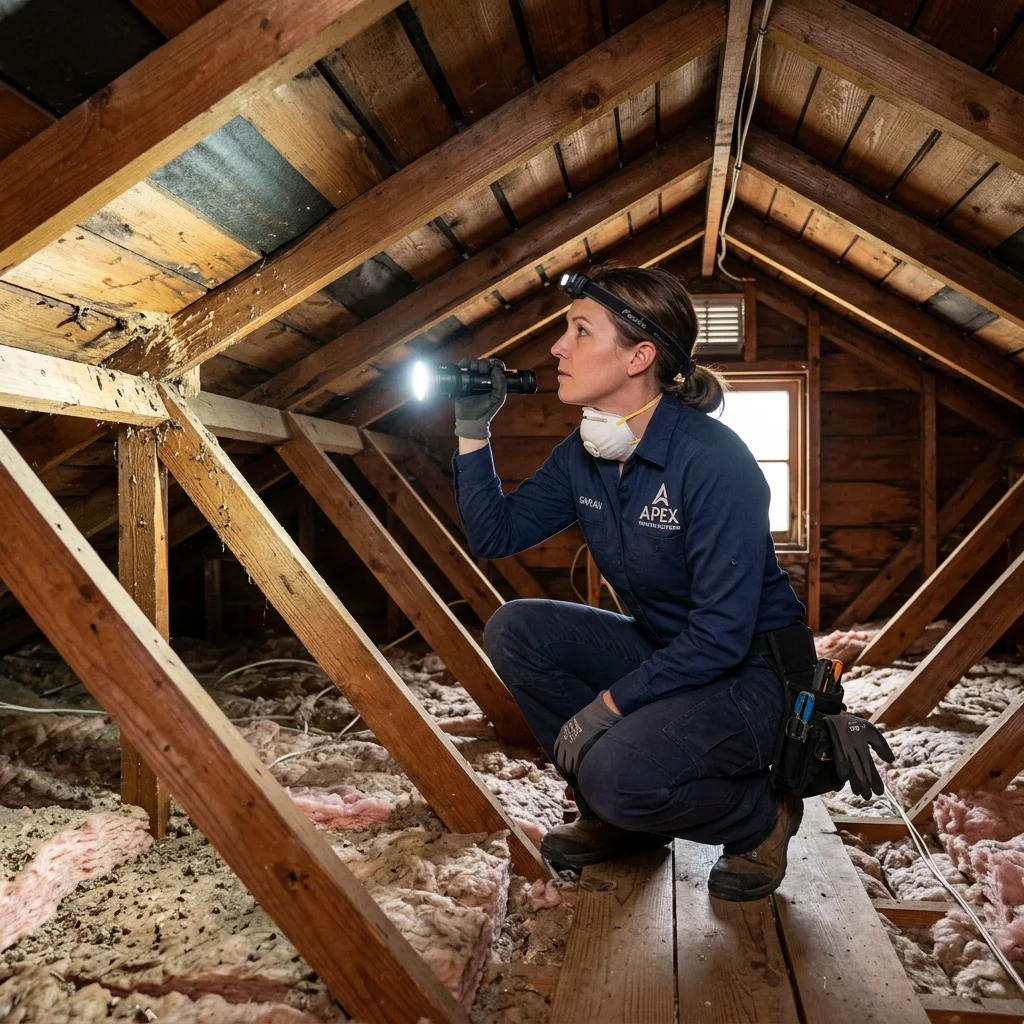
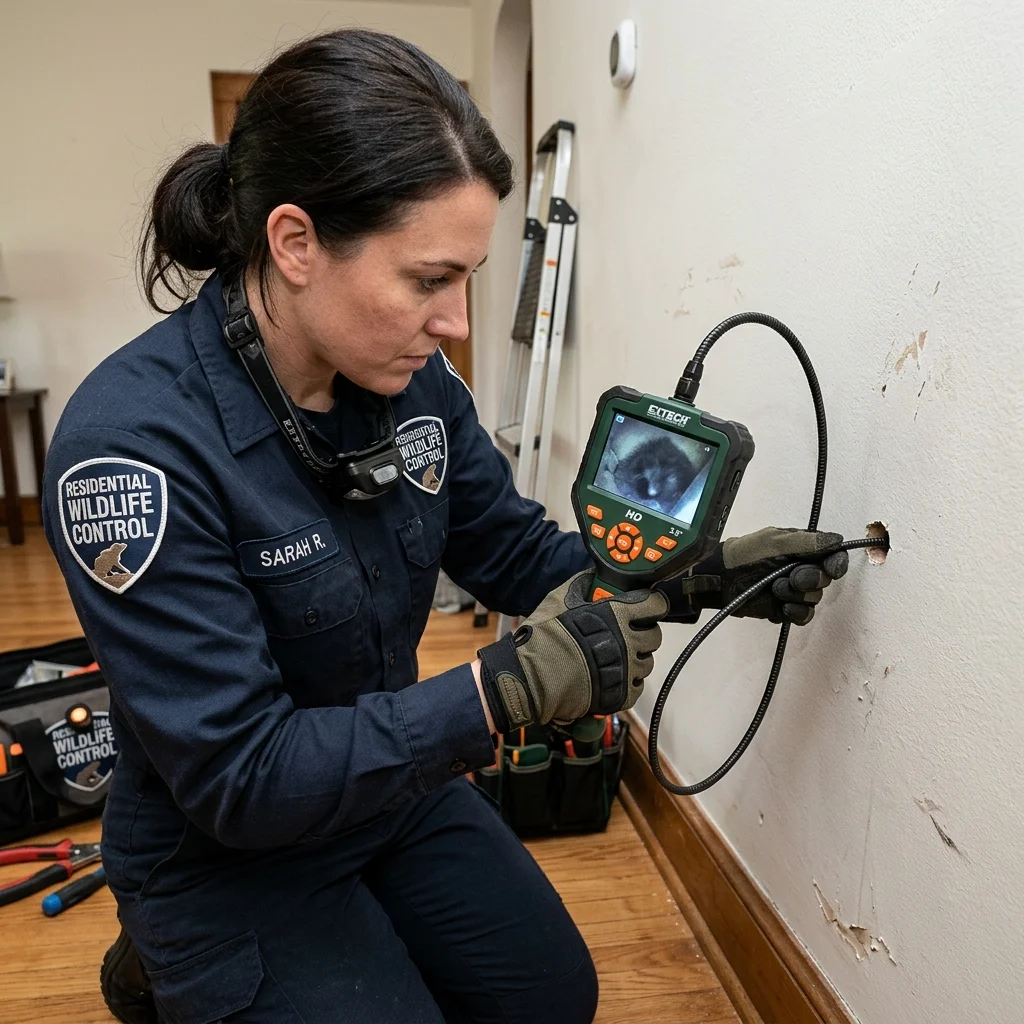
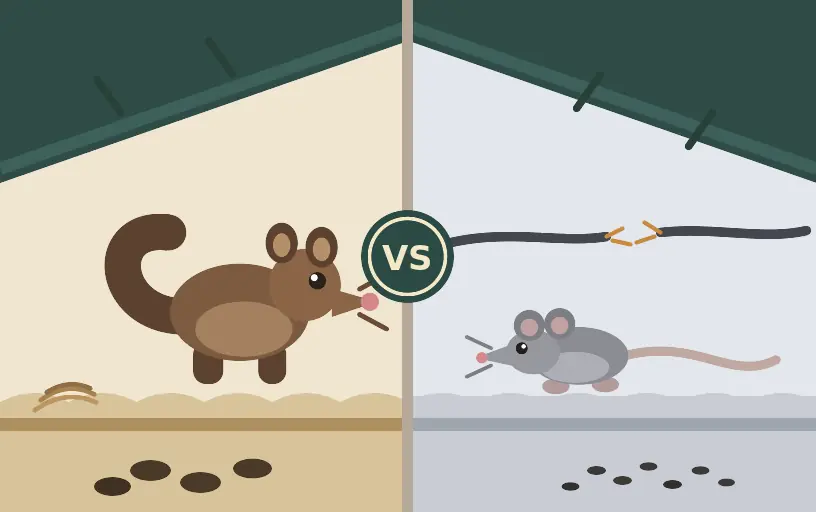
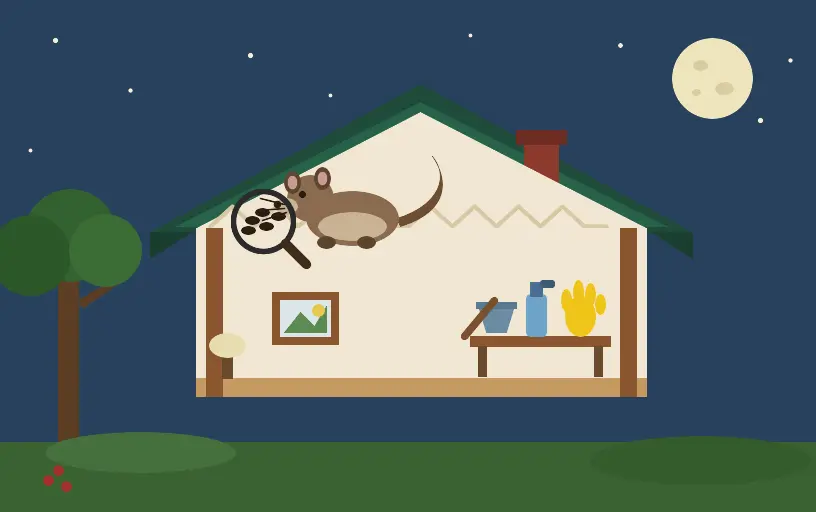
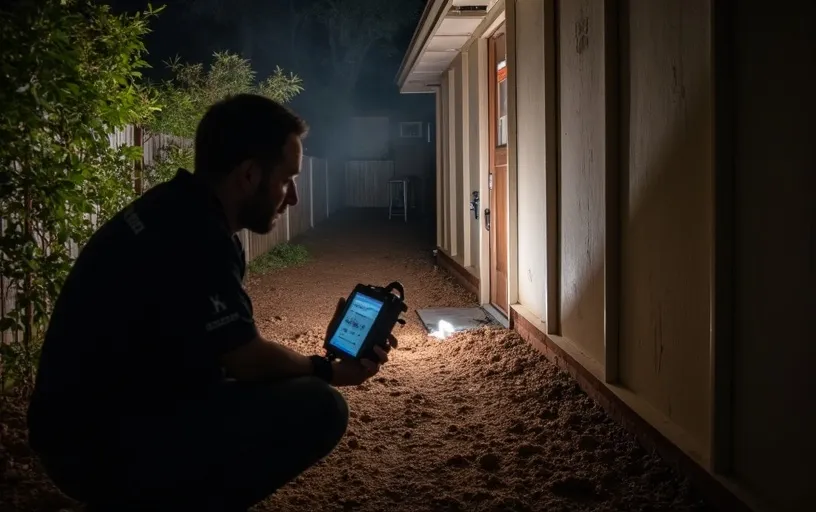
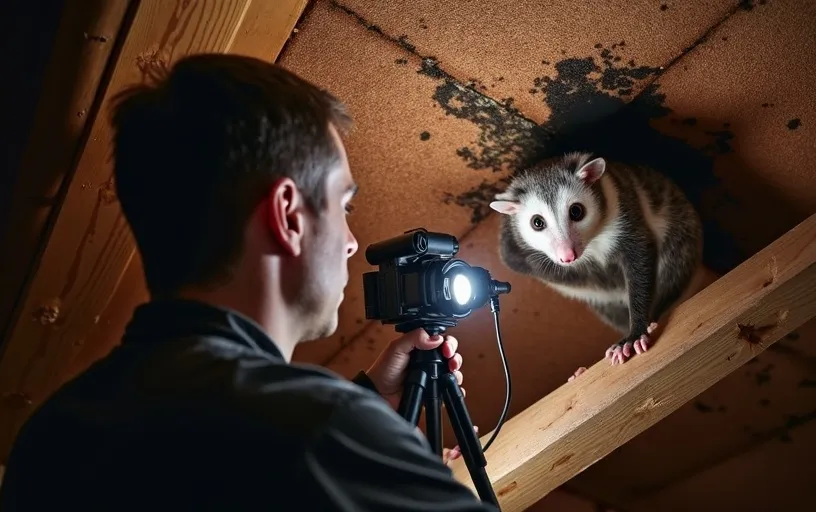
To solve the problem, you must first identify where the possum is nesting and how it is accessing the ceiling void. Access your ceiling cavity safely through the manhole during the day, using a strong flashlight. Look for flattened areas in the insulation, heaps of dry leaves, and concentrations of droppings. These signs will point you to the nesting site.
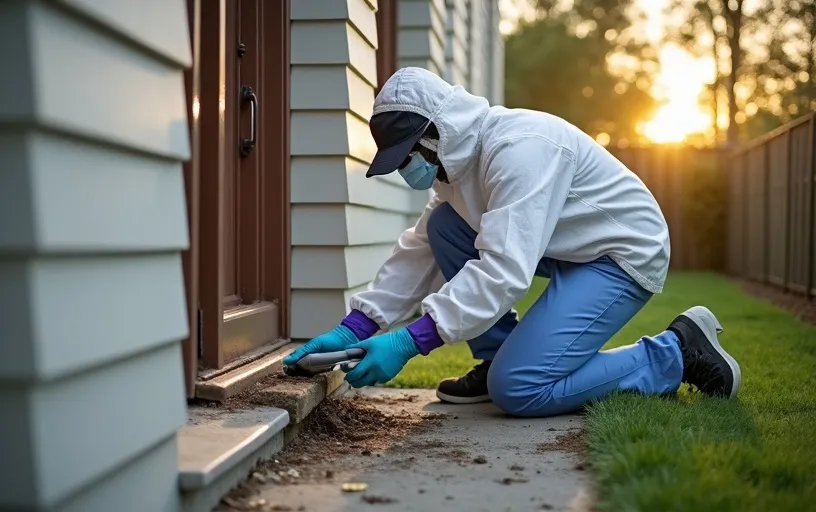
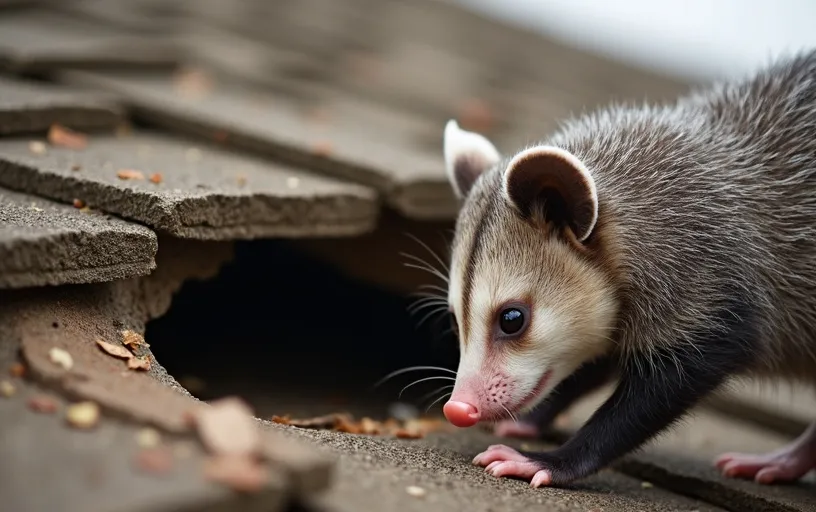
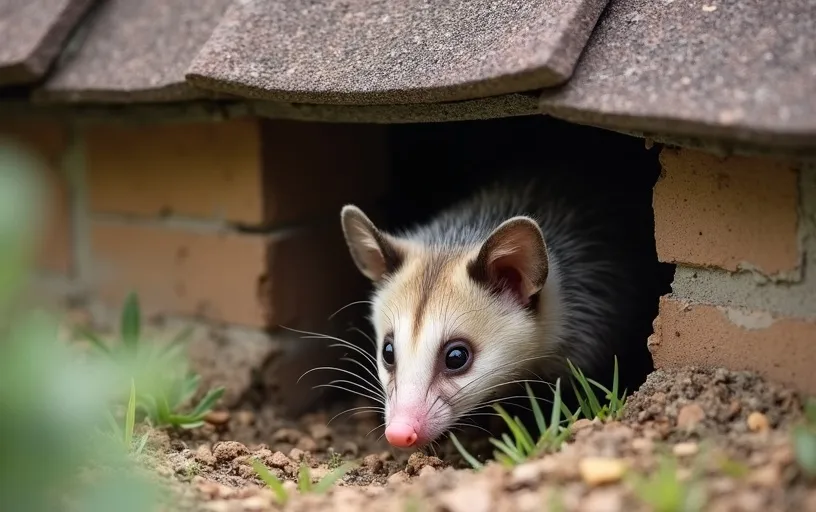
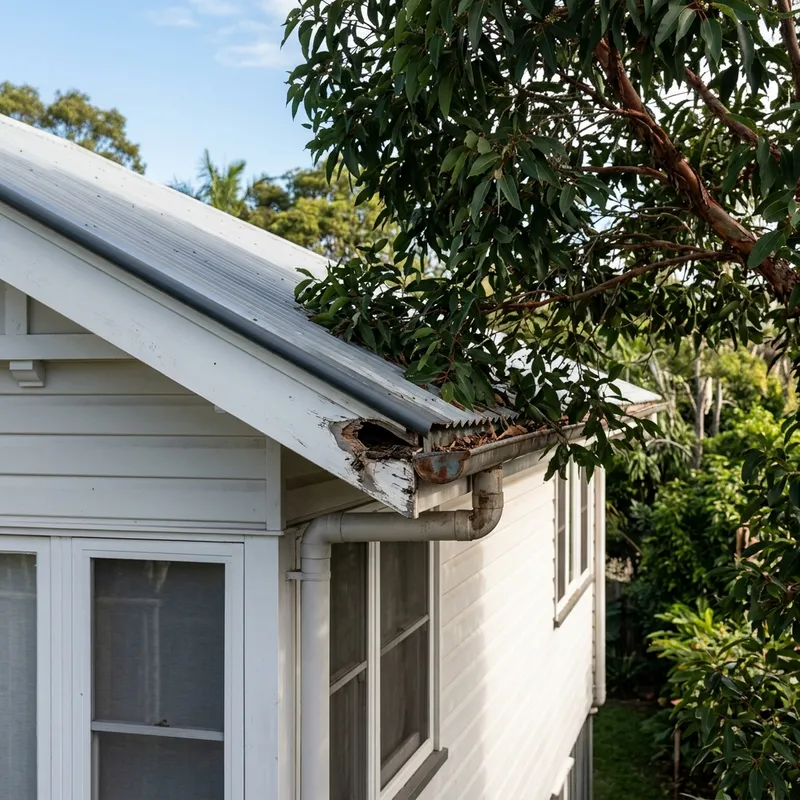
From inside the roof space, look for light filtering in from the outside. Any point where daylight is visible indicates a gap or hole leading to the exterior. Note these locations, as they are the primary suspect entry points that need to be sealed.
Step 2: Create a Safe Eviction Strategy
Do not seal the entry holes immediately. If you block the gaps while the possum is sleeping inside the ceiling during the day, the animal will become trapped. A trapped possum will panic and attempt to claw its way out, potentially breaking through your plasterboard ceiling into your living room or chewing through electrical wiring. If it cannot escape, it will die inside, causing a severe odor and attracting flies.
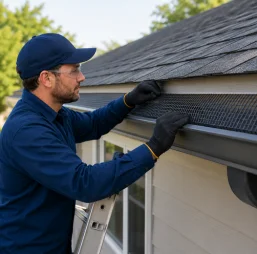
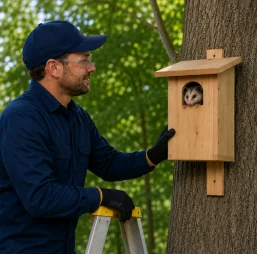
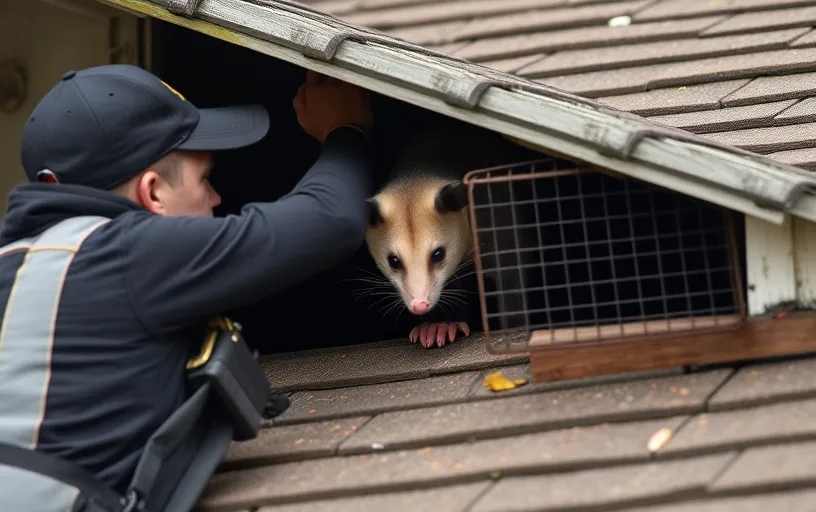
Instead, install a one-way exit door over the primary entry point. This door acts as a gate that opens outward but locks shut when closed. It allows the possum to leave the ceiling space at night to find food but prevents it from returning. Seal all other secondary entry points using galvanized mesh or solid timber panels.
Step 3: Encourage Relocation with Deterrents
To encourage the possum to leave the ceiling space quickly, you can make the nesting area less comfortable. Possums prefer dark, quiet, and undisturbed spaces. By introducing light and noise, you can disrupt their sleeping patterns and prompt them to seek an alternative shelter.
Place a bright, portable LED light in the ceiling cavity near the nesting site and leave it on during the day. You can also place a small battery-powered radio playing talkback programs in the space. These mild deterrents are harmless to the animal but make the ceiling void unappealing, encouraging them to use the one-way door to exit and stay out.
Step 4: Seal the Final Opening
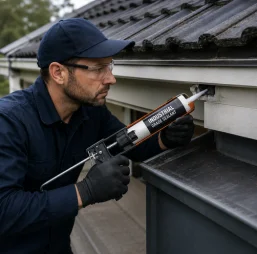
Leave the one-way door and deterrents in place for three to four days. Once you have not heard any noises in the ceiling for several consecutive nights, it is safe to assume the possum has relocated. Choose a clear day to remove the one-way door and for good seal the remaining opening.
Double-check the ceiling cavity one last time before sealing to ensure no other animals are present. Pay close attention to any small nesting areas where young possums might be hiding, as mothers sometimes leave their offspring in the nest while foraging.
Step 5: Decontaminate and Deodorize
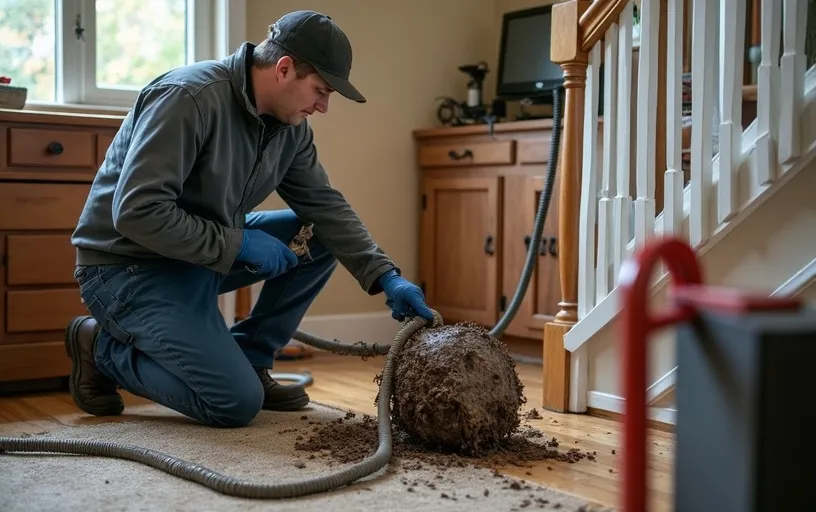
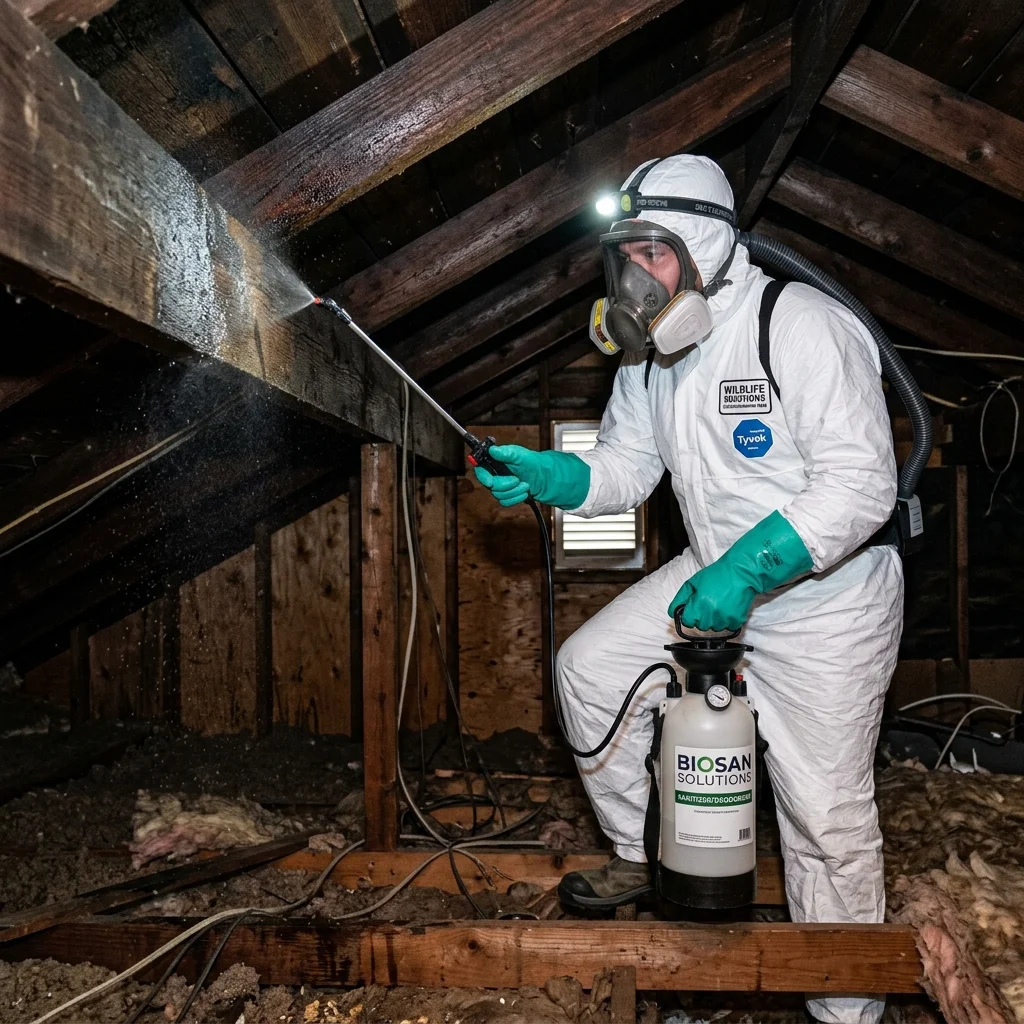
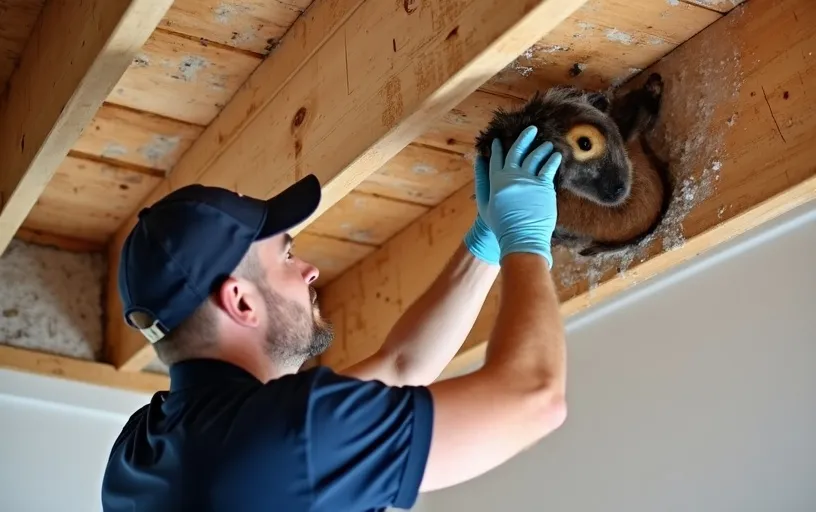
After successfully excluding the possum, you must clean the affected area to restore hygiene. Wear protective clothing, gloves, and a dust mask. Remove all contaminated insulation, nesting materials, and droppings from the ceiling void.
Spray the timber joists and plasterboard surface with a professional-grade disinfectant and odor neutralizer. This step is critical because the scent of possum urine and pheromones can linger for months, attracting other possums to your property. By removing the scent markers, you reduce the risk of a new animal attempting to break into the same space.
Treating Stained Drywall and Ceiling Plaster
If the possum urine has soaked through the insulation and left a stain on the plasterboard ceiling, you must treat the stain to prevent mold growth and ongoing odor. Simple painting will not cover the stain, as the oils will bleed through typical latex paint.
First, ensure the plasterboard is entirely dry. Sand the stained area lightly, then apply a heavy-duty stain-blocking primer (shellac-based or oil-based). Once the primer has dried, you can apply a matching ceiling coat. If the plasterboard is soft, sagging, or structurally compromised by moisture, you must cut out the damaged section and install a fresh sheet of plasterboard to maintain safety.
Understanding Insulation Types and Possum Preferences
Possums have different impacts on different types of insulation found in Brisbane homes:
- Fiberglass Bats: The most common insulation. Possums love to tear these bats apart to build tunnels and nests. This ruins the thermal barrier and creates dusty fibers in the air.
- Cellulose Loose-Fill: This insulation is blown into the ceiling. Possums easily trample it down, reducing its R-value, and use it as a latrine, turning the loose fibers into a highly unhygienic paste.
- Polyester Bats: These are tougher and more resilient. Possums still compress them, but they are harder to shred, resulting in slightly less dust generation.
Long-Term Maintenance Checklist
- Inspect the roof and ceiling perimeter every six months for new structural gaps.
- Prune any overhanging branches to keep them away from your home's gutters.
- Check that all vents, chimneys, and pipe entries have secure mesh covers.
- Clean your gutters regularly to prevent pooling water that attracts animals.