How to Stop Possums Getting Into Your Roof
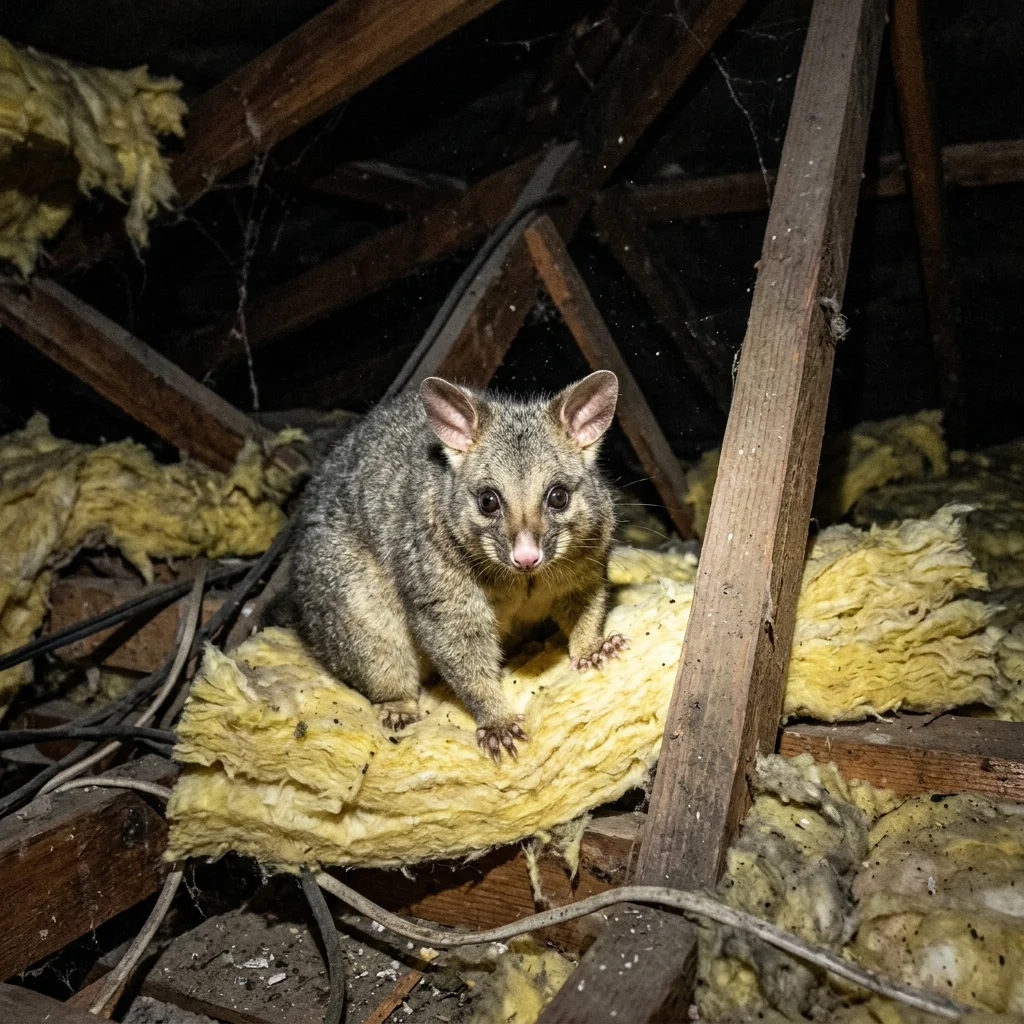
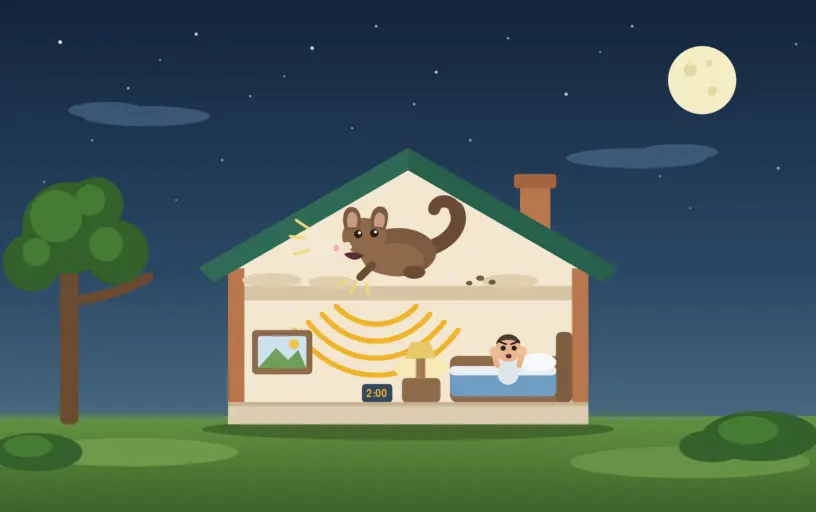
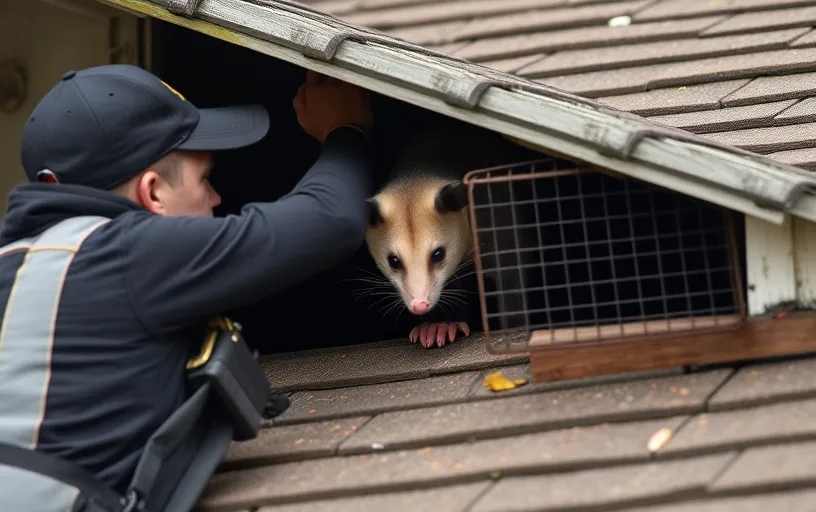
If you've ever been woken up at 2 a.m. by scratching, thumping, or what sounds like a small wrestling match happening directly above your bedroom, you already know the problem: a possum has moved into your roof. It's one of the most common animal complaints homeowners deal with, and once a possum decides your ceiling cavity is a good place to sleep, it can take real effort to convince it otherwise.
The good news is that possums aren't impossible to deal with. They're creatures of habit and comfort - they want somewhere warm, dry, dark, and safe from predators. Take those things away, and they'll move on. This guide walks through why possums end up in roofs in the first place, how to safely get rid of one that's already there, and how to seal your home so it can't happen again.
Why Possums Love Your Roof in the First Place
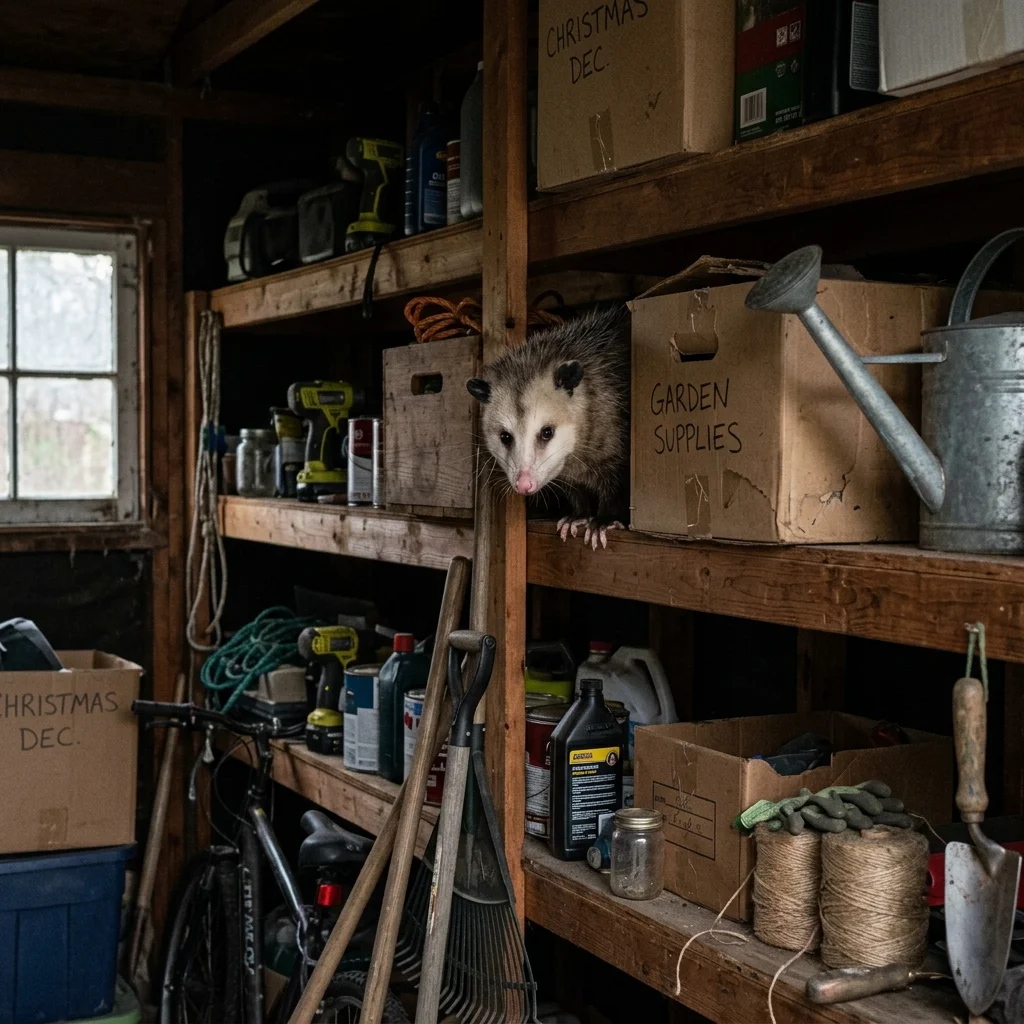
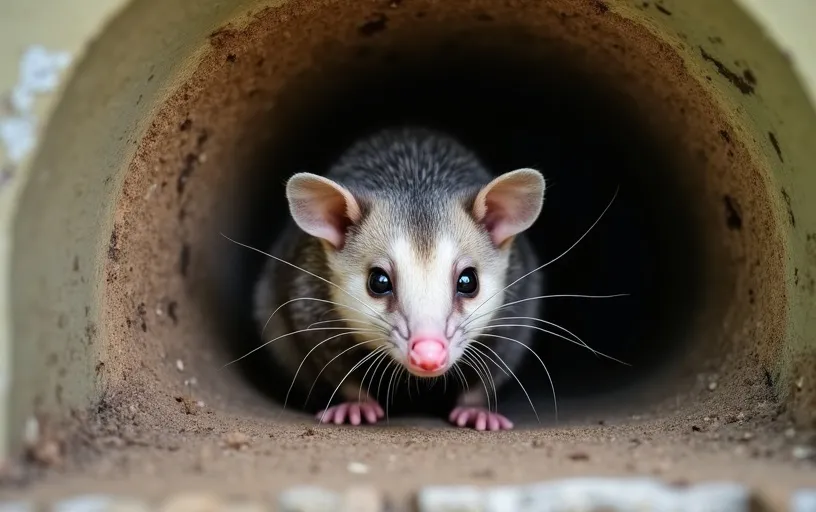
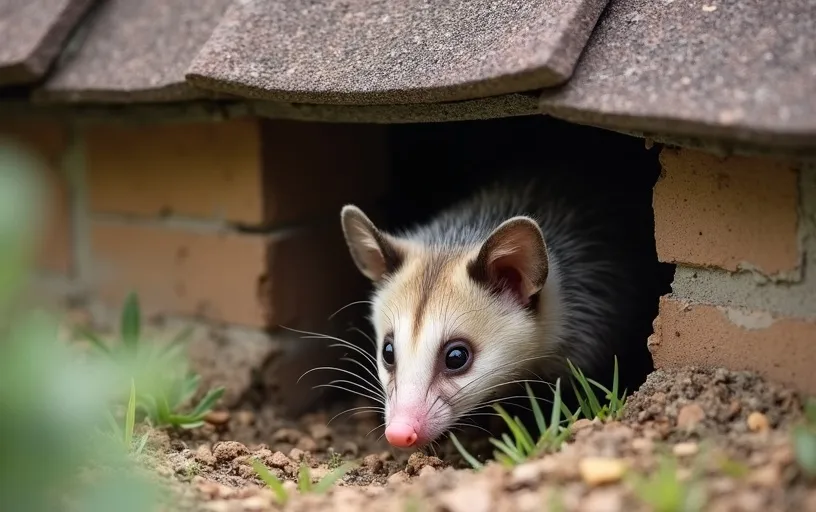
Roof cavities are, from a possum's point of view, close to perfect. They're elevated and safe from ground-based predators, insulated from temperature swings, dry, and quiet during the day when possums want to sleep. In the wild, possums den in tree hollows - and a roof cavity is basically a tree hollow with better insulation.
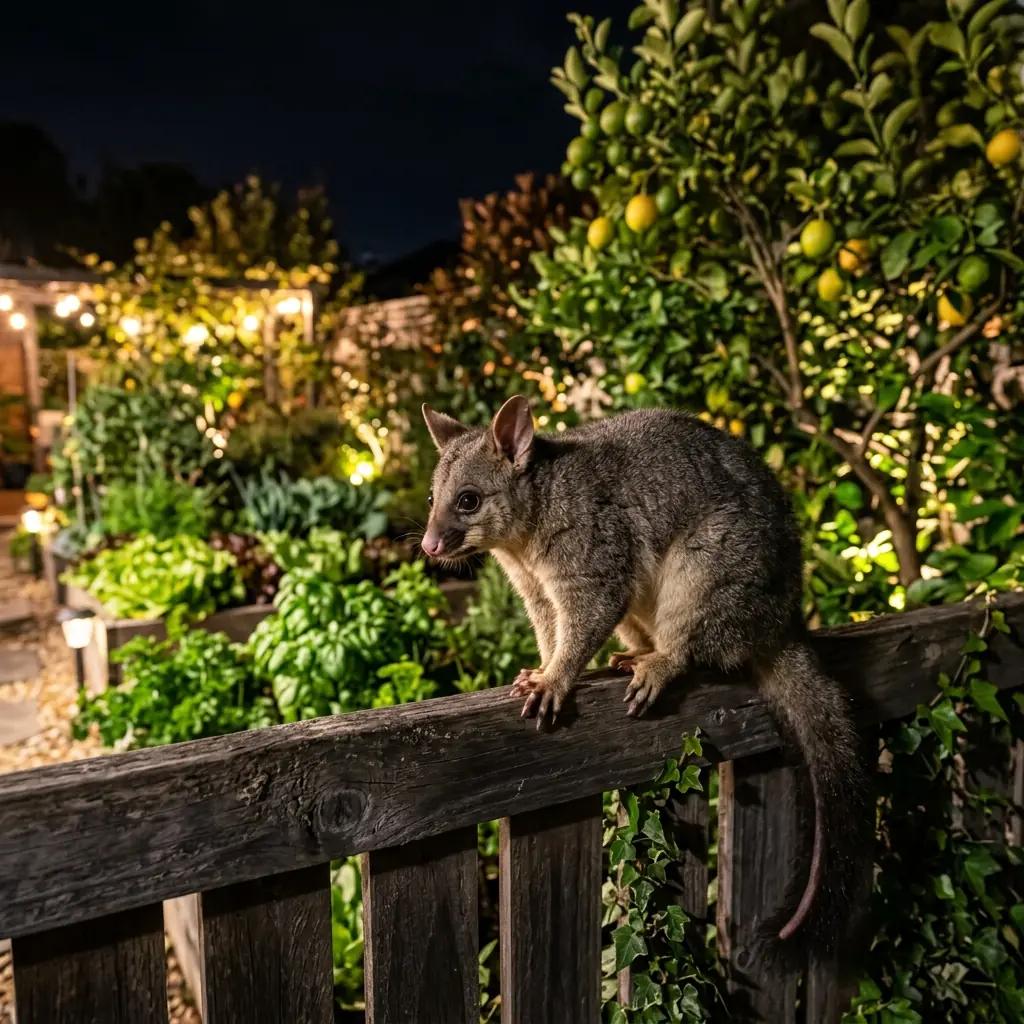
Possums are also nocturnal and territorial, and females often look for a secure den site when raising young. That means once a possum finds a gap into your roof, it's not just passing through - it may be setting up a semi-ongoing home, and potentially bringing joeys with it.
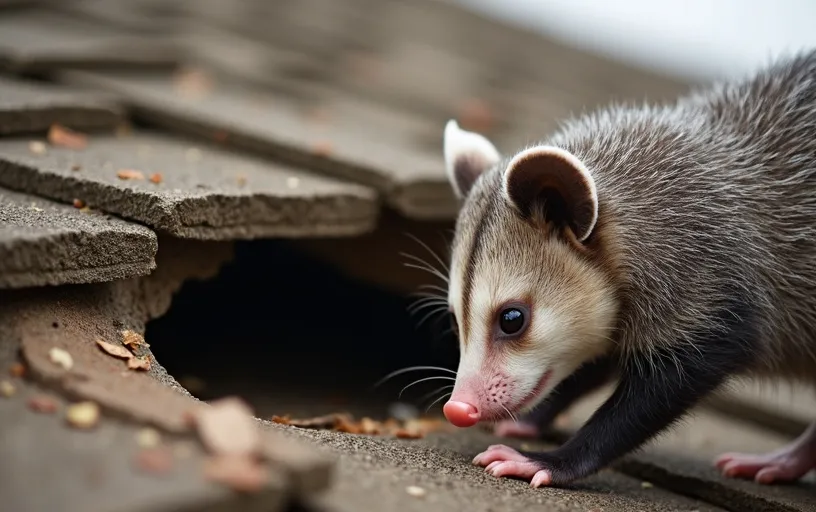
Common entry points include:
- Roofline Gaps: Gaps where the roofline meets the wall (the eaves).
- Broken Tiles: Broken or missing roof tiles.
- Utility Penetrations: Gaps around vents, pipes, or air conditioning conduit.
- Tree Access: Overhanging tree branches that give direct access to the roof.
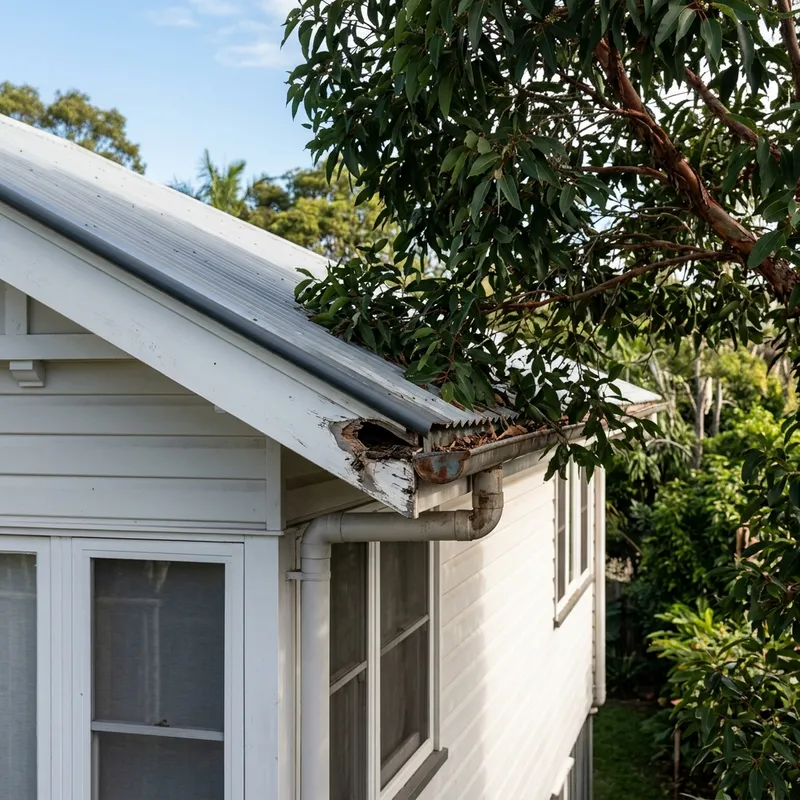
- Fascia and Gutter Damage: Damaged or rusted-through guttering and fascia boards.
- Loose Sarking: Loose or missing sarking (roof lining).
Even a gap as small as 7-10 cm is enough for a possum to squeeze through, which is why homes that look perfectly sealed at a glance often aren't.
Signs You Already Have a Possum in Your Roof
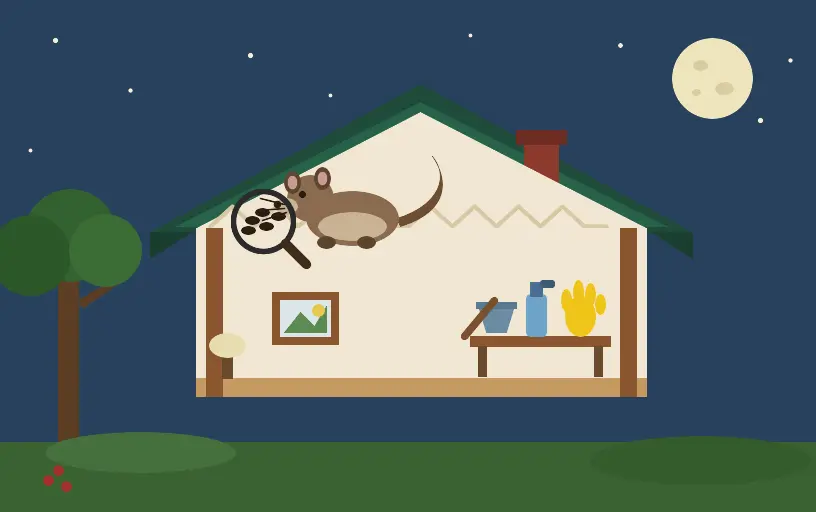
Before you start possum-proofing, it helps to confirm what you're dealing with. Signs include:
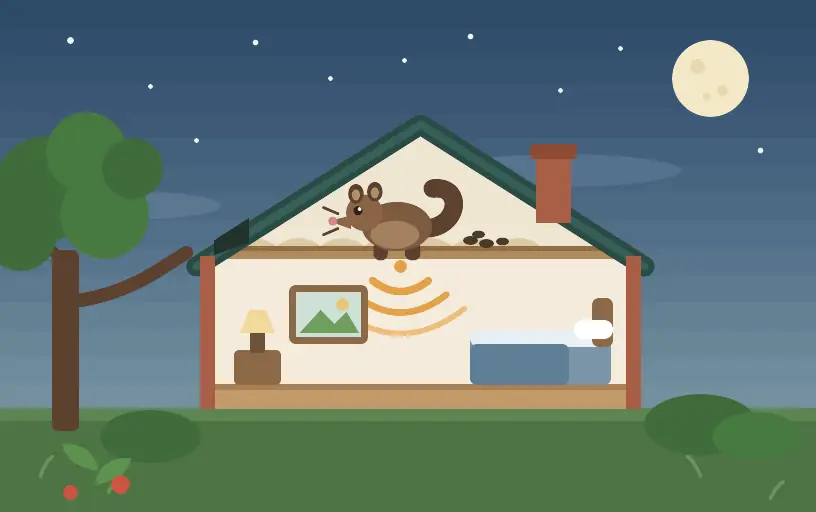
- Noises: Scratching, thumping, or running noises, especially around dusk and just before dawn.
- Odor: A strong, musky odor (possum urine has a distinctive smell).
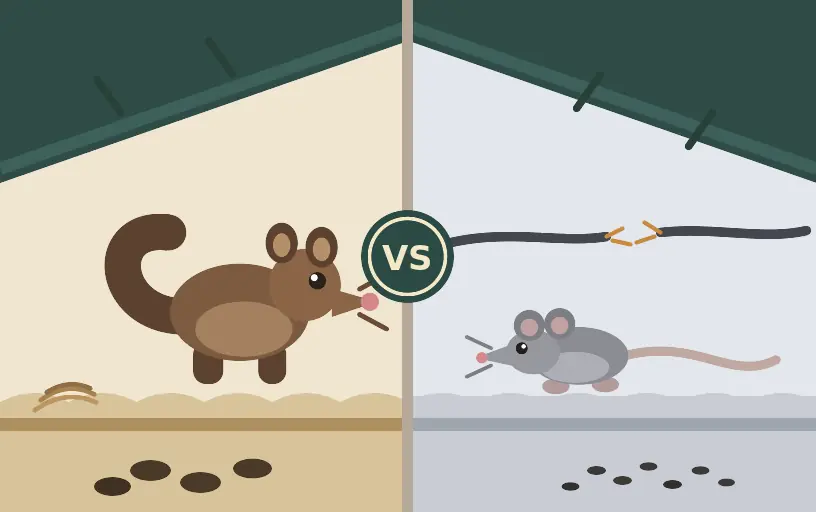
- Droppings: Droppings in the roof cavity, near vents, or on the ground below entry points.
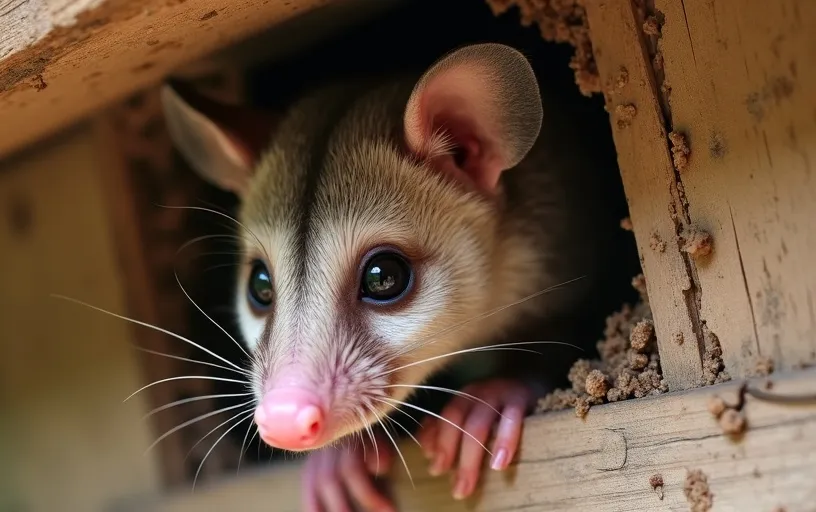
- Grease Marks: Grease marks or smudges around entry holes, caused by oil in the possum's fur.
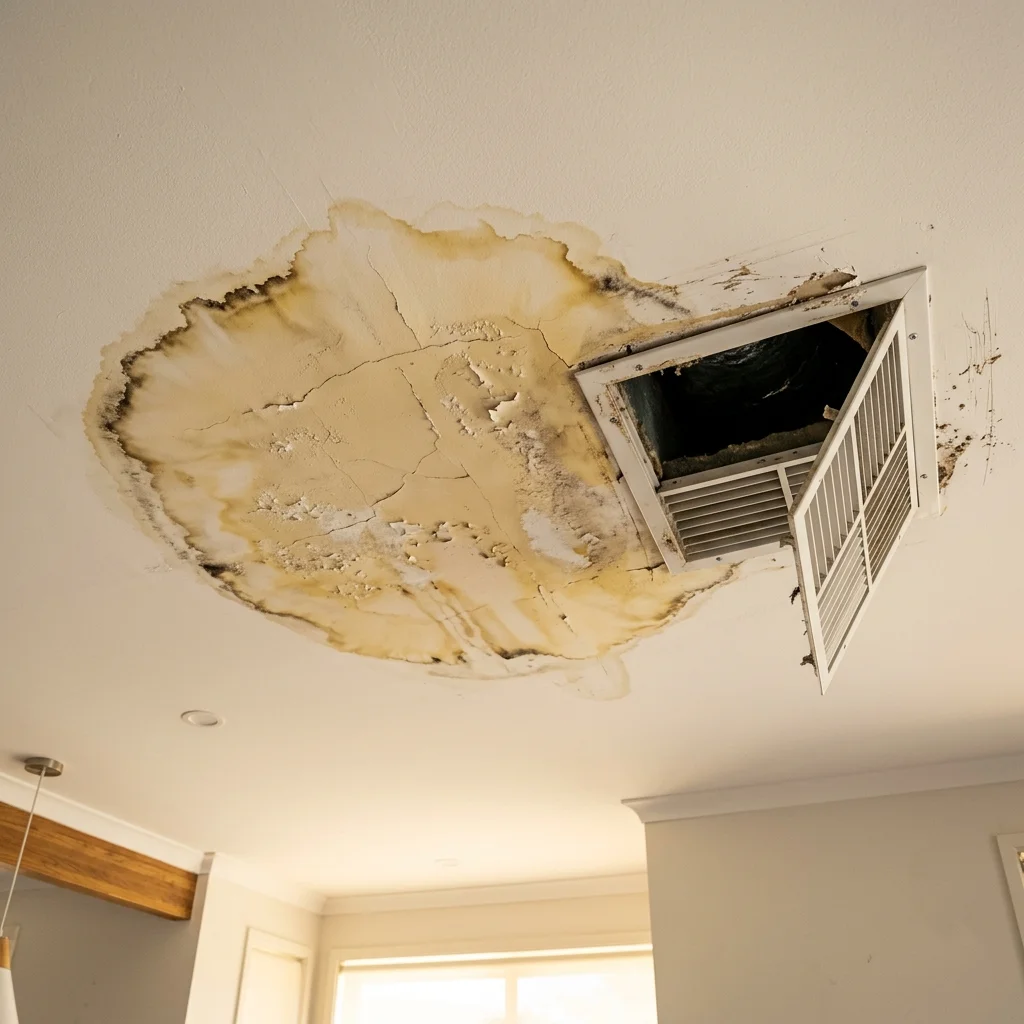
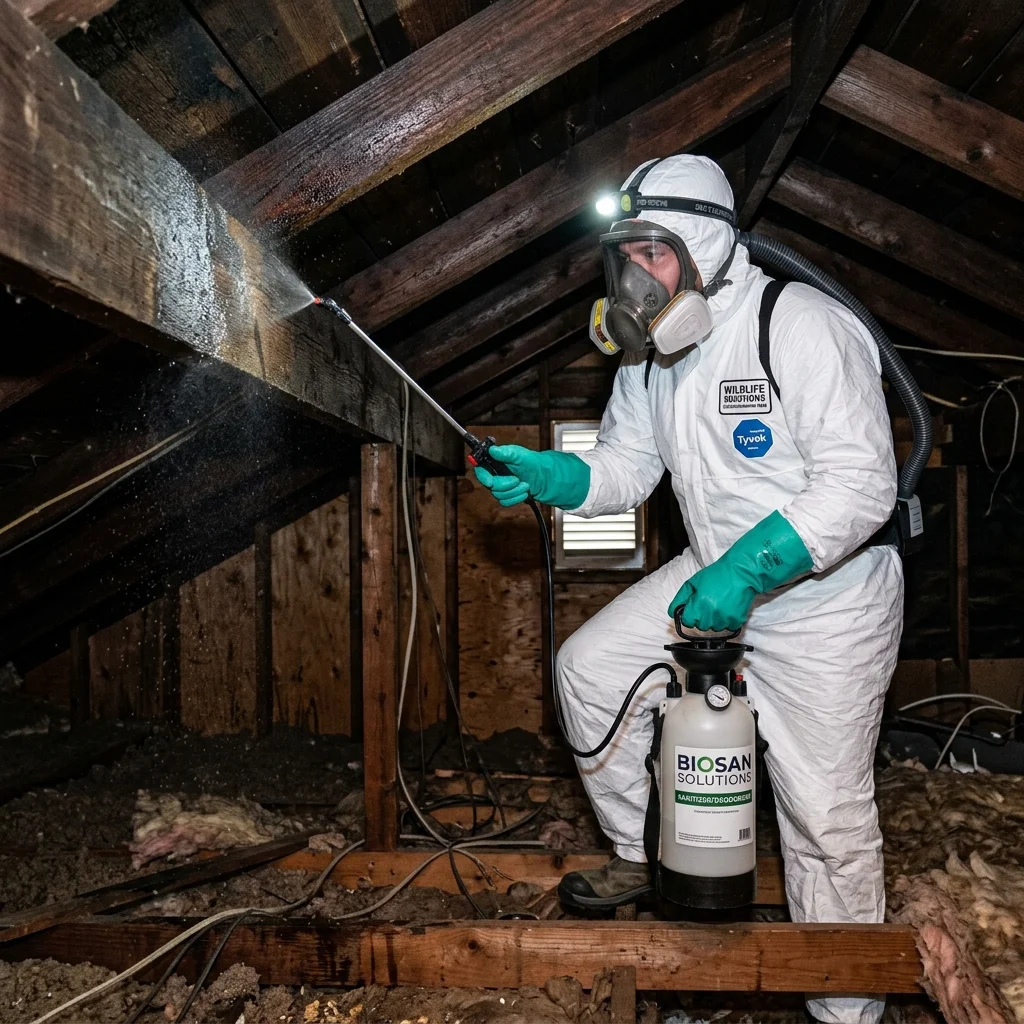
- Damage: Visible damage to insulation, wiring, or timber.
If you're hearing activity mostly at night and things go quiet during the day, that's a strong sign a possum is denning up there and heading out to forage after dark.
How to Get a Possum Out of Your Roof Safely
Don't seal the entry point while the possum is still inside. This is the single most common mistake homeowners make. If you block the hole while a possum is denning in your roof, you risk trapping it inside, where it will either die (creating a serious odor problem) or claw its way out through your ceiling, plasterboard, or a new section of roof.
Step 1: Confirm the possum has left before sealing anything
The most dependable method is the "newspaper test." Loosely scrunch some newspaper or a light natural-fiber mesh over the suspected entry hole in the early evening. If the possum has left overnight to forage, the paper will be disturbed or pushed through by morning. Check for two to three consecutive nights to be sure - a female possum will leave to forage even if she has joeys stashed inside, so give it a few nights to be certain everyone has moved on.
Step 2: Encourage the possum to leave on its own
Possums are territorial but also easily discouraged. A few humane ways to move things along:
- Light: Place a bright light (a battery-powered work light or clip lamp) in the roof cavity near the den site. Possums strongly prefer dark, hidden spots and will often relocate within a night or two.
- Sound: A battery-operated radio left playing talk radio (not music) in the roof space works surprisingly well. The unfamiliar human voices disturb the possum's sense of safety.
- Scent: Placing a cloth soaked in eucalyptus oil, or a small amount of ammonia in a sealed container with holes punched in it, near the den site can help move a possum along, as the strong scent disrupts the environment they've claimed as their own.
Combining light and sound is usually more dependable than either alone.
Step 3: Provide an alternative home before sealing up
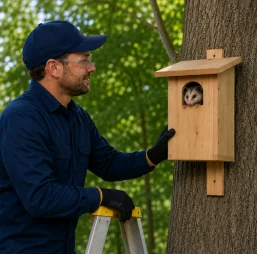
This is a step a lot of people skip, but it makes a real difference - especially in areas where possums are a protected native species (as they are in Australia, for example). Installing a possum box or nest box in a nearby tree, away from the house, gives the displaced possum somewhere to go instead of trying to find its way back into your roof or a neighbor's. It also reduces the odds that a new possum simply moves into the vacancy you've just created.
Step 4: Seal the entry point once you're certain the roof is empty
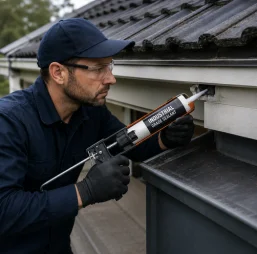
Once you've confirmed for several consecutive nights that nothing is coming or going, it's time to for good close the gap.
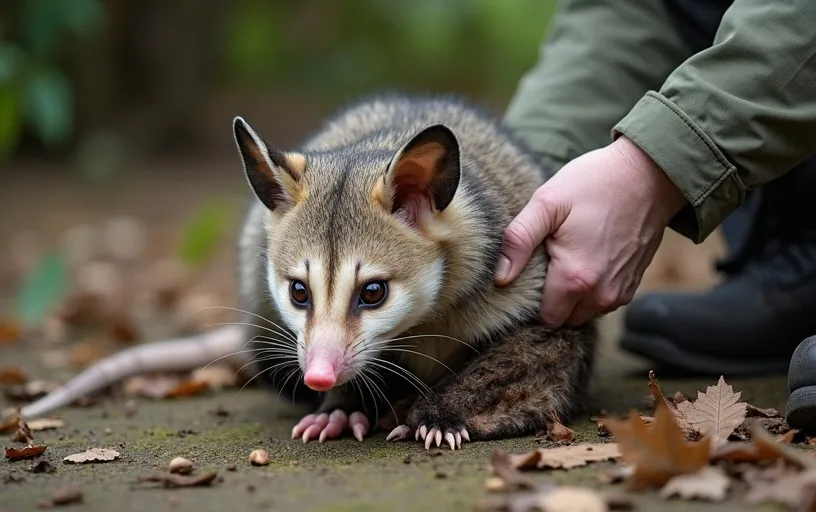
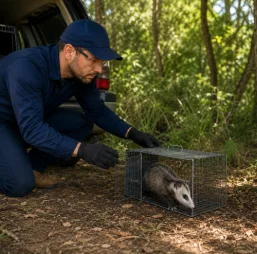
A note on requirements: In many places, including Australia, possums are a protected species, and trapping or relocating them without a permit can be prohibited - plus relocation is often unsuccessful, since possums are highly territorial and a relocated animal may not survive in unfamiliar territory. Exclusion (making your roof inaccessible) rather than removal is almost always the better long-term approach, and if you're ever unsure of local conditions, a professional animal controller can advise you or handle the job for you.
Possum-Proofing Your Roof for Good
Once the roof is confirmed empty, ongoing exclusion is the real solution. This is where most of the long-term value is.
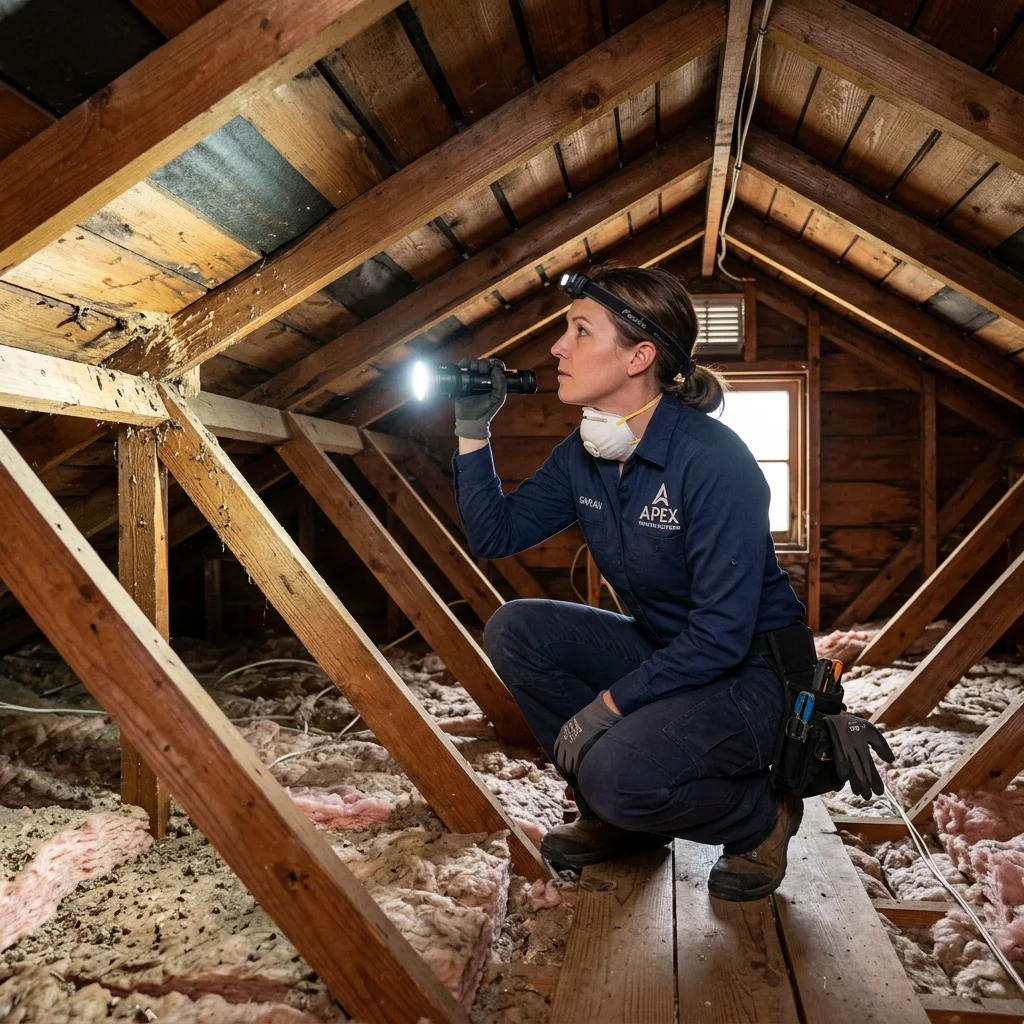
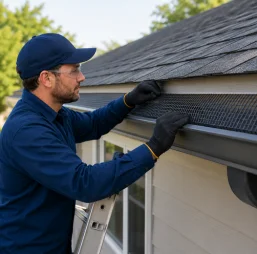
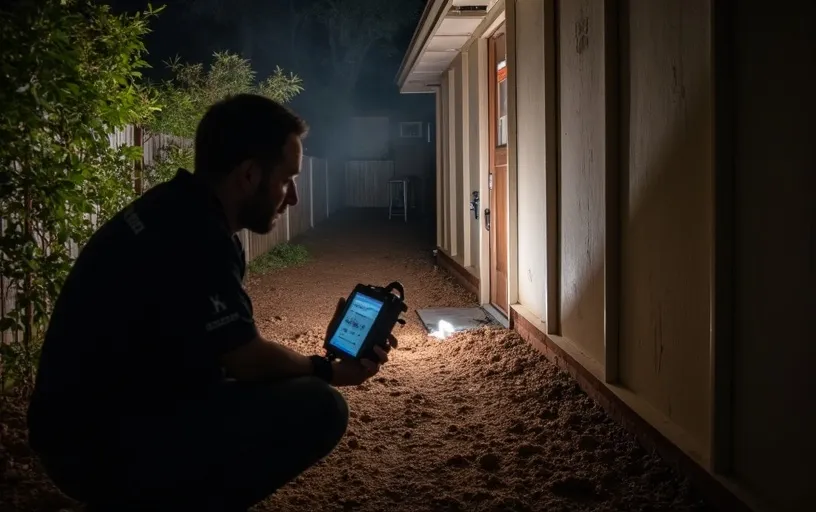
- Inspect the roofline thoroughly: Walk the full perimeter of your house and look closely at the eaves, gutter lines, and any place two rooflines meet. Use a torch to check gaps, and don't rule out anything smaller than a fist - possums can compress their bodies remarkably well.
- Seal gaps with the right materials: Timber, metal flashing, and heavy-duty galvanized mesh are ideal. Avoid anything a possum can chew or claw through, like flimsy plastic mesh or expanding foam alone (foam is fine as a filler but should be backed with something rigid).
- Fix or replace damaged roof tiles and flashing: Cracked tiles and rusted flashing are common entry points that are easy to overlook from the ground.
- Trim overhanging branches: Possums are excellent climbers and will use any branch within jumping distance of the roofline as a bridge. As a general rule, keep branches trimmed back at least 1.5-2 meters from the roof edge.
- Cover vents and openings with mesh: Roof vents, gable vents, and gaps around plumbing stacks should be covered with weld mesh (not flywire, which possums can tear through).
- Check the guttering: Possums often use gutters as a highway to find a way onto the roof. Damaged or sagging gutters can create the exact kind of gap they're looking for at the fascia line.
- Install tree guards on nearby trunks: If a tree stands close enough to the house for a possum to jump across, wrapping a smooth metal collar around the trunk prevents it from climbing up in the first place. This is one of the most dependable long-term measures because it removes access rather than relying on the possum simply choosing not to try.
When to Call a Professional
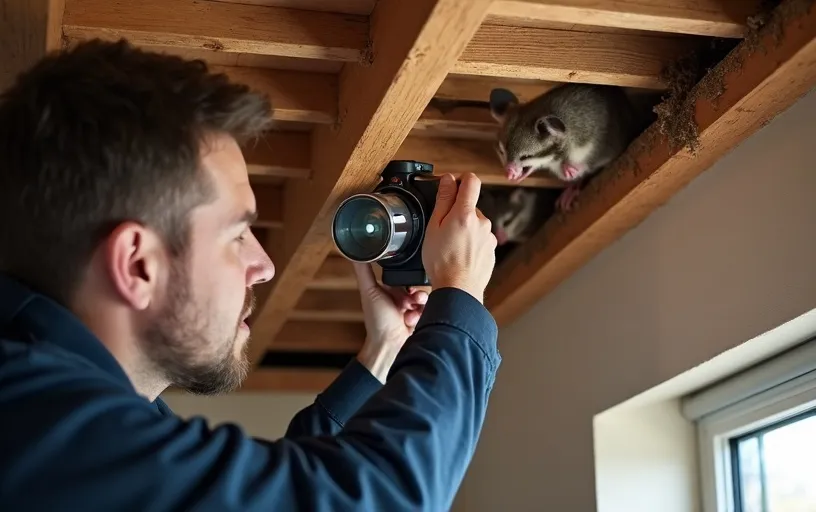
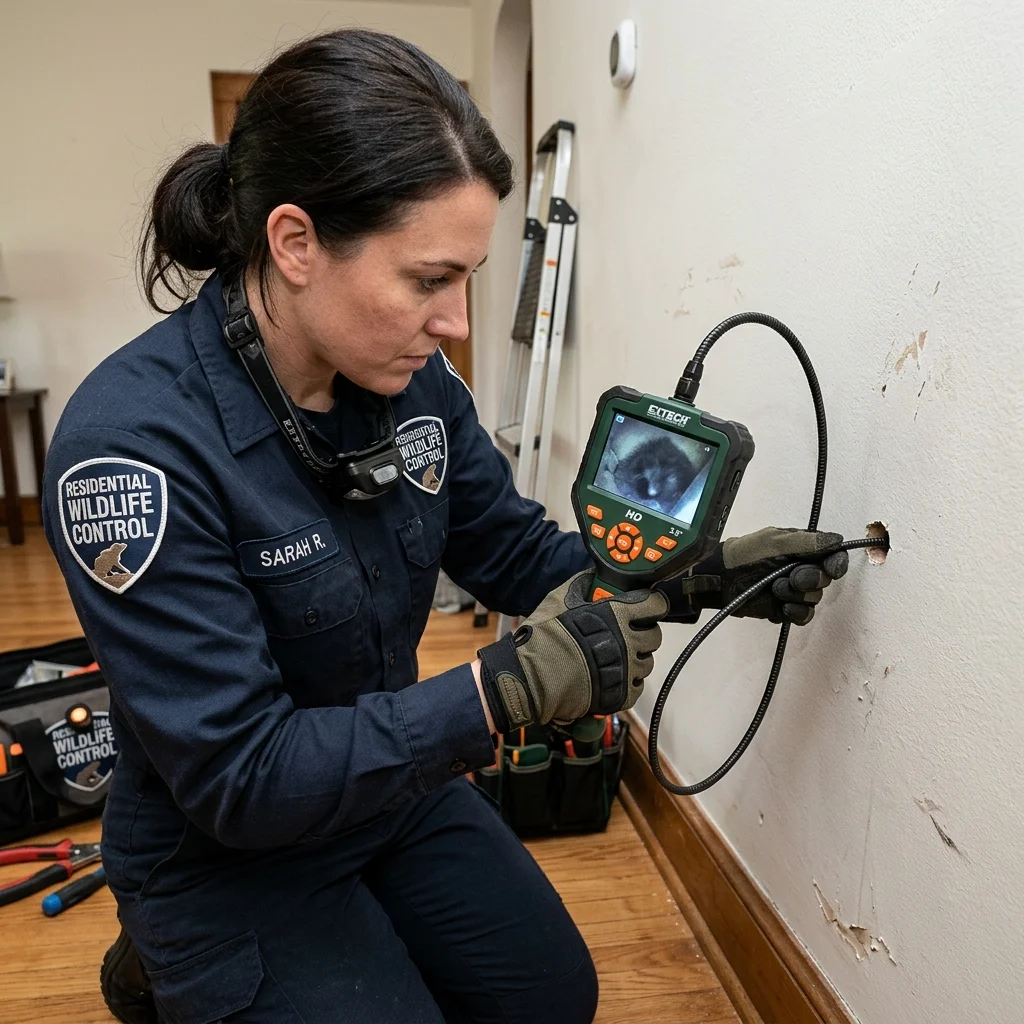
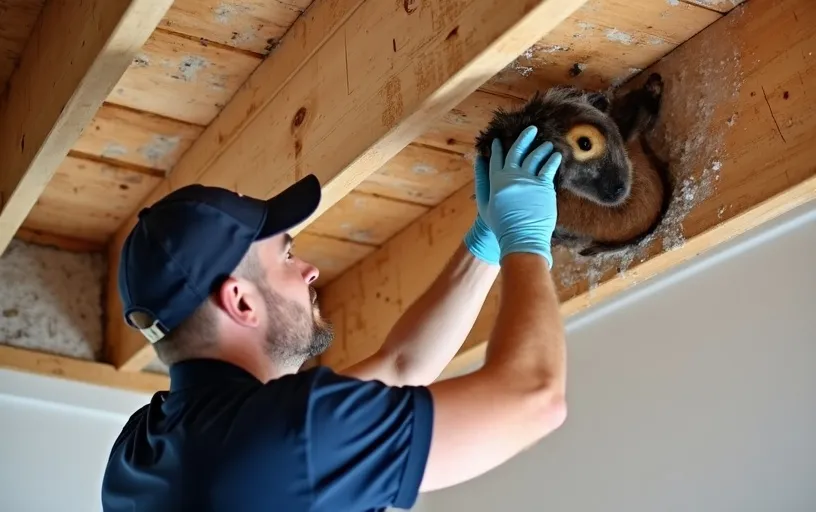
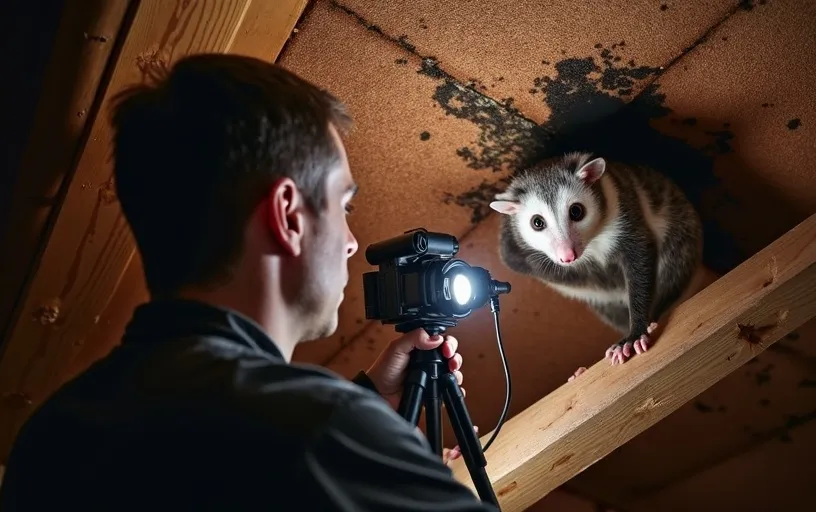
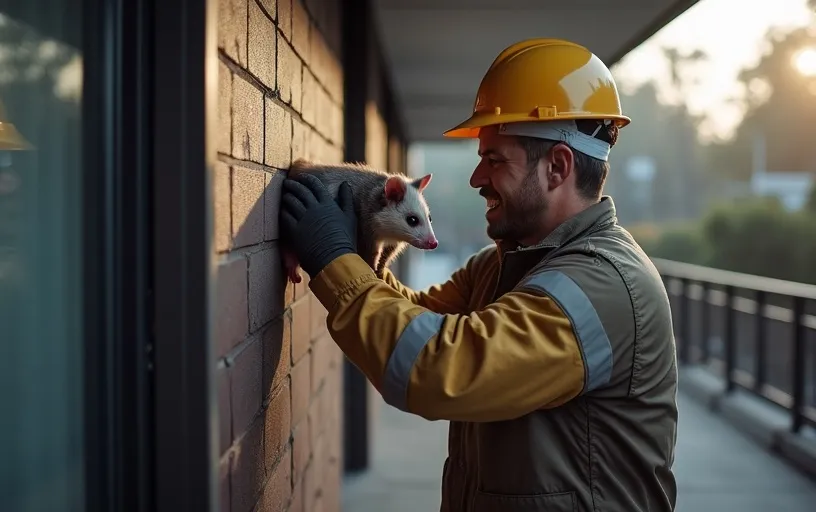
If you're hearing activity but can't locate the entry point, if the possum seems reluctant to leave despite light and sound deterrents, or if you're dealing with a nesting mother and joeys, it's worth calling a professional pest or animal control professional. They can confirm the roof is empty using tools like motion cameras, handle any reporting requirements around native animals, and seal the property properly the first time - which is almost always cheaper in the long run than dealing with repeat visits or accidental damage from a DIY attempt gone wrong.
The Bottom Line
A possum in the roof is a frustrating but very solvable problem. The process is straightforward even if it takes a bit of patience: confirm the possum has left using the newspaper test, encourage it out with light, sound, or scent if it's slow to move, give it somewhere better to go, and then seal every gap in the roofline with materials it can't chew or claw through. Do that properly once, and you shouldn't need to do it again.