Why Are Possums So Noisy at Night? What Homeowners Need to Know
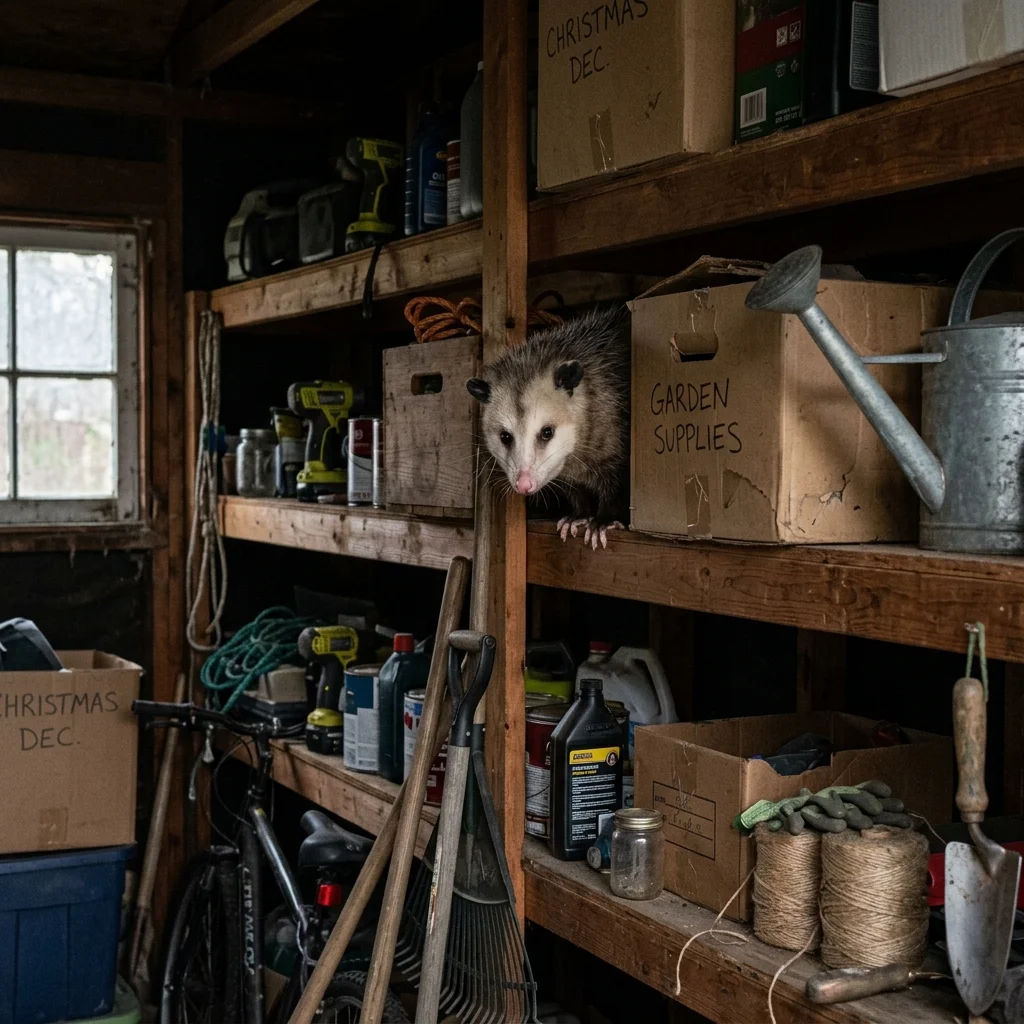
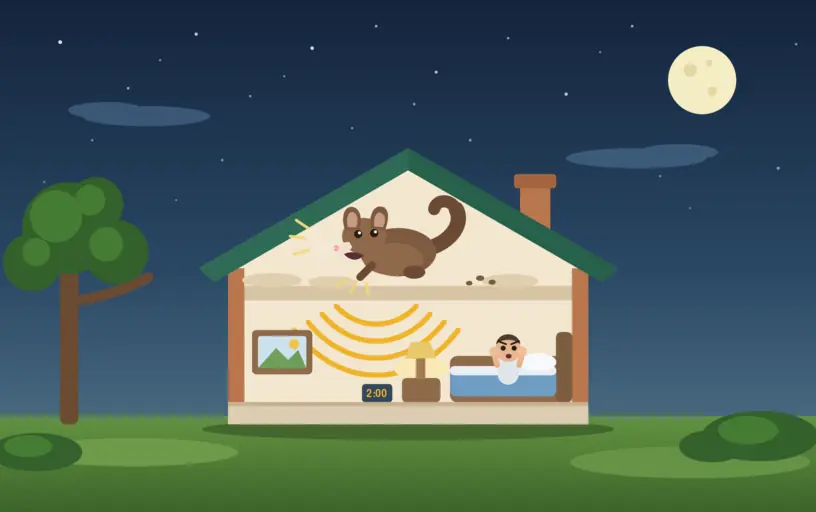
There is something genuinely startling about being woken at 2am by a series of loud thumps, hisses, and what can only be described as an unsettling, guttural growl coming from directly above your bedroom ceiling. For many Brisbane homeowners, this is their introduction to possums, and the sheer volume and variety of noise these animals produce often comes as a real surprise, especially given their otherwise fairly unassuming daytime track record as quiet, unobtrusive garden visitors.
At Fresho Possum Removal Brisbane, questions about possum noise are among the most common we receive, usually from understandably concerned or sleep-deprived homeowners. In this guide, we will explain exactly why possums are so noisy at night, what the different sounds actually mean, and what it indicates about your specific situation.
Possums Are Nocturnal by Nature
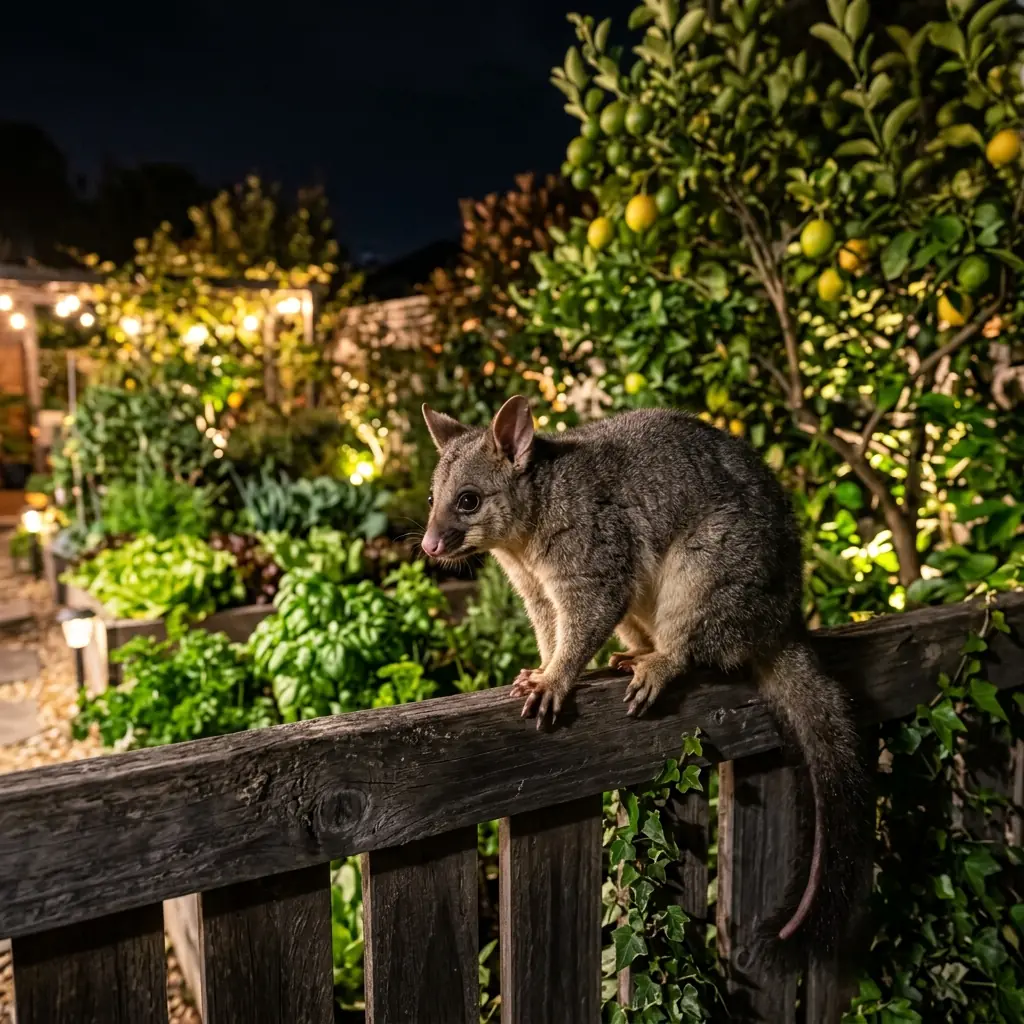
The most basic explanation for nighttime possum noise is simply that possums are strictly nocturnal animals, meaning their entire activity cycle, foraging, territorial behaviour, and social interaction, happens during the hours most humans are trying to sleep. This is not unusual or aggressive behaviour on the possum's part, it is simply their natural biological rhythm playing out at a time that happens to clash directly with ours.
The Heavy Thumping and Movement Sounds
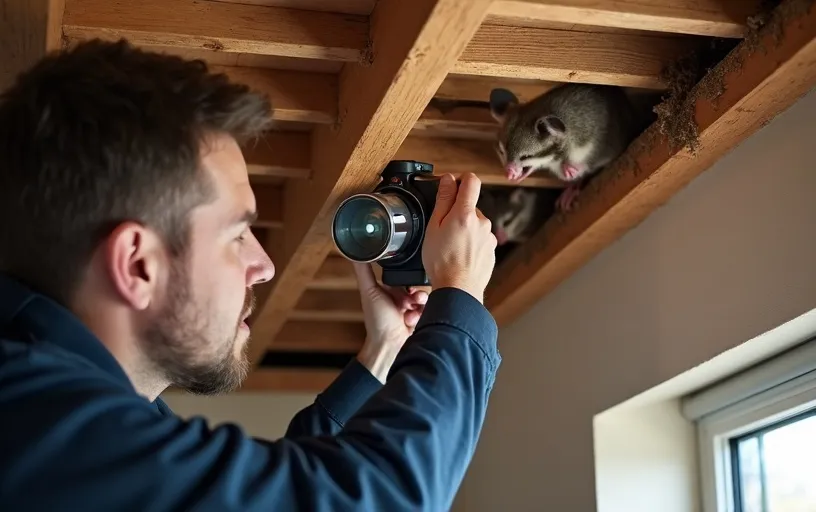
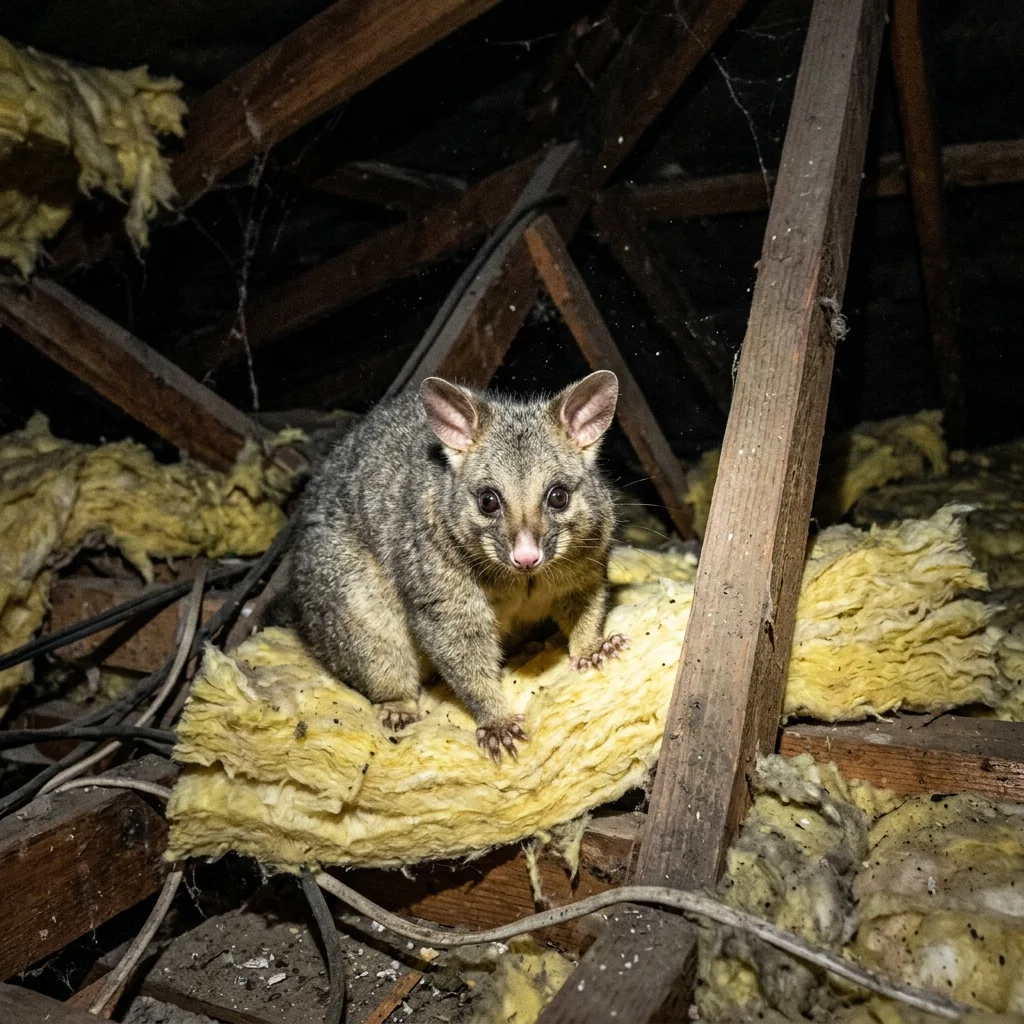
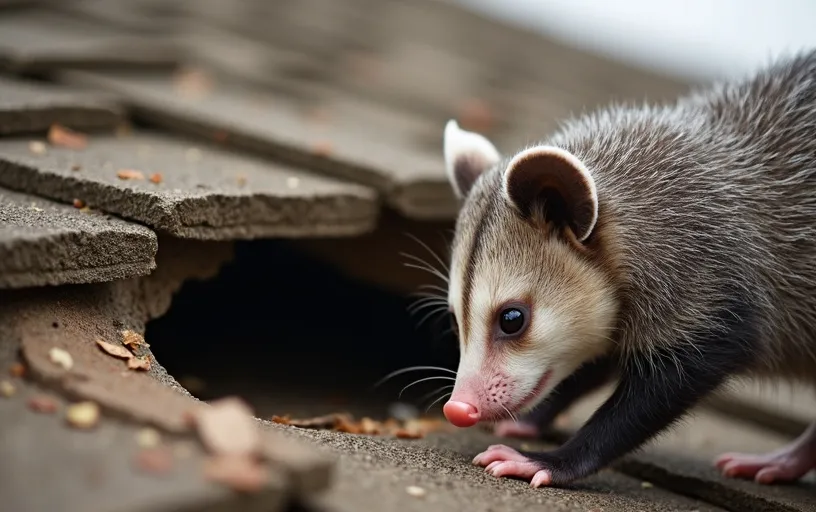
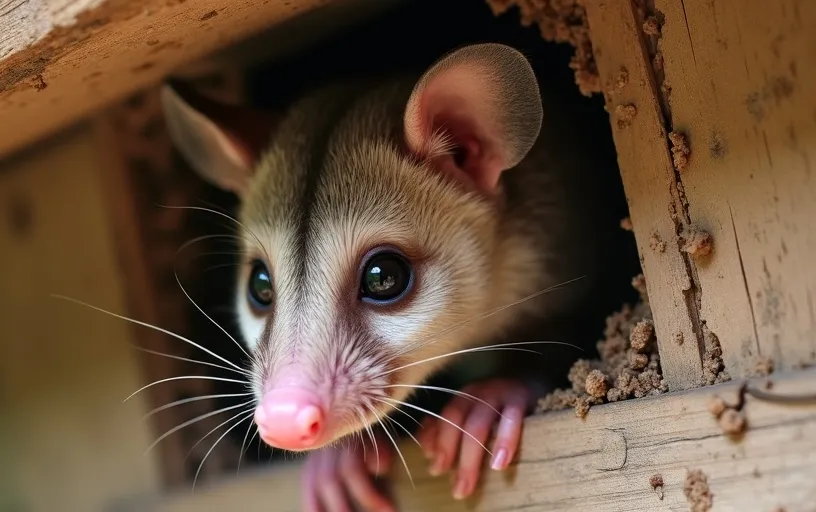
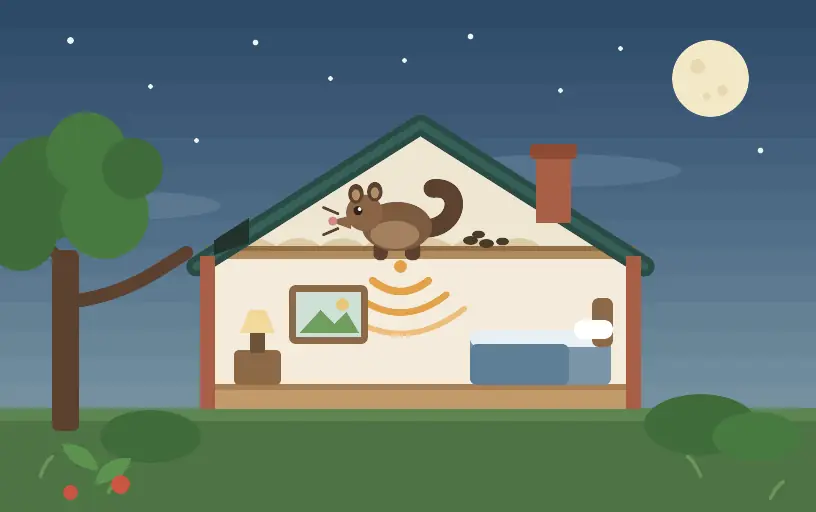
Much of the noise homeowners hear is simply the physical sound of a possum moving through a roof cavity, walking, jumping between joists, or shifting position while settling into a resting spot. Given their relatively substantial size and weight compared to smaller roof-dwelling pests, this movement produces a correspondingly heavier, more noticeable sound, often described as thumping or heavy footsteps.
Why Possums Vocalise So Loudly
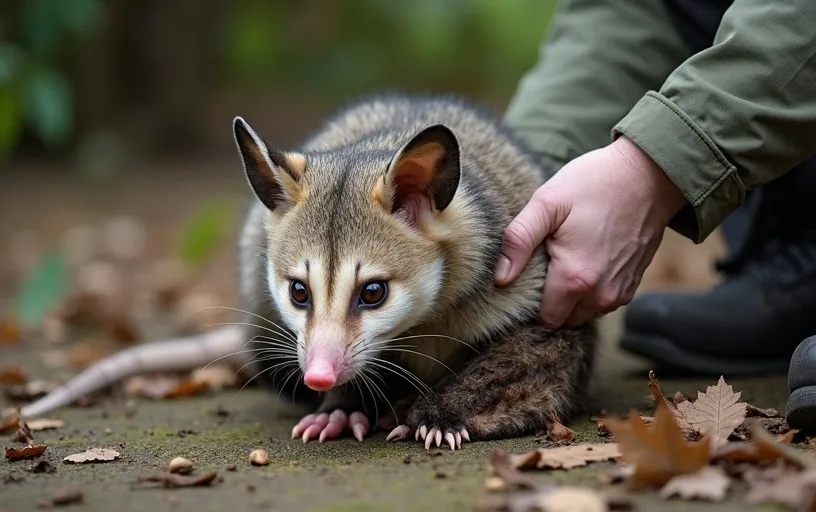
Beyond simple movement, possums are genuinely vocal animals, using a range of sounds including hisses, grunts, clicks, and sharp, rasping coughs to communicate. These vocalisations serve several purposes: establishing and defending territory against other possums, communicating during mating encounters, and occasionally expressing distress or discomfort if the animal feels threatened or uncomfortable in its current position.
Territorial Disputes and Why They Get So Loud
When two possums cross paths, whether one is attempting to move into territory already claimed by another, or during periods of increased movement like breeding season, the resulting vocal exchange can be genuinely dramatic, involving loud, sustained hissing and grunting as each animal asserts its position. If you have heard a particularly intense burst of noise, this territorial dynamic is often the explanation.
Mating Season and Increased Vocal Activity
Possum breeding season, occurring in South East Queensland during both autumn and spring, tends to bring a noticeable increase in vocal activity, as males in particular become more active in seeking mates and asserting territorial claims. If nighttime noise seems to spike during these periods, this seasonal pattern is a likely contributing factor.
Could It Be a Mother With Young?
During breeding season, a mother possum compassionate for young in her pouch or riding on her back can produce additional, sometimes softer vocalisations alongside her usual movement and communication sounds. If the noise pattern includes what sounds like smaller, higher-pitched sounds alongside the more typical possum noise, this may indicate a family group rather than a single animal.
Why the Noise Seems Louder Than It Should Be
Roof cavities act somewhat like an amplifying chamber, with the enclosed space and hard surfaces causing sound to carry and resonate more noticeably than the same noise would if it occurred in an open outdoor environment. This is part of why possum noise from a roof cavity often sounds considerably louder and more alarming than a similar sound occurring in your backyard would.
Why Young Possums Might Sound Different
Juvenile possums, still developing their full vocal range, can sometimes produce sounds that differ noticeably from adult vocalisations, occasionally described as softer chirps or squeaks rather than the fuller hisses and grunts of a mature possum. If you are hearing an unusual mix of sounds, this could indicate a young possum still growing and finding its voice, alongside its mother nearby.
How Roof Construction Affects Noise Levels
Different roof types and construction materials can affect how noise carries and resonates. Tiled roofs with more airspace in the cavity tend to allow sound to travel and echo somewhat differently than metal roofing with a tighter cavity space, meaning the specific acoustic experience of possum noise can vary noticeably between different Brisbane homes even with similar possum activity levels.
Does Noisy Behaviour Mean the Possum Is Aggressive?
Loud vocalisation does not necessarily indicate aggression toward humans specifically. Possums are generally not aggressive toward people and will typically avoid direct confrontation, preferring to flee or freeze if they feel threatened. The noise you are hearing is almost always directed at other possums, or simply a natural byproduct of movement and normal vocal communication, rather than any kind of threat toward your household.
Patterns Worth Paying Attention To
- Consistent nighttime activity starting shortly after dusk, typical of normal possum behaviour.
- Sudden, intense bursts of noise, often indicating a territorial dispute between possums.
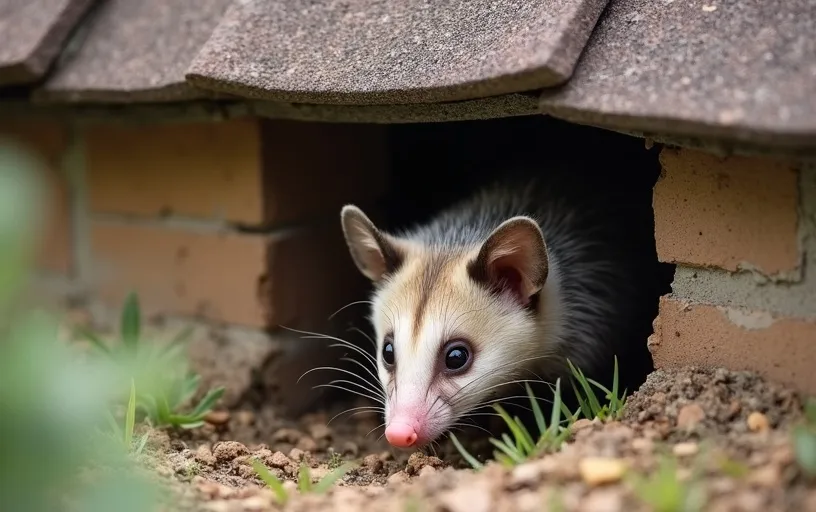
- Noise concentrated near specific entry points, useful for identifying access locations.
- Softer sounds alongside typical noise, potentially indicating a mother with young.
- Noise that has recently started after a period of silence, potentially indicating a new possum has moved in.
Why Simply Waiting for the Noise to Stop Rarely Works
Possums are territorial and tend to strongly favour a comfortable, settled nesting site once they have settled in, meaning nighttime noise is unlikely to simply resolve on its own without some form of intervention. Understanding the noise as confirmation of an ongoing possum presence, rather than a temporary disturbance, helps set realistic expectations around the need for proper exclusion or removal.
What the Noise Tells You About Next Steps
Beyond simply confirming a possum is present, the specific pattern and timing of noise can offer useful clues about your particular situation. Our detailed guide on Signs You Have a Possum in Your Roof or Ceiling covers the full range of indicators worth considering together, helping you build a thorough picture before arranging next steps.
When to Seek Professional Help
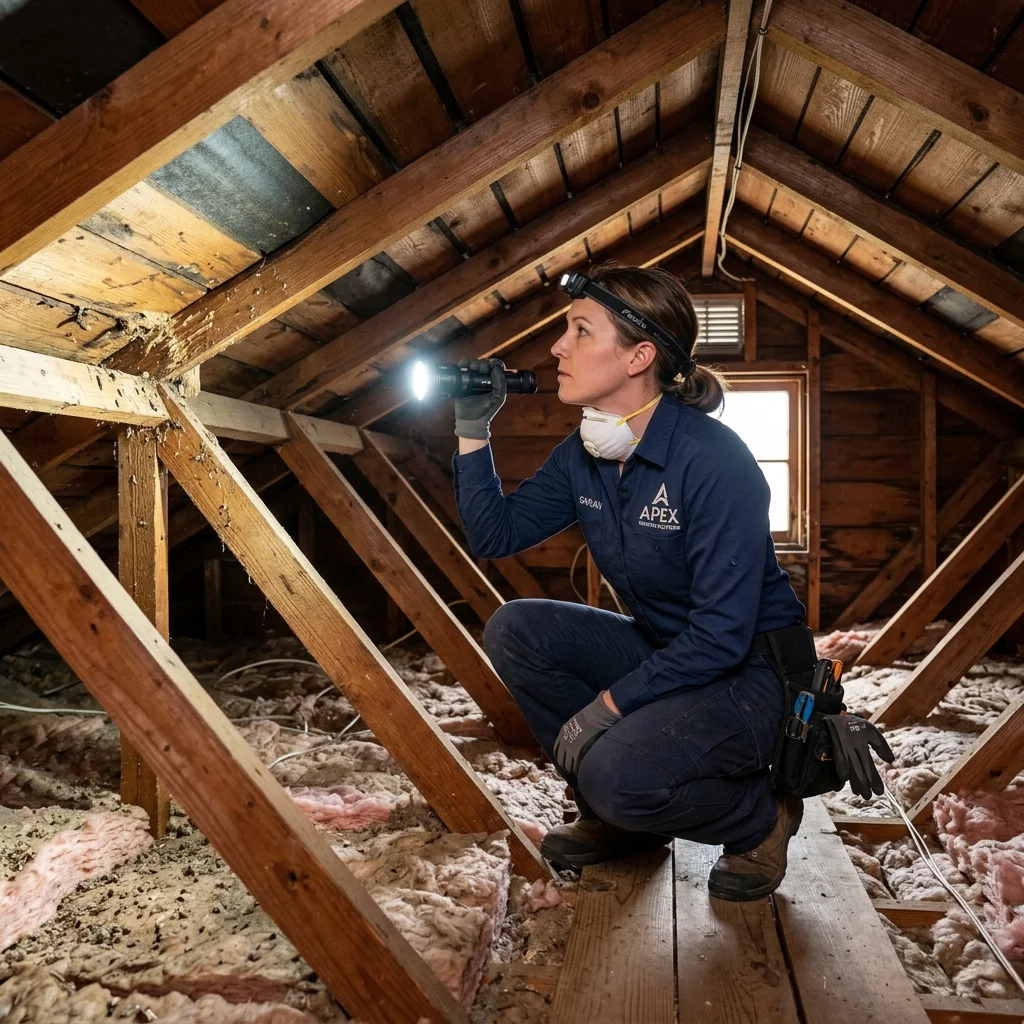
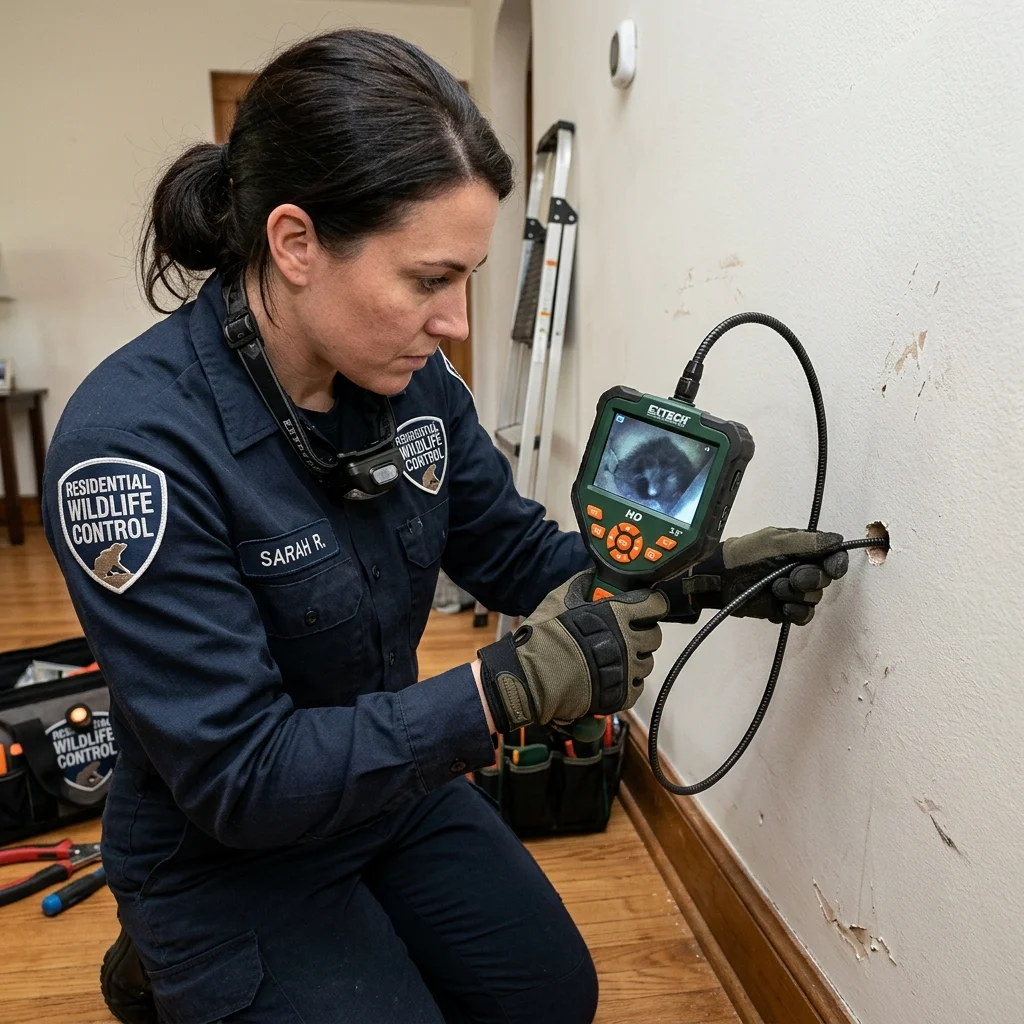
If nighttime noise has become a consistent, disruptive pattern, it is a clear sign a possum has long-standing itself in your roof cavity and professional assessment is worthwhile. A technician can confirm the situation, identify entry points, and recommend the appropriate humane removal and exclusion approach, resolving the noise at its actual source rather than simply enduring it indefinitely.
Frequently Asked Questions
1. Why do possums make such loud noises specifically at night?
Possums are strictly nocturnal, meaning all their activity, including movement and vocal communication, naturally occurs during nighttime hours when their behaviour clashes with human sleep schedules.
2. Does loud possum noise mean it is aggressive toward my household?
No, possums are generally not aggressive toward humans. The noise is almost always directed at other possums or is simply a natural part of movement and communication.
3. Why does possum noise seem to increase during certain times of year?
Breeding season, occurring in autumn and spring in South East Queensland, brings increased vocal activity as possums become more active in territorial and mating behaviour.
4. Why does the noise sound so much louder than expected?
Roof cavities act somewhat like an amplifying chamber, with the enclosed space and hard surfaces causing sound to resonate and carry more noticeably than in an open environment.
5. Will the noise eventually stop on its own?
Unlikely, since possums tend to strongly favour a long-standing, comfortable nesting site once settled. Professional exclusion or removal is generally needed to resolve the noise at its source.
6. Can young possums make different sounds than adults?
Yes, juvenile possums still developing their vocal range can produce softer chirps or squeaks, distinct from the fuller hisses and grunts typical of mature possum vocalisations.
7. Does the type of roof affect how loud the noise sounds?
Yes, different roof construction and materials can affect how sound carries and resonates within the cavity, meaning the acoustic experience can vary between homes even with similar possum activity levels.
Final Thoughts
Possum noise at night, while genuinely startling, comes down to a combination of natural nocturnal behaviour, territorial and mating vocalisations, and the amplifying effect of an enclosed roof cavity. Understanding what is actually happening can offer some reassurance, even if it does not make for a more restful night's sleep.
If nighttime possum noise has become a consistent problem in your Brisbane home, contact Fresho Possum Removal Brisbane today for a professional assessment and humane solution.