
Natural Possum Repellents: What Works and What Doesn't
A quick search online turns up dozens of natural possum repellent suggestions, from garlic spray to mothballs, camphor blocks to predator urine. With so many options claiming to keep possums away, it's genuinely hard to know which ones are backed by real results and which are simply internet folklore passed around without much evidence behind them, or repeated so often online that they start to sound true.
At Fresho Possum Removal Brisbane, we see the real-world outcomes of these methods across Brisbane properties every week. In this article, we'll break down the most commonly recommended natural possum repellents, what the evidence and our field observations actually show, and where your effort and money are genuinely best spent.
Why Natural Repellents Appeal to Homeowners
Given that possums are a protected native species in Australia, many homeowners understandably prefer to try gentler, natural deterrent methods before considering anything more involved. Natural repellents are generally low-cost, easy to source, and don't carry the same risk of harming the animal that some chemical products might. The challenge is that 'natural' doesn't automatically mean 'dependable', and results vary significantly between different methods, properties, and even individual possums.
Garlic and Chilli Sprays
Garlic and chilli-based sprays are among the most commonly recommended natural possum deterrents, working on the theory that possums dislike the strong, pungent smell. Based on our observations, these sprays can offer a mild, short-term deterrent effect, particularly for possums that haven't yet formed a strong attachment to a specific area.
However, the effect fades relatively quickly, especially after rain, and possums that are already comfortable visiting a garden or roof space often become accustomed to the smell within a matter of days. We'd class this as a genuine, if modest, deterrent worth using alongside other methods rather than relying on alone.
Eucalyptus Oil
Eucalyptus oil is another popular natural option, often applied to cloth rags placed near suspected entry points or garden beds. While the strong scent can provide some short-term discouragement, its results diminishes over time in a similar way to garlic and chilli sprays, and it requires regular reapplication to maintain any noticeable effect.
Camphor
Camphor blocks or crystals are sometimes recommended as a possum deterrent, working on a similar principle to mothballs. While camphor can offer a mild scent-based deterrent, it's worth using with caution around children and pets, and like other scent-based options, its results tends to be temporary rather than an enduring solution.
Mothballs
Mothballs are frequently suggested as a possum repellent, and while the strong naphthalene smell can provide some short-term discouragement, we generally advise against this method. Naphthalene is toxic if ingested and can pose a genuine risk to pets, children, and even the possums themselves. There are safer, similarly dependable alternatives available, making mothballs one of the natural remedies we'd actively steer homeowners away from.
Predator Urine
Commercially available predator urine products, such as fox or dog urine granules, are marketed as a natural way to make possums believe a predator is nearby. Results in the field are mixed at best. Some homeowners report a brief reduction in activity, while others see little change, particularly with possums that have already built a nest close by and have less reason to be deterred by an unfamiliar scent alone.
Strongly Scented Plants
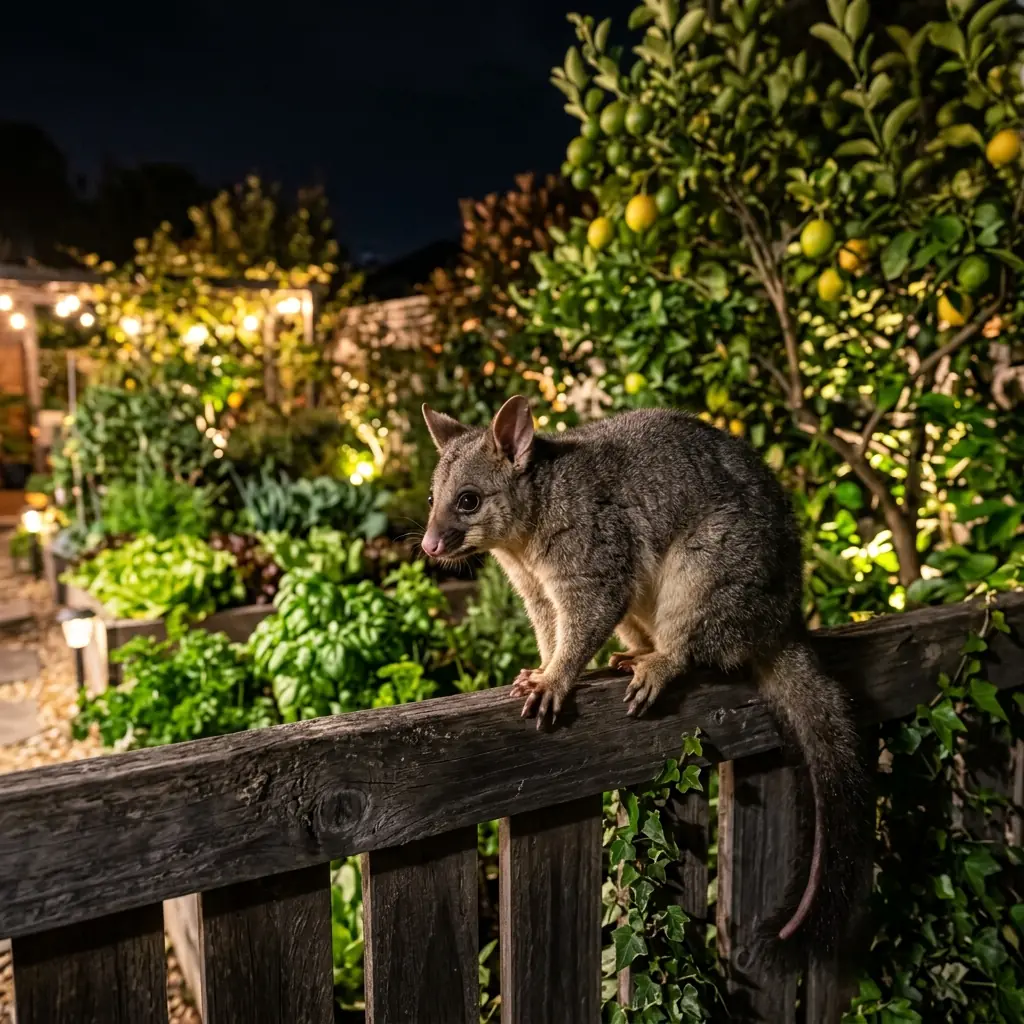
Planting species like lavender, rosemary, and citronella around vulnerable garden areas is a genuinely useful, low-effort natural strategy. While no plant is entirely possum-proof, incorporating naturally less appealing species alongside more vulnerable plants can meaningfully reduce overall garden damage over time, making this one of the more consistently worthwhile natural approaches.
Human Hair and Blood Meal
Some homeowners try scattering human hair clippings or blood meal fertiliser around garden beds, based on the idea that these scents signal danger to foraging animals. Evidence for this method is largely anecdotal, and in our observations, it tends to be one of the less consistent natural deterrents, with results varying significantly from property to property.
Vinegar Solutions
Diluted vinegar sprays are sometimes recommended as a possum deterrent for outdoor surfaces and garden beds. While vinegar's sharp smell can offer very mild, short-term discouragement, it breaks down quickly in outdoor conditions and generally needs frequent reapplication to maintain any noticeable effect, making it one of the less practical options for ongoing use.
Coffee Grounds and Other Kitchen Scraps
Used coffee grounds are sometimes suggested as a natural deterrent, scattered around garden beds on the theory that the strong smell discourages foraging. In practice, we've found this method to be inconsistent at best, and it can occasionally attract other pests instead, such as ants, making it one of the less consistent options on this list despite its popularity as a home remedy.
Sound as a Natural Deterrent
While not strictly a scent-based repellent, some homeowners use wind chimes or other ambient noise sources as a natural way to discourage possums from lingering in a specific area. Results tend to be modest and possums often become accustomed to consistent background noise fairly quickly, though it can offer a very mild supporting effect alongside other methods.
What Actually Delivers Results That Hold
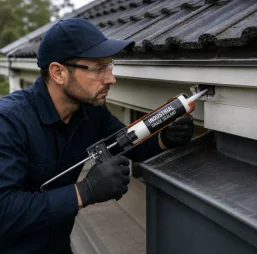
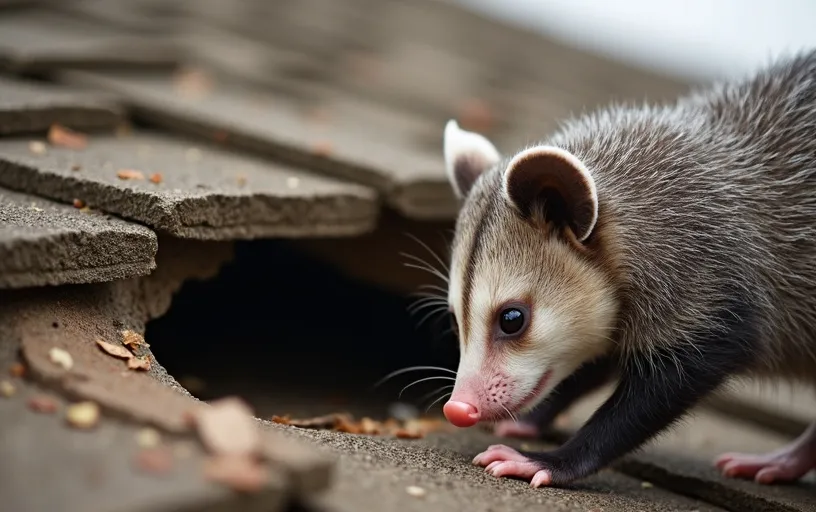
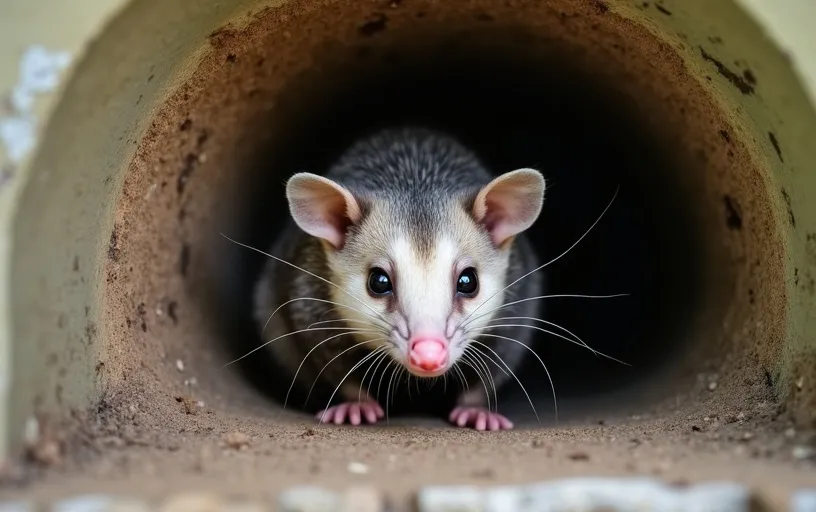
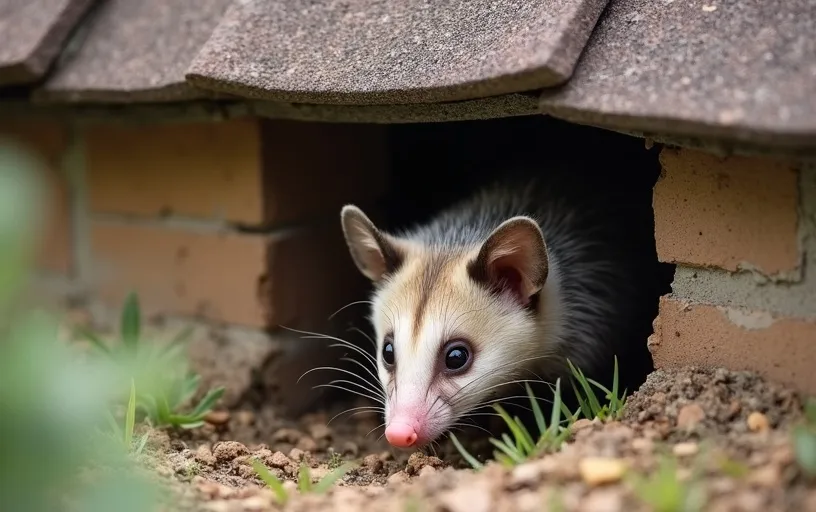
After years of dealing with possum issues across Brisbane properties, the clearest pattern we see is that natural scent-based repellents work best as a supporting measure, not a standalone solution. The most dependable long-term results consistently come from physical exclusion, properly sealing roof entry points, combined with removing accessible food sources and netting vulnerable garden plants.
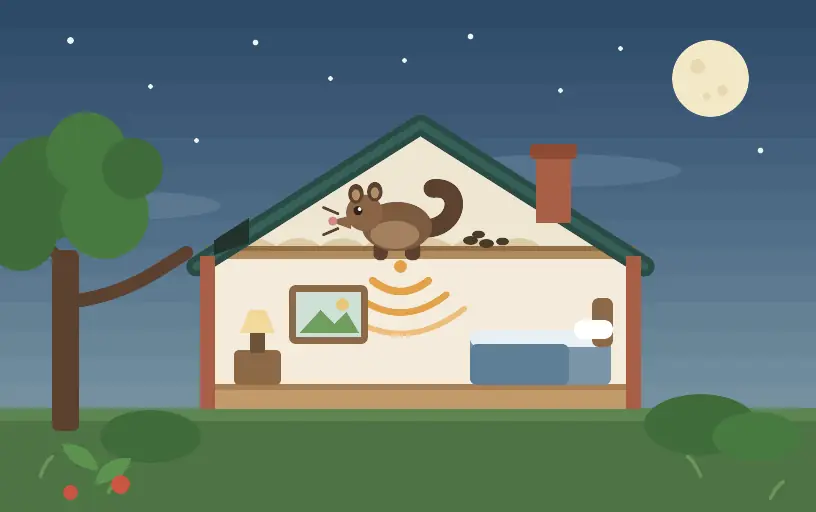
For those specifically dealing with roof access, our detailed guide on How to Seal Roof Entry Points to Keep Possums Out walks through exactly how to identify and humanely close off the access points that scent-based repellents alone simply can't address.
Combining Natural Repellents With Physical Deterrents
Rather than choosing one method exclusively, the best results tend to come from a layered approach: natural scent deterrents to discourage lingering, motion-activated sprinklers or lights for garden protection, netting for particularly vulnerable plants, and proper roof sealing to address any existing access into the home. This combination addresses both the immediate deterrent effect homeowners want and the enduring structural solution needed for genuine, long-term results.
Testing a Repellent Fairly Before Judging It
If you decide to try a natural repellent, it's worth giving it a genuinely fair trial before concluding it doesn't work. Apply it consistently for at least a week, reapplying after rain, and monitor activity closely rather than judging based on a single quiet night. This helps distinguish between a repellent that's genuinely ineffective and one that simply needs more consistent application to show results.
Setting Realistic Expectations
If you decide to try natural repellents, it's worth going in with realistic expectations. Treat these methods as a mild, supporting measure that may buy some time or provide occasional discouragement, rather than a certain fix. This mindset helps avoid the frustration that often comes from relying on natural remedies alone against a persistent possum problem.
Frequently Asked Questions
1. Do natural possum repellents actually work?
Most offer a mild, short-term deterrent effect rather than an enduring solution. They tend to work best as a supporting measure alongside physical exclusion methods.
2. Are mothballs safe to use against possums?
We don't recommend mothballs, as the naphthalene they contain can be toxic to pets, children, and possums themselves. Safer alternatives are available.
3. What natural scent do possums dislike most?
Garlic, chilli, and eucalyptus oil are among the most commonly used scent deterrents, though results tends to fade within a few days, especially after rain.
4. Can plants really keep possums away?
Strongly scented plants like lavender and rosemary can help reduce damage in specific garden areas, though no plant offers comprehensive possum-proof protection on its own.
5. Should I rely only on natural repellents for a possum problem?
For a persistent possum problem, particularly one involving roof access, natural repellents alone are rarely enough. Physical exclusion generally offers the most dependable long-term solution.
6. How long do natural scent repellents typically last?
Most scent-based deterrents wear off within a few days to a week, particularly after rain, meaning regular reapplication is necessary to maintain any ongoing deterrent effect.
Final Thoughts
Natural possum repellents can play a genuine, useful role in your overall deterrent strategy, particularly scent-based options and strongly scented plants for garden protection. However, none of them offer a truly enduring solution on their own, especially once a possum has taken up residence inside your roof. Physical exclusion remains the most dependable path to a home without possums.
If natural remedies haven't fully solved your possum problem, contact Fresho Possum Removal Brisbane today for a humane, dependable, and enduring solution tailored to your property.