Why Does a Possum Keep Returning to the Eaves of My Brisbane Home?
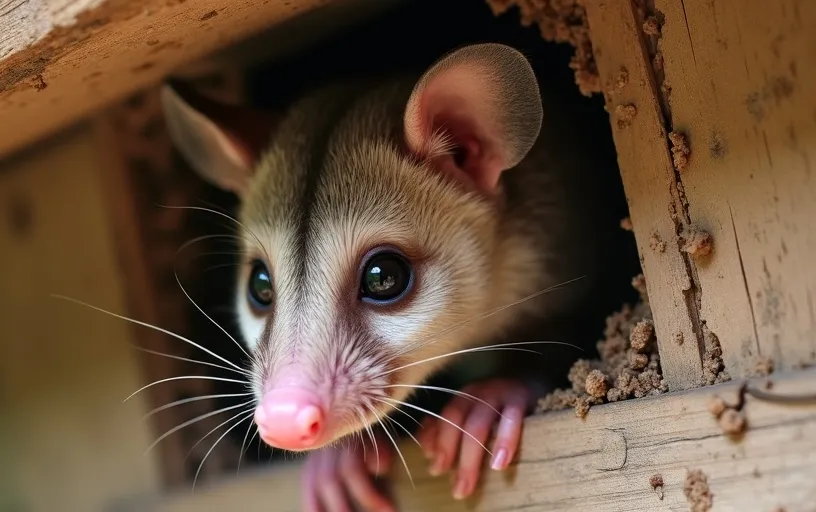
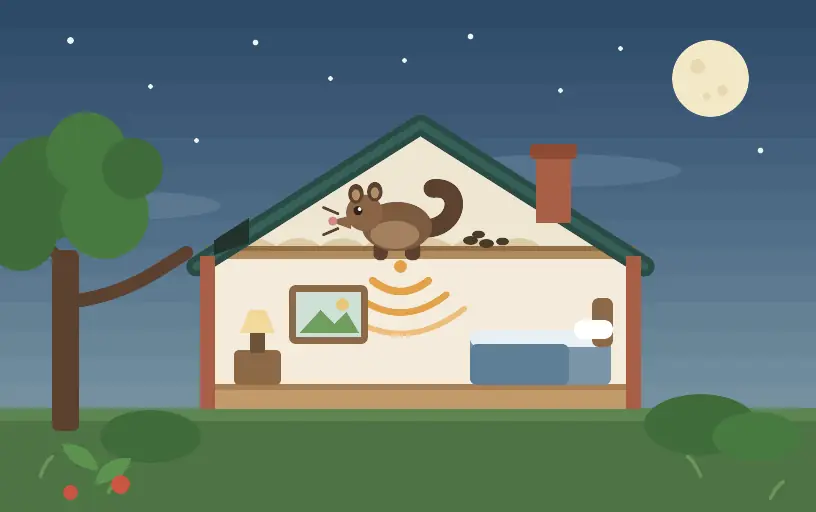
A possum may keep returning to your eaves because it has found a familiar route, an opening into a sheltered roof cavity, or both. The eaves can be a doorway rather than the animal’s actual resting place: it may cross the roofline on its way to a den, while another possum may be living inside the ceiling space. A possum can also reuse a known den entrance, especially if the access point remains open or still carries scent from previous visits. Queensland Government guidance notes that possums are creatures of habit and may try to re-enter a den if its scent remains.[1]
So the first step is to work out what “returning to the eaves” means at your property. Is a possum simply walking along the roof, repeatedly entering a gap, or living in the roof cavity? The answer affects what needs to be checked and how to keep the animal safe. Possums are protected wildlife in Queensland, so do not try to trap, handle or relocate one yourself.[1][2]
Key Takeaways
- An eaves visit does not always mean a possum is living in your roof; it may be using the roofline as a travel route.
- If it is entering the cavity, the same accessible opening, a familiar den site or an unsealed gap may explain the repeat visits.
- More than one possum can use the same roof access over time, so repeated noises do not prove it is the same animal.
- Do not seal an opening until you know the roof cavity is clear. Never trap or handle a possum yourself.
- In Queensland, possum removal must follow wildlife requirements; contact a qualified, appropriately permitted possum relocator for help.
Why does a possum keep using the same eaves?
An eaves area can offer a convenient route between a tree, fence or roof and a protected cavity. A possum that has used that route before may follow it again because it already knows where the opening leads. The route may also remain accessible after an earlier removal if the entry point was not fully secured.
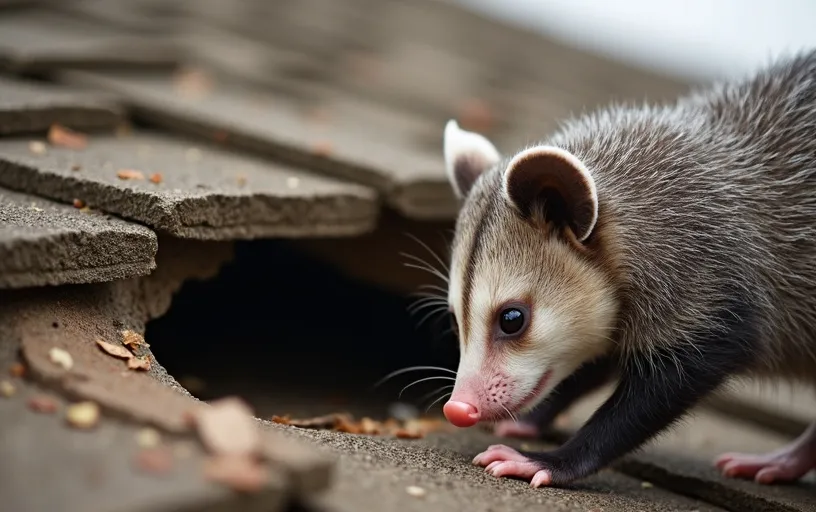
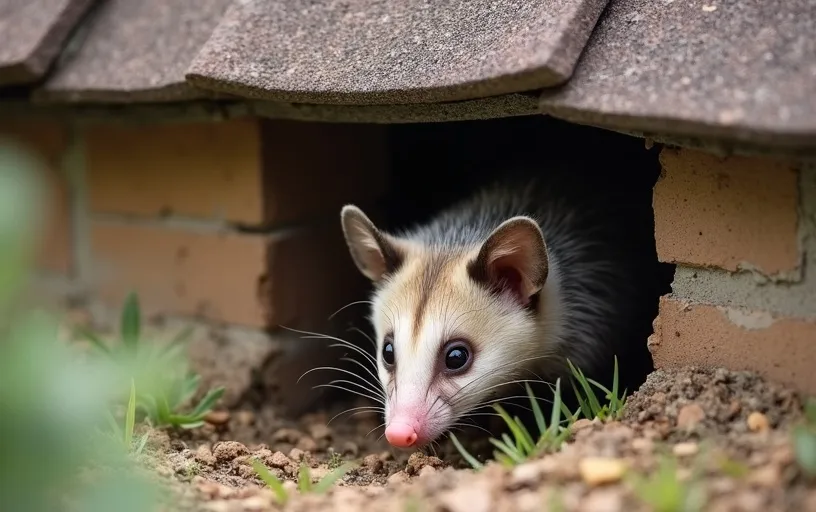
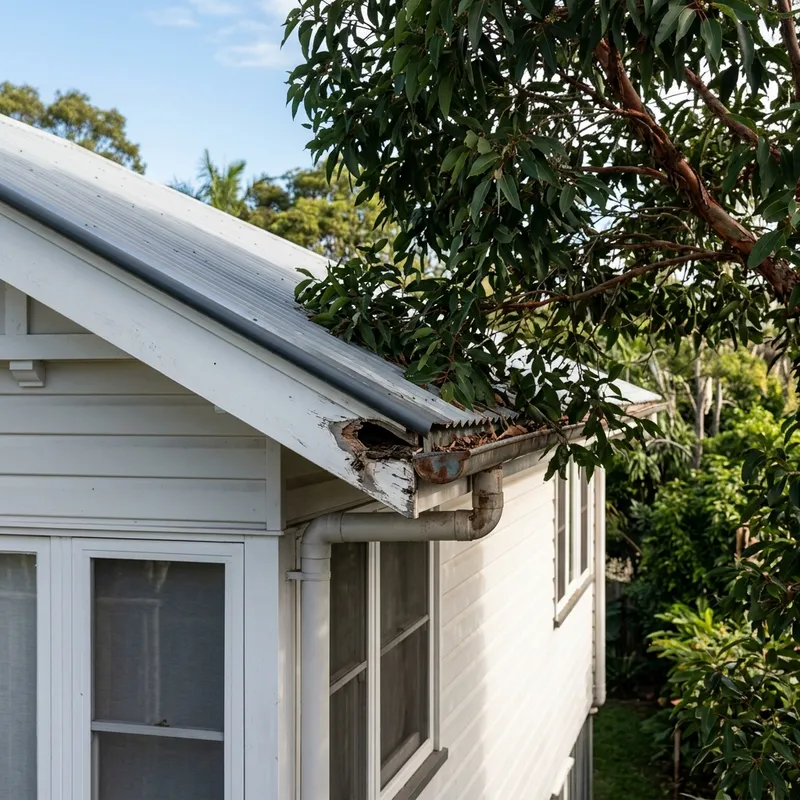
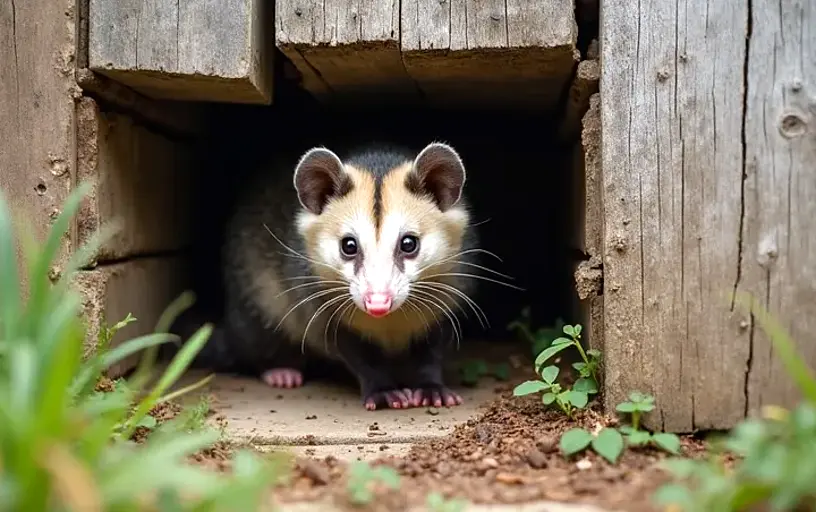
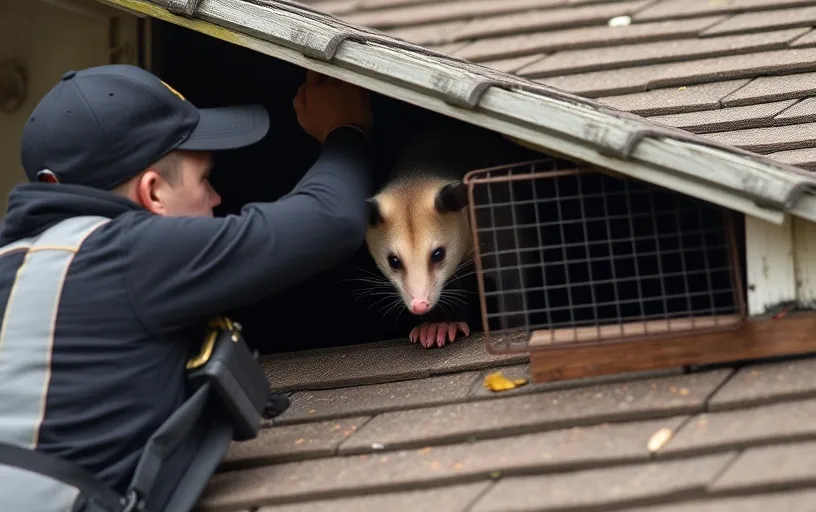
The eaves are the edge where the roof meets the outside wall. Gaps can occur around soffits, fascia boards, roof tiles, vents, pipes or places where roofing has shifted or deteriorated. From the ground, some of these openings may be hard to see. A possum may use one gap to enter and another to leave, which is why blocking the most obvious hole may not solve the problem.
The animal may also be attracted to the roof space itself. A cavity can provide a sheltered den away from weather and disturbance. If a possum has used the space before, scent marking around the entrance may make it more likely to investigate that access again. The Queensland Government advises that an old den entrance should be addressed properly because possums may try to return if scent remains.[1]
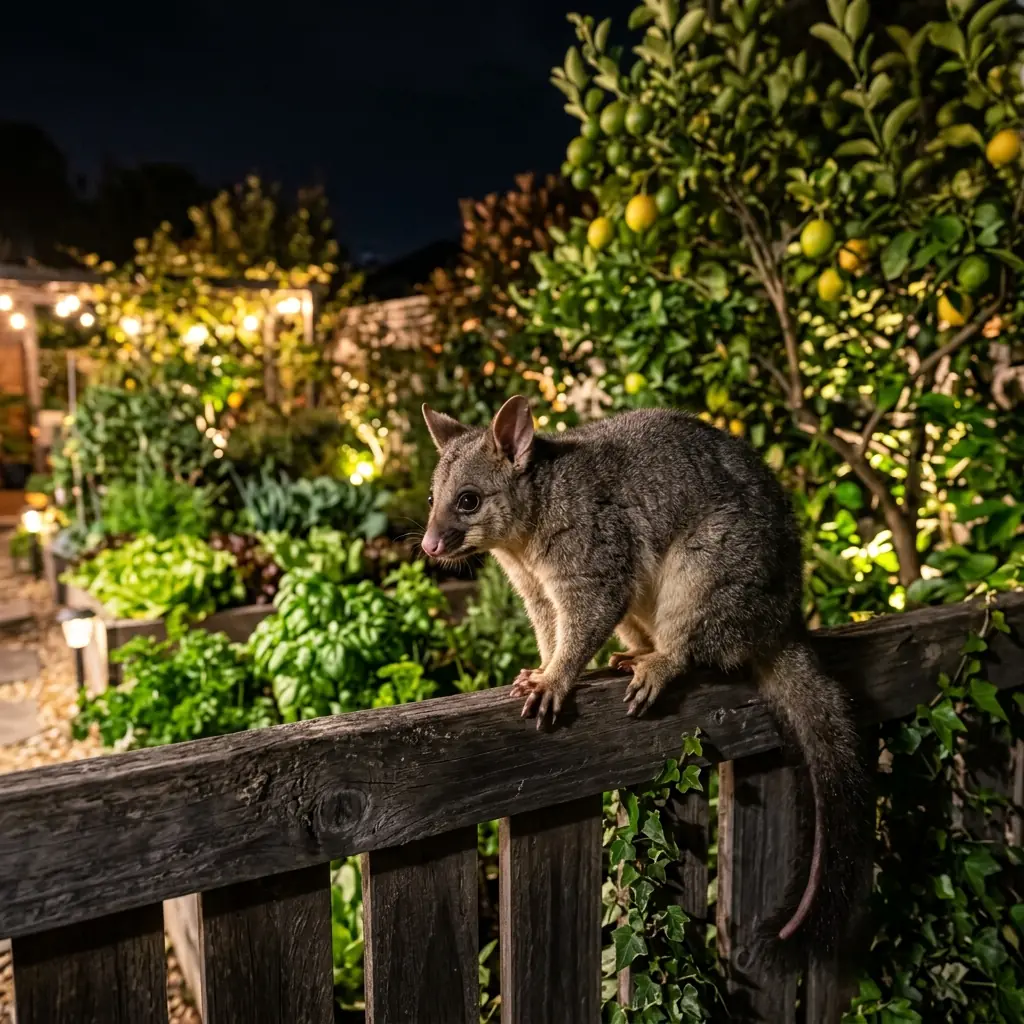
Nearby branches can make access easier. A tree limb that reaches the roof may provide a regular path to the eaves, while fruit or other food in the garden can encourage a possum to visit the property. These factors can bring possums close to the house, but an accessible roof gap is still what allows one to move into the cavity.
Is it the same possum each time?
Not necessarily. Hearing the same thump or seeing a possum use the same part of the roof does not tell you whether it is the original animal or a different one. Another possum may use a familiar opening after the previous occupant leaves, or an animal may simply be travelling over the roof without entering the house.
A few patterns can help clarify what is happening:
- Movement only along the outside roofline: A possum may be crossing between trees or feeding areas. This is different from a confirmed roof-cavity problem.
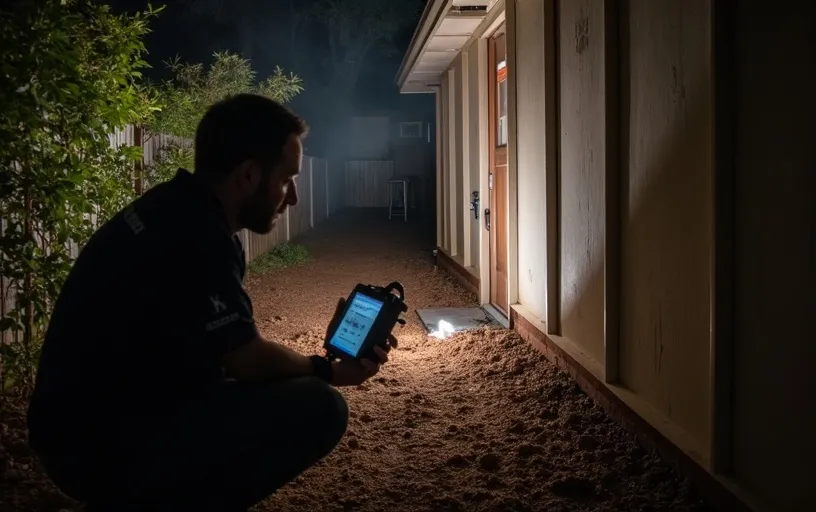
- Repeated entry at one gap: Watch from the ground around dusk, if it is safe, and note where the animal appears to enter or leave. Do not climb onto the roof to follow it.
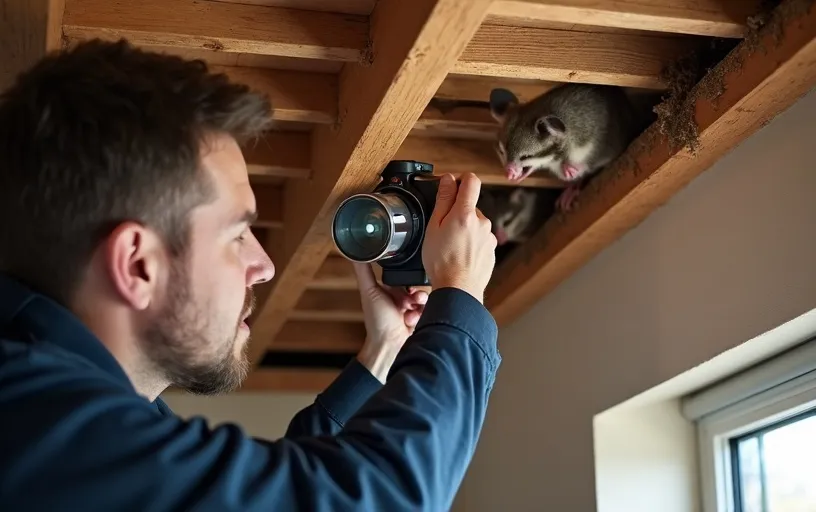
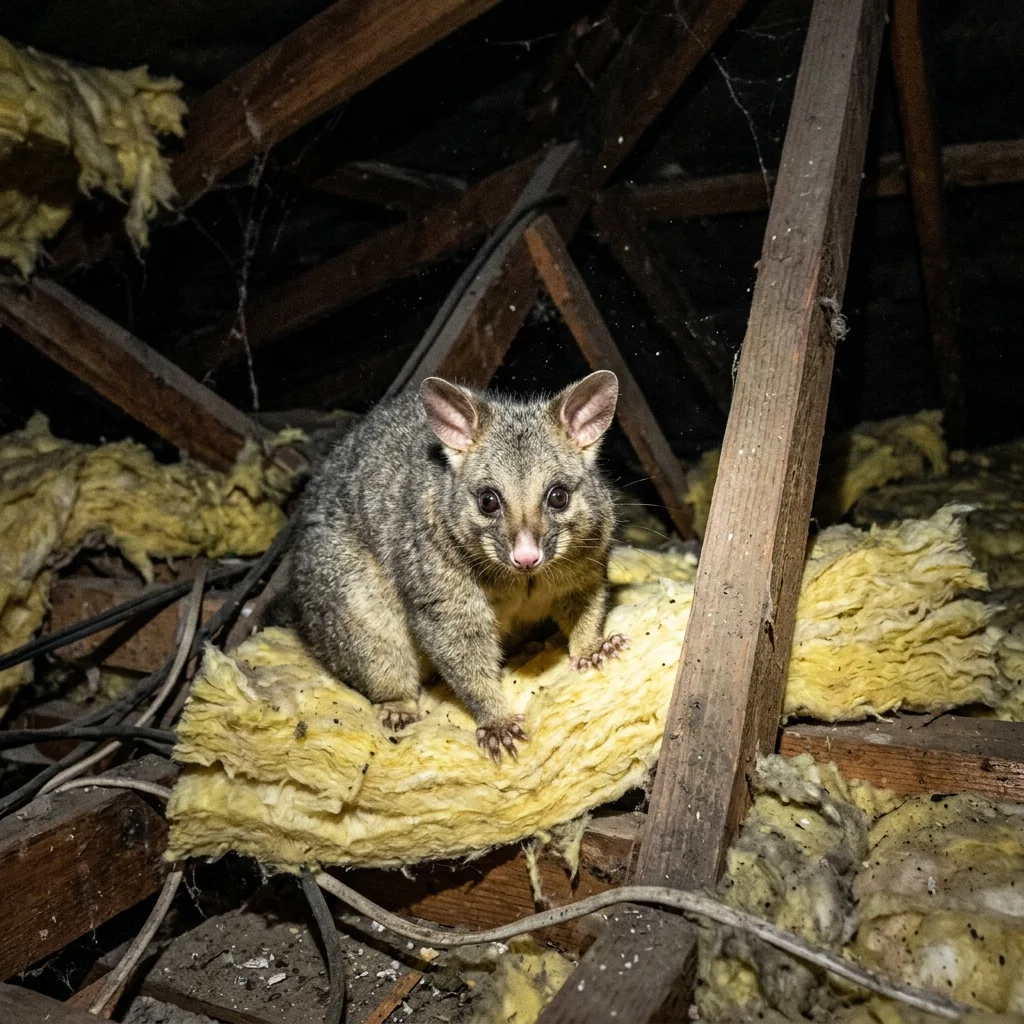
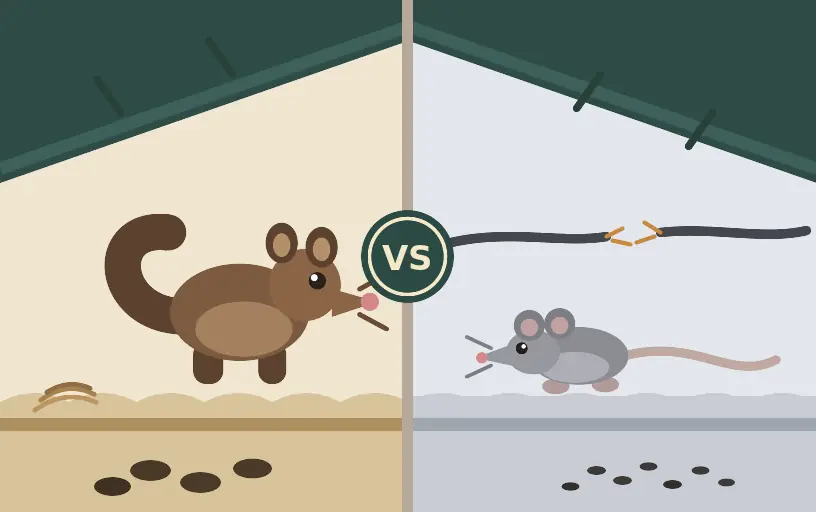
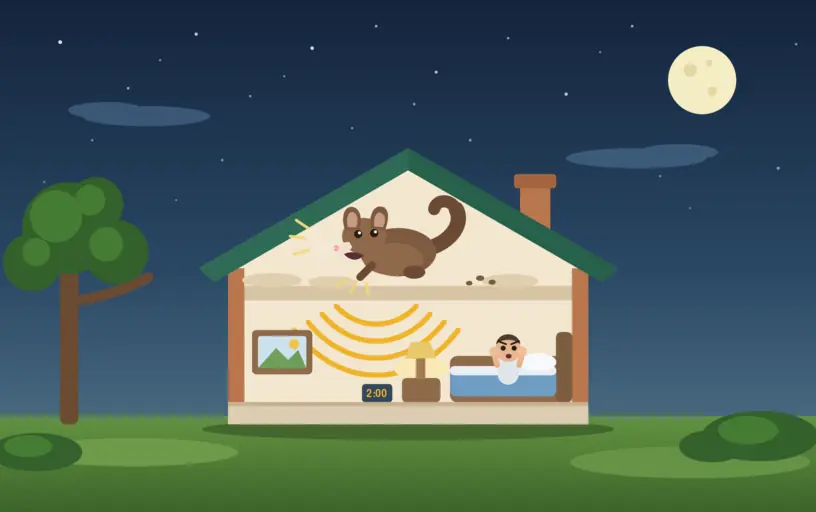
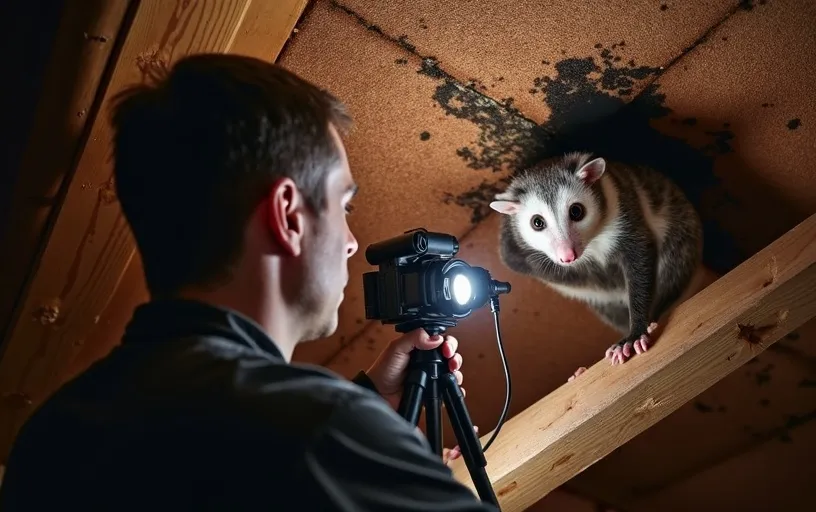
- Noise above the ceiling at night: Thumping, scratching or movement in the cavity may suggest an animal is inside, but sounds alone cannot confirm the species.
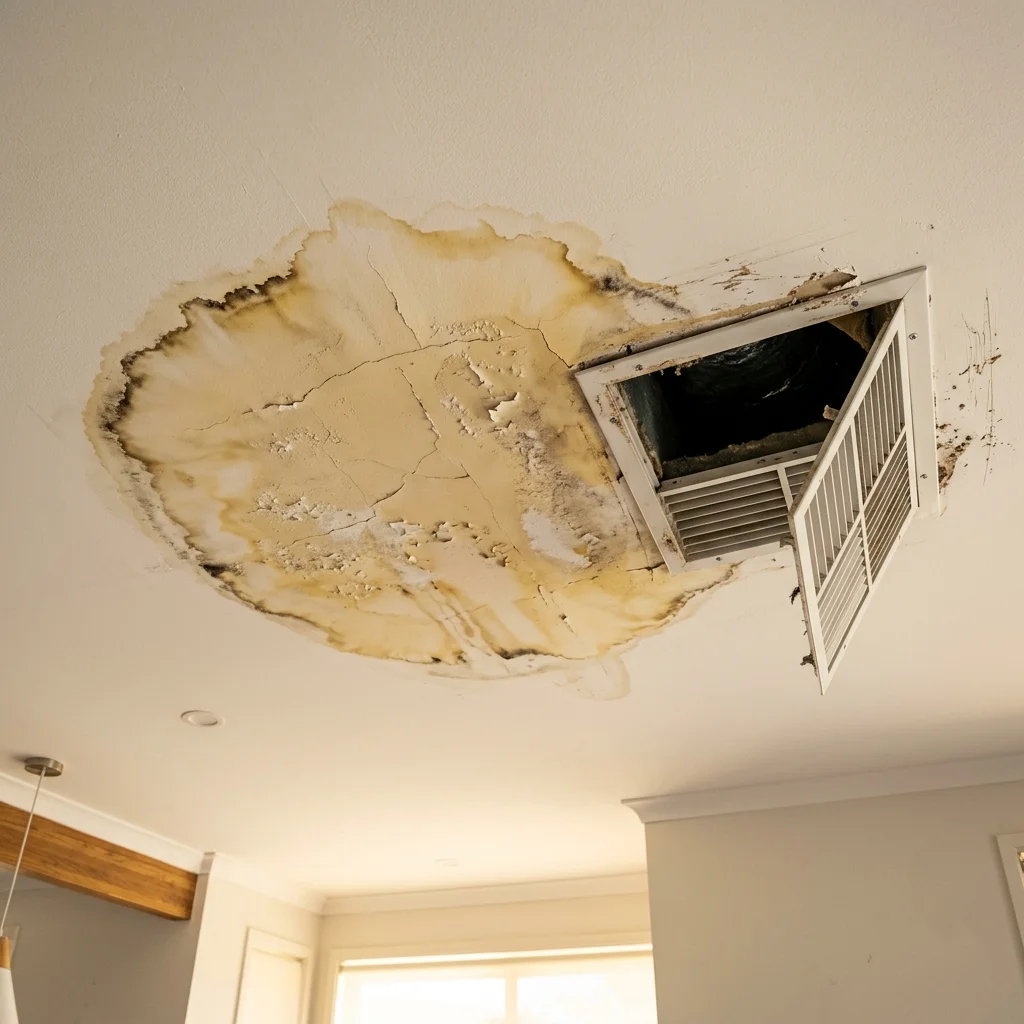
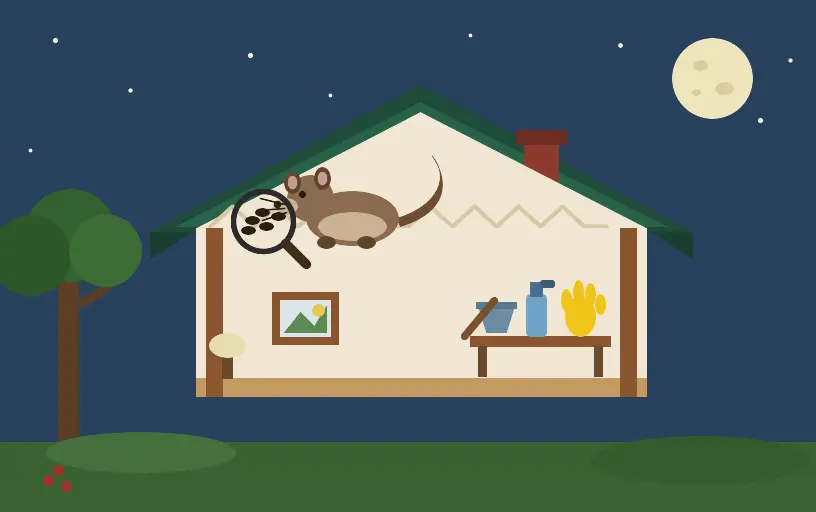
- Signs that persist indoors: Fresh droppings, staining, an odour or damage near the roof space can indicate ongoing use and may warrant an inspection.
For more help distinguishing a possum from other animals, see Fresho’s guide to confirming possum activity in a Brisbane roof at night. If you suspect the animal is inside, avoid opening the ceiling or handling anything in the roof cavity.
Why might it return after the gap was repaired?
A repair can appear complete while leaving another route open. Possums can approach the roof from several directions, and a small gap behind a vent, at a tile edge or where two roof sections meet may be difficult to spot from the ground. If the animal returns after a repair, it does not automatically mean the same opening has failed; it may have found a different access point.
Other possibilities include a repair that was not durable enough for the location, a tree branch that still reaches the roof, or a possum that was sealed out before the cavity was properly checked. If a possum is inside when an opening is closed, it can be trapped in the roof. That is distressing for the animal and can lead to damage as it tries to escape.
A repeat visit is therefore a reason to reassess the whole roofline, not simply patch the last place where you heard a noise. The broader guide on why possums keep coming back to homes covers general repeat-visit causes. This article focuses on the eaves themselves: whether they are a route, an entry point or part of an occupied roof cavity.
What should I do when I see a possum at the eaves?
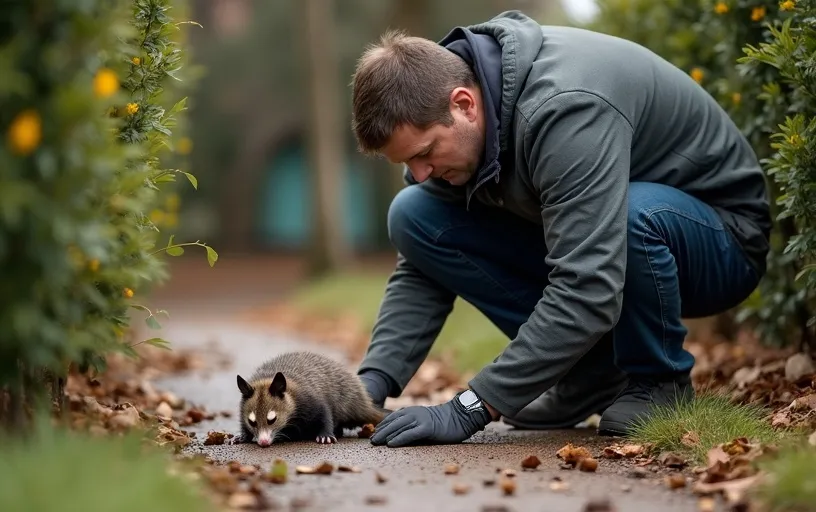
Keep your distance and observe from the ground. Note the time, the direction the possum travels, and whether it disappears into a visible opening or simply crosses the roof. If you can take a photo without approaching or disturbing it, that may help a professional understand the situation.
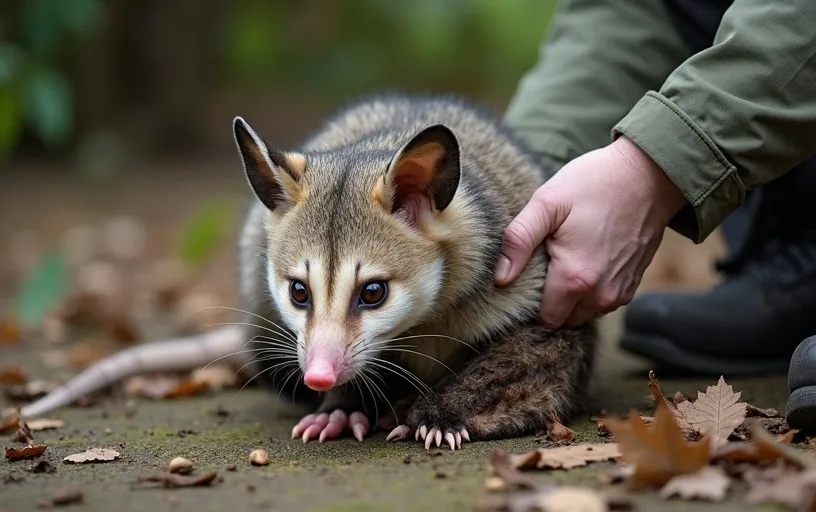
Do not touch, corner, feed or attempt to trap the animal. Do not climb onto the roof or enter the cavity to investigate. Queensland Government advice says native wildlife should not be handled, and possum trapping is subject to permit requirements.[2]
Most importantly, do not seal a suspected entry point while you are unsure whether an animal is inside. The Queensland Government advises checking that the possum is not trapped in the roof before closing an opening.[1] If you cannot tell whether the cavity is occupied or where the animal is getting in, arrange a professional assessment rather than guessing.
Why shouldn’t I trap or relocate the possum myself?
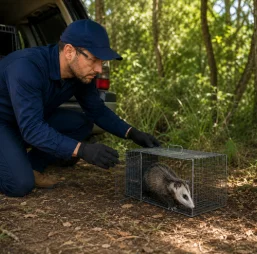
Possums are protected wildlife in Queensland. Queensland Government information says removal should be carried out by appropriately permitted commercial possum relocators. It also states that a trapped possum must be released within 25 metres of where it was captured, to avoid releasing it into another possum’s home range.[1] Queensland’s wildlife advice also warns that trapping possums is illegal unless the person has a permit.[2]
This is one reason a possum should not simply be caught and taken far away. A lawful removal needs to account for the animal, the den, the access point and what happens after it leaves. Ask any provider how the work will comply with Queensland requirements and how they will confirm that the roof space is clear before sealing it.
For a roof-space problem, Fresho’s roof-cavity possum removal service describes inspection, humane removal and access-point work. Ask the provider to explain how the proposed method follows current Queensland wildlife requirements.
How can I reduce repeat visits to the eaves?
The lasting fix is to identify how the possum is using the roofline, make sure no animal is left inside, and address all relevant access points. Simply chasing the animal away may stop the noise for a night without preventing another visit.
A careful prevention plan may include:
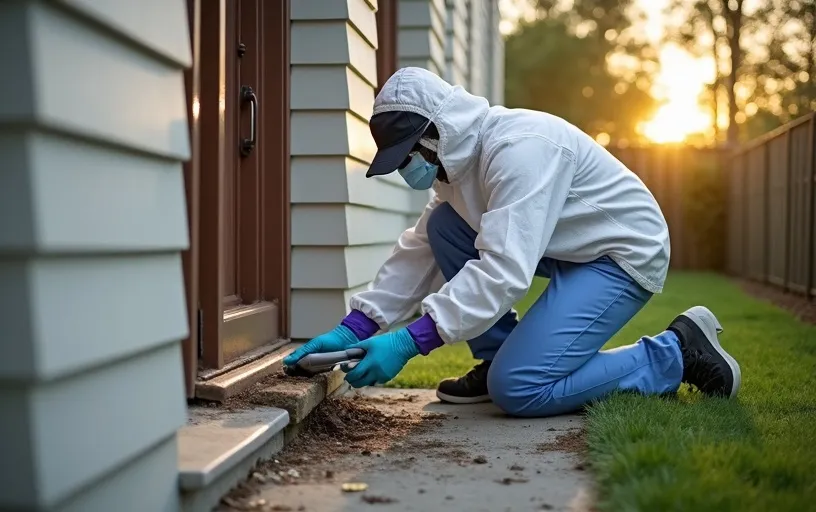
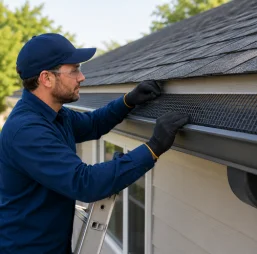
- Inspect the full roofline. Check eaves, soffits, vents, roof tiles, pipes, fascia and joins between roof sections. More than one opening may be involved.
- Confirm whether the cavity is occupied. Do not close off a gap until a qualified person has established that no possum is trapped inside.
- Use lawful, humane removal if needed. Possum handling and trapping must comply with Queensland wildlife requirements.
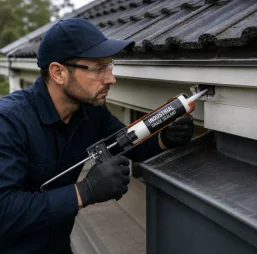
- Repair and seal the access points. Use a suitable, secure repair for each opening, not a temporary patch that leaves another route available.
- Review nearby access routes. Branches touching or overhanging the roof may give possums an easy way across. Arrange safe pruning where needed; avoid working at height yourself.
- Check the result. Monitor the roofline for renewed activity and have any new gap assessed rather than assuming a previous repair covered it.
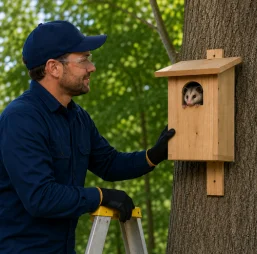
Queensland Government possum information also recommends providing alternative shelter, such as a nest box, as part of managing a possum den.[1] For a broader look at barriers and sealing, see Fresho’s guide to sealing roof entry points to keep possums out and its possum-proofing and prevention service.
When should I book an inspection?
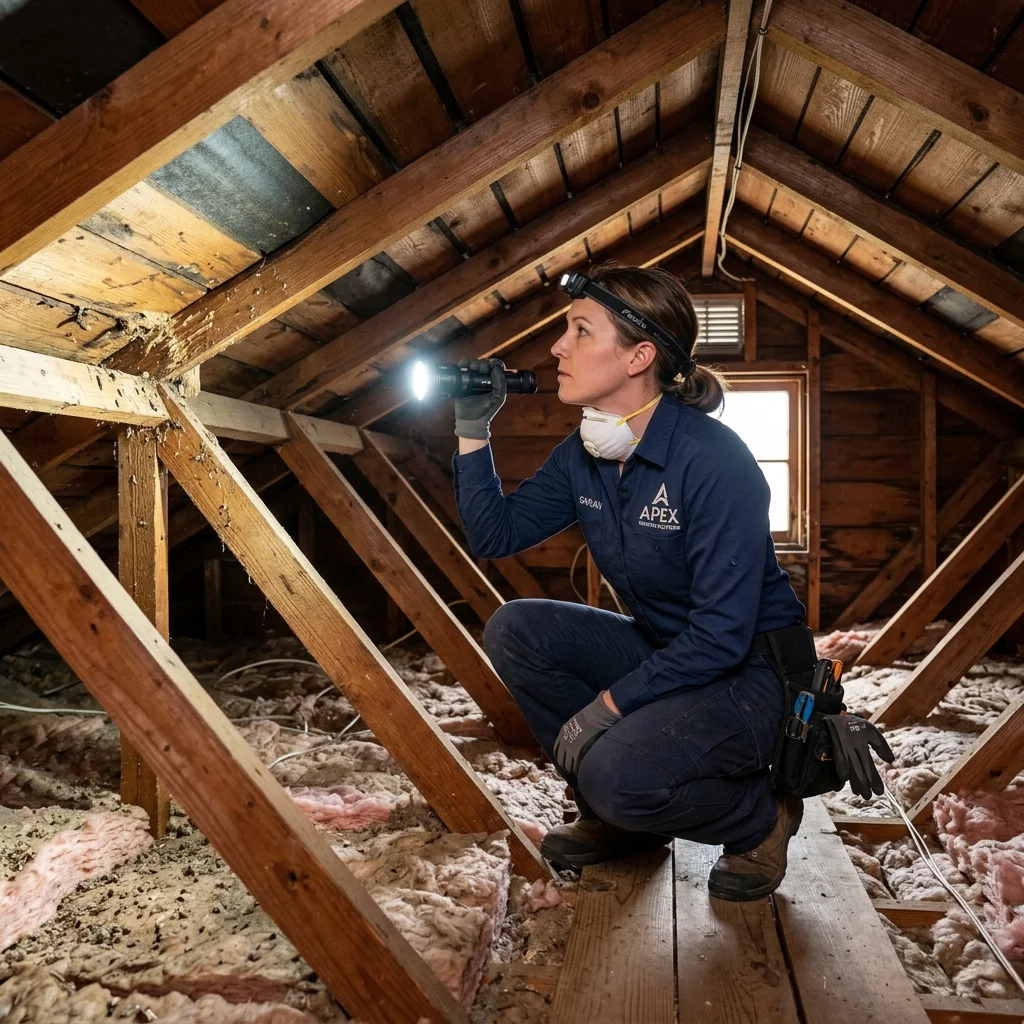
Arrange an inspection if you repeatedly see a possum disappear into the eaves, hear movement over multiple nights, find signs of activity near the ceiling, or have already had a repair that has not stopped the problem. It is also sensible to get help when the entry point is difficult to reach or you cannot tell whether the roof cavity is occupied.
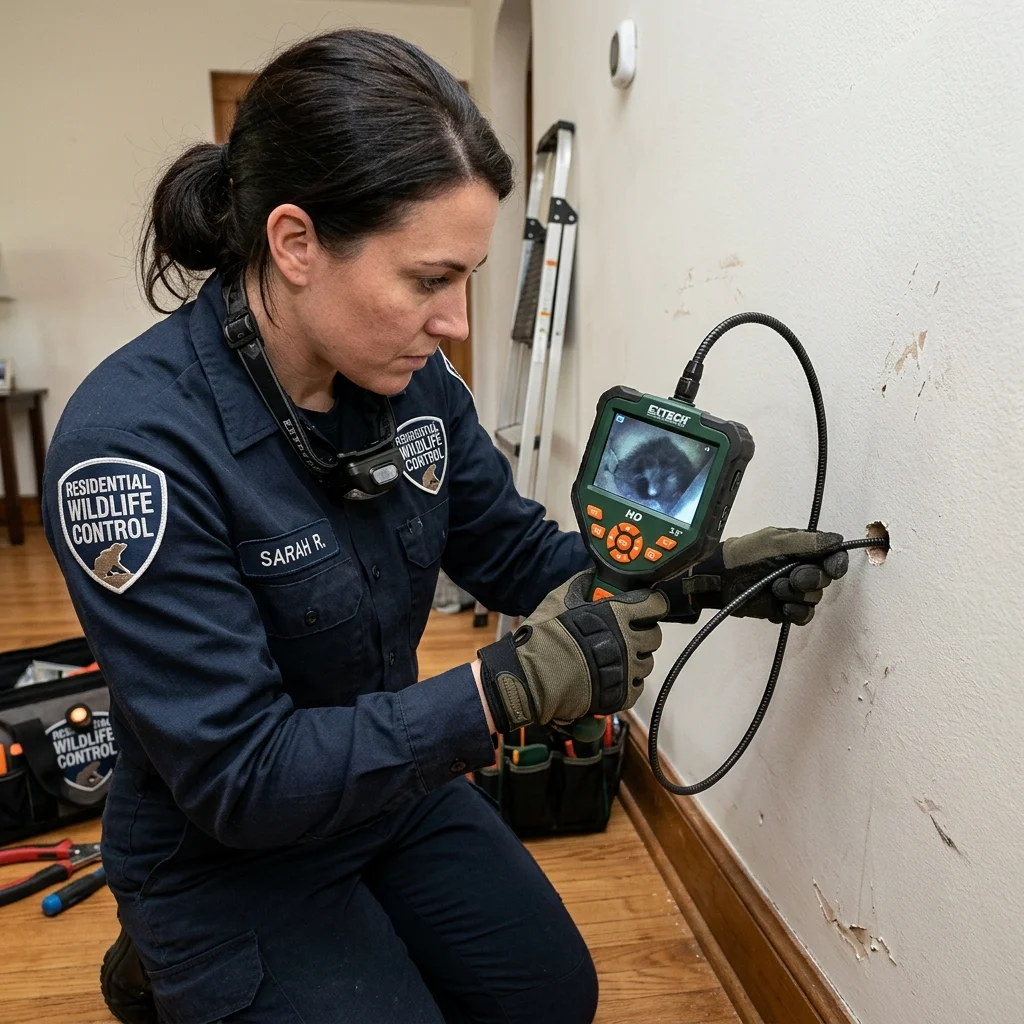
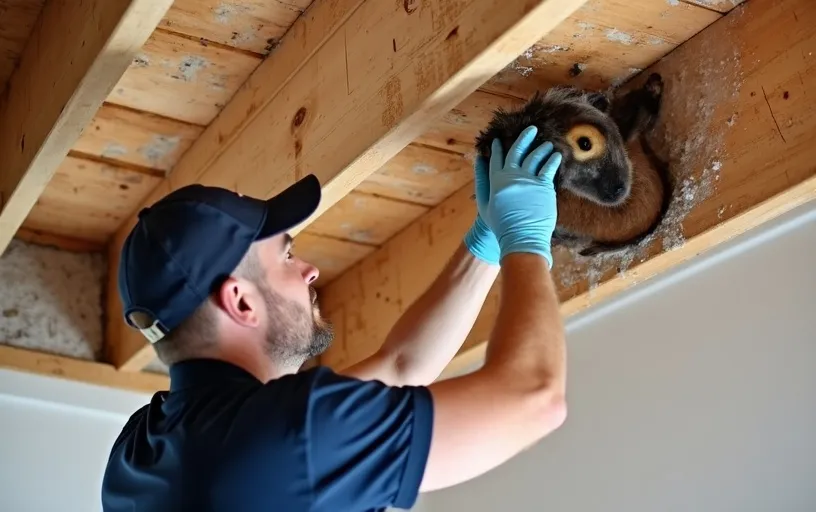
A useful assessment should distinguish between a possum travelling over the roof and one using the cavity. It should identify the likely access route, check for additional openings and explain what needs to happen before any gap is closed. Ask the provider what the inspection covers and whether the recommendations include both humane removal, if required, and follow-up prevention.
Fresho offers a Brisbane possum inspection that describes checking the roof void, eaves and roofline. If possum activity has damaged roofing or insulation, its possum-damage repair service may also be relevant.
Frequently asked questions
Why does a possum keep coming back to the same spot?
The spot may be a familiar route or a den entrance that remains open. Scent around an old den may also encourage a possum to investigate it again. Another possum may use the same access after the previous animal leaves.
Does a possum at the eaves mean it is living in my roof?
No. It may be crossing the roofline or pausing near the eaves without entering the cavity. Look for repeated entry or signs inside, and avoid opening the ceiling to check yourself.
Should I block the eaves to stop the possum?
Not until you know the roof cavity is clear. Closing an opening while an animal is inside may trap it. Possum trapping and removal are also subject to Queensland wildlife requirements, so get advice from a qualified, appropriately permitted professional.
Can a possum be relocated far away from my home?
Queensland Government guidance says a trapped possum must be released within 25 metres of its capture point. Contact an appropriately permitted possum relocator and ask how the proposed work will follow the current rules.[1]
What if the possum returns after a professional visit?
Ask for a reassessment of the roofline and any access points. The animal may be using a different gap, the original repair may need attention, or a possum may be travelling across the roof without entering the cavity. A new inspection can help distinguish these cases.
Need help with a possum returning to your eaves?
If a possum repeatedly visits your roofline or appears to be entering the ceiling space, contact Fresho Possum Removal Brisbane to discuss an inspection. Describe where you see the animal, when it appears and whether you have noticed sounds or signs inside. Ask how the visit will confirm the possum’s location, meet Queensland wildlife requirements and address the access point without trapping an animal inside.