Possum Removal Cost: What Homeowners Should Expect to Pay
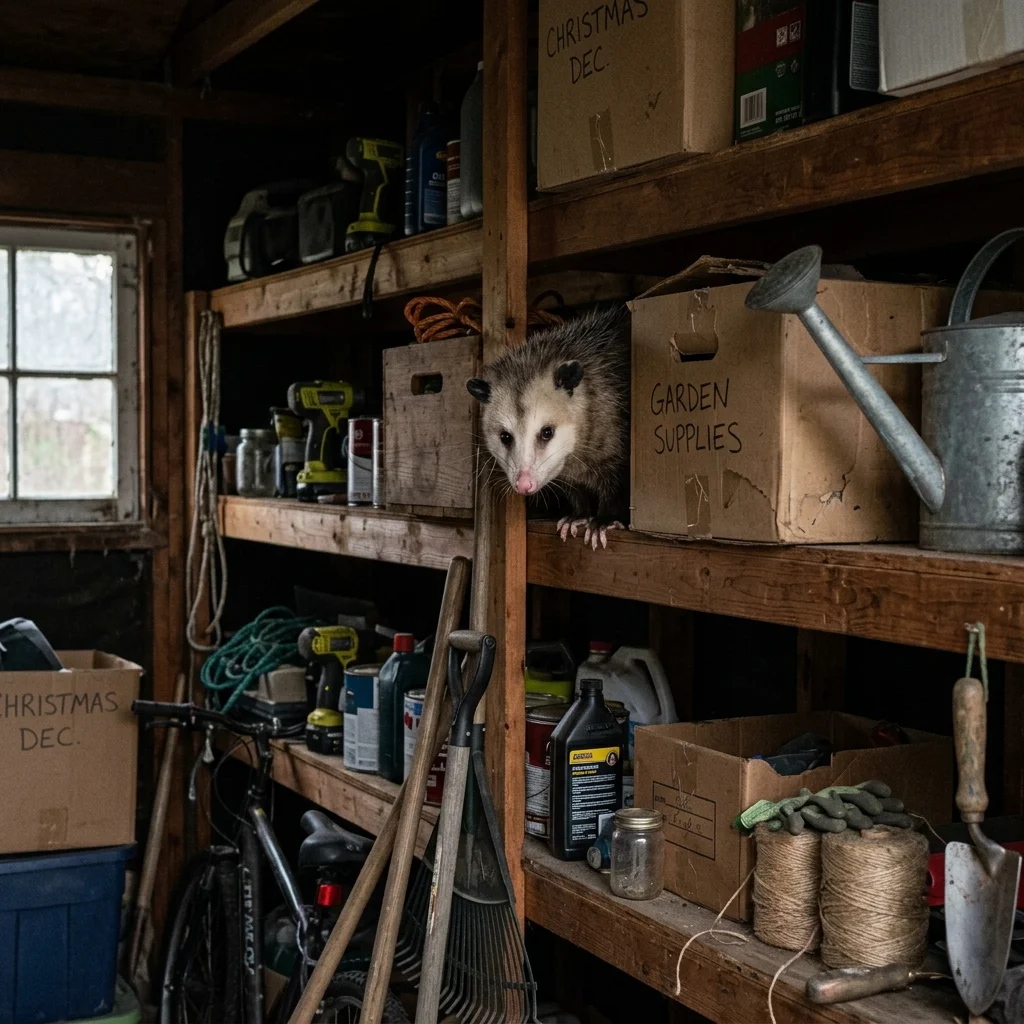
When you discover a possum has moved into your ceiling or roof space, one of the first questions you will have is: "How much is this going to cost to fix?" While some homeowners consider attempting a DIY eviction to save money, the complexities of accepted animal handling practice and the structural repairs required often lead to hiring a professional. Understanding what factors influence the price of a service can help you budget correctly and choose the right option for your property.
The cost of possum removal is not a single, flat fee. It varies based on the size of your home, the extent of the damage, the number of entry points that need to be sealed, and whether decontamination is required. Here is a breakdown of what you should expect to pay and the factors that shape the final invoice.
Typical Cost Components of a Professional Service
A comprehensive possum removal service typically consists of three main stages, each contributing to the overall cost:
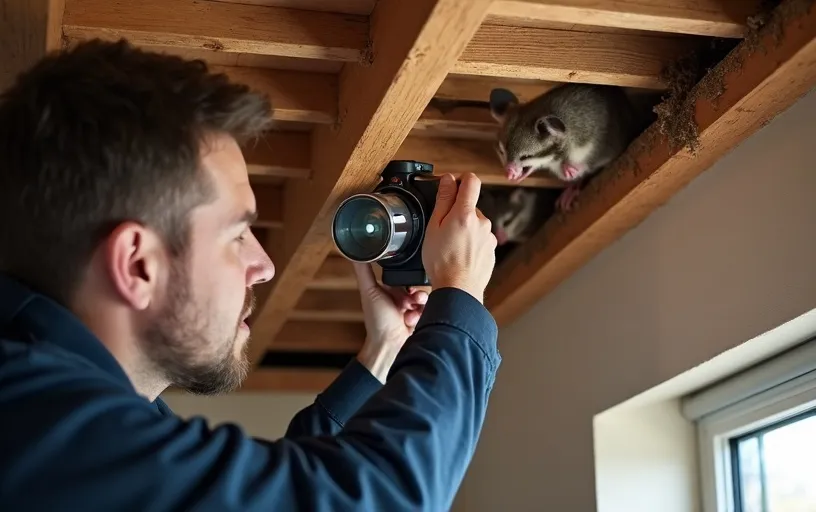
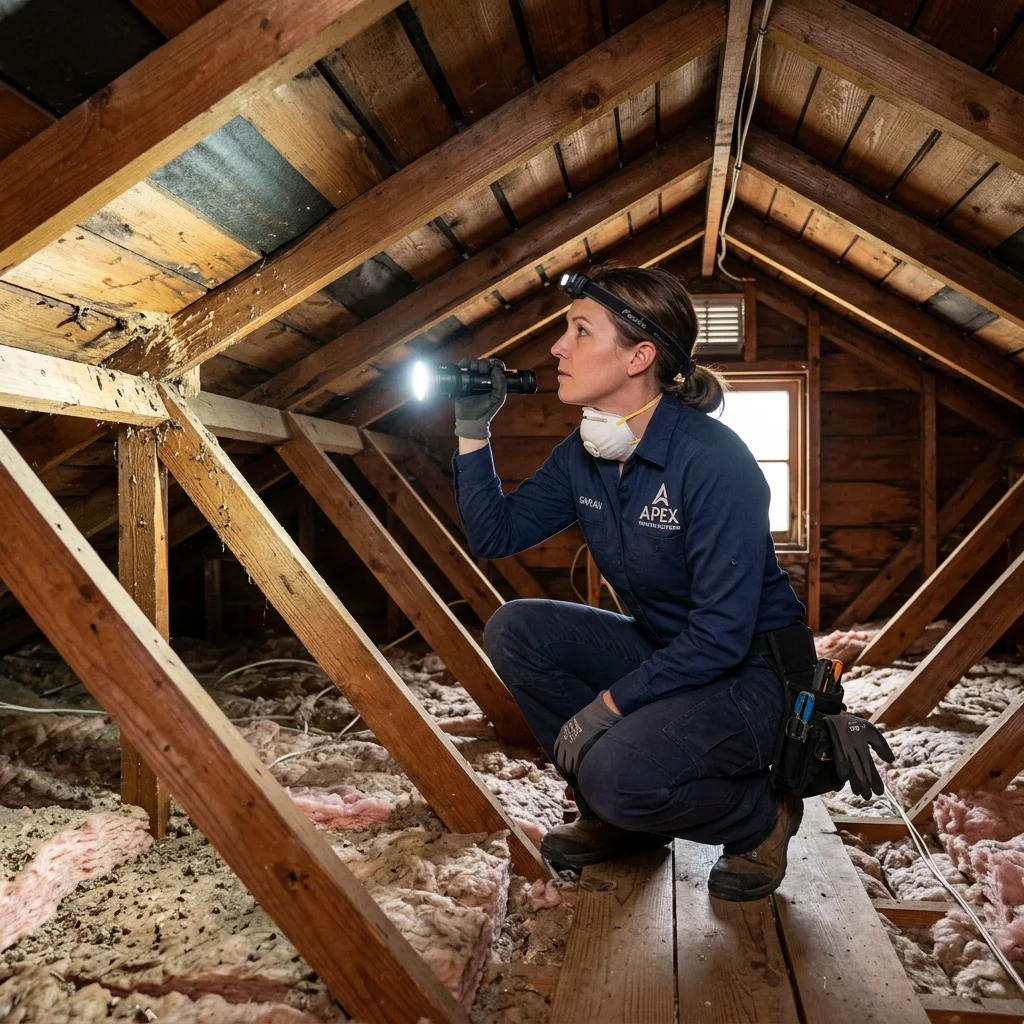
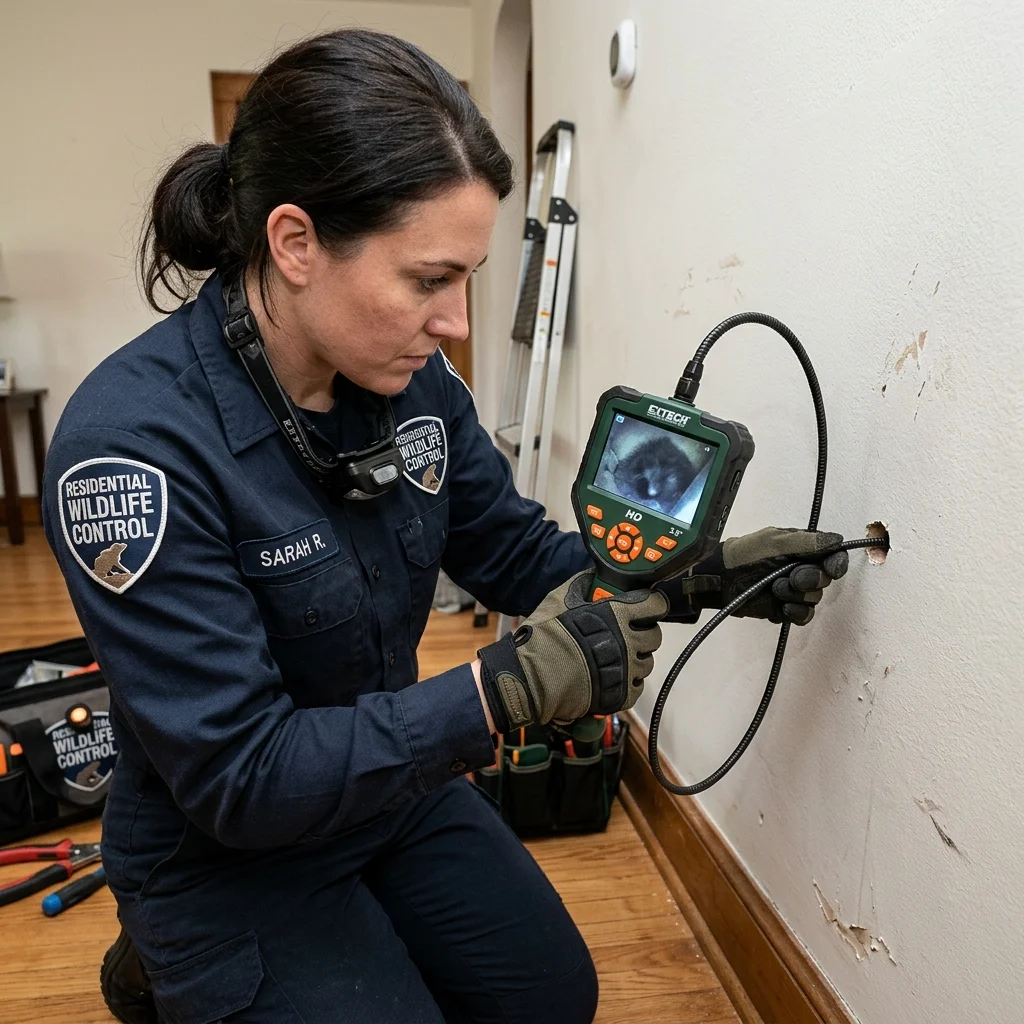
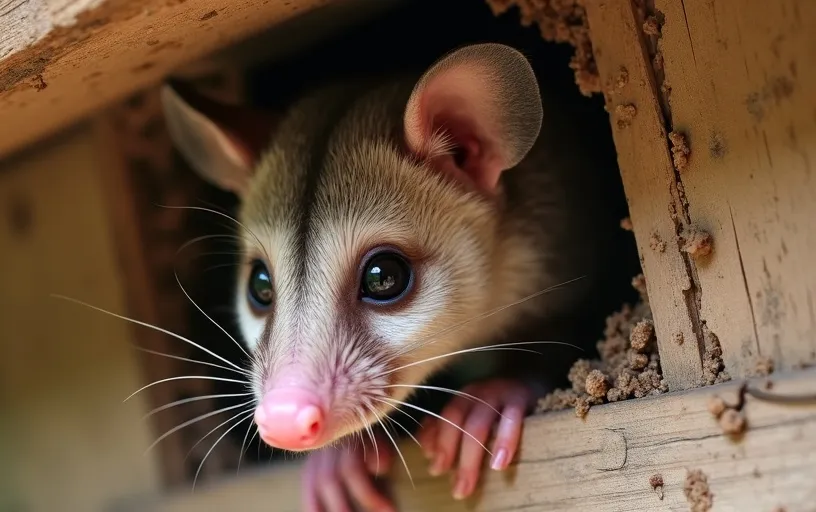
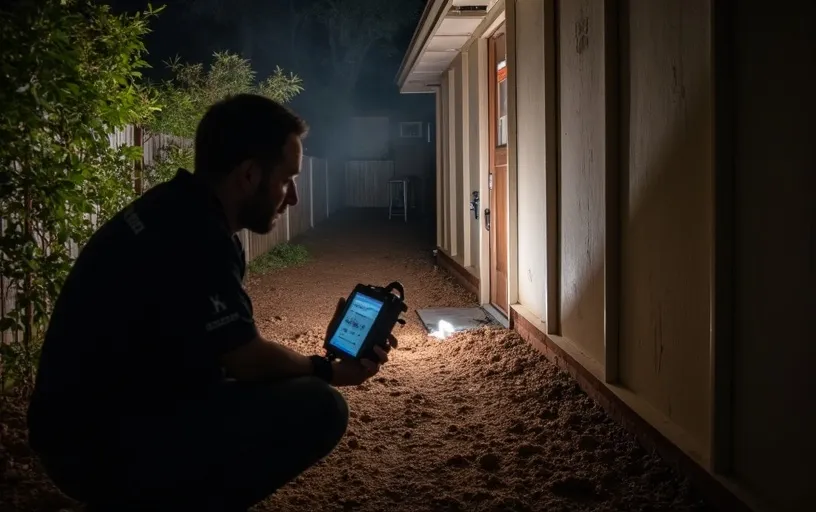
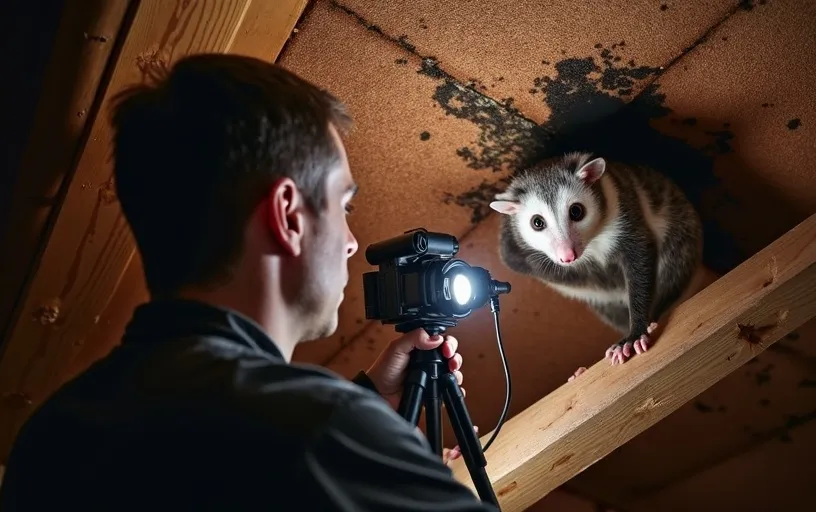
1. The Initial Inspection: An animal specialist must visit your property to locate the nesting sites, identify the species, and map all entry points. This inspection usually involves checking the roof perimeter, chimney, vents, and interior roof cavity. A typical inspection fee generally ranges from $150 to $250, which is often absorbed into the total cost if you proceed with the service.
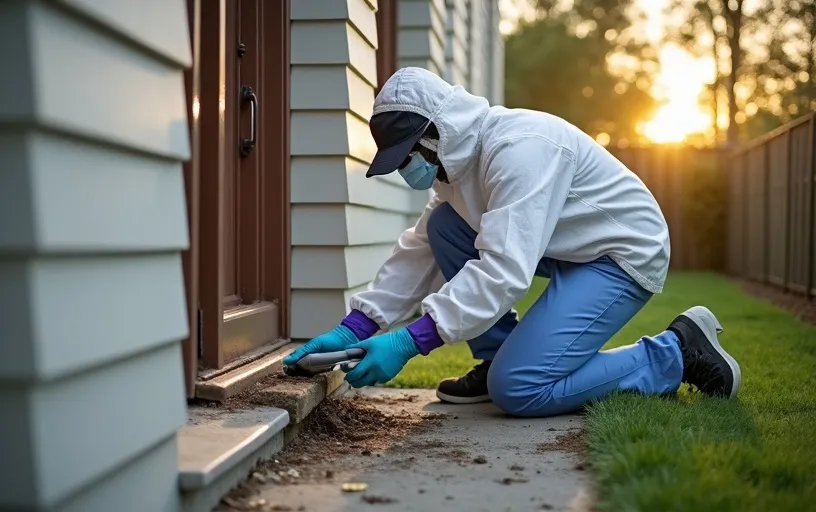
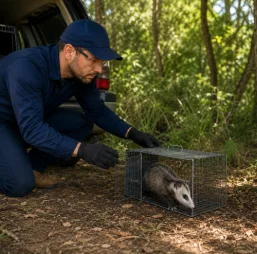
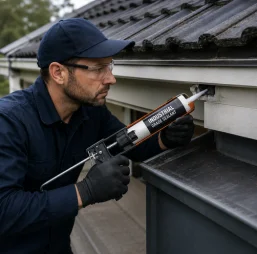
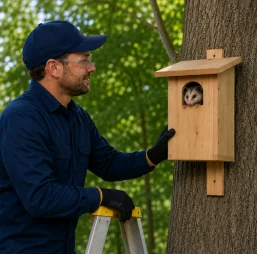
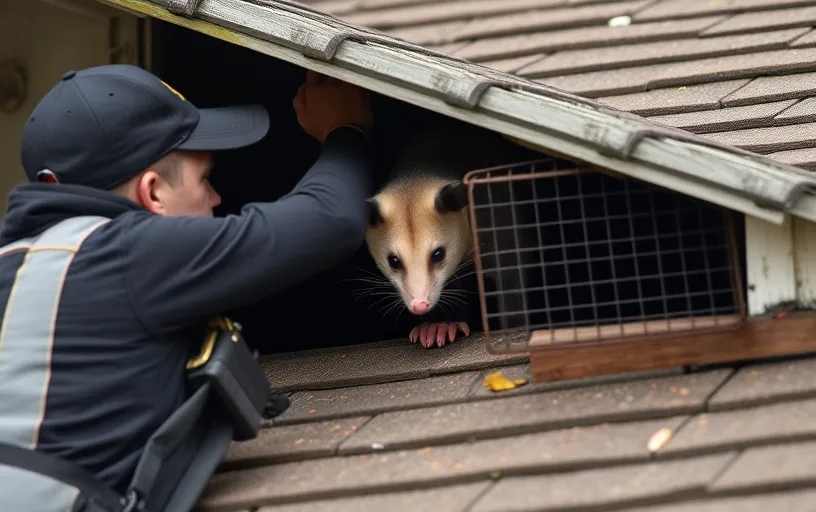
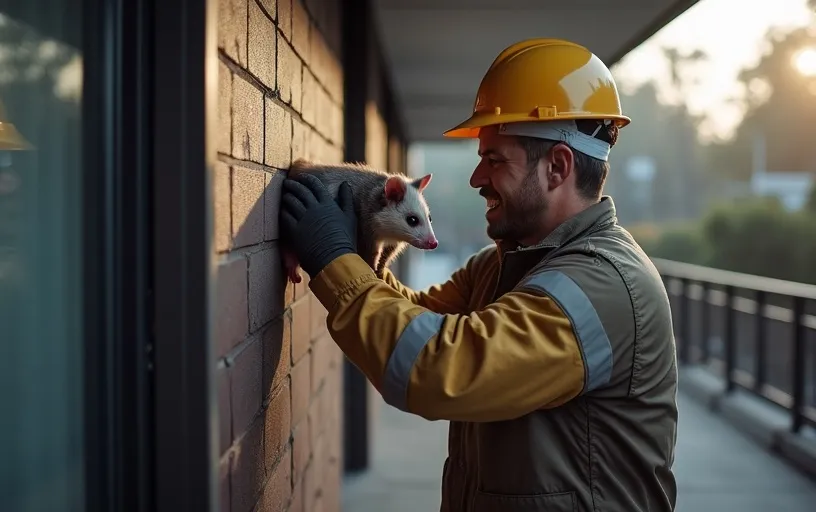
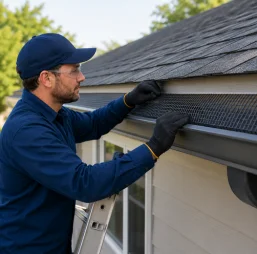
2. Exclusion and Eviction: This involves installing one-way exit doors, repairing the roofline, and sealing all secondary entry points. The cost of this stage depends heavily on the materials used (e.g., steel mesh, timber, metal flashing) and the ease of access to the roof. Typical exclusion work for a home with one or two entry points typically costs between $300 and $600.
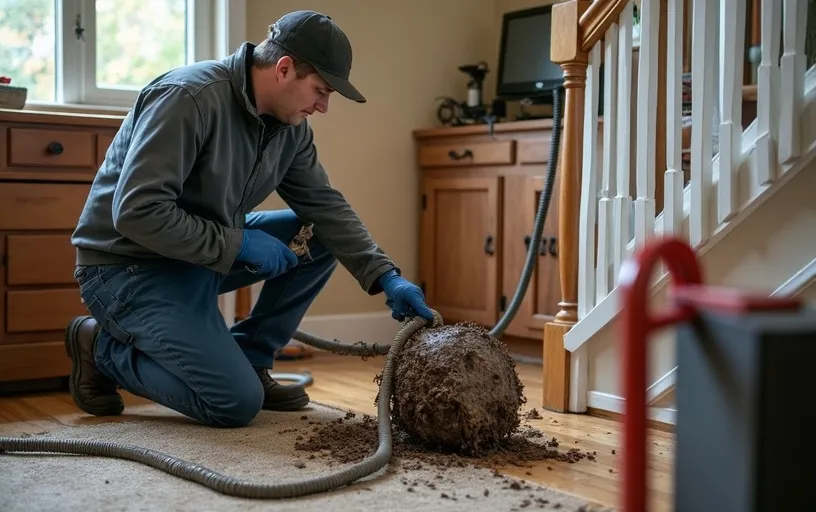
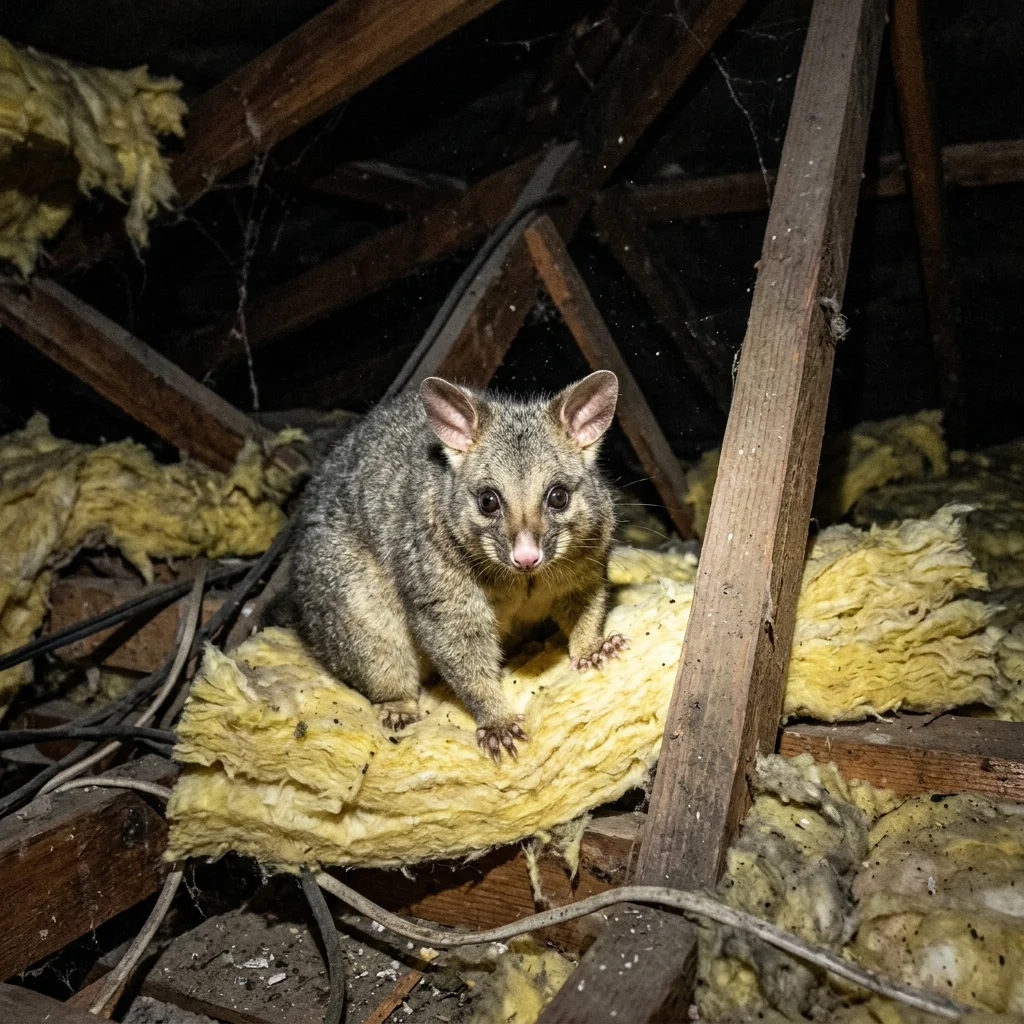
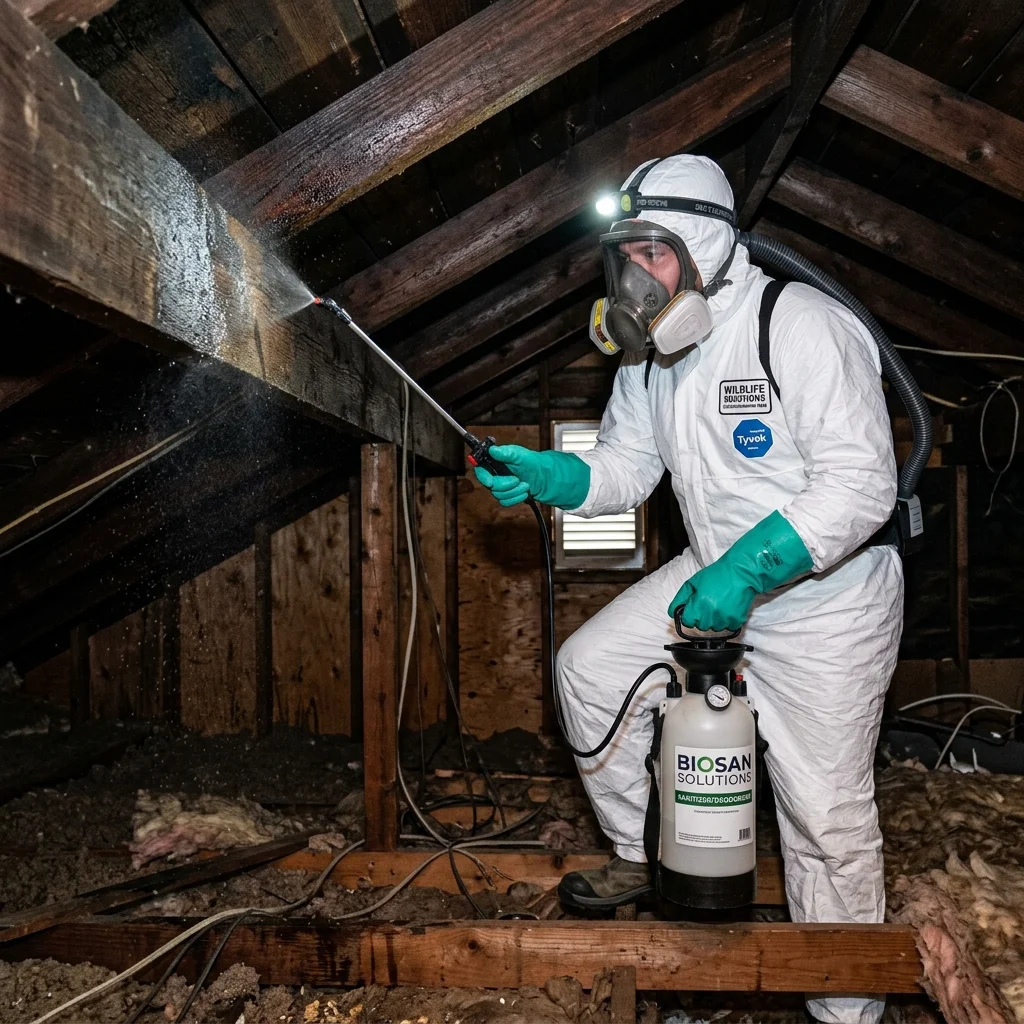
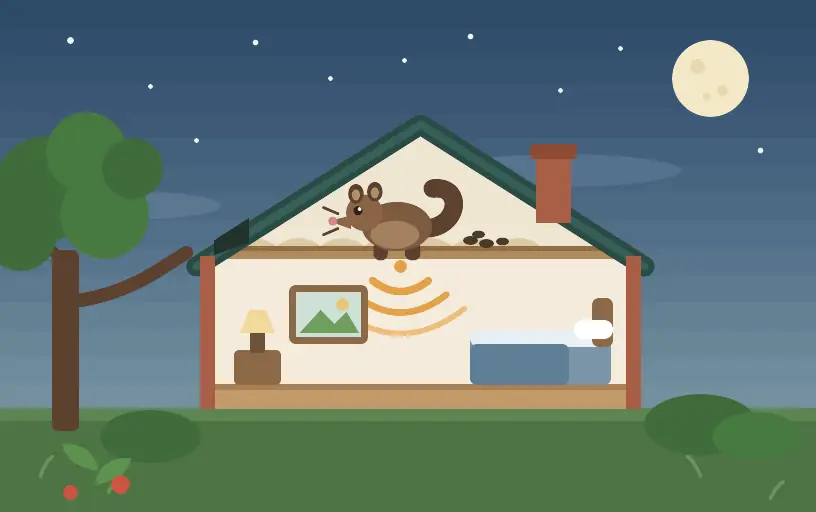
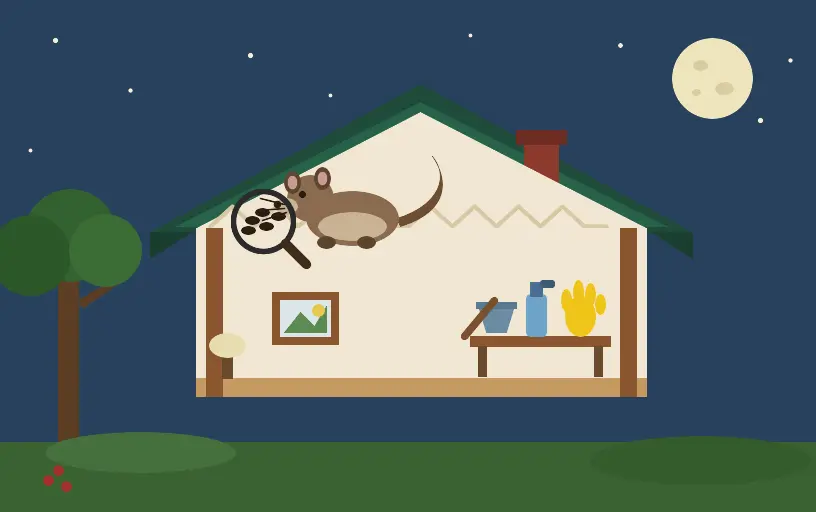
3. Clean Up and Sanitization: If the possum was nesting for a long time, the ceiling cavity will contain feces, urine, and parasites. Removing contaminated insulation, sanitizing the timber joists, and applying odor neutralizers is a critical final step. Decontamination fees vary widely based on the size of the space, typically starting at $200 and reaching up to $500 or more if insulation replacement is needed.
Key Factors That Influence the Final Price
Every residential property is different, and several structural variables can cause the cost of possum removal to increase:
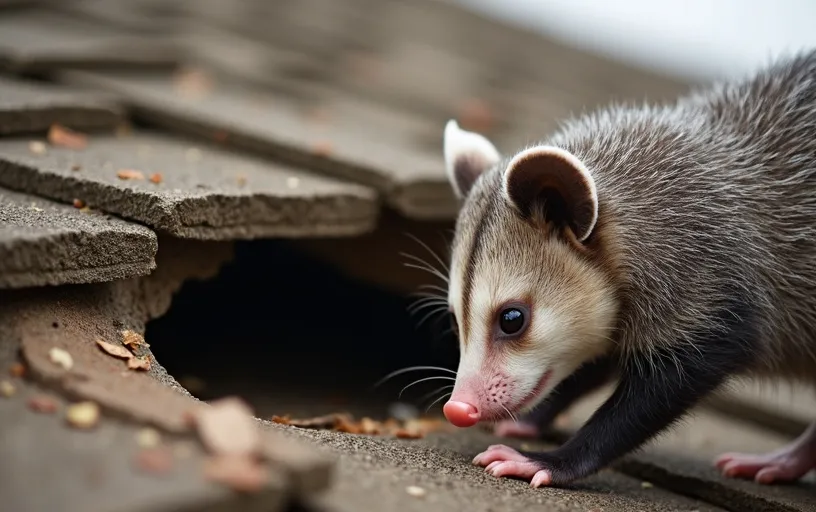
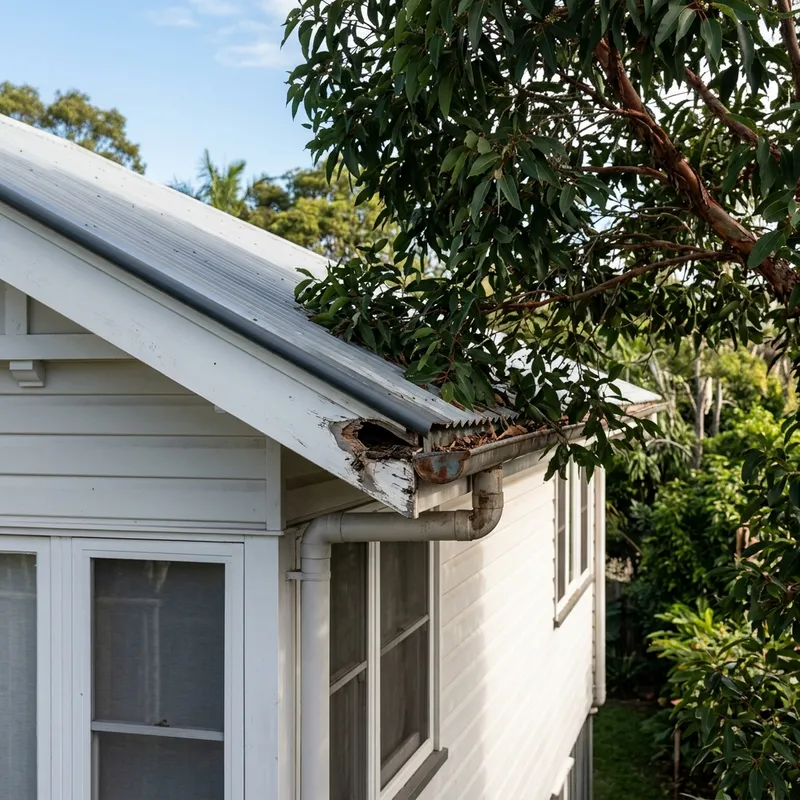
- Number of Entry Points: If your home has multiple loose tiles, rotted fascia boards, and open vents, sealing each of these spots will require more labor and materials, raising the price.
- Roof Height and Material: Double-story homes, steep roofs, or homes requiring specialized scaffolding or safety harnesses present higher risks for technicians, which increases the labor cost. Metal roofs can also be more complex to patch compared to tiled roofs.
- Extent of Repairs: If a possum has chewed through timber beams, damaged electrical wiring, or ruined plasterboard, these structural repairs will require additional trade work, adding to the total bill.
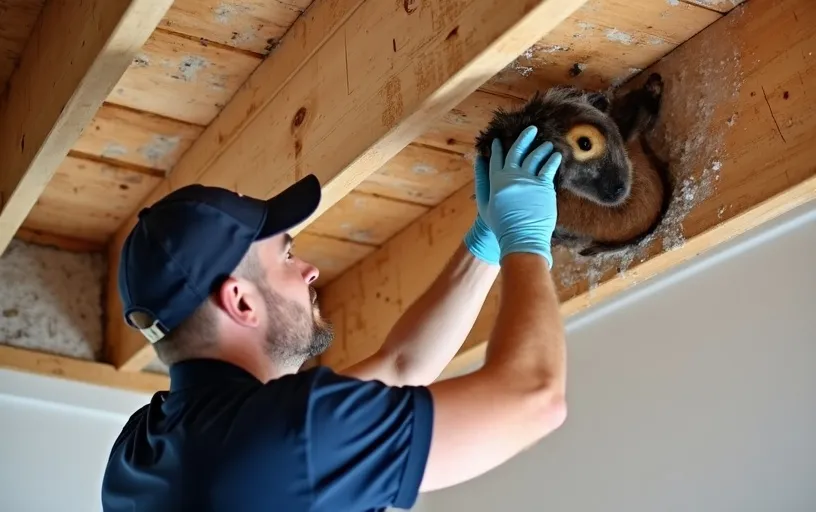
- Dead Carcass Retrieval: If the possum has already died inside a wall or tight cavity, locating and removing the carcass requires specialized detection tools and structural cuts, which generally costs more than live exclusion.
Understanding Long-Term Value vs. Initial Expense
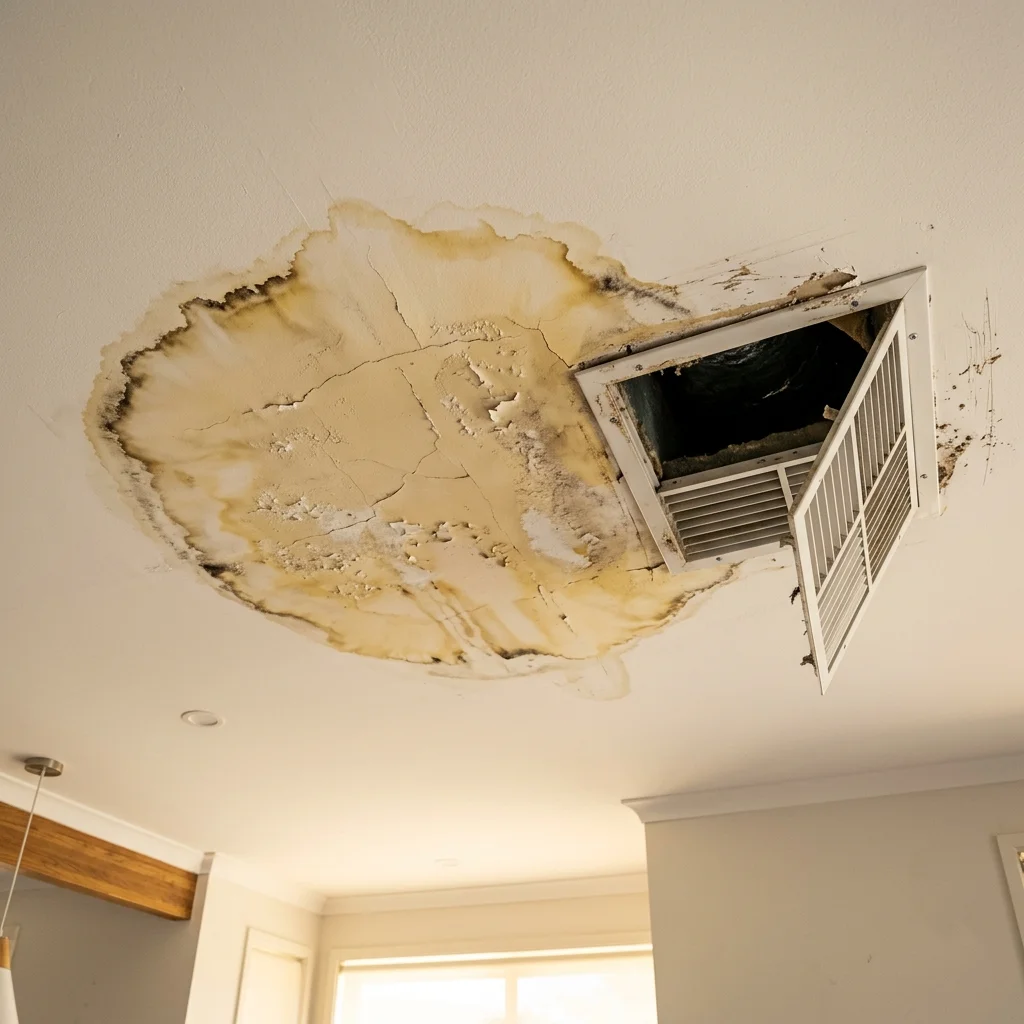
While paying for professional exclusion may seem like a significant expense upfront, it is important to view it as a long-term investment in your property's value. Unresolved possum activity can lead to ongoing wood rot in your rafters, mold outbreaks on stained ceiling plaster, and destroyed electrical circuitry. Repairing these structural breakdowns can cost several thousand dollars. Professional proofing prevents these damages, making it a highly good value choice for home maintenance. Protecting the structural integrity of your building saves money on future major renovation work.
Emergency Booking vs. Scheduled Inspections
The timing of your booking can also impact the service cost. If you request an immediate, emergency response in the middle of the night or during a public holiday because the noise is unbearable or an animal is trapped in your living space, call-out fees will apply. Typical scheduled inspections booked a few days in advance are more economical and allow the technician to plan a systematic exclusion layout. Homeowners should attempt to book regular checks to catch gaps before they become emergencies, which keeps maintenance fees low.
Government Rebates and Support Programs for Seniors
For pensioners, seniors, and low-income families in Queensland, there are occasionally local council assistance schemes or rebate programs that help cover the costs of pest proofing and residential repairs. While these programs vary by local government area (LGA), they are designed to support vulnerable residents in maintaining safe, hygienic living conditions. Check with your local council to see if you qualify for any residential repair grants or seniors discounts before booking a service, as this can reduce your out-of-pocket expenses considerably.
Questions to Ask an Animal Specialist Before Hiring
To ensure you receive heavy-duty service and avoid unexpected fees, ask potential service providers these questions before booking:
- What materials do you use for sealing? (Ensure they use heavy-duty galvanized steel mesh and screws, not expanding foam or tape).
- Do you offer a service commitment? (A workmanship operator will stand by their work and offer a follow-up support support period).
- Is sanitization included in the repair quote? (Confirm if they will disinfect the nesting area and apply odor neutralizers).
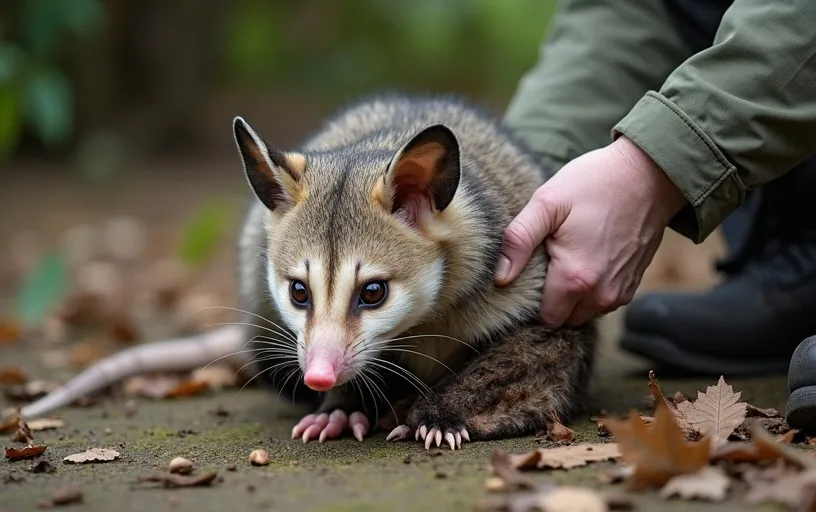
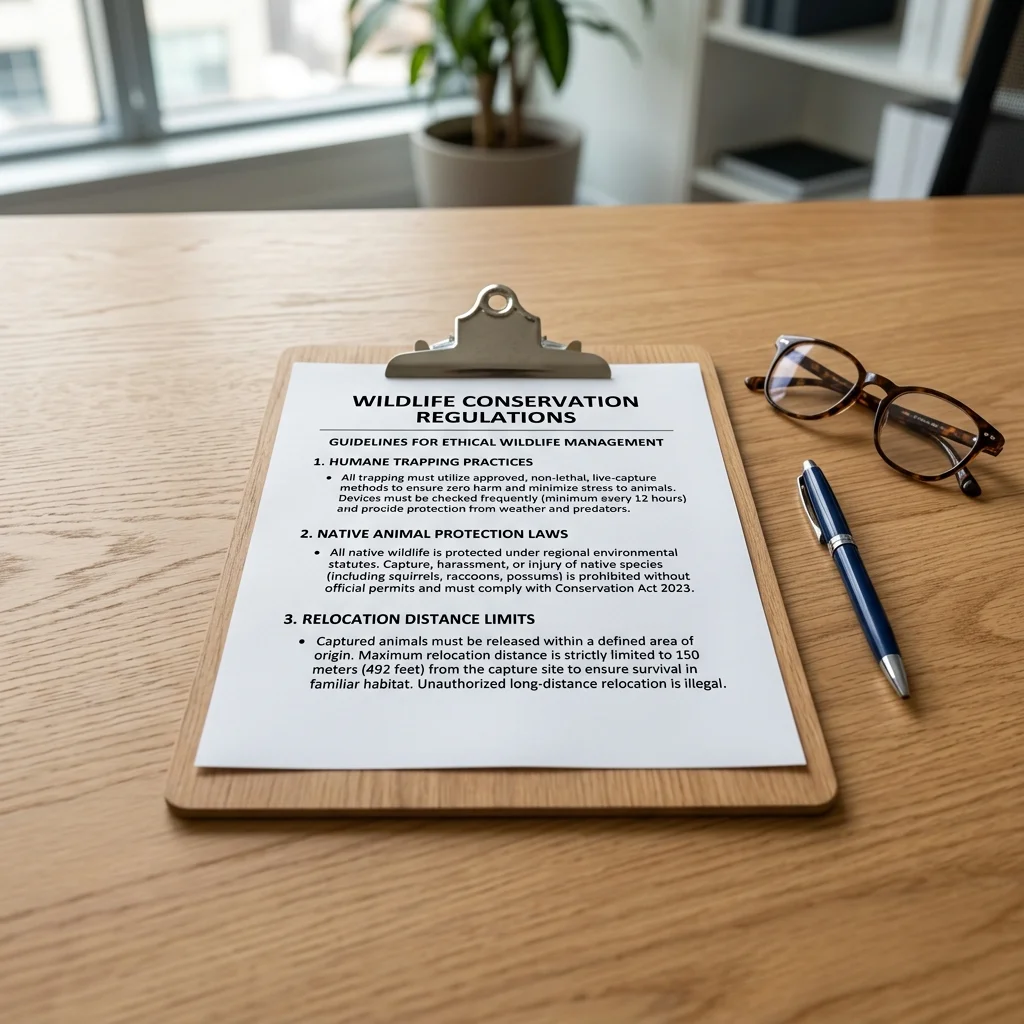
- Do you check for baby possums? (Ensure they use humane recommendations to avoid separating mothers from their young).
Comparing Commercial vs. Residential Pricing Structure
Commercial possum control usually carries a different pricing scale than residential jobs. Office blocks, warehouses, and commercial kitchens are larger and have complex ventilation networks. The access is often higher, requiring scissor lifts or cherry pickers. Furthermore, commercial businesses must meet strict health department recommendations, necessitating intensive post-removal sanitization. A commercial exclusion project can range from $800 to several thousand dollars depending on structural scale and utility complexity, whereas residential projects remain simpler and more affordable.
Why DIY Often Costs More in the Long Run
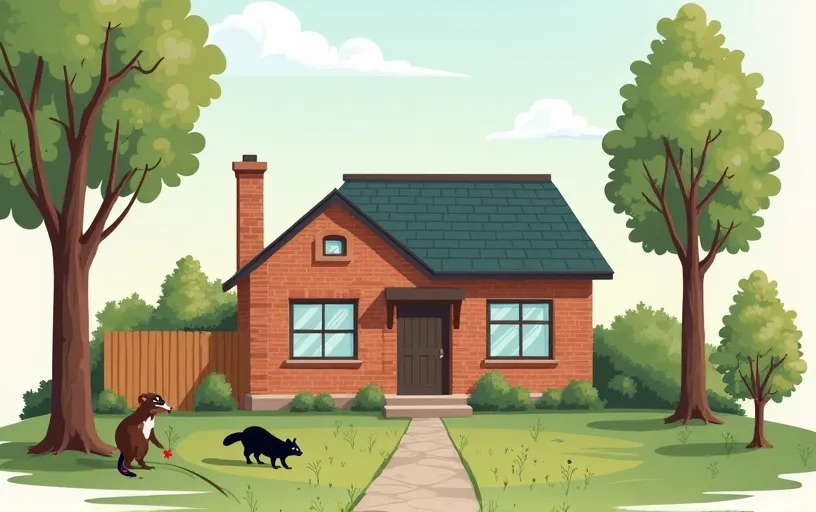
It is common for homeowners to try DIY methods first, such as buying a cheap trap or patching a single visible hole. However, DIY attempts often lead to higher costs later due to common mistakes: If you seal a gap while the possum is inside, it may chew through your plasterboard ceiling to escape, causing hundreds of dollars in damage. If the animal dies inside the wall, you will have to pay for drywall repairs and specialized decontamination. Additionally, if you fall short to prune nearby trees or miss a small secondary entry point, the possum will return immediately, meaning you have spent time and money on materials without solving the problem.
Cost and Value Summary
While professional possum removal carries an upfront cost, it provides an ongoing solution that protects your home from fire hazards, structural decay, and health risks. Investing in professional exclusion and property proofing is the most good value way to protect your property value and ensure peace of mind.