How to Keep Possums Out of Your Garden
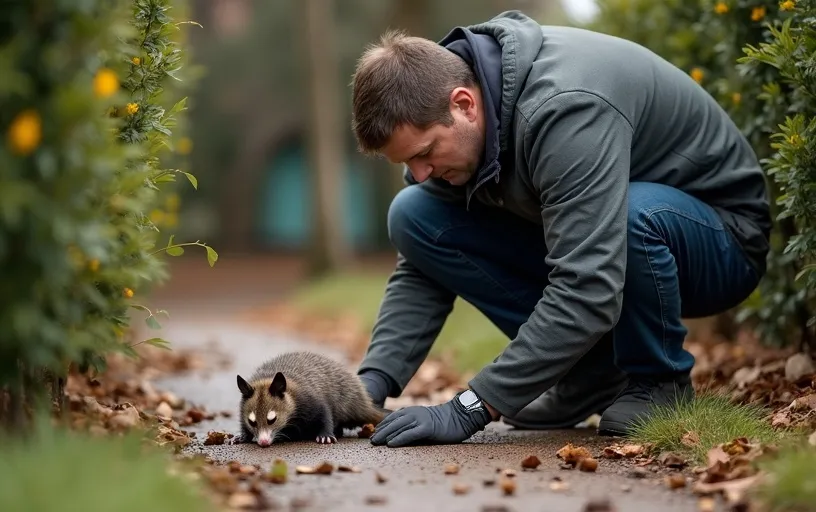
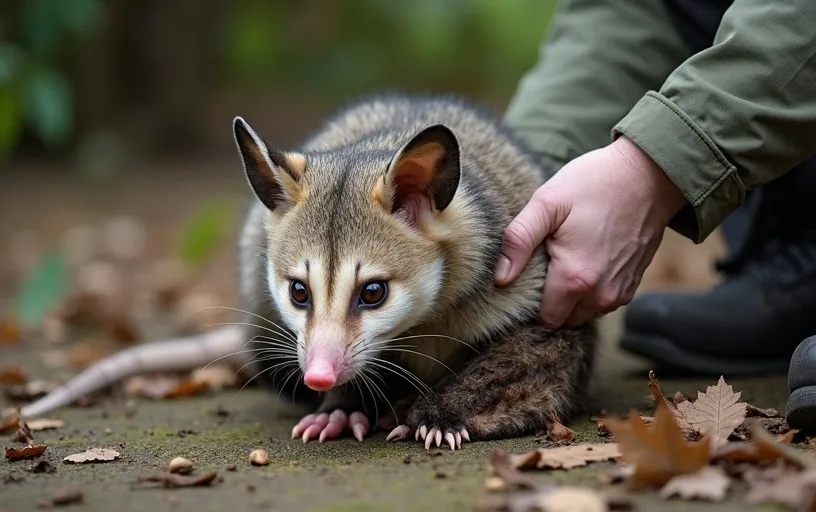
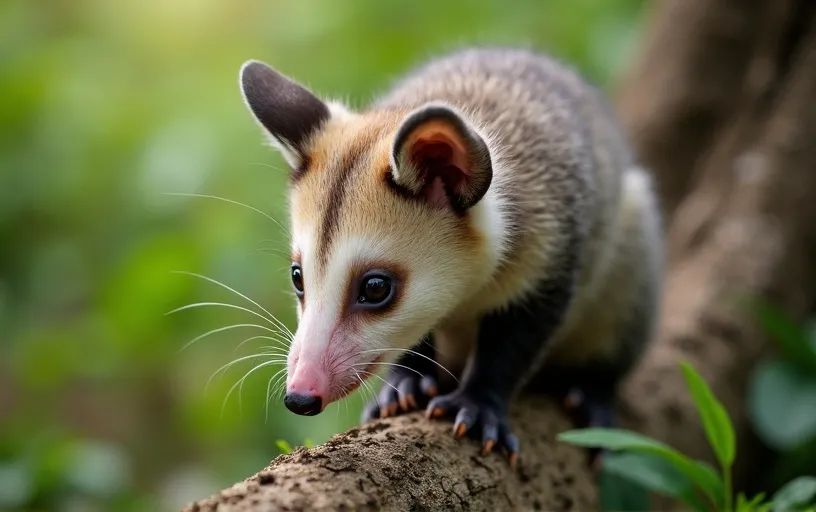
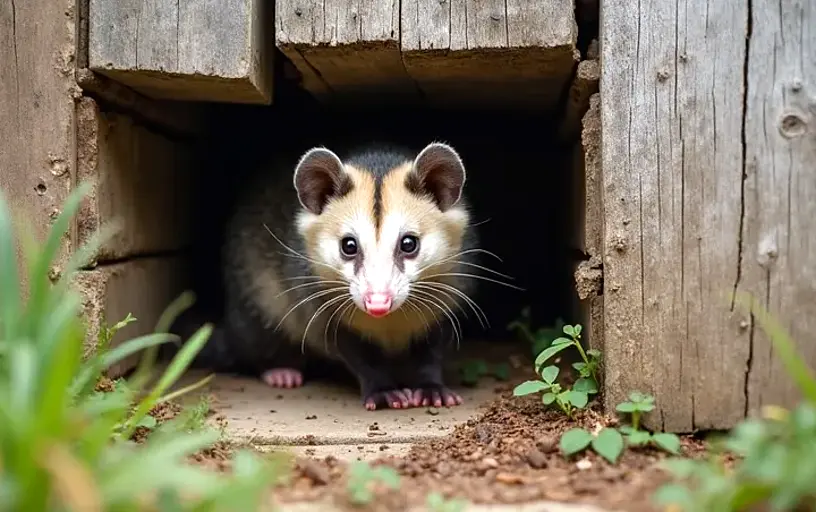
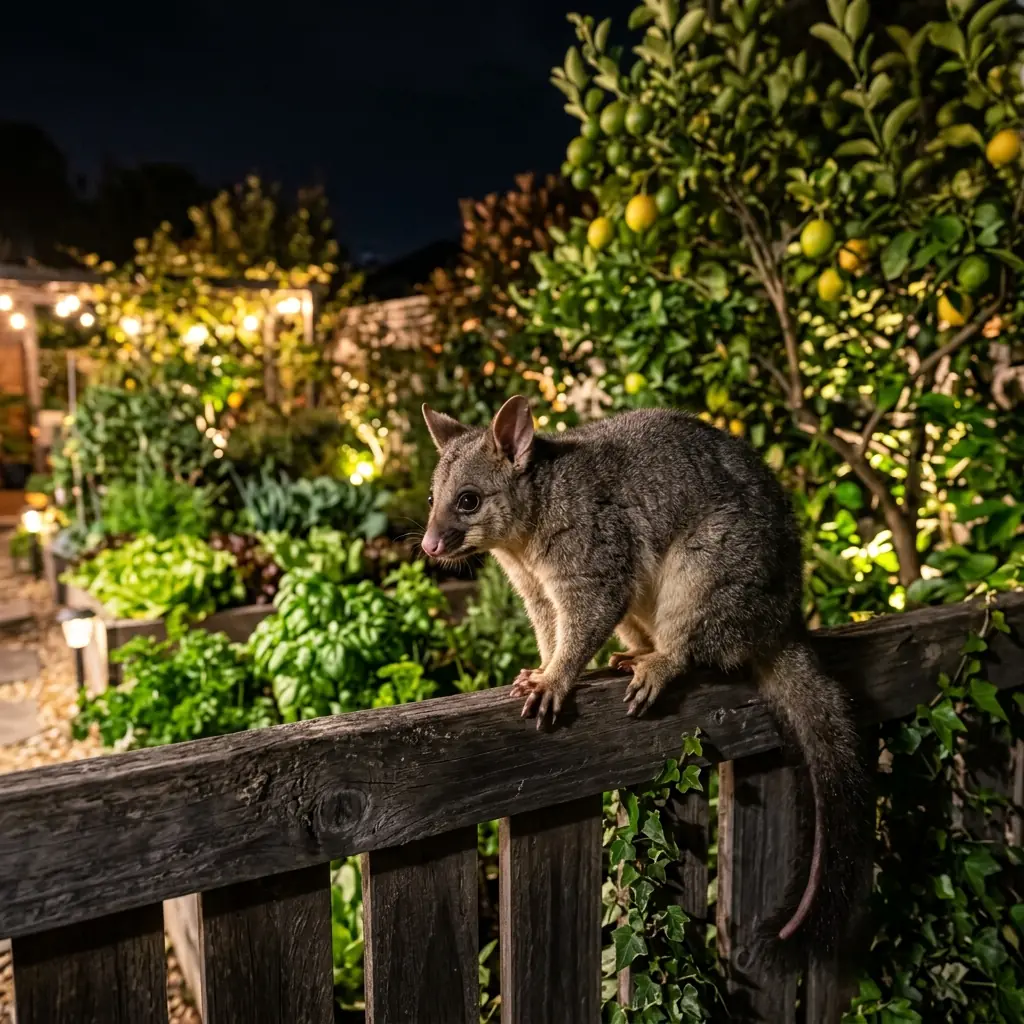
A garden full of half-eaten fruit, trampled flower beds, and mysteriously vanishing vegetables is a familiar frustration for many Brisbane homeowners, and more often than not, the culprit is a possum making nightly visits. While possums are a protected native species and play a genuine role in the local ecosystem, that doesn't make it any less annoying to watch months of gardening effort disappear overnight.
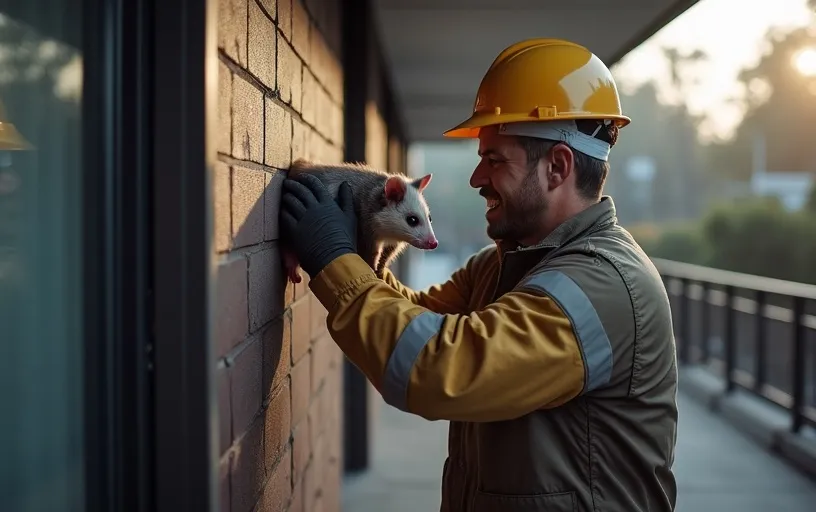
The good news is that you don't need to harm possums to remove possums from garden spaces and keep them from coming back. At Fresho Possum Removal Brisbane, we help homeowners across the region protect their gardens humanely and properly. In this guide, we'll walk through practical, humane strategies to keep possums out of your garden, along with answers to the questions we're asked most often.
Understanding Why Possums Target Gardens
Possums are opportunistic foragers, and a well-tended garden with fruit trees, vegetable patches, and flowering plants is essentially an open buffet. Ringtail possums in particular tend to nest in dense shrubs and trees close to gardens, giving them easy, low-effort access to food sources right outside their nest.
Understanding what draws possums to your garden in the first place is the key to properly removing them and keeping the problem from recurring, since simply chasing one possum away often just leaves the same appealing food source open to the next one.
Identify What's Attracting Them
- Ripe or fallen fruit left on trees or on the ground
- Unprotected vegetable gardens, particularly leafy greens
- Flowering plants and rose buds, a favourite snack for many possums
- Pet food left outside overnight
- Compost bins that aren't properly secured
- Dense shrubs or trees offering easy shelter close to the garden
Use Natural Scent Deterrents
Possums have a strong sense of smell, and certain scents are known to discourage them from lingering in a garden. Commonly used natural deterrents include eucalyptus oil, garlic, chilli spray, and camphor. These can be applied to cloth rags placed around vulnerable garden beds, or sprayed directly onto foliage, though they'll need reapplying regularly, particularly after rain.
Try Motion-Activated Sprinklers and Lights
Motion-activated sprinklers are among the more consistently dependable deterrents for garden protection, since the sudden burst of water genuinely startles possums and discourages them from returning to that specific area. Motion-activated lights offer a similar, though generally milder, deterrent effect and work particularly well when combined with other measures.
Net Vulnerable Plants and Trees
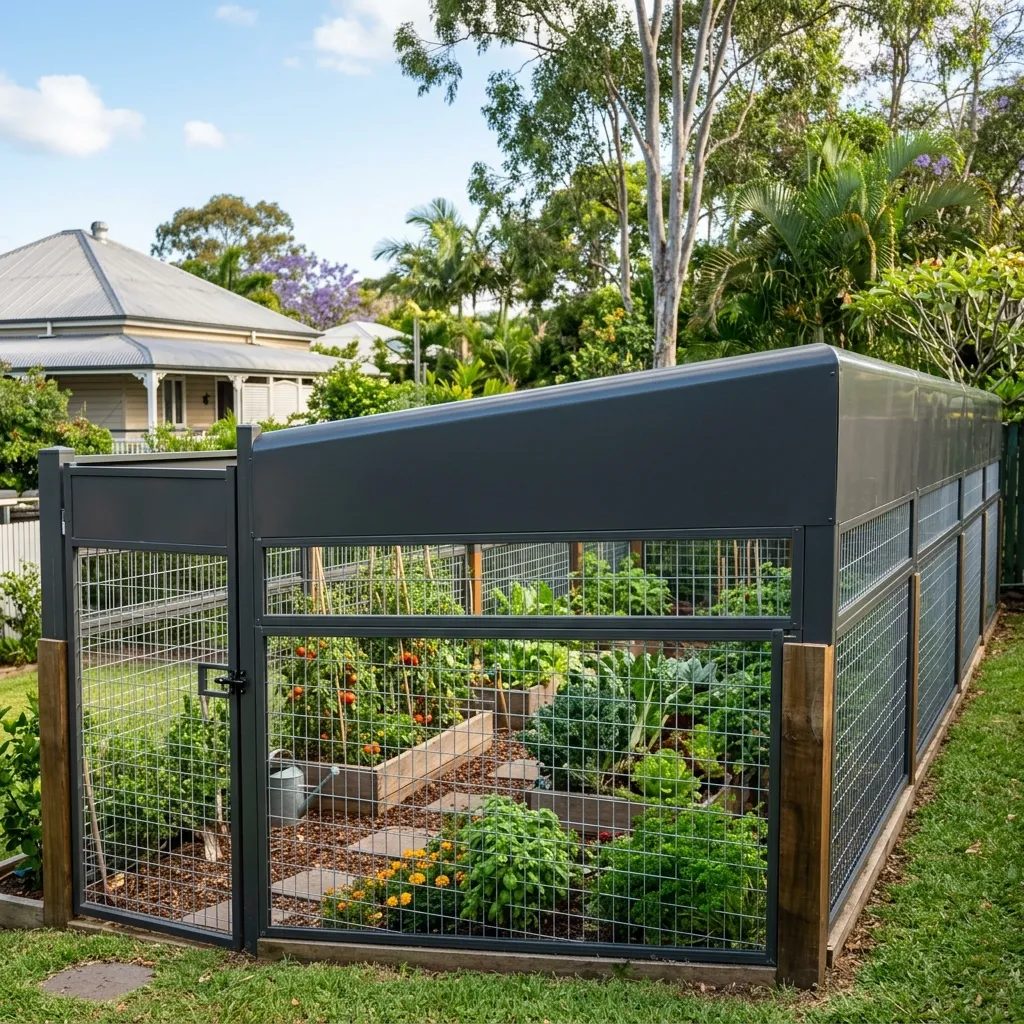
Physical barriers remain one of the most dependable ways to protect specific plants. Animal-safe netting draped over fruit trees and vegetable beds during growing season can prevent possums from accessing the food entirely, without any risk of harm to the animal. Make sure netting is taut and doesn't leave gaps large enough for a possum to become tangled in.
Choose Possum-Resistant Plants
If certain areas of your garden are repeatedly targeted, consider planting species that possums tend to avoid, such as lavender, rosemary, and other strongly scented herbs, alongside your more vulnerable plants. While no plant is entirely possum-proof, incorporating naturally less appealing species can help reduce overall damage across the garden.
Secure Food Sources
- Pick ripe fruit promptly rather than letting it fall and rot
- Bring pet food inside overnight
- Use a secured, animal-proof compost bin
- Store rubbish bins with tightly fitted lids
Trim Back Overhanging Branches
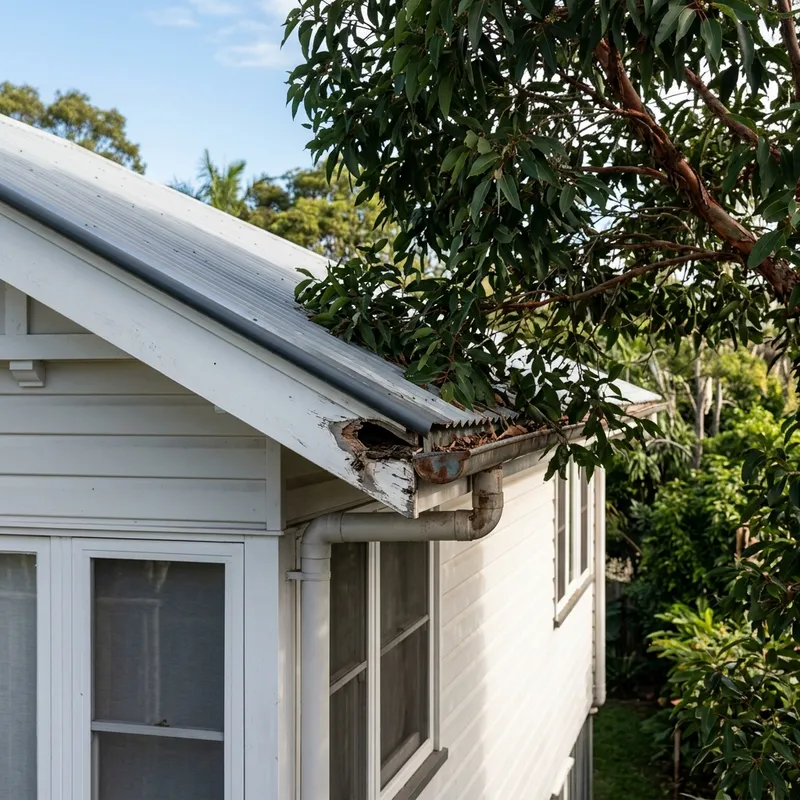
Possums are excellent climbers, and overhanging branches often provide a direct, easy route into garden beds and onto nearby structures. Trimming back branches that touch fences, sheds, or garden beds removes one of the simplest access points and can significantly reduce nighttime visits.
For a full rundown of additional deterrent options, see our guide on Best Possum Deterrents for Homeowners, which covers everything from scent sprays to possum boxes.
Frequently Asked Questions
1. What attracts possums to a garden?
Fruit trees, vegetable gardens, flowering plants, unsecured compost, and pet food left outside are the most common attractants, along with dense shrubs or trees that offer easy shelter nearby.
2. How do I keep possums away naturally?
Natural deterrents include scent-based sprays like garlic, chilli, and eucalyptus oil, motion-activated sprinklers, netting vulnerable plants, and removing accessible food sources such as fallen fruit and unsecured compost.
3. What smells do possums hate?
Possums tend to dislike strong scents such as garlic, chilli, eucalyptus oil, camphor, and strongly aromatic herbs like lavender and rosemary.
4. Are possums protected in Australia?
Yes, both brushtail and ringtail possums are protected native species under animal conservation legislation, meaning it is prohibited to harm, poison, or relocate them without using approved procedures.
5. Is it permitted to remove possums from my property?
You can deter possums using humane methods, but trapping and relocating them requires specific permits and must use strict distance and welfare rules, which is why professional removal is often the safest and most appropriate option.
6. Do possum repellents really work?
Commercial repellents can offer mild, short-term deterrence, but they rarely provide an enduring solution on their own. Combining repellents with physical barriers and exclusion tends to deliver far more consistent results.
7. How do I stop possums from eating my plants?
Netting vulnerable plants, using motion-activated sprinklers, applying scent deterrents, and choosing possum-resistant species for high-risk garden areas are all dependable ways to reduce plant damage.
8. What plants do possums avoid?
Possums generally avoid strongly scented plants such as lavender, rosemary, geraniums, and citronella, though preferences can vary between individual animals and available food sources.
9. How can I stop possums from entering my garden at night?
A combination of motion-activated lighting or sprinklers, secured food sources, trimmed overhanging branches, and scent deterrents around entry points can significantly reduce nighttime garden visits.
10. When should I call a professional possum removal service?
If possums are causing significant, repeated damage, have taken up residence in your roof, or your own deterrent efforts haven't worked after a few weeks, it's time to call a professional for a thorough, humane assessment and solution.
Seasonal Timing for Garden Protection
Possum activity in gardens often increases during fruiting season and the cooler months when natural food sources in the wider environment become scarcer. Being proactive with netting and deterrents just before fruit trees ripen, rather than reacting after damage has already occurred, tends to produce noticeably better results across the growing season.
Working With, Not Against, Local Animals
It's worth remembering that possums are simply using their natural instincts, and a garden that repeatedly attracts them is, in a sense, doing its job a little too well. Framing garden protection as redirecting possums toward more appropriate food sources, rather than punishing them for foraging, tends to lead to more humane, sustainable long-term solutions for both the garden and the local possum population.
Combining Strategies for Long-Term Results
No single deterrent tends to work perfectly on its own, since possums are adaptable and can become accustomed to a single repeated stimulus over time. The most dependable gardens we see combine several approaches at once, netting vulnerable plants, securing food sources, using motion-activated sprinklers, and reinforcing with scent deterrents, creating a layered defence that's far harder for a possum to work around.
Involving the Whole Household
Garden protection tends to work best when everyone in the household is on the same page, since a single unsecured pet food bowl or unpicked piece of fruit can undo otherwise consistent deterrent efforts. Simple habits, like bringing outdoor pet bowls in each evening and checking fruit trees regularly during ripening season, make a noticeable difference when maintained consistently by everyone using the outdoor space.
When to Call in the Professionals
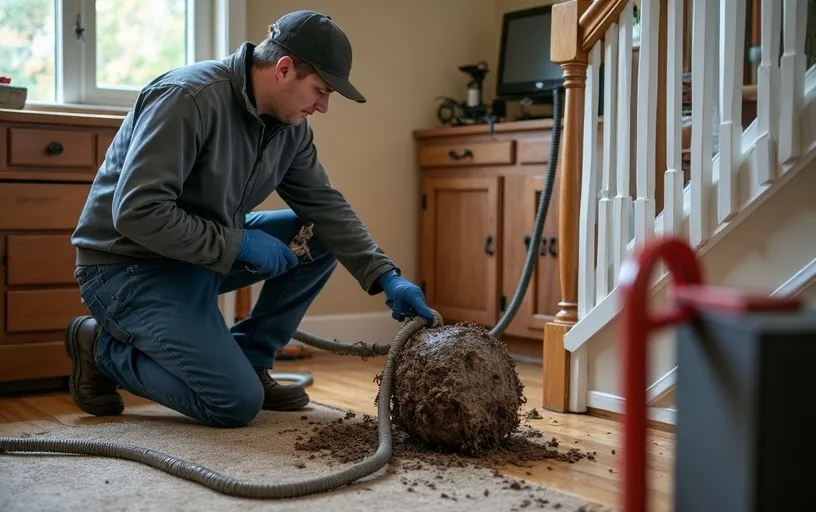
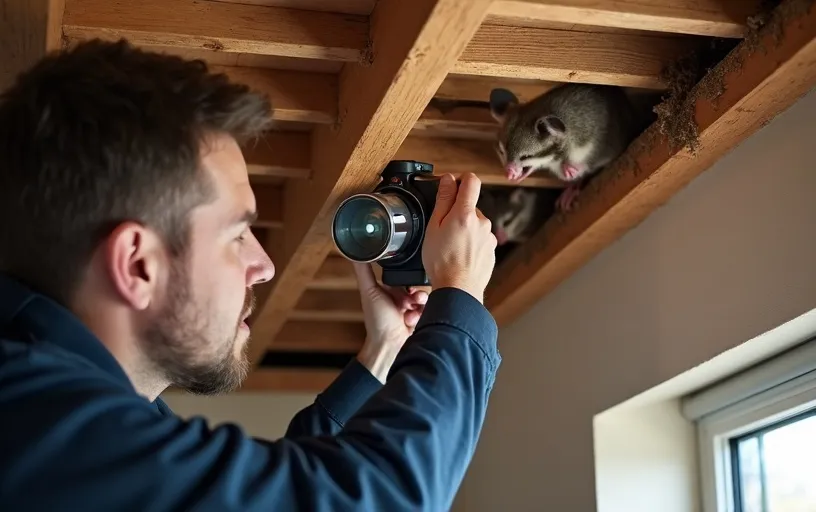
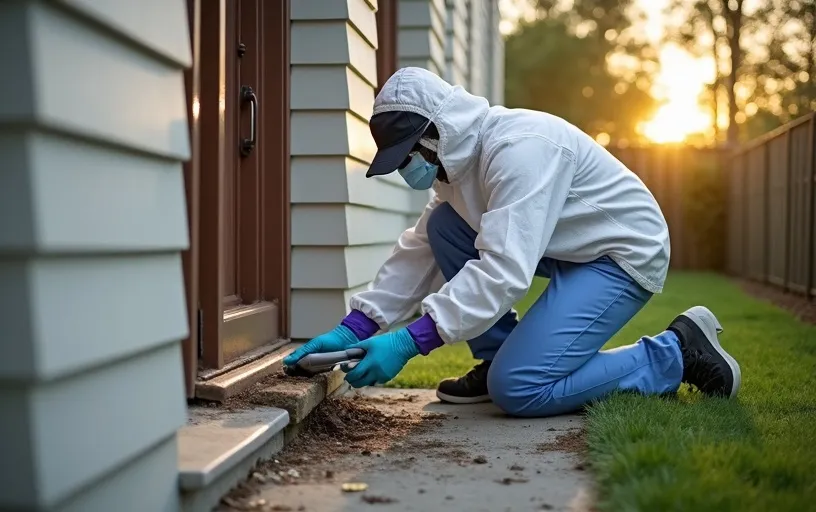
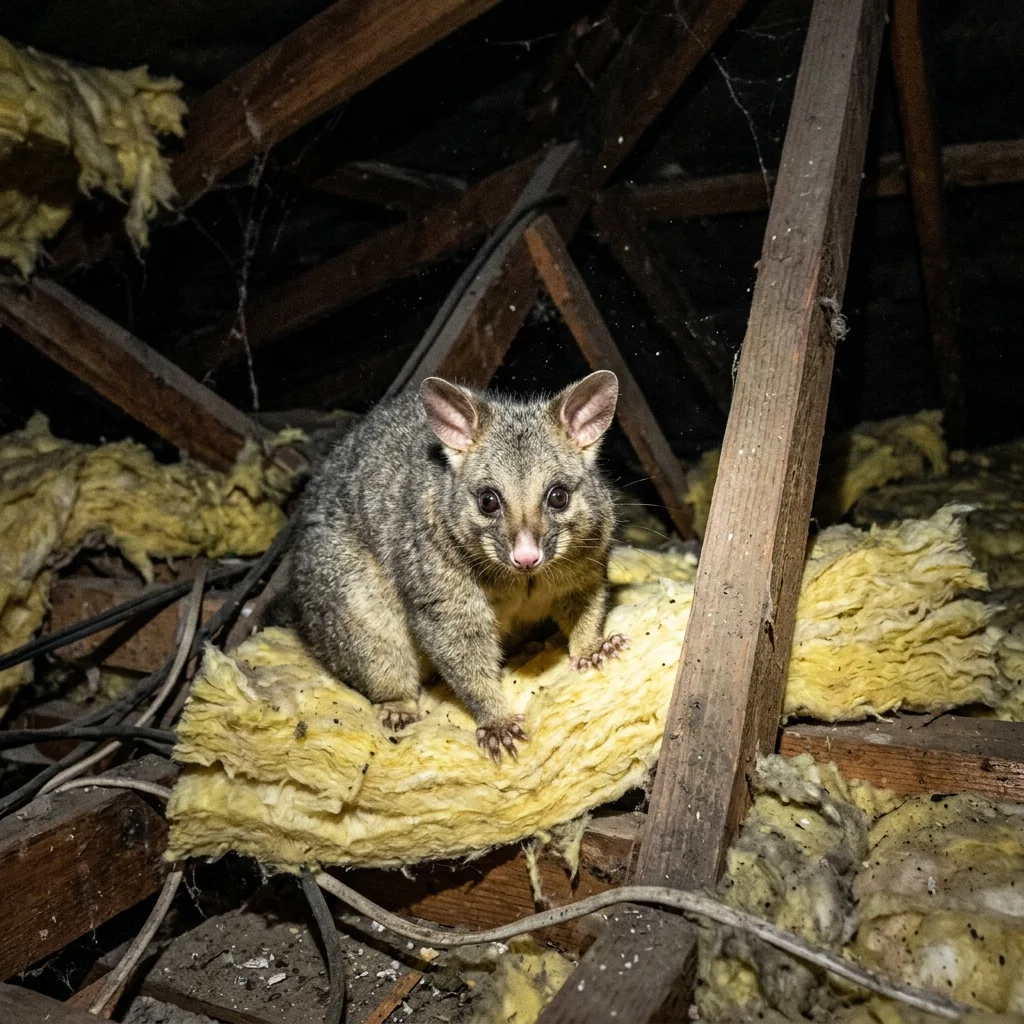
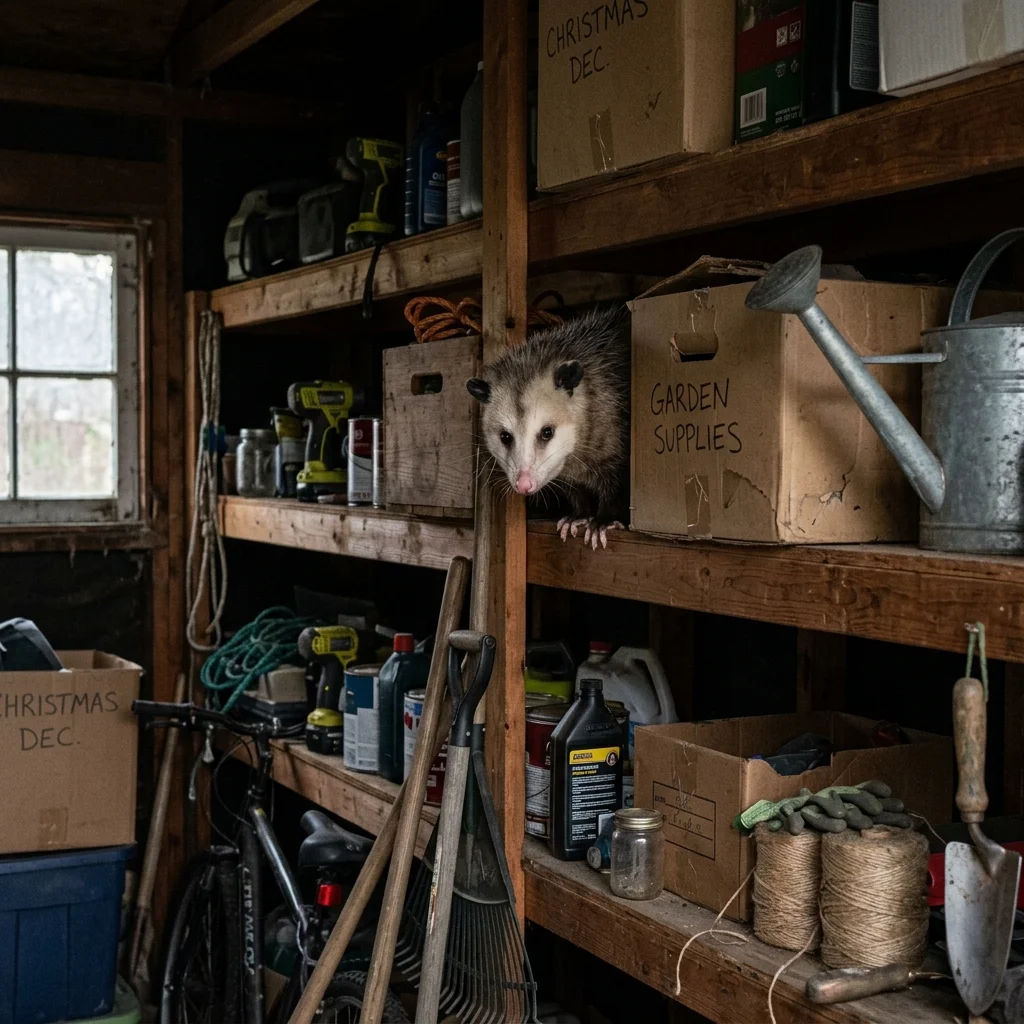
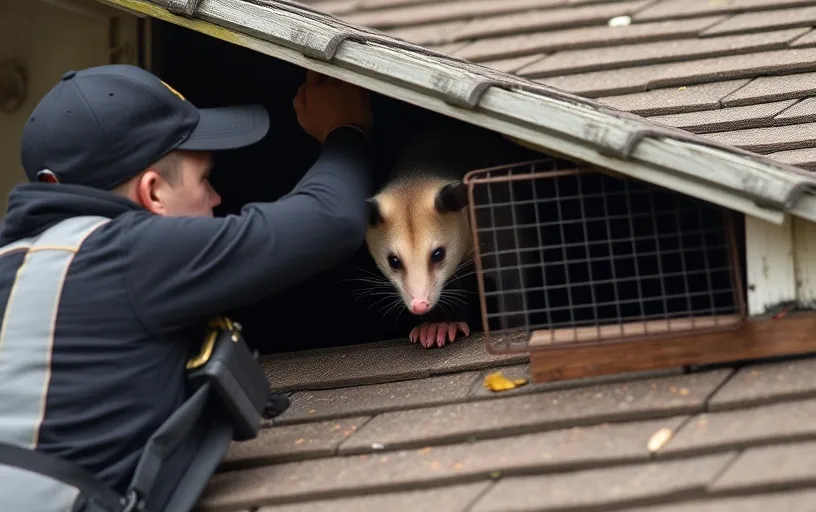
If your garden continues to suffer despite consistent effort, or if you suspect a possum has also taken up residence in your roof or shed, it's time to bring in a professional. At Fresho Possum Removal Brisbane, our team offers humane and proper possum management, from garden protection advice through to full roof exclusion work, tailored to your specific property.
Final Thoughts
Keeping possums out of your garden doesn't require harming these protected native animals. A combination of netting, scent deterrents, motion-activated devices, and removing easy food sources can go a long way toward protecting your plants without conflict. When these steps aren't enough, professional help is always available. If possums keep getting the better of your garden, contact Fresho Possum Removal Brisbane today for a humane, dependable, and enduring solution.