Possum in the Wall: What to Do and Who to Call
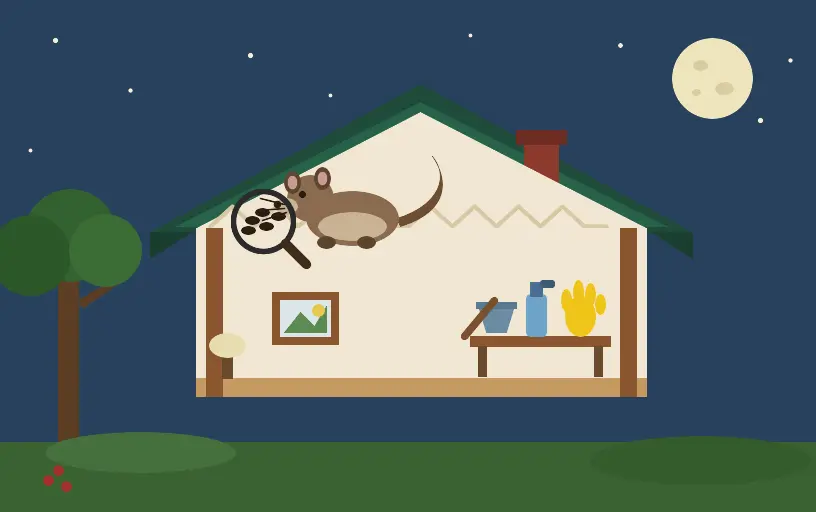
Hearing strange noises coming from inside your walls is deeply unsettling. Unlike a roof cavity, which is relatively open and accessible, a wall cavity is a narrow, confined space enclosed by timber studs and plasterboard. If you hear persistent scratching, clawing, or heavy sliding sounds coming from a vertical wall, it is highly likely that a possum has entered the cavity.
A possum in the wall presents a unique set of challenges. In many cases, the animal did not choose to nest there; instead, it fell down from the ceiling space and became trapped due to the smooth, narrow surface of the wall studs. Understanding how to assess the situation, locate the animal, and take safe, methodical action is critical to resolving the problem before the animal becomes distressed or perishes inside your wall.
How Do Possums Get into Walls?
Most homes are built with wall cavities that connect directly to the ceiling space or roof void. The top plate of a wall frame often has gaps around plumbing pipes, electrical wiring, or structural supports. If a possum is nesting in your ceiling and crawls near these openings, it can easily slip and fall down the vertical void between the plasterboard and the exterior cladding.
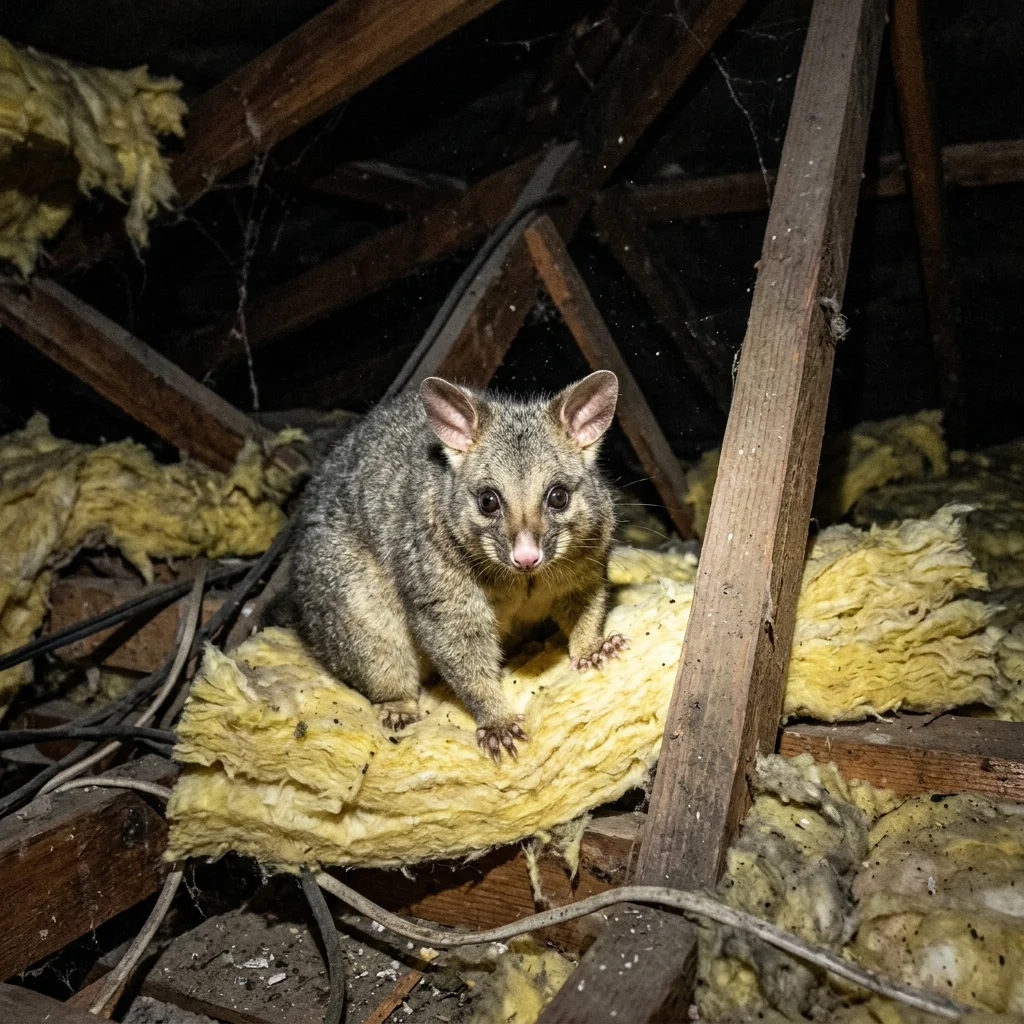
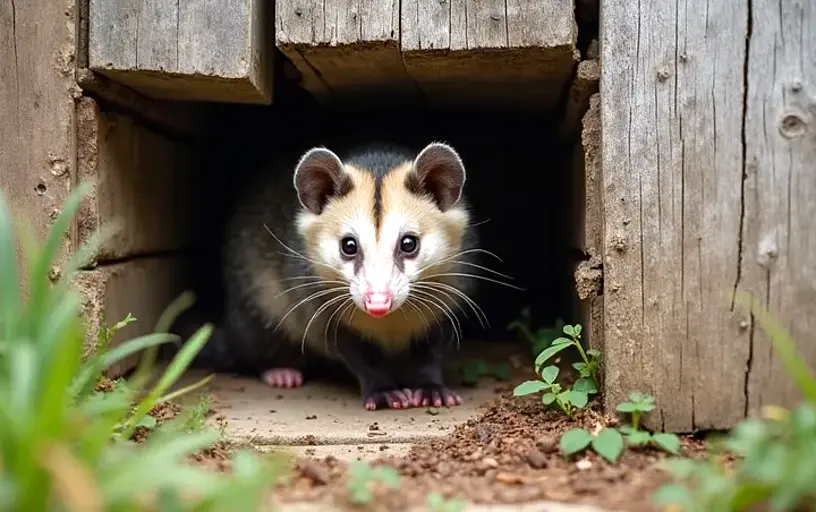
Because plasterboard and timber studs are smooth and dry, adult possums - particularly heavier Brushtails - often cannot climb back up the narrow void. They become trapped at the bottom of the wall, resting on the horizontal bottom plate near your floorboards. This is why scratch marks and noises are usually strongest near the base of the wall.
Step 1: Assess if the Possum is Trapped or Nesting
The first step is to determine whether the possum is trapped or simply using the wall cavity as a temporary nest. Listen closely to the noises during the day and night:
Signs of a Trapped Possum: Continuous, frantic scratching, clawing, and thumping sounds that occur during the day as well as at night. You may also hear vocalizations such as hissing or low growls. A trapped animal will quickly become exhausted, and the noises will weaken over 48 to 72 hours as dehydration sets in.
Signs of a Nesting Possum: Noises that only occur at dusk (when the animal wakes up and prepares to leave) and dawn (when it returns to sleep). The scratching is less frantic, and you may hear the animal moving up and down the cavity easily. This indicates the possum has found a path that allows it to climb out on its own.
Step 2: Locate the Possum Precisely
If the possum is trapped, you must locate its exact position before attempting retrieval. Do not start cutting holes in your plasterboard blindly. This will cause unnecessary damage to your home and could injure the animal if you cut near its body.
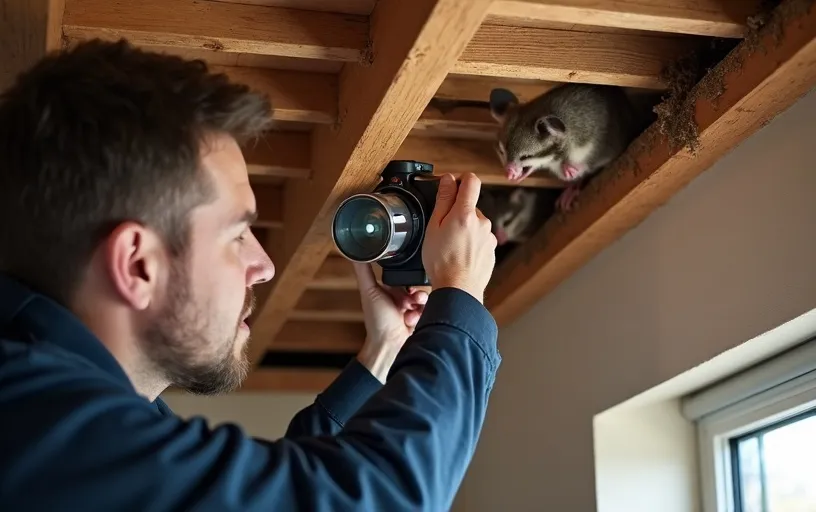
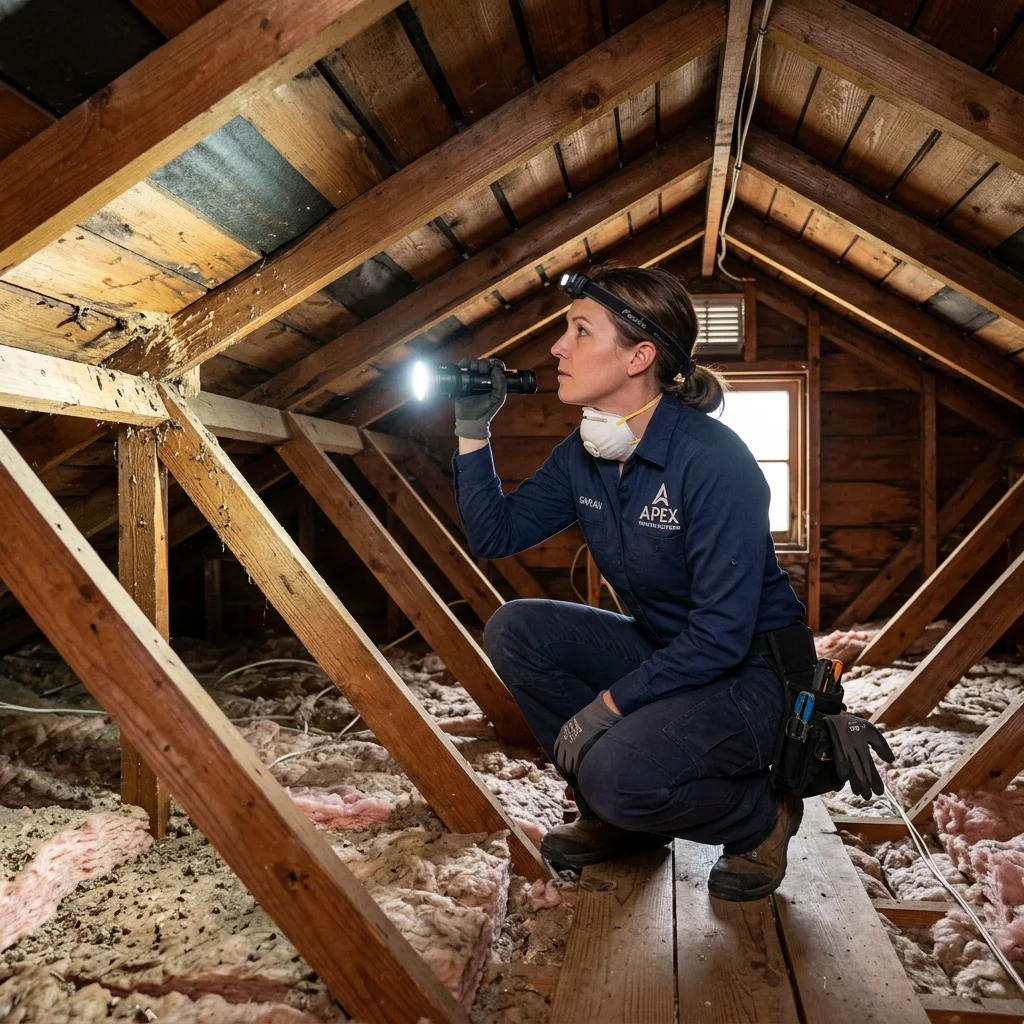
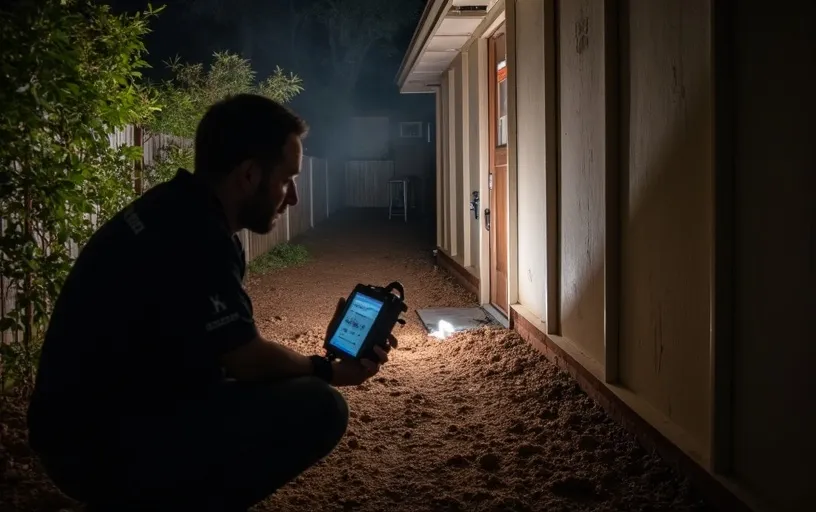
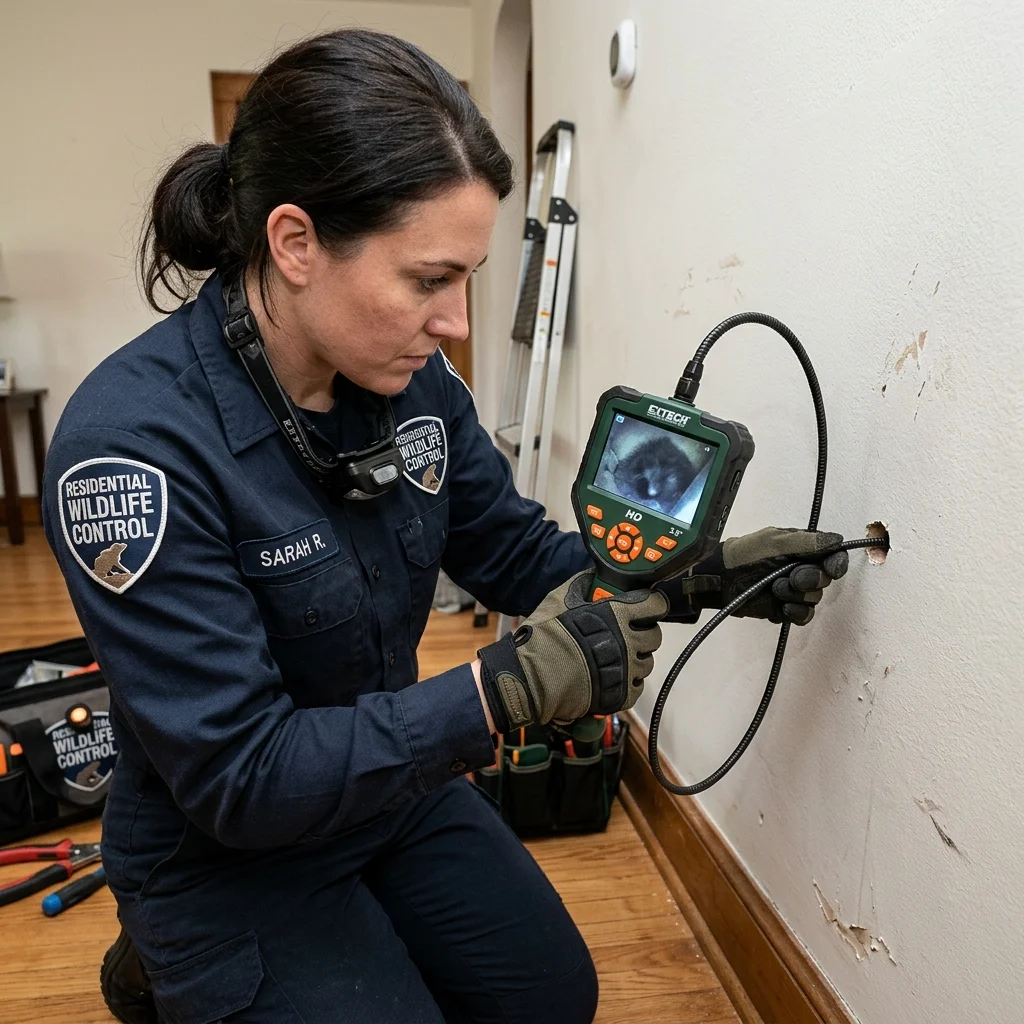
To pinpoint the location, tap gently on the wall with your knuckles. The possum will often react by scratching or growling, helping you identify which wall stud bay it is trapped in. You can also slide your hand along the wall to feel for a warm spot, as the animal's body heat will warm the plasterboard. Professional service providers use thermal imaging cameras and flexible borescope inspection probes to see inside the wall cavity without making large cuts.
Step 3: Creating a Safe Escape Route
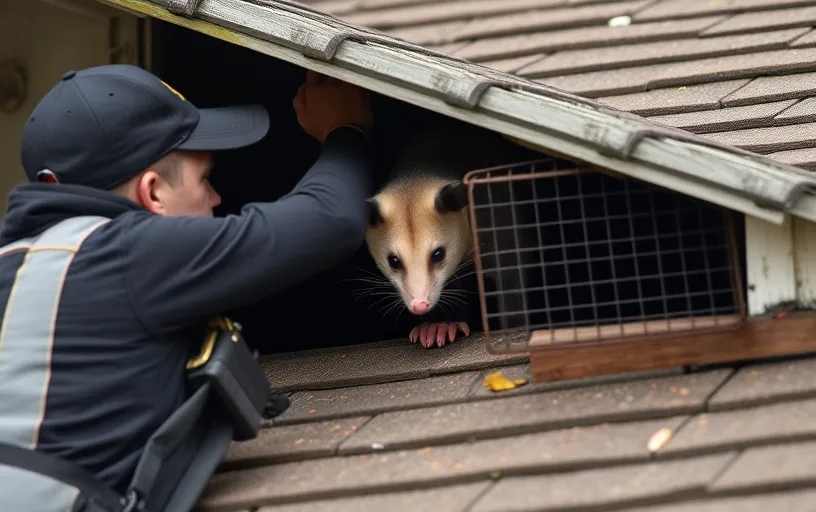
If the possum is nesting and can climb out, you can use the typical roof exclusion method. Wait until night when the animal has left the wall cavity, then seal the entry gap at the top of the wall frame in the ceiling space.
However, if the possum is trapped at the bottom of the wall, you must create an emergency exit. This involves cutting a small access hole in the plasterboard directly above the bottom plate where the animal is resting. Use these safety precautions:
- Turn Off Power: Switch off the mains power to the wall section to avoid cutting near electrical cables.
- Make a Small Cut: Use a hand drywall saw to make a small, neat square cut (about 15cm by 15cm). Do not push the saw blade deep into the cavity to avoid cutting the animal.
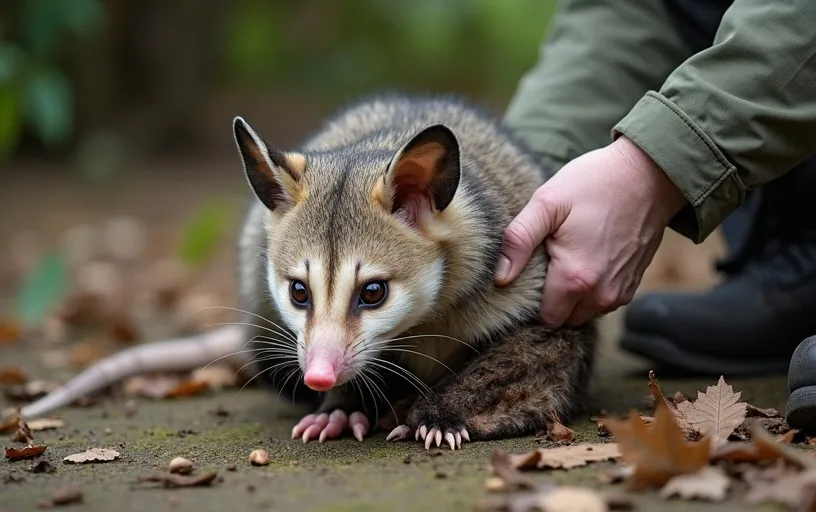
- Provide an Exit Path: Place a secure cardboard box or a pet carrier over the opening immediately after cutting. The stressed animal will seek the dark cover of the box, allowing you to secure it safely without handling the possum directly, which carries a risk of scratches and bites.
Structural Challenges: Load-Bearing vs. Partition Walls
When dealing with wall cavities, it is important to know if you are working with an internal partition wall or an external load-bearing wall. External walls often contain glasswool insulation batts, which can wrap around a falling possum, trapping it even more tightly. This makes retrieval more complex as the insulation must be pulled out along with the animal.
Internal partition walls are usually hollow, allowing the animal to fall all the way to the bottom plate. If you must cut into a wall, make sure to avoid cutting the timber studs themselves. The studs provide structural support for your ceiling and roof. Stick to cutting the plasterboard sheets between the studs, which can be easily patched and painted later.
Hazards of Plumbing and Wiring in Wall Cavities
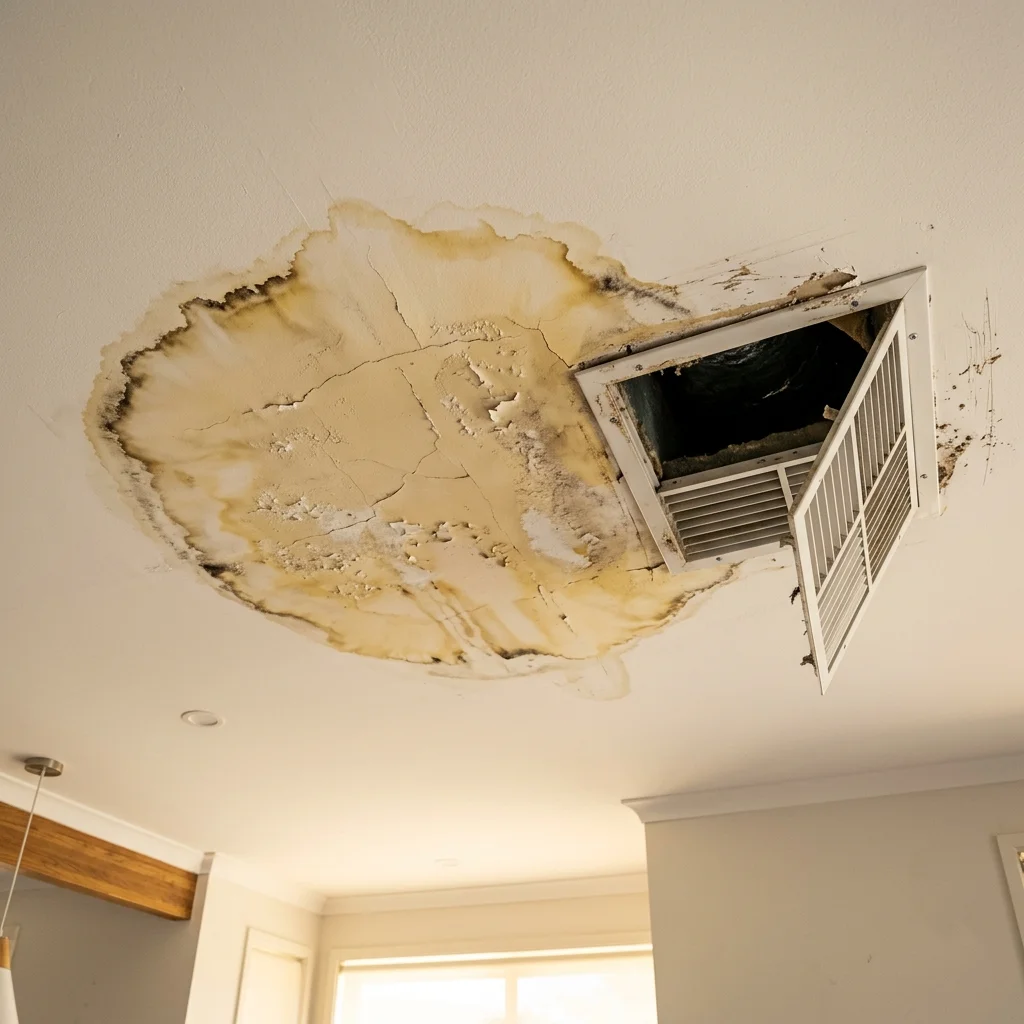
Wall cavities are frequently used to route utilities throughout your home. In addition to electrical cabling, they contain copper and plastic water pipes, as well as sewage vent stacks. A panicked, trapped possum may claw at these installations. Chewed electrical wiring can short-circuit, while clawed plastic water pipes can lead to hidden water leaks behind your drywall, causing mold and rot. Inspecting these services after retrieving the animal is highly recommended.
Who to Call for Help
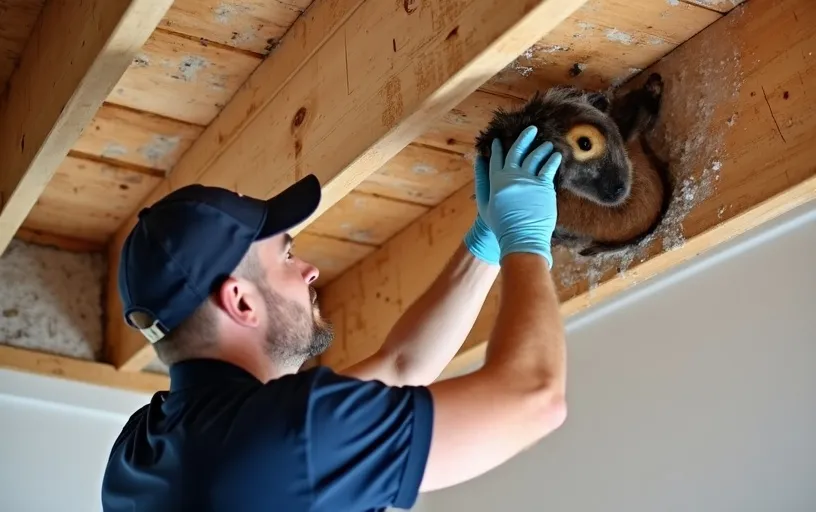
Retrieving a possum from a wall cavity is a difficult task that requires patience, specialized tools, and familiarity with animal handling. If you are uncomfortable cutting into your walls or handling a wild animal, it is best to call a professional animal control specialist. A professional will have the know-how to locate the animal quickly, make minimal cuts, retrieve the animal safely, and repair the structural openings to prevent future occurrences.
Why Urgent Action is Critical
If a trapped possum is left in a wall cavity, it will eventually succumb to dehydration and die. Removing a decaying carcass from a wall cavity is far more difficult and expensive than retrieving a live animal. It requires cutting open the wall, removing contaminated plaster and studs, and dealing with intense odors and fly infestations. Acting within the first 24 hours of hearing noises is the best way to prevent this outcome.