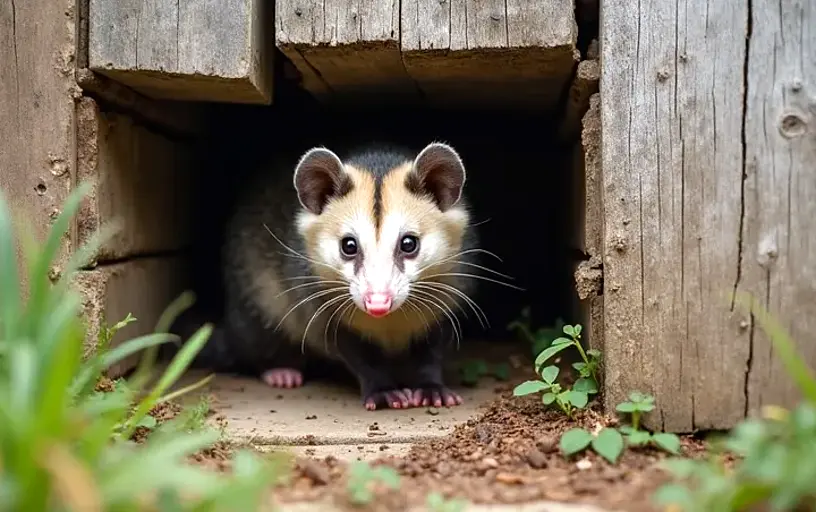
Are Possums Dangerous to Humans and Pets?
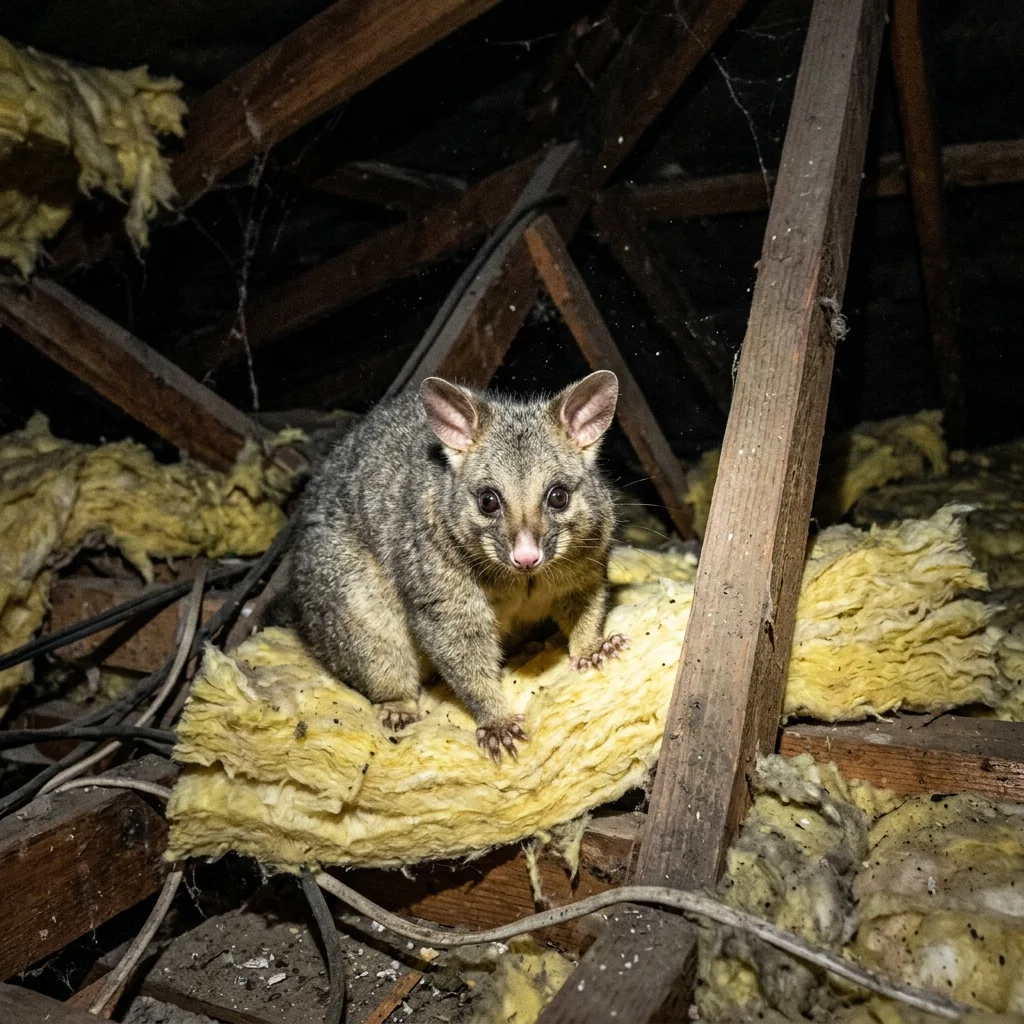
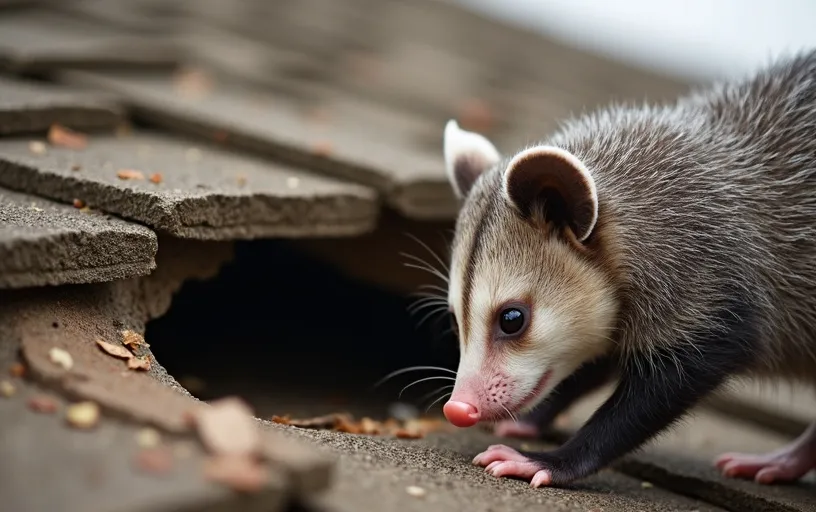
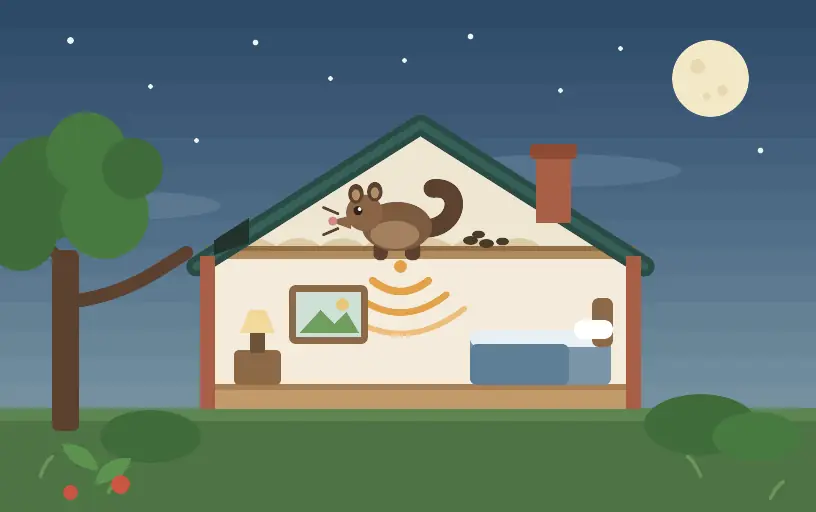
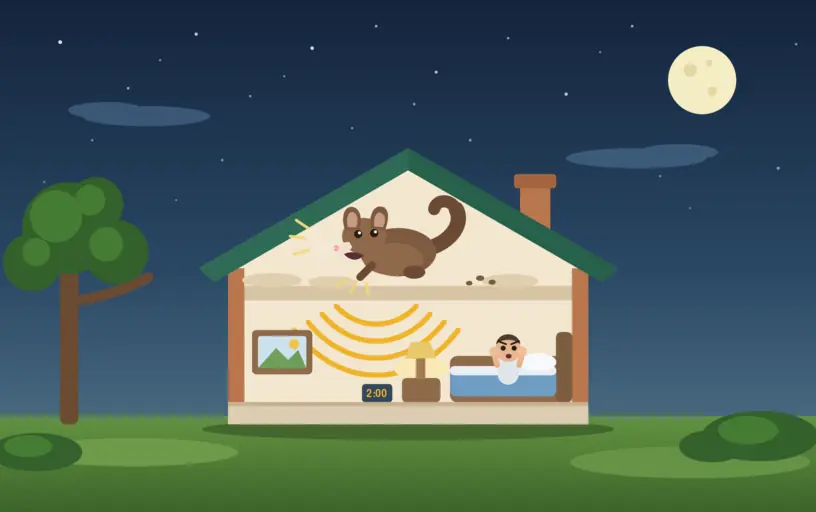
If you live in Brisbane, chances are you have heard the telltale scratching and thumping of a possum moving around your roof cavity after dark. It is one of the most common wildlife encounters for homeowners across South East Queensland, and it usually raises the same worried question: are possums actually dangerous?
The team at Fresho Possum Removal Brisbane fields this question almost every day from families who have just discovered a furry visitor nesting above their bedroom ceiling.
The short answer is that possums are generally shy, non-aggressive animals that would much rather avoid you than confront you. But that does not mean there is nothing to worry about. Between property damage, hygiene concerns, and the small but real chance of a defensive scratch or bite, there are genuine reasons to take a possum problem seriously, especially when pets are involved. This guide walks through exactly what the risks are, what is myth versus fact, and what to do if a possum has moved into your home.
Are Possums Naturally Aggressive Animals?
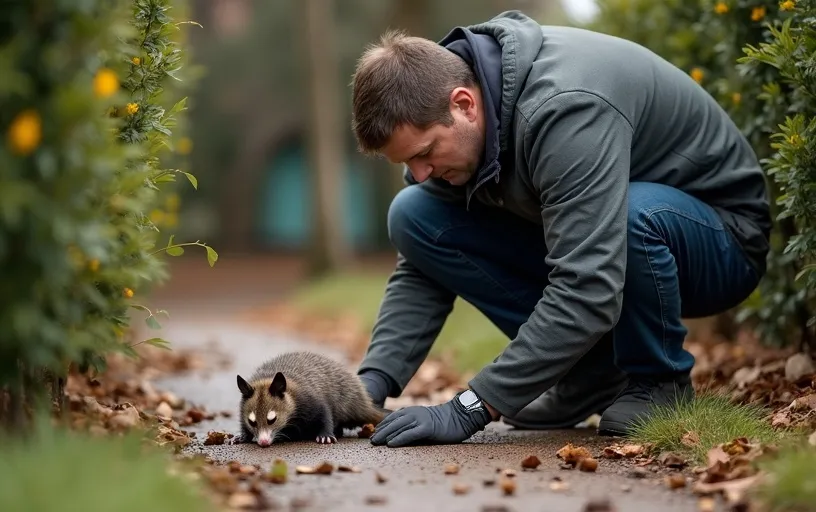
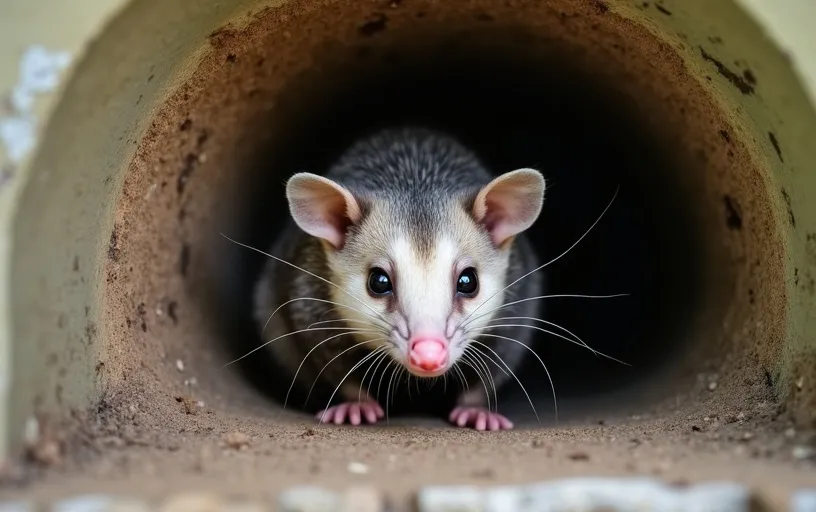
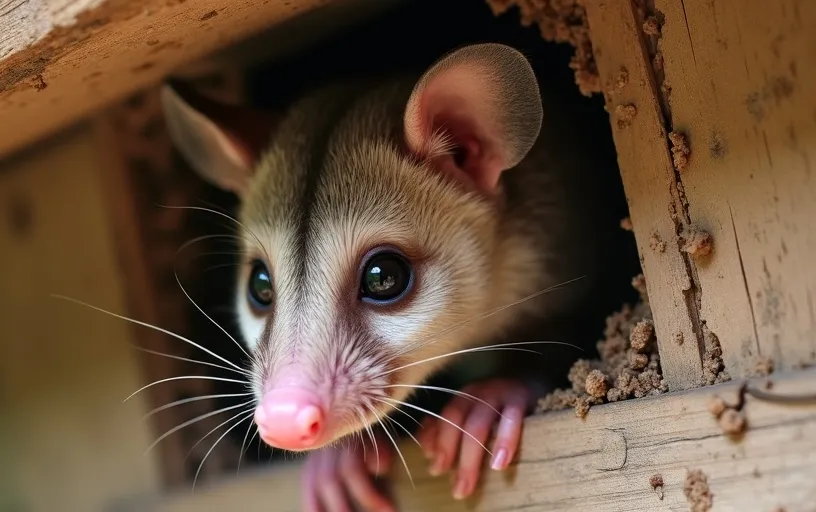
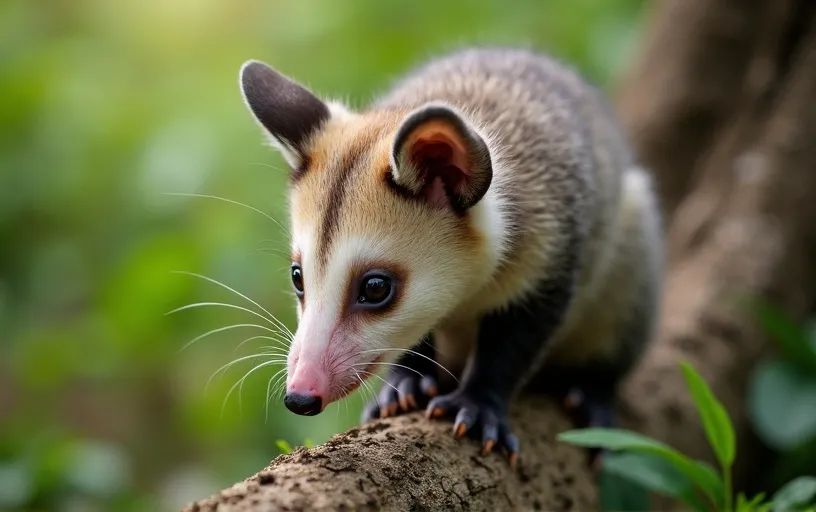
Possums are solitary, nocturnal marsupials, and by nature they are not aggressive towards people. Their instinct when confronted is almost always to freeze, hiss, or flee rather than attack. Most Brisbane residents who share a roof space with a possum will never actually see the animal face to face, let alone be threatened by it. Aggression is rare and typically only shows up in very specific circumstances, such as a mother protecting young in her pouch or back, or an animal that feels genuinely cornered with no escape route.
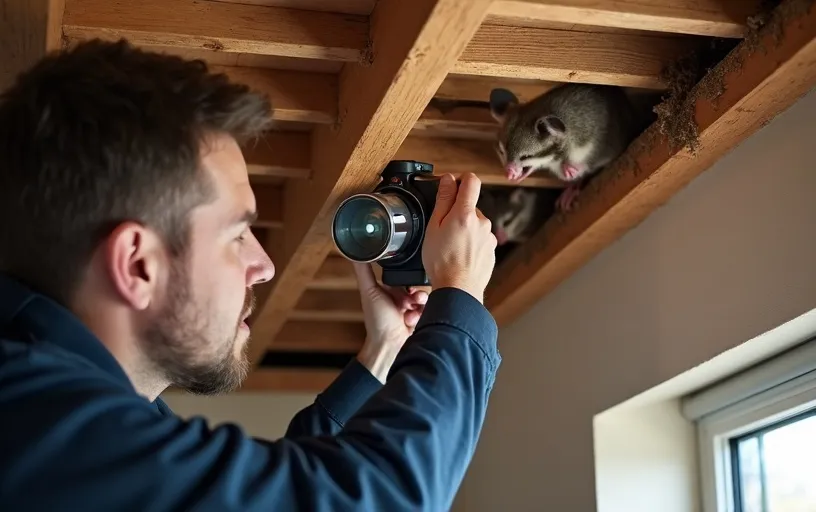
Understanding this baseline behaviour matters because it changes how you should respond. A possum that hisses loudly when you shine a torch into the roof cavity is not planning an attack, it is trying to scare you off so it can slip away. Recognising the difference between a defensive bluff and real danger helps you stay calm and make sensible decisions.
Can Possums Attack Humans?
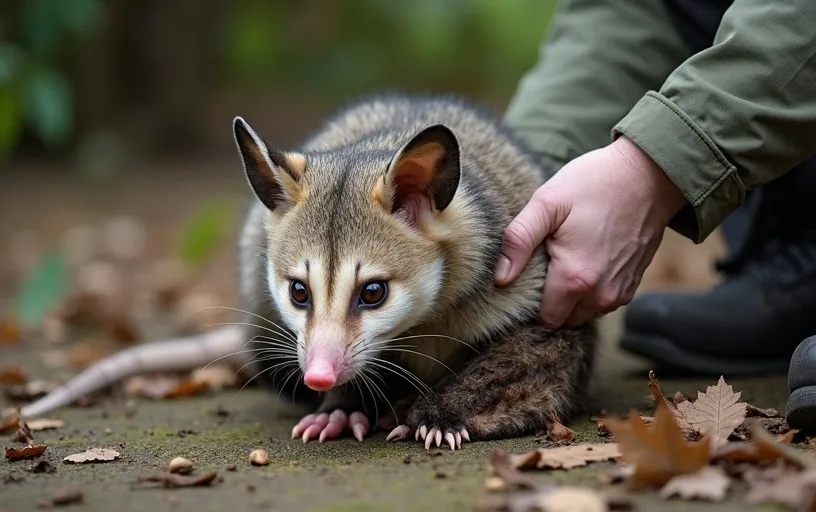
While uncommon, a possum can scratch or bite if it feels trapped, is startled at close range, or is handled directly. Their claws are sharp and designed for climbing, so an accidental scratch during a close encounter can happen, particularly if someone tries to physically move or corner the animal. Bites are rarer still, but a possum's teeth can break skin if it feels it has no other option.
The real-world risk to most households is low because possums avoid human contact whenever they can. The situations where injuries do occur usually involve someone trying to catch, trap, or remove the possum themselves, which is exactly why direct handling is best left to a professional wildlife handler with the right equipment and technique.
Are Possums Dangerous to Dogs and Cats?
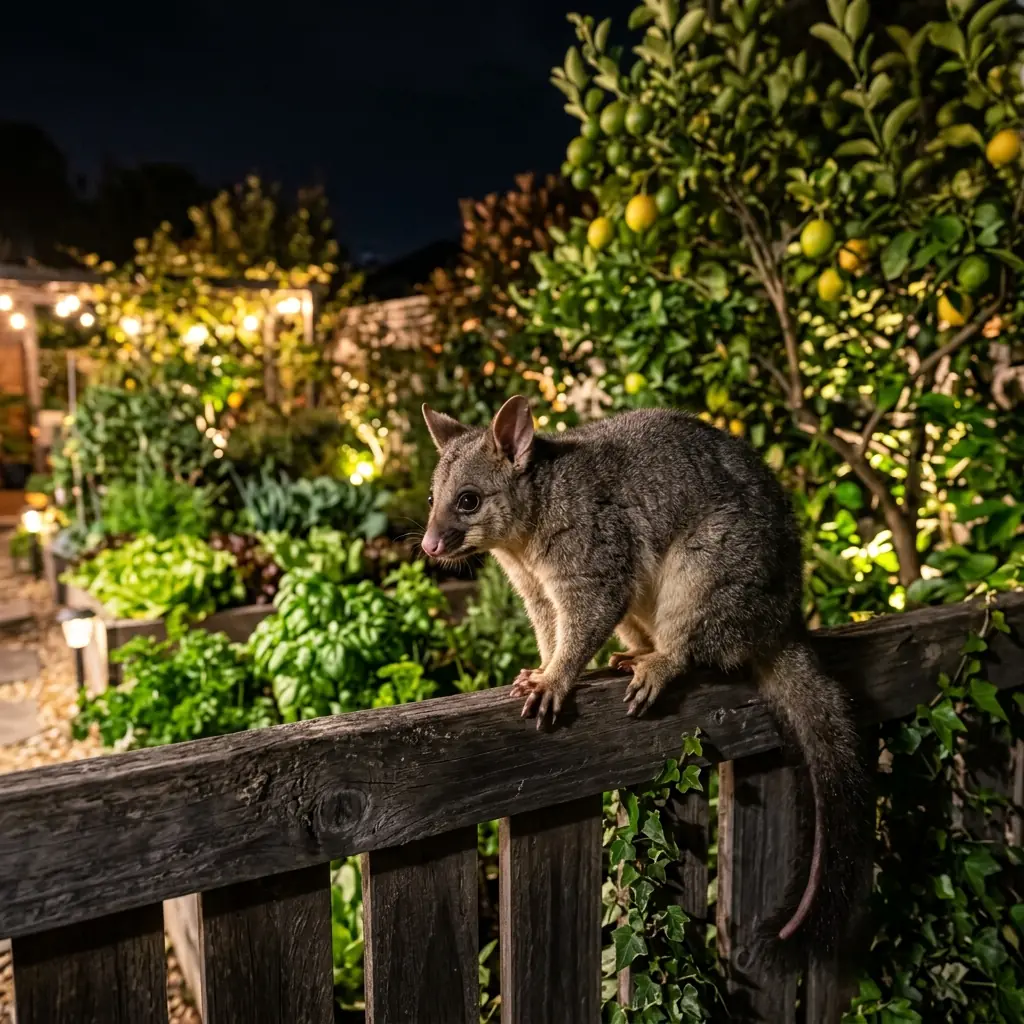
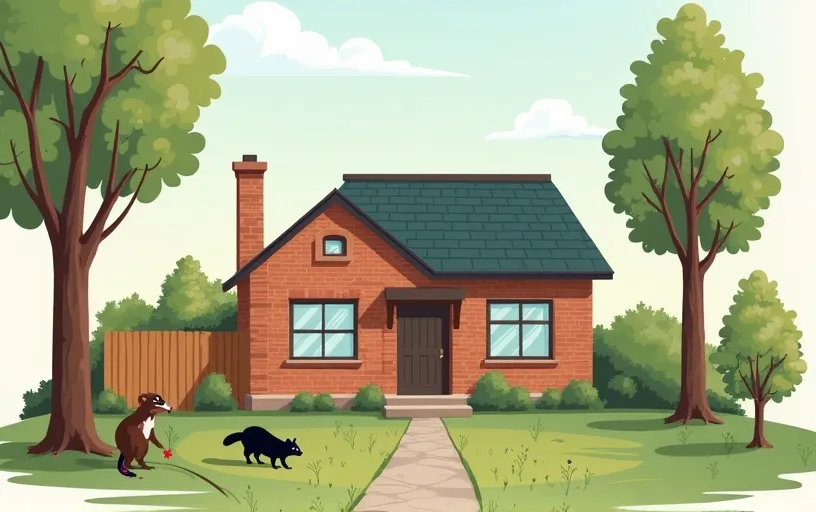
This is where the risk profile changes a little. Dogs in particular are naturally curious and often investigate a possum that has wandered into the backyard, especially around dusk when possums start moving. A cornered possum will defend itself, and a scuffle between a possum and a dog or cat can result in scratches, bites, and the transmission of parasites or bacteria from one animal to the other.
- Backyard encounters: possums foraging on the ground at night are the most common trigger for pet confrontations.
- Territorial disputes: a possum nesting close to a pet's usual sleeping or feeding area may be more likely to feel threatened.
- Injury risk: scratches and bites from a defensive possum can become infected if not treated promptly.
- Disease exposure: shared wounds can pass bacteria between species, so any pet injury from a possum encounter should be checked by a vet.
If your dog or cat has recently tangled with a possum, keep the wound clean, monitor for swelling or discharge, and book a veterinary check as a precaution, even if the injury looks minor at first glance.
Health Risks: Diseases and Parasites Possums Can Carry
Beyond direct physical contact, possums can carry ticks, fleas, mites, and intestinal parasites that pose a risk to both people and pets if the animal is living in close proximity, such as inside a roof cavity or wall space. Possum droppings and urine can also harbour bacteria, and prolonged exposure in an enclosed roof space is not something you want lingering above your bedroom.
We have written a more detailed look at these hazards in The Hidden Health Risks of Possums in Your Home, which breaks down the specific bacteria and airborne risks a possum infestation can create.
If anyone in your household has a compromised immune system, young children, or pets who spend a lot of time outdoors, it is worth having a possum problem assessed sooner rather than later.
Possum Droppings and Urine: A Hidden Hazard
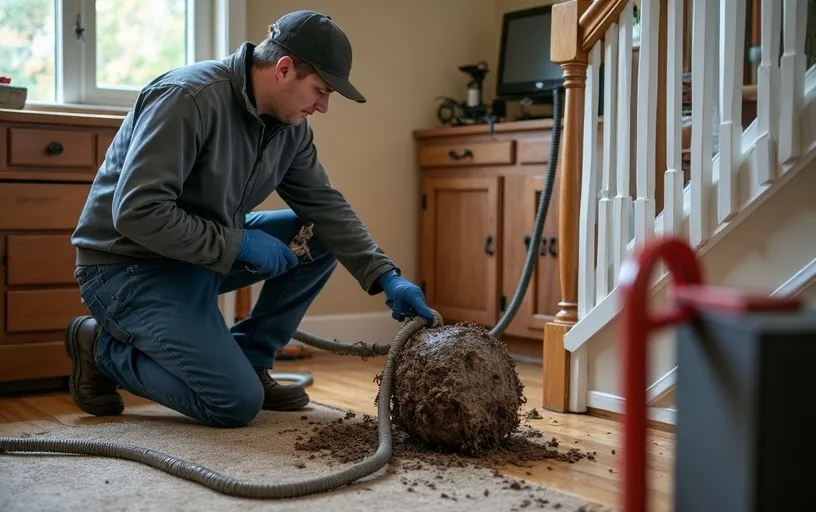
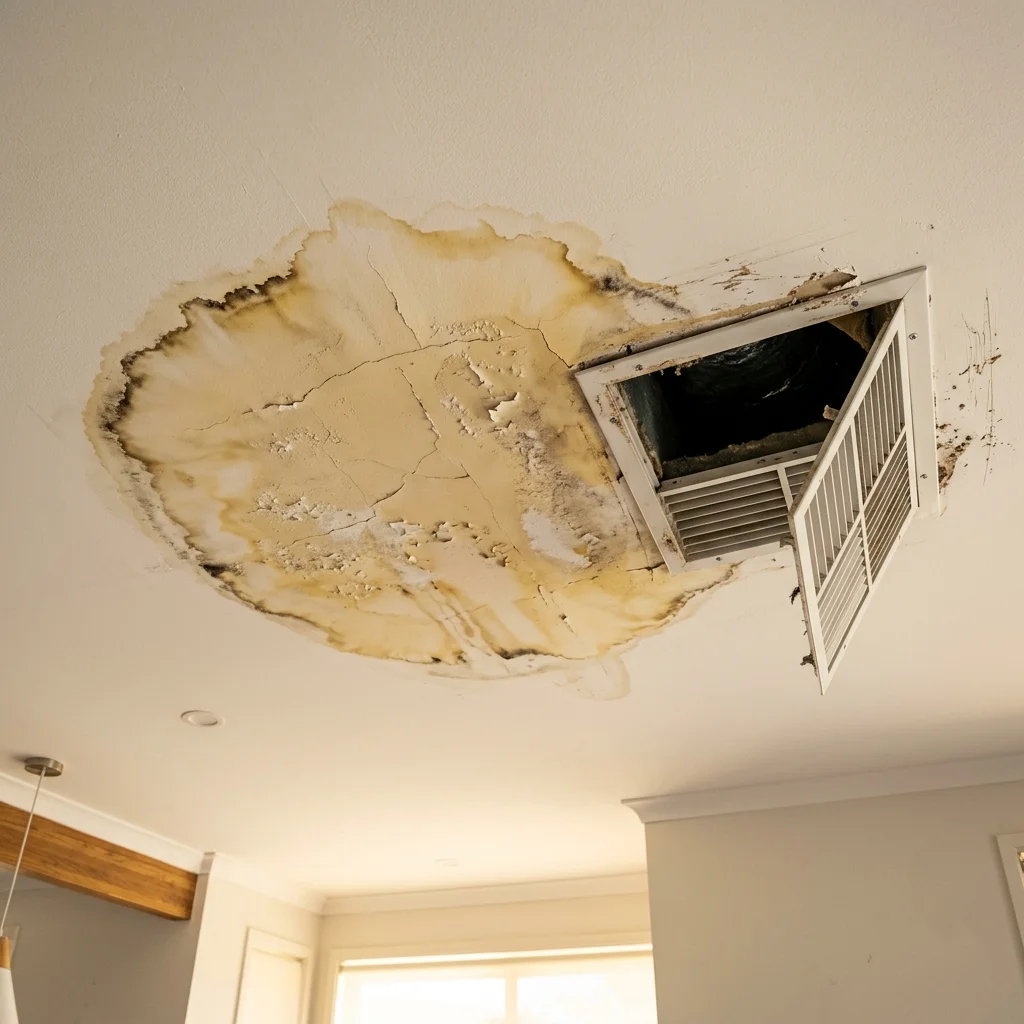
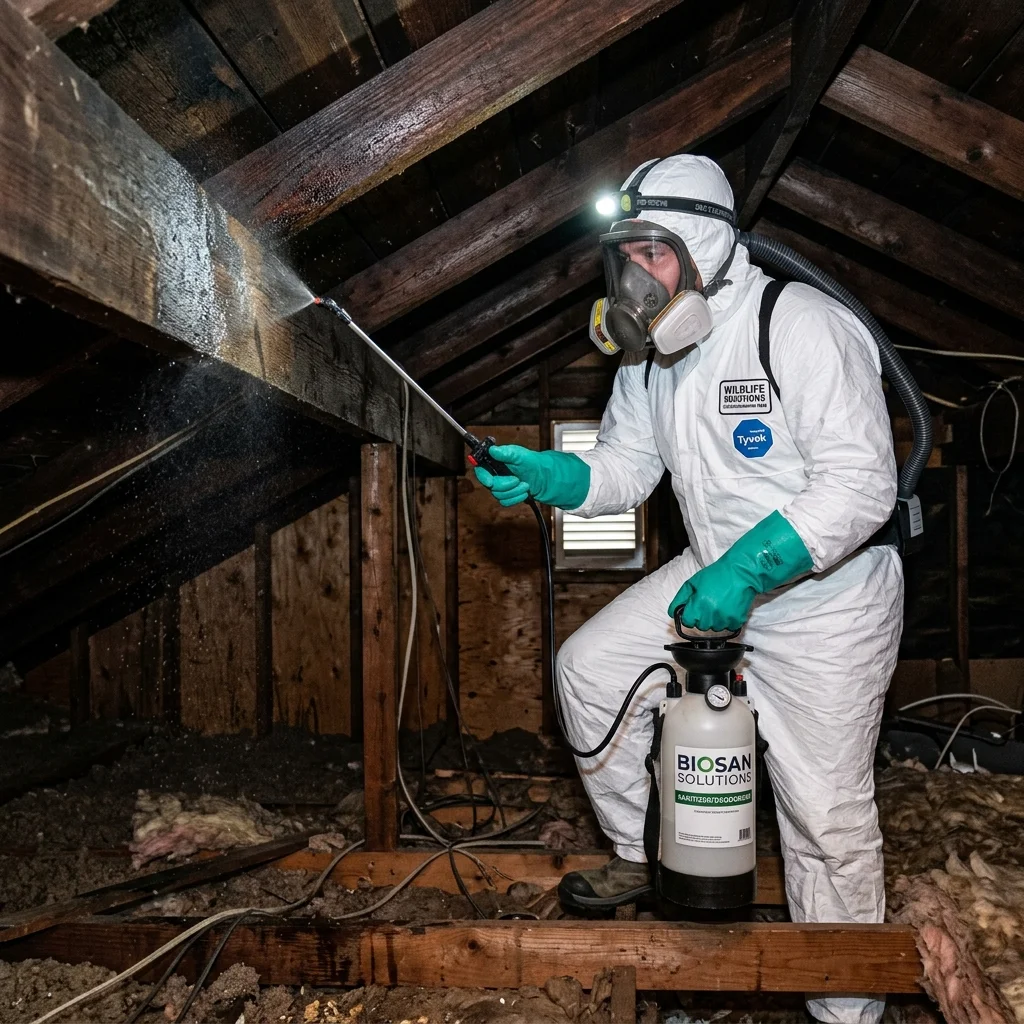
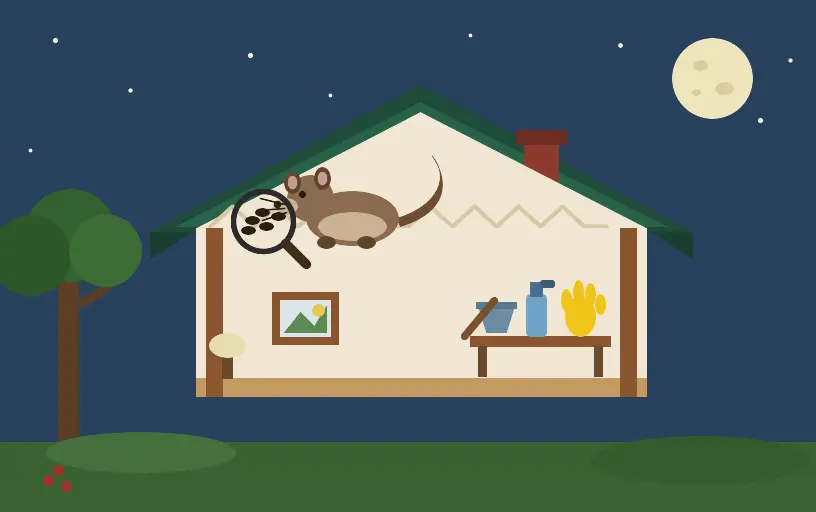
One of the least talked about but most persistent issues with a roof possum is the accumulation of droppings and urine over time. Ceiling stains, a strong ammonia smell, and insulation soaked with waste are all common in long-term infestations. This is not just unpleasant, it is a genuine hygiene issue that can affect indoor air, especially in Brisbane's humid climate where moisture and warmth accelerate bacterial growth.
What to Do If You Encounter a Possum
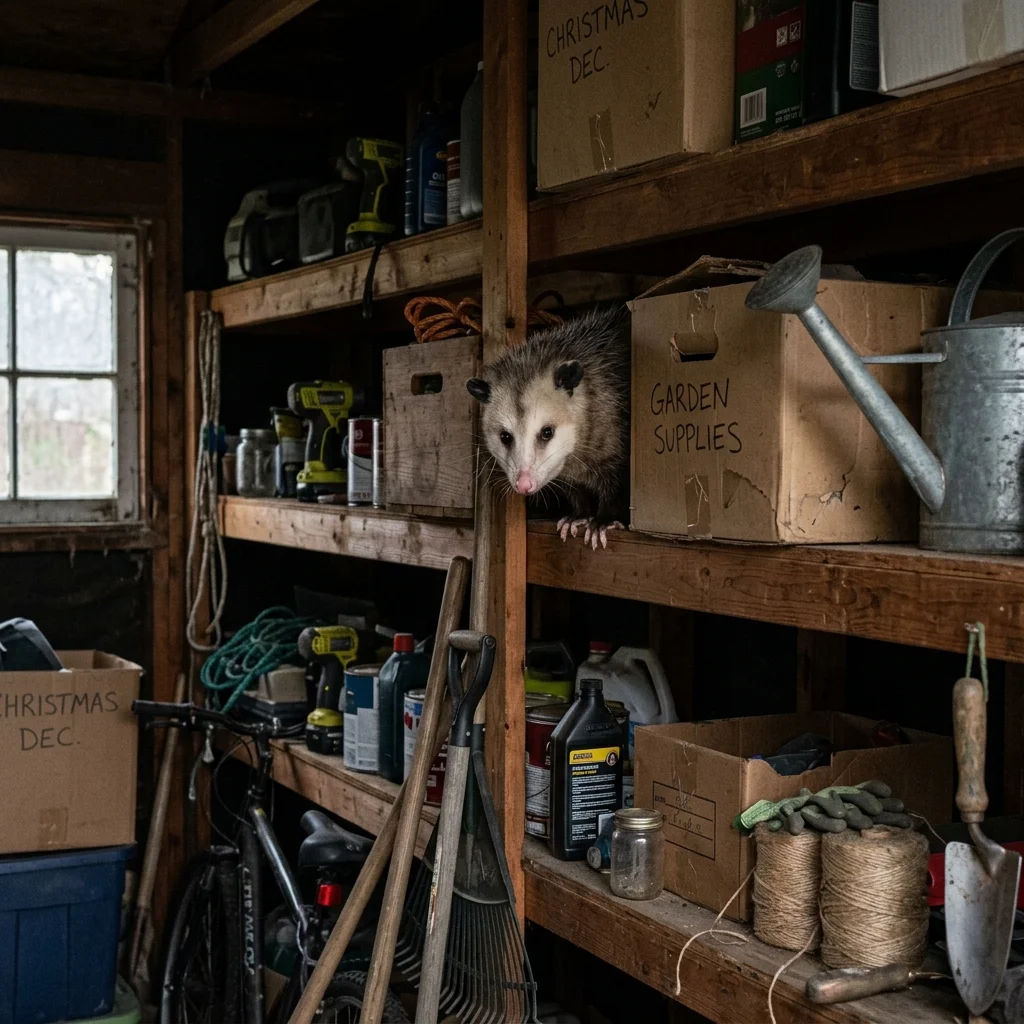
If you come across a possum in your yard, roof, or garage, the safest approach is to give it space and let it move on in its own time. Possums are protected native animals in Australia, so trapping or harming them is not just risky, it is also against the practice without the proper authorisation.
- Stay calm and keep a reasonable distance, especially with children and pets nearby.
- Turn on a light or make a gentle noise to encourage the possum to leave on its own.
- Avoid cornering the animal, as this is when defensive behaviour is most likely.
- Never attempt to touch, feed, or pick up a possum, no matter how docile it appears.
- Contact a designated possum removal service if the animal has taken up enduring residence.
Common Possum Myths, Busted
There is a lot of misinformation floating around about possums, and separating fact from fiction helps homeowners respond appropriately rather than overreacting.
- Myth: Possums are highly aggressive and will chase people. Fact: they almost always choose flight over fight.
- Myth: All possums carry rabies. Fact: rabies does not exist in Australia, so this specific risk does not apply locally.
- Myth: A possum in the roof will leave on its own eventually. Fact: many possums treat a warm, dry roof cavity as a long-term den and will keep returning unless entry points are sealed.
- Myth: DIY trapping is a quick fix. Fact: improper trapping can injure the animal, separate a mother from her young, and breach wildlife protection rules.
Signs You Have a Possum Problem at Home
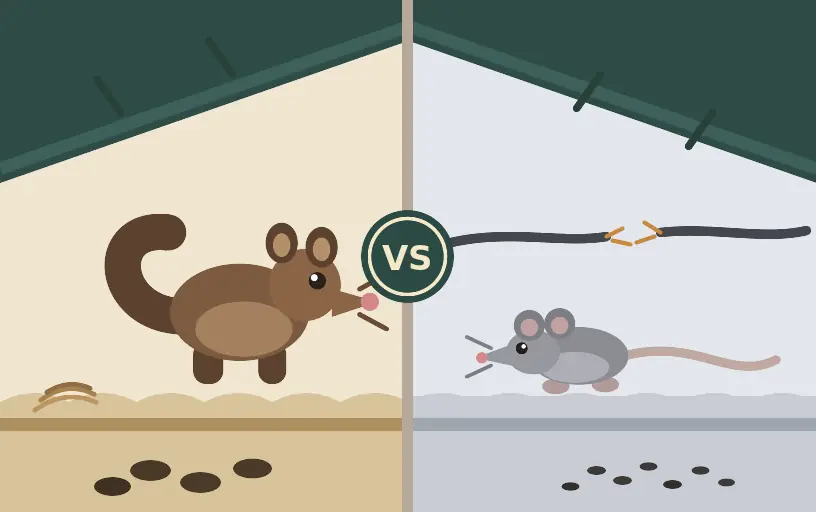
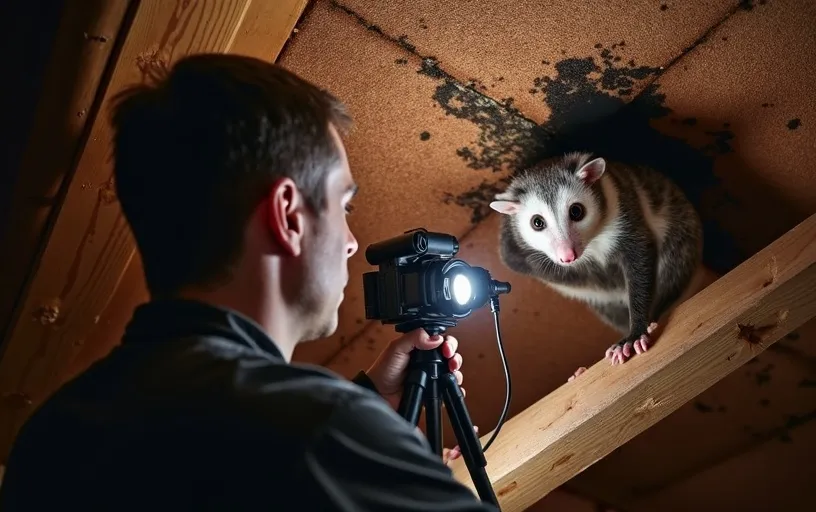
Possums are mostly active at night, so many homeowners do not realise they have a resident possum until the signs become obvious. Common indicators include heavy footsteps or scratching in the ceiling after dark, a strong musky or ammonia-like odour, brown staining on ceiling panels, chewed insulation or cabling, and droppings around the roofline, garage, or garden beds.
How to Keep Possums Away From Pets Safely
Reducing the chance of a pet and possum confrontation comes down to limiting opportunities for contact. Keep pet food bowls indoors overnight rather than leaving them out in the yard, as leftover food is a major possum attractant. Secure compost bins and rubbish areas, trim overhanging branches that give possums easy access to the roofline, and consider supervising pets during evening bathroom breaks if you know possums are active in the area.
- Bring pet food and water bowls inside after dark.
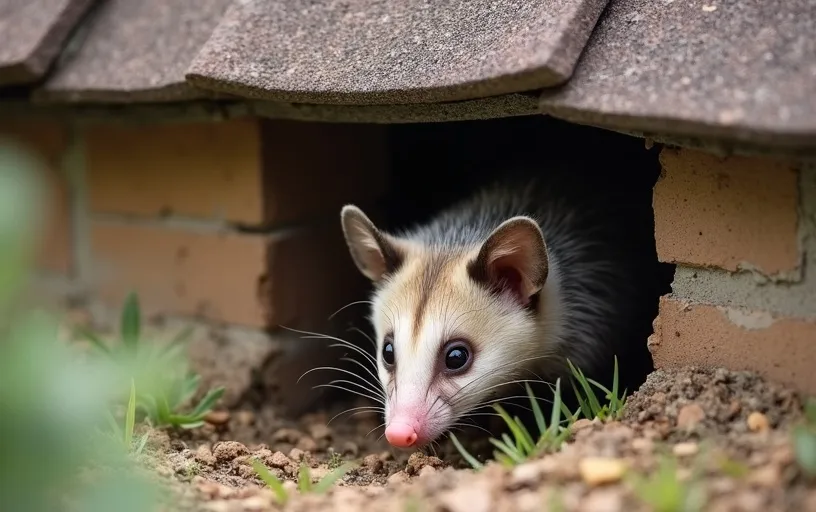
- Seal off under-deck and under-house areas where possums like to den.
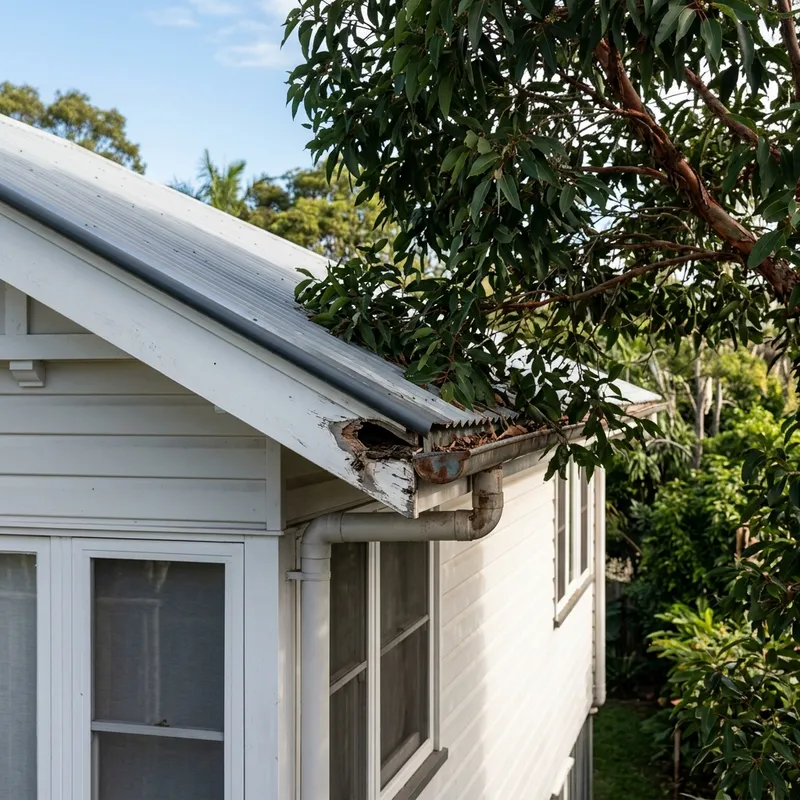
- Trim tree branches away from the roofline to remove easy access points.
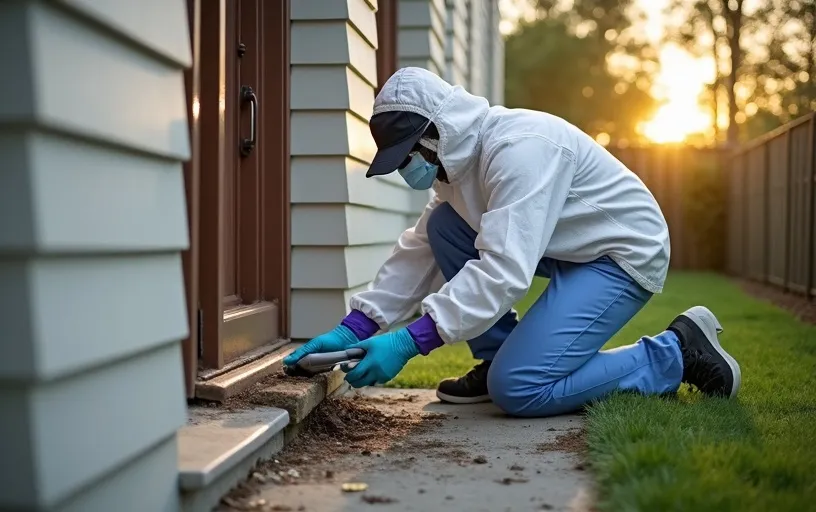
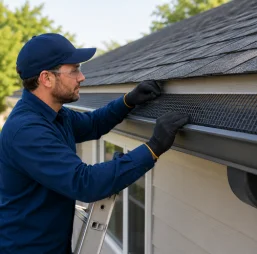
- Install possum-proof mesh over vents, gaps, and eaves.
When to Call a Professional Possum Removalist
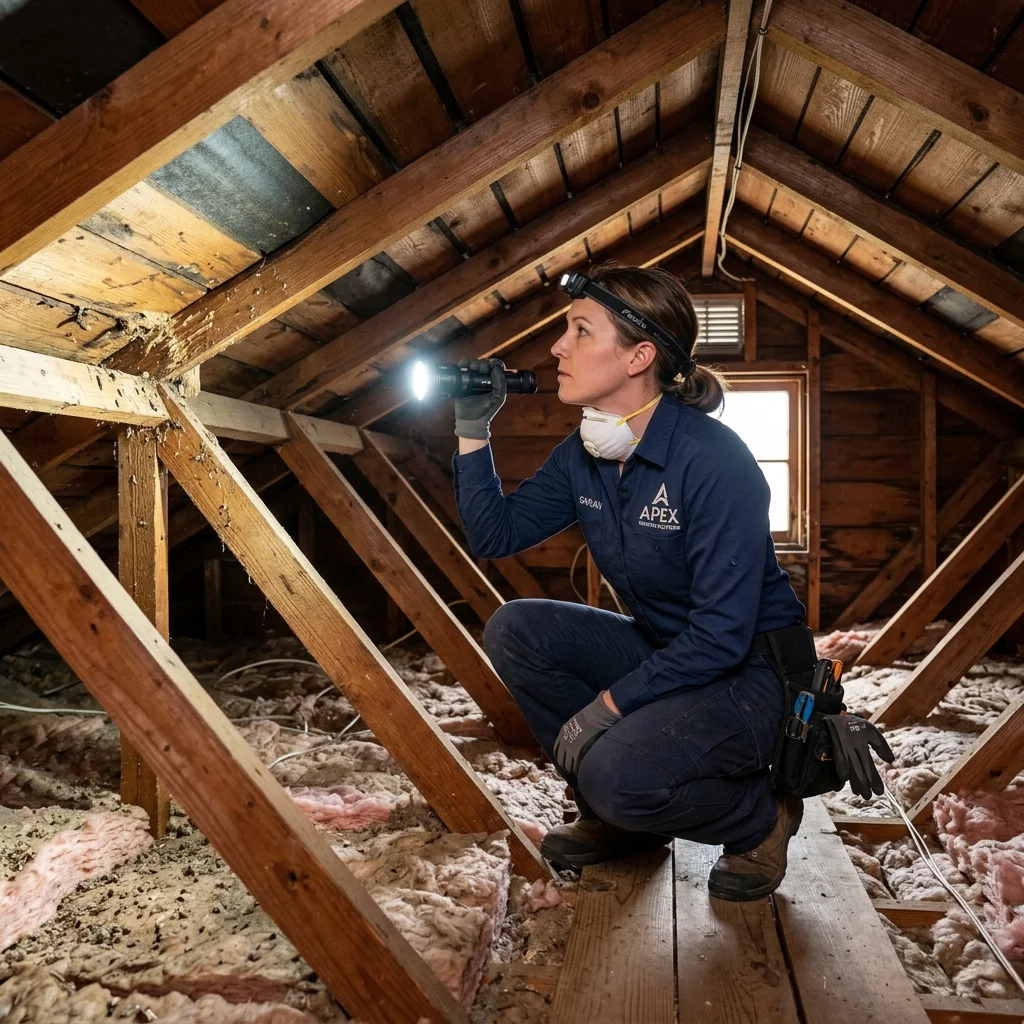
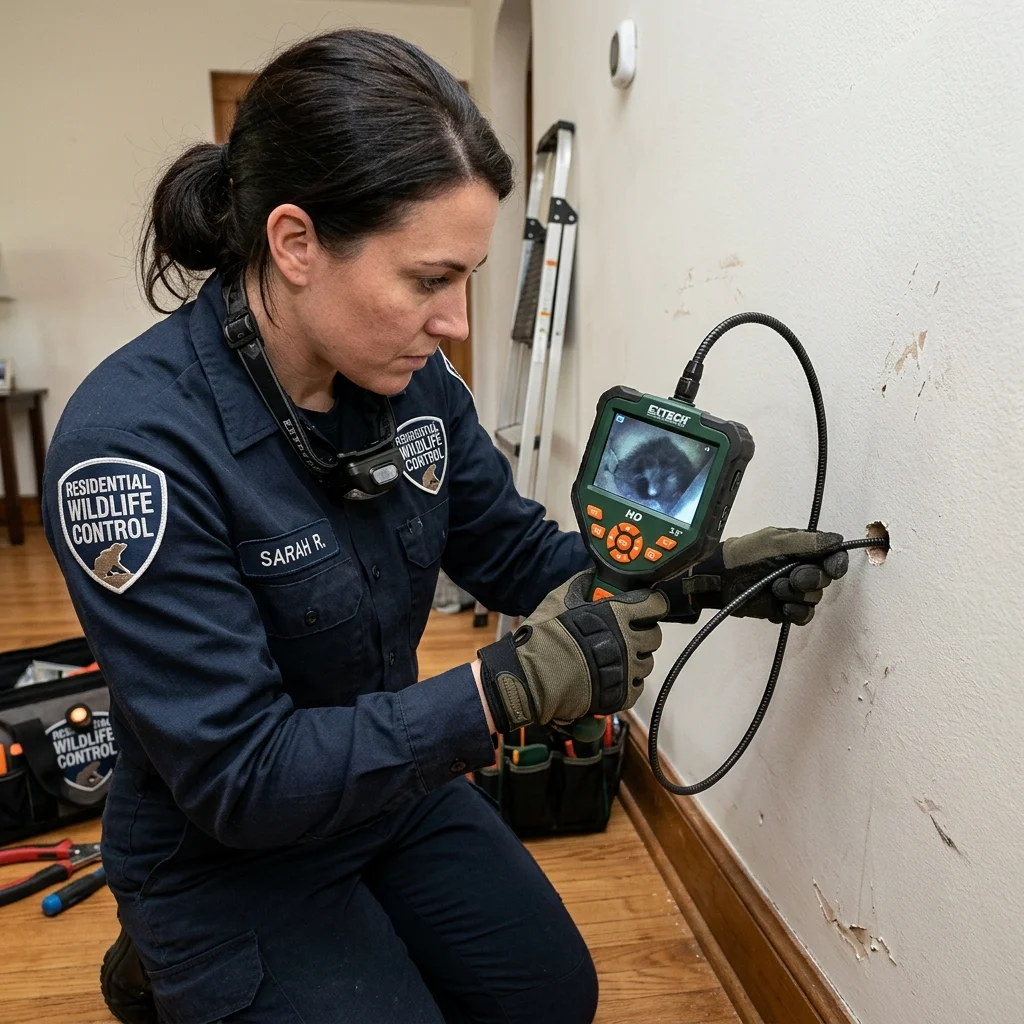
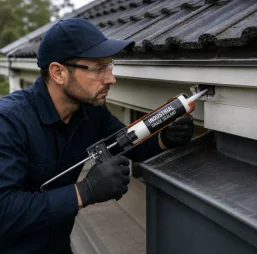
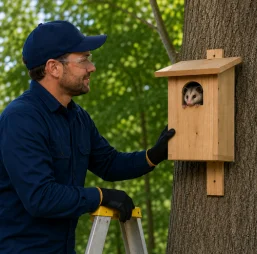
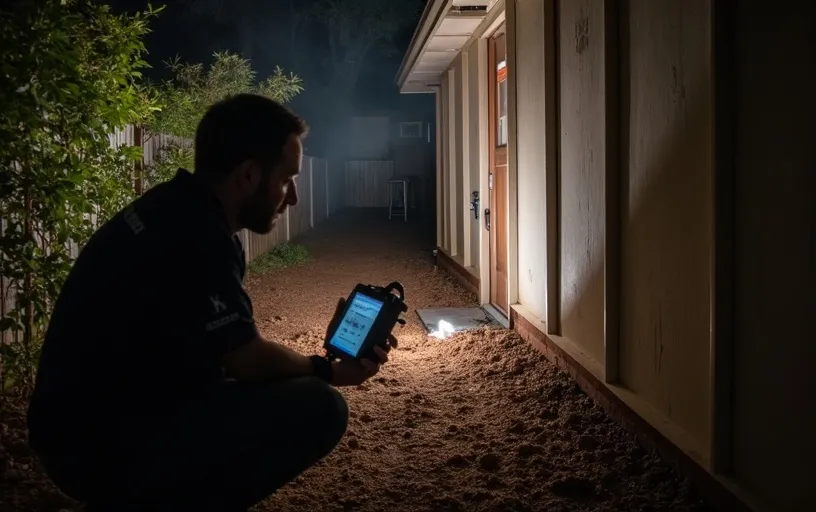
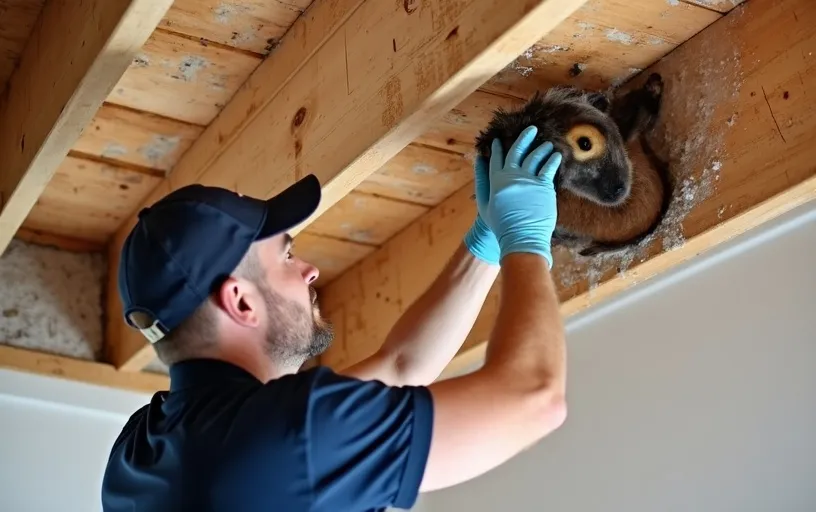
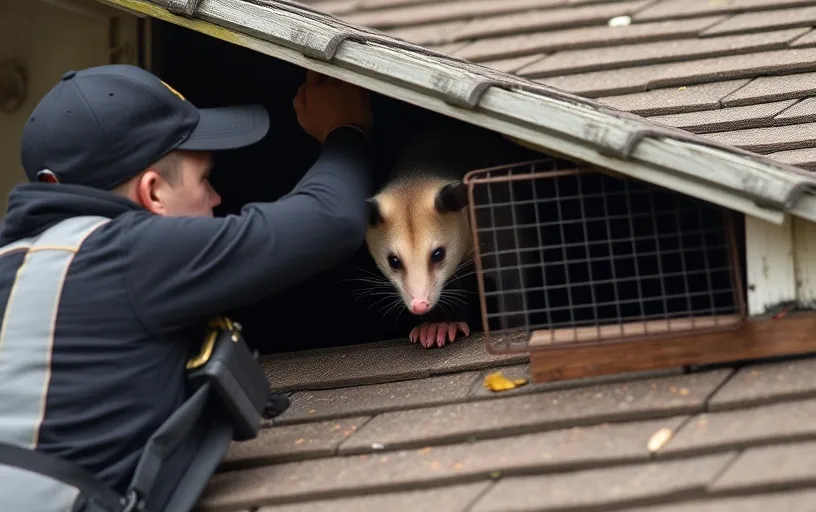
If a possum has settled into your roof cavity, wall space, or subfloor, it is time to call in a professional rather than attempting a DIY solution. Because possums are protected, humane capture and relocation needs to be carried out correctly and properly. A professional team will also identify and seal entry points so the problem does not simply repeat itself with the next possum looking for shelter.
Fresho Possum Removal Brisbane specialises in exactly this kind of humane, end-to-end service, including inspection, safe capture, entry point sealing, and prevention advice tailored to Brisbane's climate and housing styles.
Frequently Asked Questions
1. Are possums dangerous to humans?
Generally no. Possums avoid confrontation and only scratch or bite defensively if cornered or handled directly. Everyday encounters rarely result in injury.
2. Can a possum hurt my dog or cat?
Yes, if the two animals corner each other. Scratches and bites can occur, and any pet involved in a possum scuffle should be checked by a vet for injury and infection risk.
3. Do possums carry diseases that affect humans?
They can carry parasites such as fleas, ticks, and mites, along with bacteria in their droppings and urine. Long-term roof infestations increase this risk over time.
4. Is it formal to remove a possum myself?
Possums are protected native animals in Australia. Capture and relocation must follow strict procedures, which is why professional, designated removal is the safest and most formal option.
5. What attracts possums to a property in the first place?
Warm, dry shelter such as roof cavities, along with accessible food sources like pet bowls, fruit trees, and compost bins, are the biggest drawcards for possums.
6. Will a possum leave on its own if I ignore it?
Rarely. A roof cavity is an ideal den, and possums often stay long-term unless the entry point is sealed and the animal is safely relocated.
7. How do I know if a possum has bitten or scratched my pet?
Look for puncture wounds, scratches, swelling, or your pet favouring a limb. Any suspected wound should be cleaned and assessed by a vet promptly.
8. Are baby possums more dangerous than adults?
Not directly, but a mother possum with young in her pouch or on her back is more likely to display defensive behaviour if she feels threatened.
Final Thoughts
Possums are far more nuisance than menace, but that does not mean the risks should be ignored, especially where pets and small children are involved. Property damage, hygiene concerns, and the small chance of a defensive scratch or bite are all good reasons to deal with a possum problem properly rather than hoping it resolves itself.
If you have noticed signs of a possum in your roof, wall space, or backyard, the team at Fresho Possum Removal Brisbane is ready to help with a humane, thorough, and durable solution. Get in touch today for a no-obligation assessment and take the first step towards a possum-clear, pet-safe home.