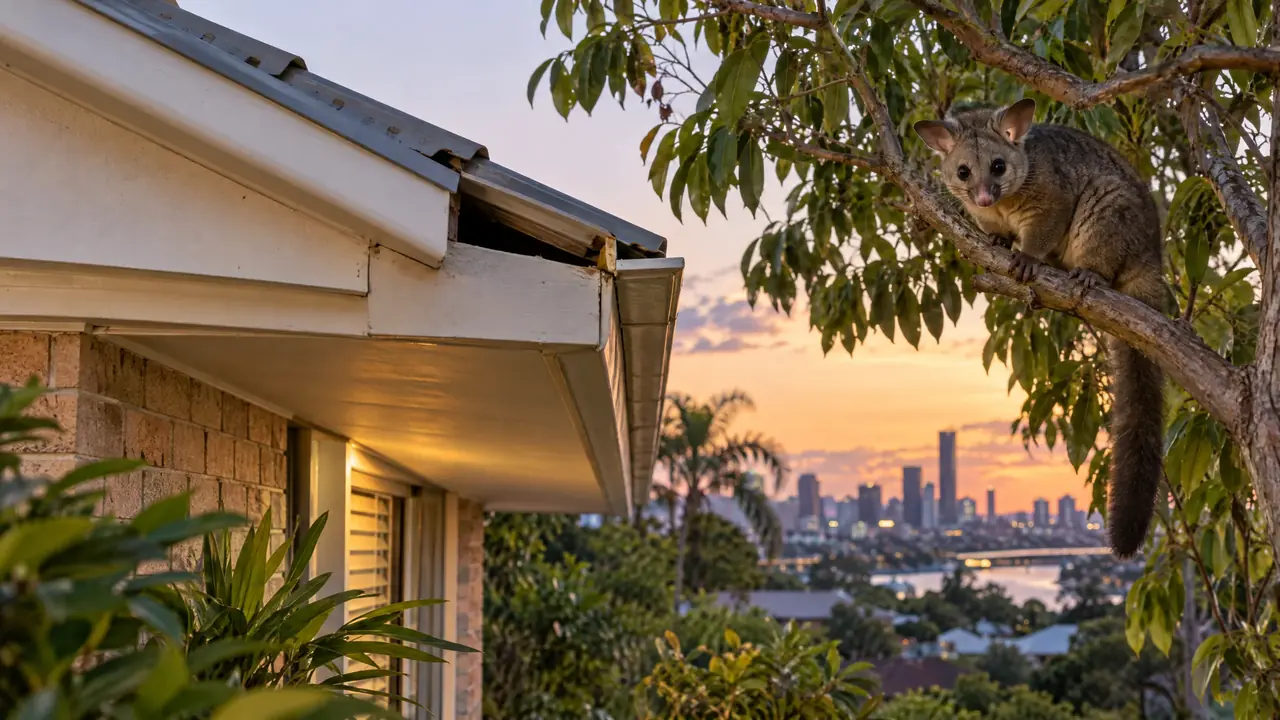
Why Brisbane Possums Keep Returning to the Eaves After Removal
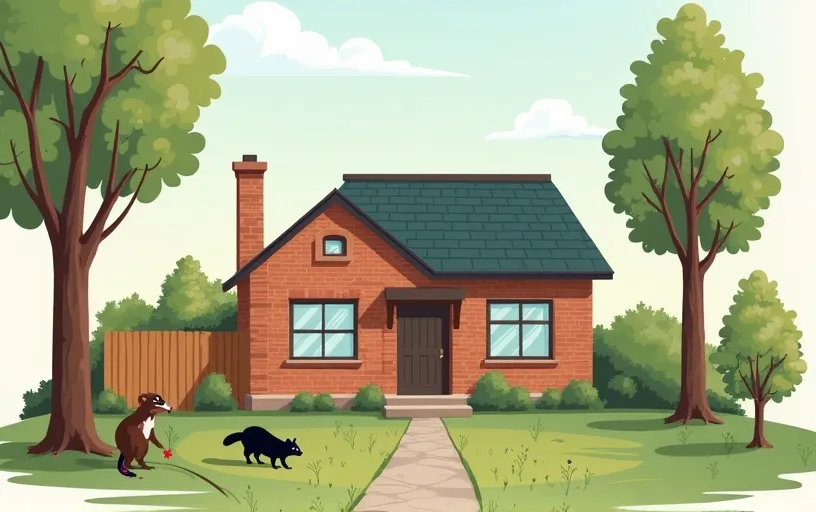
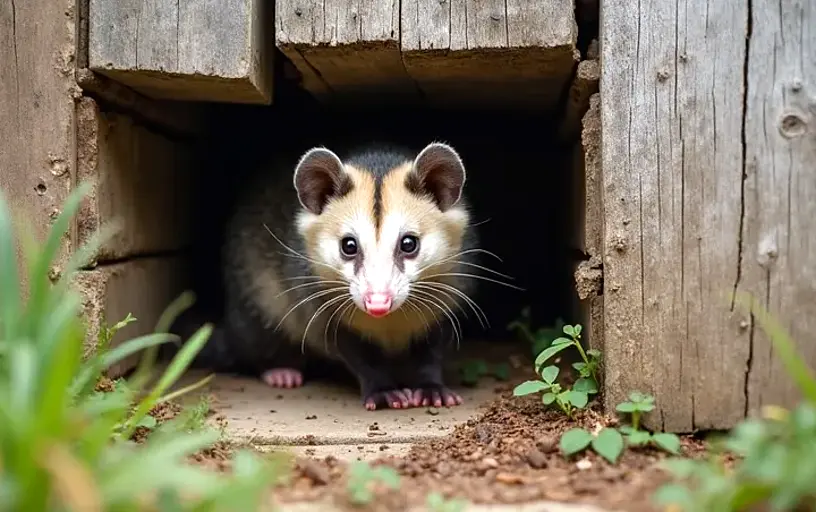
When a possum appears in the Brisbane roof space again after it has been removed, the reason is usually not mysterious: the eaves still offer a sheltered den, an easy way in or nearby food and access. The animal may be the same possum returning to a familiar route, or another possum finding an opening that was never properly closed. Removing an animal without checking the roof, locating entry points and planning a humane exclusion can leave the conditions that attracted it unchanged. A lasting solution starts with careful observation, a check for animals and dependent young, and repairs made only when the space is safely clear. Brisbane homes can also have several overlapping attractants, from fruiting trees and pet food to loose soffit panels and gaps around roof services. This guide explains how to identify those cues, what homeowners can safely do, when to call an experienced wildlife professional and how to reduce the chance of another possum settling in.
Key Takeaways
- A possum may return because the original entry point, sheltered den or nearby food source remains available; removal alone does not fix those conditions.
- Check for signs of activity and possible dependent young before closing any gap. Never seal an opening while an animal could be inside.
- Reduce easy food access by bringing pet food indoors, securing rubbish and collecting fallen fruit, while keeping wildlife safe and avoiding direct feeding.
- Use durable repairs and a planned, humane exclusion rather than poison, improvised traps or a one-way door installed without checking the den.
- Repeated visits, difficult roof access, possible young, damage to wiring or contamination are good reasons to seek professional assessment.
Why a possum may come back after removal
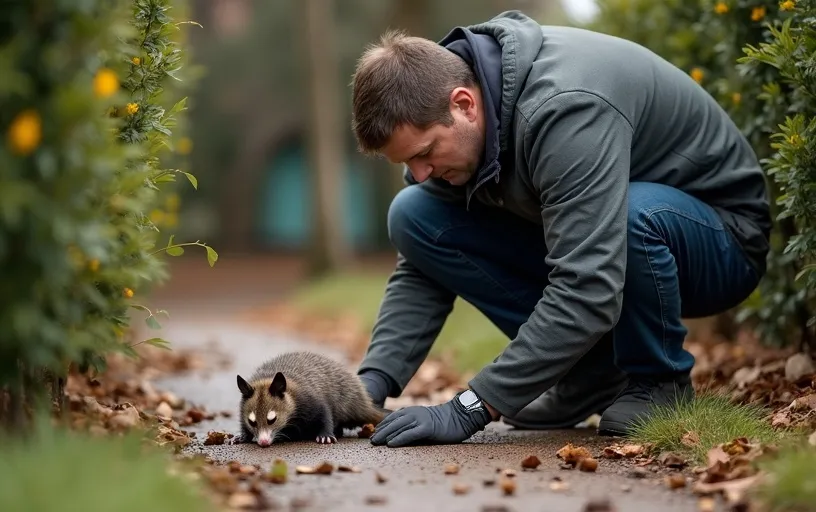
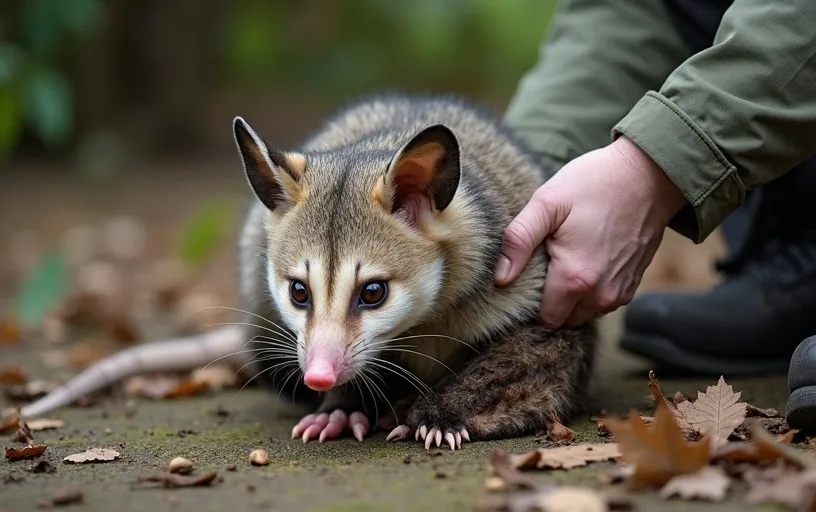
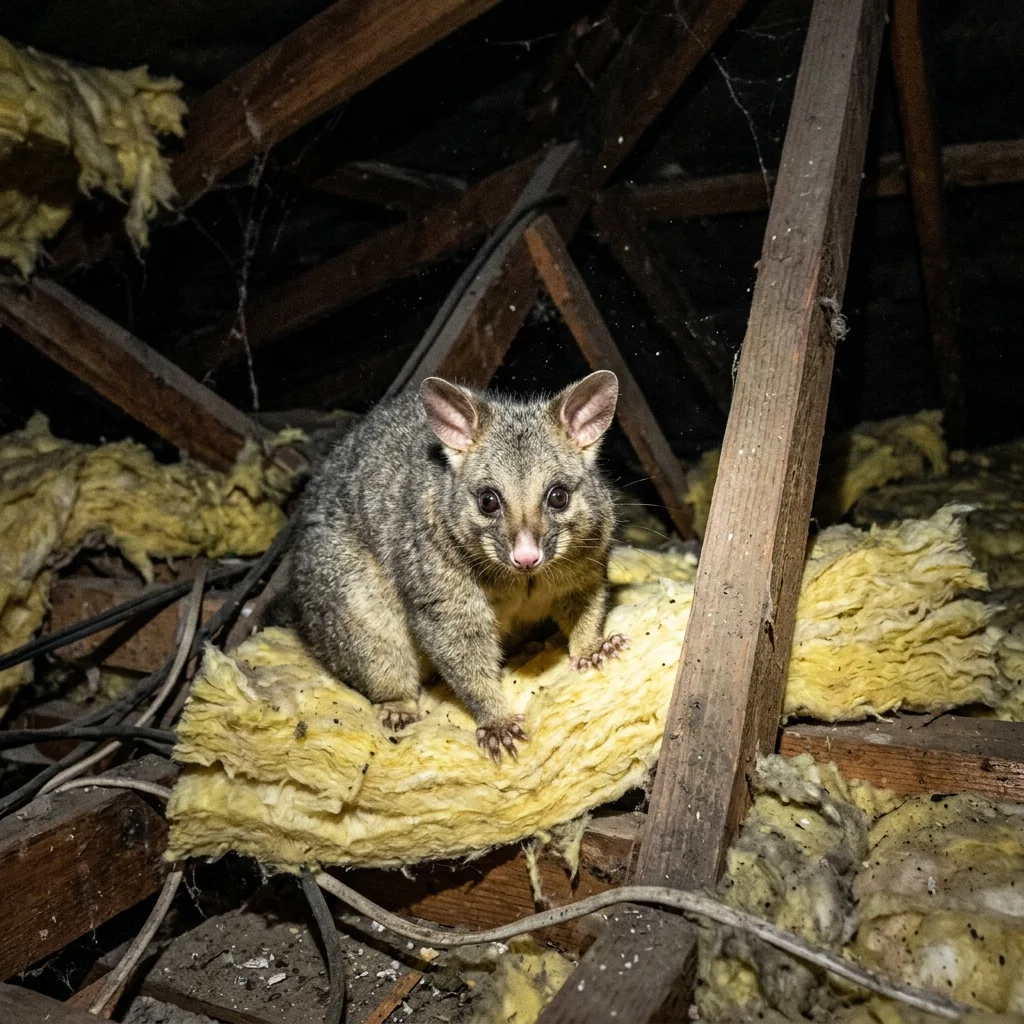
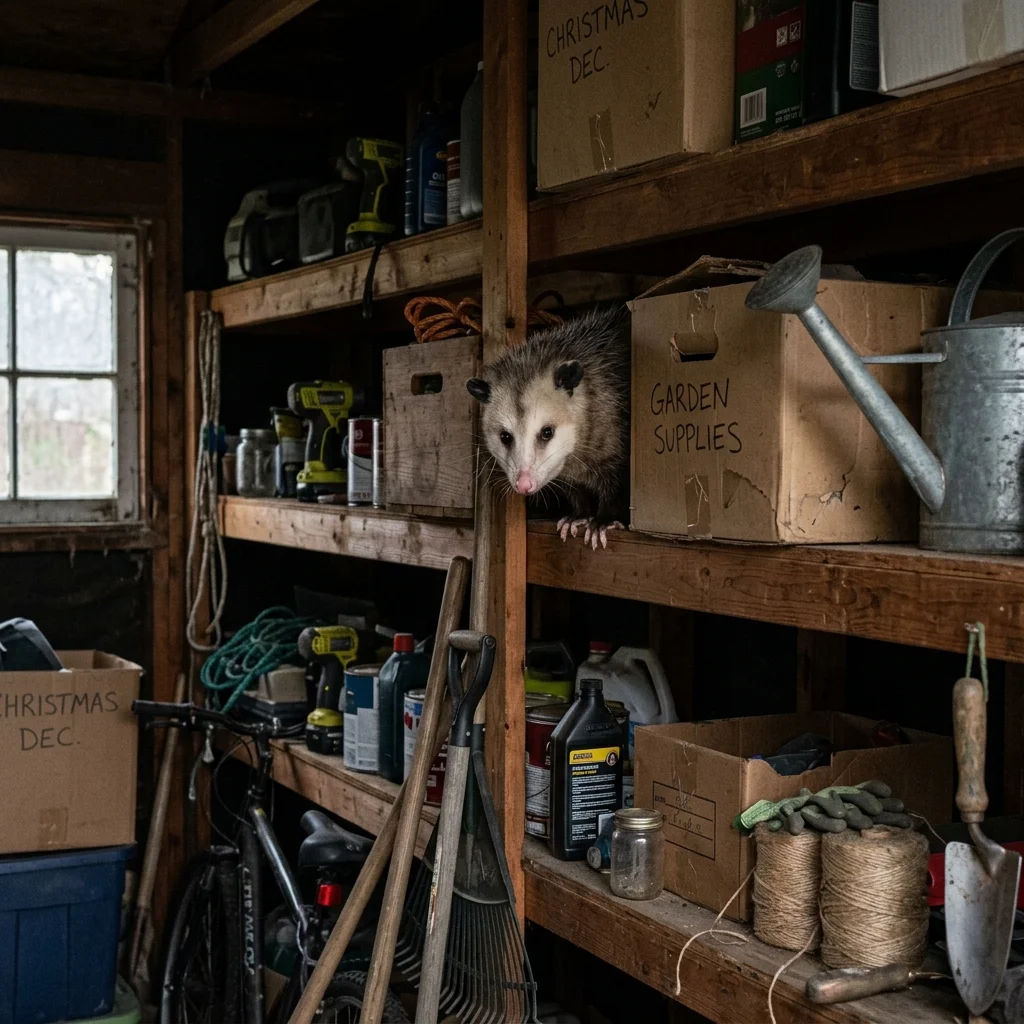
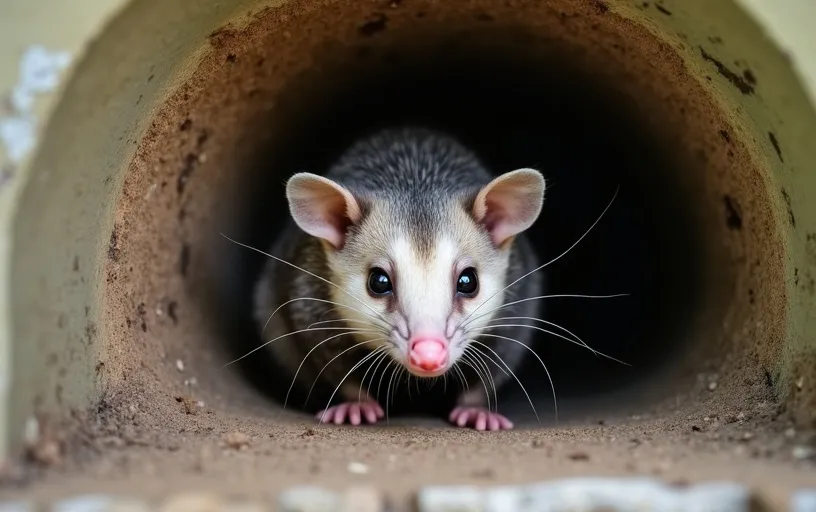
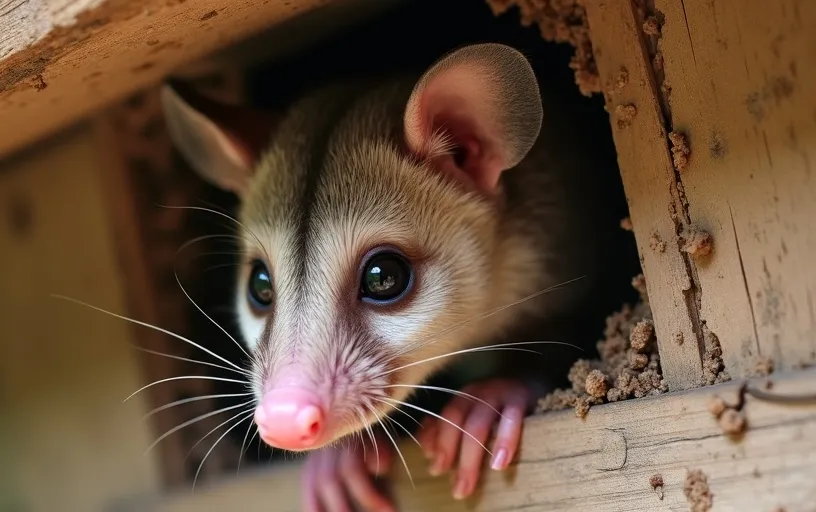
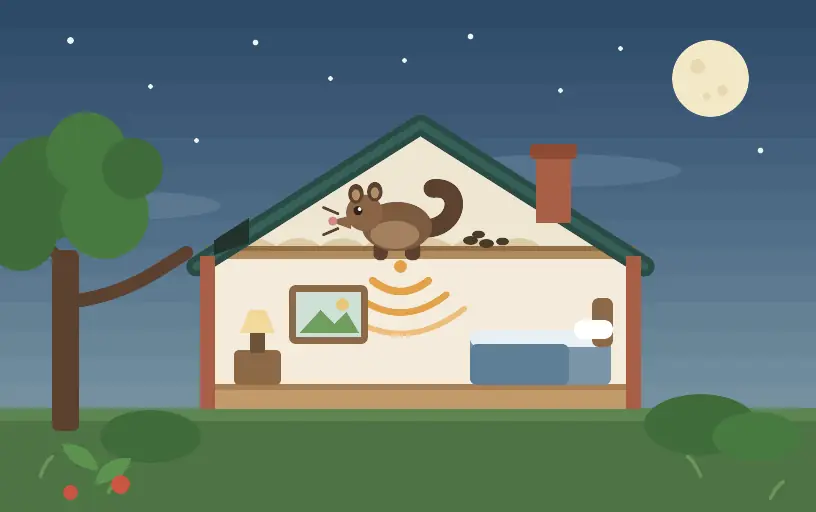
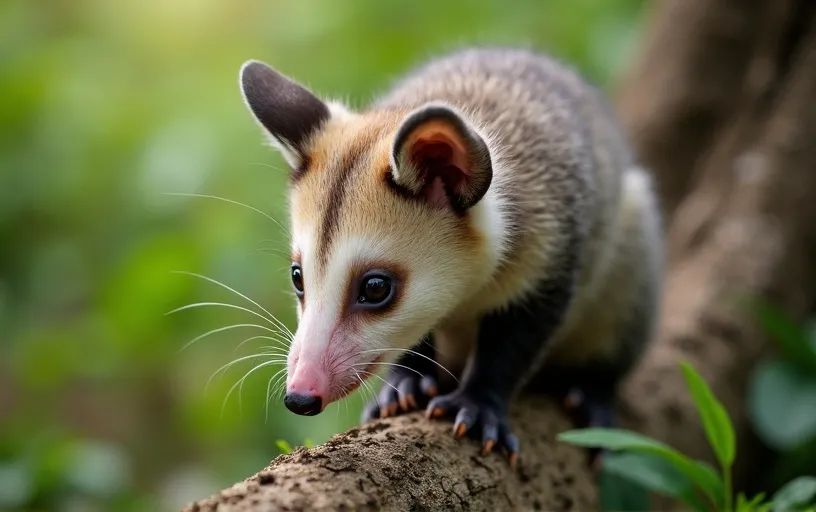
Possums are adaptable native animals, and a roof cavity can be an appealing place to rest: it is sheltered from rain, relatively warm, and often has a small number of defensible access points. If an animal is removed but the gap remains, the roof space can still suit it. A possum that has used the den before may also continue to investigate familiar routes and resting places. In other cases, another possum may find the same opening.
It is useful to separate three situations that can look like “the possum came back”. The original animal may have returned after being released nearby; the same animal may have stayed in the roof while a homeowner thought it had left; or a different animal may have moved in. Without observing the animal, it can be difficult to tell which is happening. The practical point is the same: a repeat visit is a sign to investigate the access and the conditions around the house, rather than simply arranging another removal.
Closing a hole immediately can also create a new problem if a possum is still inside or if young are dependent on an adult. The animal may be trapped in the roof, make repeated attempts to escape or cause damage while trying to get out. A careful plan considers the den, possible entry and exit routes, timing, and repairs together.
What makes Brisbane eaves attractive
Shelter and a quiet place to rest
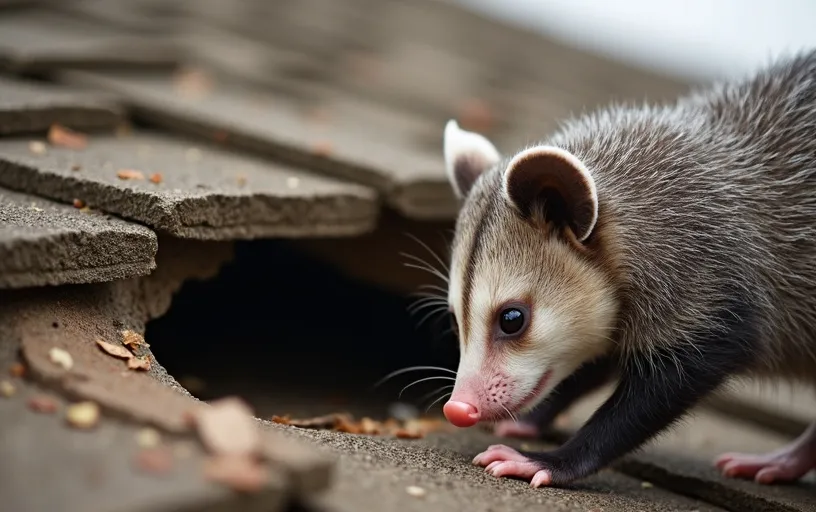
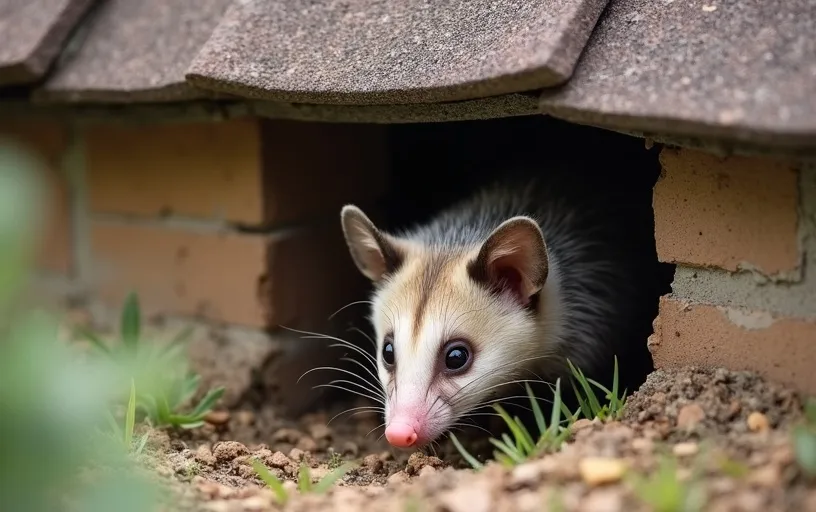
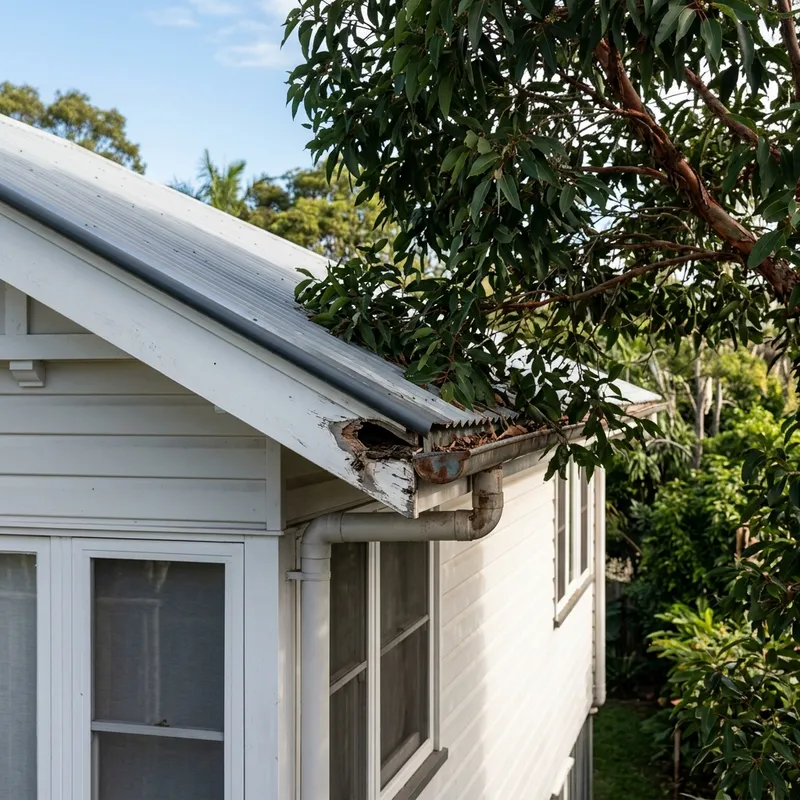
Loose eaves, gaps where roof materials meet, broken vents and openings around cables or pipes can provide access to a dry roof space. Overhanging roofs, old timber features and enclosed verandas can create additional sheltered nooks. A den does not need to be large to be useful, and an opening that looks minor from the ground may connect to a wider cavity behind the fascia or soffit.
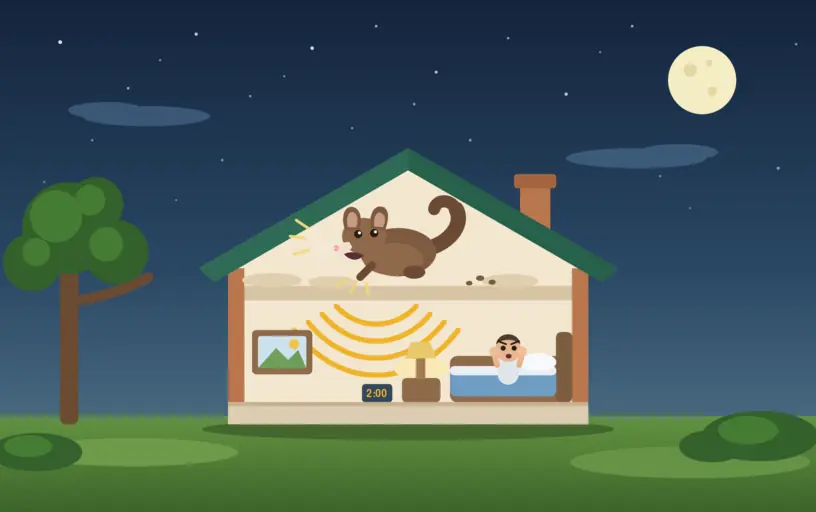
Roof spaces are not the only possible resting places. A possum may use a dense tree canopy, a cavity in a tree or another sheltered structure nearby and simply pass over the roof. Hearing movement above a bedroom does not always prove that an animal is living directly overhead. Looking for consistent signs—such as repeated noises from the same part of the roof, droppings, disturbed material or a regularly used opening—helps distinguish a den from occasional movement.
Food and easy access around the property
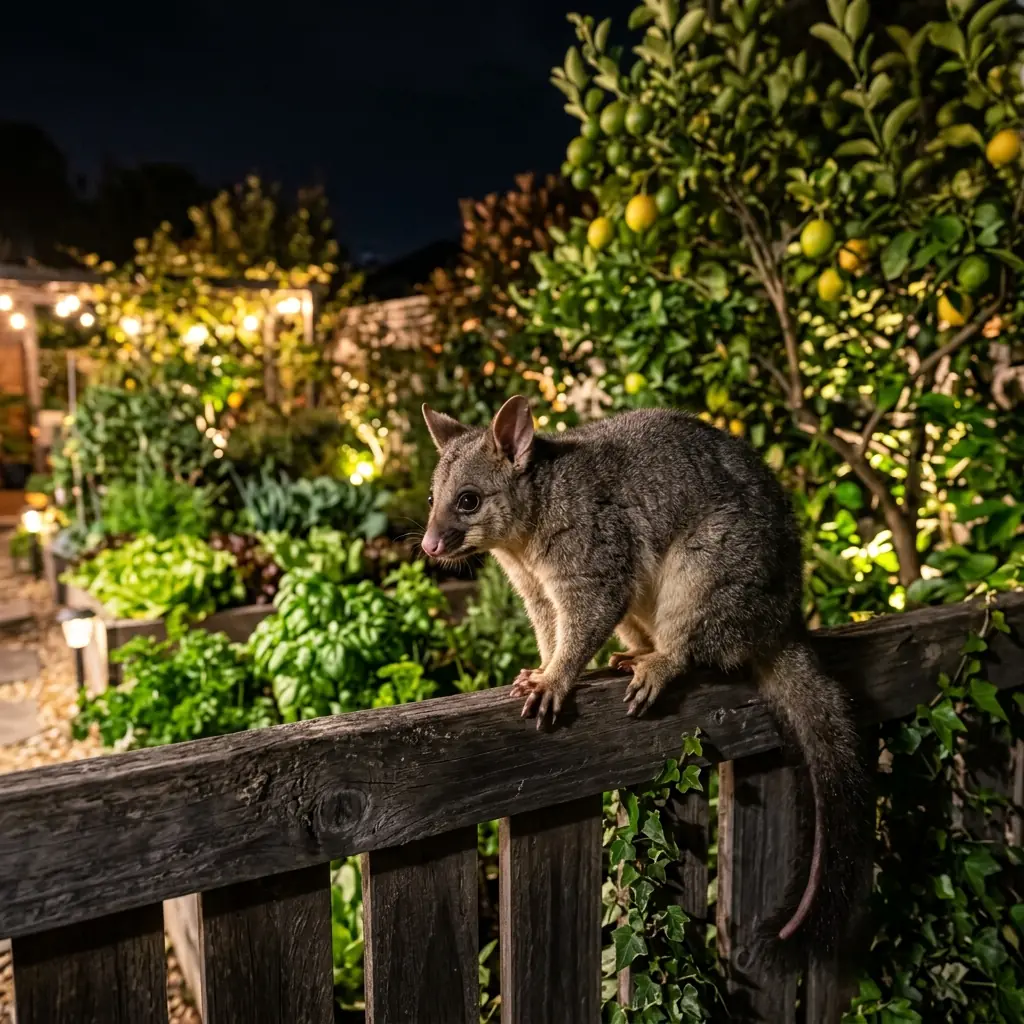
Food rarely explains every roof-space visit, but it can make a property easier to forage around. Fallen fruit, accessible compost, unsecured rubbish, pet food left outside and food scraps can all be worth reviewing. Fruit trees and dense gardens are common in Brisbane yards, so a possum may have convenient feeding or travel routes close to the house even when there is no food in the roof itself.
Do not feed possums to lure them away from the house. Feeding can encourage repeated visits, bring animals closer to people and pets, and make the yard more attractive to other wildlife. Instead, remove avoidable food access and allow native animals to forage naturally. Keep in mind that a possum may still use a roof space even after food sources are managed: a secure den can remain attractive on its own.
Familiar routes and neighbouring habitat
Possums move through connected vegetation and built environments. A fence, pergola, tree limb or adjoining roof can provide a route to the eaves. If one opening is repaired but a nearby access point remains, an animal may find another way in. A neighbouring property’s trees or roof structure can also form part of the route, so an individual homeowner may not be able to change every influence.
This is why prevention works best as a combination of measures. Seal the actual access points, reduce easy food, and review the nearby routes without removing useful habitat unnecessarily. Cutting down a tree or stripping a garden is rarely a sensible first response and may require approvals or create other safety and environmental issues.
How to tell whether the roof is still being used
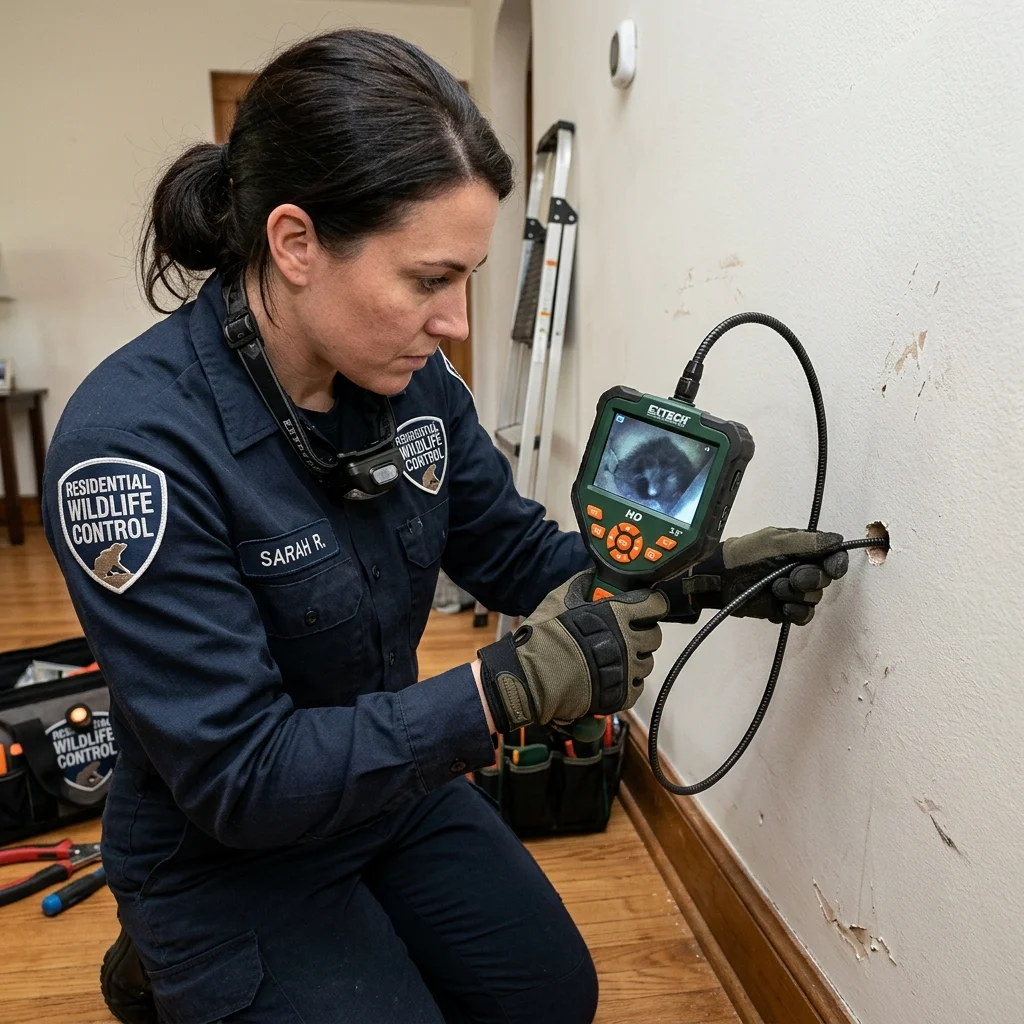
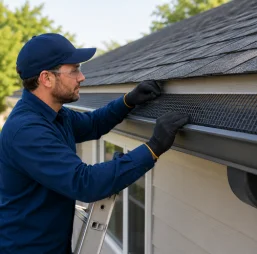
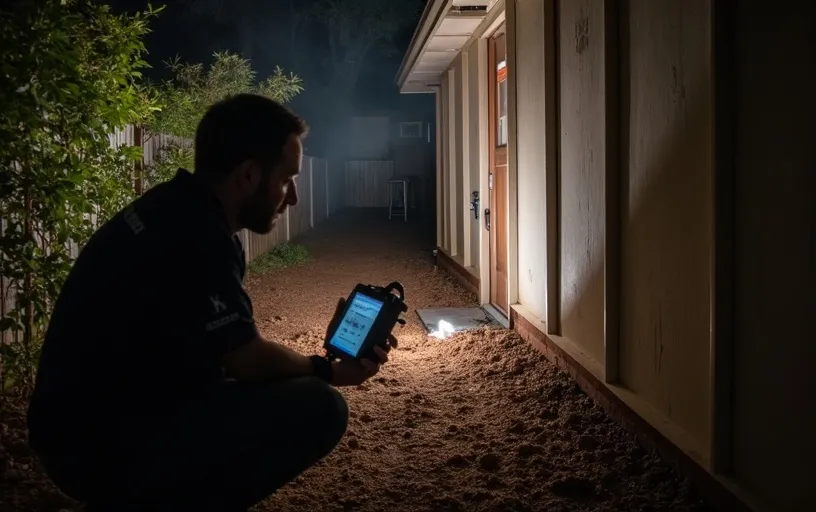
Start with observation from a safe position rather than climbing onto a roof or reaching into a cavity. Look at the eaves and roof edges in daylight for damaged mesh, loose boards, displaced tiles, gaps around pipes and cables, or staining and rub marks around a likely opening. Note which areas appear disturbed and whether the same location is used repeatedly.
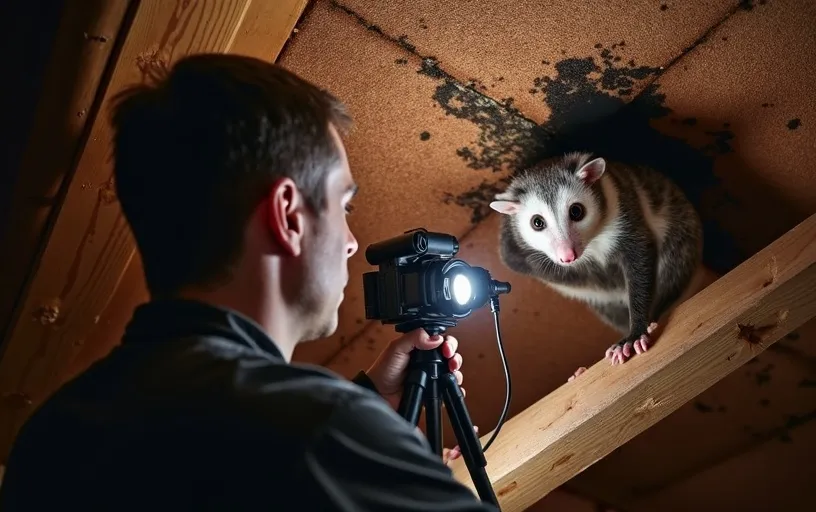
At dusk, from a suitable distance, watch for an animal entering or leaving. Do not shine bright lights into a suspected den, crowd the opening or try to block it while waiting. Keep children and pets away from the area. If you hear movement, record the time, location and type of sound. A brief note such as “scratching over the kitchen ceiling shortly after dusk, three nights in a row” can help a professional assess the situation more effectively than a general report of noise.
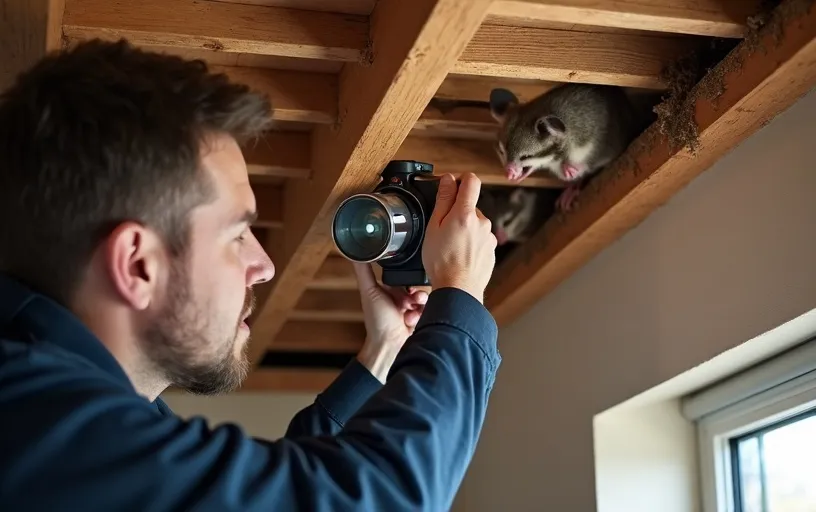
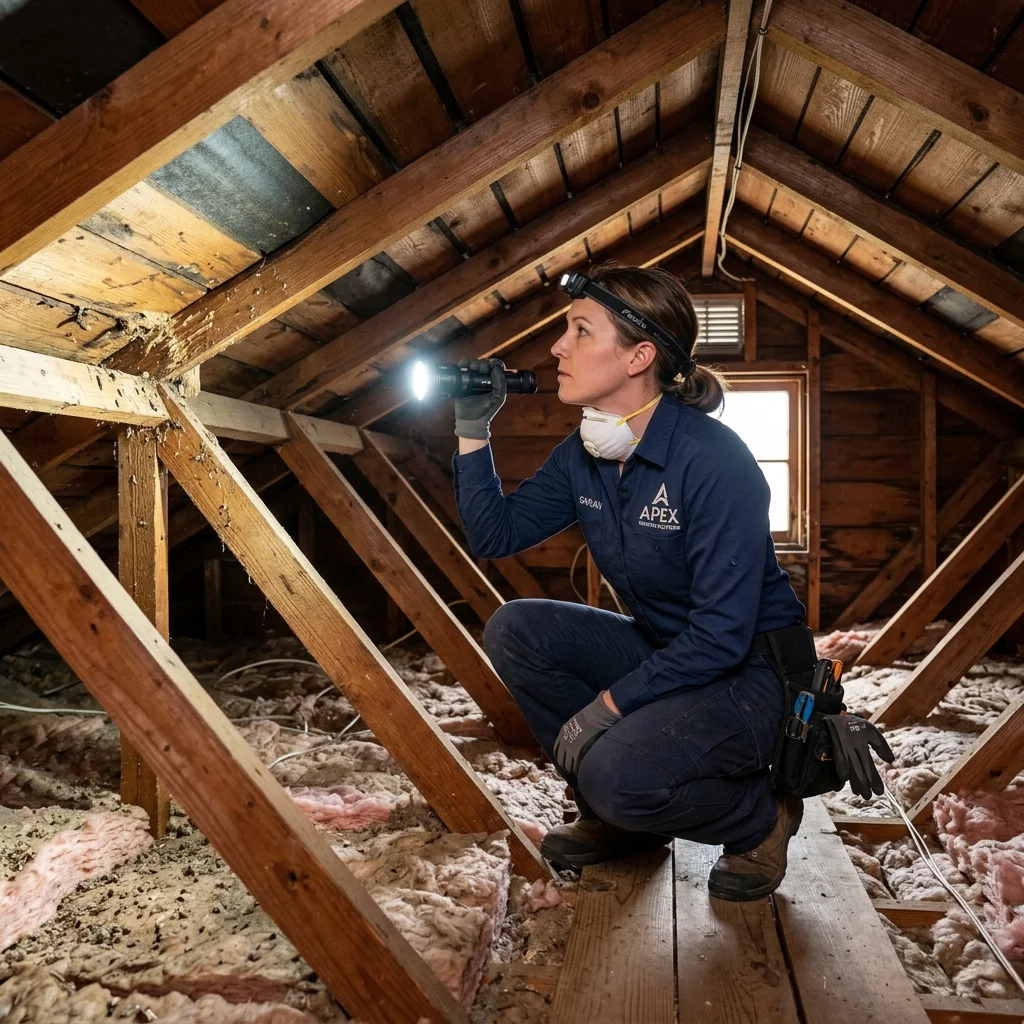
If you can safely inspect an accessible roof space, do so only where there is stable, proper access and adequate lighting. Do not step onto ceiling plasterboard, crawl over insulation or touch wiring, droppings or unknown material. Look from the access point for obvious signs such as nesting material, tracks through dust, droppings or damaged insulation. A quick look cannot confirm that a cavity is empty: animals can be quiet or hidden in another section.
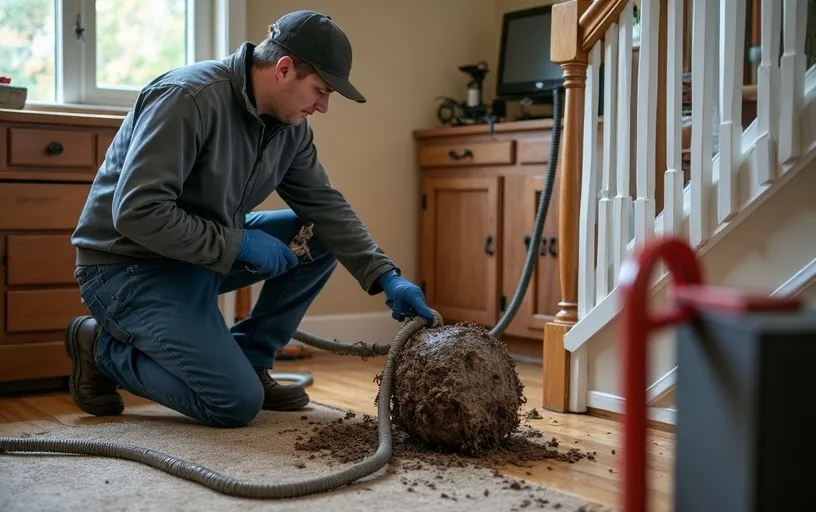
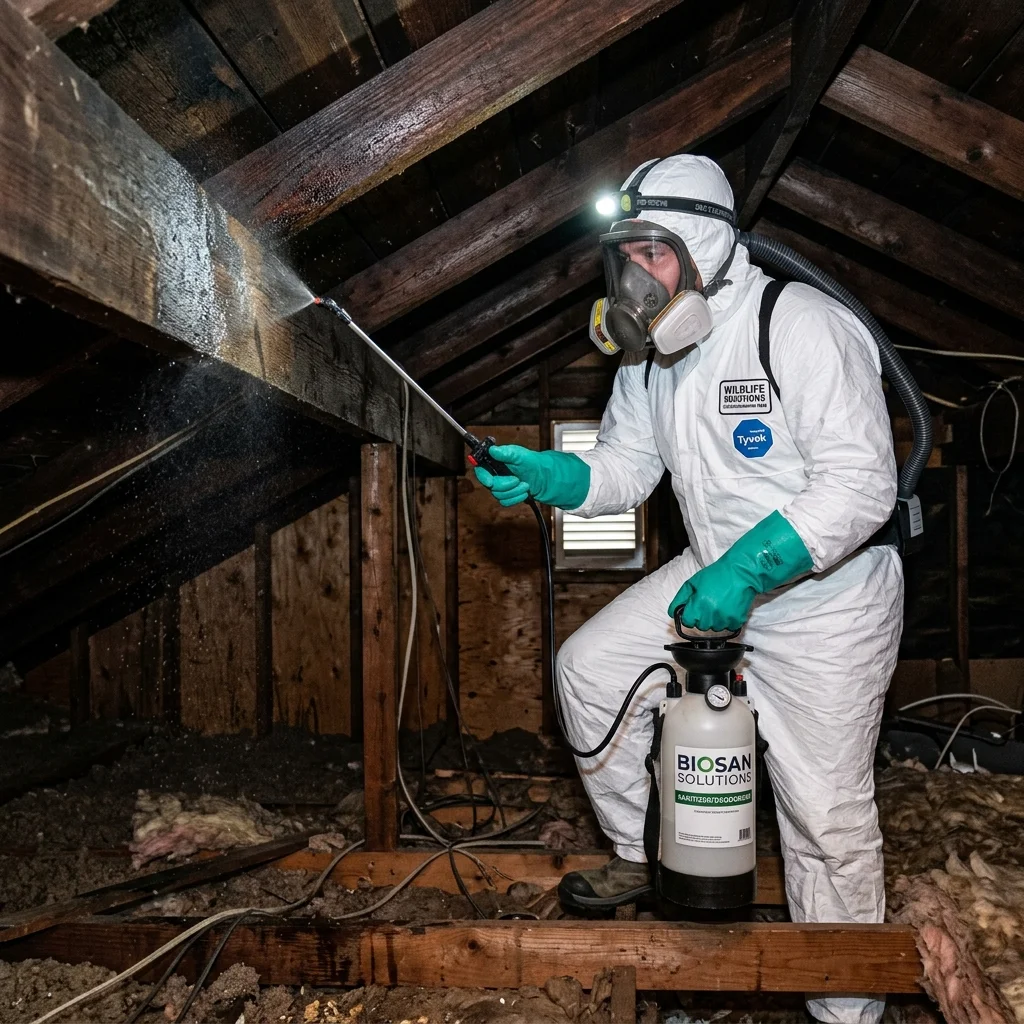
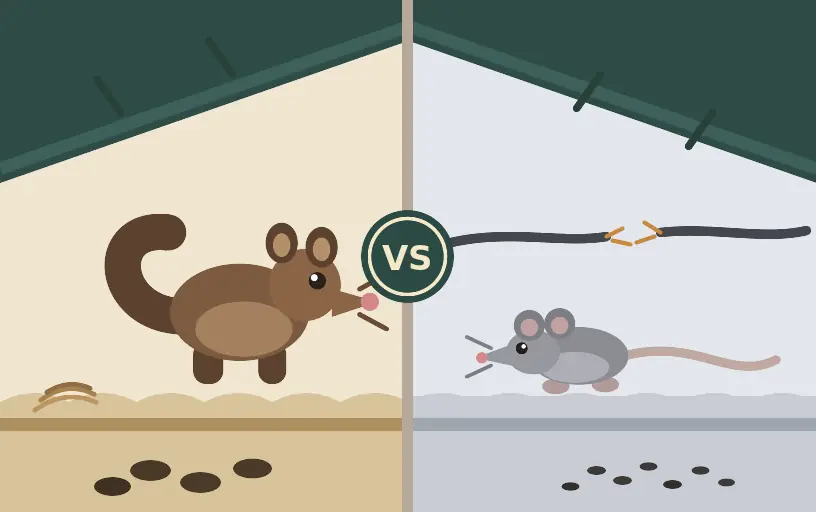
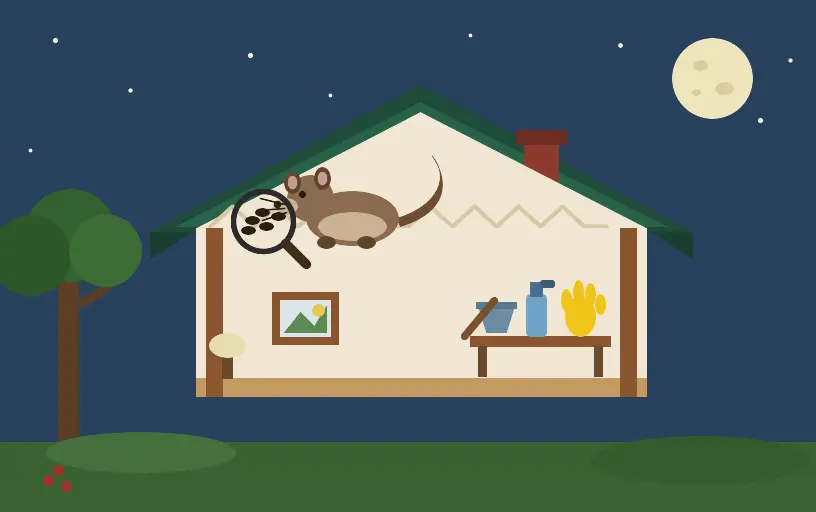
Droppings, chewed or disturbed material and a persistent smell may indicate ongoing use, but each sign needs context. Old material can remain after an animal has left, while a clean-looking area does not prove that no animal is inside. If you find a dead animal, a strong odour, a nest with young or signs of contact with electrical fittings, stop the inspection and get appropriate help.
A safe, practical inspection checklist
Use the following sequence to gather useful information without disturbing a possum or taking unnecessary risks:
- Record the pattern. Note when noises occur, where they seem to come from and whether they repeat. Distinguish occasional movement outside from regular activity in the roof.
- Observe likely entry points from the ground. Check eaves, soffits, vents, roof junctions and places where pipes or cables enter. Use binoculars if helpful; do not climb an unstable ladder or walk on the roof.
- Look for signs without touching them. Note droppings, nesting material, disturbed insulation, rub marks or damage. Avoid sweeping, vacuuming or handling suspect waste.
- Check for possible food cues. Look for fallen fruit, pet food, open rubbish, accessible compost and food scraps. Make a simple list of what can be changed safely.
- Watch from a distance at dusk. Give the animal room to move, and do not block an opening, use a flash repeatedly or try to catch it.
- Consider whether young could be present. If there are calls from within the roof, repeated adult visits, or uncertainty about a nest, do not seal gaps. Seek an assessment before any exclusion work.
- Choose the next step. Manage straightforward food cues and arrange repairs only when you know the cavity is clear. For persistent activity, difficult access or uncertainty, contact an experienced wildlife professional.
Why exclusion and den checks must go together
Exclusion means preventing access to a building, not simply removing an animal and hoping it does not return. The key is to identify all the openings that matter, confirm that the space is clear, and make repairs with materials suited to the building. A quick patch over the most visible hole may leave a second route open. Equally, sealing the only exit before checking for occupants can trap an animal inside.
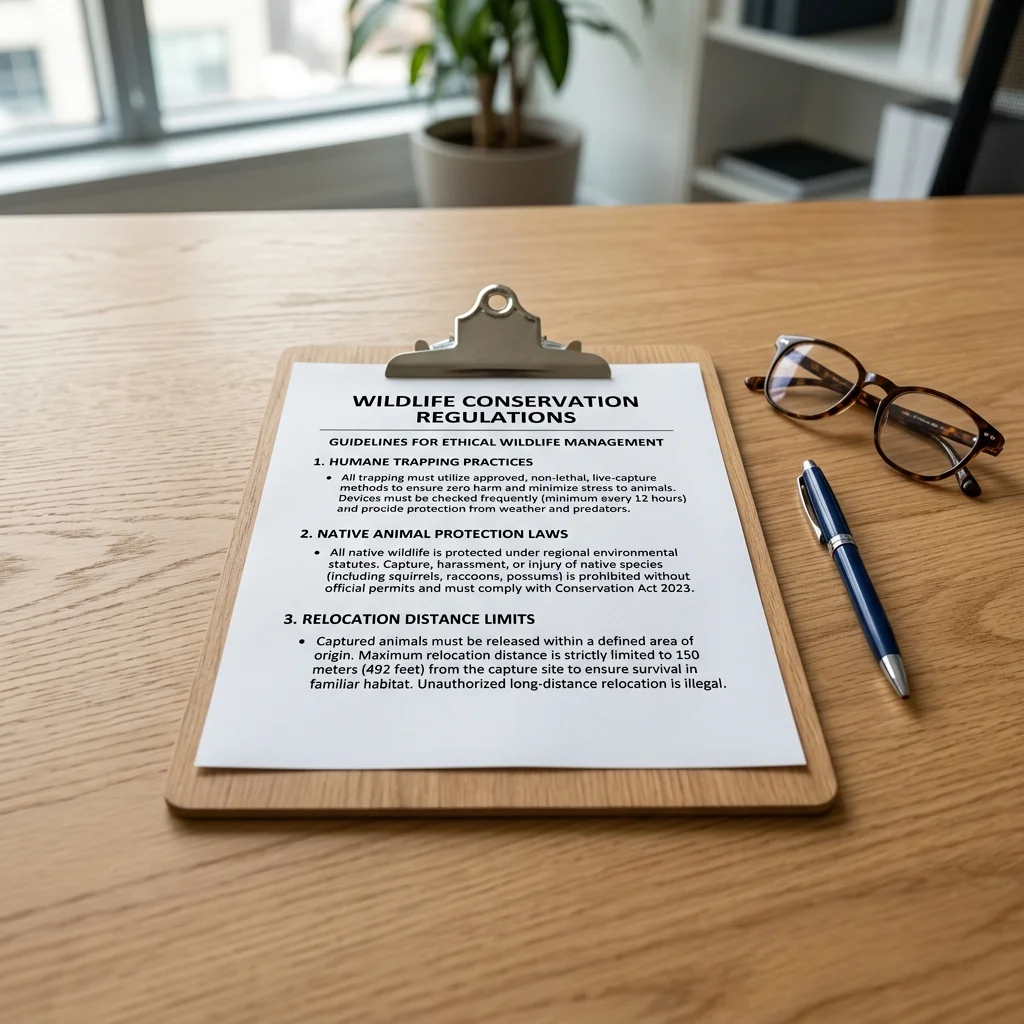
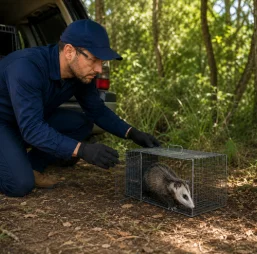
A den check should consider the area beyond the opening. An eaves gap can lead into a cavity that connects to another roof section, and a possum may be resting away from the point where it entered. A competent assessment will consider the likely den, access routes and signs of current activity, and will plan what happens if an animal or dependent young are present. Wildlife protection requirements apply in Queensland; homeowners should not assume they can trap, harm or relocate a possum themselves. Ask an experienced wildlife professional what lawful and humane options are available for the particular situation.
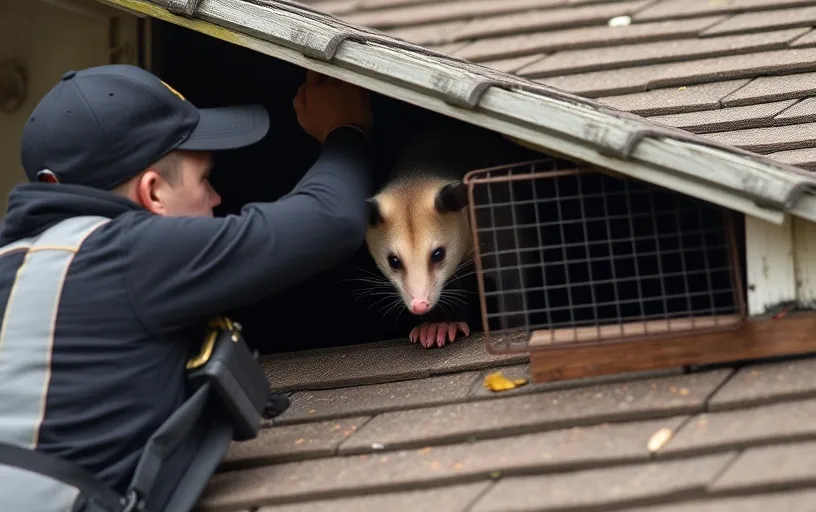
Where a one-way exclusion device is appropriate, its use needs careful planning and monitoring. It should not be treated as a universal fix. The timing, possible young, other openings and the condition of the roof all matter. Once the animal has safely left and the space is confirmed clear, the entry point can be permanently repaired. If another access route is missed, the animal may simply use it.
| Approach | What it can do | Main limitation or risk |
|---|---|---|
| Remove or scare away the animal only | May stop activity temporarily if the animal leaves. | Does not close the entry point or check for animals and young left behind. |
| Seal a visible gap straight away | Can close one access point if the cavity is confirmed empty and the repair is sound. | Can trap an animal or leave other access points available if done without inspection. |
| Plan a den check, humane exclusion and repair | Addresses occupancy and building access as part of one process. | Requires suitable assessment, lawful handling and follow-up where needed. |
| Reduce food cues and maintain the building | Makes the property less convenient and helps prevent a new entry. | Works best alongside sound repairs; it will not by itself clear an occupied roof. |
What homeowners can do—and what to leave to a professional
Homeowners can make a useful start by documenting activity, bringing pet food indoors overnight, closing rubbish securely, collecting fallen fruit and keeping children and pets away from a suspected den. You can also arrange routine maintenance for loose eaves or damaged screens, provided repairs do not start until the cavity has been assessed and confirmed clear.
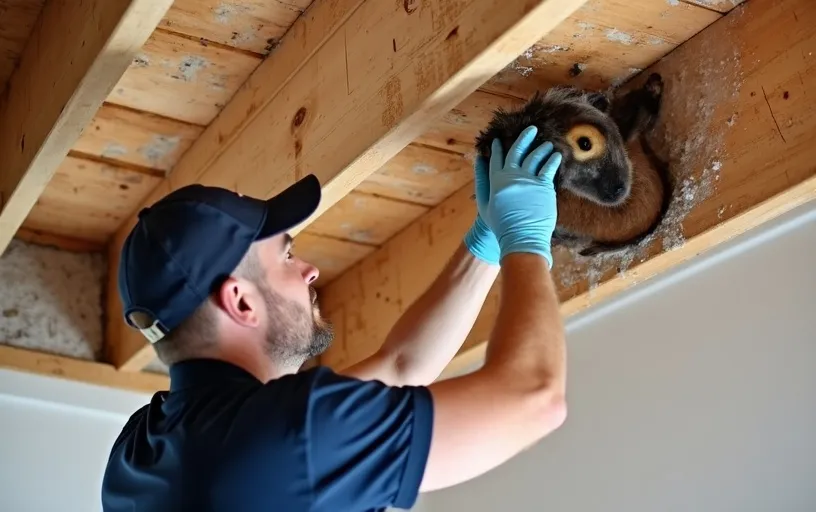
Some tasks are better left to a professional: working at height, opening an uncertain roof cavity, handling a possum or young, installing an exclusion device, and dealing with a possible electrical or contamination hazard. The person assessing the site should be able to explain the proposed approach, how they will check for occupants, what happens if young are found, and how the openings will be closed afterwards. Ask about follow-up if signs of activity continue.
If you need help assessing repeat activity or planning humane exclusion, see the local possum removal service information. The right response depends on the structure, the evidence of occupancy and the access available, not just on the noise a possum makes.
Safety note
Do not use poison, glue boards, improvised traps or direct handling. Do not seal a suspected entry while a possum could be inside, and do not try to separate young from an adult. Possums are protected native wildlife, and unsafe handling can injure the animal or expose people to bites, scratches, falls or contamination. Keep clear and seek advice from an experienced wildlife professional.
Humane long-term prevention around a Brisbane home
Make food less accessible without feeding or harassing wildlife
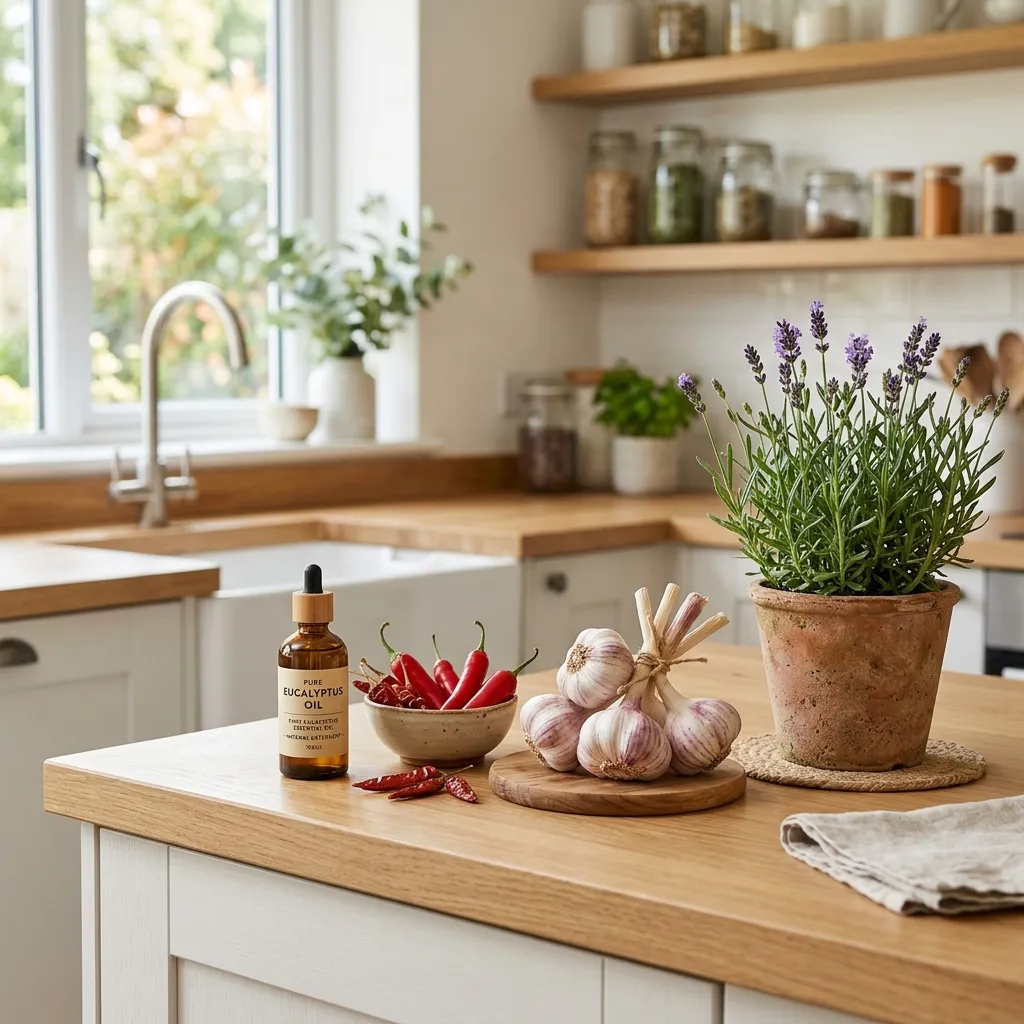
Bring pet food and water bowls inside overnight, or remove leftovers promptly. Use bins with secure lids and keep them closed, including after collection. Pick up fallen fruit when practical, especially beneath trees close to the house, and manage compost so that it is not an open source of scraps. These steps reduce convenient food without trying to starve or harm wildlife.
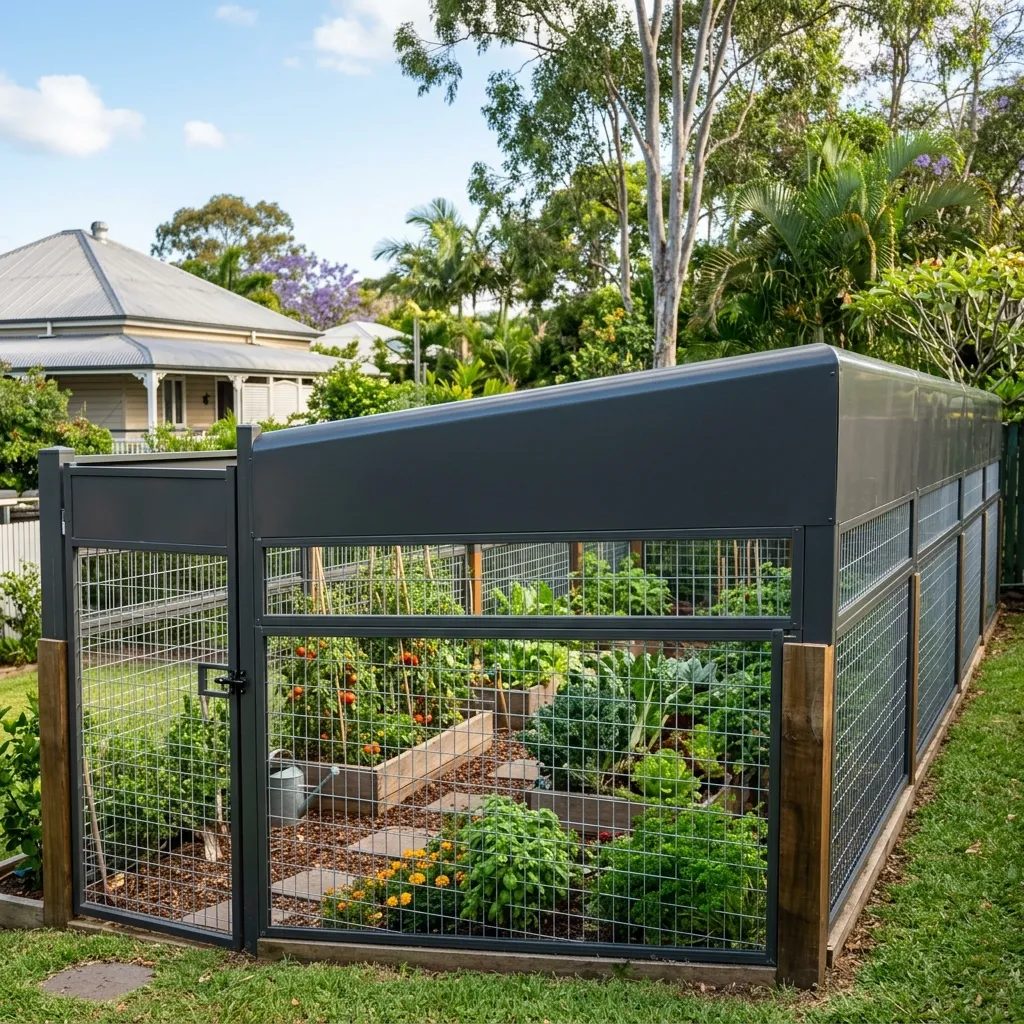
Garden choices can help too. If a particular branch provides a direct bridge onto a roof, consider whether a small, safe trim is possible. Tree work should be done with care, particularly where a branch may hold a hollow or support wildlife. Avoid cutting major limbs, disturbing hollows or undertaking work near power lines yourself. A qualified arborist or the relevant utility provider may be needed, depending on the situation.
Repair the building, not just the symptom
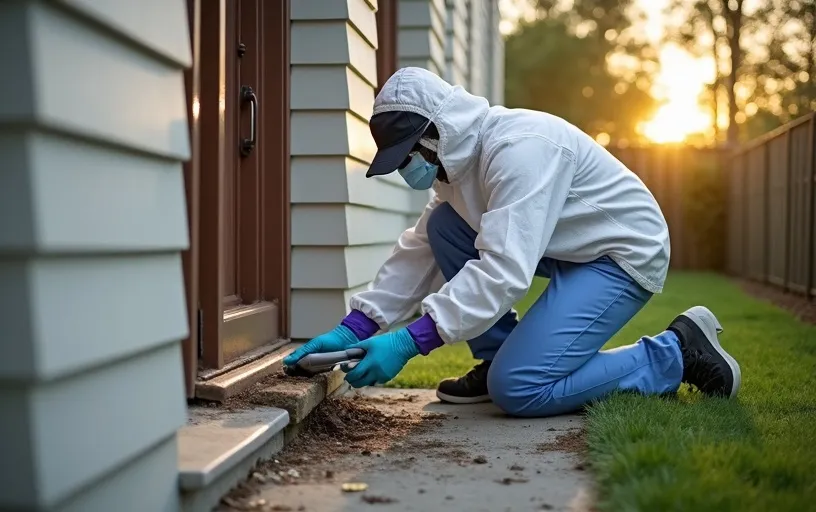
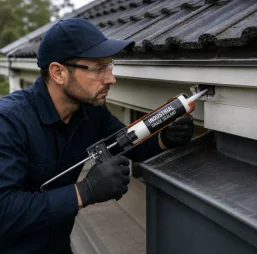
Once the cavity is confirmed clear, use durable repairs that suit the opening: for example, a properly fitted cover over a vent, a sound soffit repair or suitable mesh where ventilation must remain. A repair should not block required airflow, drainage or access for future building maintenance. Expanding foam or a loosely attached patch may deteriorate, leave hidden gaps or be unsuitable for the location. Where the roof is high, fragile or complicated, have the repair assessed and completed by a tradesperson with safe access.
Check the work after strong weather and during routine home maintenance. Look for loosened fixings, new gaps, damage around roof services or signs that an animal is testing a different edge. Do not assume that a single successful night without noise means the roof is permanently secure; use continued observation to confirm that activity has stopped.
Keep the response proportionate
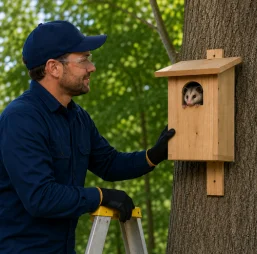
Possums are part of urban wildlife, and the goal is to keep them out of unsafe building spaces while allowing them to use suitable habitat elsewhere. Avoid bright deterrent lights, loud devices or repeated attempts to frighten an animal from a den. Such tactics may cause distress, shift the animal to another part of the building or simply fail once it becomes accustomed to them.
Instead, combine a confirmed-clear den, humane exclusion, secure repairs and sensible food management. If the property has several possible access points, work through them systematically rather than sealing every gap indiscriminately. Ventilation, roof drainage and other building functions must remain intact.
When repeat activity needs prompt assessment
Arrange an assessment if you hear regular movement after a previous removal, see a possum entering the roof, find repeated fresh signs, or cannot identify how the animal is getting in. Professional help is particularly sensible where the roof is difficult to access, there may be dependent young, the animal appears injured or trapped, or a repair could affect ventilation or wiring.
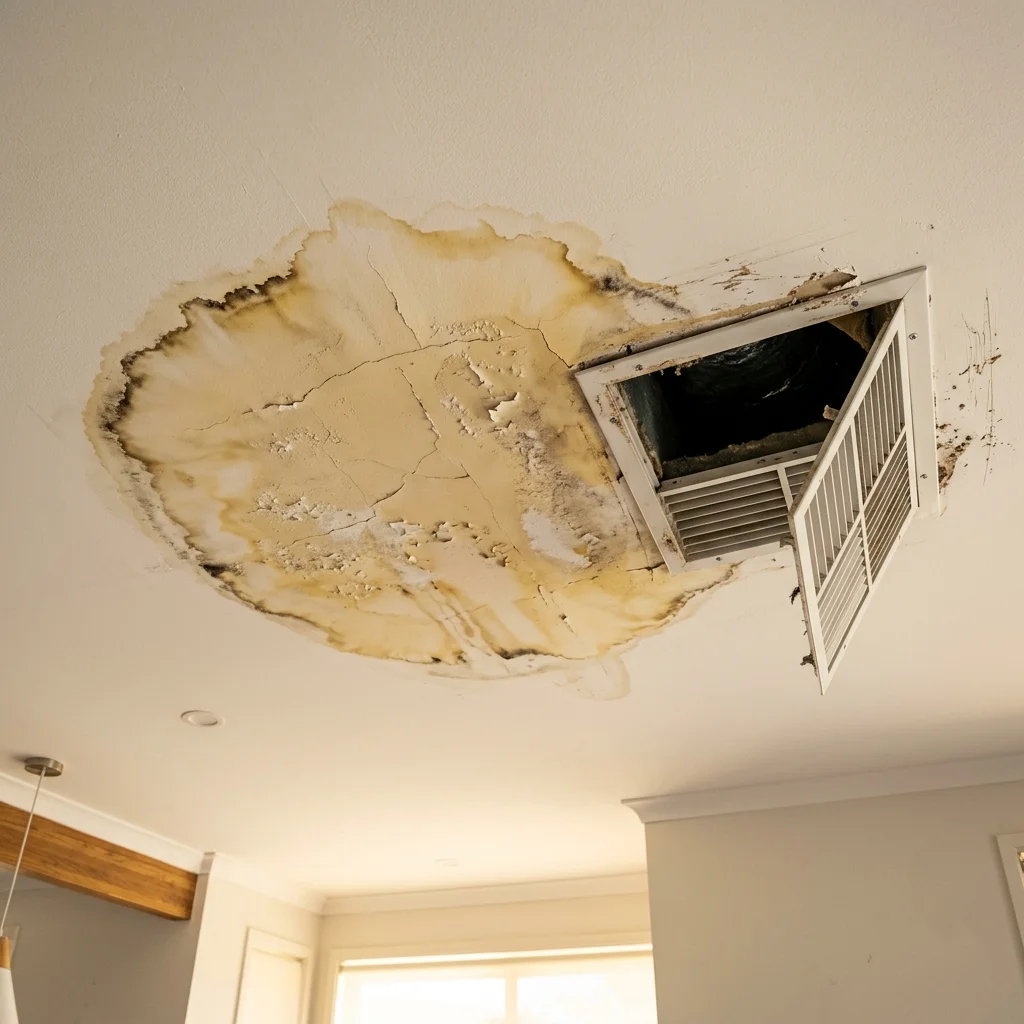
Do not continue investigating if you notice damaged electrical cables, a burning smell, water entering near electrical fittings, significant fire damage, a strong odour or a suspected contaminated area. Keep clear and contact the relevant emergency service or an appropriate professional. A possum problem can be a wildlife matter and a building-maintenance matter at the same time; each part needs the right kind of expertise.
For general local information, visit the Brisbane possum removal home page. When speaking with a provider, describe the evidence you have, any previous removal or sealing work, and whether noises or sightings suggest that an animal may still be inside. Clear details can help determine the safest next step.
Possums keep returning to your Brisbane eaves?
A prevention-focused enquiry should include the entry point, signs of nesting, nearby trees or vines, roof condition, and whether the animal has already been removed. The goal is not simply to move the possum again; it is to identify access, check that no dependent young are present, and plan humane exclusion at the correct time.
Get in touch to request an assessment or quote. Include your suburb, the problem you can see or smell, how long it has been happening, and any access or safety concern. The more specific the first message, the easier it is to recommend the right response.
Request a possum removal and exclusion assessment or call 07 3778 7184.
Frequently Asked Questions
Can the same possum return to the roof after it has been removed?
It may return or investigate a familiar route, especially if the access opening remains usable. A different possum may also find the same shelter. Without observing the animal, it is usually not possible to know which one is responsible. The lasting response is to check the den and close the access safely once the space is clear.
Should I block the hole as soon as I see a possum leave?
Not without confirming that the cavity is empty and that no dependent young are inside. An adult leaving briefly does not prove it has abandoned the den. Observe from a distance and seek an appropriate assessment if there is any uncertainty before carrying out repairs.
Will removing pet food and fallen fruit stop possums coming into the eaves?
It can reduce easy food access and make the yard less convenient for foraging, but it may not solve an established roof-space problem. A secure, sheltered cavity can remain attractive even after food cues are reduced. Pair food management with a den check and suitable building repairs.
Are possums allowed to be trapped or relocated by a homeowner?
Possums are protected native wildlife in Queensland, and wildlife requirements apply to handling, trapping and relocation. Do not try to catch, harm or move one yourself. Contact an experienced wildlife professional to discuss lawful, humane options for the circumstances.
How can I check whether a possum is still in the roof?
Record repeated noises, look for fresh signs from a safe position and watch likely openings at dusk from a distance. A quiet night or an empty-looking access point does not prove the entire cavity is clear. Do not enter an unsafe roof space or handle droppings, insulation or an animal.
What should I do if I hear baby possums?
Do not seal the opening, move a nest or try to separate young from an adult. Keep people and pets away and arrange a prompt assessment by an experienced wildlife professional. The safest plan depends on where the young are and whether the adult can still reach them.
Can a possum get in through a very small gap?
An opening can be less obvious from the ground than it appears up close, and gaps around eaves, vents, roof junctions and service penetrations can provide access. Do not rely on appearance alone. A careful inspection should identify the usable route and check whether other openings connect to the same roof space.
Preventing another visit starts with the whole picture
Possums keep returning to Brisbane eaves when a useful combination of shelter, access and nearby resources remains available. Removing an animal may be one part of the response, but lasting prevention depends on checking the den, allowing for young, closing every relevant entry safely and reducing easy food around the property. Observe first, avoid handling or sealing a suspected occupied space, and get help where access or wildlife safety is uncertain.
If activity has continued after a previous removal, a site-specific assessment can help identify what was missed and what should happen next. Use the practical checks above to prepare for a safe conversation about your home.
Urgent hazards, suspected contamination, electrical risk, fire damage or protected wildlife should be handled by the relevant emergency service or an appropriate professional.